Deity · Buddhist · c. 100 BCE
The Preta
Also called Hungry Ghosts, Gaki · also recorded as hungry ghost, प्रेत, 𑀧𑁂𑀢, ပြိတ္တာ, ប្រេត, ເຜດ, เปรต, ᠪᠢᠷᠢᠳ, ཡི་དྭགས་, 餓鬼, 饿鬼, 아귀 (per Wikidata)
Beings with enormous stomachs and throats too narrow to swallow. Not a species of demon: a condition you can be reborn into, and eventually leave.
Narrow source base
Not a species and not a punishment: a realm of rebirth, entered by way of a life organised around craving and exited when the karma that produced it runs out. The bodies are the doctrine made visible — vast stomachs, throats the width of a needle, and food that turns to fire or filth in the mouth. What the category refuses is the thing this compendium meets everywhere else: there is no adversary here, nothing chose this for anybody, and the beings are objects of compassion rather than of exorcism. The Ksitigarbha material carries the same class east into a mapped afterlife with courts and durations, and the annual feeding of the hungry ghosts is still observed across East Asia.
Identity
Where does the name come from?
Where it was actually worshipped
None, and this is the interesting case: pretas are fed rather than worshipped. The Ghost Festival sets out food for them once a year, which is charity to the dead rather than cult.
A figure with temples and a figure that only ever existed on a page are different kinds of thing, and the difference is easy to lose once both are entries in a list.
At a glance
Vitals
Vitals
Also known as
- First attested
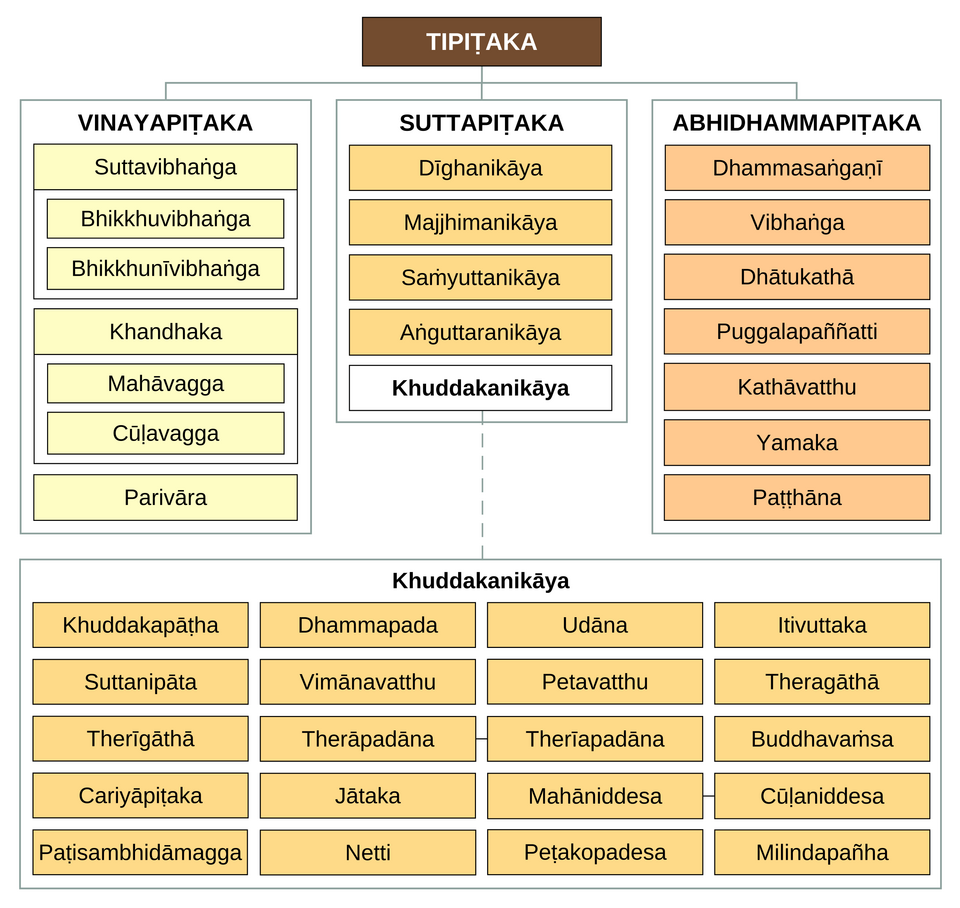
- The Pali Canon · c. 100 BCE, from oral tradition
- Named there as
- Peta
- Rank
- Class of Beings
- Pantheon
- Buddhist
- Order
- Buddhist pantheon
- Base of operations
- None, and this is the interesting case: pretas are fed rather than worshipped. The Ghost Festival sets out food for them once a year, which is charity to the dead rather than cult.
- Era
- c. 100 BCE
- Traditions
- Buddhist
Traits
- Domain
- Insatiable hunger, the consequences of greed
- Traditional form
- Vast bellies and needle-thin throats
Stats
Known connections
Identified with
2 attributed
What is it said to do?
Where these powers cluster
The 2 offices attributed to The Preta, grouped by kind. Segment width is the share of powers falling in each category.
A bar dominated by one colour means a specialist; an even spread means a figure the sources credit with almost anything.
- malefic2
1 mark
Which marks is it attached to?
A mark a figure carries and a mark used against a figure are opposite claims, so each link says which it is.
2 texts
Which texts say so, and where do they disagree?
When these texts were written
Each dot is one of the 2 texts that names The Preta, placed at that text's approximate date.
A wide spread means the figure was carried across many centuries and traditions; a tight cluster means a single period produced the whole record.
2 texts spanning roughly 800 years
Where the texts differ
- Name: given as Peta, hungry ghosts
Not created evil but reborn into constant unsatisfied craving; the state is temporary and exhausts itself.
The hungry ghosts placed inside a mapped afterlife with hells, durations and a bodhisattva vowing not to leave until they are emptied. It is the bridge text for this corpus: the Indian category of the Pali suttas and the Chinese court of magistrates appear in the same book, addressed by the same vow, which is how the idea travelled east.
Connections
What is it connected to?

Afterwards
What did later readers make of it?
The hungry ghost has become a working metaphor outside Buddhism: the phrase is now standard in the addiction literature, chiefly through Gabor Maté's In the Realm of Hungry Ghosts, for a craving that consumes without satisfying. That is closer to the doctrine than most borrowings in this corpus manage. The observances themselves are also still kept — the seventh-month festivals across East Asia at which food is set out for the hungry ghosts are among the largest surviving rites for the dead anywhere.
Kept in its own section on purpose. Everything above is what the cited texts say; this is what was built on top of them afterwards, and blending the two is how most popular demonology goes wrong.
Answered from the sources
Common questions
Which texts mention The Preta?
Is The Preta the same as Mammon?
What rank is The Preta?
How else is The Preta spelled?
What is The Preta said to do?
How old is The Preta?
Nearest in the corpus
If The Preta is what you came for, these are next
Chosen by proximity rather than by popularity: the same pantheon first, then the same rank, then the same kind of figure.
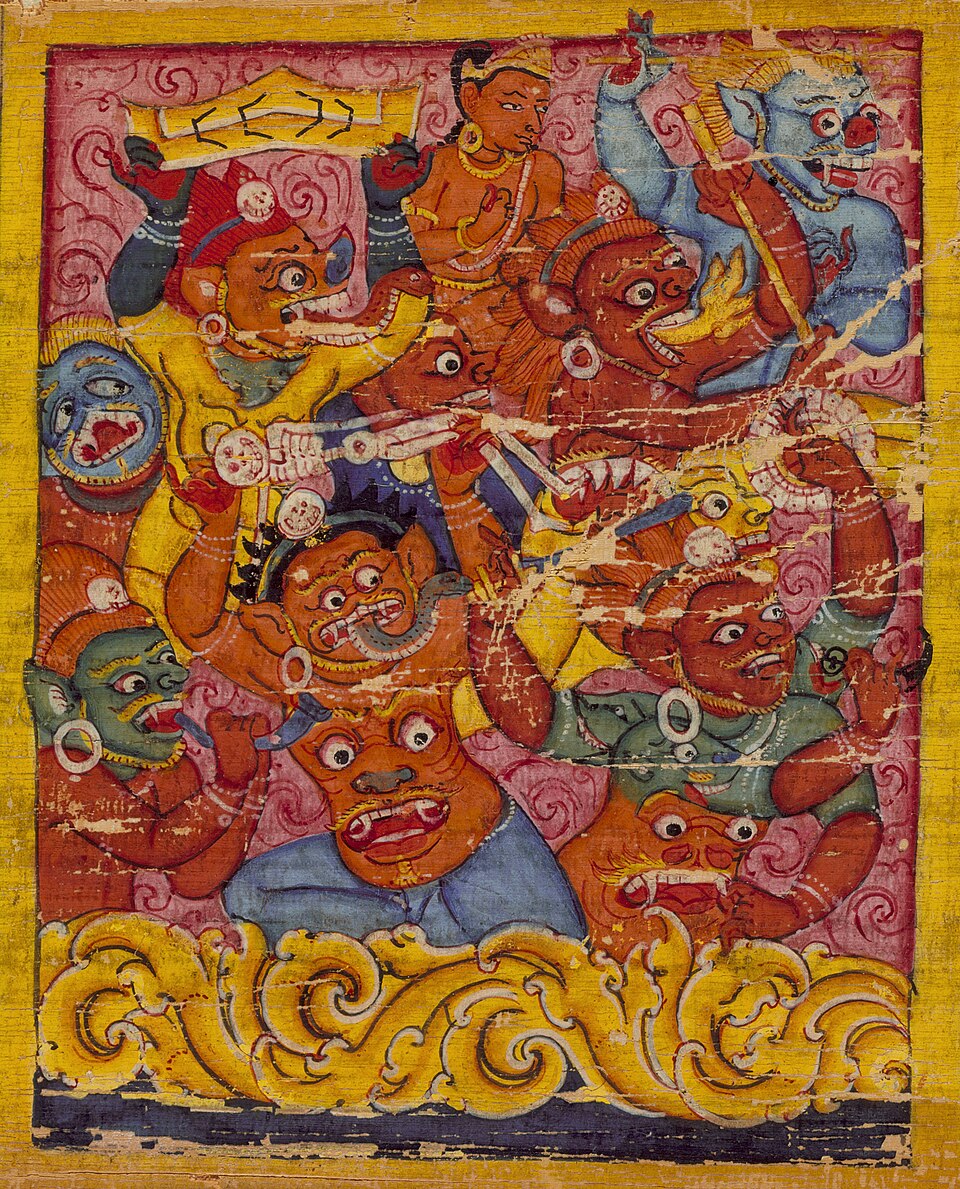
Mara
The Tempter · Buddhist
He assaults the Buddha under the Bodhi tree, first with armies and then with his daughters. The canon keeps glossing him as craving itself rather than as a being.
The Naga
Serpent Powers · Buddhist
The serpent powers of the Buddhist material — rain-bringers and treasure-keepers who shelter the Buddha under their hoods rather than opposing him, which is what a dragon does almost nowhere else in this corpus.
The Yakkha
Class of Spirits · Buddhist
A Buddhist class of spirits that are neither good nor evil by nature — tree-dwellers and gate-keepers who can eat travellers or take refuge in the Buddha, and frequently do the second after threatening the first.
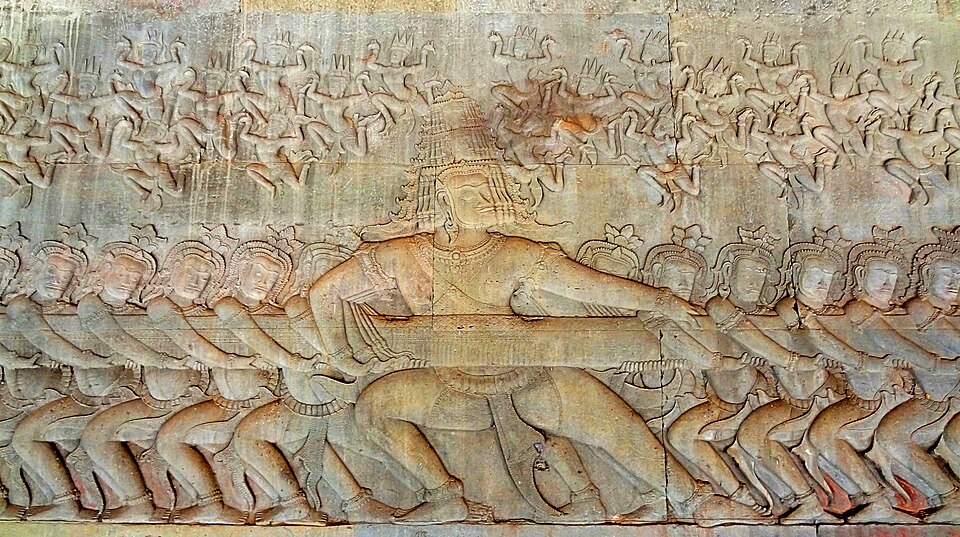
The Asuras
Class of Beings · Vedic
In the earliest Rigveda a title of honour for the highest gods; by the later Vedic period, the demonic opponents of the devas. The same word, inverted within one tradition.
Artemis
Mistress of Animals · Greek
Huntress and protector of the young, whose Ephesian cult statue looks nothing like her and whose temple gave the ancient world one of its most durable protective formulas.
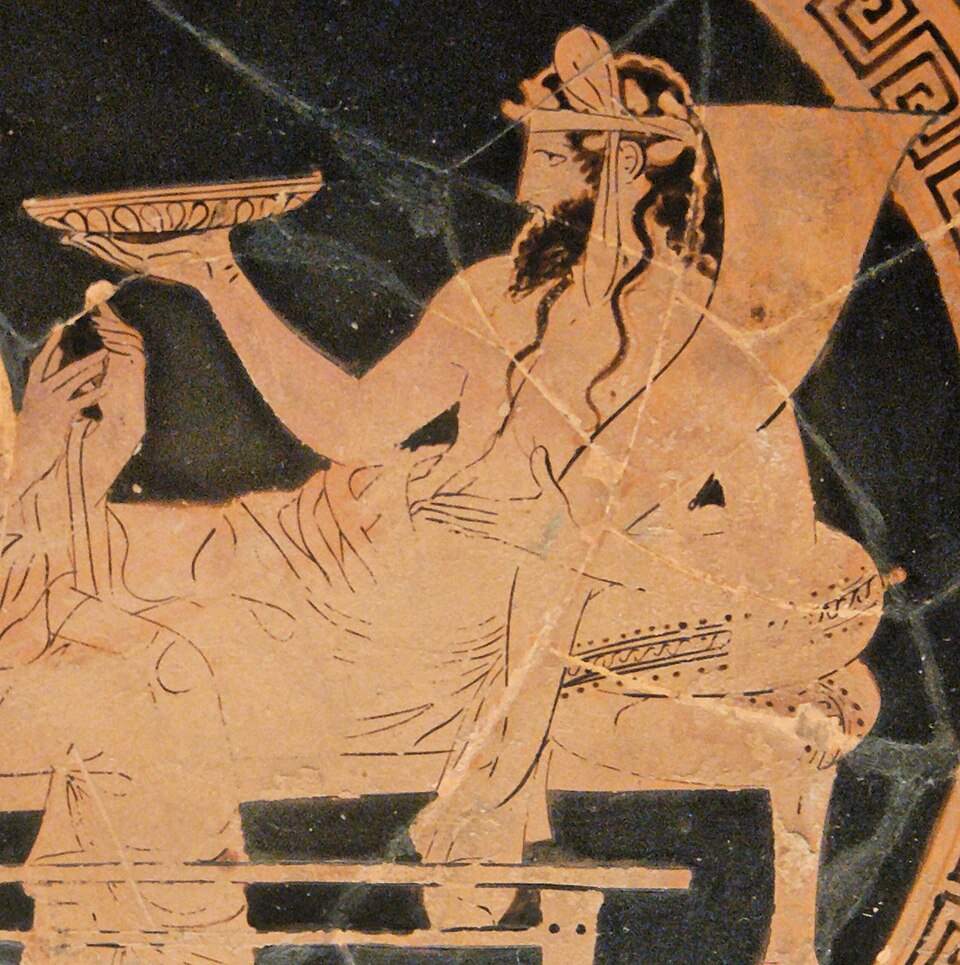
Hades
Lord of the Underworld · Greek
Ruler of the dead by lot rather than by punishment — a god of the underworld who is not evil, a distinction Christian cosmology cannot express.
The books behind The Preta
Every claim on this profile is attributed to one of these. They are public domain, listed oldest first, and each links to a full text where one is freely available.
The Pali Canon
Anonymous; attributed to the Buddha and his disciples · c. 100 BCE, from oral tradition · Pali
Read The Pali Canon in full ↗Cover: CC0 · Faredoka · Wikimedia file page
The Sutra of the Great Vows of Ksitigarbha
Anonymous; known through the Chinese translation attributed to Siksananda · c. 700 CE · Chinese, from a Sanskrit original
Read The Sutra of the Great Vows of Ksitigarbha in full ↗
Corpus last revised 29 August 2026. A reference site’s credibility rests on being maintained, so this is the date the sourced records last changed — not the date the page was rebuilt.