Deity · Greek · c. 700 BCE
Hades
Also called Aidoneus, Plouton · also recorded as Pluton (per Wikidata)
Ruler of the dead by lot rather than by punishment — a god of the underworld who is not evil, a distinction Christian cosmology cannot express.
Deep source base
The Greek underworld is not hell. Hades draws his realm in a three-way division with Zeus and Poseidon; his rule is administrative, not penal, and the ordinary dead are neither tormented nor rewarded. When the Septuagint used *hades* to translate the Hebrew *sheol*, and the New Testament then used it alongside *gehenna*, the two very different ideas — a neutral realm of the dead and a place of punishment — began to fuse. The English word 'hell' inherits both, which is why the tradition is so confused about what it is.
Identity
Where does the name come from?
What the name means
Greek *Aïdes*, most plausibly 'the unseen'. Speaking the name was avoided, hence the euphemism *Plouton*, 'the wealthy one', from which Latin Pluto.
Where it was actually worshipped
Very few temples; a god propitiated rather than celebrated. Necromanteia at Ephyra and elsewhere.
A figure with temples and a figure that only ever existed on a page are different kinds of thing, and the difference is easy to lose once both are entries in a list.
At a glance
Vitals
Vitals
Also known as
- First attested
- The Iliad · c. 750 BCE
- Named there as
- Aïdes
- Rank
- Lord of the Underworld
- Pantheon
- Greek
- Order
- Olympian
- Base of operations
- Very few temples; a god propitiated rather than celebrated. Necromanteia at Ephyra and elsewhere.
- Era
- c. 700 BCE
- Traditions
- Greek
- Placed in
- The Greek Succession
Traits
- Domain
- The dead, the underworld, hidden wealth
- Traditional form
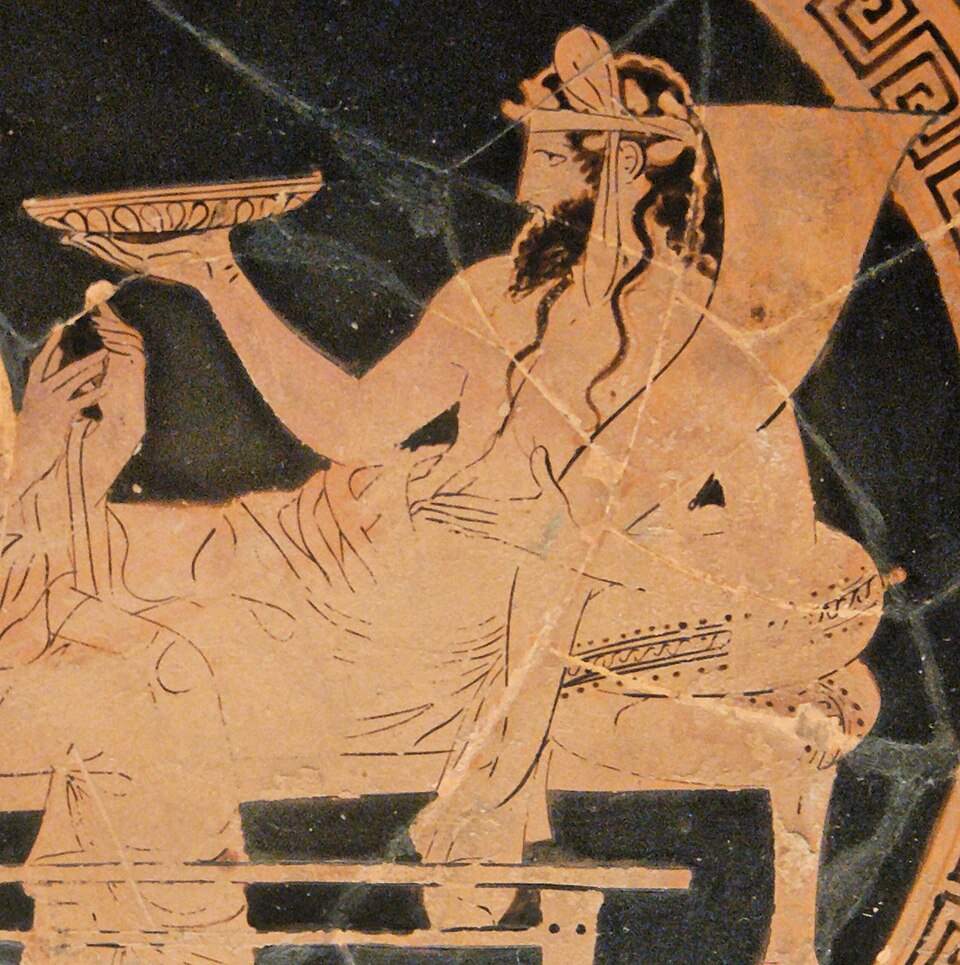
- Bearded and enthroned, with Cerberus and a cornucopia
Stats
Known connections
Chain of command
Opposed by
Identified with
1 site
Where was it worshipped?
Attested cult sites, located against the Pleiades gazetteer of the ancient world where it reaches and against Wikidata everywhere else. An absence here is not evidence that no cult existed: a good number of figures never had one, and the entry above says so where that is the case.
The oracle of the dead on the Acheron in Epirus. Hades has few temples anywhere; he is propitiated rather than celebrated, and this is where the living went to ask the dead.
39.236, 20.534 · Pleiades 531011
3 attributed
What is it said to do?
Where these powers cluster
The 3 offices attributed to Hades, grouped by kind. Segment width is the share of powers falling in each category.
A bar dominated by one colour means a specialist; an even spread means a figure the sources credit with almost anything.
- material1
- transformation2
material
- Grants Richesno text cited
transformation
- Confers Invisibilityno text cited
His helm of darkness.
- Conducts SoulsTheogony & Works and Days
4 texts
Which texts say so, and where do they disagree?
When these texts were written
Each dot is one of the 4 texts that names Hades, placed at that text's approximate date.
A wide spread means the figure was carried across many centuries and traditions; a tight cluster means a single period produced the whole record.
4 texts spanning roughly 758 years
Where the texts differ
- Name: given as Aïdes, Hades, Hades (Aidoneus), Dis
Named as the third brother holding the misty dark by lot, and reported as wounded by an arrow of Heracles and going up to Olympus in pain to be healed. A lord of the dead who can be shot is very far from the devil he is later merged with, and the poem records it without embarrassment.
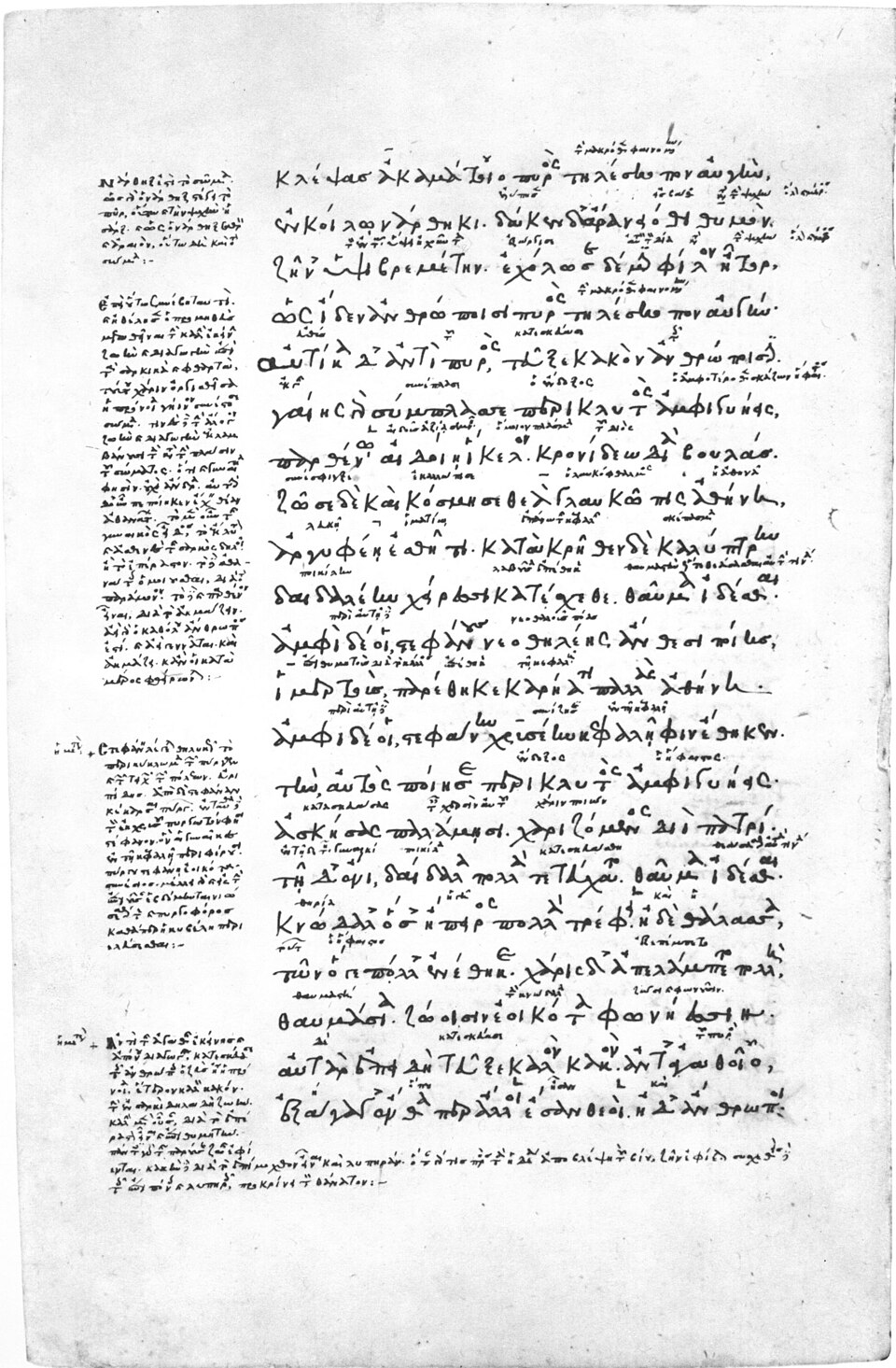
Receives the underworld in the division of the cosmos among the sons of Kronos.
The abductor, acting with the consent of Zeus and complying with the recall when it comes — the seed is a technicality, not a defiance. He is a magistrate of a fixed jurisdiction rather than an adversary, and the whole later Christian collapse of Hades into the devil is a misreading of exactly this text's tone.
The abduction again, now in Latin and with the Roman name, told as a love story with Venus setting it up to extend her empire. This is the version Europe read for a thousand years, and the substitution of Dis for Hades is where the Greek magistrate begins turning into a proprietor of hell.
Connections
What is it connected to?
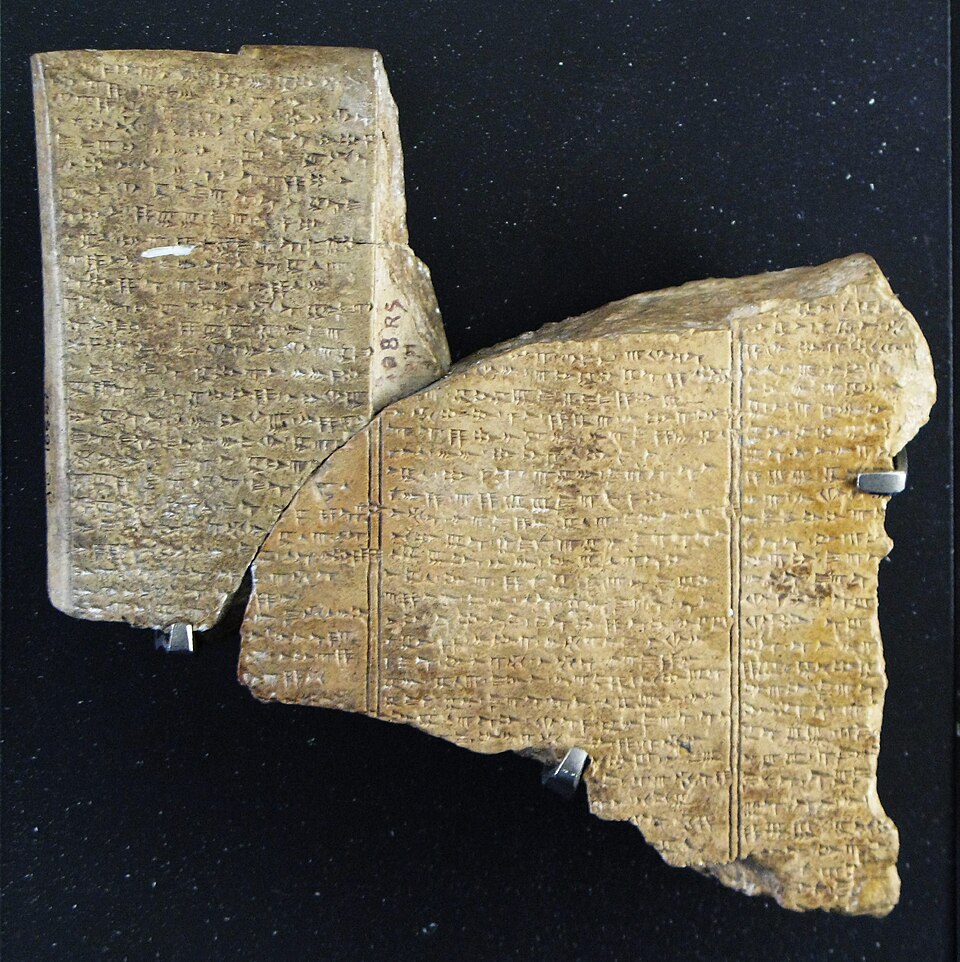
Identified with Mot
The same equation reached through the Greek instead. Recorded by Wikidata (P460); not asserted by a text this corpus carries.
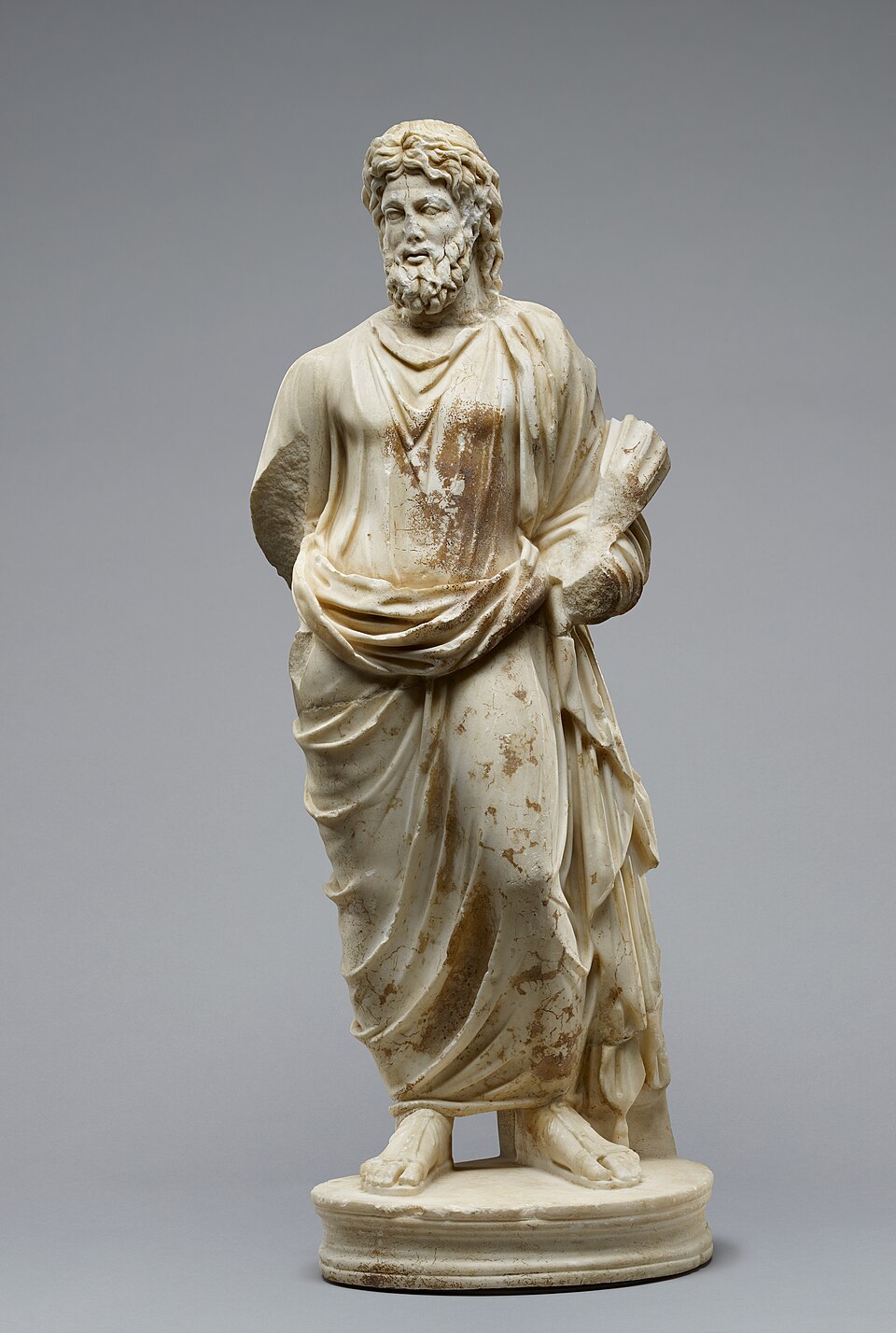
Identified with Pluto
The interpretatio romana at its most direct.
Identified with Hel
A neutral realm of the dead, not a place of punishment — and the source of the English word.
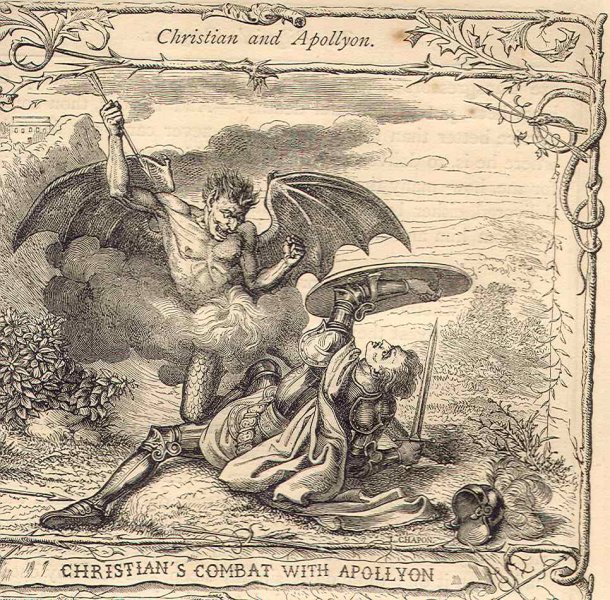
Identified with Abaddon
The Greek of Revelation puts Abaddon and Hades in adjacent roles.
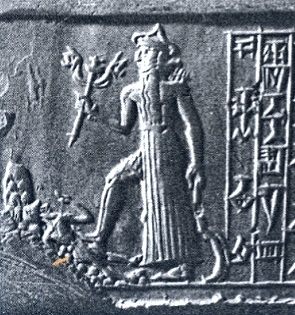
Identified with Nergal
Underworld sovereigns, both later reassigned as demons by de Plancy.
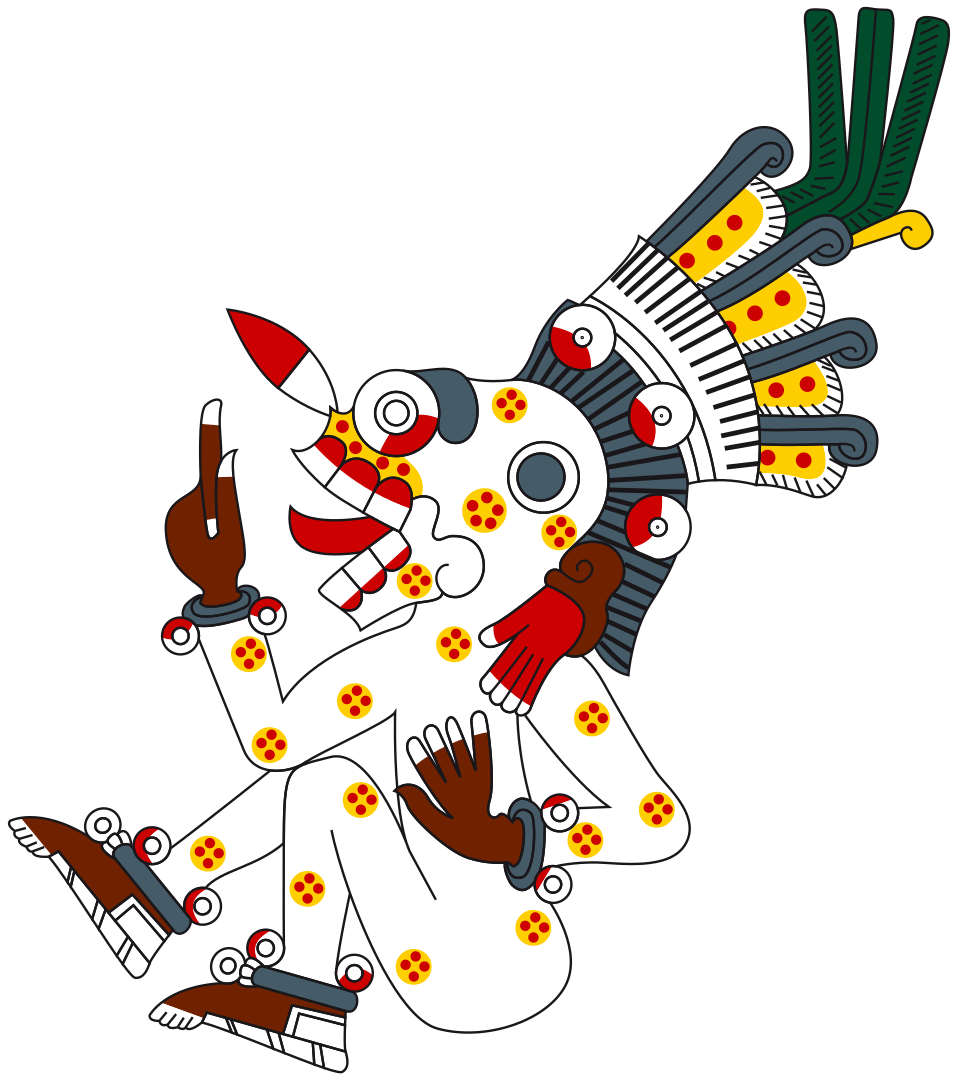
Identified with Mictlantecuhtli
Sovereigns of a realm of the dead that is a destination, not a punishment.
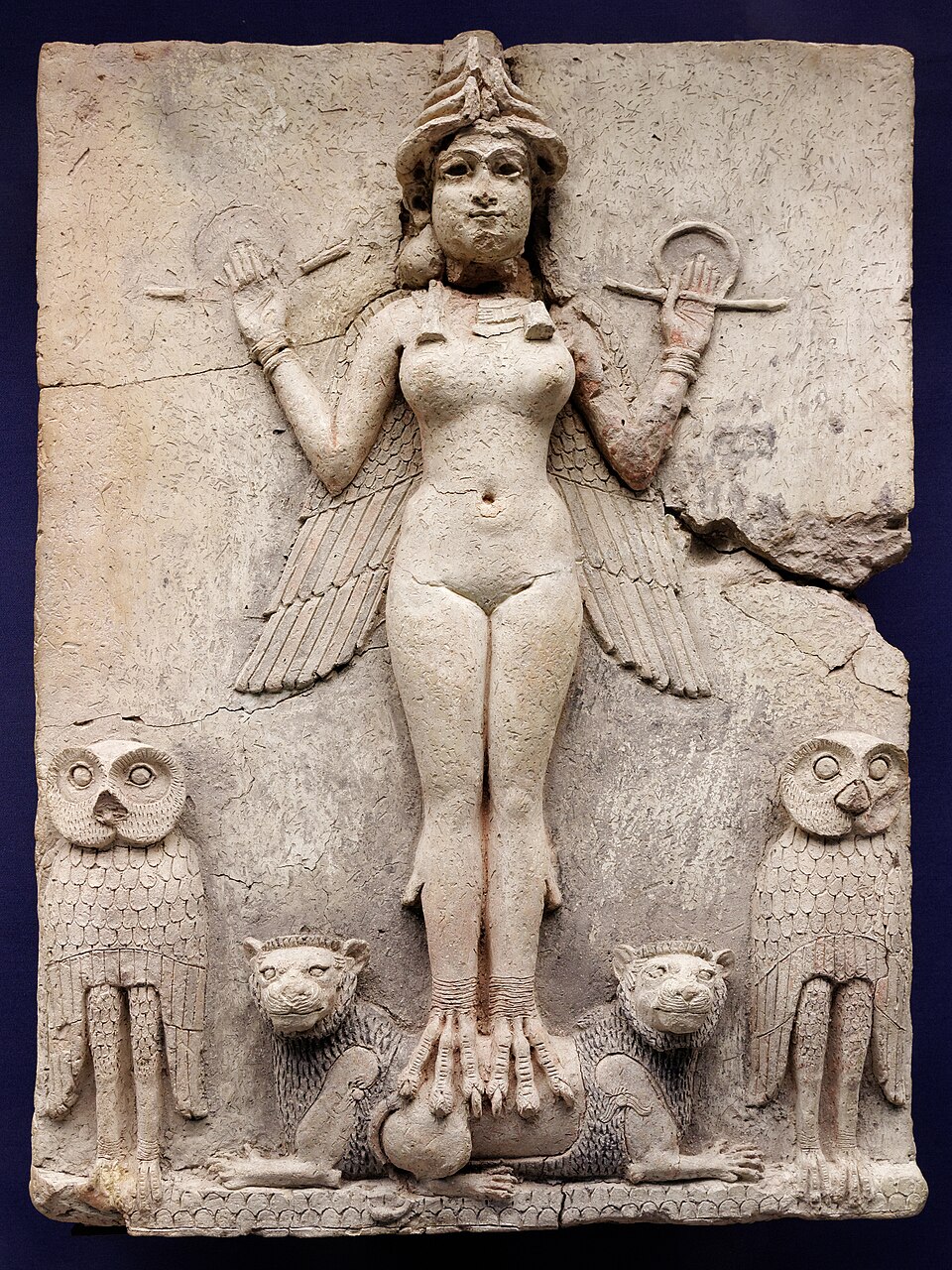
Identified with Ereshkigal
Underworld sovereigns whose law binds even the gods who enter.
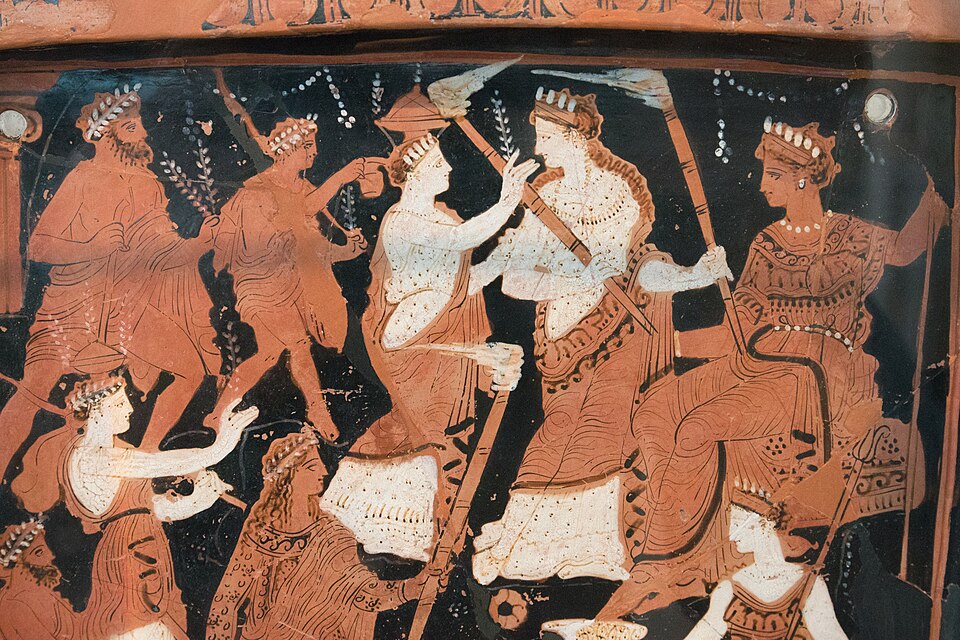
Served by Persephone
Queen beside him, though the texts grant her independent authority over the dead.
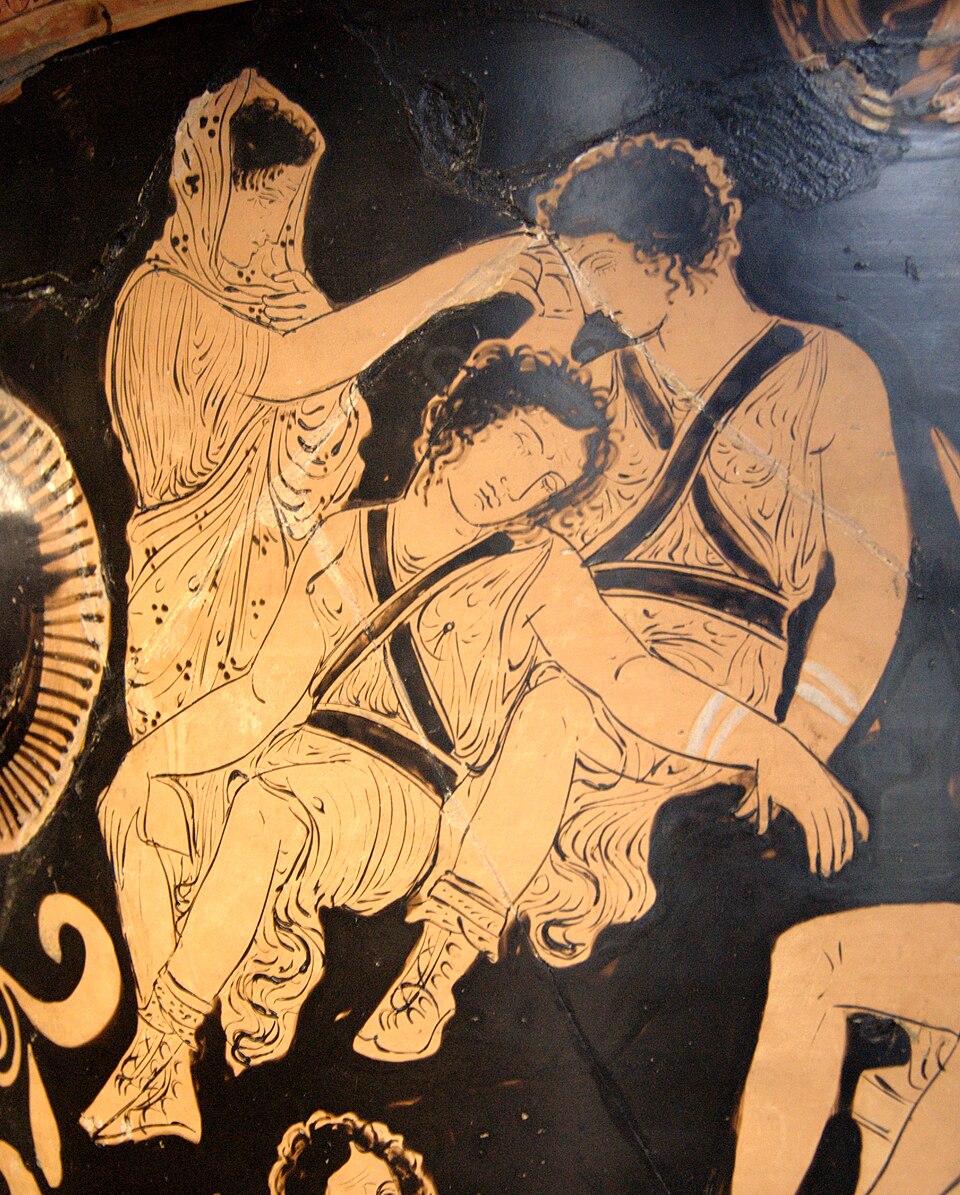
Served by The Erinyes
Chthonic enforcers, installed under the Areopagus by the end of the Oresteia.
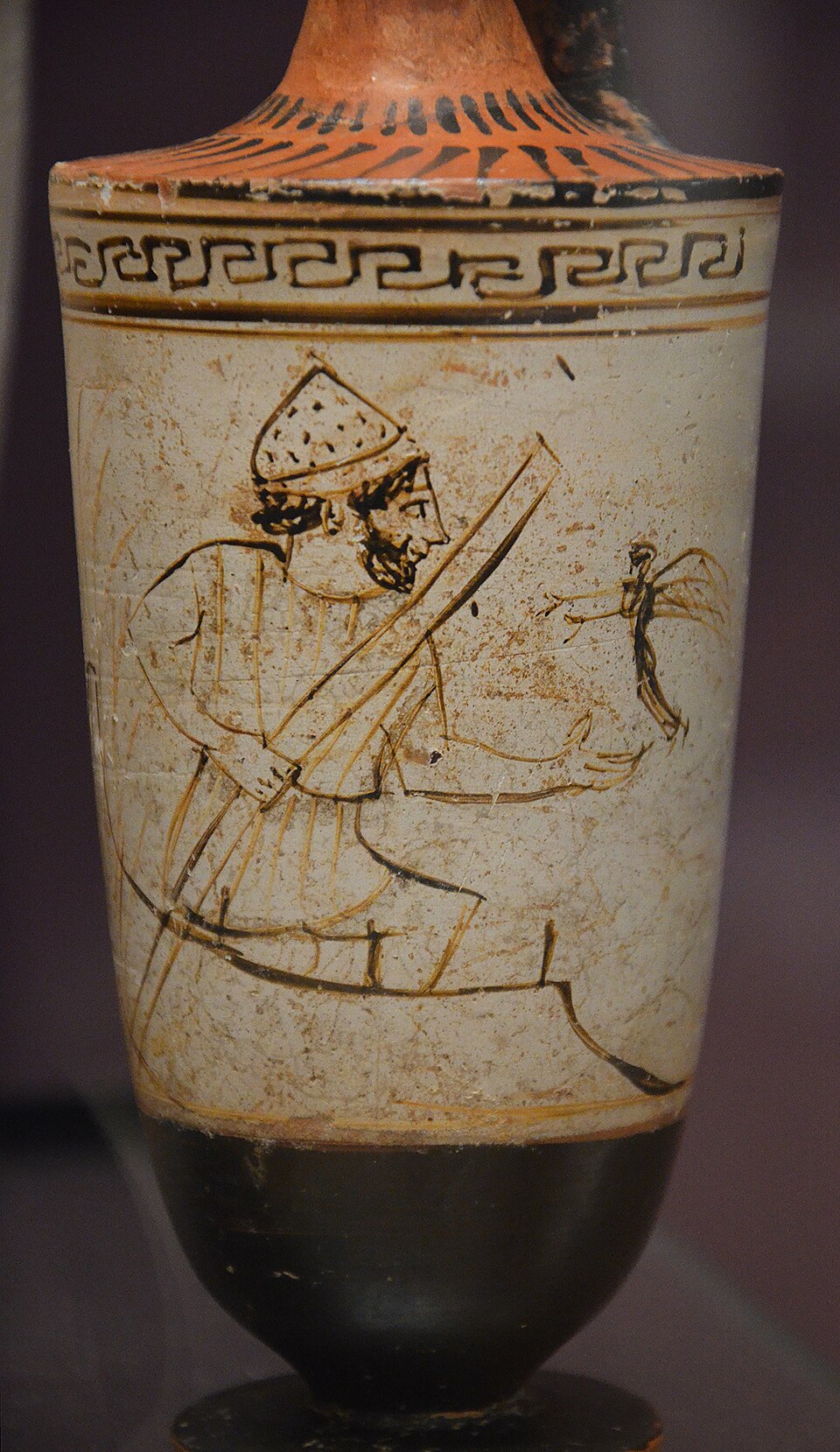
Served by Charon
Identified with Sheol
The Septuagint renders Sheol as Hades throughout, which imports a Greek underworld into a Hebrew word for the grave.
Opposed by Tartarus
Beneath and distinct: Hades holds the dead, Tartarus holds defeated powers. Hesiod keeps them separate and English translation does not.
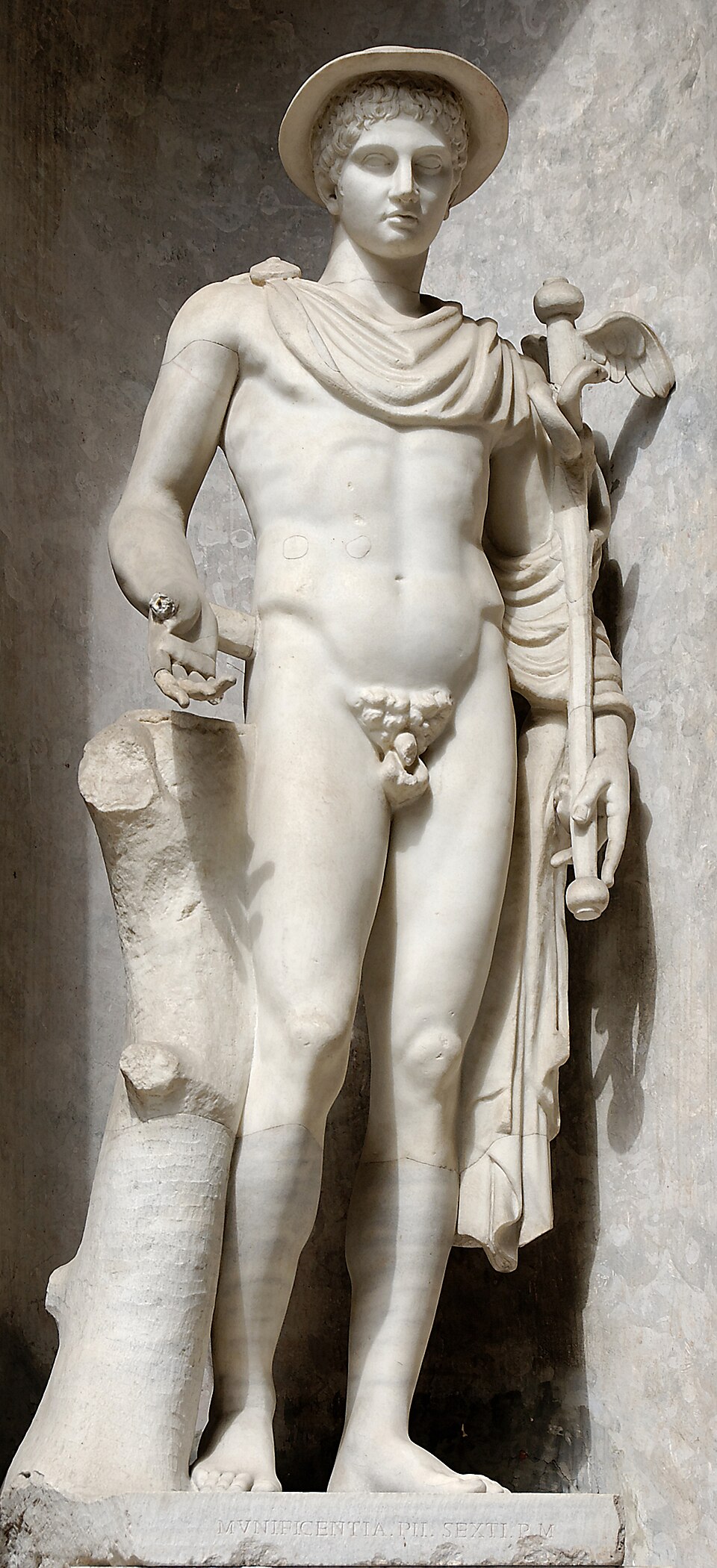
Placement
Where does it sit in the hierarchies?
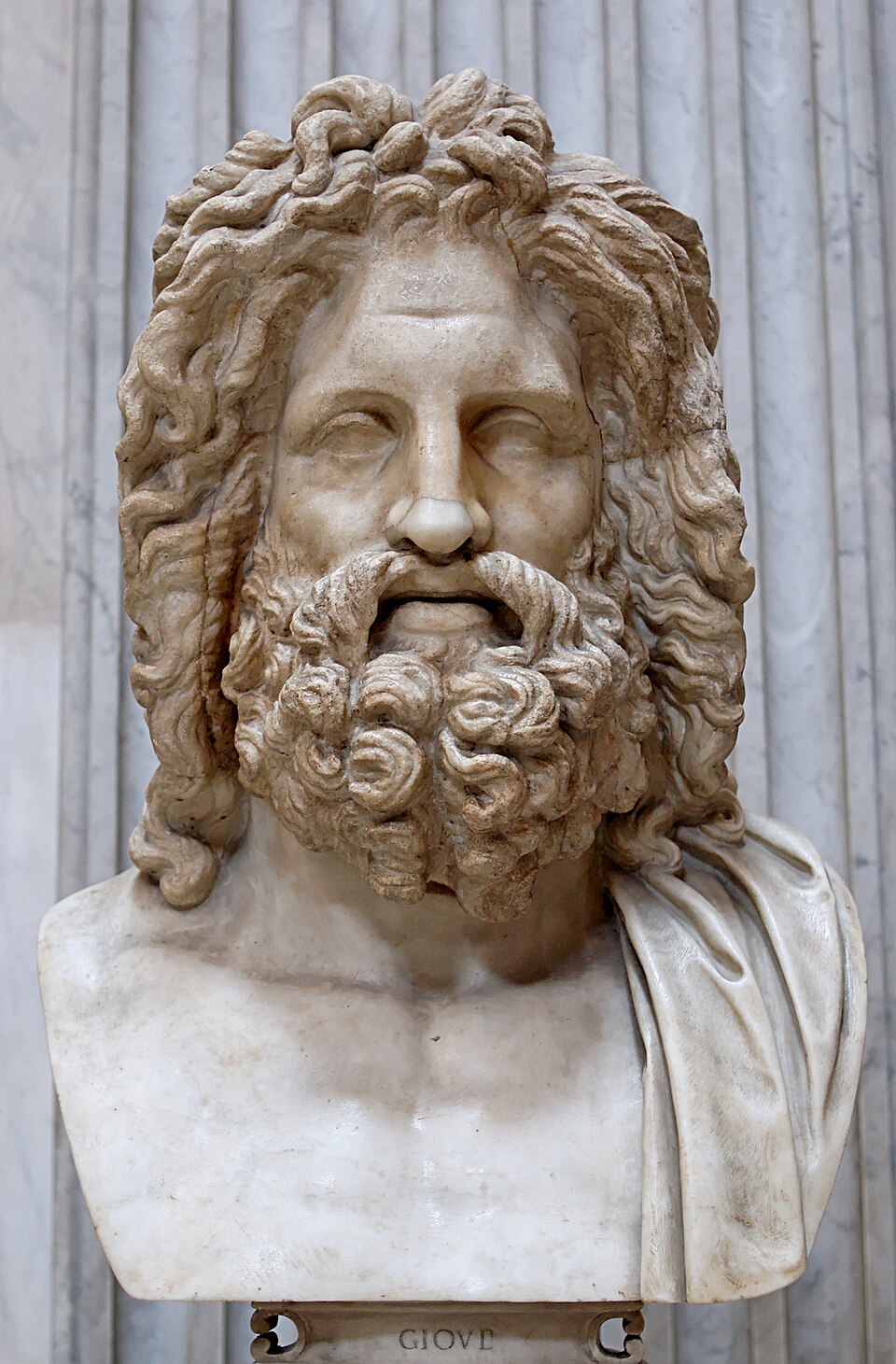
Afterwards
What did later readers make of it?
Conflated with the Christian devil in English usage almost entirely by accident, because the Septuagint used *hades* to translate *sheol* and the New Testament then set it beside *gehenna*.
Kept in its own section on purpose. Everything above is what the cited texts say; this is what was built on top of them afterwards, and blending the two is how most popular demonology goes wrong.
Answered from the sources
Common questions
Which texts mention Hades?
Is Hades the same as Mot?
What rank is Hades?
How else is Hades spelled?
What is Hades said to do?
How old is Hades?
Nearest in the corpus
If Hades is what you came for, these are next
Chosen by proximity rather than by popularity: the same pantheon first, then the same rank, then the same kind of figure.
Artemis
Mistress of Animals · Greek
Huntress and protector of the young, whose Ephesian cult statue looks nothing like her and whose temple gave the ancient world one of its most durable protective formulas.
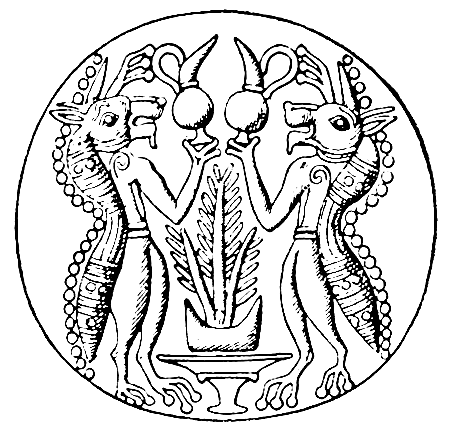
The Daimones
Class of Spirits · Greek
Guardian spirits — Socrates had one that advised him — whose name the Greek scriptures borrowed for evil spirits, permanently poisoning the word.
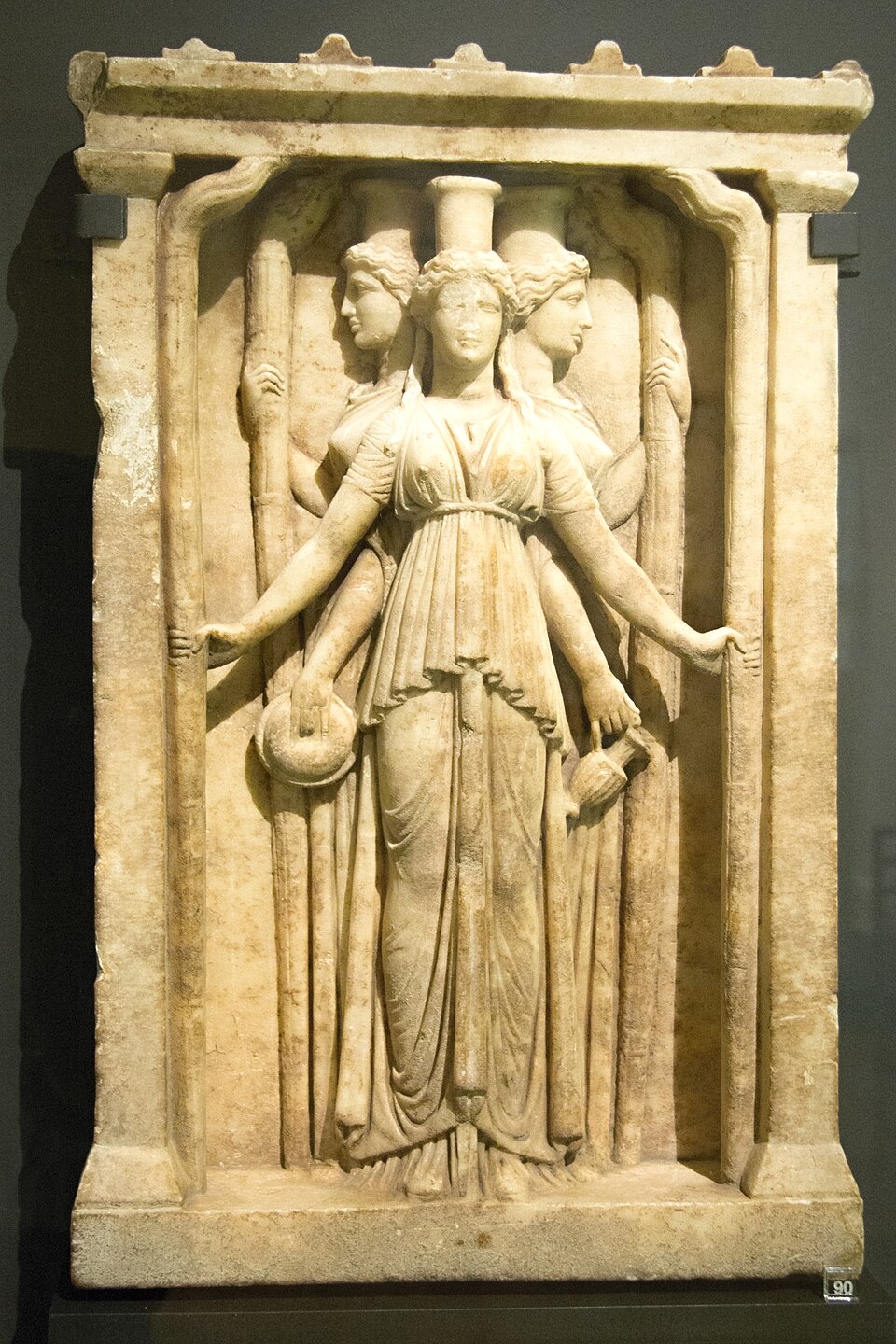
Hecate
Goddess of Crossroads · Greek
Hesiod has Zeus honour her above all others. By the medieval period she presides over witchcraft instead, a demotion with no wrongdoing attached to it anywhere.
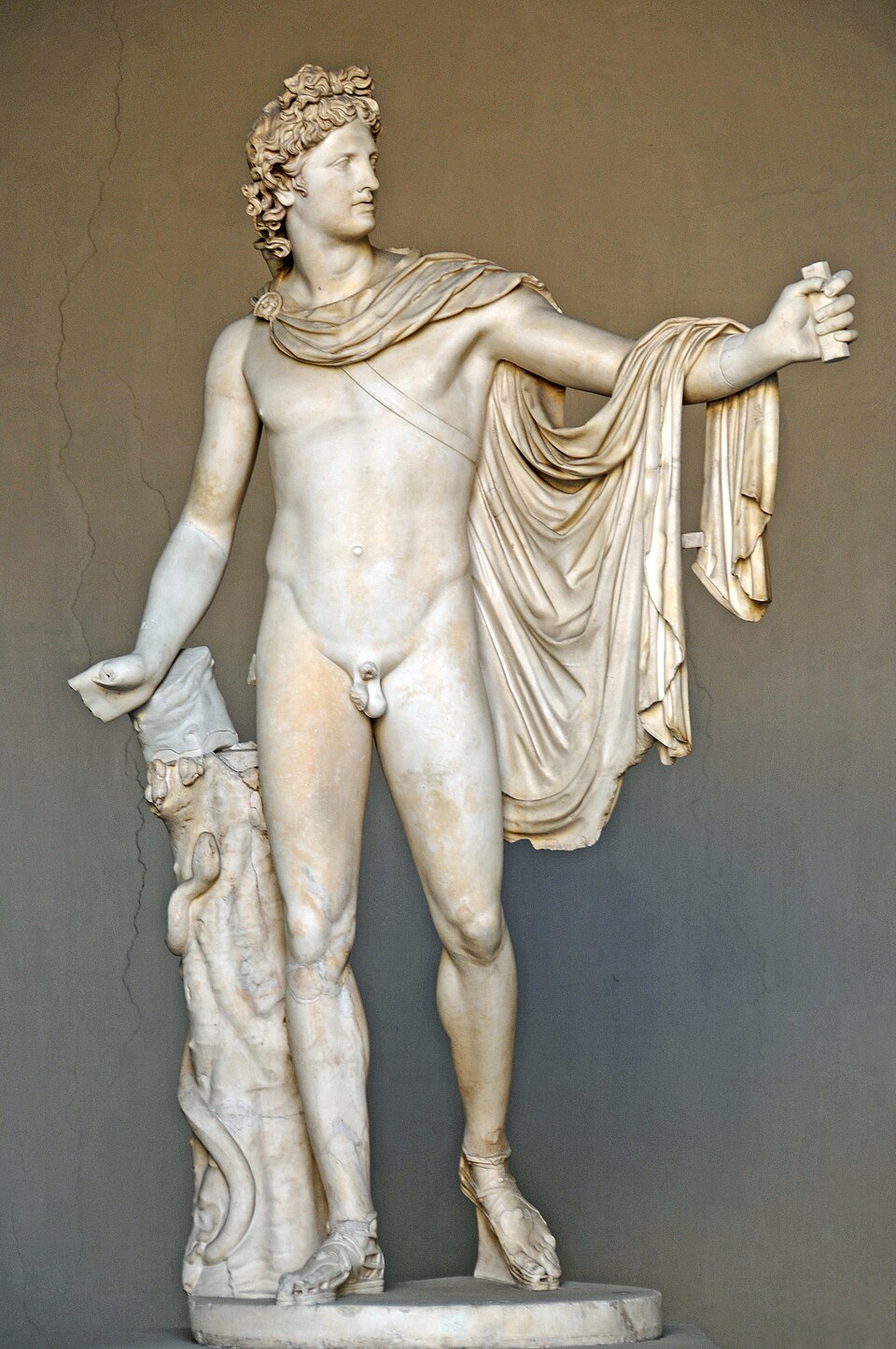
Apollo
God of Prophecy · Greek
Oracle-giver at Delphi, and the god who both sends plague and lifts it. Later traditions split that duality between an angel and a demon; Greece kept it in one figure.
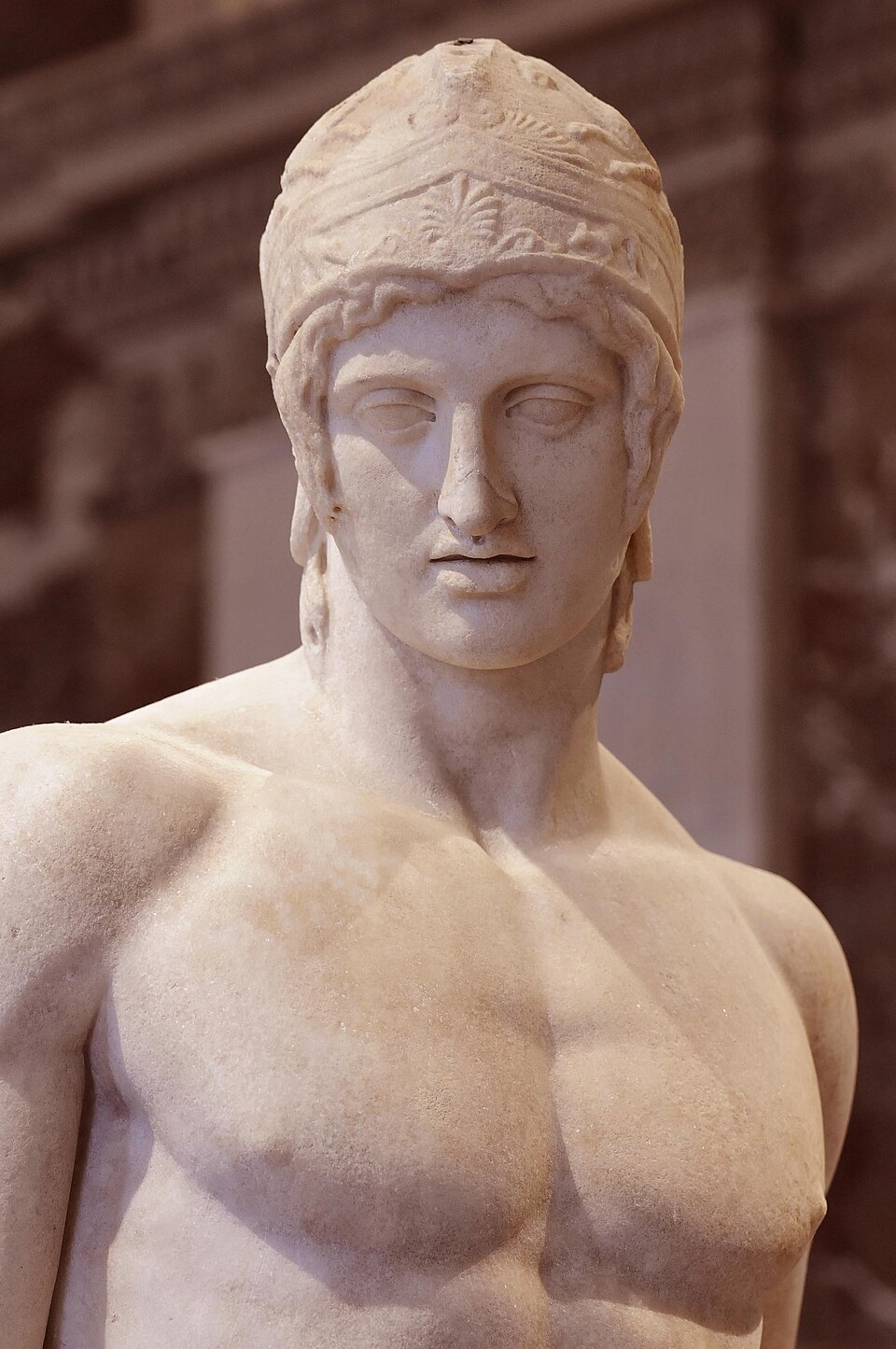
Ares
God of War · Greek
War as slaughter rather than strategy — disliked by the Greeks who worshipped him, and rehabilitated entirely by the Romans as Mars.
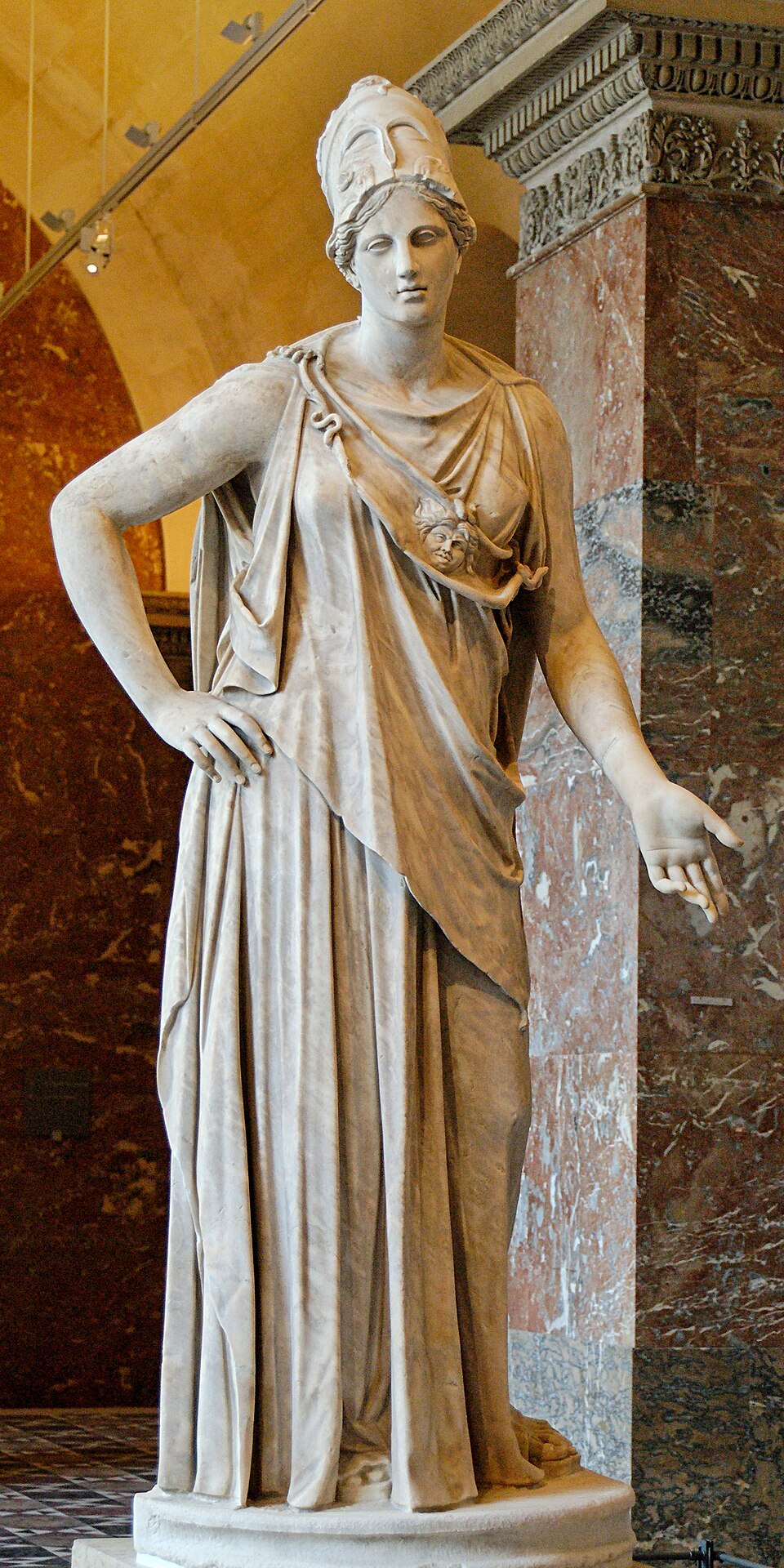
Athena
Goddess of Wisdom and War · Greek
Born from the head of Zeus, and the only Olympian to hold both war and craft. Where Ares is violence, she is strategy.
The books behind Hades
Every claim on this profile is attributed to one of these. They are public domain, listed oldest first, and each links to a full text where one is freely available.
Theogony & Works and Days
Hesiod · c. 700 BCE · Ancient Greek
Read Theogony & Works and Days in full ↗Cover: Public domain · Hesiod · Wikimedia file page
The Homeric Hymns
Anonymous; attributed in antiquity to Homer; tr. Hugh G. Evelyn-White · c. 700–500 BCE · Ancient Greek
Read The Homeric Hymns in full ↗
Corpus last revised 29 August 2026. A reference site’s credibility rests on being maintained, so this is the date the sourced records last changed — not the date the page was rebuilt.