Deity · Mesopotamian · c. 2000 BCE
Nergal
Also called Erra, Nirgali · also recorded as Nirgal, 𒀭𒄊𒀕𒃲 (per Wikidata)
God of plague, war and the underworld, consort of Ereshkigal — and one of the few Mesopotamian gods the Bible names directly.
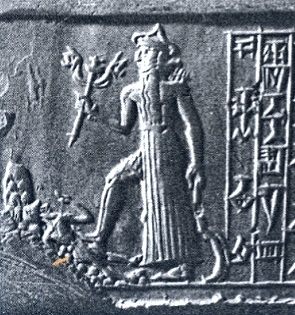
Well sourced
Nergal is one of the few Mesopotamian gods the Hebrew Bible names outright, in the account of the peoples resettled in Samaria who went on making their own gods — a passage that is unusually good evidence, because it is a list of foreign cults recorded by people with no interest in preserving them. In his own tradition he is plague and scorching heat before he is the underworld, and he arrives there by marrying into it rather than by right. De Plancy later gave him a desk in the infernal civil service, which is the fate this corpus traces again and again: a god of the sun's harm reduced to a job title in a nineteenth-century French parody of a government.
Identity
Where does the name come from?
Where it was actually worshipped
Kutha, at the Emeslam. The city stood for the underworld so completely that Assyrian texts use its name to mean it.
A figure with temples and a figure that only ever existed on a page are different kinds of thing, and the difference is easy to lose once both are entries in a list.
At a glance
Vitals
Vitals
Also known as
- First attested
- Nergal and Ereshkigal · c. 1300–800 BCE
- Rank
- God of the Underworld
- Pantheon
- Mesopotamian
- Order
- Babylonian pantheon
- Base of operations
- Kutha, at the Emeslam. The city stood for the underworld so completely that Assyrian texts use its name to mean it.
- Era
- c. 2000 BCE
- Traditions
- Folk & Demonological, Mesopotamian
- Placed in
- The Assembly of the Gods
Traits
- Domain
- Plague, war, the underworld, the scorching sun
- Metal of its planet (Agrippa, 1533)
- Iron and red brass — “Amongst Metals, Iron, and red Brass; and all fiery, red, and sulphureous things.” (I.27)
- Planet
- Mars
3 attributed
What is it said to do?
Where these powers cluster
The 3 offices attributed to Nergal, grouped by kind. Segment width is the share of powers falling in each category.
A bar dominated by one colour means a specialist; an even spread means a figure the sources credit with almost anything.
- malefic2
- transformation1
malefic
transformation
- Conducts Soulsno text cited
1 claim
What is it blamed for?
Harms attributed to this figure by a named text. An attribution is not a diagnosis, and where a claim carries a grading it is about how well it rests on the passage it cites.
3 texts
Which texts say so, and where do they disagree?
When these texts were written
Each dot is one of the 3 texts that names Nergal, placed at that text's approximate date.
A wide spread means the figure was carried across many centuries and traditions; a tight cluster means a single period produced the whole record.
3 texts spanning roughly 2,863 years
Where the texts differ
- Rank: given as God of the men of Cuth; Chief of the secret police of hell
Sent down to answer for an insult to Ereshkigal's messenger and does not return; the marriage is how the dispute ends. His first Mesopotamian attestation in this corpus, which until now had him only in a verse of 2 Kings and in a nineteenth-century French demonology.
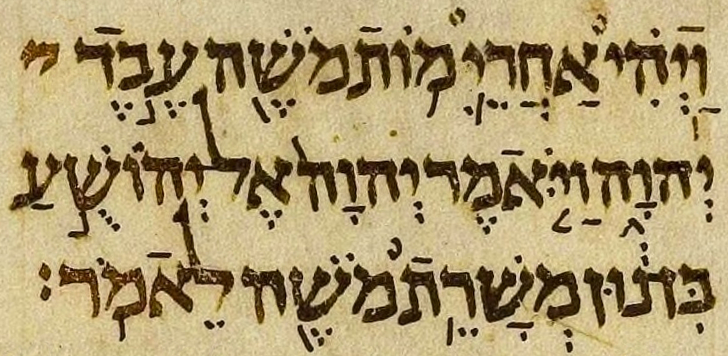
Named among the gods the resettled peoples of Samaria continued to make.
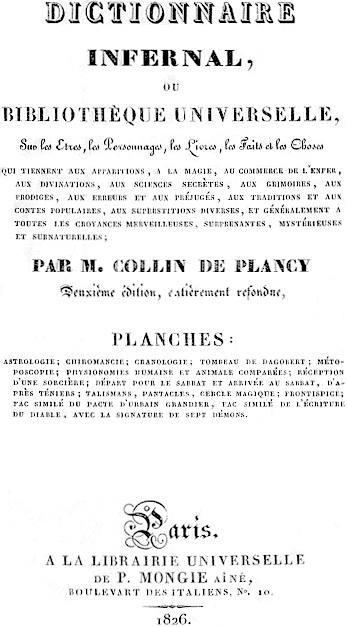
Reassigned a bureaucratic office in the infernal court.
“Nergal, démon du second ordre, chef de la police du ténébreux empire, premier espion de Belzébuth, sous la surveillance du grand justicier Lucifer.”Nergal, a demon of the second order, chief of police of the shadowy empire, first spy of Beelzebub, under the supervision of the great justiciar Lucifer. — translated for ColossiansOne
Connections
What is it connected to?
Placement
Where does it sit in the hierarchies?
Answered from the sources
Common questions
Which texts mention Nergal?
Is Nergal the same as Hades?
What rank is Nergal?
How else is Nergal spelled?
What is Nergal said to do?
How old is Nergal?
Nearest in the corpus
If Nergal is what you came for, these are next
Chosen by proximity rather than by popularity: the same pantheon first, then the same rank, then the same kind of figure.
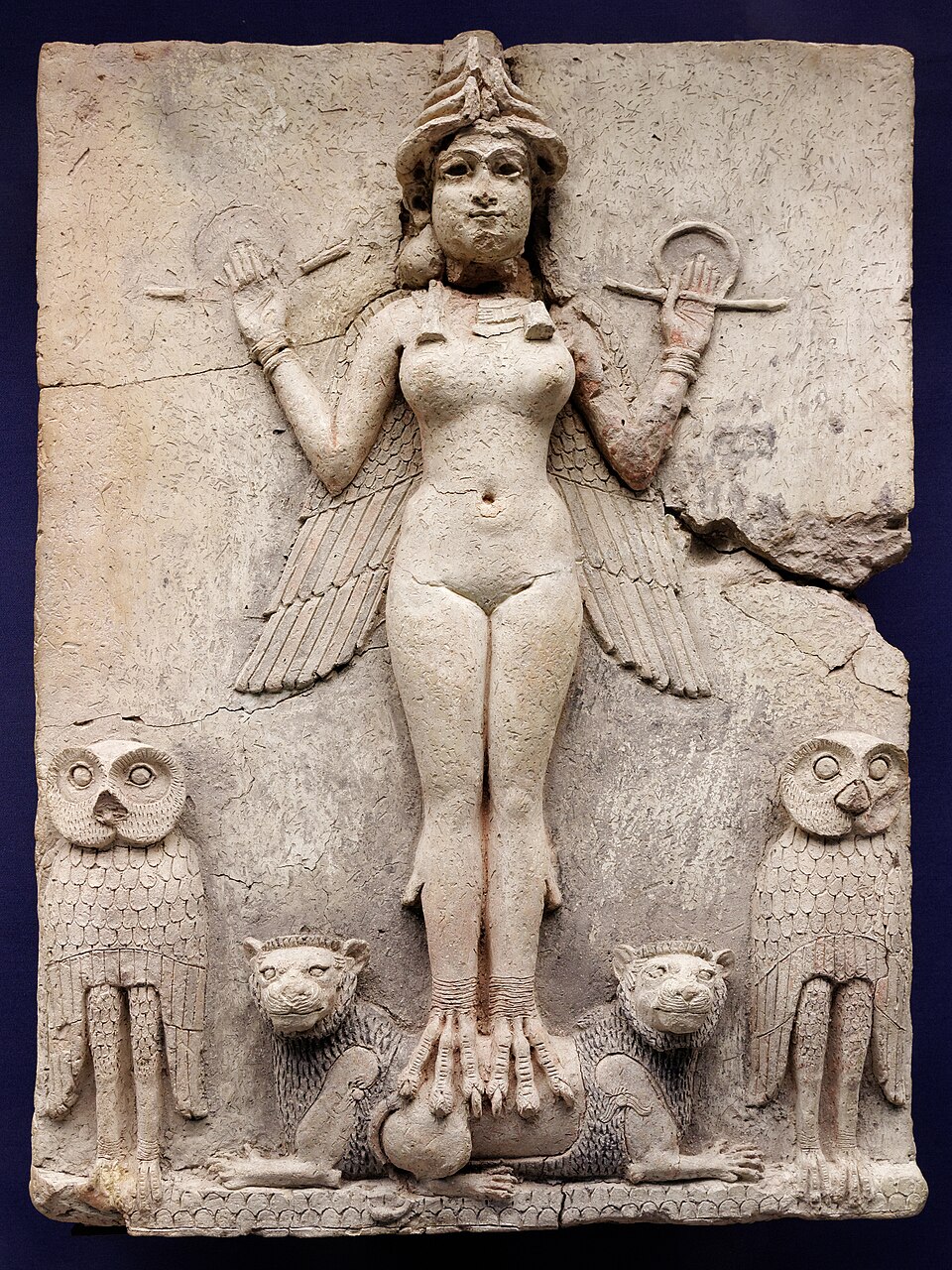
Ereshkigal
Queen of the Great Below · Mesopotamian
Sovereign of the underworld who strips Ishtar of a garment at each of the seven gates and hangs her on a hook.
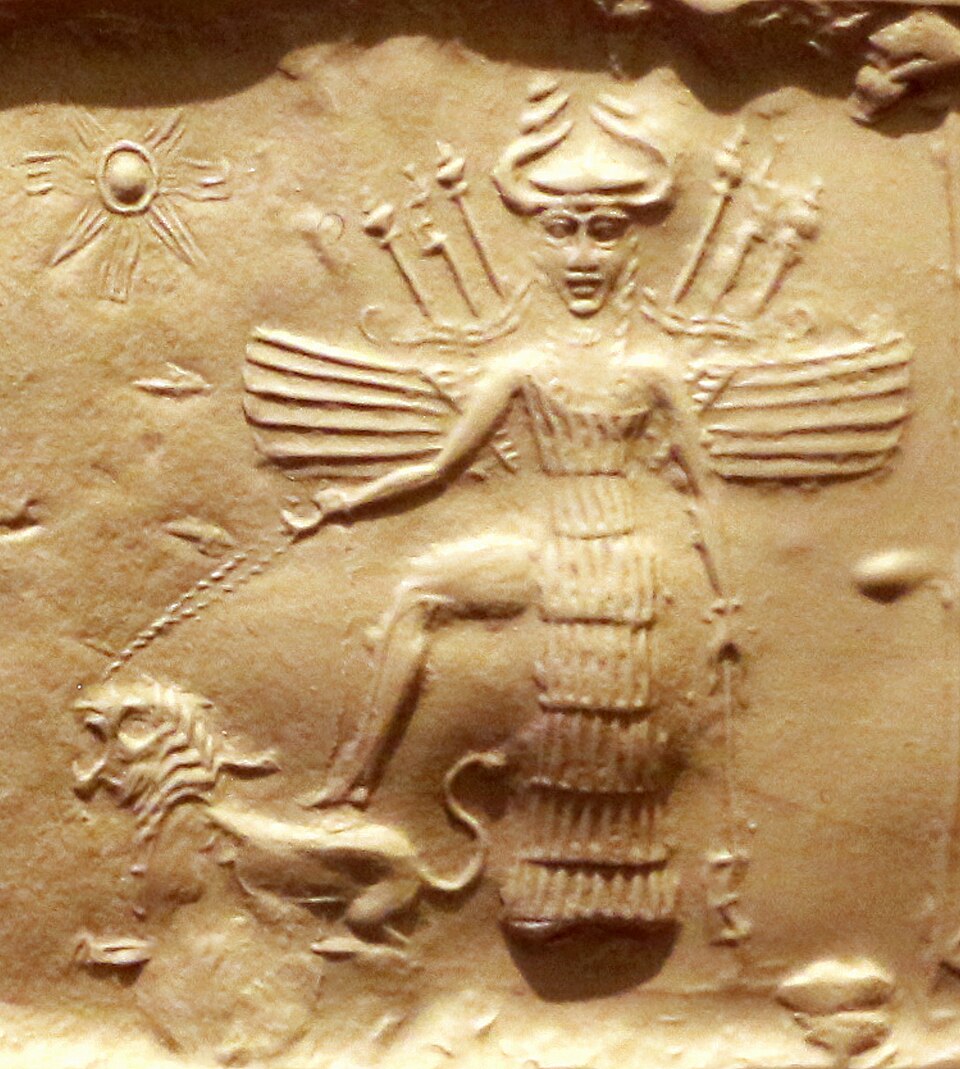
Ishtar
Queen of Heaven · Mesopotamian
Goddess of love, war and the planet Venus, whose descent into the underworld is among the oldest recorded narratives.
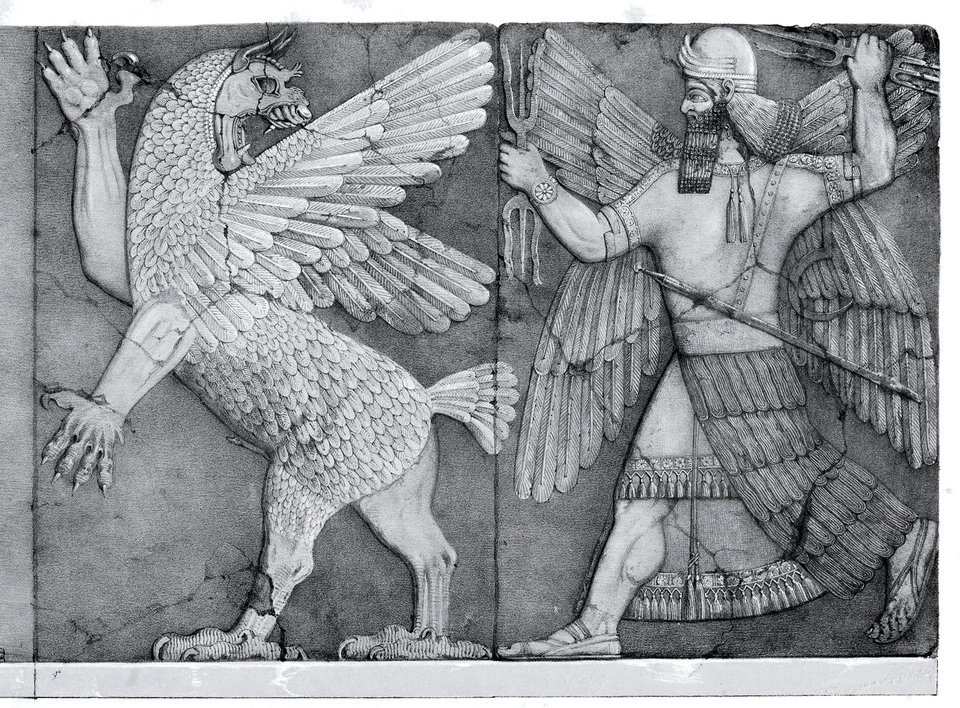
Marduk
King of the Gods · Mesopotamian
Splits Tiamat and builds the world from her body, and is voted fifty names and supreme authority for doing it.
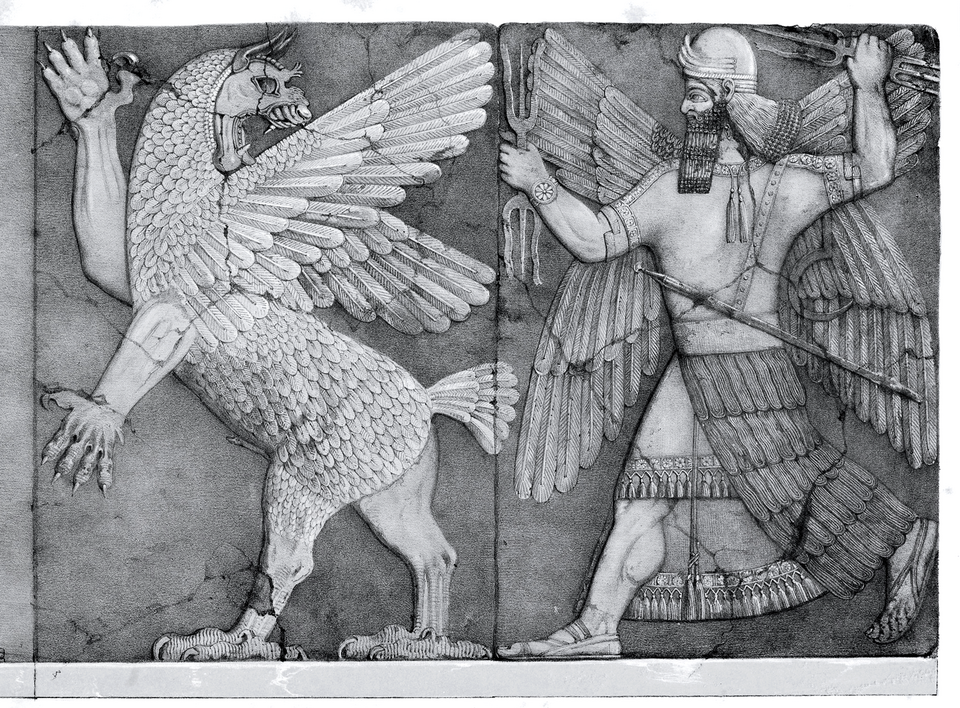
Anzu
Storm Bird · Mesopotamian
The lion-headed eagle who steals the Tablet of Destinies and is shot down for it — a rebellion against divine order predating any biblical account by a millennium.
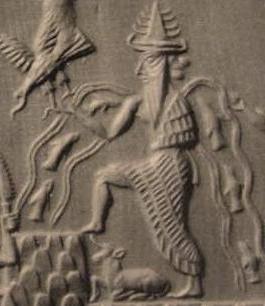
Enki
Lord of the Sweet Waters · Mesopotamian
God of the abzu and of cunning, who repeatedly saves humanity by finding the loophole in another god's decree.
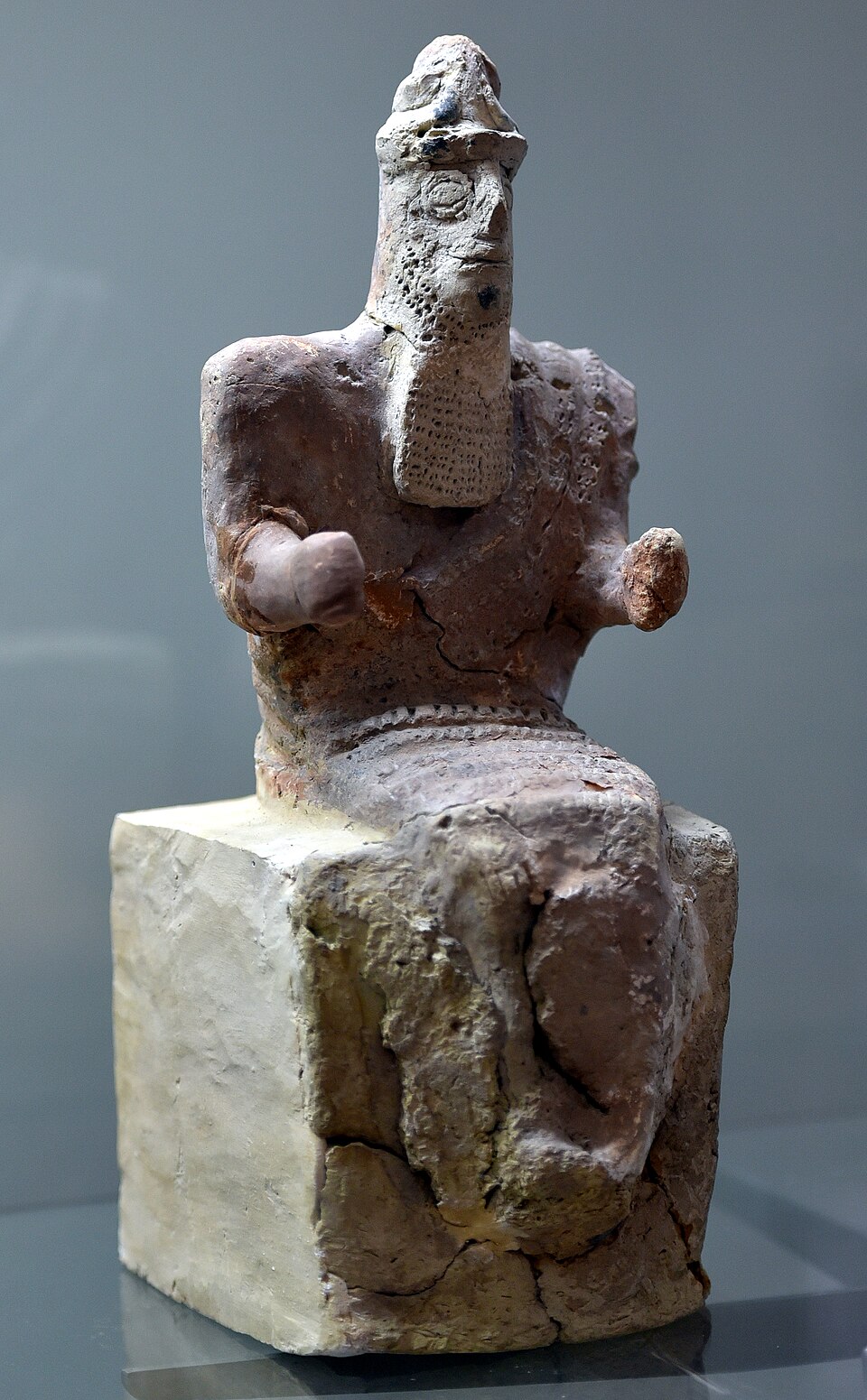
Enlil
Lord of the Air · Mesopotamian
Holder of the Tablet of Destinies, and the god who decrees the flood. He was supreme until Marduk's Babylonian promotion displaced him.
The books behind Nergal
Every claim on this profile is attributed to one of these. They are public domain, listed oldest first, and each links to a full text where one is freely available.
Nergal and Ereshkigal
Anonymous; Amarna and later Assyrian recensions · c. 1300–800 BCE · Akkadian
Read Nergal and Ereshkigal in full ↗Hebrew Bible & Deuterocanon
Various · c. 900–100 BCE · Hebrew, Aramaic, Greek
Read Hebrew Bible & Deuterocanon in full ↗Cover: Public domain · see en:Aleppo Codex; scanned by · Wikimedia file page
Dictionnaire Infernal
Jacques Collin de Plancy · 1818; illustrated ed. 1863 · French
Read Dictionnaire Infernal in full ↗Cover: Public domain · Collin de Plancy · Wikimedia file page
Corpus last revised 29 August 2026. A reference site’s credibility rests on being maintained, so this is the date the sourced records last changed — not the date the page was rebuilt.