Deity · Mesopotamian · c. 1100 BCE
Marduk
Also called Bel, Merodach · also recorded as Bēl, Bel-Marduk, Marutuk, Mardochaios, Merōḏaḵ, 𒀭𒀫𒌓 (per Wikidata)
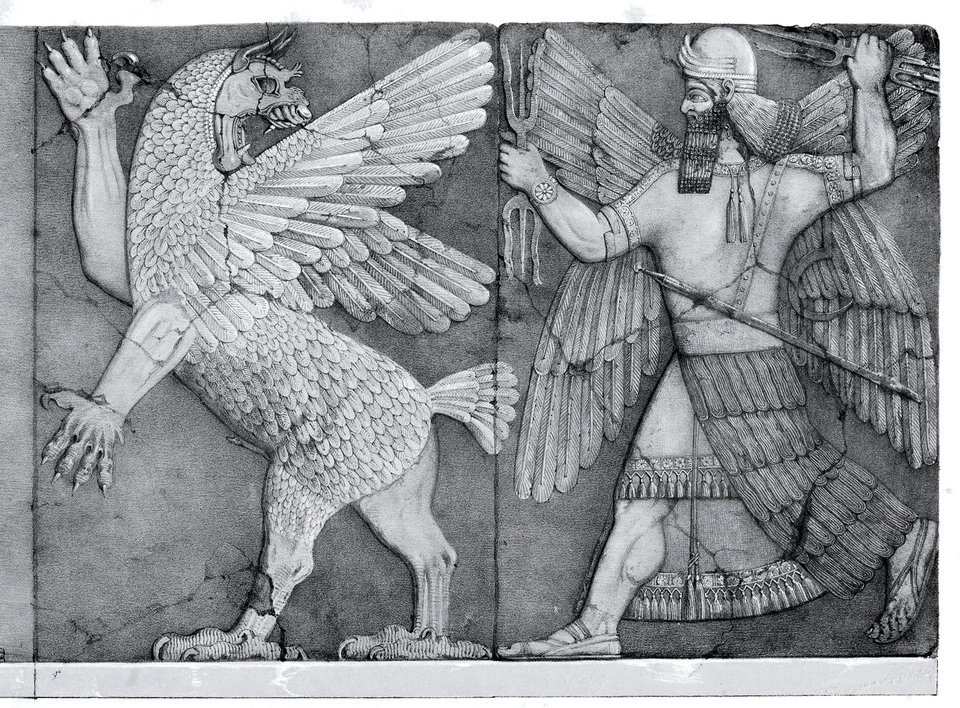
Splits Tiamat and builds the world from her body, and is voted fifty names and supreme authority for doing it.
Deep source base
The Enuma Elish is, among other things, a political document: it explains why Babylon's city god outranks the older gods of Nippur and Eridu. Marduk is elected — the assembly grants him kingship in exchange for fighting Tiamat, and confirms it afterwards with fifty names. This makes him a constitutional monarch of a sort, which is a different arrangement from the uncreated sovereignty of the Abrahamic God, and the difference matters for how the surrounding demonology works.
Identity
Where does the name come from?
What the name means
Sumerian *amar-utu*, 'calf of the sun'.
Where it was actually worshipped
Babylon, at the Esagila temple with its ziggurat Etemenanki — the likeliest referent of the tower of Babel.
A figure with temples and a figure that only ever existed on a page are different kinds of thing, and the difference is easy to lose once both are entries in a list.
At a glance
Vitals
Vitals
Also known as
- First attested
- Enuma Elish · c. 1100 BCE
- Rank
- King of the Gods
- Pantheon
- Mesopotamian
- Order
- Mesopotamian pantheon
- Base of operations
- Babylon, at the Esagila temple with its ziggurat Etemenanki — the likeliest referent of the tower of Babel.
- Era
- c. 1100 BCE
- Traditions
- Mesopotamian
- Placed in
- The Assembly of the Gods
Traits
- Domain
- Order, storm, the city of Babylon, creation
- Traditional form
- Bearing the spade-symbol, with the dragon Mushussu
2 sites
Where was it worshipped?
Attested cult sites, located against the Pleiades gazetteer of the ancient world where it reaches and against Wikidata everywhere else. An absence here is not evidence that no cult existed: a good number of figures never had one, and the entry above says so where that is the case.
Marduk's temple at Babylon, with the ziggurat Etemenanki beside it.
32.534, 44.421 · Pleiades 251337021
Marduk's ziggurat beside the Esagila, and the likeliest referent of the tower of Babel.
32.536, 44.421 · Pleiades 142907963
5 attributed
What is it said to do?
Where these powers cluster
The 5 offices attributed to Marduk, grouped by kind. Segment width is the share of powers falling in each category.
A bar dominated by one colour means a specialist; an even spread means a figure the sources credit with almost anything.
- martial3
- malefic1
- material1
3 marks
Which marks is it attached to?
A mark a figure carries and a mark used against a figure are opposite claims, so each link says which it is.
3 texts
Which texts say so, and where do they disagree?
When these texts were written
Each dot is one of the 3 texts that names Marduk, placed at that text's approximate date.
A wide spread means the figure was carried across many centuries and traditions; a tight cluster means a single period produced the whole record.
3 texts spanning roughly 700 years
Where the texts differ
- Name: given as Marduk, Merodach
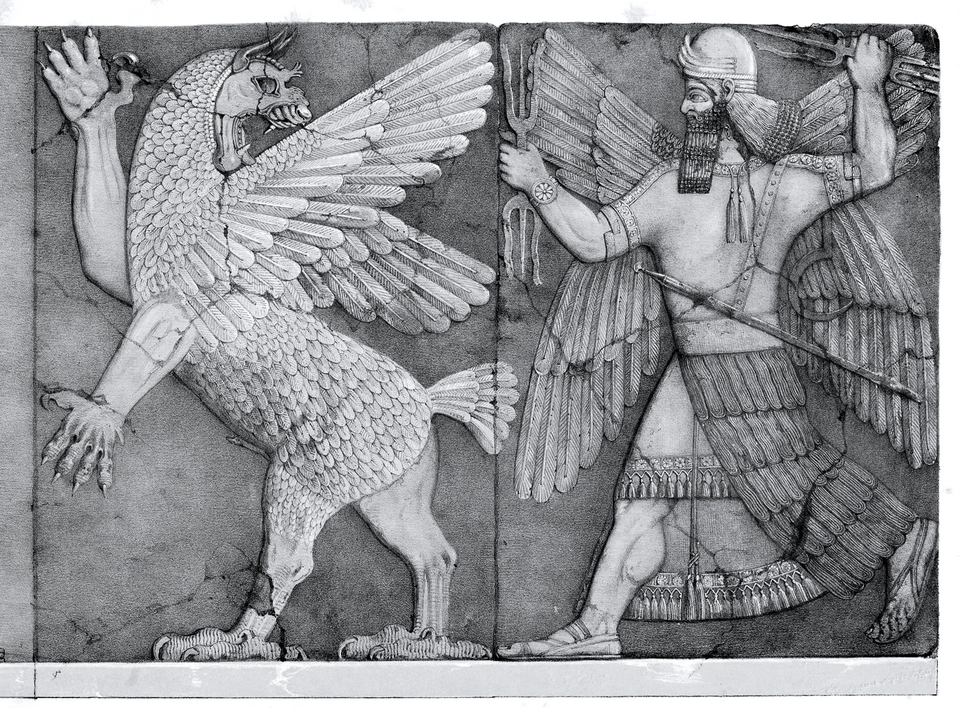
Kills Tiamat, splits her 'like a flat fish' to make sky and earth, and is voted the fifty names.
“He split her up like a flat fish into two halves.”
Talked off his throne by Erra on the pretext that his regalia needs cleaning, and Babylon is destroyed while the seat is empty. A text about what happens when the god in charge is absent, written by people who had watched it happen.
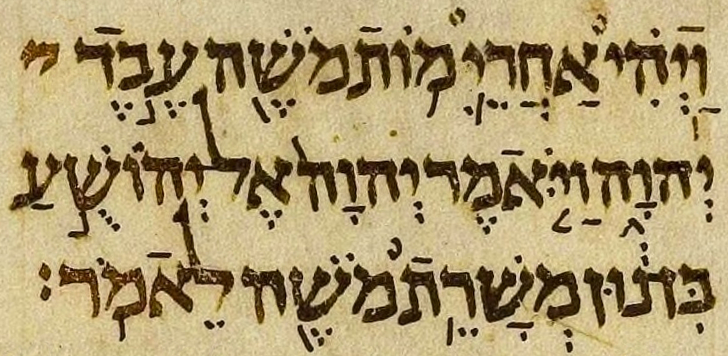
Named in the taunt over Babylon's fall: Jeremiah 50:2 has Bel put to shame and Merodach dismayed, their images broken. Isaiah 46:1 makes the same point physically, with the gods that were carried in procession now carried into captivity as freight. The name also rides inside the royal names the text reports without comment, Merodach-baladan and Evil-merodach.
Connections
What is it connected to?
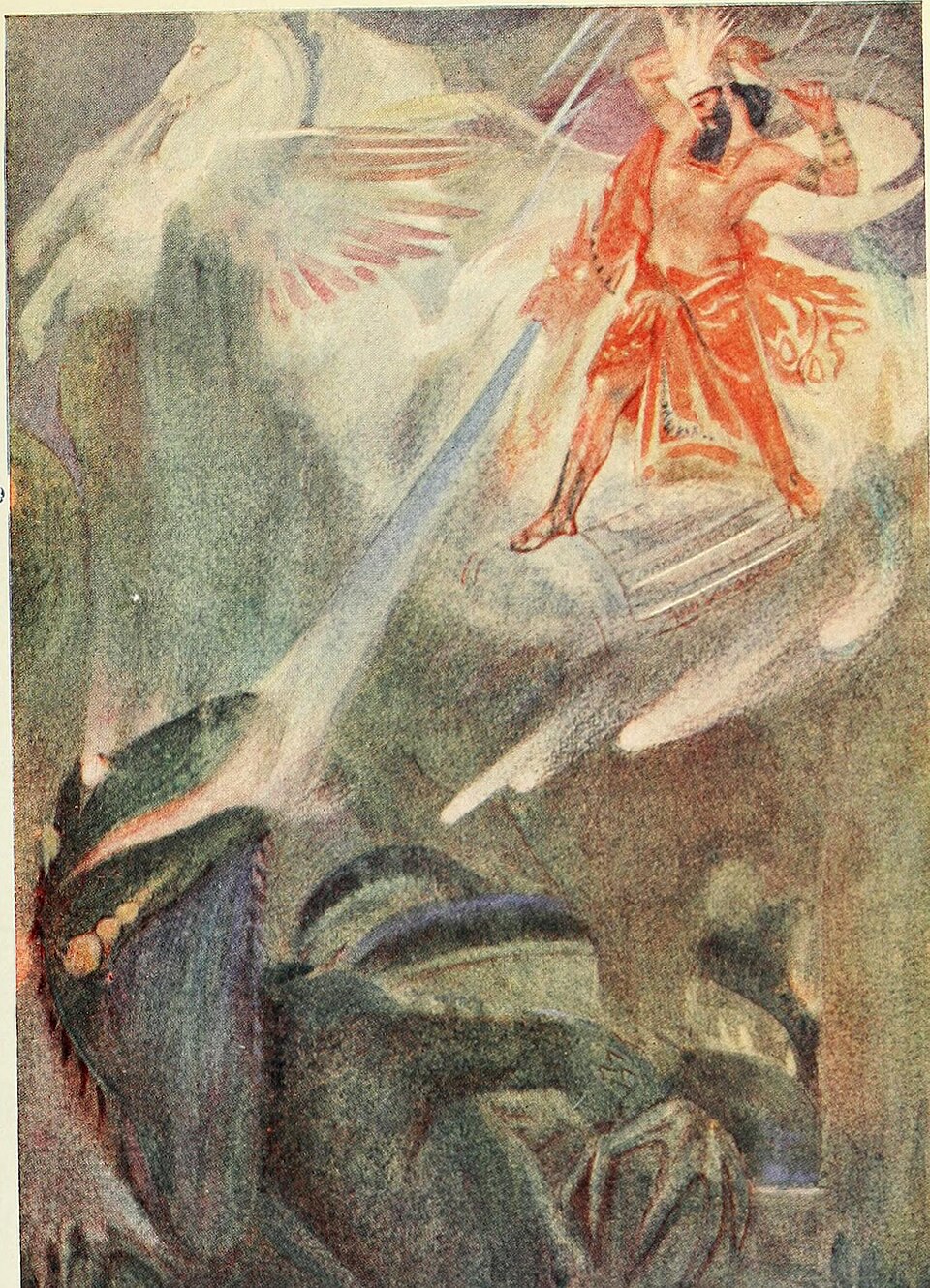
Opposes Tiamat
The founding act of the Enuma Elish.
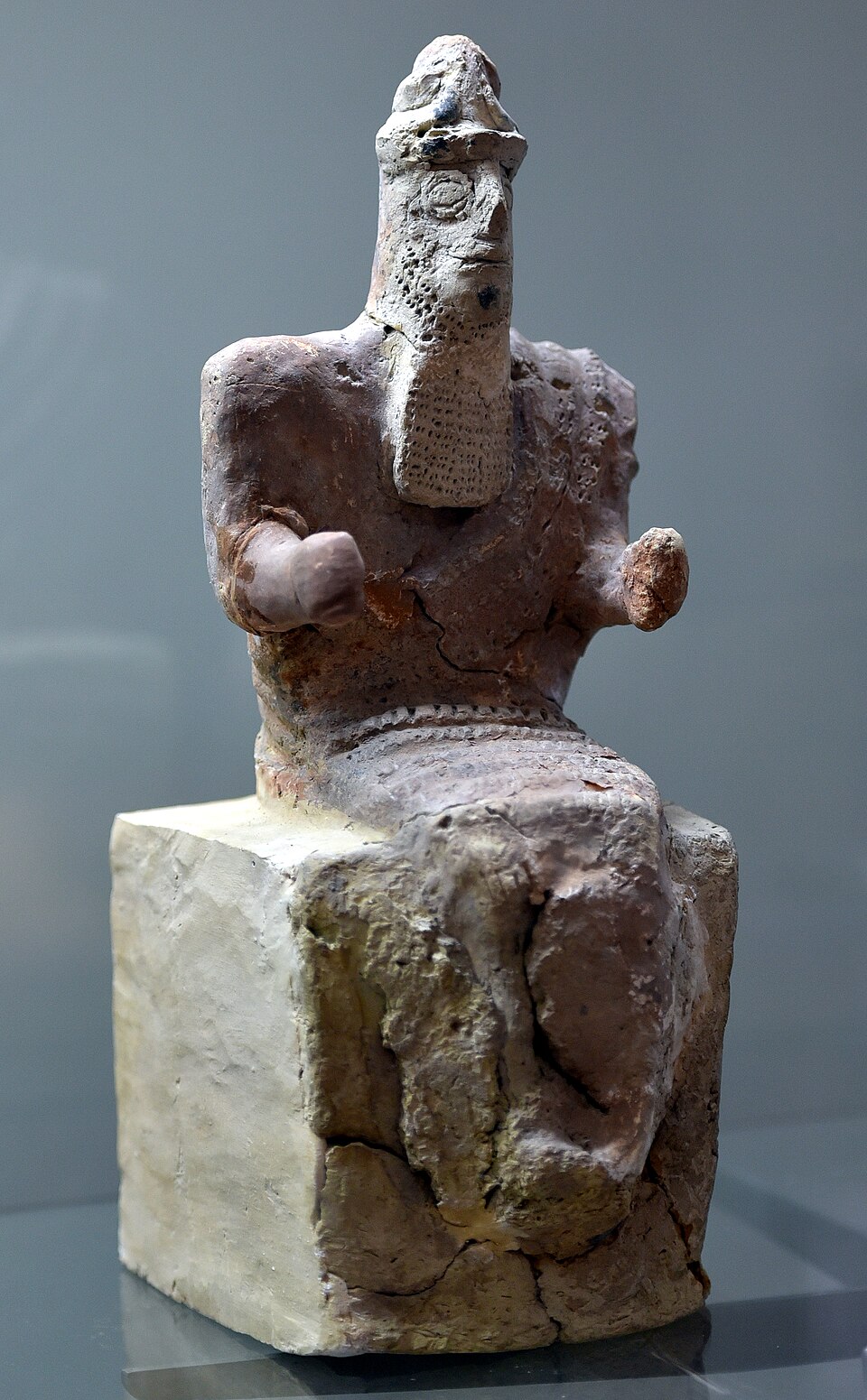
Identified with Enlil
Marduk assumes Enlil's functions and titles in the Babylonian promotion.
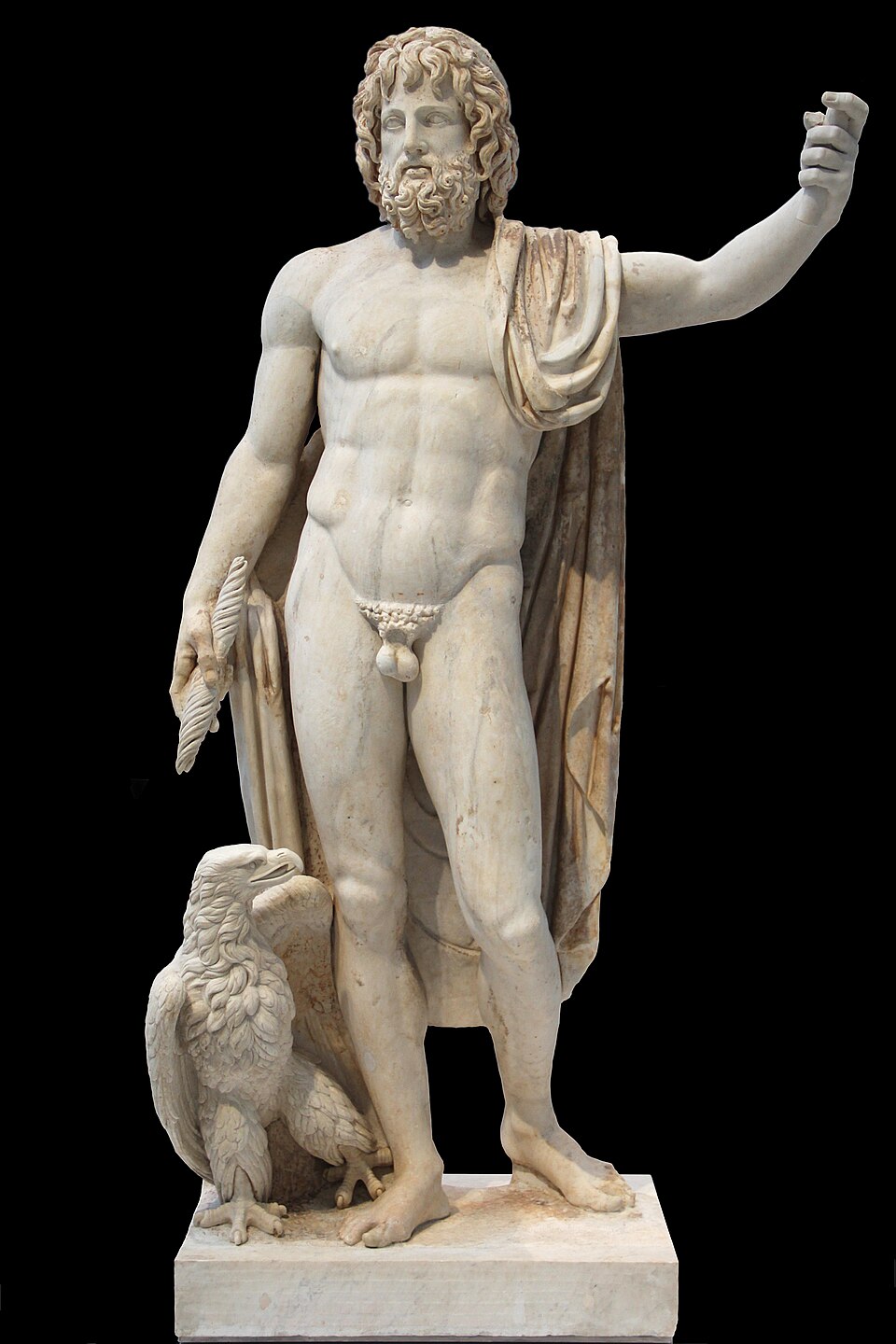
Identified with Jupiter
Both the chief god of the state pantheon and the wielder of the storm. Recorded by Wikidata (P460); not asserted by a text this corpus carries.
Placement
Where does it sit in the hierarchies?
Afterwards
What did later readers make of it?
His title *Bel*, 'lord', is the same word as Baal, and appears in the Hebrew Bible and in the deuterocanonical Bel and the Dragon.
Kept in its own section on purpose. Everything above is what the cited texts say; this is what was built on top of them afterwards, and blending the two is how most popular demonology goes wrong.
Answered from the sources
Common questions
Which texts mention Marduk?
Is Marduk the same as Enlil?
What rank is Marduk?
How else is Marduk spelled?
What is Marduk said to do?
How old is Marduk?
Nearest in the corpus
If Marduk is what you came for, these are next
Chosen by proximity rather than by popularity: the same pantheon first, then the same rank, then the same kind of figure.
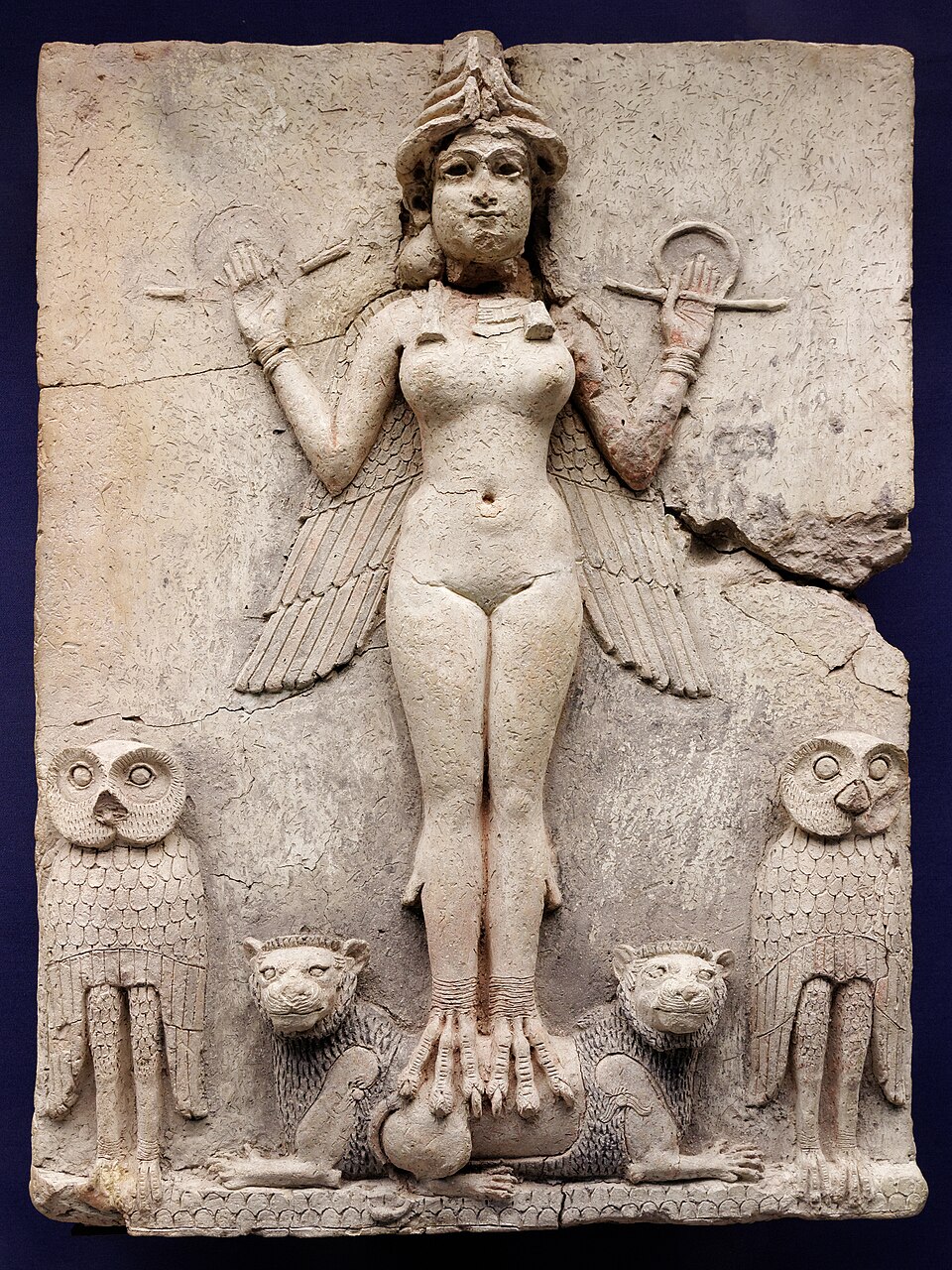
Ereshkigal
Queen of the Great Below · Mesopotamian
Sovereign of the underworld who strips Ishtar of a garment at each of the seven gates and hangs her on a hook.
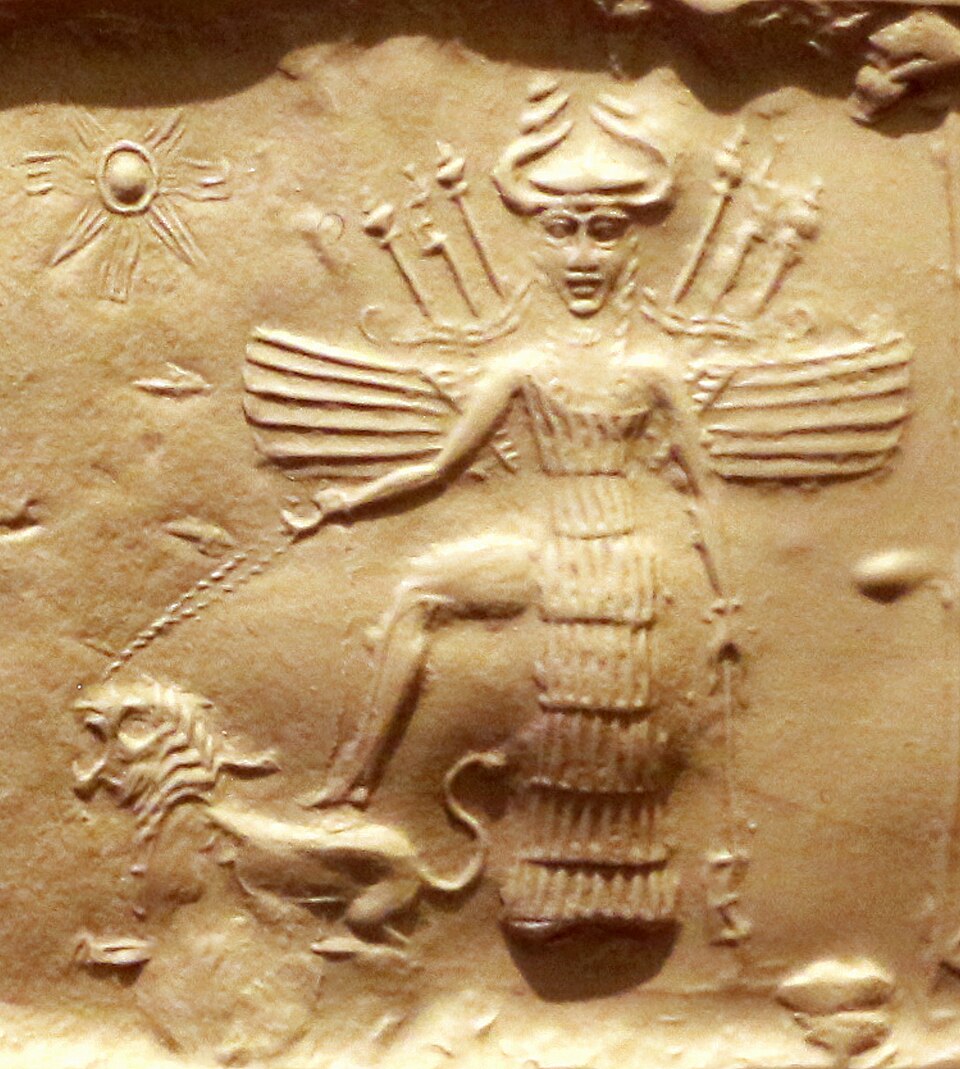
Ishtar
Queen of Heaven · Mesopotamian
Goddess of love, war and the planet Venus, whose descent into the underworld is among the oldest recorded narratives.
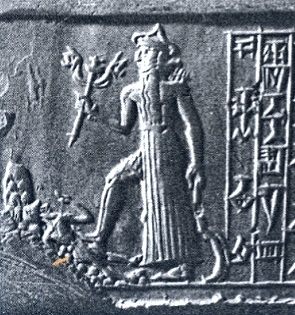
Nergal
God of the Underworld · Mesopotamian
God of plague, war and the underworld, consort of Ereshkigal — and one of the few Mesopotamian gods the Bible names directly.
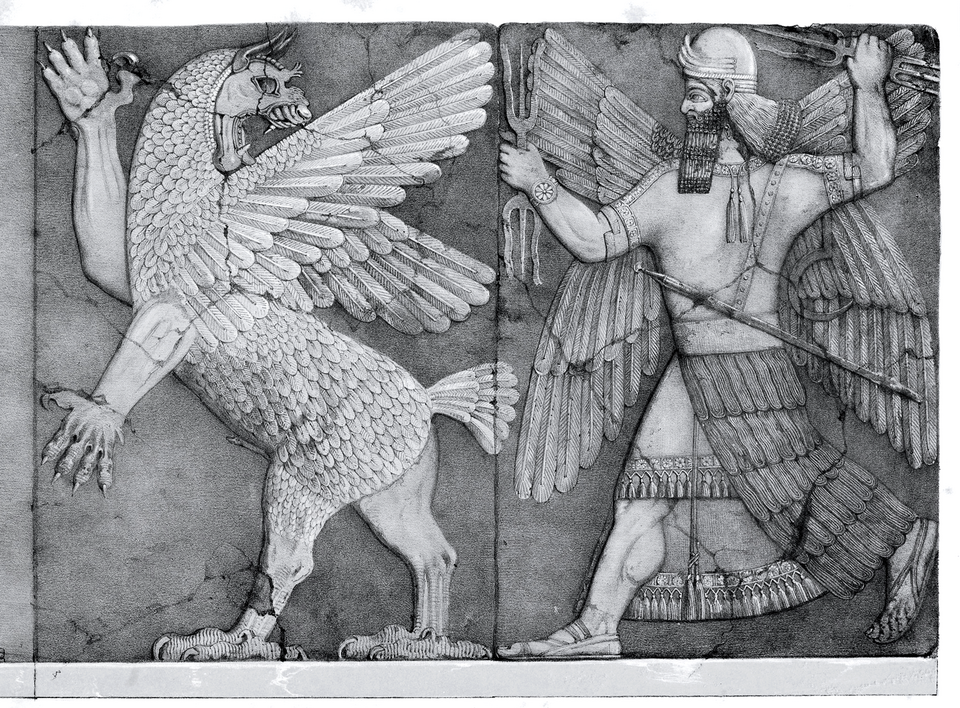
Anzu
Storm Bird · Mesopotamian
The lion-headed eagle who steals the Tablet of Destinies and is shot down for it — a rebellion against divine order predating any biblical account by a millennium.
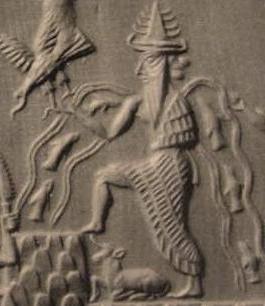
Enki
Lord of the Sweet Waters · Mesopotamian
God of the abzu and of cunning, who repeatedly saves humanity by finding the loophole in another god's decree.
Enlil
Lord of the Air · Mesopotamian
Holder of the Tablet of Destinies, and the god who decrees the flood. He was supreme until Marduk's Babylonian promotion displaced him.
The books behind Marduk
Every claim on this profile is attributed to one of these. They are public domain, listed oldest first, and each links to a full text where one is freely available.
Enuma Elish
Anonymous Babylonian · c. 1100 BCE · Akkadian
Read Enuma Elish in full ↗Cover: Public domain · editor Austen Henry Layard , drawing by L. Gruner · Wikimedia file page
Erra and Ishum
Attributed in its own colophon to Kabti-ilani-Marduk · c. 800 BCE · Akkadian
Read Erra and Ishum in full ↗Hebrew Bible & Deuterocanon
Various · c. 900–100 BCE · Hebrew, Aramaic, Greek
Read Hebrew Bible & Deuterocanon in full ↗Cover: Public domain · see en:Aleppo Codex; scanned by · Wikimedia file page
Corpus last revised 29 August 2026. A reference site’s credibility rests on being maintained, so this is the date the sourced records last changed — not the date the page was rebuilt.