Jewish · Hebrew, Aramaic, Greek · c. 900–100 BCE
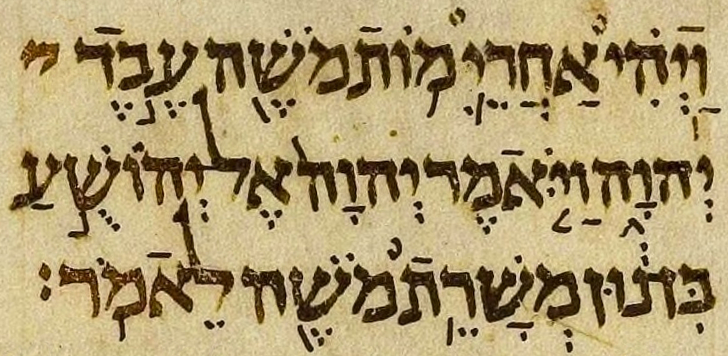
Hebrew Bible & Deuterocanon
Various
The base layer: the cherubim of Genesis and Ezekiel, the seraphim of Isaiah, the named messengers of Daniel, and Raphael in Tobit.
Read Hebrew Bible & Deuterocanon in full at the linked edition →What this text attests · 57
| Name here | Rank given | # | Powers described |
|---|---|---|---|
A familiar spirit = The Familiar Spirit | A medium's attendant spirit | — | Forbidden on pain of death throughout the law. At Endor the woman brings up Samuel at Saul's request, and the figure that appears pronounces a judgment which is fulfilled. |
A lying spirit = The Lying Spirit | One of the host before the throne | — | Volunteers before the divine council to deceive Ahab, proposes to do it through the mouths of his prophets, and is told to go and do so. |
| A place, not a person | — | Named alongside Sheol as the region of destruction. | |
Absalom = The Absalom Spirit | Son of David | — | Positions himself at the gate, hears grievances sympathetically, suggests he would judge better, and takes the loyalty of Israel with him into open revolt. |
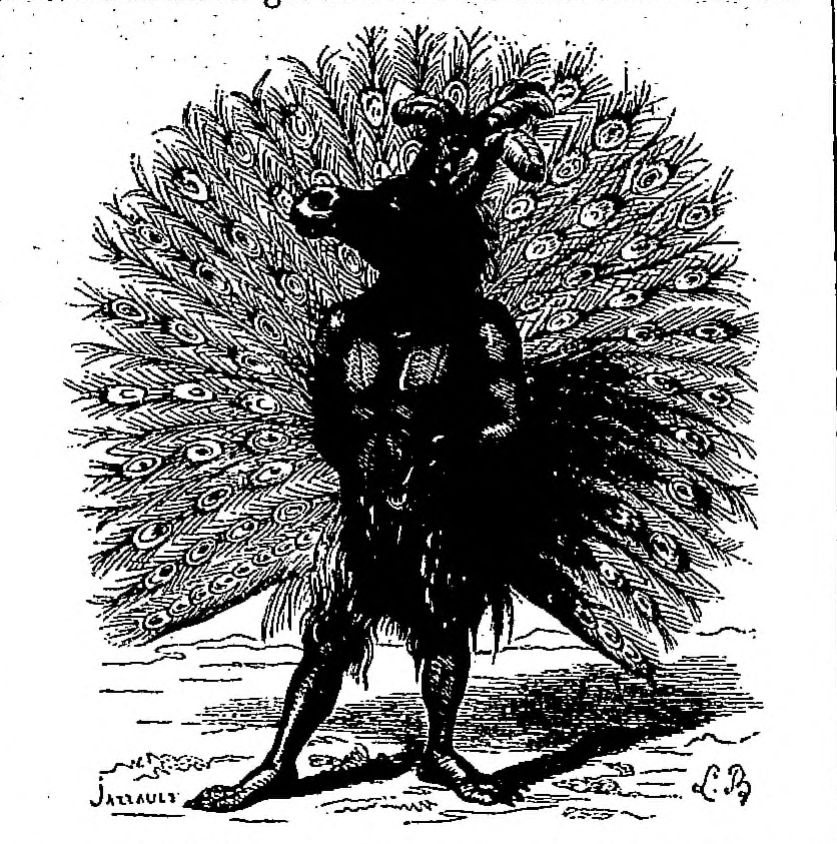 Adrammelech = Adramelech | God of Sepharvaim | — | The resettled people of Sepharvaim burned their children to him — the sole biblical mention. |
Ahab = The Ahab Spirit | King of Israel | — | Sulks over a vineyard he has been lawfully refused; his wife has the owner stoned on false testimony; he goes down to take possession. The text calls him a man who sold himself to work wickedness, not a man under a spirit. |
Anath = Anat | — | — | Present only as a name, and the corpus records that rather than dressing it up. No cult of Anat is described anywhere in the Hebrew Bible; what survives is Shamgar son of Anath in Judges 3:31 and 5:6, the town of Beth-Anath in Joshua 19:38, and Anathoth, the village Jeremiah came from. A goddess reduced to a place on a map and a man's patronymic is a different kind of afterlife from Leviathan's, and it is the more common one. |
Asherah (KJV 'grove') = Asherah | Cult object and goddess | — | Her image and poles stand in the temple and at the high places, removed by Hezekiah and Josiah and restored by others. Four hundred of her prophets eat at Jezebel's table. |
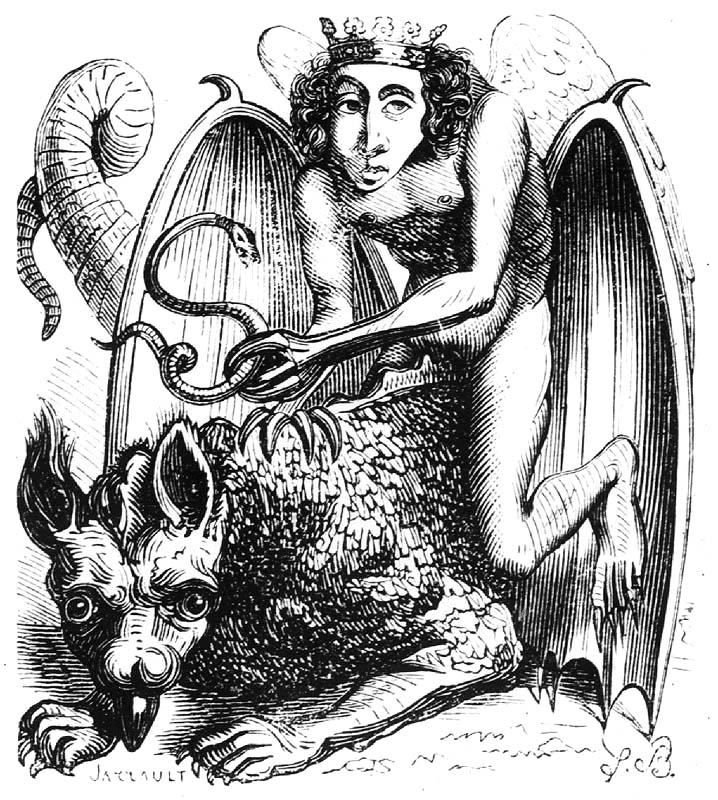 Ashtoreth = Astaroth | Abomination of the Zidonians | — | The goddess Astarte, her name given the vowels of bosheth, 'shame'. |
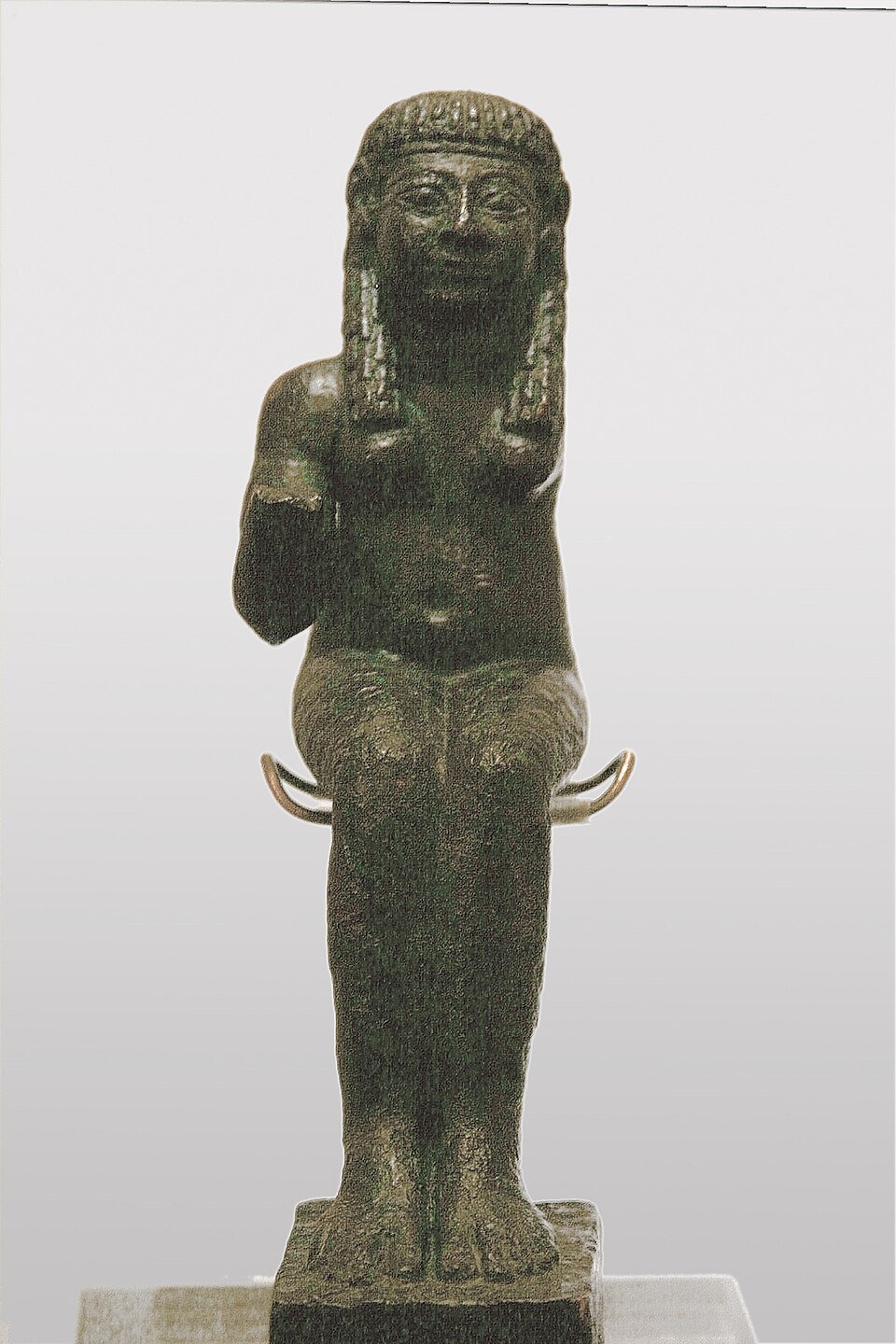 Ashtoreth = Astarte | Abomination of the Zidonians | — | Named among the foreign gods Solomon is condemned for following. |
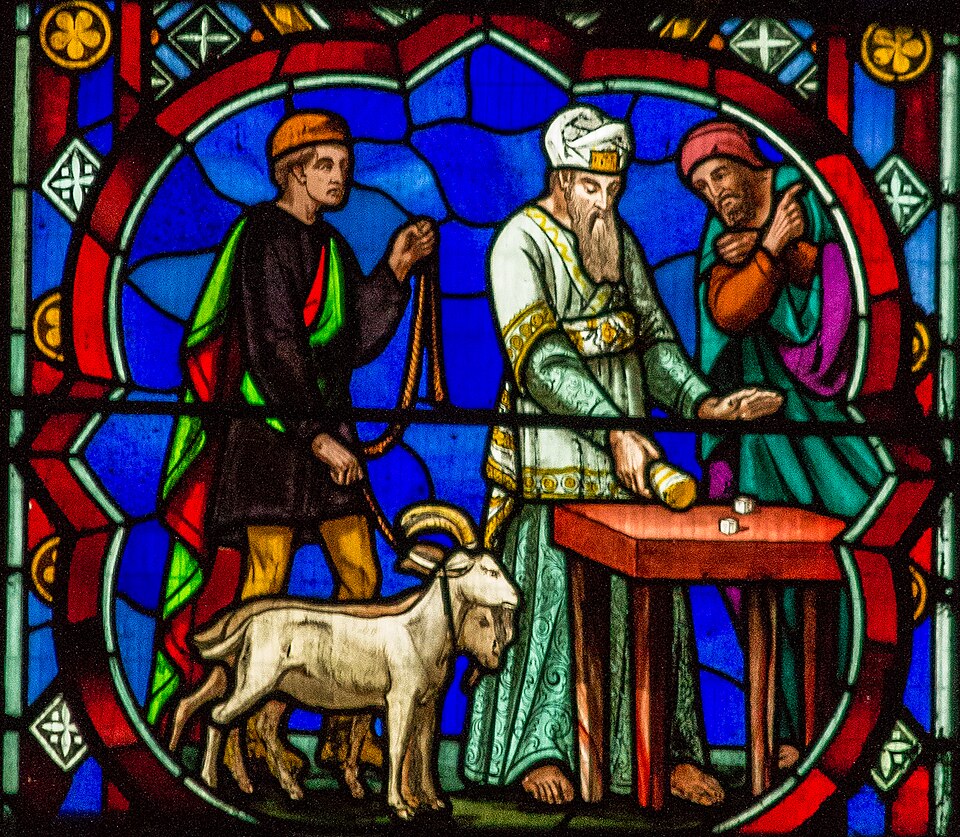
| Uncertain — place, abstraction or entity | — | Receives the goat sent into the wilderness on the Day of Atonement. | |
 Baal = Bael | Foreign god | — | The Canaanite storm god, whose title 'lord' survives here as a personal name three thousand years later. |
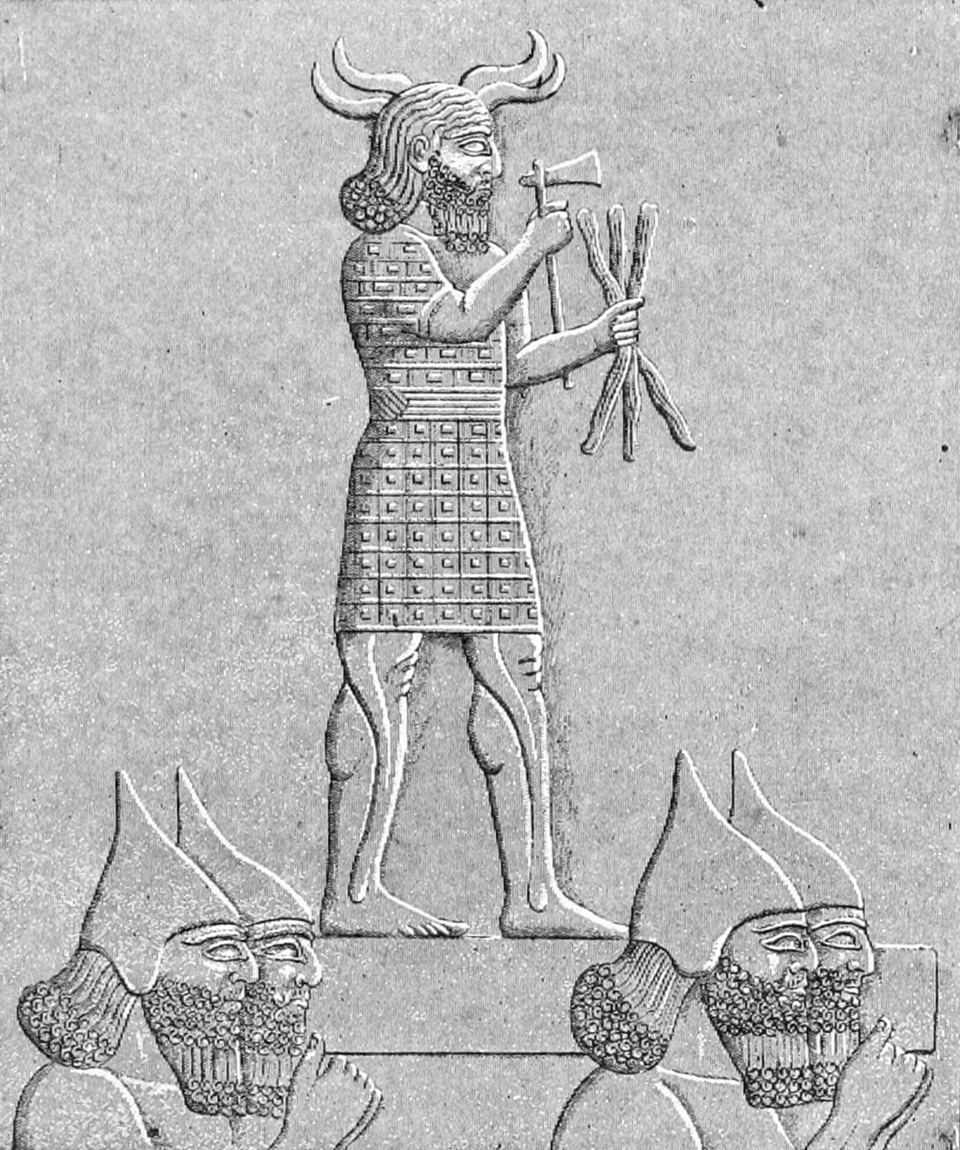 Baal = Baal Hadad | False god | — | Reduced from a named deity to the generic idol; his prophets are defeated at Carmel. |
Baal-berith = Baalberith | God of Shechem | — | The deity of the Shechemites in Judges, whose temple funds Abimelech. |
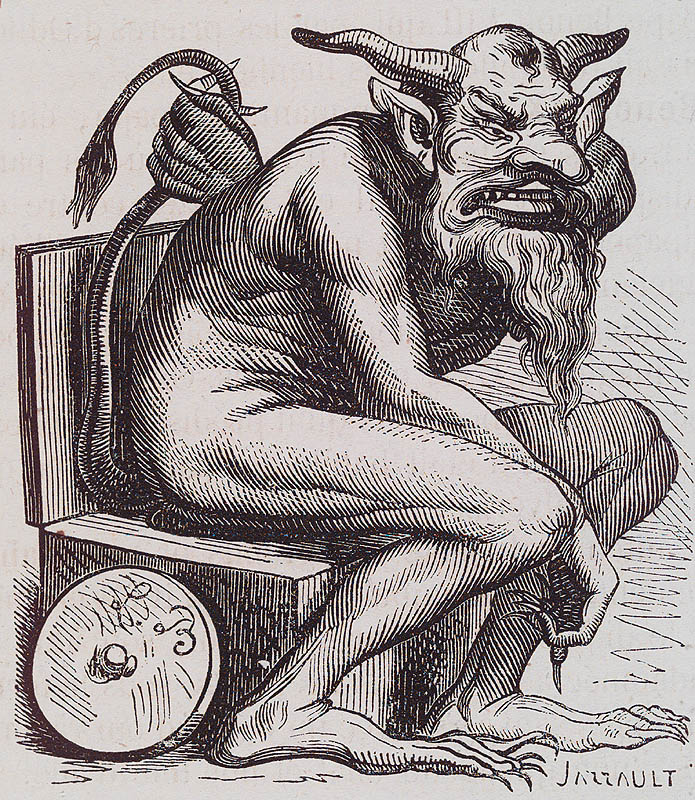 Baal-peor = Belphegor | Moabite deity | — | The god to whom Israel joined itself at Shittim. |
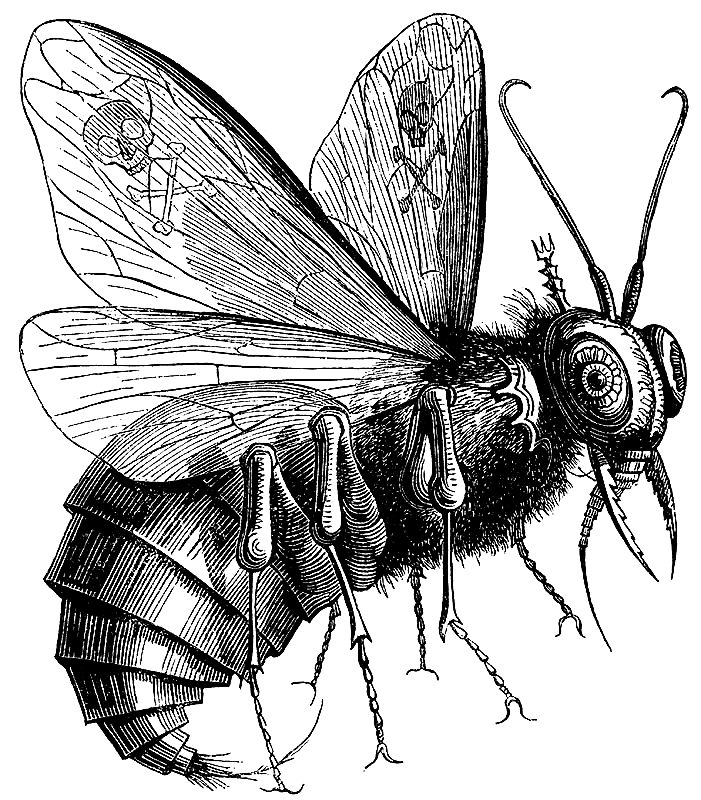 Baal-zebub = Beelzebub | God of Ekron | — | An oracular deity consulted about recovery from injury. |
| Creature of God | — | Presented as the chief of God's works, beyond human mastery. | |
| Not a name — an abstraction | — | The Hebrew beliya'al means 'worthlessness'; 'sons of Belial' is an idiom for scoundrels, not a reference to a spirit. | |
| Abomination of Moab | — | Named as the god for whom Solomon built a high place; the Mesha Stele gives the Moabite side in nearly identical theological terms. | |
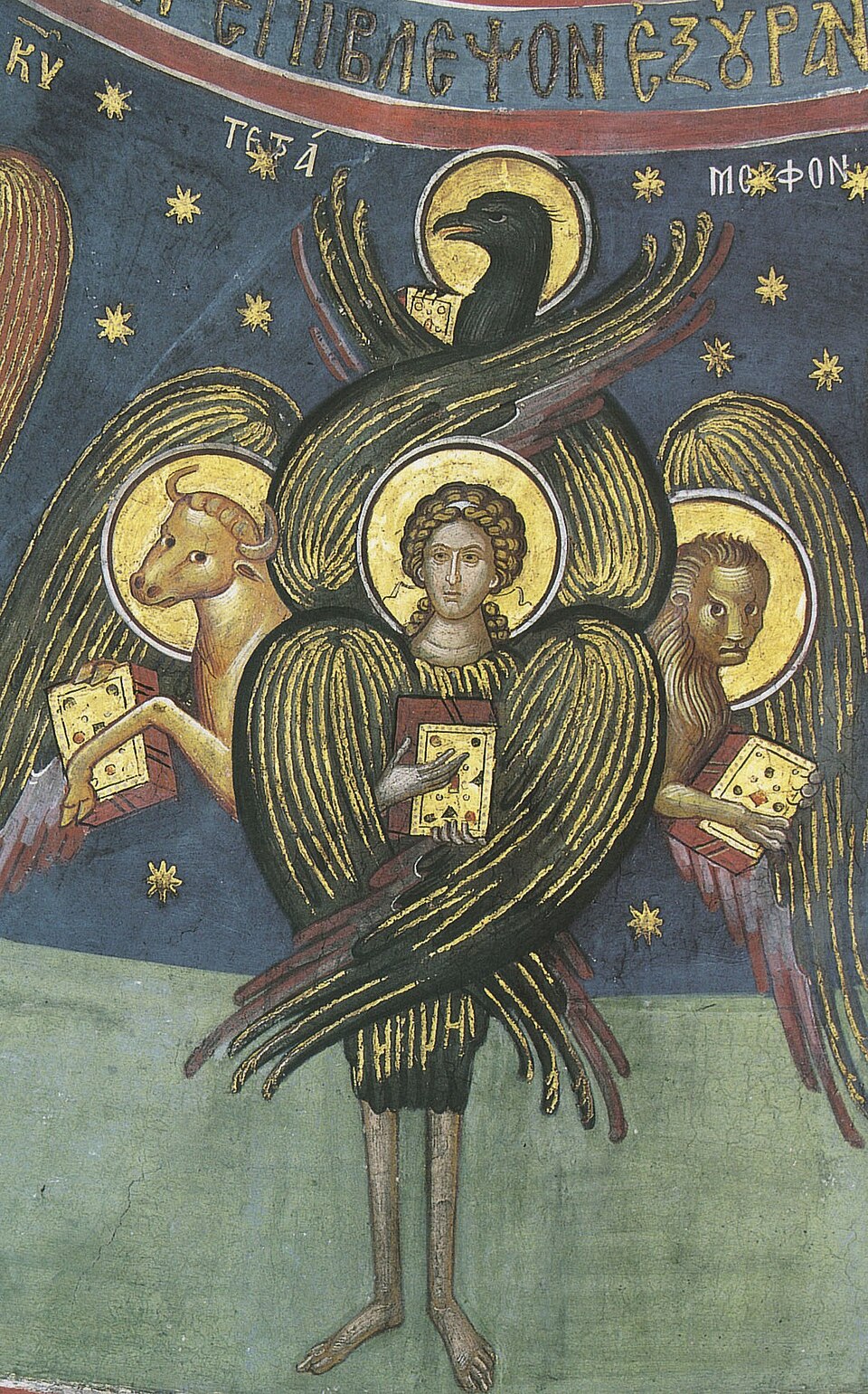 Cherubims = Cherubim | Guardians | — | Placed at the east of Eden with a flaming sword; bear the throne in Ezekiel's vision. |
| God of the Philistines | — | His image falls before the ark at Ashdod and is broken. | |
| God Most High | — | The Hebrew name is used of Israel's God throughout and survives inside Israel, Bethel, Michael and Gabriel. English translations render it simply as God, which hides the borrowing. | |
| Man / messenger | — | Sent to make Daniel understand the vision of the ram and the goat, and the seventy weeks. | |
| Champion of the Philistines | — | The champion of Gath who defies the ranks of Israel for forty days and is killed with a sling, 1 Samuel 17. His height is six cubits and a span in the Masoretic text and four cubits and a span in the Dead Sea Samuel scroll and the Septuagint. 2 Samuel 21:19 credits his death to Elhanan; 1 Chronicles 20:5 makes Elhanan's victim his brother Lahmi. | |
| Daughter of Ethbaal, wife of Ahab | — | Brings the cult of Baal and Asherah into Israel and maintains its prophets; kills the prophets of the LORD; has Naboth stoned on false testimony to obtain his vineyard; threatens Elijah; is thrown from a window and killed at Jehu's command. | |
Korah = The Korah Spirit | Levite, leader of the rebellion | — | Challenges the authority of Moses and Aaron on the grounds that the whole congregation is holy; the ground opens and swallows him and his company. |
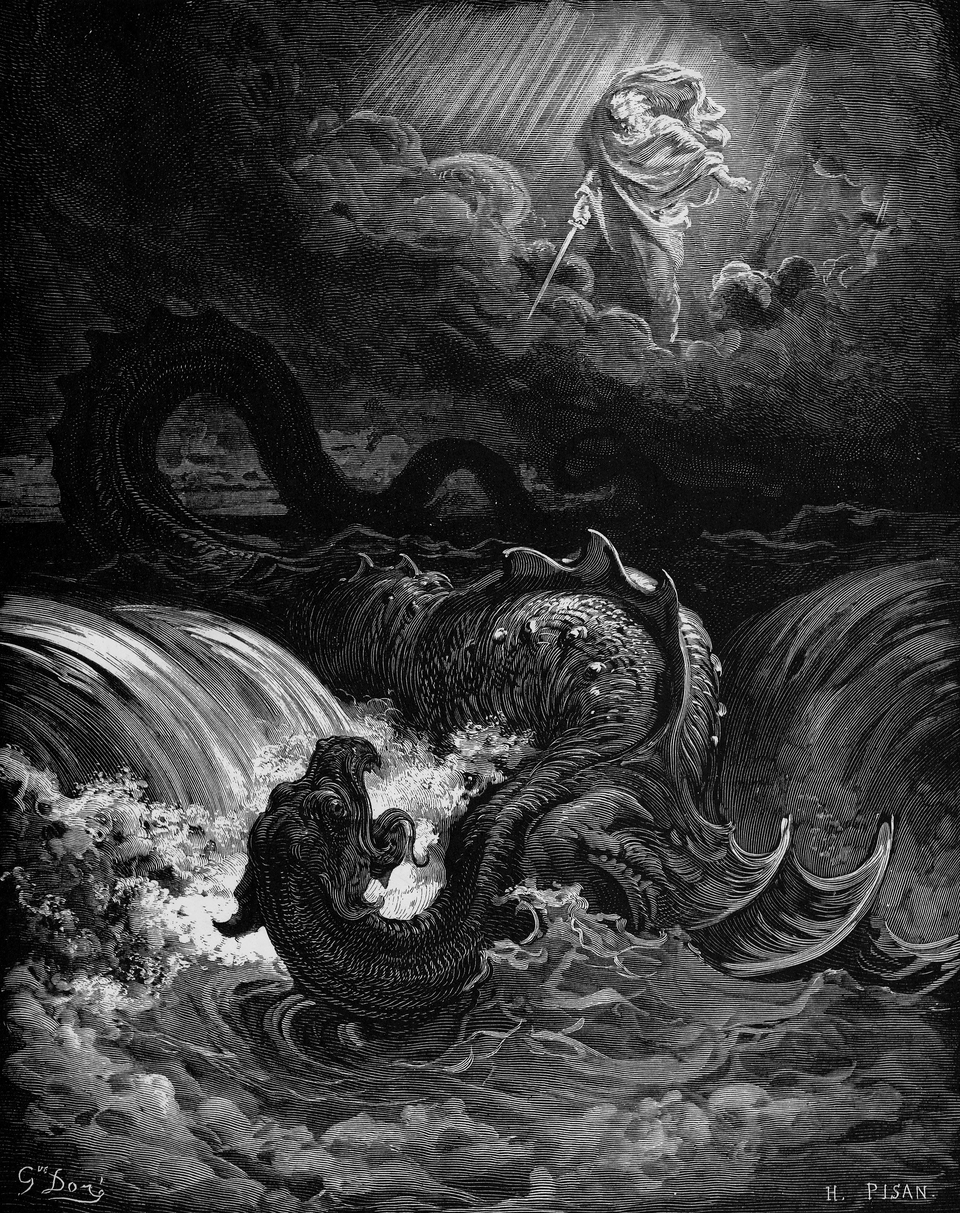
| Creature of the deep | — | Unmasterable by any human means; his breath kindles coals and he makes the deep boil like a pot. | |
Leviathan = The Leviathan Spirit | King over all the children of pride | — | A creature of overwhelming description — scales shut close together, breath kindling coals, the deep boiling like a pot — presented as beyond human mastery. |
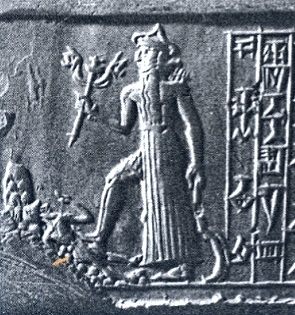
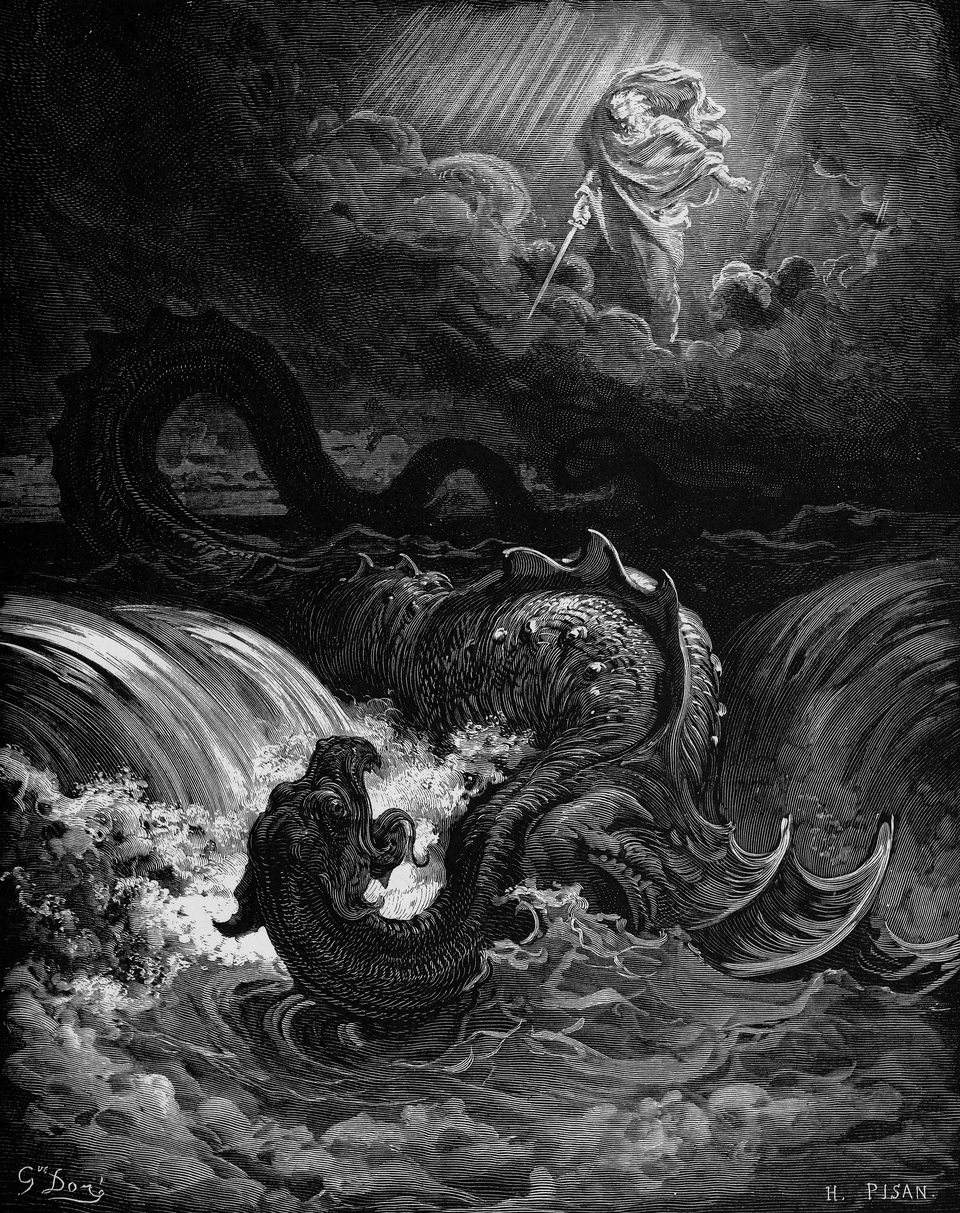 Leviathan = Lotan | — | — | The clearest single case of a Ugaritic figure surviving into scripture. Isaiah 27:1 calls Leviathan the fleeing serpent and the twisting serpent, which renders the pair of epithets the Baal Cycle already attaches to Litan almost word for word; Psalm 74:14 has God crushing its heads, plural, as the tablets do; Job 41 gives it a chapter of its own. |
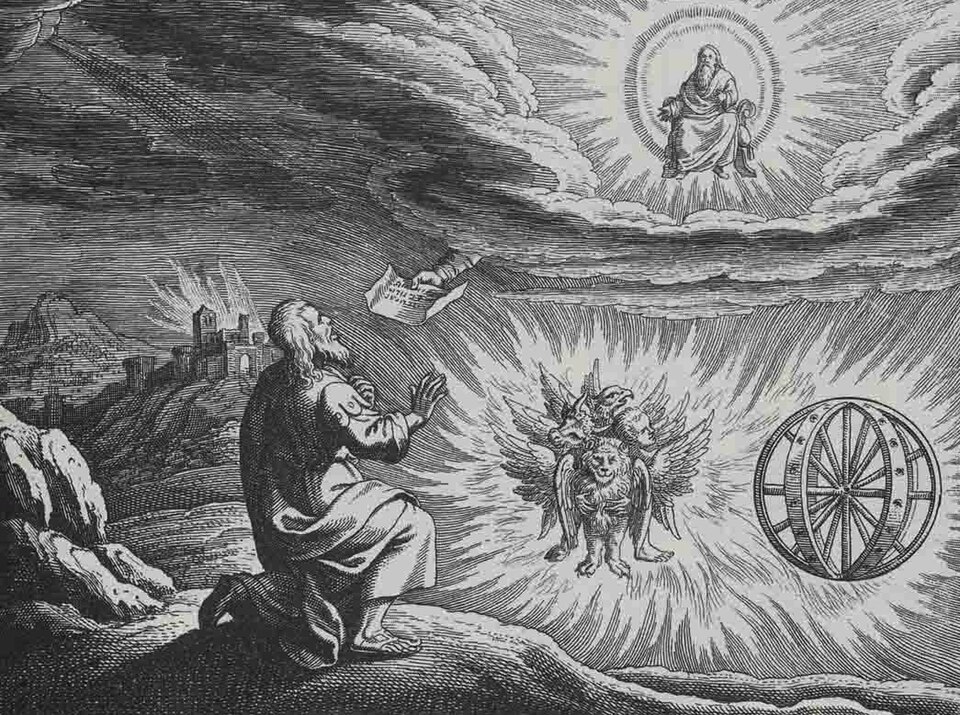 Living creatures = Chayot ha-Kodesh | — | — | The four-faced creatures of Ezekiel's opening vision. |
| King of Babylon | — | The taunt-song's subject is a human king; the identification with Satan is a later Christian reading. | |
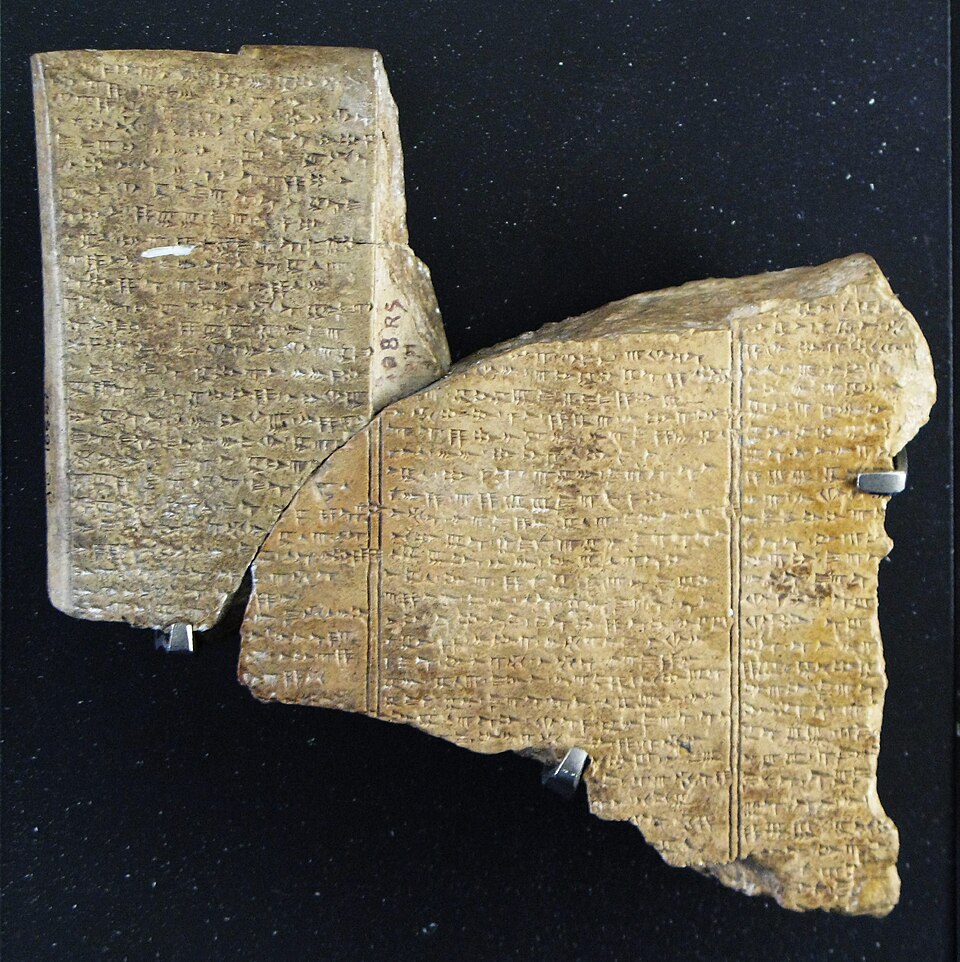 Mavet (Death) = Mot | — | — | Death as a swallowing throat rather than as an event, which is Mot's characteristic at Ugarit. Habakkuk 2:5 widens its appetite like Sheol's; Job 18:13 names a firstborn of Death; Hosea 13:14 addresses it directly. Isaiah 25:8 turns the image round and has God swallow Death instead — a reversal that only carries if the reader knows which way it normally runs. |
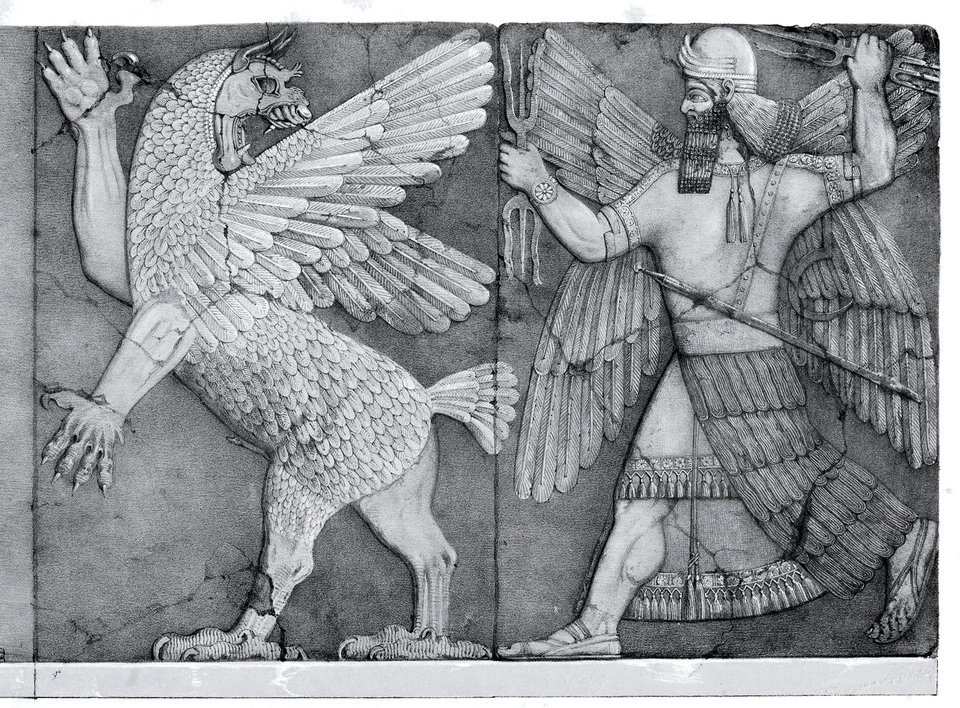 Merodach = Marduk | — | — | Named in the taunt over Babylon's fall: Jeremiah 50:2 has Bel put to shame and Merodach dismayed, their images broken. Isaiah 46:1 makes the same point physically, with the gods that were carried in procession now carried into captivity as freight. The name also rides inside the royal names the text reports without comment, Merodach-baladan and Evil-merodach. |
| One of the chief princes | — | Guardian prince of Israel; contends with the princes of Persia and Greece. | |
Molech = Moloch | Deity or rite — disputed | — | Receives children passed through the fire at Tophet in the valley of Hinnom. |
| The brasen serpent | — | Made at divine command so that the bitten might look and live; kept until Hezekiah broke it, because Israel burned incense to it. | |
Nephilim = The Nephilim | Mighty men of old, men of renown | — | Genesis 6:4 places them on the earth when the sons of God took wives of the daughters of men. Numbers 13:33 has the scouts report seeing them in Canaan and comparing themselves to grasshoppers. |
| God of the men of Cuth | — | Named among the gods the resettled peoples of Samaria continued to make. | |
| A mighty hunter before the LORD | — | Named in the table of nations as the first mighty one on the earth, with Babel, Erech, Akkad and Calneh as the beginning of his kingdom and Nineveh built afterwards. Genesis 10:8-12; the genealogy repeats at 1 Chronicles 1:10, and Assyria is called the land of Nimrod at Micah 5:6. | |
Og = Og of Bashan | King of Bashan, of the remnant of the Rephaim | — | Defeated at Edrei with his sixty walled cities taken, Numbers 21:33-35 and Deuteronomy 3:1-11, where he is named as the last of the remnant of the Rephaim and his iron bedstead is cited as evidence still on view at Rabbah. |
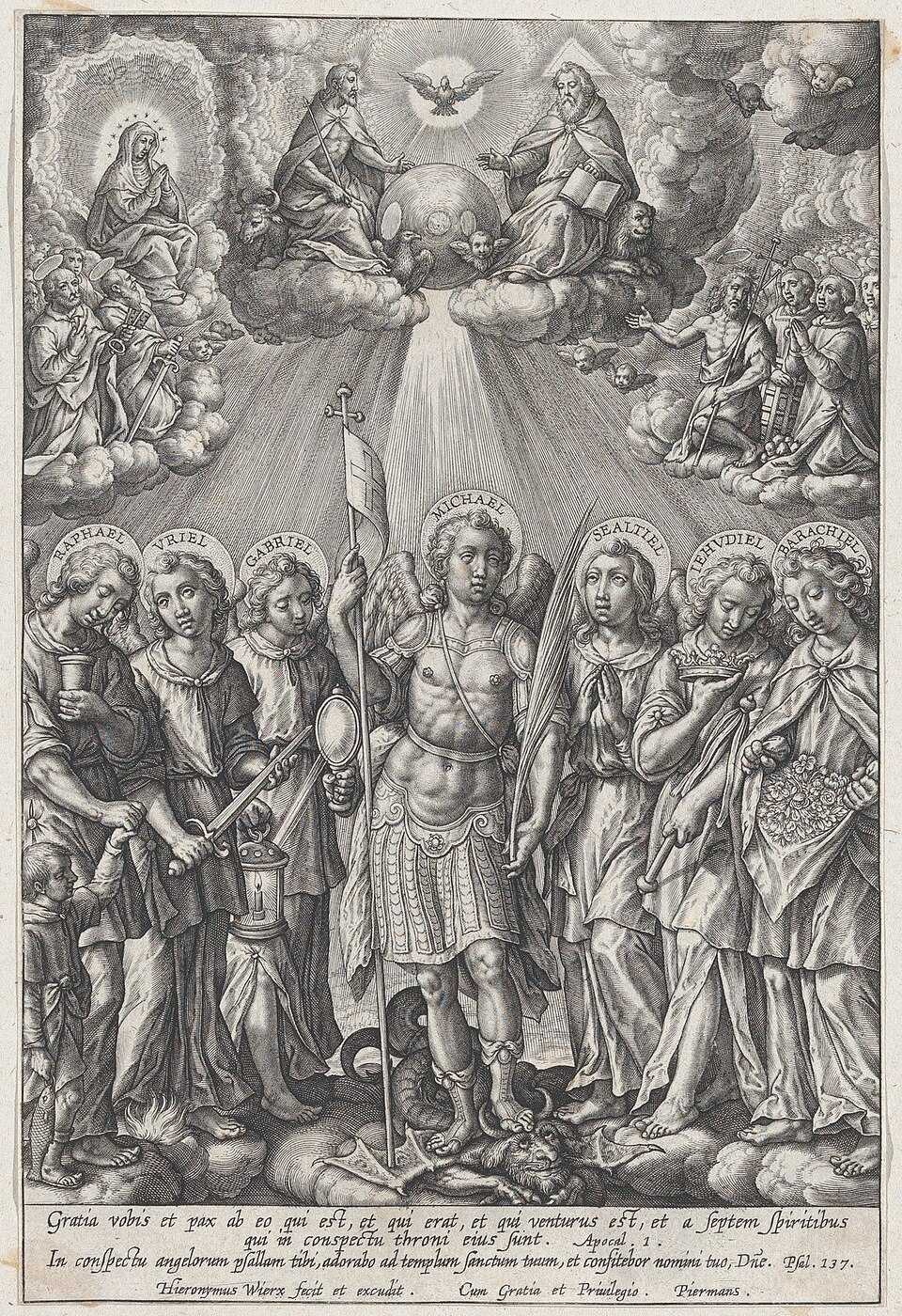 Princes = Principalities | — | — | Daniel's princes of Persia and Greece are the model: each nation has its angelic ruler. |
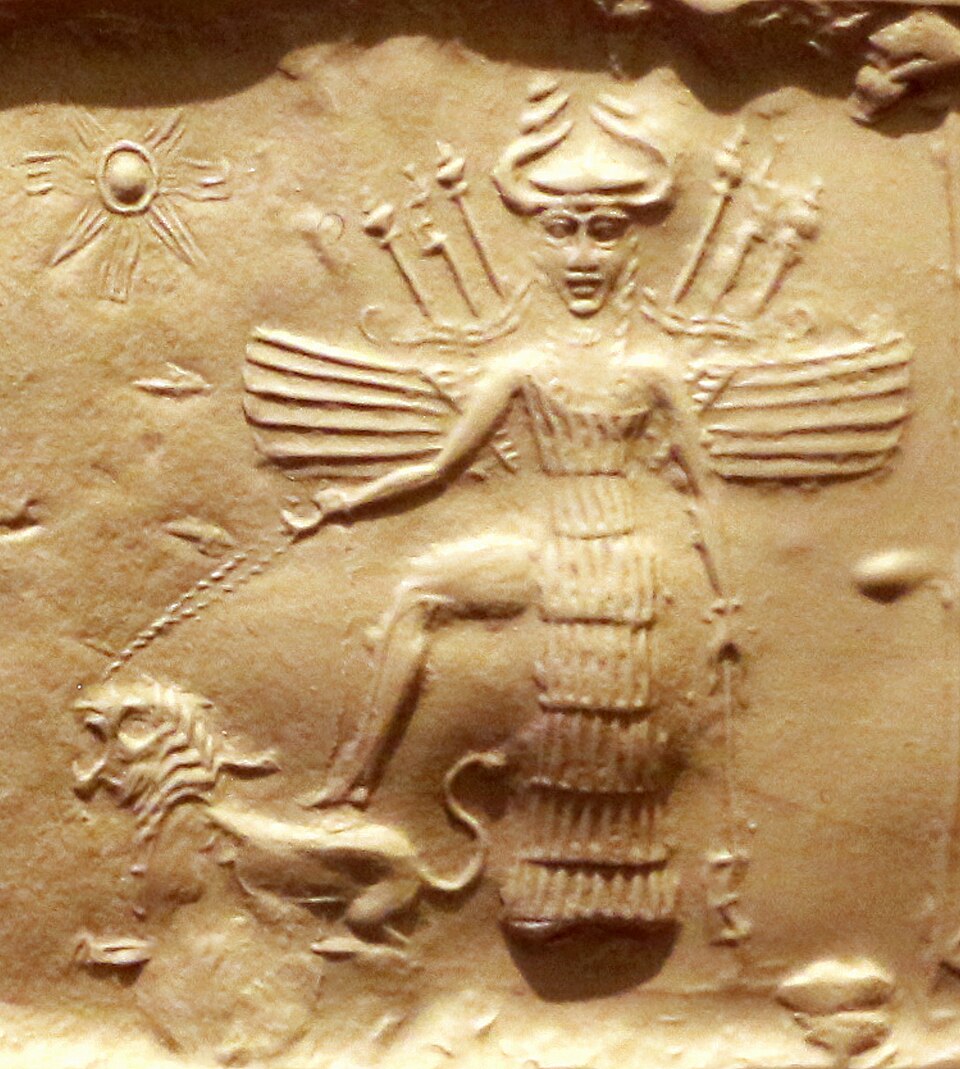 Queen of Heaven = Ishtar | — | — | Jeremiah condemns the offering of cakes to her. |
Rephaim = The Rephaim | A people, and the shades of the dead | — | A people east of the Jordan of whom Og of Bashan is the remnant, at Deuteronomy 3:11 and Joshua 12:4. The same word is the shades of Sheol at Isaiah 14:9 and 26:14, and in Proverbs 21:16. |
| God of Damascus | — | The god in whose house Naaman must bow with his master, and asks pardon for doing so. | |
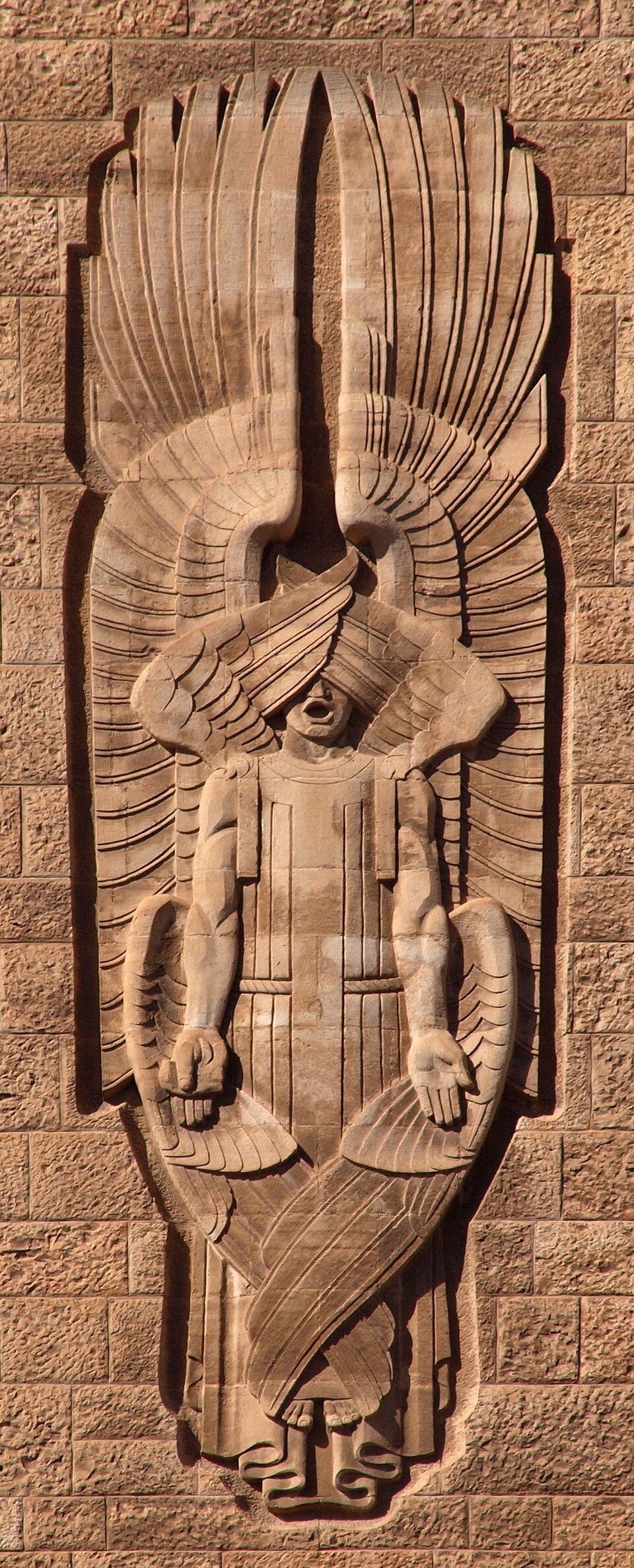 Seraphims = Seraphim | Attendants of the throne | — | Stand above the throne, each with six wings, crying 'Holy, holy, holy'. |
| The place of the dead | — | Where the dead go without distinction of conduct: down, dark and silent, cut off from praise. Described as never satisfied and as having a mouth, in poetry that personifies it without deifying it. | |
| A god mourned at the temple gate | — | Women sit weeping for him at the door of the north gate of the LORD's house, shown to Ezekiel as an abomination. | |
| Sons of Anak | — | A people of Hebron and the hill country, called great and tall at Deuteronomy 2:10-11 and 9:2, their towns taken at Joshua 11:21-22 with a remnant left in Gaza, Gath and Ashdod. The scouts of Numbers 13:33 identify them with the Nephilim, inside the report the text calls evil. | |
The queen of heaven = The Queen of Heaven | Title of a goddess | — | Receives incense, drink offerings and cakes from whole households in Judah and among the exiles in Egypt, who tell Jeremiah plainly that they were better off when they worshipped her. |
The sons of God = The Sons of God | The divine assembly | — | Shout at the founding of the earth; present themselves before the LORD with the accuser among them; receive the nations as their allotment in Deuteronomy 32:8-9 on the Qumran and Septuagint reading; are called gods and sons of the Most High in Psalm 82 and sentenced to die like men. In Genesis 6 some take wives among humans and the Nephilim follow. |
The spirit of heaviness = The Spirits of Affliction | Disposition or entity | — | Isaiah promises the garment of praise for the spirit of heaviness — a contrast that reads more naturally as mood than as being. |
The valley of the son of Hinnom = Gehenna | Topheth | — | A ravine outside Jerusalem where children were burned in offering under Ahaz and Manasseh, defiled by Josiah so the practice could not resume, and prophesied by Jeremiah to be renamed the Valley of Slaughter. |
Those born to the giant in Gath = The Sons of Rapha | Sons of Rapha | — | Ishbi-benob, Saph (Sippai in Chronicles), Goliath the Gittite and an unnamed six-fingered man, all four said to have been born to ha-rapha in Gath and each killed by one of David's men. 2 Samuel 21:15-22, with the parallel at 1 Chronicles 20:4-8. |
Yam (the Sea) = Yam | — | — | The sea as an adversary that had to be defeated before order held. Psalm 74:13 divides the sea and breaks the heads of the dragons in it; Isaiah 51:9-10 sets the drying of the sea beside the cutting of Rahab; Job 7:12 has a man ask whether he is the Sea, that a guard should be set over him — a question with no force unless the Sea is the sort of thing that needs guarding. |
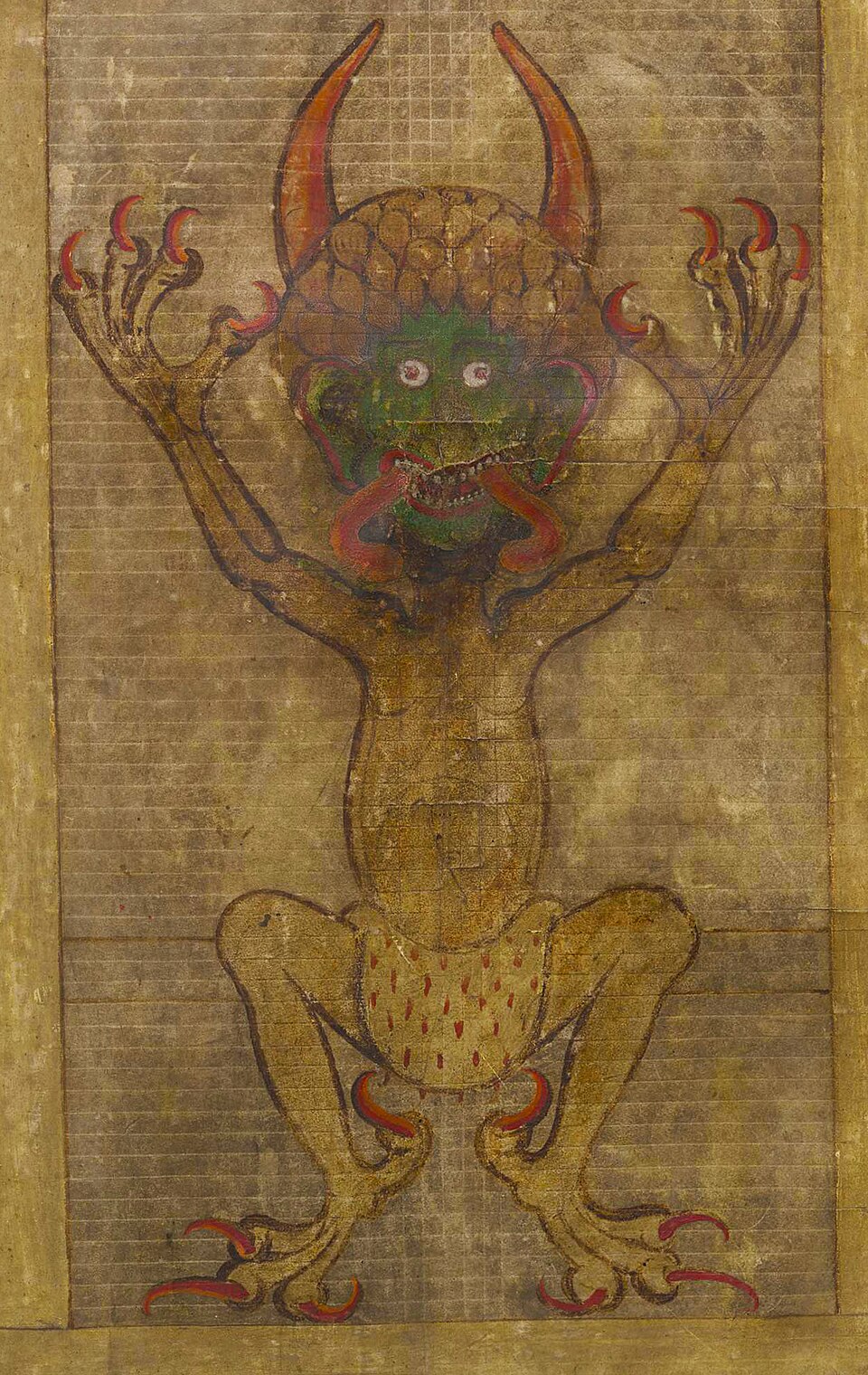 ha-Satan = Satan | The accuser | — | Presents himself among the sons of God and is granted permission to test Job. |
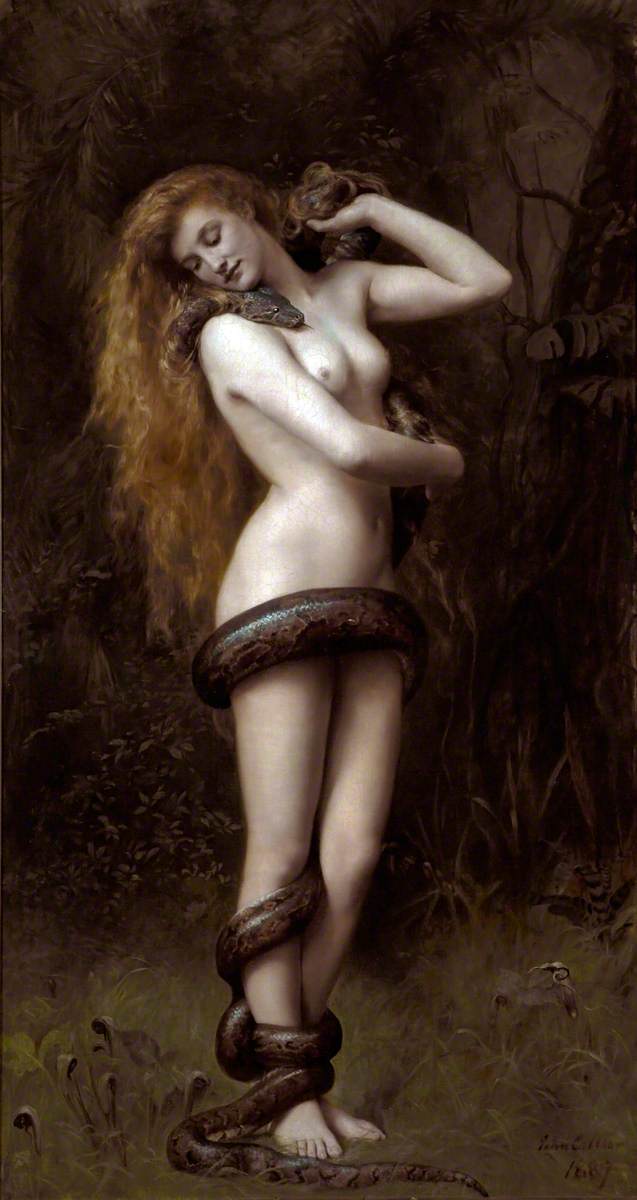 lilith / screech owl = Lilith | Desert creature | — | Named once among the creatures that possess a ruined land. |
resheph = Resheph | Reduced to a common noun | — | Appears in Habakkuk and Deuteronomy as 'plague' or 'burning heat' — a god demoted to a word. |

What does it actually say?
The passages themselves, as this text gives them. Read them against what the other texts here say about the same figures — that comparison is the point.
“A man also or woman that hath a familiar spirit, or that is a wizard, shall surely be put to death.”
“I will go forth, and I will be a lying spirit in the mouth of all his prophets.”
“So Absalom stole the hearts of the men of Israel.”
“There was none like unto Ahab, which did sell himself to work wickedness.”
“The prophets of the groves four hundred, which eat at Jezebel's table.”
“One lot for the LORD, and the other lot for Azazel.”
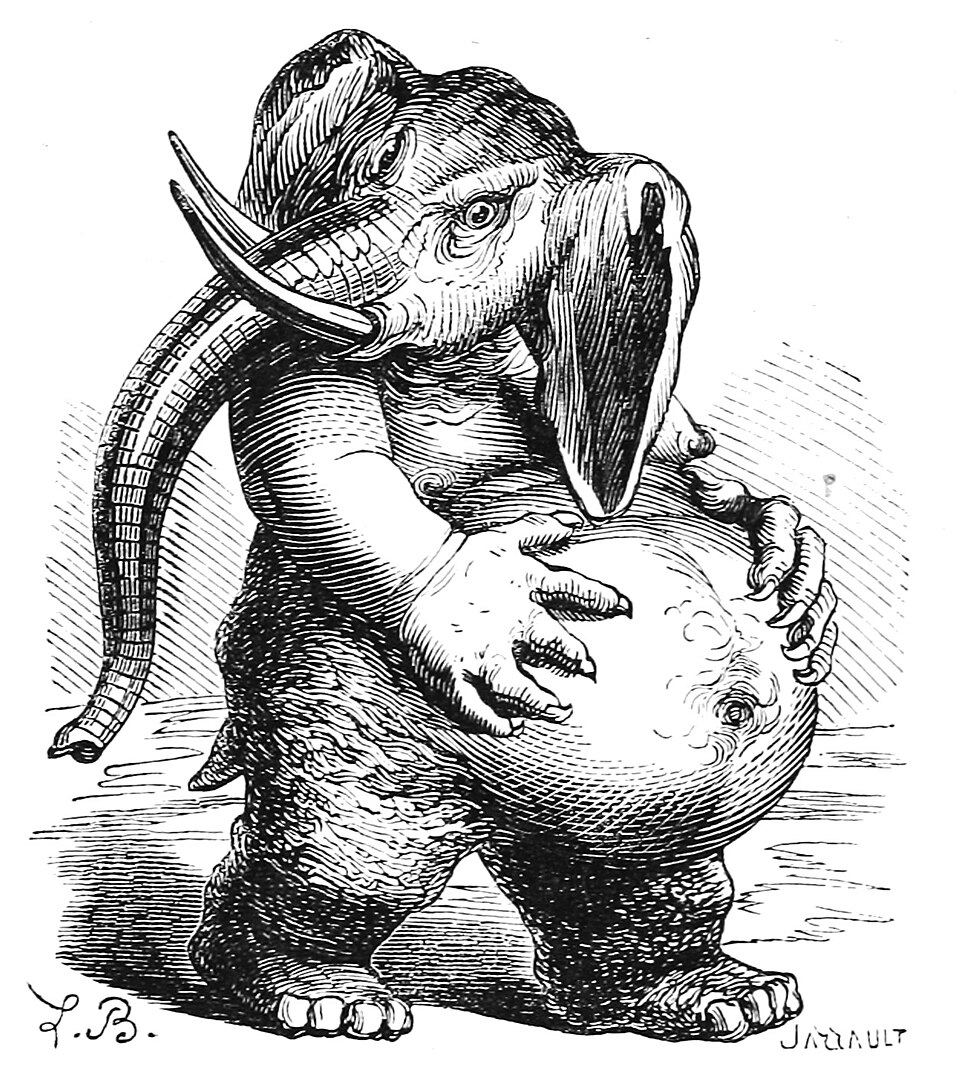
“Behold now behemoth, which I made with thee.”
“Certain men, the children of Belial, are gone out from among you.”
“He placed at the east of the garden of Eden Cherubims, and a flaming sword.”
“Gabriel, make this man to understand the vision.”
“And he took to wife Jezebel the daughter of Ethbaal king of the Zidonians.”
“Ye take too much upon you, seeing all the congregation are holy, every one of them.”
“Canst thou draw out leviathan with an hook?”
“He is a king over all the children of pride.”
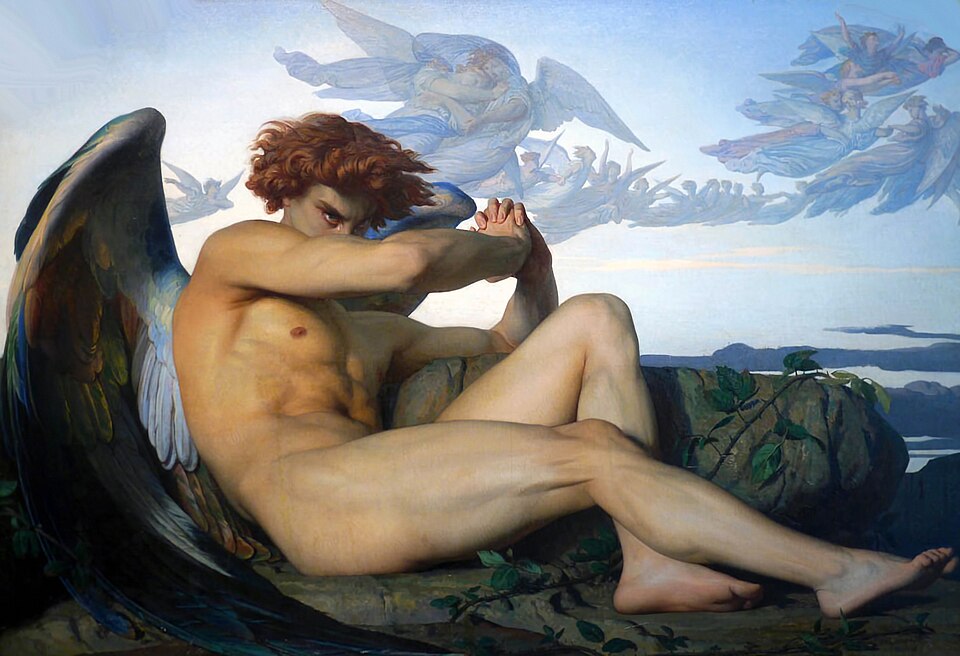
“How art thou fallen from heaven, O Lucifer, son of the morning!”
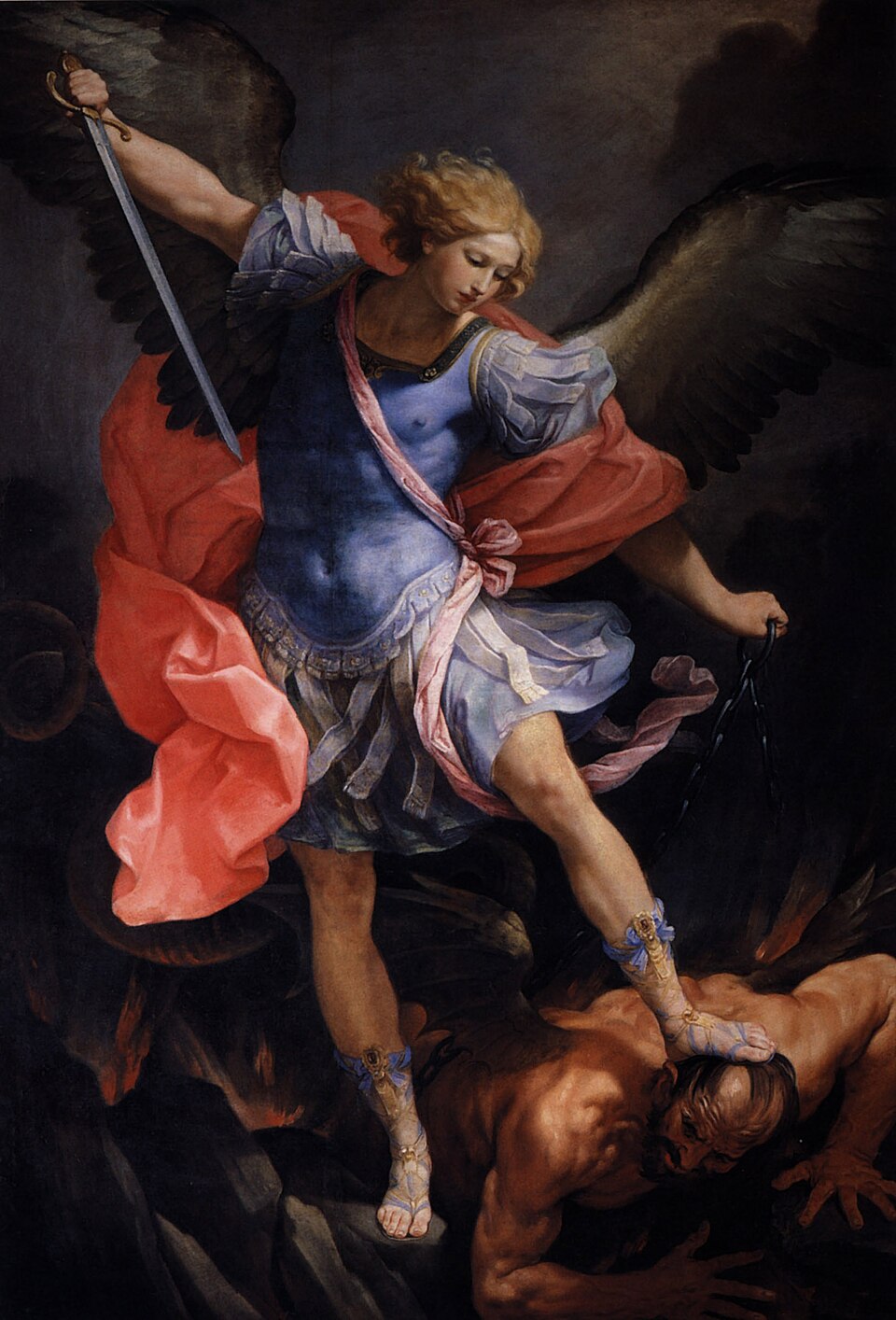
“Michael, one of the chief princes, came to help me.”
“He brake in pieces the brasen serpent that Moses had made: for unto those days the children of Israel did burn incense to it.”
“Above it stood the seraphims: each one had six wings.”
“There sat women weeping for Tammuz.”
“We will certainly do whatsoever thing goeth forth out of our own mouth, to burn incense unto the queen of heaven.”
“The garment of praise for the spirit of heaviness.”
“The sons of God came to present themselves before the LORD, and Satan came also.”
“The screech owl also shall rest there, and find for herself a place of rest.”