Realm · Hebrew cosmology · c. 900 BCE
Sheol
Also called She'ol, The Pit, The Grave
The Hebrew underworld: a silent, dusty place where everybody goes, righteous and wicked alike, and where nobody praises God. Not hell, and not a punishment.
Narrow source base
The oldest layers of the Hebrew Bible have no heaven for the dead and no hell for the wicked. There is Sheol, and everyone goes there. Jacob expects it, Job asks to be hidden in it, and the Psalms complain about it on the grounds that the dead are cut off from God and cannot praise him — which is a complaint about absence, not about torment.
It is described physically: down, dark, dusty, silent, a place of shades who are weakened rather than punished. The dead in Sheol are not being processed or sorted. There is no gate, no judge, no fire, and no indication that the wicked have a worse time of it than anybody else.
Hebrew poetry does personify it, and vividly — Sheol enlarges its appetite and opens its mouth without measure, and it is never satisfied. That is the same move English makes when the sea is cruel, and the entries here keep it as figure of speech rather than promoting it to a deity, which is the difference between Sheol and Hades.
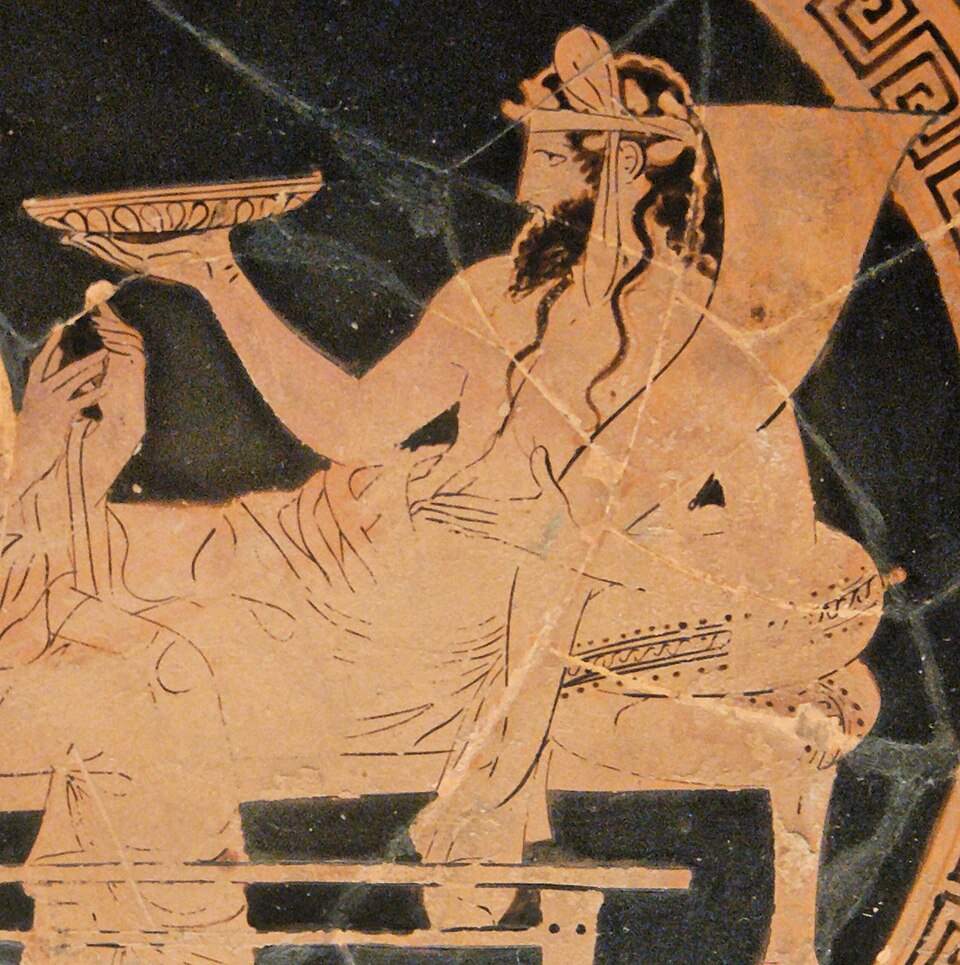
The moral sorting arrives much later, in the Second Temple period, and it arrives from outside. When Greek-speaking Jews translated the Hebrew Bible they rendered Sheol as Hades, and a word for the grave acquired the furniture of a Greek underworld.
Identity
Where does the name come from?
What the name means
Uncertain, and argued over since antiquity. The likeliest root means to ask or to enquire, which would make it the place that asks and is never answered; a competing derivation gives 'the hollow'.
At a glance
Vitals
Vitals
Also known as
- First attested
- Hebrew Bible & Deuterocanon · c. 900–100 BCE
- Rank
- The Grave
- Order
- Hebrew cosmology
- Era
- c. 900 BCE
- Traditions
- Christian, Jewish
Traits
- Domain
- The common destination of the dead, without distinction
Stats
Known connections
Identified with
1 texts
Which texts say so?
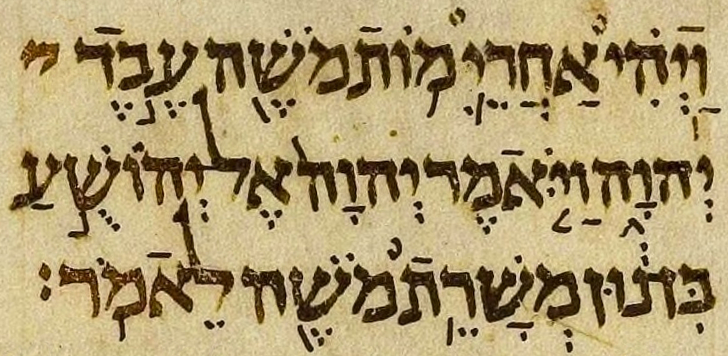
Where the dead go without distinction of conduct: down, dark and silent, cut off from praise. Described as never satisfied and as having a mouth, in poetry that personifies it without deifying it.
Connections
What is it connected to?
Afterwards
What did later readers make of it?
Rendered 'hell' thirty-one times in the King James Version, 'the grave' thirty-one times and 'the pit' three — the same Hebrew word, sorted by what the translators thought the passage ought to mean. Modern translations increasingly leave it transliterated for exactly that reason.
Kept in its own section on purpose. Everything above is what the cited texts say; this is what was built on top of them afterwards, and blending the two is how most popular demonology goes wrong.
Answered from the sources
Common questions
Which texts mention Sheol?
Is Sheol the same as Hades?
What rank is Sheol?
How else is Sheol spelled?
How old is Sheol?
Nearest in the corpus
If Sheol is what you came for, these are next
Chosen by proximity rather than by popularity: the same pantheon first, then the same rank, then the same kind of figure.
Gehenna
The Valley Outside the Walls · Hebrew and Christian cosmology
A real valley outside Jerusalem, remembered as the site of child sacrifice and deliberately defiled, whose name became the New Testament's word for final ruin.
Tartarus
The Deep Below the Dead · Greek cosmology
The Greek pit below Hades, built to hold defeated gods rather than dead people, and borrowed once by the New Testament to say where the sinning angels went.
The book behind Sheol
Every claim on this profile is attributed to one of these. It is public domain, listed oldest first, and each links to a full text where one is freely available.
Hebrew Bible & Deuterocanon
Various · c. 900–100 BCE · Hebrew, Aramaic, Greek
Read Hebrew Bible & Deuterocanon in full ↗Cover: Public domain · see en:Aleppo Codex; scanned by · Wikimedia file page
Corpus last revised 29 August 2026. A reference site’s credibility rests on being maintained, so this is the date the sourced records last changed — not the date the page was rebuilt.