Realm · Greek cosmology · c. 700 BCE
Tartarus
Also called Tartaros, tartaroo
The Greek pit below Hades, built to hold defeated gods rather than dead people, and borrowed once by the New Testament to say where the sinning angels went.
Well sourced
Tartarus is not where the Greek dead go — that is Hades. Tartarus is underneath it, and it is a prison. Hesiod measures the distance: an anvil would fall nine days from heaven to earth and nine more from earth to Tartarus, and it is where Zeus confines the Titans after the war. Its inhabitants are defeated powers, not deceased persons.
That distinction is why its single New Testament appearance is interesting. 2 Peter says God did not spare the angels that sinned but consigned them — tartarosas, one word, a verb built on the name — to chains of darkness until judgment. The author reaches past the Jewish vocabulary entirely and borrows the Greek word for the pit that holds rebel gods, because that is precisely the category being described.
It occurs once. A tradition that speaks constantly about hell uses this word a single time, of angels rather than people, and English translations mostly render it "hell" and lose the distinction.
Identity
Where does the name come from?
What the name means
Greek Tartaros, of unknown origin and probably pre-Greek. The New Testament uses it only as a verb, tartaroo — to consign to Tartarus.
At a glance
Vitals
Vitals
Also known as
- First attested
- Theogony & Works and Days · c. 700 BCE
- Named there as
- Tartaros
- Rank
- The Deep Below the Dead
- Order
- Greek cosmology
- Era
- c. 700 BCE
- Traditions
- Christian, Greek
Traits
- Domain
- The prison beneath the underworld, holding rebel powers rather than human dead
Stats
Known connections
Opposed by
2 texts
Which texts say so, and where do they disagree?
When these texts were written
Each dot is one of the 2 texts that names Tartarus, placed at that text's approximate date.
A wide spread means the figure was carried across many centuries and traditions; a tight cluster means a single period produced the whole record.
2 texts spanning roughly 780 years
Where the texts differ
- Name: given as Tartaros, tartaroo
- Rank: given as The pit; A verb, used once
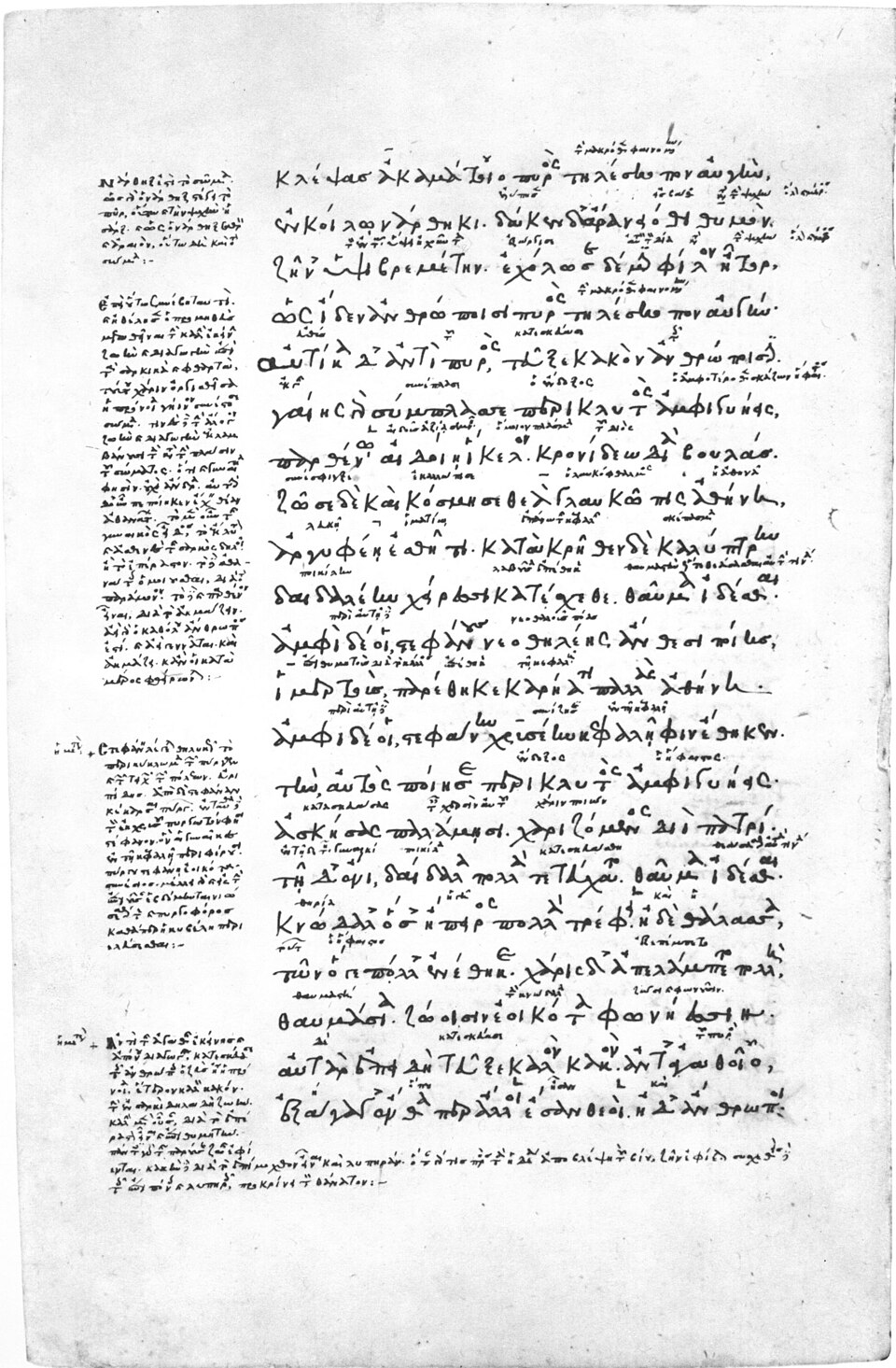
As far below Hades as heaven is above earth, ringed with bronze and night, where Zeus confines the Titans after the war in heaven.
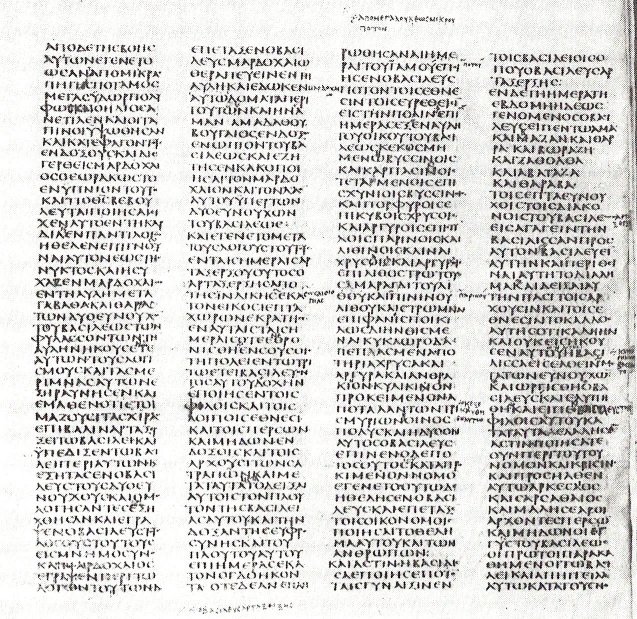
In 2 Peter, what God did to the angels that sinned: consigned them to chains of darkness until judgment. Used of rebel powers, never of human dead.
Connections
What is it connected to?
Afterwards
What did later readers make of it?
Its one New Testament use is usually flattened into 'hell', which puts sinning angels in the same place as the human dead — the opposite of what the Greek word was chosen to say.
Kept in its own section on purpose. Everything above is what the cited texts say; this is what was built on top of them afterwards, and blending the two is how most popular demonology goes wrong.
Answered from the sources
Common questions
Which texts mention Tartarus?
What rank is Tartarus?
How else is Tartarus spelled?
How old is Tartarus?
Nearest in the corpus
If Tartarus is what you came for, these are next
Chosen by proximity rather than by popularity: the same pantheon first, then the same rank, then the same kind of figure.
Gehenna
The Valley Outside the Walls · Hebrew and Christian cosmology
A real valley outside Jerusalem, remembered as the site of child sacrifice and deliberately defiled, whose name became the New Testament's word for final ruin.
Sheol
The Grave · Hebrew cosmology
The Hebrew underworld: a silent, dusty place where everybody goes, righteous and wicked alike, and where nobody praises God. Not hell, and not a punishment.
The books behind Tartarus
Every claim on this profile is attributed to one of these. They are public domain, listed oldest first, and each links to a full text where one is freely available.
Theogony & Works and Days
Hesiod · c. 700 BCE · Ancient Greek
Read Theogony & Works and Days in full ↗Cover: Public domain · Hesiod · Wikimedia file page
New Testament
Various · c. 50–110 CE · Koine Greek
Read New Testament in full ↗Cover: Public domain · Wikimedia file page
Corpus last revised 29 August 2026. A reference site’s credibility rests on being maintained, so this is the date the sourced records last changed — not the date the page was rebuilt.