Greek · Ancient Greek · c. 700 BCE
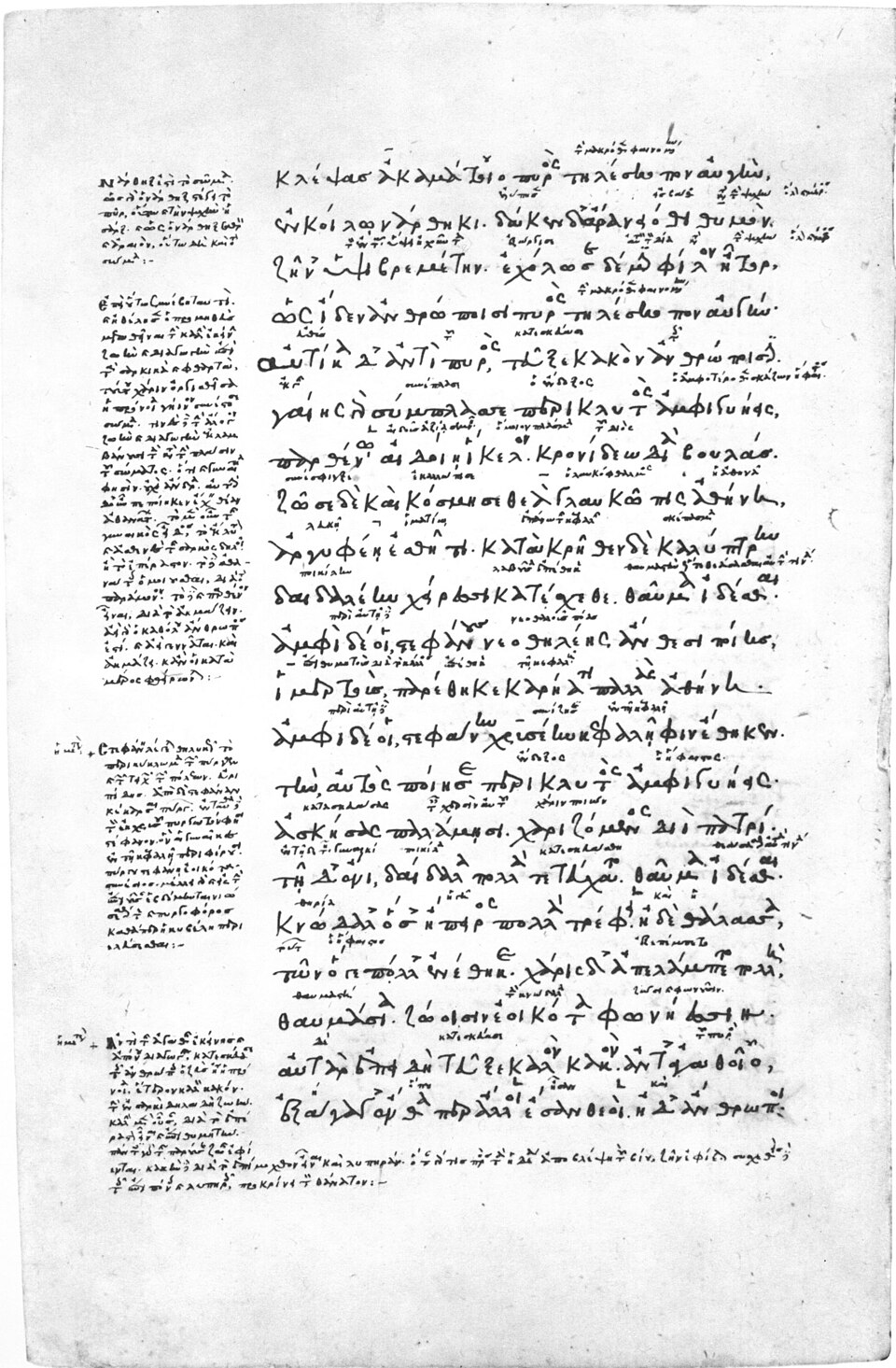
Theogony & Works and Days
Hesiod
The Greek succession myth and the Titanomachy. Hesiod's daimones are benign spirits of the golden race — the semantic drift from that to 'demon' happens entirely in Jewish and Christian Greek.
Read Theogony & Works and Days in full at the linked edition →Hierarchies from this text
What this text attests · 17
| Name here | Rank given | # | Powers described |
|---|---|---|---|
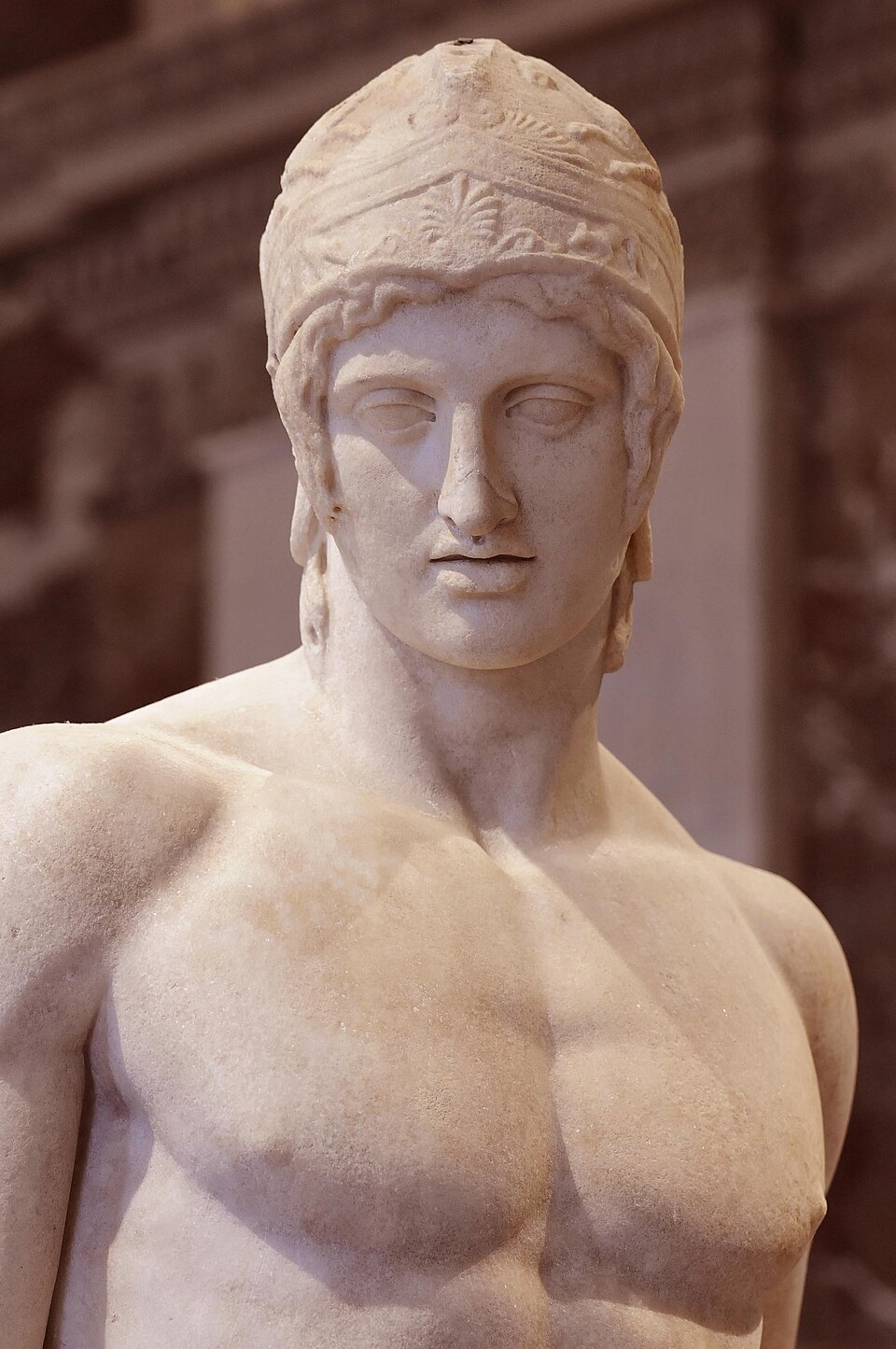
| Shield-piercer | — | Son of Zeus and Hera; the sacker of cities. | |
| Daughter of Leto | — | Born to Leto by Zeus, sister of Apollo, and counted among the Olympian generation. | |
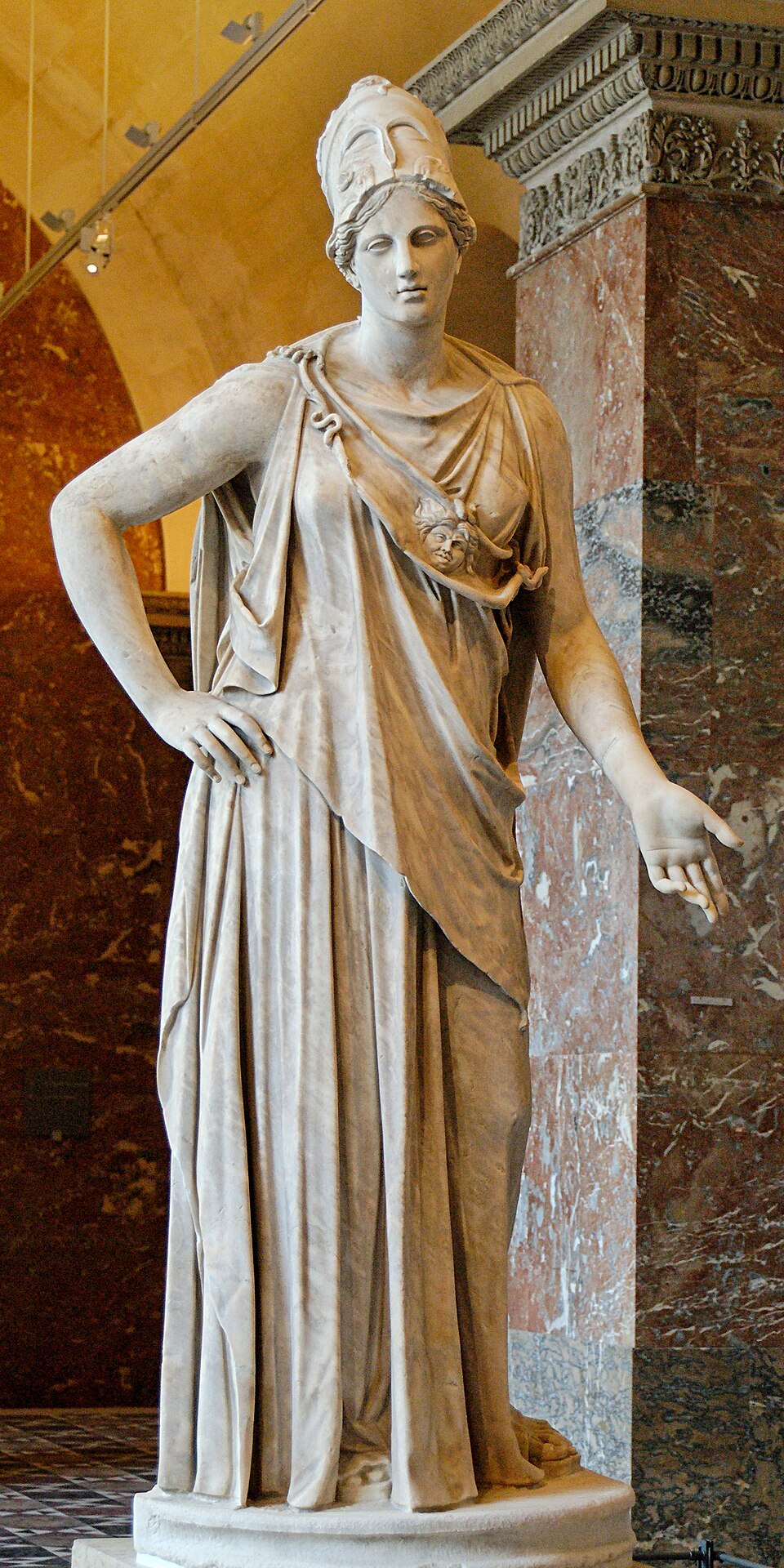
| Tritogeneia | — | Springs from the head of Zeus fully armed; equal to her father in strength and counsel. | |
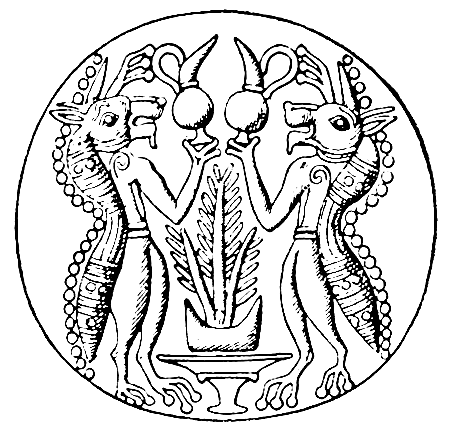 Daimones = The Daimones | Guardians of mortal men | — | The golden race, become good spirits who watch over judgments and deeds. |
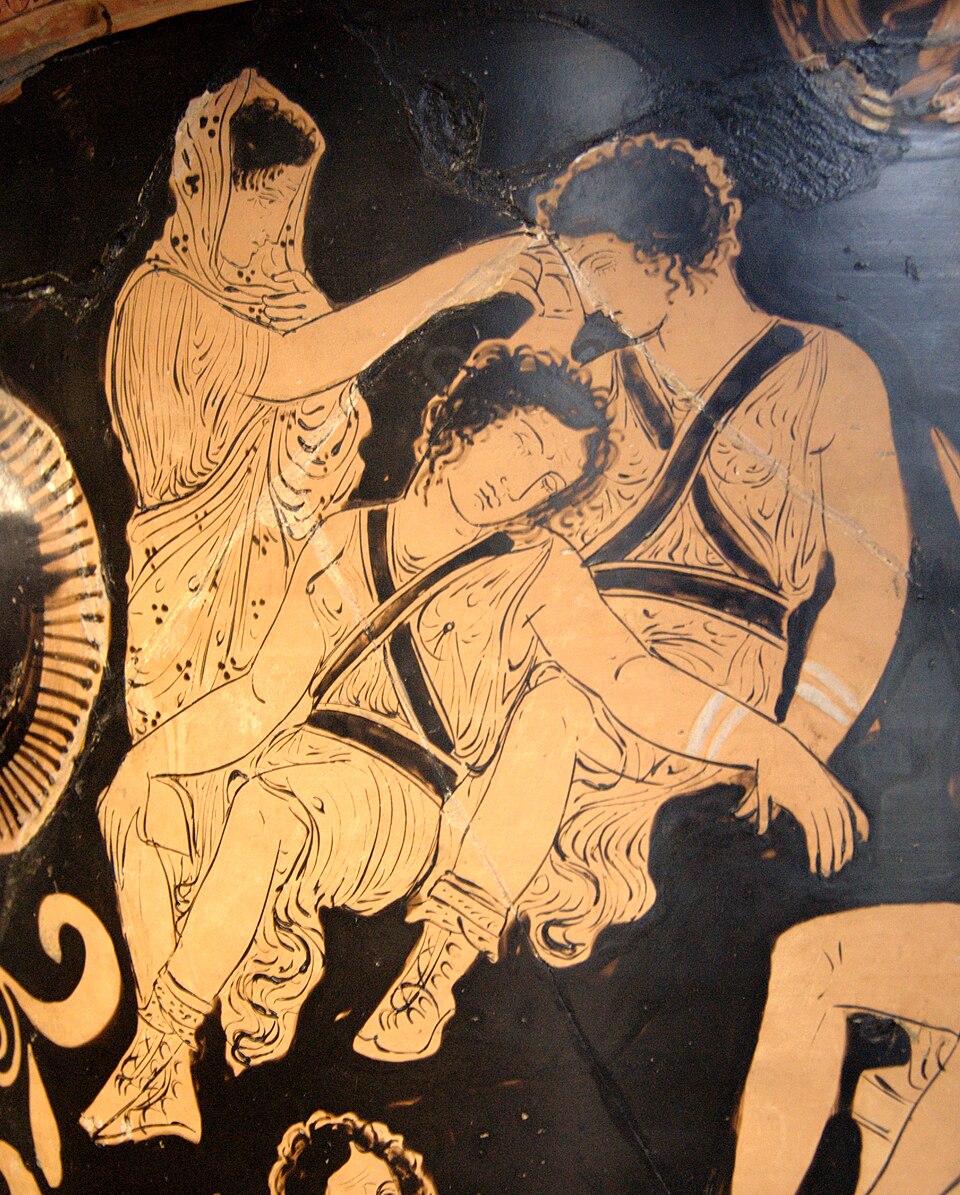 Erinyes = The Erinyes | Daughters of Earth | — | Sprung from the blood of Ouranos; pursue those who shed kindred blood. |
Gigantes = The Gigantes | Great and strong, born of Earth | — | Born to Gaia from the blood of Ouranos, alongside the Erinyes and the Meliae, and described as great, in gleaming armour and holding long spears. |
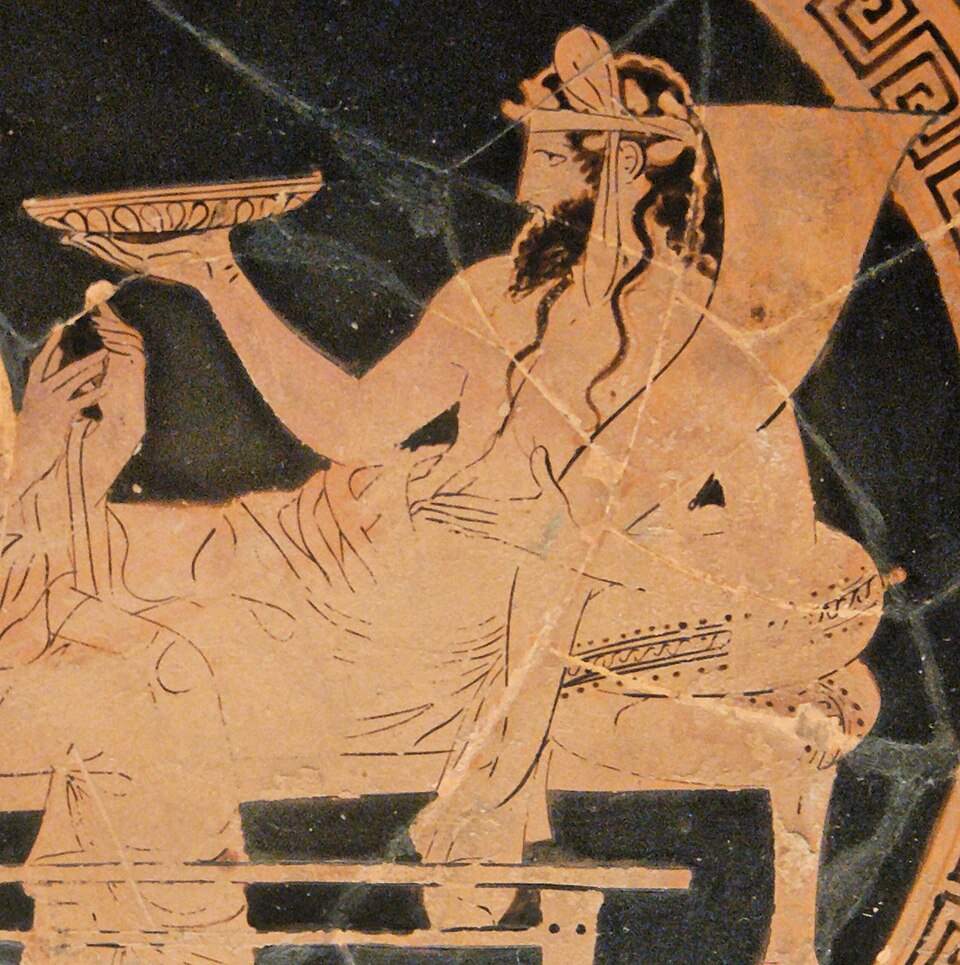
| Lord of the dead | — | Receives the underworld in the division of the cosmos among the sons of Kronos. | |
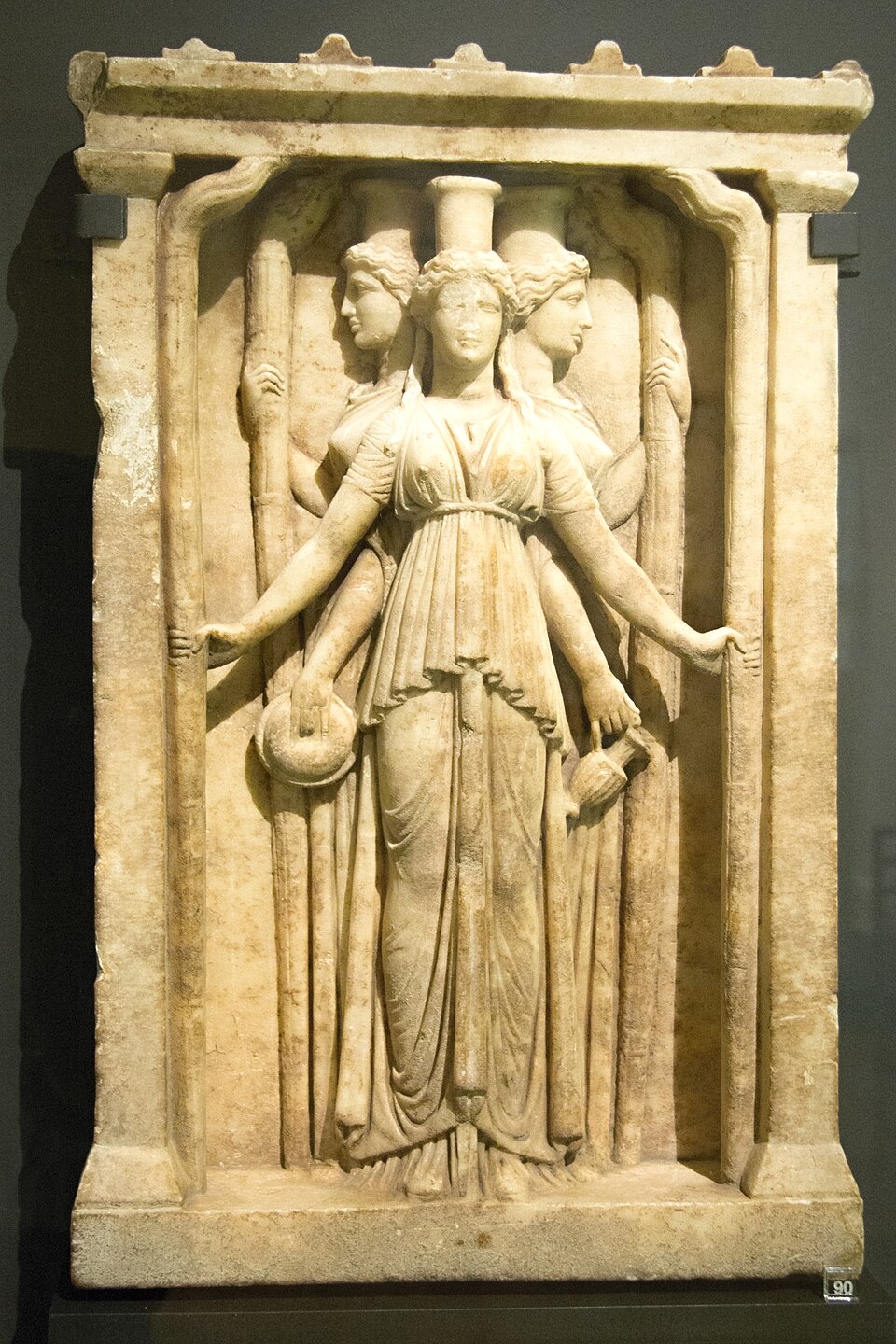 Hekate = Hecate | Honoured above all | — | Holds a portion of earth, sea and starry heaven; Zeus takes nothing from her. |
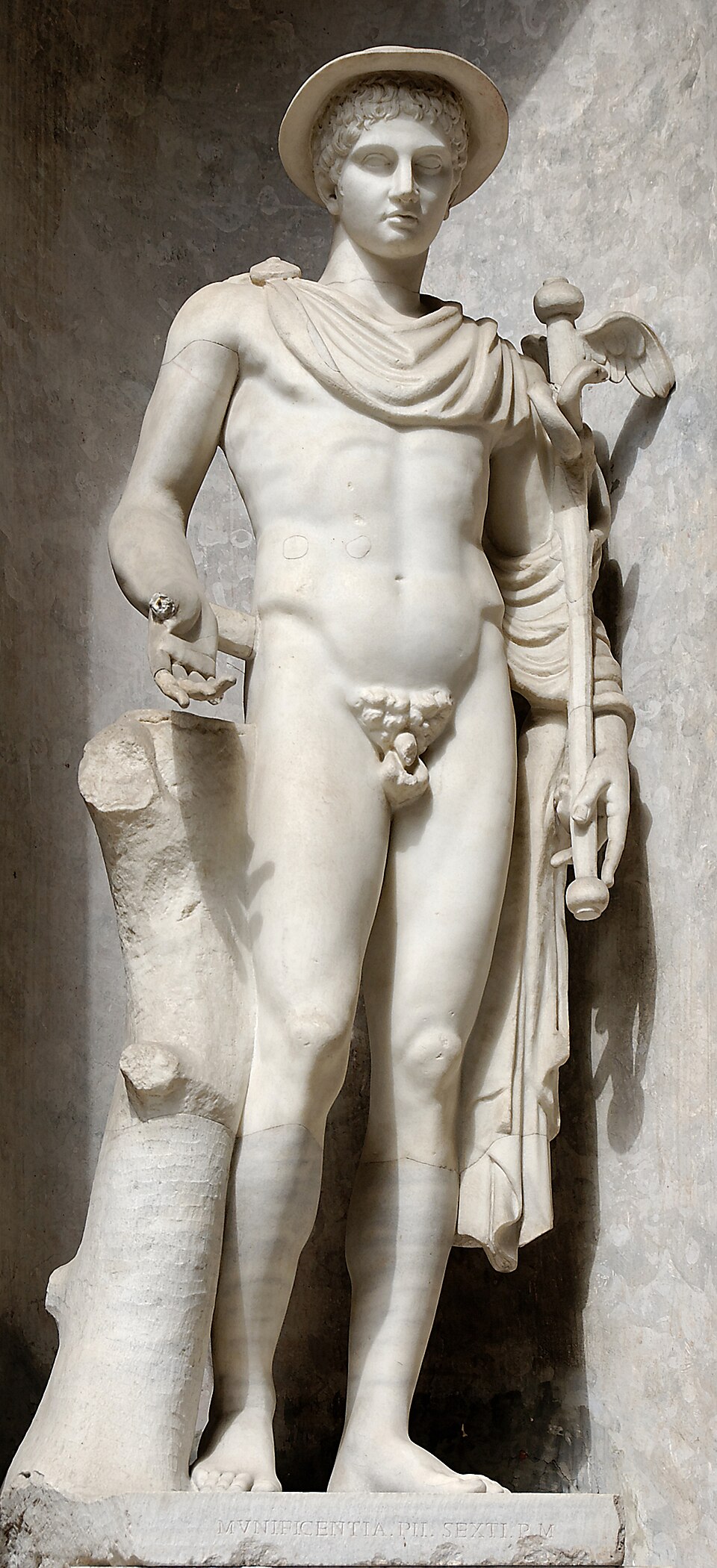
| Herald of the immortals | — | Carries the messages of Zeus and leads the dead to the house of Hades. | |
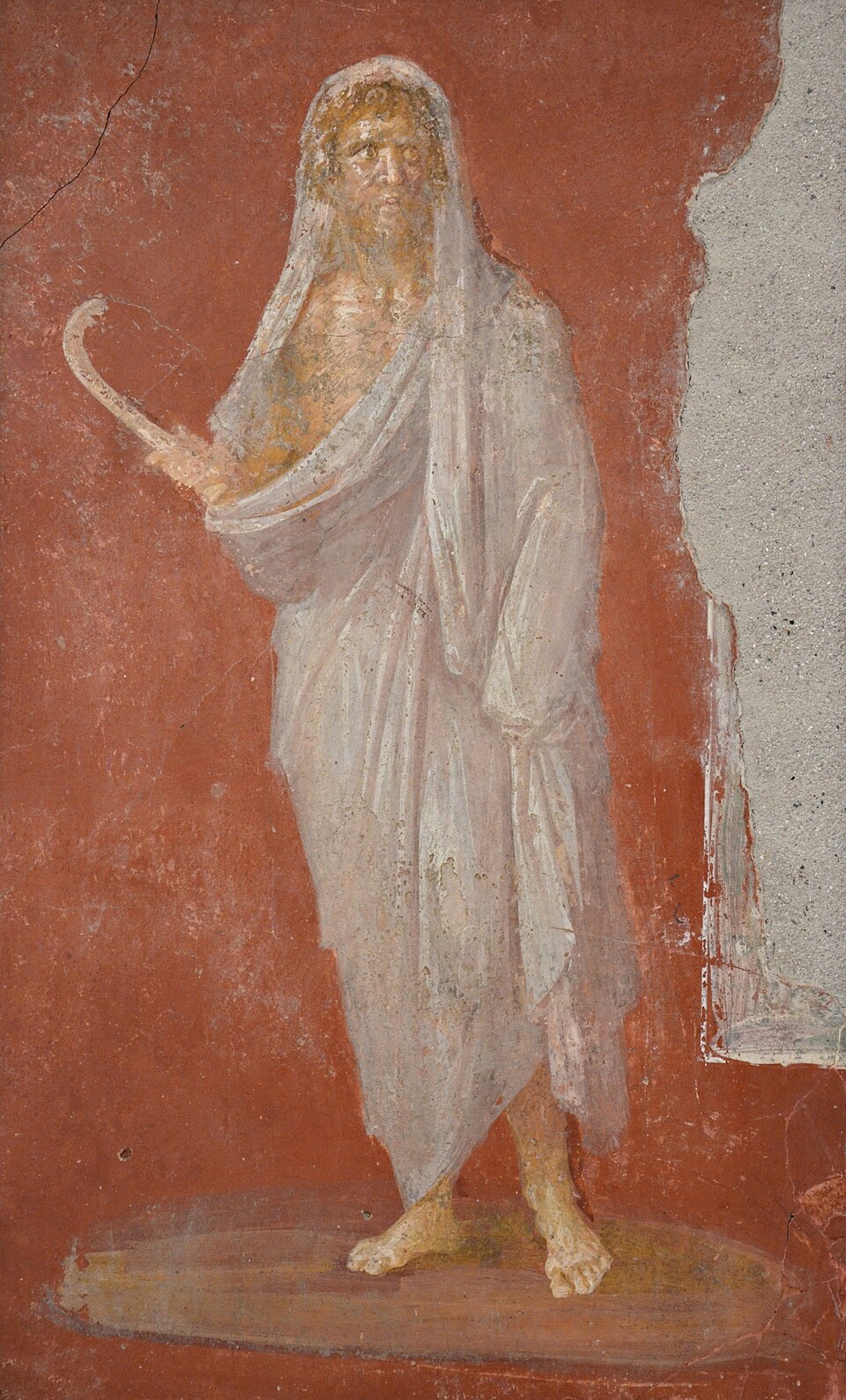 Kronos = Saturn | Titan | — | Castrates Ouranos, swallows his own children, and is overthrown by Zeus. Hesiod describes the Greek figure; the Roman Saturn is an identification laid over him. |
| Queen of the dead | — | Taken by Hades with the consent of Zeus; rules the dead beside him. | |
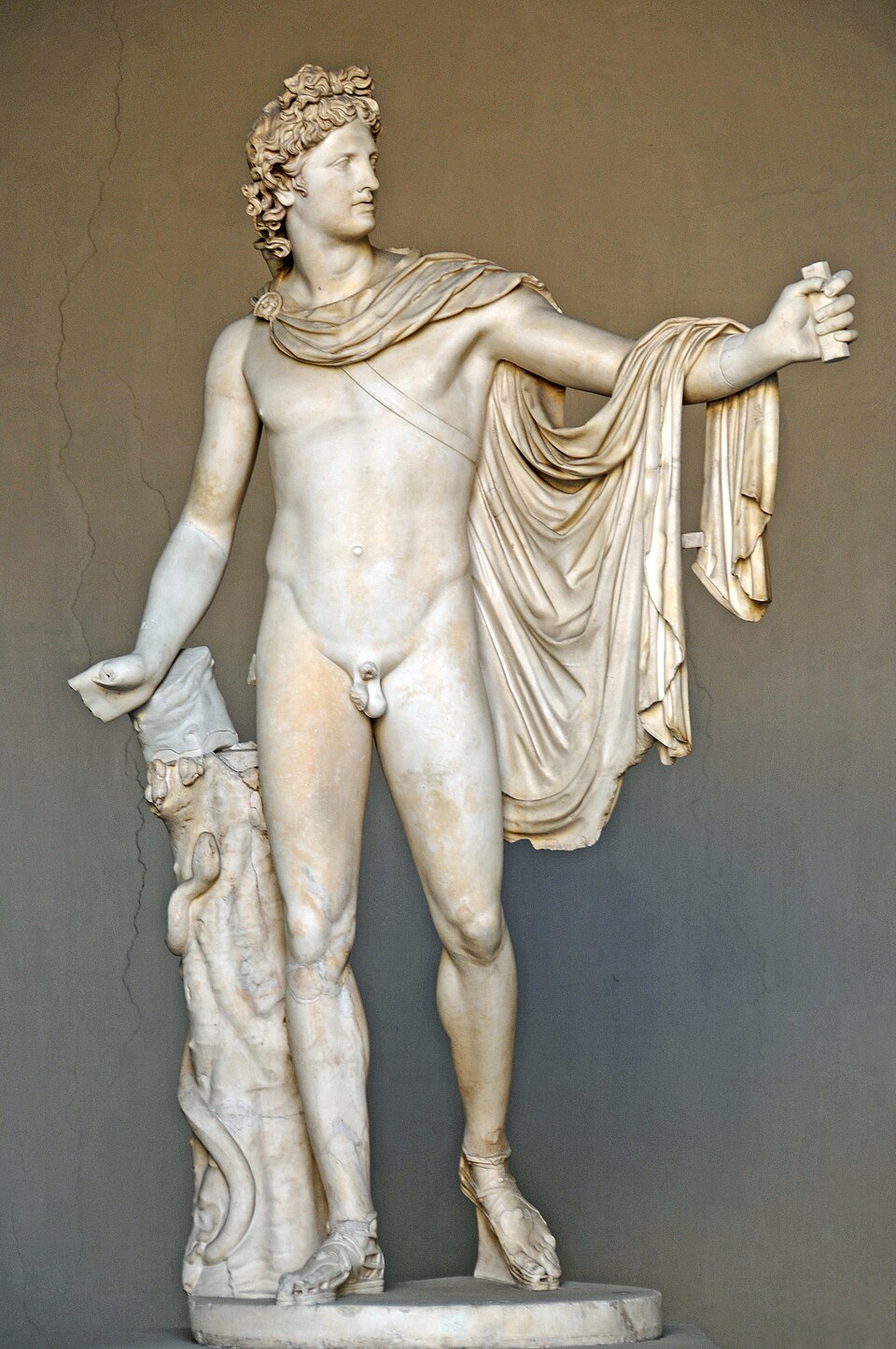 Phoebus Apollo = Apollo | Far-shooter | — | Son of Leto; lord of the bow and of prophecy. |
| Earth-shaker | — | Takes the grey sea as his portion; contends with Athena for Athens. | |
Tartaros = Tartarus | The pit | — | As far below Hades as heaven is above earth, ringed with bronze and night, where Zeus confines the Titans after the war in heaven. |
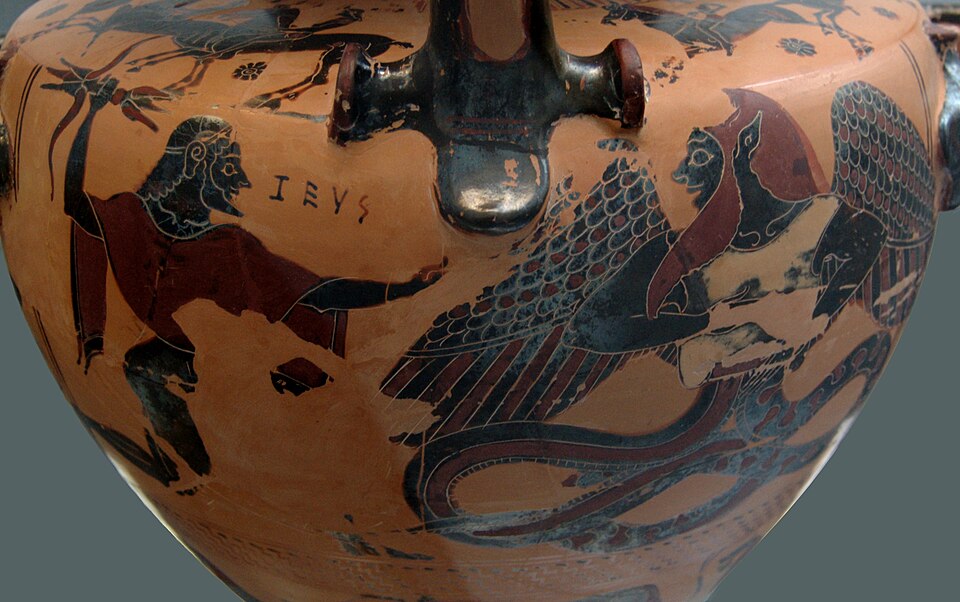 Typhoeus = Typhon | Youngest son of Gaia | — | Fights Zeus for the sovereignty of the cosmos and is thrown down into Tartarus. |
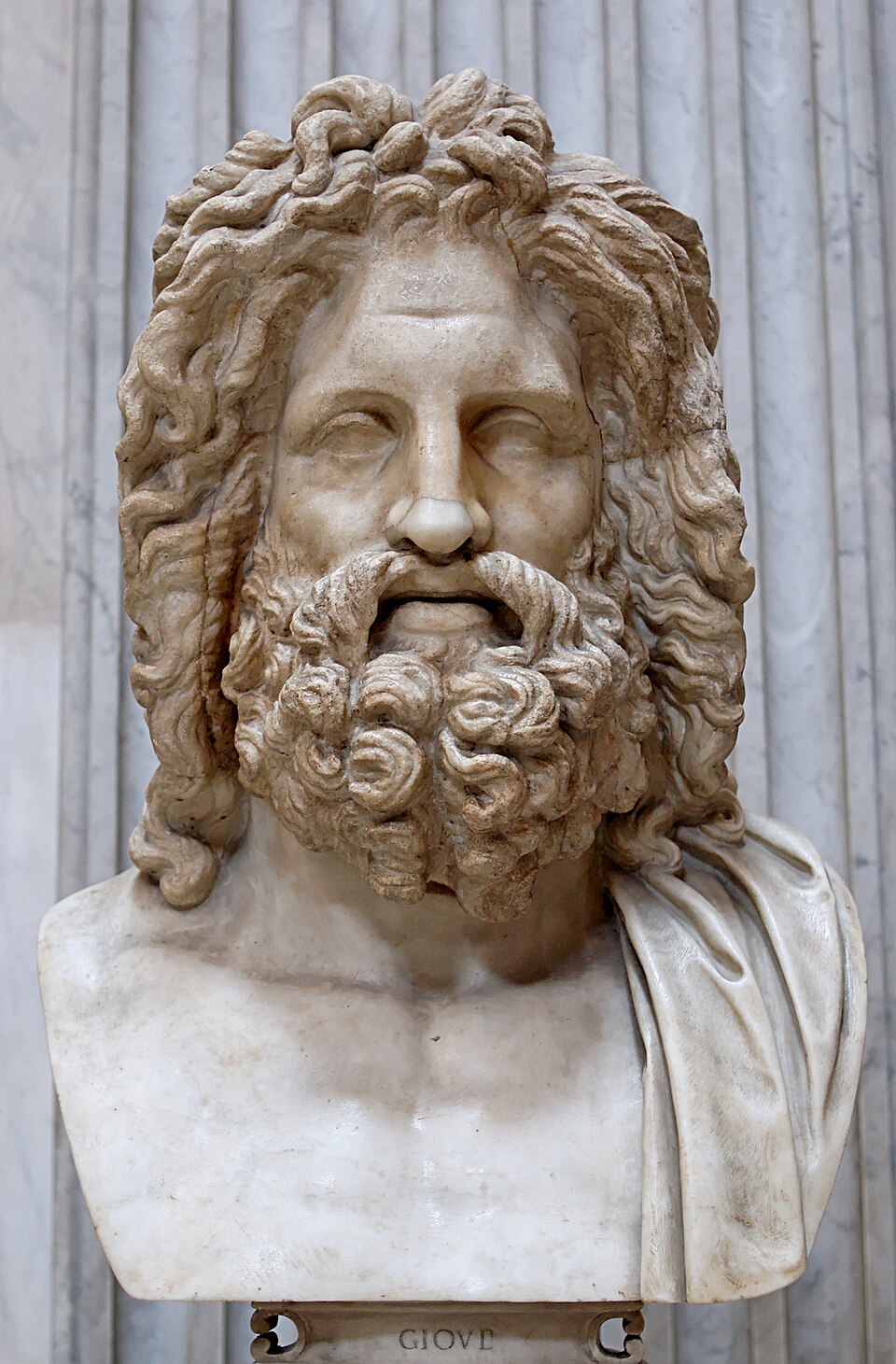
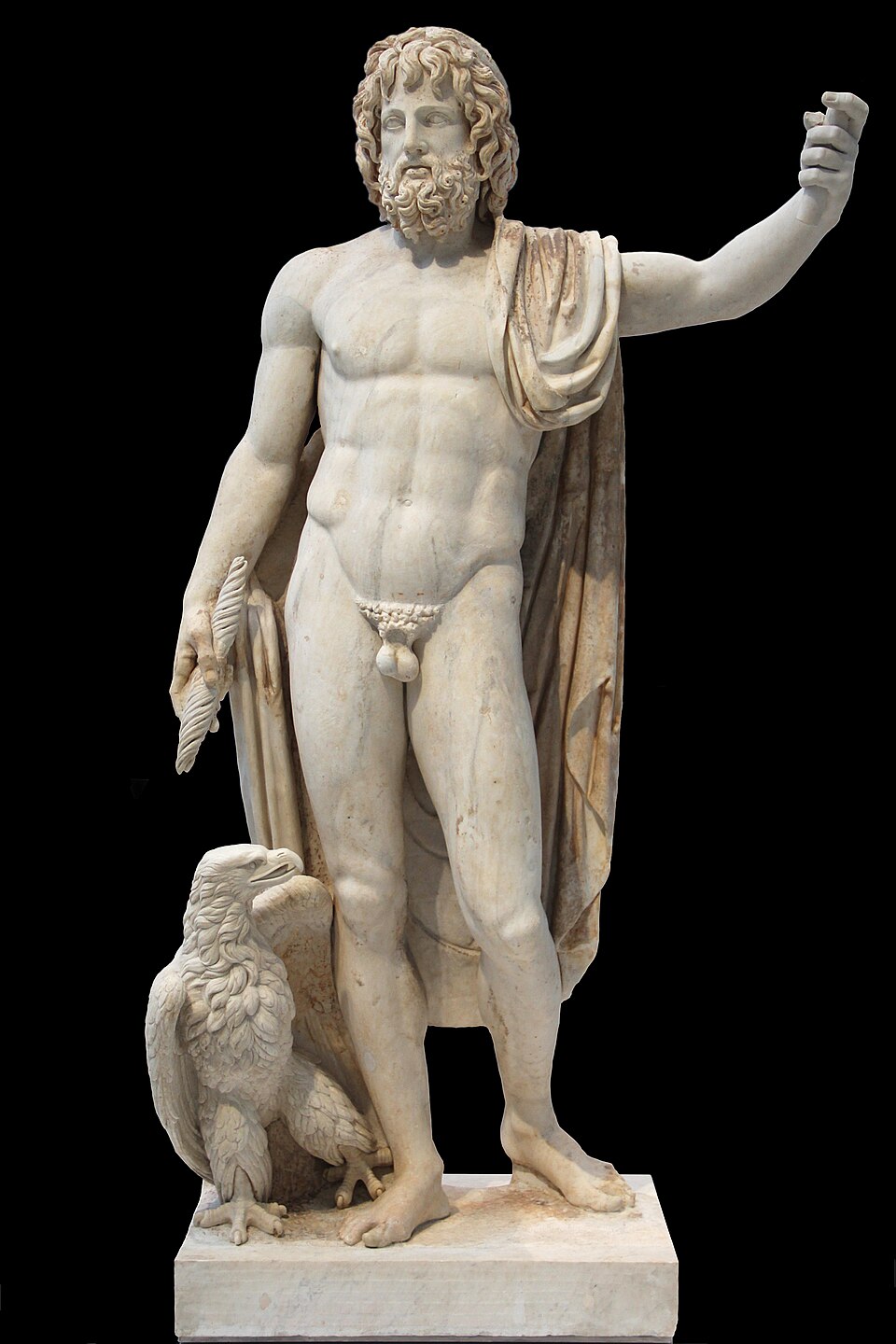 Zeus = Jupiter | Father of gods and men | — | Takes the sky in the division of the cosmos and rules by the thunderbolt. |
| Father of gods and men | — | Overthrows Kronos, divides the cosmos with his brothers by lot, and rules by the thunderbolt. |
What does it actually say?
The passages themselves, as this text gives them. Read them against what the other texts here say about the same figures — that comparison is the point.