Hybrid · Greek · c. 700 BCE
The Gigantes
Also called The Giants, The Gegeneis
Born from the earth and the blood of a castrated sky, they fight the Olympians and lose — and the English word giant descends from them rather than from anything in Genesis.
Deep source base
Hesiod has the Gigantes born to Gaia from the blood that falls when Ouranos is castrated, in the same delivery as the Erinyes and the ash-tree nymphs. That parentage is why they are filed as hybrid: they are earth-born, with the divine element on the other side.
Their war against the Olympians is the Gigantomachy, among the most reproduced scenes in Greek art, and the Olympians cannot finish it without mortal help. Its shape is one this corpus meets repeatedly — an older generation of powers put down by a younger one, and then made monstrous in the retelling.
The lexical afterlife is the part worth noticing. Greek gigas passes through Latin into the Romance languages and arrives in English as giant, and it is the word the Septuagint reaches for when translating Nephilim. So the giants of the English Bible are named after Greek earth-born rebels, and the equation was made by translators rather than by either text.
At a glance
Vitals
Vitals
Also known as
- First attested
- Theogony & Works and Days · c. 700 BCE
- Named there as
- Gigantes
- Rank
- Earth-born Adversaries of the Olympians
- Pantheon
- Greek
- Era
- c. 700 BCE
- Traditions
- Greek
Stats
Known connections
Identified with
2 attributed
What is it said to do?
Where these powers cluster
The 2 offices attributed to The Gigantes, grouped by kind. Segment width is the share of powers falling in each category.
A bar dominated by one colour means a specialist; an even spread means a figure the sources credit with almost anything.
- martial1
- malefic1
3 texts
Which texts say so, and where do they disagree?
When these texts were written
Each dot is one of the 3 texts that names The Gigantes, placed at that text's approximate date.
A wide spread means the figure was carried across many centuries and traditions; a tight cluster means a single period produced the whole record.
3 texts spanning roughly 1,120 years
Where the texts differ
- Name: given as Gigantes, The Giants, gigantes
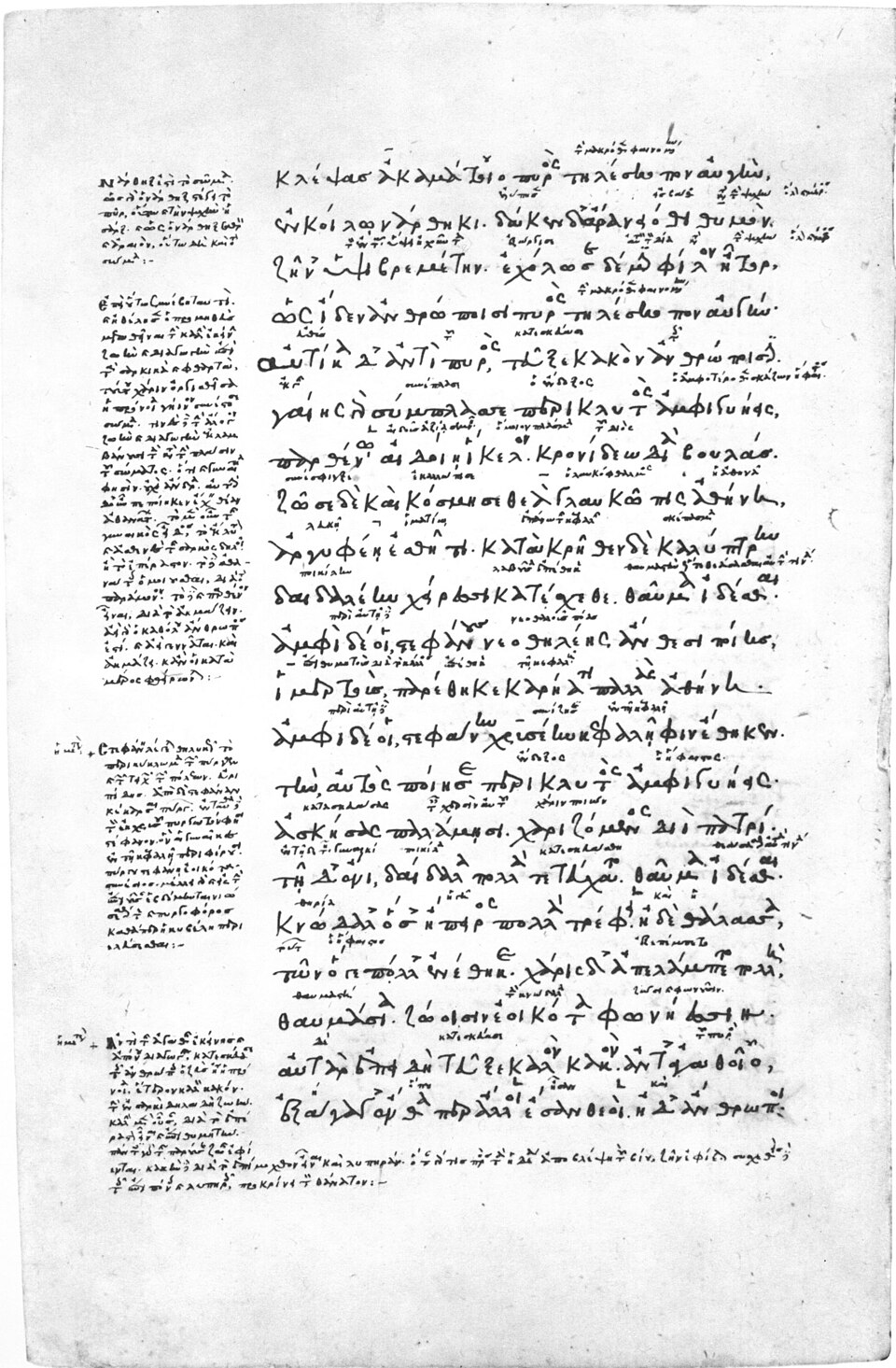
Born to Gaia from the blood of Ouranos, alongside the Erinyes and the Meliae, and described as great, in gleaming armour and holding long spears.
Piling mountains at the sky, struck down, and their blood soaking into the earth to produce a race of men contemptuous of the gods. The detail matters: Ovid makes the giants the ancestors of human impiety, which is the same move Genesis 6 makes with the Nephilim and the Watchers make in Enoch.
The Latin word doing double duty, which is the entry's whole point: Augustine is discussing the Hebrew giants of Genesis and reaching for the term the Septuagint used, so a Greek myth's earth-born rebels and a Hebrew genealogy's oversized men end up under one heading in the text that fixed Western usage.
Connections
What is it connected to?
Answered from the sources
Common questions
Which texts mention The Gigantes?
Is The Gigantes the same as The Nephilim?
What rank is The Gigantes?
How else is The Gigantes spelled?
What is The Gigantes said to do?
How old is The Gigantes?
Nearest in the corpus
If The Gigantes is what you came for, these are next
Chosen by proximity rather than by popularity: the same pantheon first, then the same rank, then the same kind of figure.
Artemis
Mistress of Animals · Greek
Huntress and protector of the young, whose Ephesian cult statue looks nothing like her and whose temple gave the ancient world one of its most durable protective formulas.
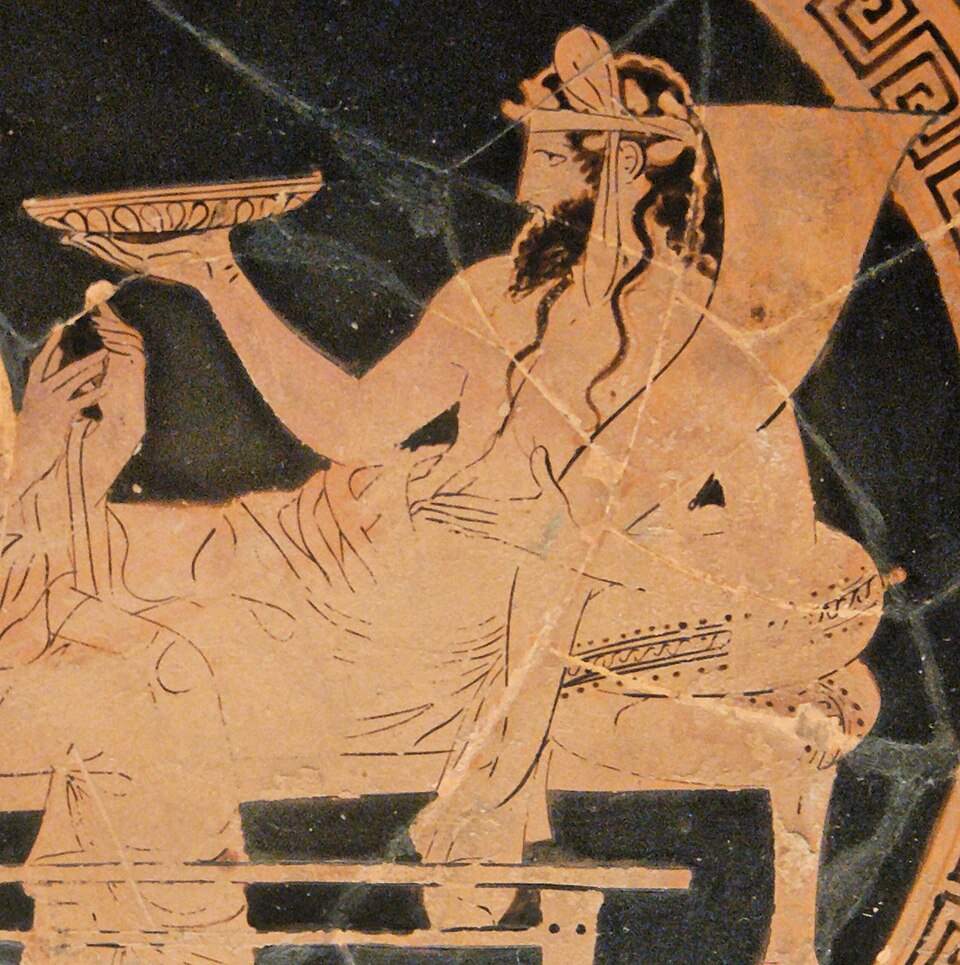
Hades
Lord of the Underworld · Greek
Ruler of the dead by lot rather than by punishment — a god of the underworld who is not evil, a distinction Christian cosmology cannot express.
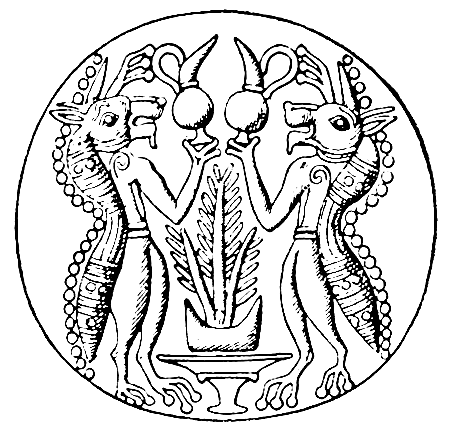
The Daimones
Class of Spirits · Greek
Guardian spirits — Socrates had one that advised him — whose name the Greek scriptures borrowed for evil spirits, permanently poisoning the word.
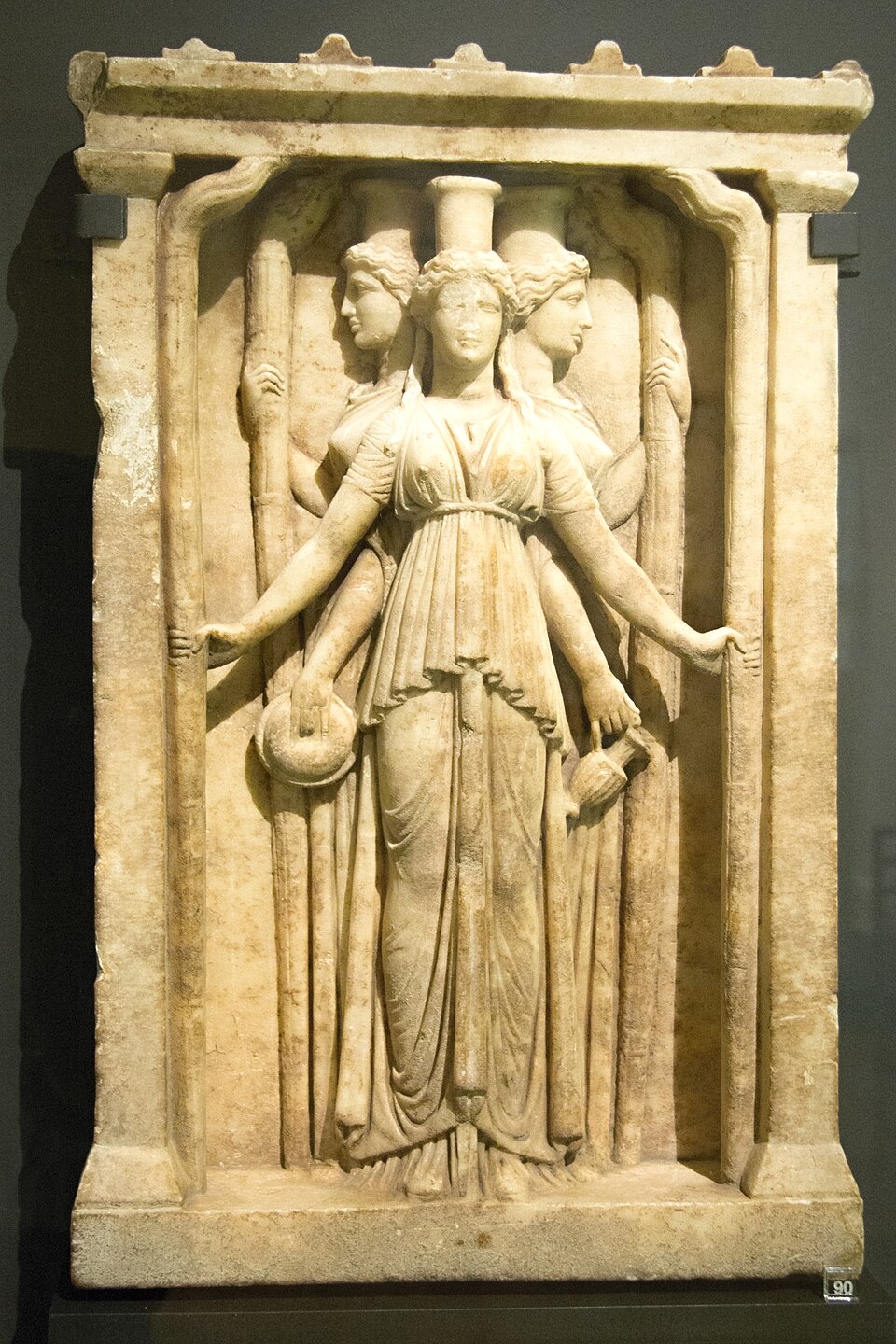
Hecate
Goddess of Crossroads · Greek
Hesiod has Zeus honour her above all others. By the medieval period she presides over witchcraft instead, a demotion with no wrongdoing attached to it anywhere.
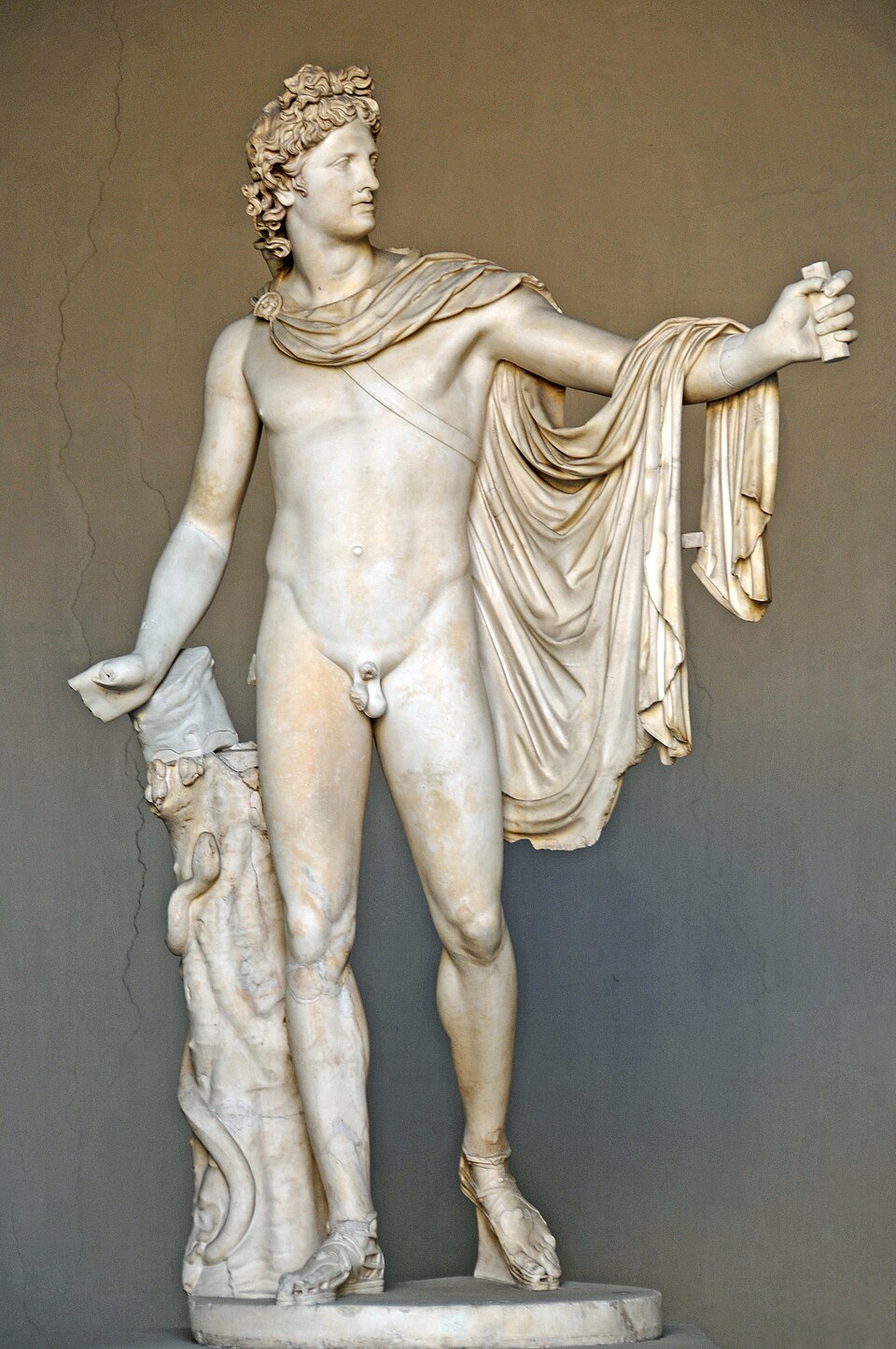
Apollo
God of Prophecy · Greek
Oracle-giver at Delphi, and the god who both sends plague and lifts it. Later traditions split that duality between an angel and a demon; Greece kept it in one figure.
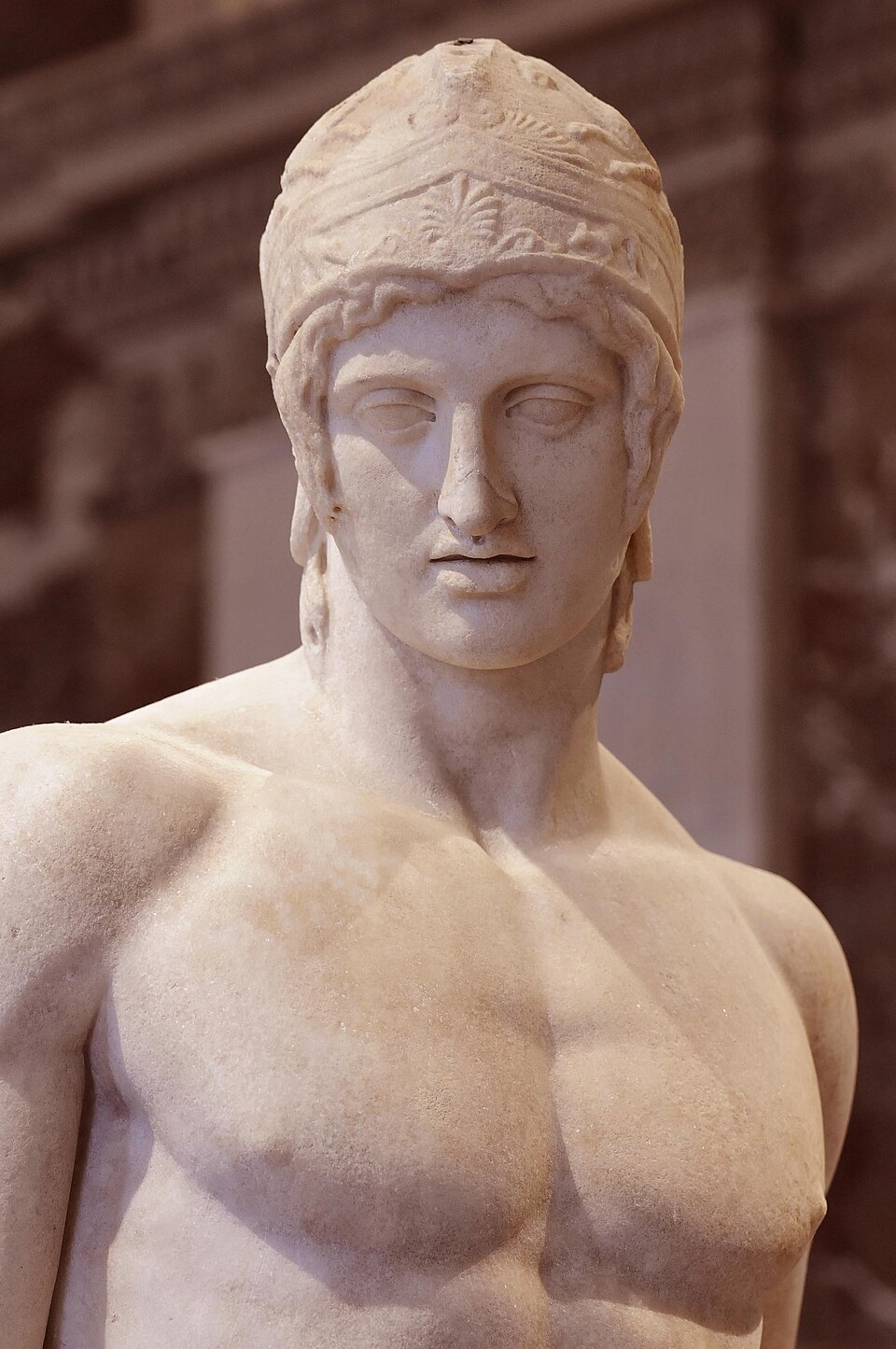
Ares
God of War · Greek
War as slaughter rather than strategy — disliked by the Greeks who worshipped him, and rehabilitated entirely by the Romans as Mars.
The books behind The Gigantes
Every claim on this profile is attributed to one of these. They are public domain, listed oldest first, and each links to a full text where one is freely available.
Theogony & Works and Days
Hesiod · c. 700 BCE · Ancient Greek
Read Theogony & Works and Days in full ↗Cover: Public domain · Hesiod · Wikimedia file page
The City of God
Augustine of Hippo; tr. Marcus Dods · 413–426 CE · Latin
Read The City of God in full ↗
Corpus last revised 29 August 2026. A reference site’s credibility rests on being maintained, so this is the date the sourced records last changed — not the date the page was rebuilt.