Christian · Latin · 413–426 CE
The City of God
Augustine of Hippo; tr. Marcus Dods
Twenty-two books written while the Roman world was arguing about whether abandoning the old gods had cost it the empire, and the single most consequential text in this corpus for the word demon. Augustine takes the philosophers' definition of daemones as aerial beings between gods and men, accepts the physics and rejects the ethics: every one of them is wicked, and the gods of the nations are demons. Everything Latin Christianity later says about spirits is downstream of that argument, including the one thing he mentions almost in passing — the woodland spirits people call incubi.
Read The City of God in full at the linked edition →What this text attests · 6
| Name here | Rank given | # | Powers described |
|---|---|---|---|
| — | — | Prosecuted rather than described. Augustine works through Varro's theology to show that the chief god of Rome is either a name for the world, in which case the cult is philosophy misfiled, or a person who behaved as the poets say, in which case the honours are obscene. Either way the conclusion is the one this site tracks: the god is a demon, and the empire has been sacrificing to it. | |
| — | — | Used to make the same case from the other end — the god of the golden age turned into an argument that Rome's own antiquarians could not say what their gods were. Augustine's method throughout is to quote the Romans on themselves, which is why the polemic doubles as the corpus's best inventory of a religion that had already stopped explaining itself. | |
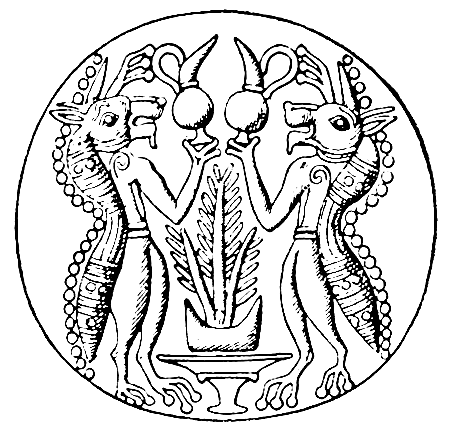 daemones = The Daimones | — | — | The hinge. Augustine grants the Platonists their definition — beings of air, immortal in body and passionate in mind, placed between gods and men — and then denies that any of them is good, arguing that the passions the definition concedes are already the disqualification. He notes that pagans distinguish good daemones from bad and that Christian usage does not, and he is right about the usage because he is largely the reason for it. The corpus's other two attestations on this entry are Hesiod's kindly guardians and the New Testament's unclean spirits; this is the argument that connects them. |
gigantes = The Gigantes | — | — | The Latin word doing double duty, which is the entry's whole point: Augustine is discussing the Hebrew giants of Genesis and reaching for the term the Septuagint used, so a Greek myth's earth-born rebels and a Hebrew genealogy's oversized men end up under one heading in the text that fixed Western usage. |
incubi = The Incubus | Silvans and Pans | — | Reported as woodland spirits who have assaulted women, in an aside Augustine says is attested by too many credible witnesses to deny outright and about which he refuses to speculate further. |
the giants = The Nephilim | — | — | Book XV takes the sons of God and the daughters of men as a problem to be solved rather than a story to be retold: Augustine reads the sons of God as the line of Seth rather than as angels, which disposes of the Enochic reading for Latin Christianity for a thousand years. He accepts that there were giants, on the text's authority and on reported bones, and denies that they were fathered by spirits. |