Demonic · Night-oppression · c. 420 CE
Night spirit — the sources' own term: Akkadian lilû, lilītu, ardat lilî; Latin incubus; Arabic qarin
The Incubus
Also called Incubi, Silvanus, Ephialtes
The Latin class term for a spirit that lies on a sleeper, mentioned in passing by Augustine as a common report and turned by the Malleus Maleficarum, a thousand years later, into a doctrine with a procedure attached.
Narrow source base
Augustine's treatment is two sentences of caution inside an argument about something else: people commonly report that woodland spirits called incubi have assaulted women, the reports are too many and too consistent to dismiss out of hand, and he declines to say more. The Malleus Maleficarum takes that reluctance as a licence. Its opening questions establish that such spirits exist, that they can act on bodies, and that the acts have consequences — which is how a folk report about sleep becomes evidence admissible in a court. The corpus carries both ends because the distance between them is the whole subject: nothing new was learned about the phenomenon in the intervening millennium, and the certainty went up.
Identity
Where does the name come from?
What the name means
Latin *incubus*, from *incubare*, to lie upon — the name is a description of the posture and says nothing about what the thing is.
At a glance
Vitals
Vitals
Also known as
- First attested
- The City of God · 413–426 CE
- Named there as
- incubi
- Rank
- Class of Spirits
- Order
- Night-oppression
- Era
- c. 420 CE
- Traditions
- Christian, Folk & Demonological
Traits
- Domain
- Assault on sleepers, the sexual approach attributed to spirits
- Traditional form
- Given none consistently; the Malleus insists the body is assumed rather than owned
Stats
3 attributed
What is it said to do?
Where these powers cluster
The 3 offices attributed to The Incubus, grouped by kind. Segment width is the share of powers falling in each category.
A bar dominated by one colour means a specialist; an even spread means a figure the sources credit with almost anything.
- transformation1
- malefic2
transformation
malefic
2 texts
Which texts say so, and where do they disagree?
When these texts were written
Each dot is one of the 2 texts that names The Incubus, placed at that text's approximate date.
A wide spread means the figure was carried across many centuries and traditions; a tight cluster means a single period produced the whole record.
2 texts spanning roughly 1,067 years
Where the texts differ
- Name: given as incubi, Incubus
- Rank: given as Silvans and Pans; Demon in assumed body
Reported as woodland spirits who have assaulted women, in an aside Augustine says is attested by too many credible witnesses to deny outright and about which he refuses to speculate further.
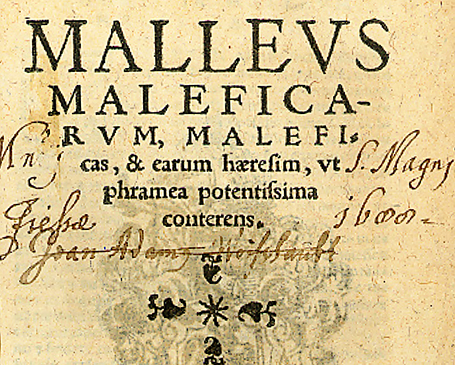
The subject of the opening questions: whether such spirits exist, whether the acts attributed to them are possible, and what follows from them. The certainty is the innovation; the report is Augustine's.
Connections
What is it connected to?
No relationship to another figure in this corpus is recorded in the texts cited above. Where an edge exists here it is because a source states it, so an empty section means the sources are silent rather than that the connection is unknown.
Answered from the sources
Common questions
Which texts mention The Incubus?
What rank is The Incubus?
How else is The Incubus spelled?
What is The Incubus said to do?
How old is The Incubus?
Nearest in the corpus
If The Incubus is what you came for, these are next
Chosen by proximity rather than by popularity: the same pantheon first, then the same rank, then the same kind of figure.
The Daimones
Class of Spirits · Greek
Guardian spirits — Socrates had one that advised him — whose name the Greek scriptures borrowed for evil spirits, permanently poisoning the word.
The Yakkha
Class of Spirits · Buddhist
A Buddhist class of spirits that are neither good nor evil by nature — tree-dwellers and gate-keepers who can eat travellers or take refuge in the Buddha, and frequently do the second after threatening the first.
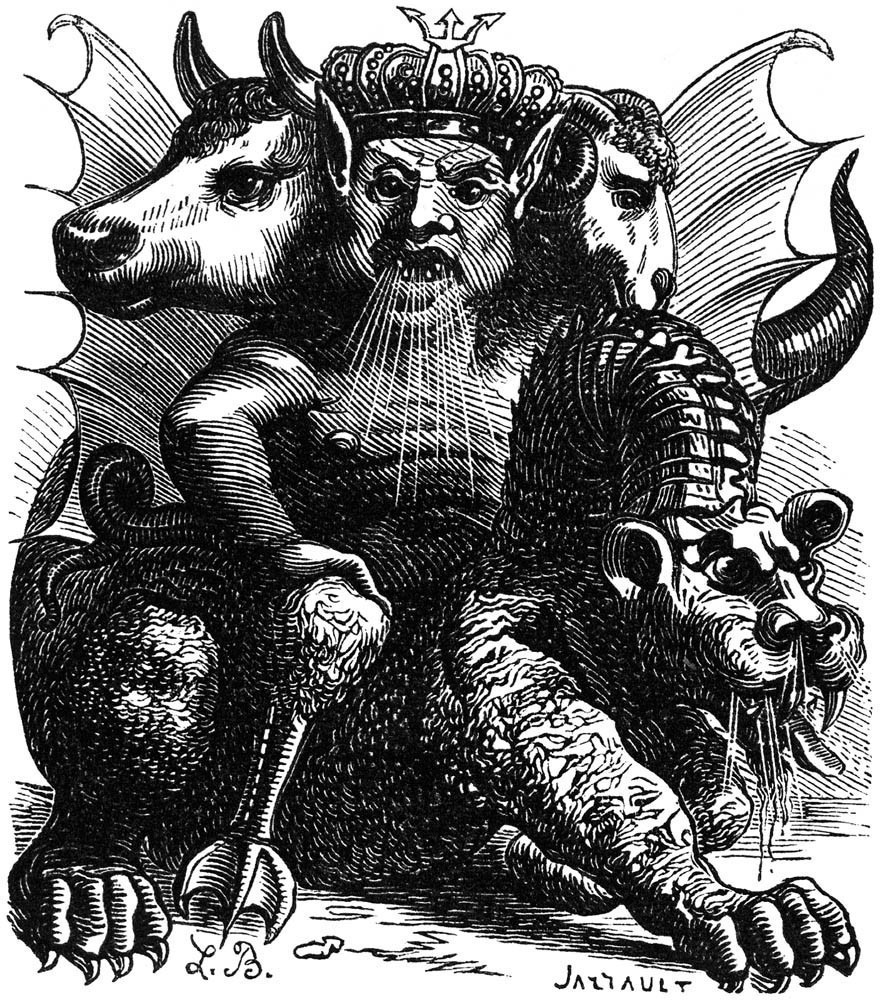
Asmoday
King · Goetic Spirit
Commands seventy-two legions, one for every spirit in the book. He is the Asmodeus of Tobit, who killed Sarah's seven husbands and was driven into Upper Egypt by Raphael, and behind that the Avestan Aeshma-daeva, the demon of wrath — one of very few Goetic spirits with an ancestry that can be traced.
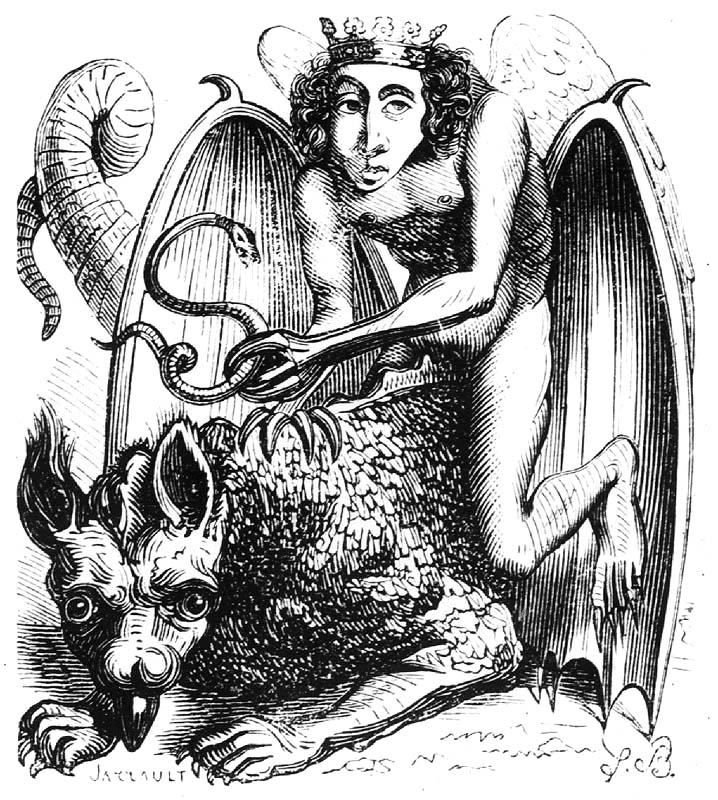
Astaroth
Duke · Goetic Spirit
The Canaanite goddess Astarte, three thousand years on, made a male duke of hell with her name intact. The Goetia has him discourse willingly on the fall of the spirits, and warns the operator to hold a ring to his face against the stench of his breath.
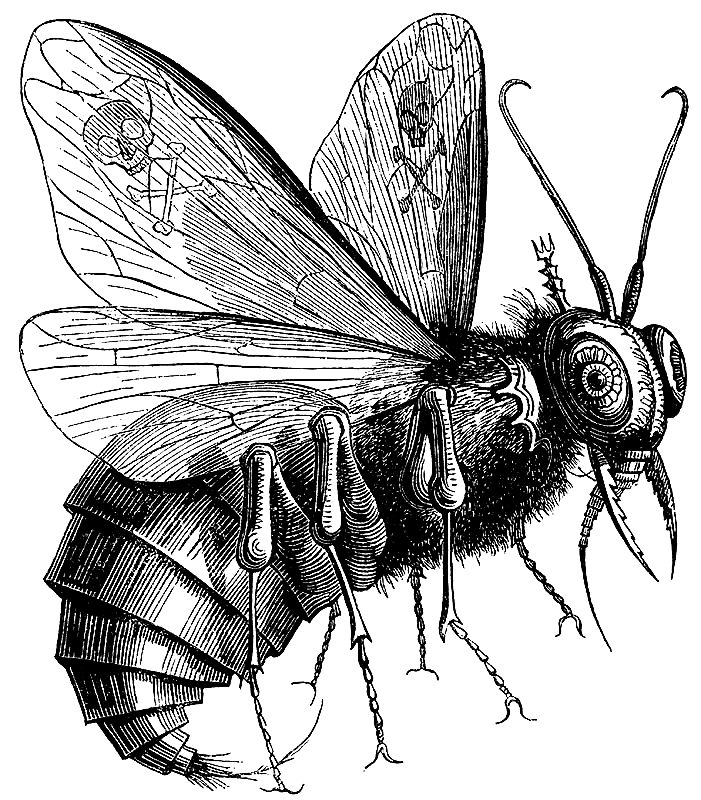
Beelzebub
Prince · Infernal Court
'Lord of the Flies' — a Philistine god of Ekron whose name was almost certainly deformed as a Hebrew insult, then inherited by Christian demonology as the second power of hell.

Belial
King · Goetic Spirit
In the Hebrew Bible beliya'al is not a name but a word meaning worthlessness; by 2 Corinthians it is a person, and by the Goetia a king in a chariot of fire handing out senatorships. The text says he was created next after Lucifer and fell among the first, and will not answer truly without gifts.
The books behind The Incubus
Every claim on this profile is attributed to one of these. They are public domain, listed oldest first, and each links to a full text where one is freely available.
The City of God
Augustine of Hippo; tr. Marcus Dods · 413–426 CE · Latin
Read The City of God in full ↗Malleus Maleficarum
Heinrich Kramer and Jacob Sprenger · 1487 · Latin
Read Malleus Maleficarum in full ↗Cover: Public domain · Unknown author · Wikimedia file page
Corpus last revised 29 August 2026. A reference site’s credibility rests on being maintained, so this is the date the sourced records last changed — not the date the page was rebuilt.