Demonic · Goetic Spirit · c. 700 BCE
Asmoday
Also called Asmodeus, Asmodai, Sydonay · also recorded as Ἀσμοδαῖος, אשמדאי (per Wikidata)
Commands seventy-two legions, one for every spirit in the book. He is the Asmodeus of Tobit, who killed Sarah's seven husbands and was driven into Upper Egypt by Raphael, and behind that the Avestan Aeshma-daeva, the demon of wrath — one of very few Goetic spirits with an ancestry that can be traced.
Deep source base
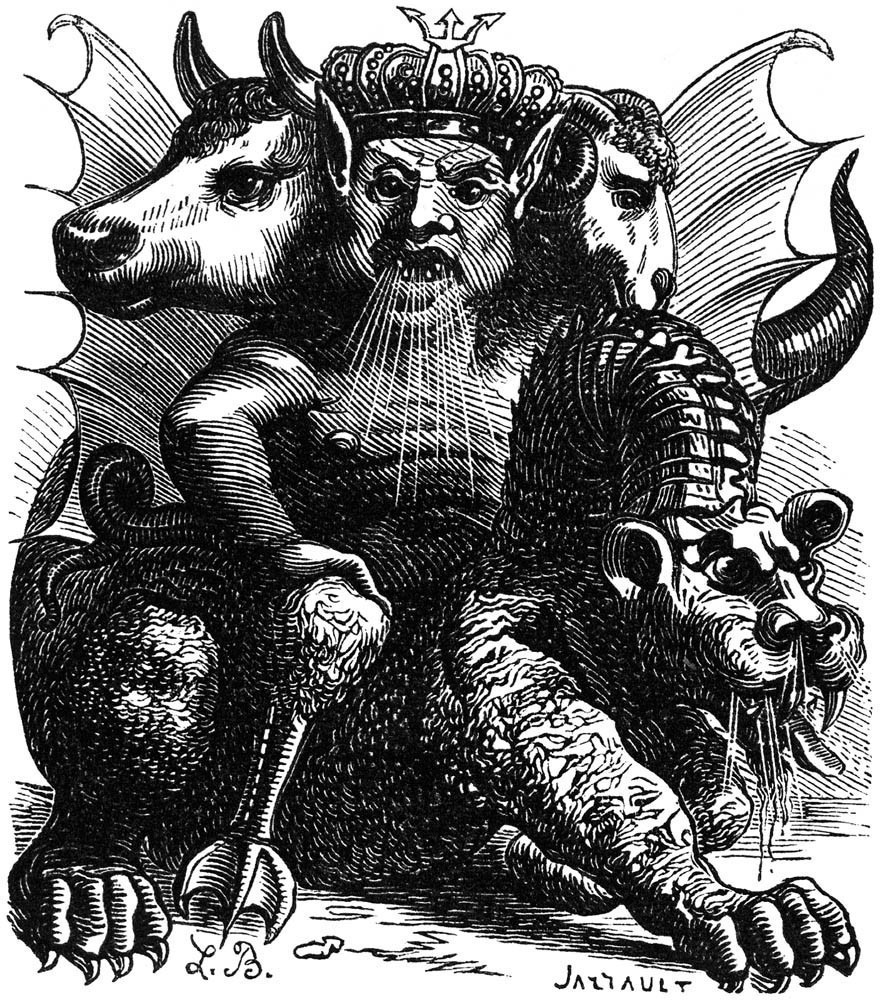
Form. Three heads — bull, man and ram — with a serpent's tail and goose's feet, riding an infernal dragon and bearing lance and banner.
Offices. Gives the ring of virtues; teaches arithmetic, astronomy, geometry and all handicrafts; answers truly and fully on all things; makes men invisible; shows the place of treasures and guards them.
Note. The same figure as the Asmodeus of Tobit, driven into Upper Egypt by Raphael — one of the few Goetic spirits with a clear scriptural ancestor.
Identity
Where does the name come from?
What the name means
Probably Avestan *Aeshma-daeva*, 'demon of wrath', through Hebrew *Ashmedai*. One of the clearest lexical borrowings between Persian and Jewish demonology.
Where it was actually worshipped
None.
A figure with temples and a figure that only ever existed on a page are different kinds of thing, and the difference is easy to lose once both are entries in a list.
At a glance
Vitals
Vitals
Also known as
- First attested
- The Avesta · c. 1000-400 BCE
- Named there as
- Aeshma
- Rank
- King
- Order
- Goetic Spirit
- Era
- c. 700 BCE
- Traditions
- Solomonic, Folk & Demonological
Traits
- Traditional form
- Three heads — bull, man and ram — with a serpent's tail and goose's feet, riding an infernal dragon and bearing lance and banner.
- Goetic rank
- King
- Capital sin (Binsfeld, 1589)
- Lust — Consistent with Tobit, where he kills seven husbands on the wedding night.
8 attributed
What is it said to do?
Where these powers cluster
The 8 offices attributed to Asmoday, grouped by kind. Segment width is the share of powers falling in each category.
A bar dominated by one colour means a specialist; an even spread means a figure the sources credit with almost anything.
- knowledge4
- divination1
- martial2
- transformation1
knowledge
divination
martial
transformation
2 marks
Which marks is it attached to?
A mark a figure carries and a mark used against a figure are opposite claims, so each link says which it is.
The Seal of Solomon
Used against it
Bound by the ring and set to cutting stone; his escape turns on getting it away from Solomon.
The Seals of the Seventy-Two
Its own seal
The Goetia warns the operator to stand bare-headed before him, seal in hand.
3 claims
What is it blamed for?
Harms attributed to this figure by a named text. An attribution is not a diagnosis, and where a claim carries a grading it is about how well it rests on the passage it cites.
Madness
c. 100–400 CESays he spreads madness about women and plots against the newly wed.
The angel Raphael, and the smoke of the liver and gall of a fish.
Marriages Destroyed
c. 225–175 BCEKills Sarah's seven husbands, each on the wedding night, before the marriage is consummated.
The heart and liver of a fish burned on coals; the smoke drives him off, and Raphael binds him in Upper Egypt.
Marriages Destroyed
c. 100–400 CESays his work is to plot against the newly wed so that they do not come together, and to spread madness about women.
The angel Raphael, and the smoke of a fish's liver and gall.
8 texts
Which texts say so, and where do they disagree?
When these texts were written
Each dot is one of the 8 texts that names Asmoday, placed at that text's approximate date.
A wide spread means the figure was carried across many centuries and traditions; a tight cluster means a single period produced the whole record.
8 texts spanning roughly 2,613 years
Where the texts differ
- Name: given as Aeshma, Asmodeus, Sydonay, Asmoday, Asmodée
- Rank: given as Daeva of wrath; Evil spirit; Demon; King; Superintendent of the gaming houses; The King
- Position in list: 35, 32 depending on the text
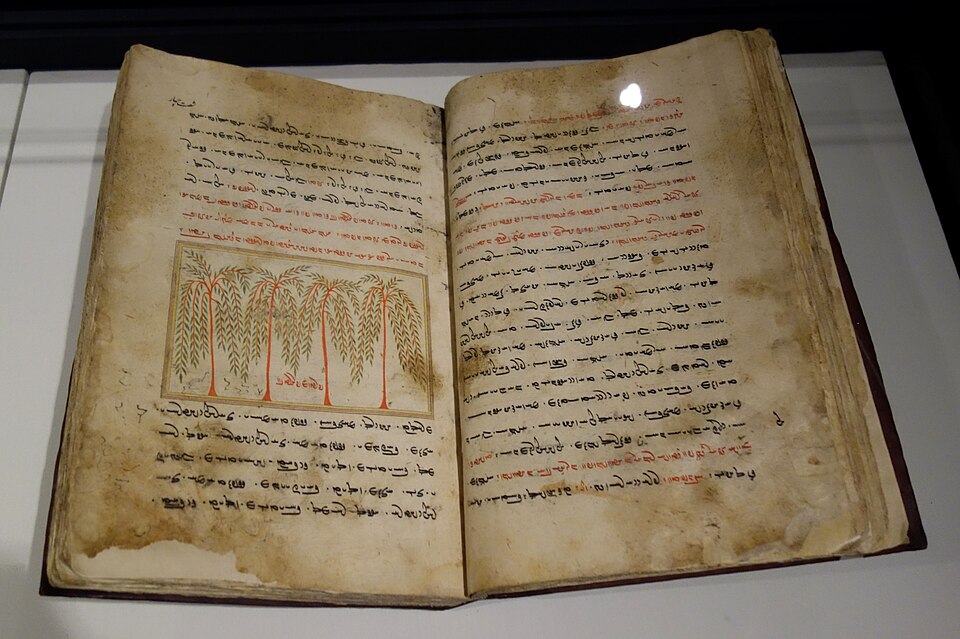
The probable Iranian origin of the name: Aeshma-daeva to Ashmedai to Asmodeus.
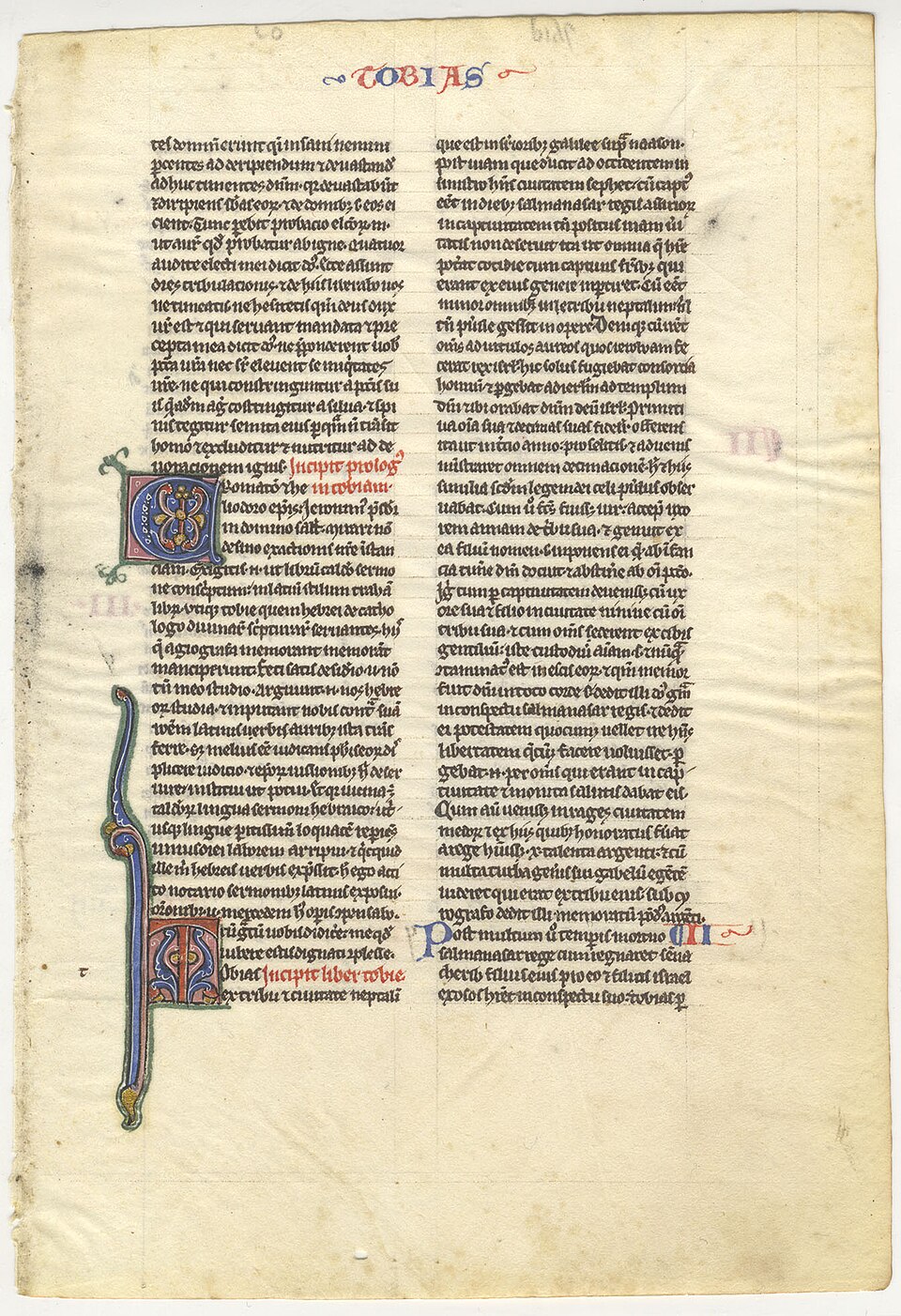
Kills Sarah's seven husbands on their wedding nights, and is driven into Upper Egypt by Raphael and the smoke of a fish's heart and liver.
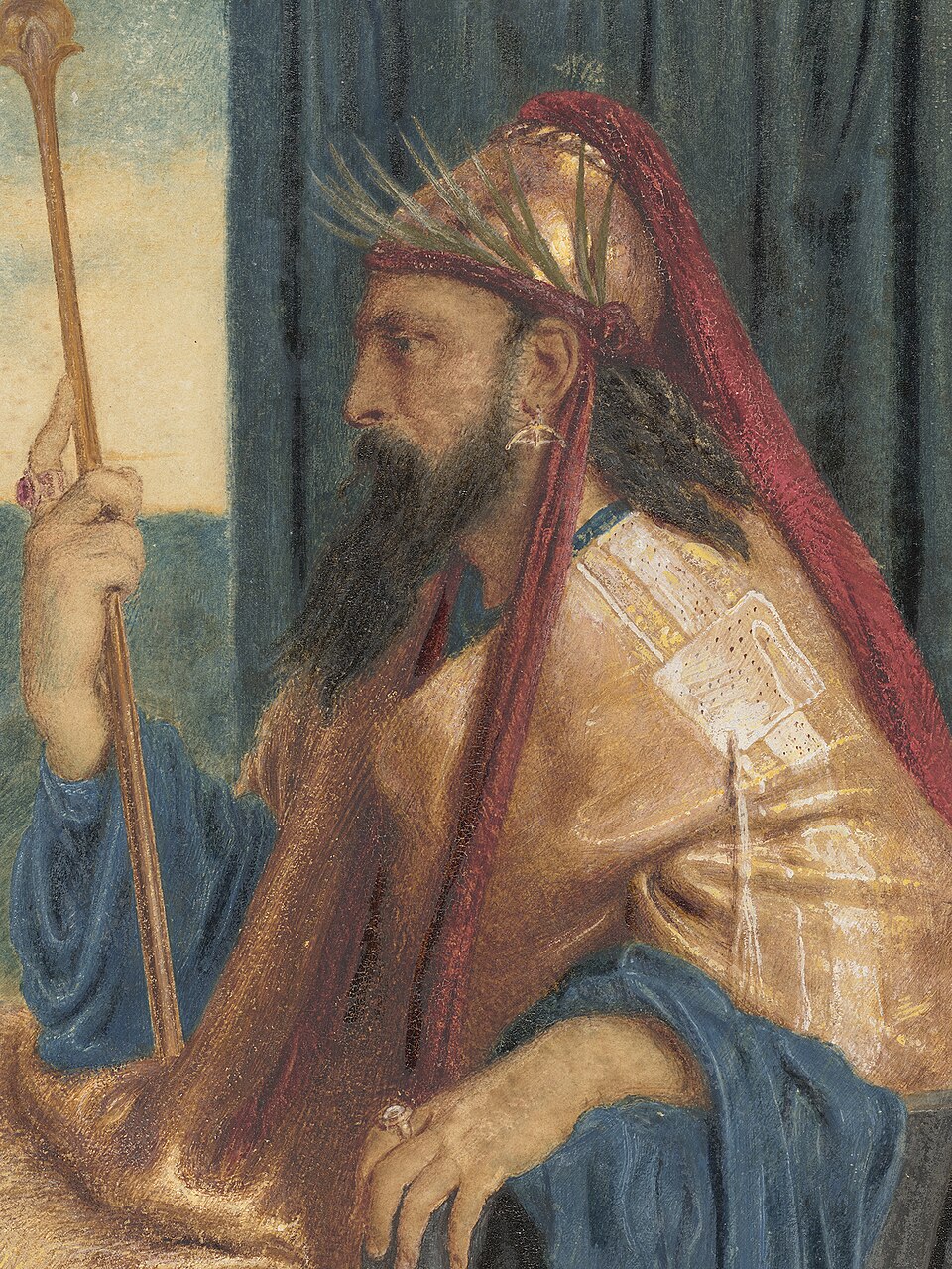
Says he plots against newlyweds, spreads madness about women, and is thwarted by the angel Raphael and by the liver of a fish.
“I was born an angel's seed by a daughter of man.”
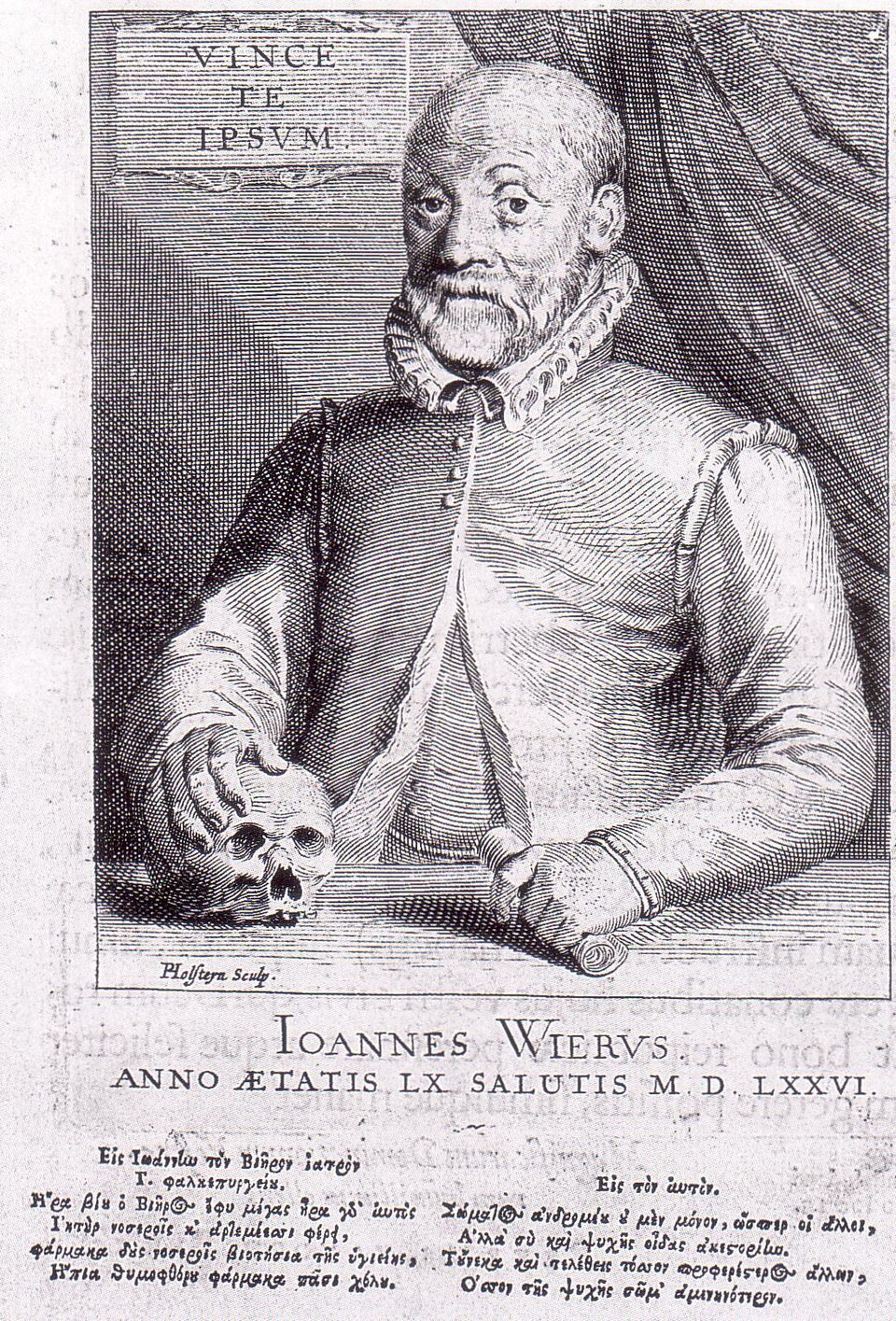
Weyer lists this spirit 35th of his sixty-nine, with substantially the same offices. His order is not the Goetia's — the two texts arrange the same spirits quite differently.
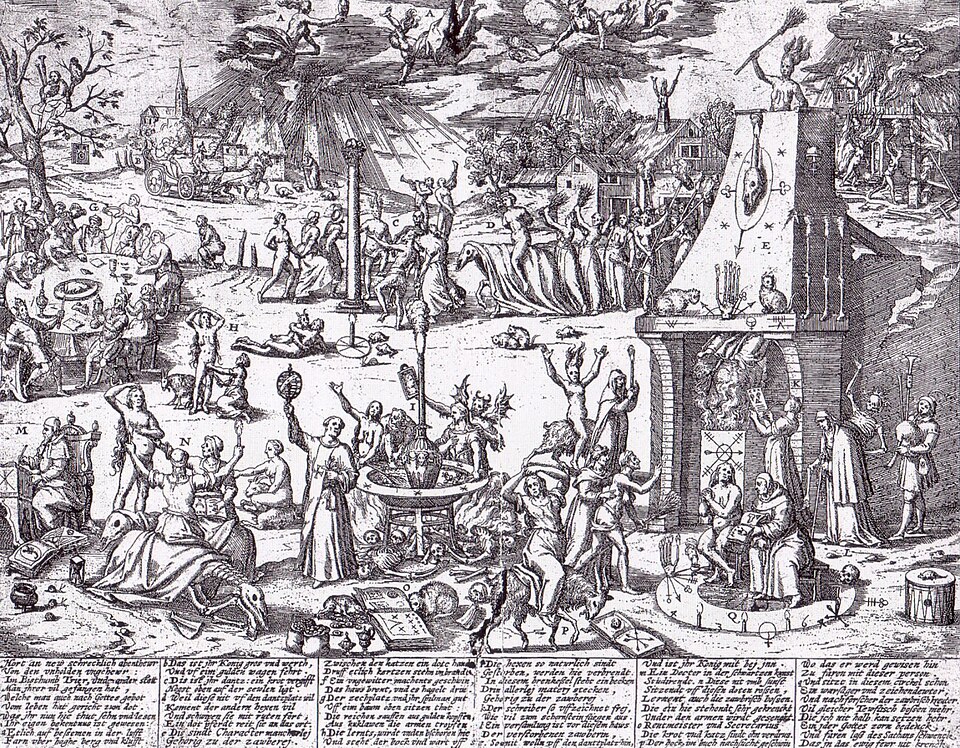
Named as the demon of lust in Binsfeld's assignment of one spirit to each capital sin.
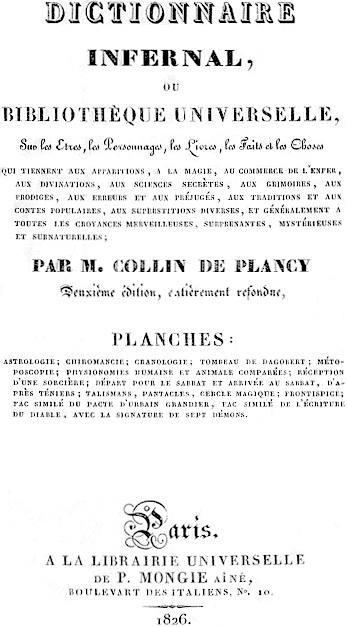
Assigned a court office alongside his older role as demon of lust.
“Asmodée, démon destructeur, le même que Samaël, suivant quelques rabbins. Il est surintendant des maisons de jeu.”Asmodeus, the destroying demon, the same as Samael according to some rabbis. He is superintendent of the gaming houses. — translated for ColossiansOne
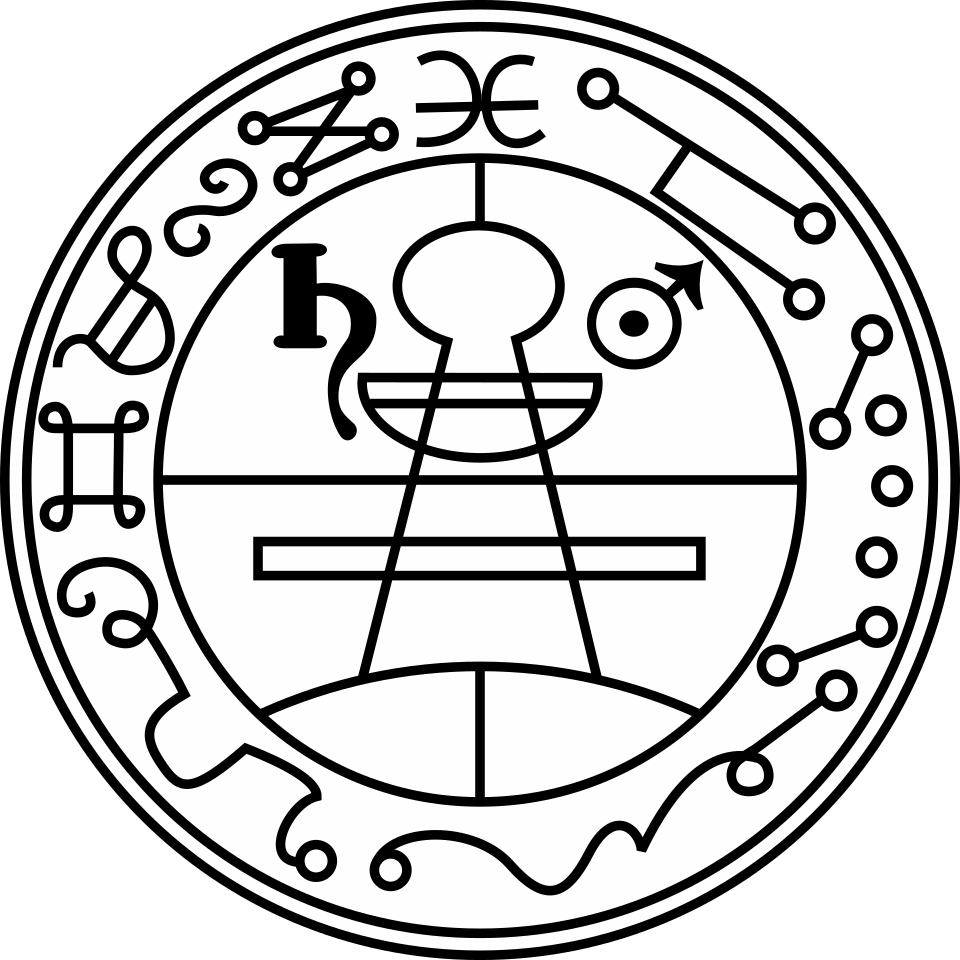
Gives the ring of virtues; teaches arithmetic, astronomy, geometry and all handicrafts; answers truly and fully on all things; makes men invisible; shows the place of treasures and guards them.
“The Thirty-second Spirit is Asmoday, or Asmodai. He is a Great King, Strong, and Powerful.”
“The name of the demon mentioned in the Book of Tobias (iii, 8).”
Connections
What is it connected to?
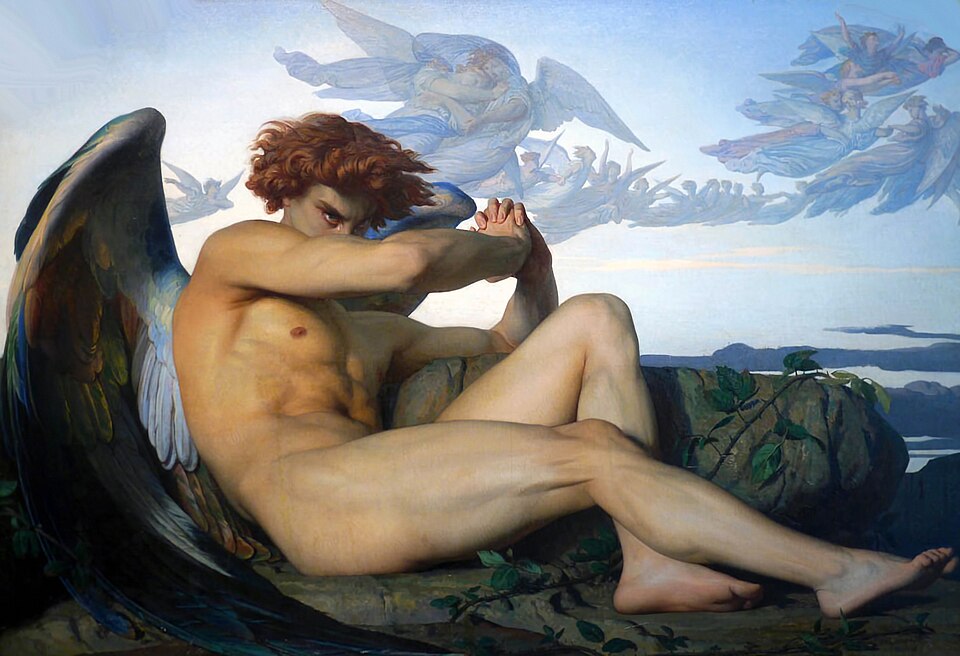
Serves Lucifer
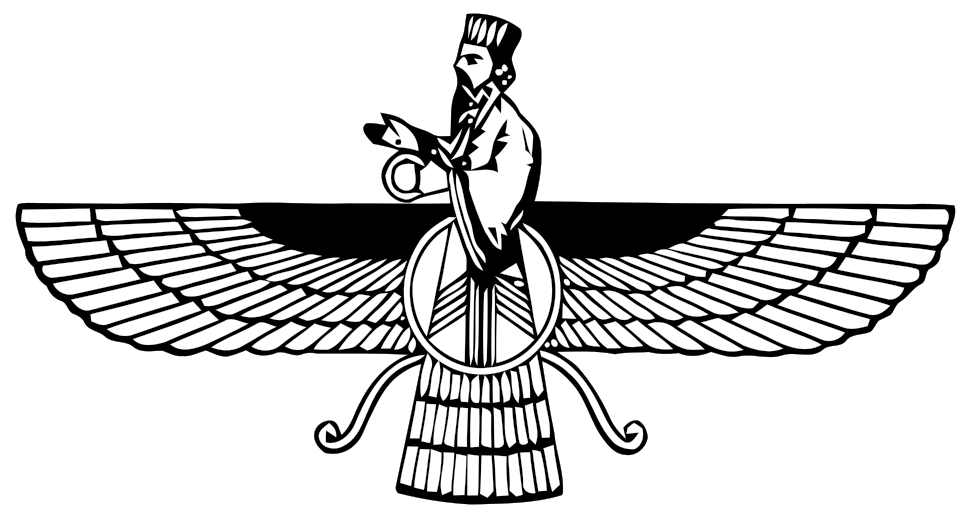
Derived from Aeshma
Aeshma-daeva to Ashmedai to Asmodeus — the strongest name-level link between the two traditions.
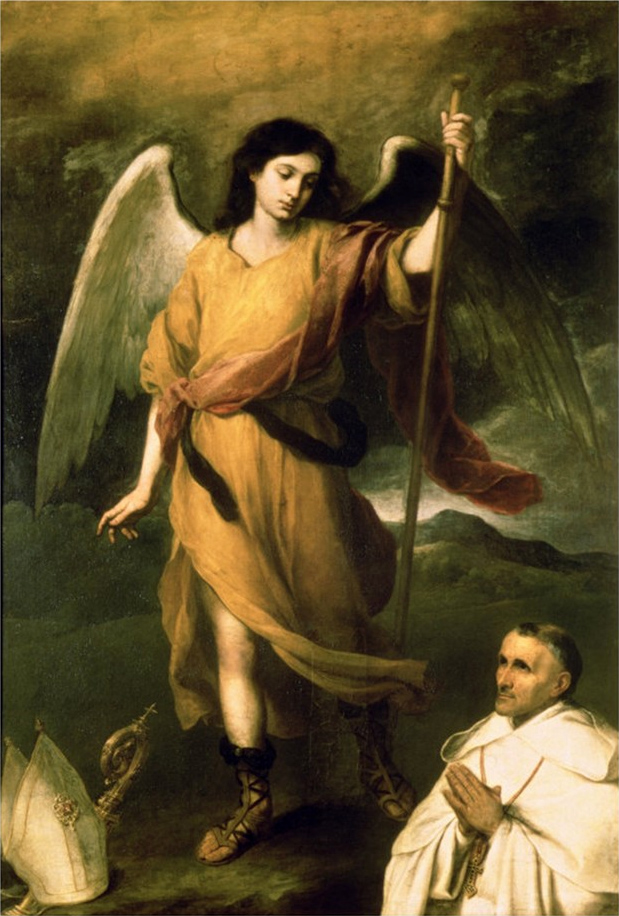
Thwarted by Raphael
Named in the Testament of Solomon as the angel who thwarts him, and the agent of his defeat in Tobit — where the instrument is the smoke of a fish's liver and gall.
Placement
Where does it sit in the hierarchies?
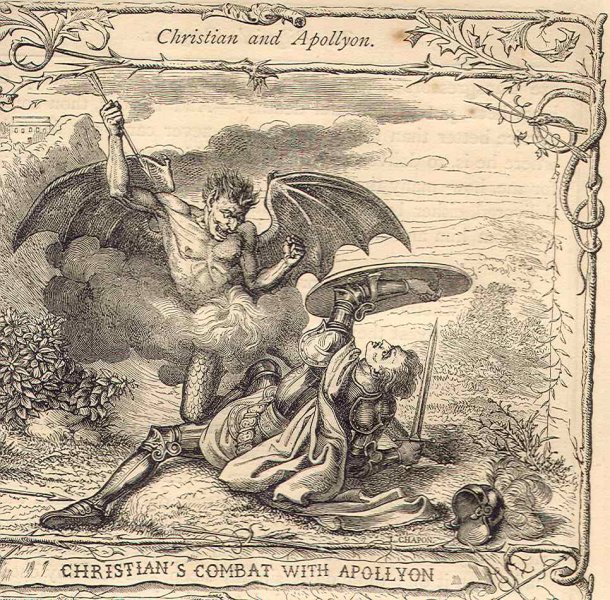
The Three Infernal Hierarchies
First Hierarchy → Asmodeus
Lust. Opposed by John the Baptist, named as the perfect virgin.
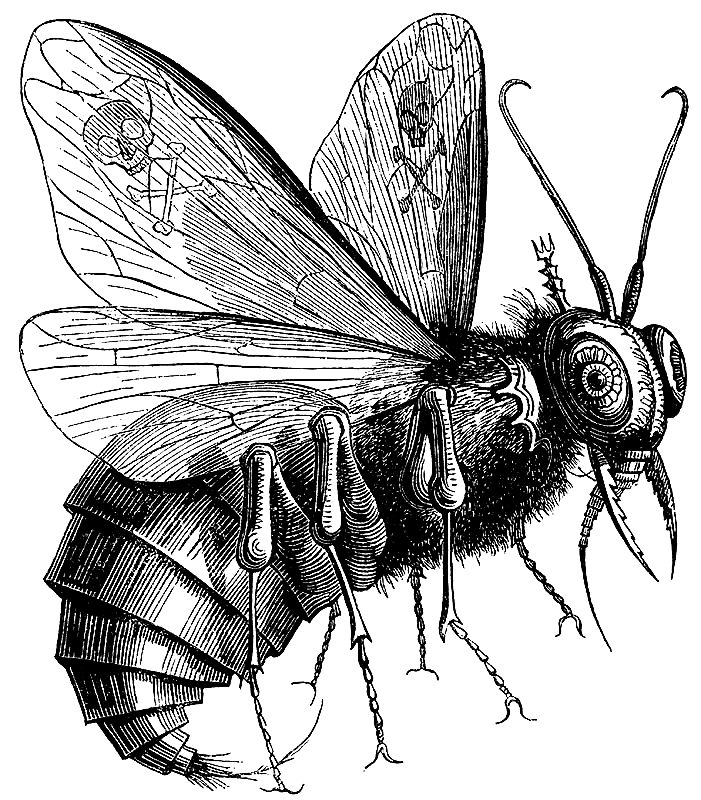
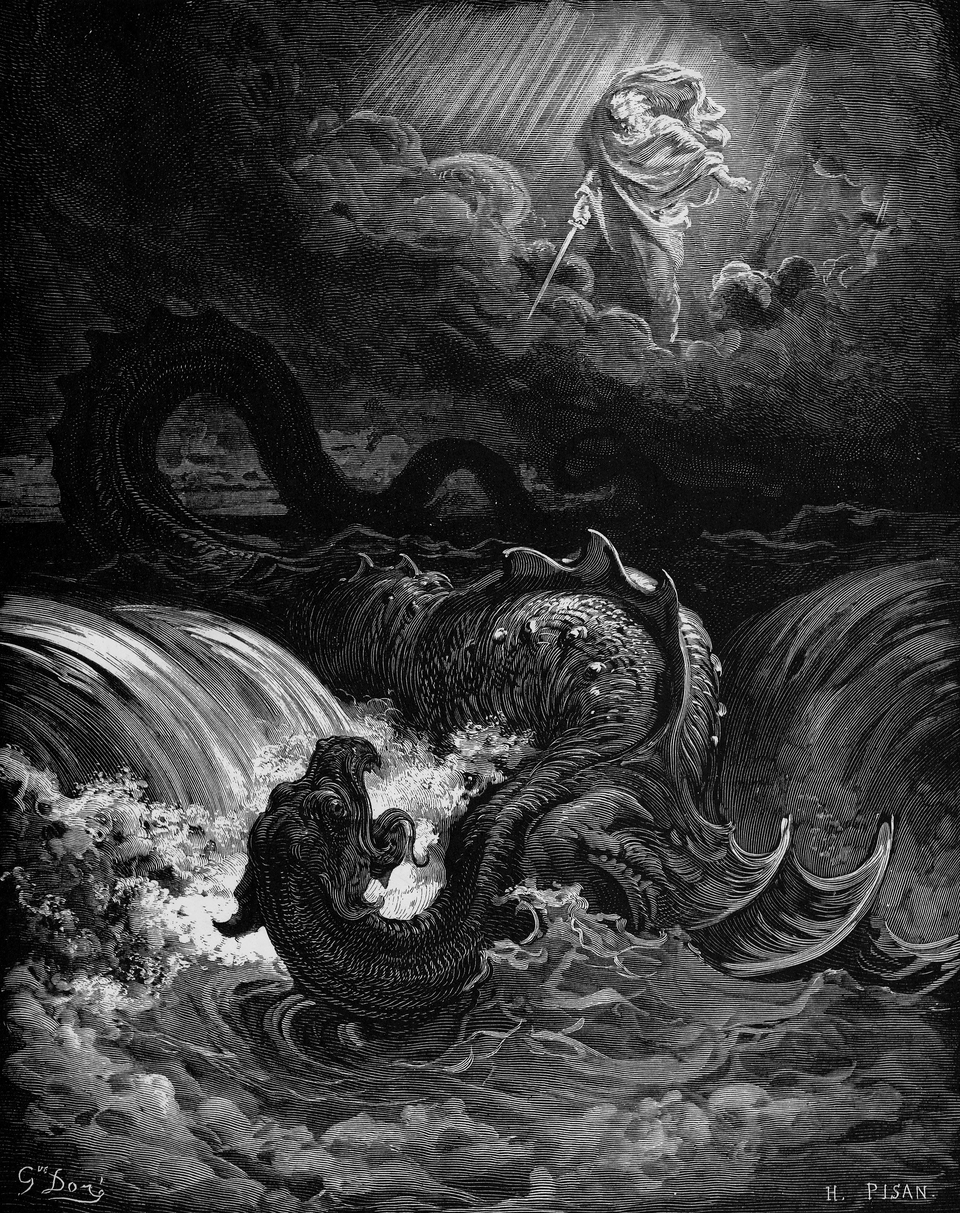
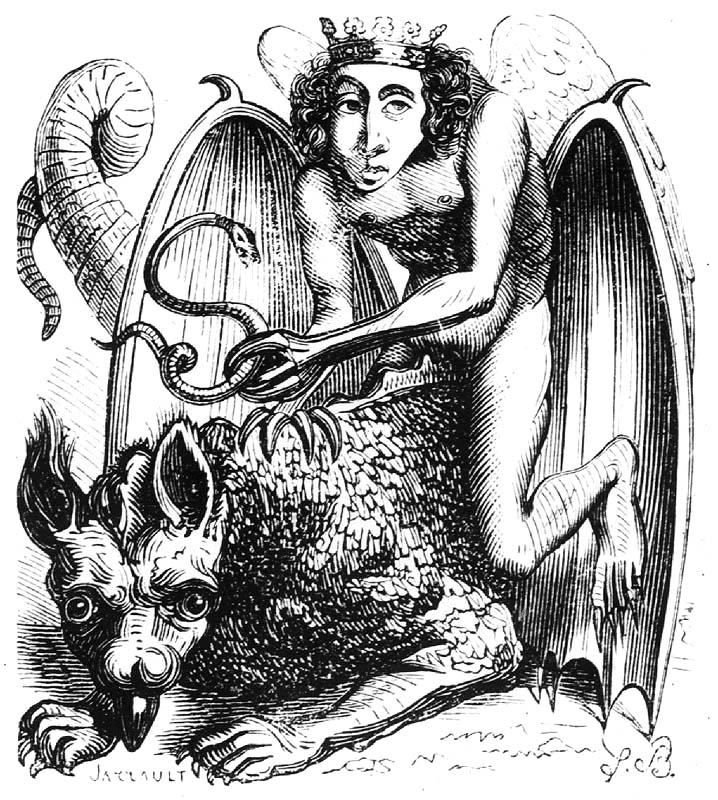
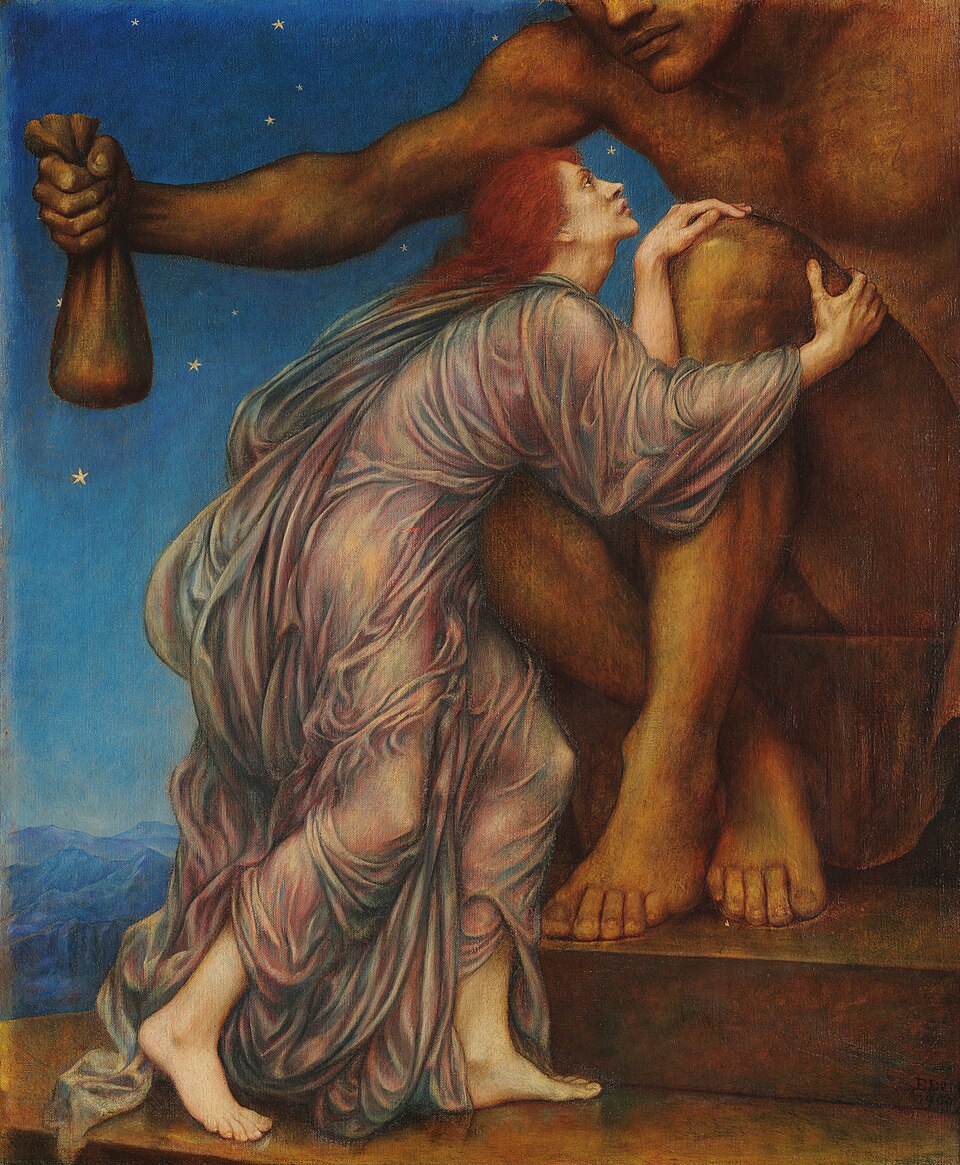
The Nine Infernal Orders
4. Avengers of Wickedness
Headed by Asmodeus. Opposed to the Dominions.

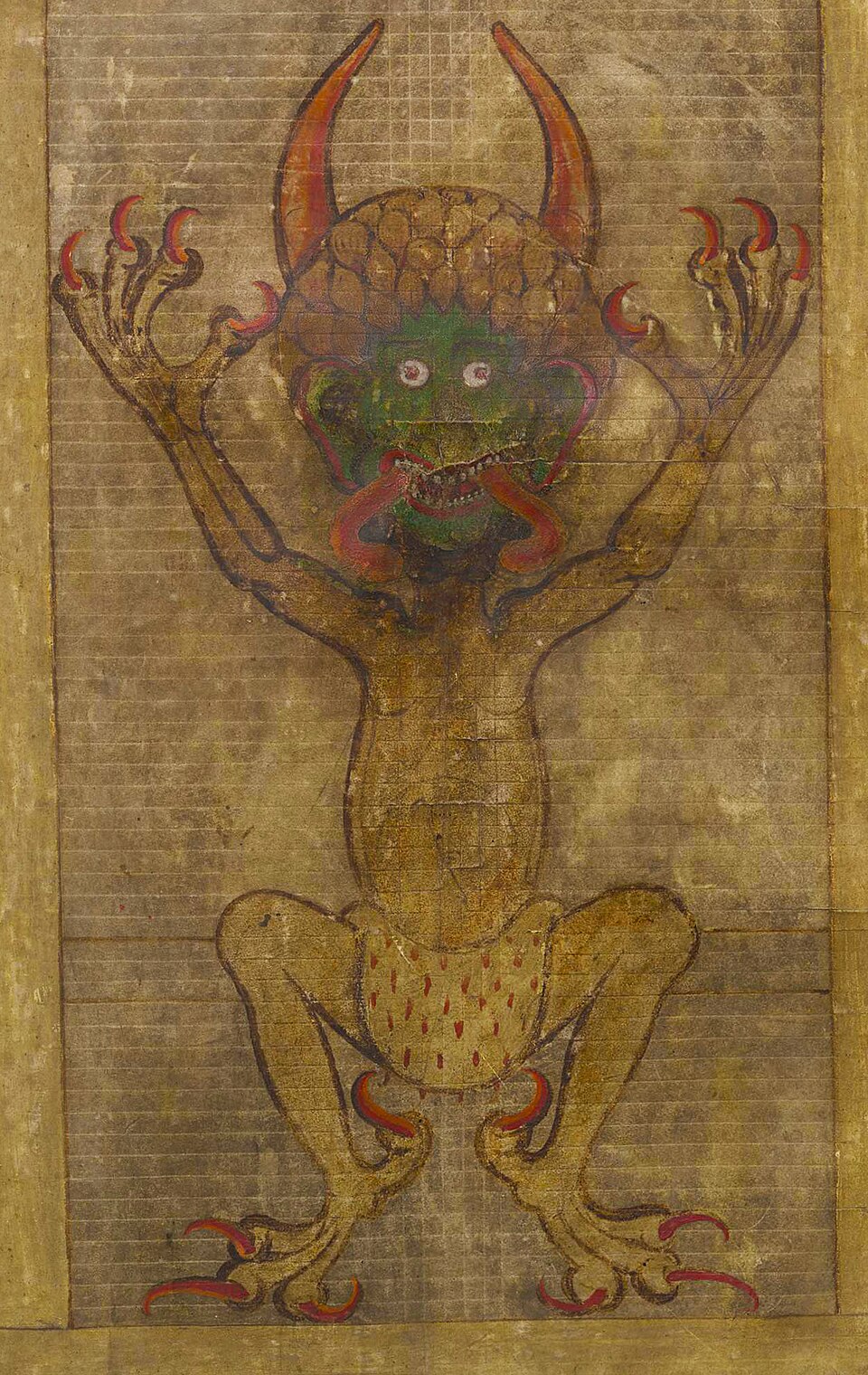
The Infernal Court
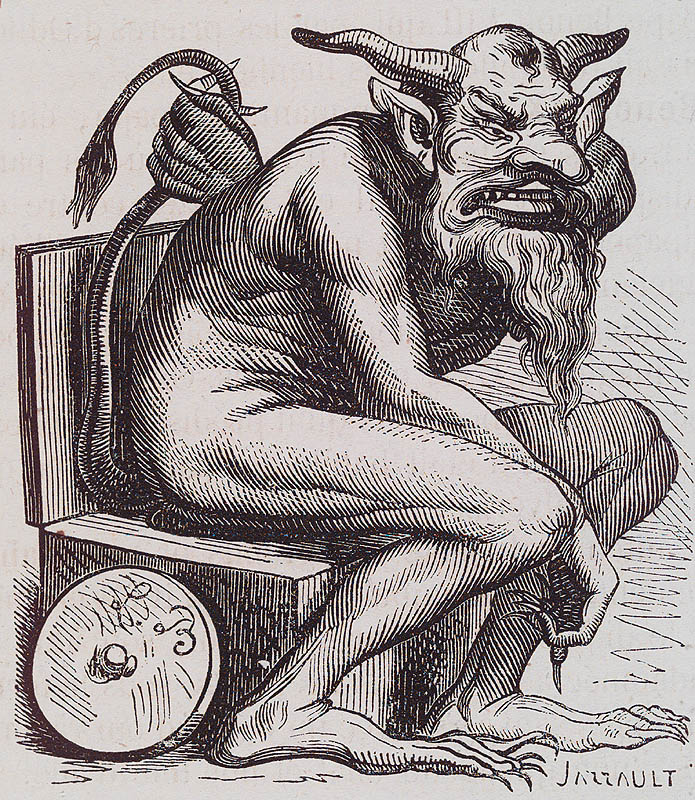
Great Officers → Asmoday
Superintendent of the gaming houses.
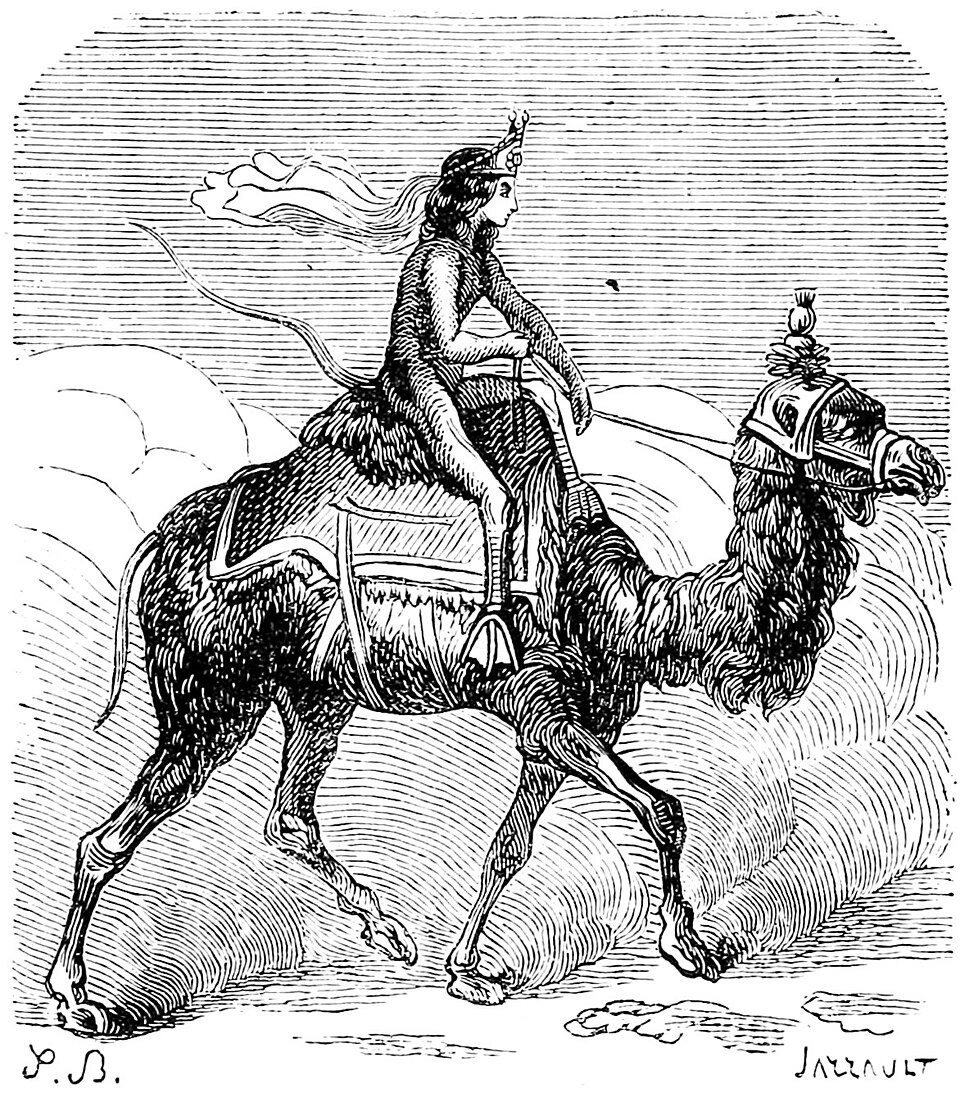
Ranks of the Seventy-Two
King → Asmoday
72 legions


The Seven Princes and the Deadly Sins
Lust
Consistent with Tobit, where he kills seven husbands on the wedding night.
Afterwards
What did later readers make of it?
The Talmud has him displace Solomon from his throne and rule in his place until exposed — a story with no equivalent in the Christian material, where he is flattened into the demon of lust.
Kept in its own section on purpose. Everything above is what the cited texts say; this is what was built on top of them afterwards, and blending the two is how most popular demonology goes wrong.
Answered from the sources
Common questions
Which texts mention Asmoday?
Is Asmoday the same as Aeshma?
What rank is Asmoday?
How else is Asmoday spelled?
What is Asmoday said to do?
How old is Asmoday?
Nearest in the corpus
If Asmoday is what you came for, these are next
Chosen by proximity rather than by popularity: the same pantheon first, then the same rank, then the same kind of figure.
Belial
King · Goetic Spirit
In the Hebrew Bible beliya'al is not a name but a word meaning worthlessness; by 2 Corinthians it is a person, and by the Goetia a king in a chariot of fire handing out senatorships. The text says he was created next after Lucifer and fell among the first, and will not answer truly without gifts.
Bael
King · Goetic Spirit
First of the seventy-two and, by the Goetia's own account, chief among them — a three-headed thing on spider's legs, ruling in the east and granting invisibility. The name is the Canaanite storm god Baal, three thousand years and one demotion later.
Balam
King · Goetic Spirit
For all the apparatus — three heads, flaming eyes, a bear to ride and a goshawk on the fist — his offices are modest: true answers on past and future, invisibility, and quickness of wit.
Beleth
King · Goetic Spirit
The Goetia's instructions here are unusually anxious: hold a hazel wand, and be courteous. He arrives in a fury on a pale horse with every kind of music sounding ahead of him, and he causes all the love that may be until the operator's desire is met.
Paimon
King · Goetic Spirit
Commands two hundred legions, more than any other spirit in the book, and arrives crowned on a dromedary ahead of a host with trumpets and cymbals. The Goetia names him one of the four kings of the cardinal points, and the most obedient of them to Lucifer.
Purson
King · Goetic Spirit
A finder — of hidden things, of buried treasure, and of what has happened and what is coming. A king of the Ars Goetia, he arrives lion-faced on a bear with a viper in his hand and trumpets sounding before him.
The books behind Asmoday
Every claim on this profile is attributed to one of these. They are public domain, listed oldest first, and each links to a full text where one is freely available.
The Avesta
Attributed to Zarathustra and later priests · c. 1000-400 BCE · Avestan
Read The Avesta in full ↗Cover: CC0 · Daderot · Wikimedia file page
The Book of Tobit
Anonymous · c. 225–175 BCE · Aramaic and Greek; transmitted in Latin
Read The Book of Tobit in full ↗Cover: No restrictions · Miami U. Libraries - Digital Collections · Wikimedia file page
The Testament of Solomon
Anonymous; tr. F. C. Conybeare · c. 100–400 CE · Greek
Read The Testament of Solomon in full ↗Cover: CC0 · Simeon Solomon · Wikimedia file page
Pseudomonarchia Daemonum
Johann Weyer · 1577 · Latin
Read Pseudomonarchia Daemonum in full ↗Cover: Public domain · Pieter Holsteyn II · Wikimedia file page
Tractatus de Confessionibus Maleficorum et Sagarum
Peter Binsfeld · 1589 · Latin
Read Tractatus de Confessionibus Maleficorum et Sagarum in full ↗Cover: Public domain · Unknown author · Wikimedia file page
Dictionnaire Infernal
Jacques Collin de Plancy · 1818; illustrated ed. 1863 · French
Read Dictionnaire Infernal in full ↗Cover: Public domain · Collin de Plancy · Wikimedia file page
The Lesser Key of Solomon, Book I: Ars Goetia
Anonymous; ed. S. L. MacGregor Mathers & A. E. Waite · 17th c.; ed. 1904 · English (from Latin)
Read The Lesser Key of Solomon, Book I: Ars Goetia in full ↗Cover: Public domain · anonymous design, redrawn by User:Fuzzypeg · Wikimedia file page
The Catholic Encyclopedia (1913)
Various; ed. Charles Herbermann · 1913 · English
Read The Catholic Encyclopedia (1913) in full ↗Cover: Public domain · Herbermann, Charles George, 1840-1916 · Wikimedia file page
Corpus last revised 29 August 2026. A reference site’s credibility rests on being maintained, so this is the date the sourced records last changed — not the date the page was rebuilt.