Angelic · Archangels / Chief Princes · c. 200 BCE
Raphael
Also called Rapha'el, Azarias (assumed name) · also recorded as San Rafa, Raphael the Archangel, Saint Raphael, Saint Raphael the Archangel, רפאל (per Wikidata)
The healer, whose name means 'God heals'. He spends the Book of Tobit disguised as a human travelling companion, which makes it the longest sustained portrait of an angel anywhere in the biblical corpus.
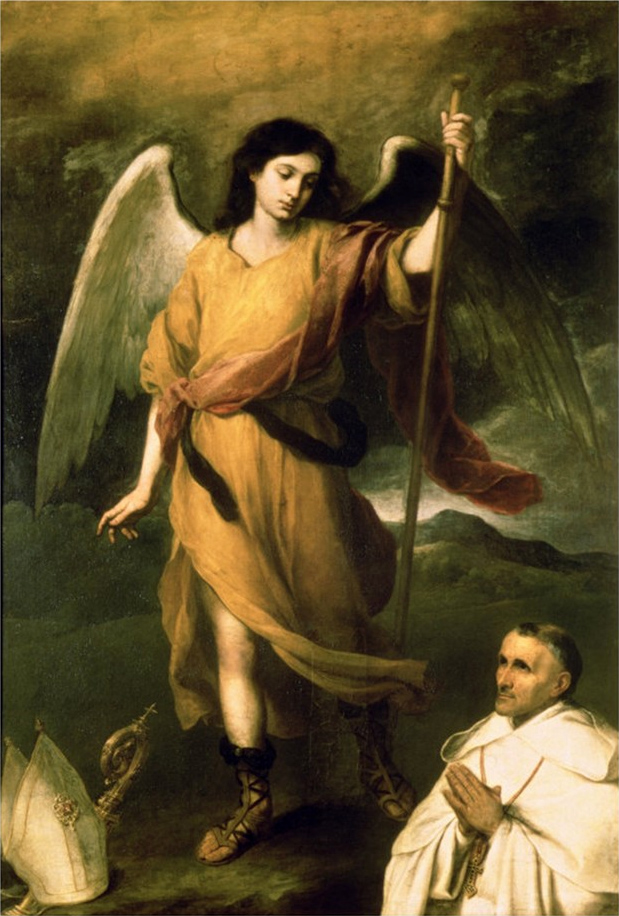
Well sourced
Raphael's canonical status splits along confessional lines: Tobit is deuterocanonical, so Catholic and Orthodox tradition treats him as a named archangel while most Protestant Bibles omit him entirely. The Book of Tobit is unusual in angelology because the angel is a character — he takes the name Azarias, walks to Media, negotiates a marriage, and only at the end reveals himself as 'one of the seven holy angels who present the prayers of the saints'. 1 Enoch assigns him the office of healing the earth and, notably, of binding Azazel.
Identity
Where does the name come from?
Where it was actually worshipped
No ancient shrine of his own. His cult travels with the Book of Tobit and with healing — the churches are dedications rather than a centre.
A figure with temples and a figure that only ever existed on a page are different kinds of thing, and the difference is easy to lose once both are entries in a list.
At a glance
Vitals
Vitals
Also known as
- First attested
- 1 Enoch (The Book of Enoch) · c. 300–100 BCE
- Rank
- Archangel
- Order
- Archangels / Chief Princes
- Base of operations
- No ancient shrine of his own. His cult travels with the Book of Tobit and with healing — the churches are dedications rather than a centre.
- Era
- c. 200 BCE
- Traditions
- Christian, Jewish, Enochian
- Placed in
- The Great Archangels
Traits
- Direction
- East
- Domain
- Healing, travellers, exorcism of unclean spirits
- Element
- Air
- Traditional form
- Traveller with staff, fish and gourd
- Metal of its planet (Agrippa, 1533)
- Quicksilver — “Things under Mercury are these; amongst Elements, Water… amongst Metals, Quick-silver.” (I.29)
- Planet
- Mercury
Stats
Known connections
Chain of command
Identified with
5 attributed
What is it said to do?
Where these powers cluster
The 5 offices attributed to Raphael, grouped by kind. Segment width is the share of powers falling in each category.
A bar dominated by one colour means a specialist; an even spread means a figure the sources credit with almost anything.
- martial2
- transformation1
- material1
- social1
martial
- Guards & WardsHebrew Bible & Deuterocanon
- Binds Spirits1 Enoch (The Book of Enoch)
Commanded to bind Azazel hand and foot and cast him into darkness.
transformation
- Changes ShapeHebrew Bible & Deuterocanon
Travels as the human 'Azarias' for the length of the book.
material
social
3 texts
Which texts say so, and where do they disagree?
When these texts were written
Each dot is one of the 3 texts that names Raphael, placed at that text's approximate date.
A wide spread means the figure was carried across many centuries and traditions; a tight cluster means a single period produced the whole record.
3 texts spanning roughly 2,113 years
Where the texts differ
- Name: given as Raphael, St. Raphael
- Rank: given as One of the holy angels; One of the seven holy angels
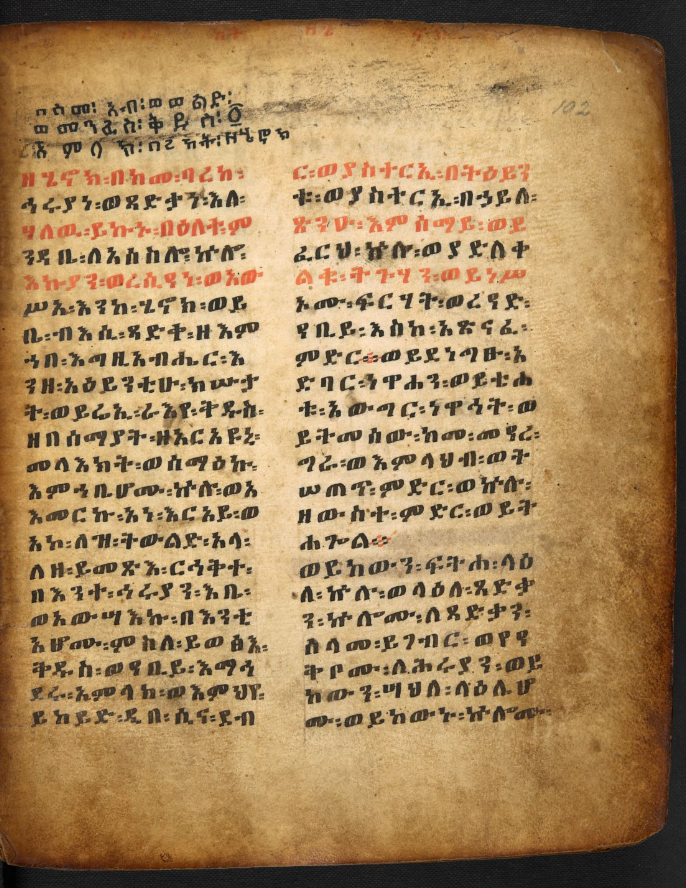
Set over the spirits of men; commanded to bind Azazel and to heal the earth.
“Raphael, one of the holy angels, who is over the spirits of men.”
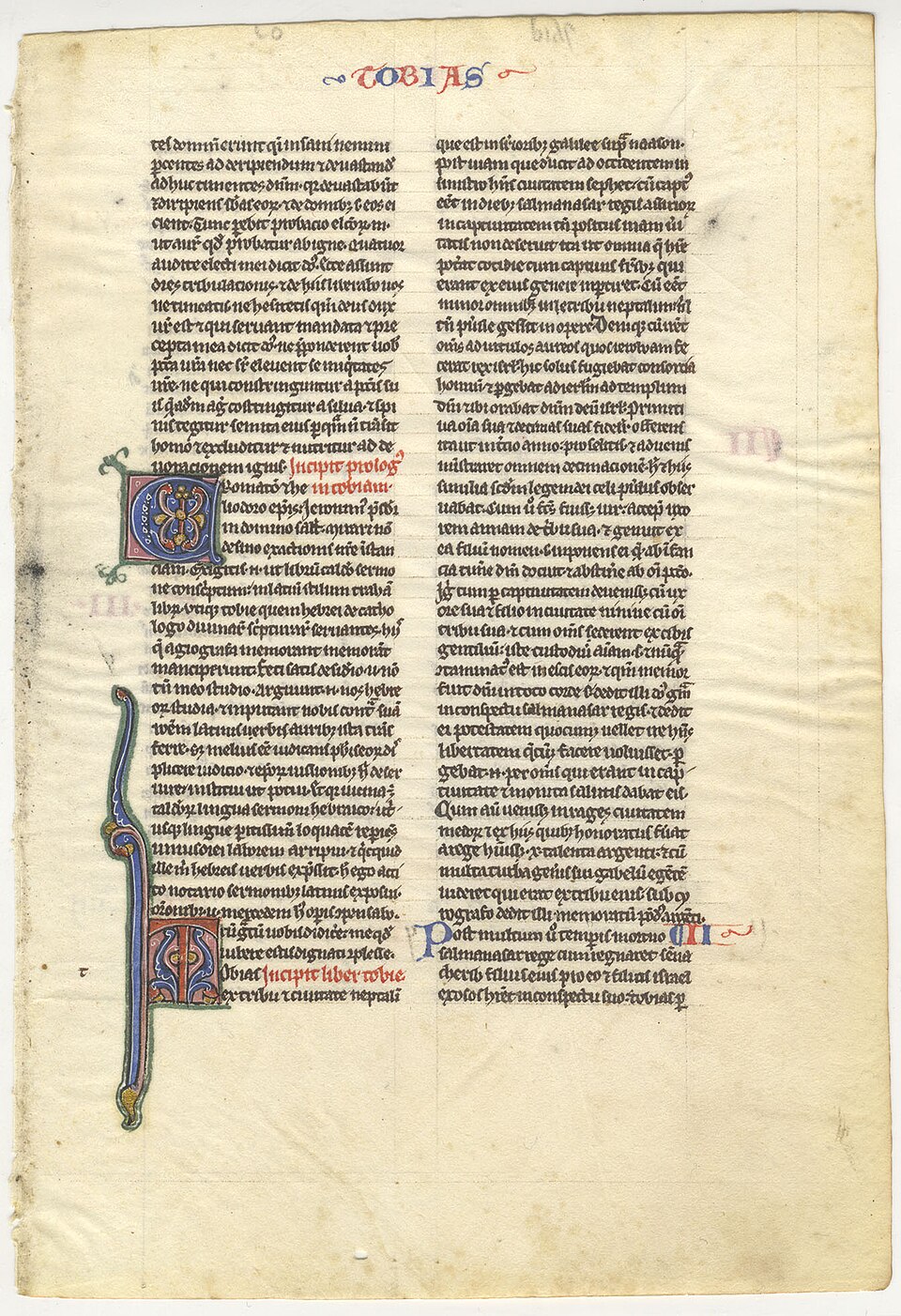
Cures Tobit's blindness, drives Asmodeus into Upper Egypt, and presents the prayers of the saints.
“I am Raphael, one of the seven holy angels.”
“The name of this archangel (Raphael = "God has healed") does not appear in the Hebrew Scriptures, and in the Septuagint only in the Book of Tobias.”
Connections
What is it connected to?
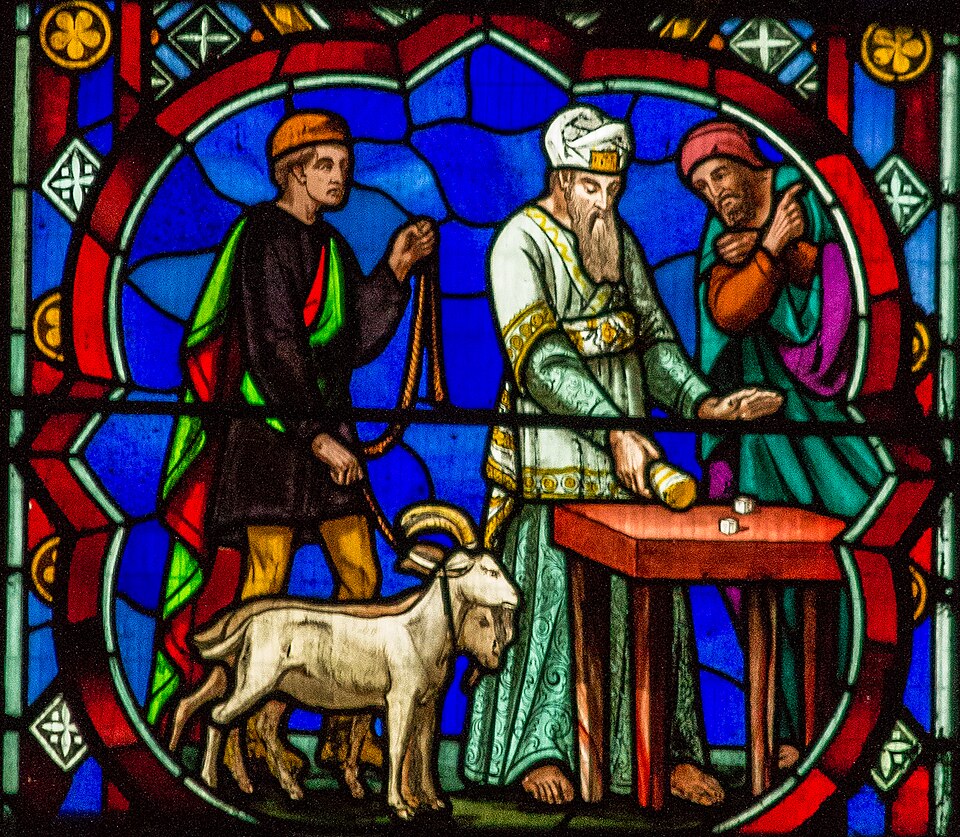
Thwarts Azazel
1 Enoch 10: Raphael is told to bind Azazel hand and foot and cast him into the darkness of Dudael.
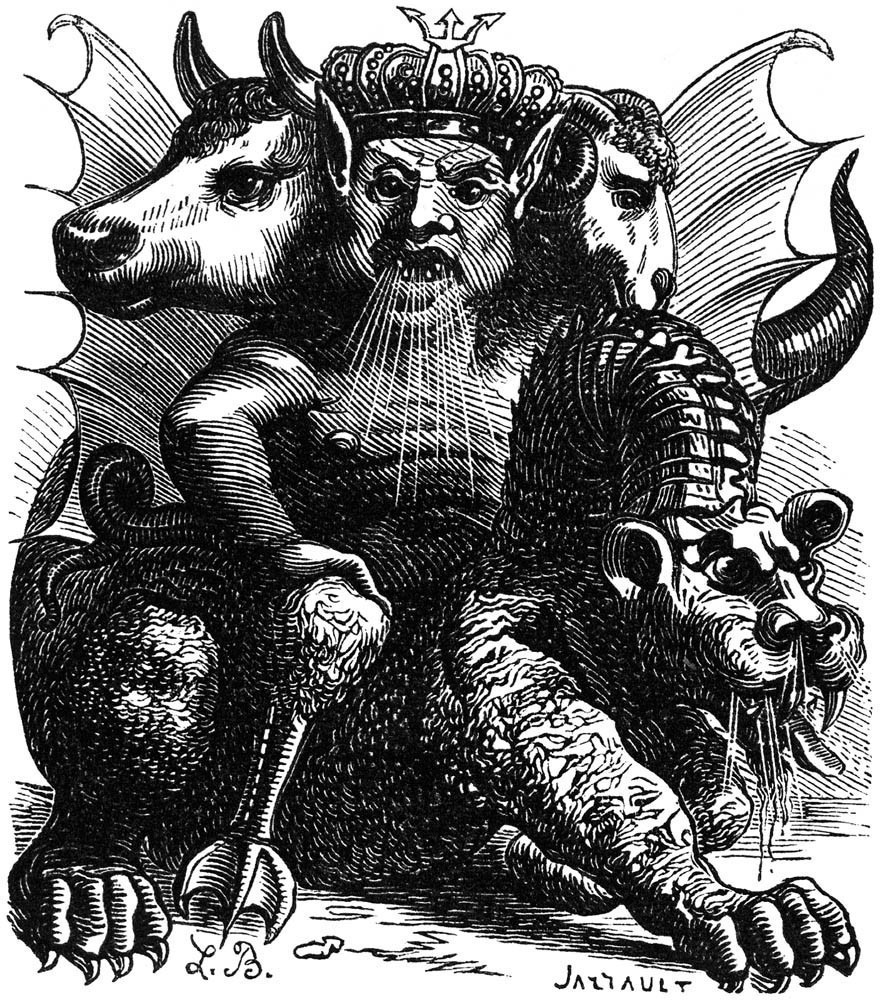
Thwarts Asmoday
Named in the Testament of Solomon as the angel who thwarts him, and the agent of his defeat in Tobit — where the instrument is the smoke of a fish's liver and gall.
Serves The Seven Who Stand
Tobit 12:15, in his own words: one of the seven who present the prayers of the saints and go in before the glory.
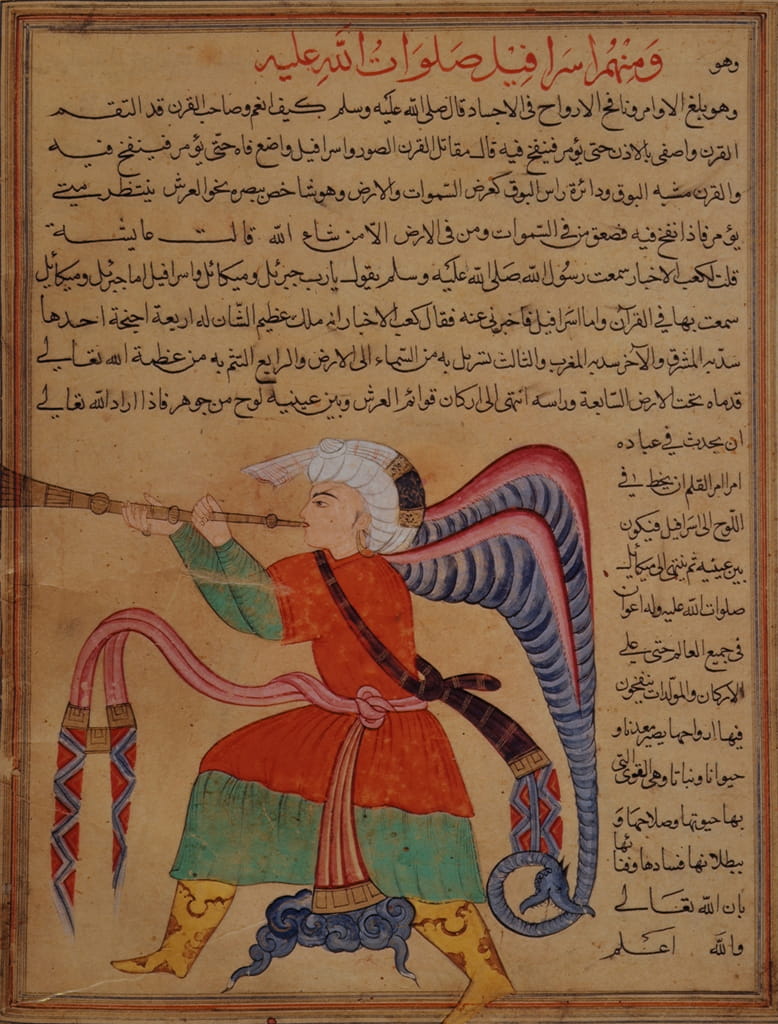
Identified with Israfil
The trumpeting archangel, matched across the Islamic and Christian lists. Recorded by Wikidata (P460); not asserted by a text this corpus carries.
Placement
Where does it sit in the hierarchies?
Answered from the sources
Common questions
Which texts mention Raphael?
Is Raphael the same as Israfil?
What rank is Raphael?
How else is Raphael spelled?
What is Raphael said to do?
How old is Raphael?
Nearest in the corpus
If Raphael is what you came for, these are next
Chosen by proximity rather than by popularity: the same pantheon first, then the same rank, then the same kind of figure.
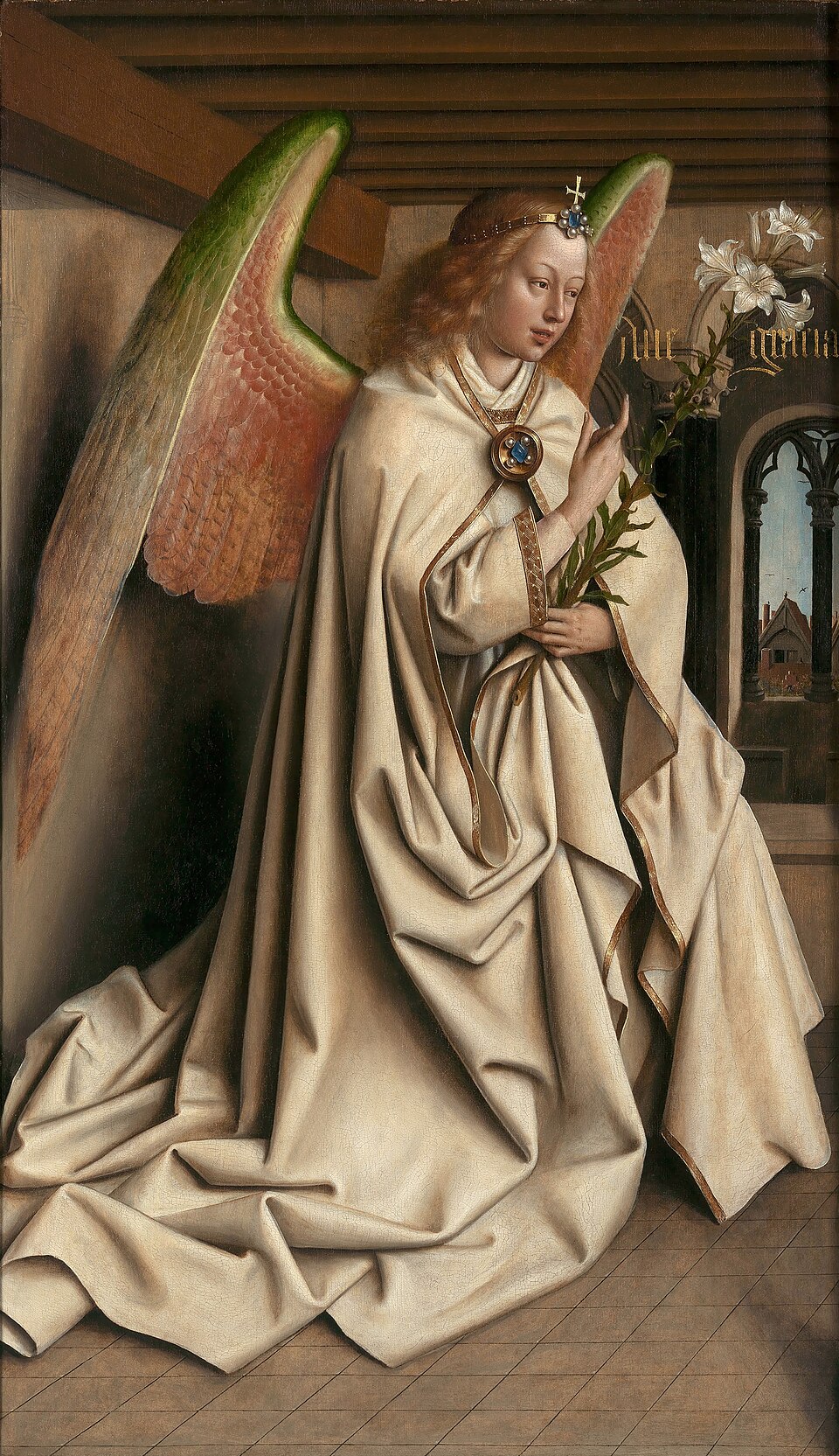
Gabriel
Archangel · Archangels / Chief Princes
The messenger. The angel who explains Daniel's visions, announces two births in Luke, and in Islam delivers the entire Qur'an.
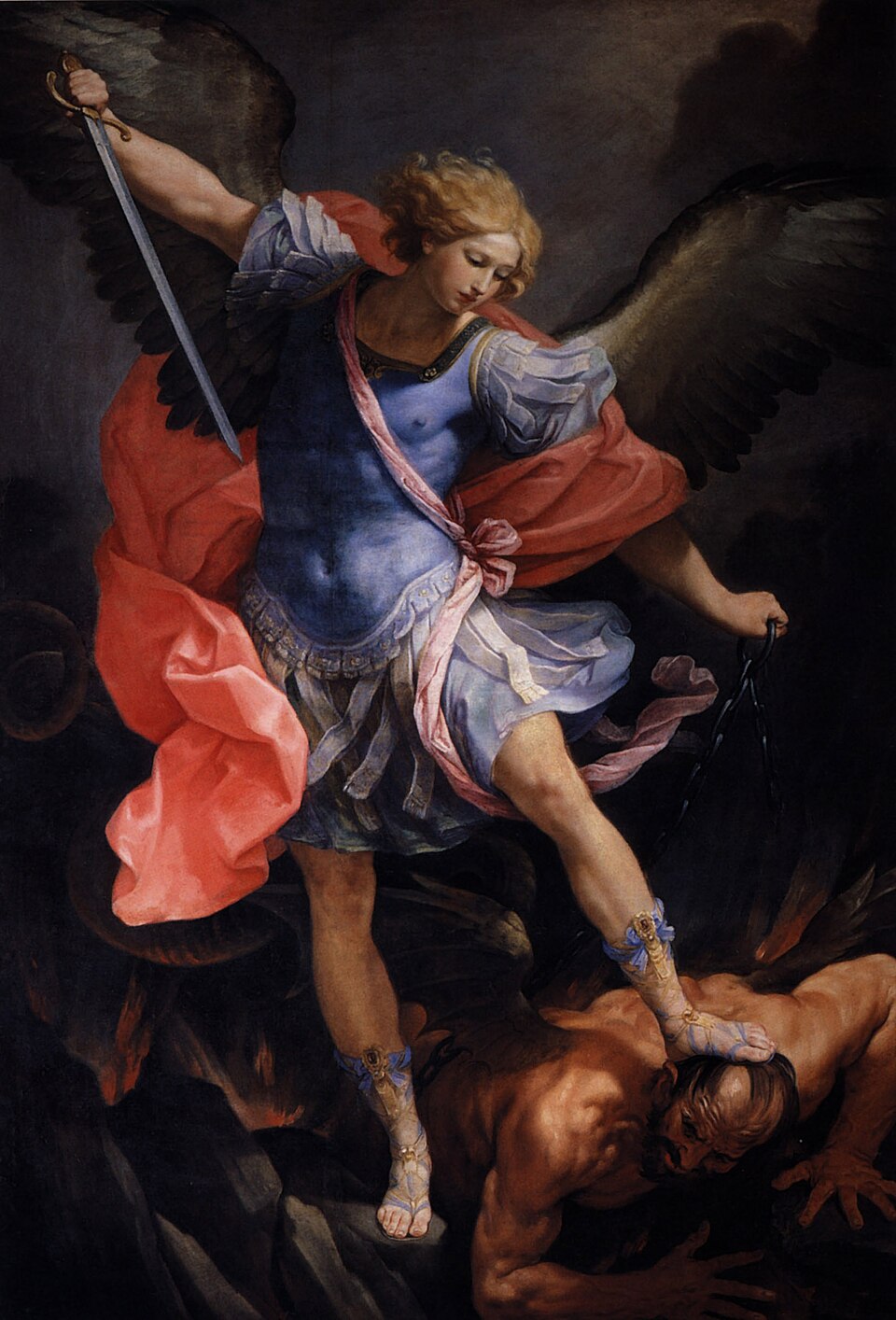
Michael
Archangel · Archangels / Chief Princes
The warring archangel: prince of Israel in Daniel, captain of the host in Revelation, and the only angel the New Testament calls an archangel outright.
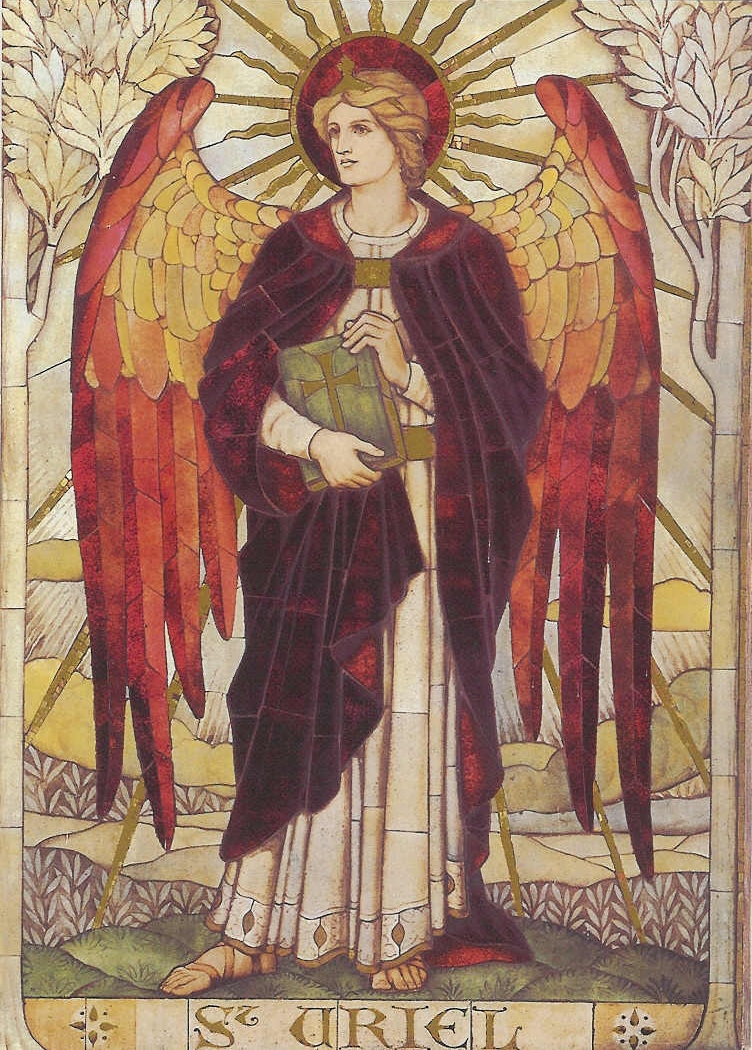
Uriel
Archangel · Archangels / Chief Princes
'Fire of God' — the archangel of the fourth seat, never named in the canonical Bible, and formally struck from the approved list by a Roman synod in 745.
Raguel
Archangel · Archangels / Chief Princes
The archangel who takes vengeance on the world of the lights — and one of those condemned by name at the Roman synod of 745.
Remiel
Archangel · Archangels / Chief Princes
Set over those who rise — the archangel of the resurrection and of true visions.
Sariel
Archangel · Archangels / Chief Princes
One of the seven archangels of 1 Enoch, set over the spirits who sin against the spirit. Canonical scripture never names him.
The books behind Raphael
Every claim on this profile is attributed to one of these. They are public domain, listed oldest first, and each links to a full text where one is freely available.
1 Enoch (The Book of Enoch)
Anonymous; tr. R. H. Charles · c. 300–100 BCE · Ge'ez (from Aramaic)
Read 1 Enoch (The Book of Enoch) in full ↗Cover: Public domain · Wikimedia file page
The Book of Tobit
Anonymous · c. 225–175 BCE · Aramaic and Greek; transmitted in Latin
Read The Book of Tobit in full ↗Cover: No restrictions · Miami U. Libraries - Digital Collections · Wikimedia file page
The Catholic Encyclopedia (1913)
Various; ed. Charles Herbermann · 1913 · English
Read The Catholic Encyclopedia (1913) in full ↗Cover: Public domain · Herbermann, Charles George, 1840-1916 · Wikimedia file page
Corpus last revised 29 August 2026. A reference site’s credibility rests on being maintained, so this is the date the sourced records last changed — not the date the page was rebuilt.