Tradition
Christian
Scriptural and patristic angelology, and the demonology that grew alongside it.
What is the Christian tradition?
Christian angelology is a late systematisation of much older material. The New Testament names remarkably few angels — Michael and Gabriel, and neither at length — and the elaborate ranked structures most people picture come from a sixth-century writer working under a borrowed name, whose nine choirs were assembled from scattered lists in Paul and the Hebrew Bible rather than revealed as a whole.
Its demonology is stranger still, because it is almost entirely imported. The New Testament has demons but barely names them; the named demons of Christian tradition arrive later, and arrive carrying the names of the gods of neighbouring religions. Beelzebub is a Philistine title. Astaroth is a Canaanite goddess with the gender changed. The pattern is consistent enough that it is easier to read Christian demonology as a record of who the neighbours were than as a record of what was believed about spirits.
That is not a hostile reading. It is what the texts themselves say when the polemic is read as polemic: the Hebrew Bible is explicit that these are the gods of other peoples, and the later tradition inherits the names long after it has forgotten they were gods.
Which texts does this tradition rest on?
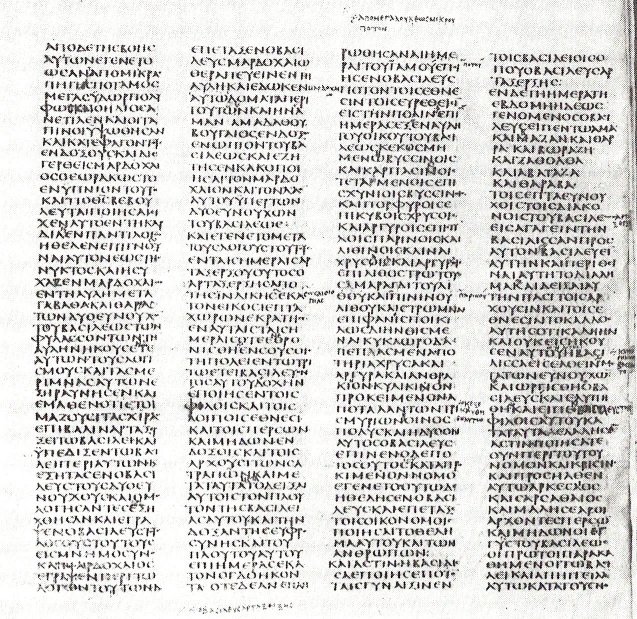
New Testament
Various · c. 50–110 CE
Supplies the vocabulary Pseudo-Dionysius later systematises — thrones, dominions, principalities, powers — and Revelation's war in heaven.
24 entries contributed
The Nicene Creed (Symbolum Nicaeno-Constantinopolitanum)
The Councils of Nicaea and Constantinople · 325; revised 381
The one text on this list every body here accepts, which is what makes it the baseline the divisions are measured from. The single clause later added to it in the West — that the Spirit proceeds from the Father and the Son — is the doctrinal half of the East–West separation.
0 entries contributed
Euchologion: the Exorcisms of St Basil and St John Chrysostom
Attributed to Basil of Caesarea and John Chrysostom · attributed 4th c.; text as transmitted
The Eastern prayers of exorcism, still in use. Where the Roman rite interrogates and commands, these adjure and narrate salvation history at the spirit, and they are prayers addressed to God far more than commands addressed to a demon. The contrast is the point of carrying them.
0 entries contributed
The City of God
Augustine of Hippo; tr. Marcus Dods · 413–426 CE
Twenty-two books written while the Roman world was arguing about whether abandoning the old gods had cost it the empire, and the single most consequential text in this corpus for the word demon. Augustine takes the philosophers' definition of daemones as aerial beings between gods and men, accepts the physics and rejects the ethics: every one of them is wicked, and the gods of the nations are demons. Everything Latin Christianity later says about spirits is downstream of that argument, including the one thing he mentions almost in passing — the woodland spirits people call incubi.
6 entries contributed
The Definition of Chalcedon
The Council of Chalcedon · 451
Two natures in one person, without confusion or division. The churches that could not accept the formula separated over it and are still separate, which makes this the oldest surviving division in Christianity and the one most often left off the chart.
0 entries contributed
De Coelesti Hierarchia (The Celestial Hierarchy)
Pseudo-Dionysius the Areopagite · c. 500 CE
The text that fixed the nine choirs in three spheres. Nearly every later Christian angelology is a gloss on this arrangement.
9 entries contributed
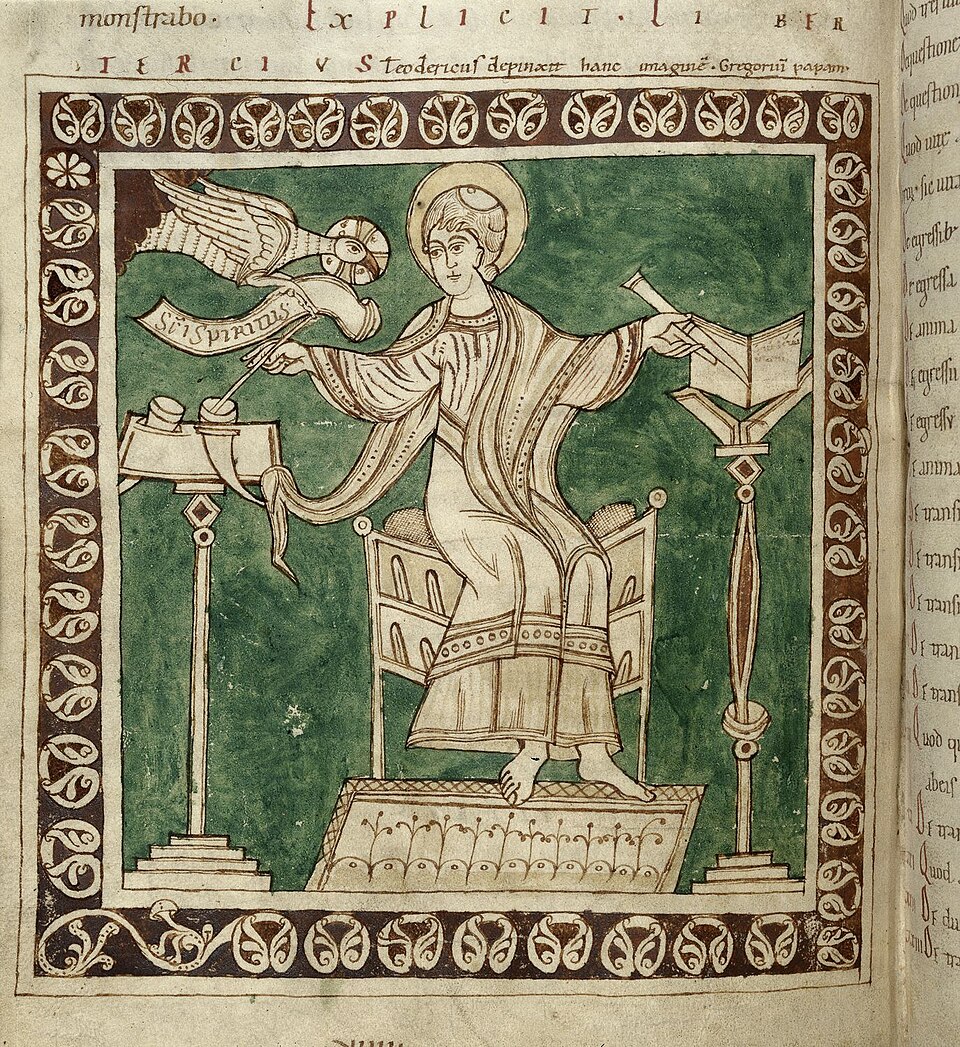
Homilies on the Gospels, Homily 34
Gregory the Great · c. 590 CE
Gregory's ordering of the nine choirs, which is not Pseudo-Dionysius'. He swaps Principalities and Virtues, and reads the names as descriptions of what each rank does rather than as degrees of contemplation. Quoted at length by Aquinas, which is how most of the West received it.
9 entries contributed
Patristic & Medieval Angelology
Gregory the Great, Aquinas, and others · 6th-13th c.
The scholastic working-out of the choirs — Gregory's homilies and Aquinas' treatise on the angels, which settled the Western ordering and its reasoning for centuries.
1 entries contributed
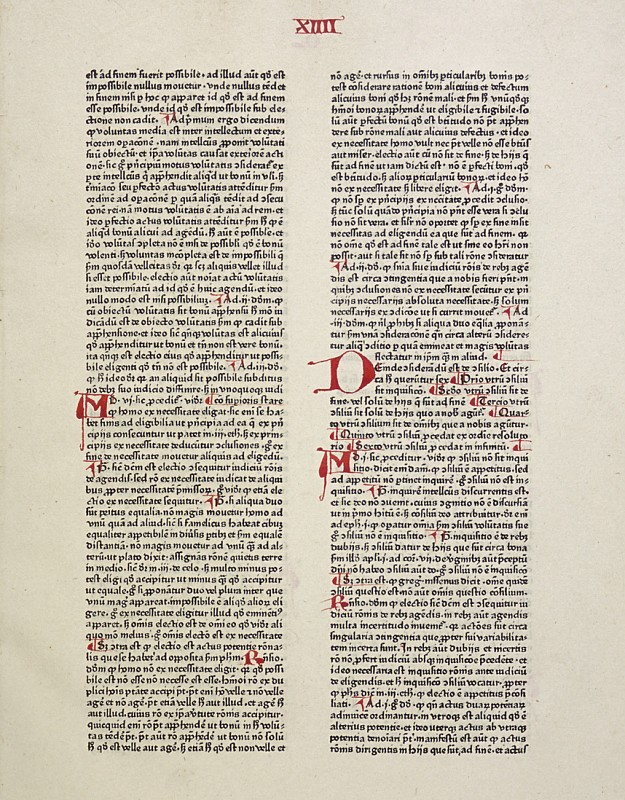
Summa Theologiae, Treatise on the Angels
Thomas Aquinas; tr. Fathers of the English Dominican Province · c. 1265-1274
Questions 50-64 on angelic nature and the fall, and 106-114 on the orders, guardianship and demonic assault. The systematic Catholic angelology, and unusual for arguing with itself: Aquinas sets Pseudo-Dionysius against Gregory the Great on the ordering of the choirs and shows his working.
9 entries contributed
Manuale ad Usum Percelebris Ecclesiae Sarisburiensis
Anonymous; ed. A. Jefferies Collins · medieval use; printed 1506
The service book of the Use of Sarum, the dominant English rite before the Reformation. Its exorcistic and blessing material predates the Roman standardisation of 1614, and is the clearest surviving witness to what a Western rite looked like before Rome fixed one.
0 entries contributed
The Schleitheim Confession (Brotherly Union)
Michael Sattler and the Swiss Brethren · 1527
The earliest Anabaptist articles, and the one document here written by people the other signatories were executing. Believer's baptism, a congregational ban, and separation from the state church — the radical position that neither Rome nor Wittenberg would hold.
0 entries contributed
The Augsburg Confession
Philipp Melanchthon · 1530
The founding Lutheran statement, and notable for how much it concedes: it was written to show the Emperor that the Lutheran position was catholic. What it does not concede — justification by faith, and the two sacraments — is the shape of the split.
0 entries contributed
The Canons and Decrees of the Council of Trent
The Council of Trent; trans. J. Waterworth, 1848 · 1545–1563
Rome's answer to the Reformation, and the text that made the divisions permanent by attaching an anathema to each one. Its canons on justification, the canon of scripture and the seven sacraments are the sharpest statement of the Catholic position on all three.
0 entries contributed
The Heidelberg Catechism
Traditionally Zacharias Ursinus and Caspar Olevianus · 1563
The most widely used Reformed catechism, written to reconcile Lutheran and Calvinist parties in the Palatinate. Its treatment of the Lord's Supper is the clearest statement of the spiritual-presence position that divides Reformed from Lutheran.
0 entries contributed
The Thirty-Nine Articles of Religion
Church of England · 1563; final form 1571
The English settlement's doctrinal minimum, and deliberately capable of more than one reading — a document written to be signed by people who disagreed. That ambiguity is itself the Anglican position and is why this row is the hardest on the matrix to fill.
0 entries contributed
Rituale Romanum, Titulus X: De exorcizandis obsessis a daemonio
Pope Paul V (promulgated) · 1614
The Roman rite of exorcism as fixed in 1614 and used essentially unchanged for 385 years. Twenty-one opening rubrics of caution, then the rite itself. Its three signs of possession are the most widely cited diagnostic criteria in the Western tradition, and are far shorter than the list popularly attributed to it.
0 entries contributed
The Canons of the Synod of Dort
The Synod of Dordrecht · 1618–1619
The reply to the Arminian Remonstrance, and the origin of the five points later taught as an acronym. The clearest available statement of the predestinarian position, written by the side that won the synod.
0 entries contributed
The Westminster Confession of Faith
The Westminster Assembly · 1646
The most systematic confession of the English-speaking Reformed tradition, and the standard for Presbyterian bodies since. It opens with scripture rather than with God, which is a claim about authority made by the ordering alone.
0 entries contributed
The Book of Common Prayer
Church of England · 1662
The settlement that fixed English worship for three centuries. It is cited here as much for an absence as a presence: the Sarum rite of exorcism was not carried over, and no replacement was provided.
0 entries contributed
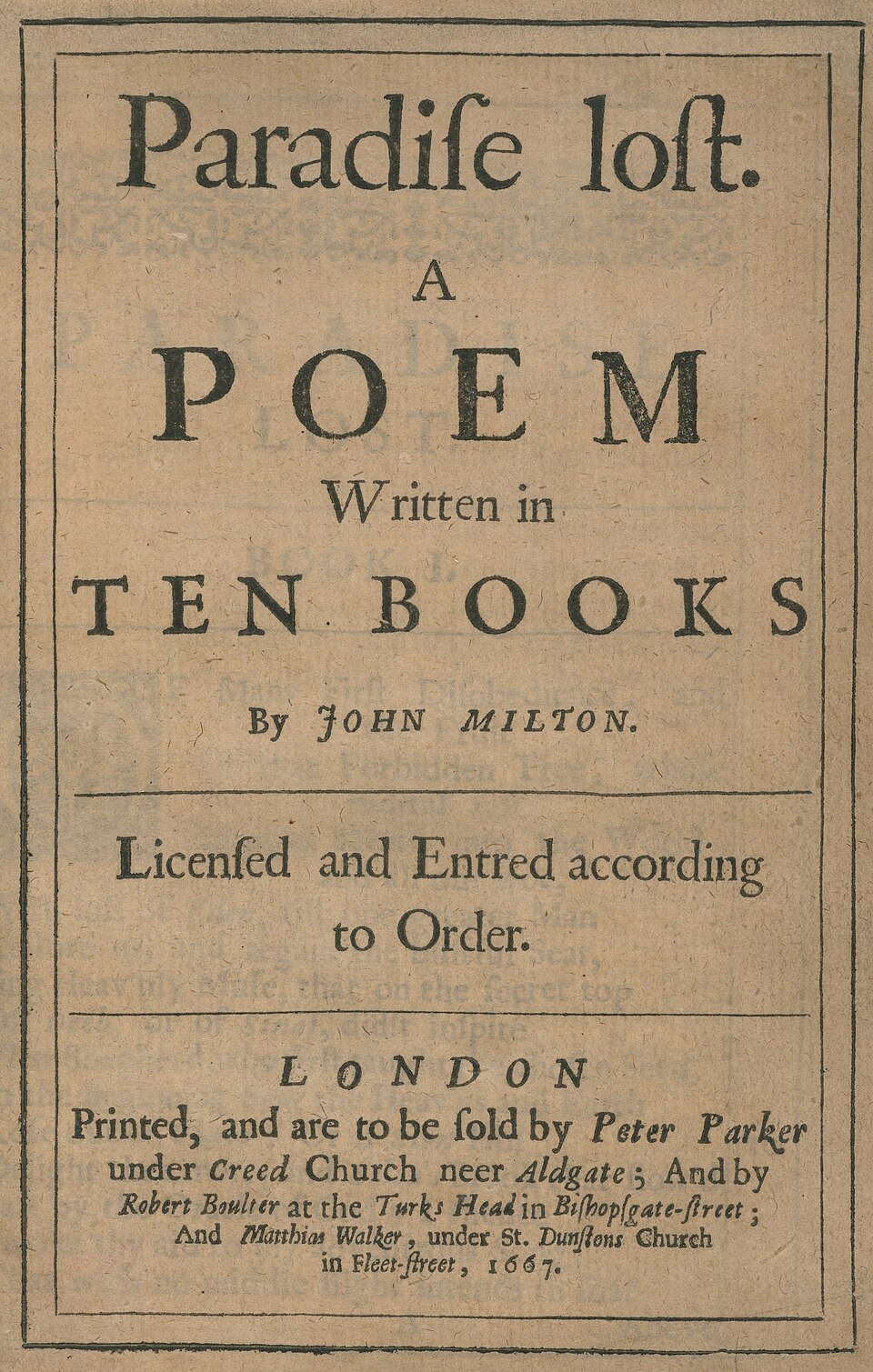
Paradise Lost
John Milton · 1667
Not a source text but the most consequential reception of one: Milton's council of Pandemonium fixed the popular ranking of the fallen far more firmly than any grimoire.
4 entries contributed
The Confession of Dositheus (Acts of the Synod of Jerusalem)
Dositheus II, Patriarch of Jerusalem · 1672
The nearest thing Orthodoxy has to a Trent: a synodical reply to Calvinist positions circulating under a patriarch's name. Useful here precisely because the East rarely legislates doctrine this way, and this is the occasion on which it did.
0 entries contributed
The Catholic Encyclopedia (1913)
Various; ed. Charles Herbermann · 1913
The scholastic consensus set down just before the modern period, and candid about what is doctrine, what is pious opinion and what the Church has never defined.
11 entries contributed
De exorcismis et supplicationibus quibusdam
Congregation for Divine Worship · 1999; emended 2004
The revision that replaced the 1614 rite, and the last section of the Roman Ritual to be reformed after the Second Vatican Council. It tightened the diagnostic signs and added an explicit caution against mistaking psychiatric illness for possession. In copyright, so it is described here and not quoted.
0 entries contributed
Which marks belong to it?
Oldest first. A mark used by several traditions appears on each of their pages — which is the point: the shapes crossed these boundaries far more easily than the names did.
The Pentagram
from c. 3000 BCE
A five-pointed star drawn in one unbroken line — an accounting mark, a Pythagorean password, a Christian emblem of the five wounds, and only recently a sign of evil.
The Tetragrammaton
attested from c. 840 BCE
Four letters that stopped being pronounced and became, in consequence, the most powerful thing you could write on a piece of equipment.
The Bronze Serpent
Numbers 21; destroyed c. 715 BCE
A healing standard that stood in the Temple for centuries until a reforming king smashed it — the Hebrew Bible's own account of a symbol going wrong.
The Sator Square
before 79 CE
Five Latin words in a grid that reads the same in four directions, scratched on a wall at Pompeii and still being cut into churches a thousand years later.
Alpha and Omega
c. 95 CE
First and last letters of the Greek alphabet, used in Revelation as a name — a claim about extent made out of the ordering of a writing system.
The Number of the Beast
c. 95 CE
A number given in Revelation as a puzzle with a stated solution method — 'let him that hath understanding count' — and now the single most recognisable mark in the whole subject.
The Ichthys
2nd century CE
Two arcs making a fish, standing for an acrostic — ΙΧΘΥΣ, 'Jesus Christ, God's Son, Saviour'. A symbol that is really a sentence.
The Cross
in Christian use from the 2nd century CE
An instrument of public execution adopted as the emblem of the executed — and avoided in Christian art for as long as the punishment was still in use.
Abracadabra
c. 200 CE
A word written as a shrinking triangle, one letter dropped per line, so that the fever it is written against diminishes with it.
The Circle
attested from late antiquity
A drawn boundary with names written into it — the oldest continuously used device in the Western operative tradition, and the one that defines everything else on the floor.
The Brass Vessel
story attested from c. 300 CE
The container the legend says Solomon sealed the spirits into, thrown into a lake and opened by Babylonians who expected treasure. It is where the Ars Goetia says its seventy-two came from.
IHS
from c. 300 CE
The first three letters of ΙΗΣΟΥΣ, read for centuries afterwards as the initials of a Latin sentence that was invented to explain them.
The Chi-Rho
from 312 CE
The first two letters of ΧΡΙΣΤΟΣ overlaid, put on a Roman army standard in 312 — the first Christian symbol with state power behind it.
The Triquetra
Christian manuscript use from c. 700 CE
Three interlaced arcs from Insular manuscript art — read as the Trinity by the people who drew it, and as pre-Christian by nearly everyone since.
AGLA
from c. 1200
An acronym, not a word: Atah Gibor Le-olam Adonai, 'Thou art mighty forever, Lord', compressed to four letters and written on almost everything.
The Lamen
from c. 1400
The one piece of Solomonic equipment worn rather than drawn: a disc at the breast carrying the divine names, and the operator's own credential rather than the spirit's.
The Celestial Alphabets
printed 1531
Three alphabets Agrippa prints for writing the names of angels — Hebrew letters redrawn with rings at the joints, so that a script becomes a set of sigils.
Witch Marks
c. 1500–1750
Compass-drawn flowers, interlocking Vs and burn marks scratched into beams beside doors, windows and hearths in ordinary English buildings — protection with no text and no clergy attached.
Sigillum Dei Aemeth
1582–1583
A nine-inch wax disc of nested heptagons carrying angel names, made to stand under the legs of a table — the physical foundation of the Enochian sessions.
The Enochian Alphabet
1583–1584
Twenty-one letters dictated square by square from lettered grids, in a script the sessions claimed was the language Adam spoke.
The Sigil of Lucifer
c. 1750
A chalice-and-cross figure from the Grimorium Verum, drawn no differently from the dozens of spirit seals beside it, and now reproduced more than any of them.
The Sigil of Baphomet
assembled 1897–1969
An inverted pentagram, a goat's head fitted inside it, and the Hebrew letters of Leviathan around the rim — three separate nineteenth- and twentieth-century additions, presented as one ancient mark.
Who is filed under Christian?
Ordered by attestation score — how early and how independent the texts that name each figure are, rather than how famous the figure has since become.
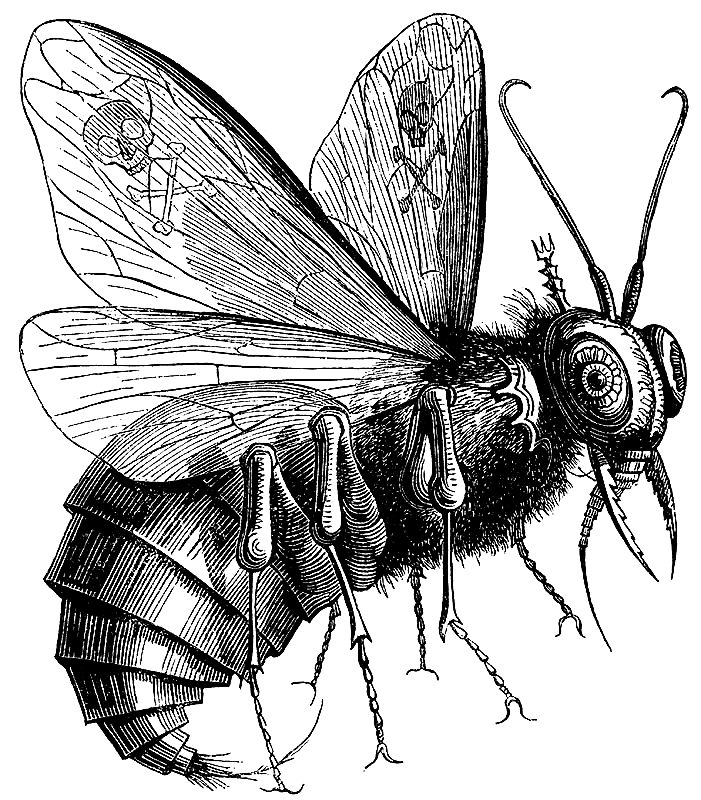
Beelzebub
Prince · Infernal Court
'Lord of the Flies' — a Philistine god of Ekron whose name was almost certainly deformed as a Hebrew insult, then inherited by Christian demonology as the second power of hell.
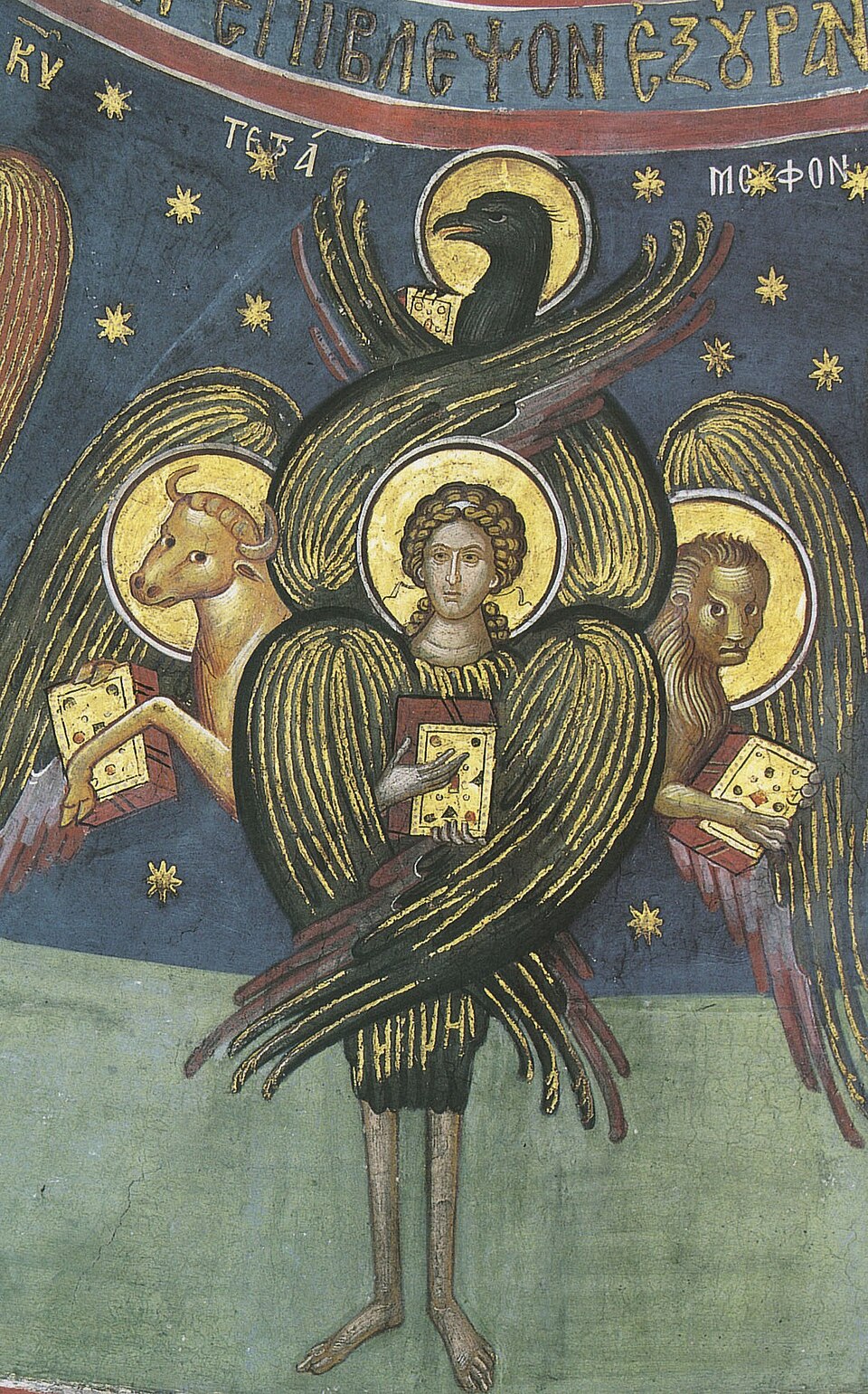
Cherubim
Second Choir · First Sphere
Guardians of thresholds and bearers of the throne — four-faced in Ezekiel, flanking the mercy seat in Exodus, and nothing at all like the winged infants of later art.
Dominions
Fourth Choir · Second Sphere
The administrative choir: they regulate the duties of lower angels and never act directly on the created world.
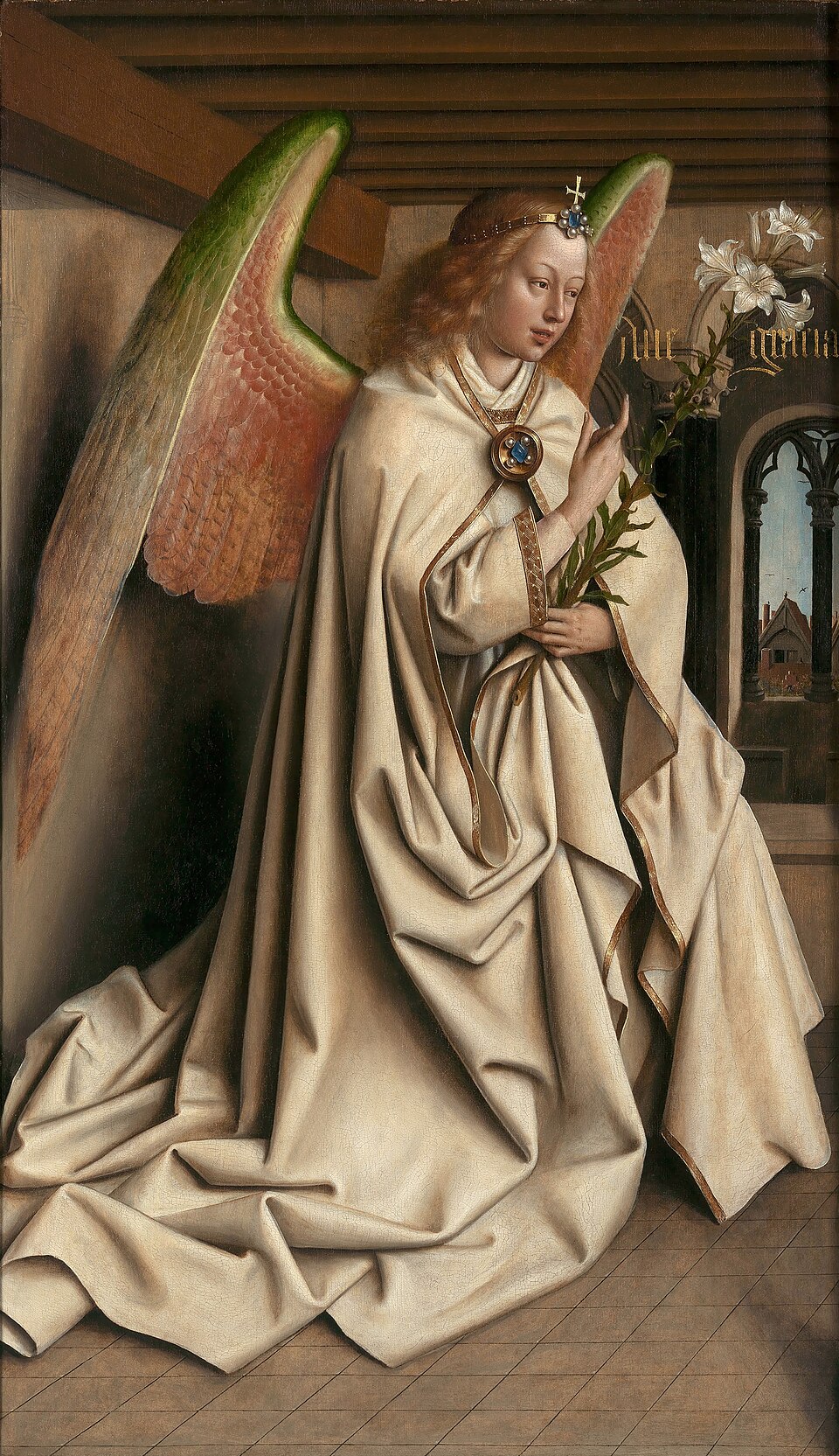
Gabriel
Archangel · Archangels / Chief Princes
The messenger. The angel who explains Daniel's visions, announces two births in Luke, and in Islam delivers the entire Qur'an.
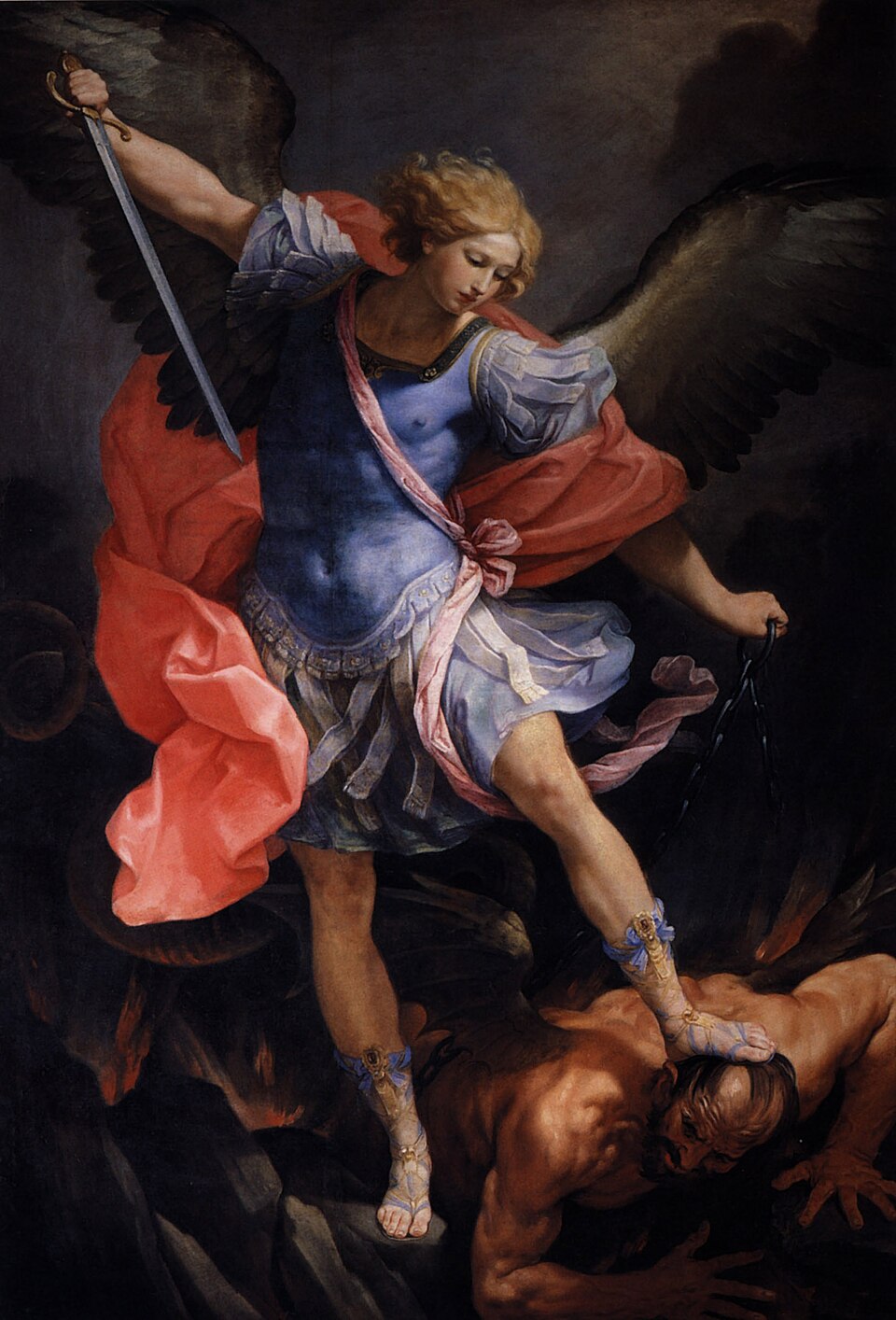
Michael
Archangel · Archangels / Chief Princes
The warring archangel: prince of Israel in Daniel, captain of the host in Revelation, and the only angel the New Testament calls an archangel outright.
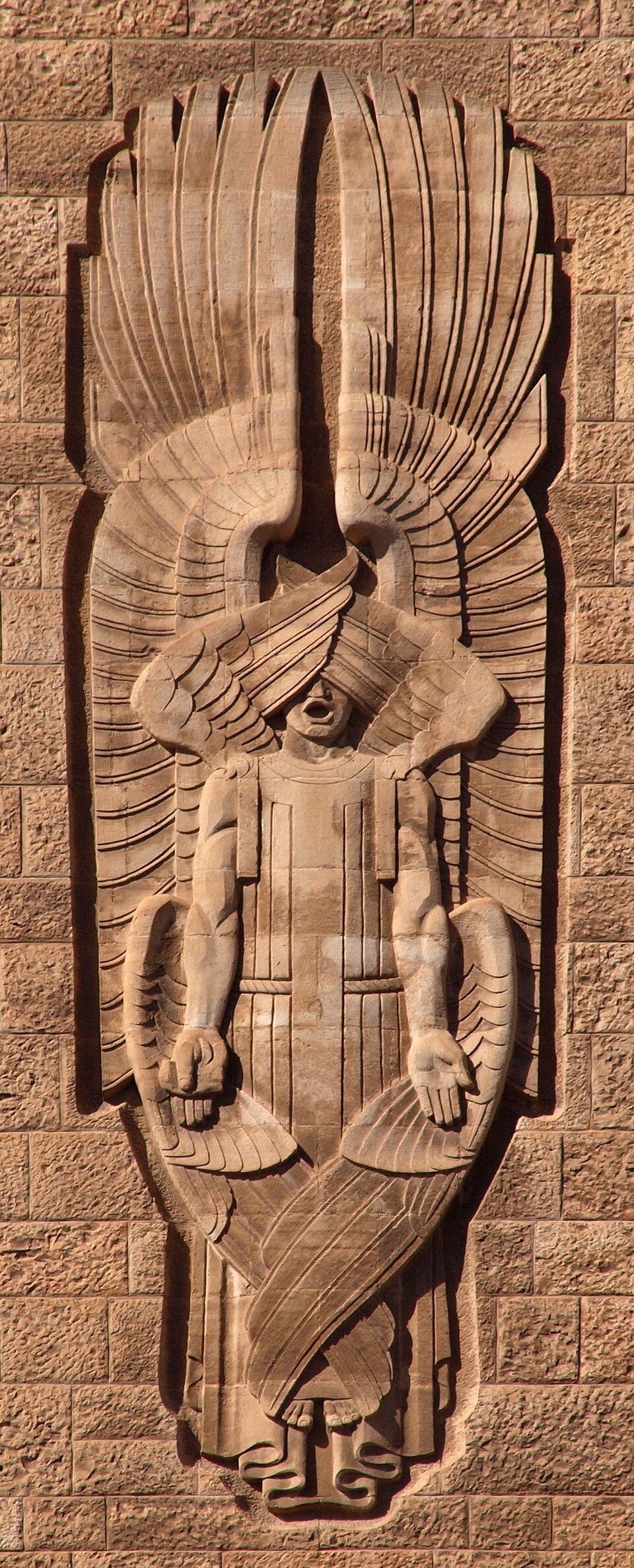
Seraphim
First Choir · First Sphere
Six-winged and burning, they attend the throne directly and sing the trisagion. Their name is the Hebrew verb 'to burn'.
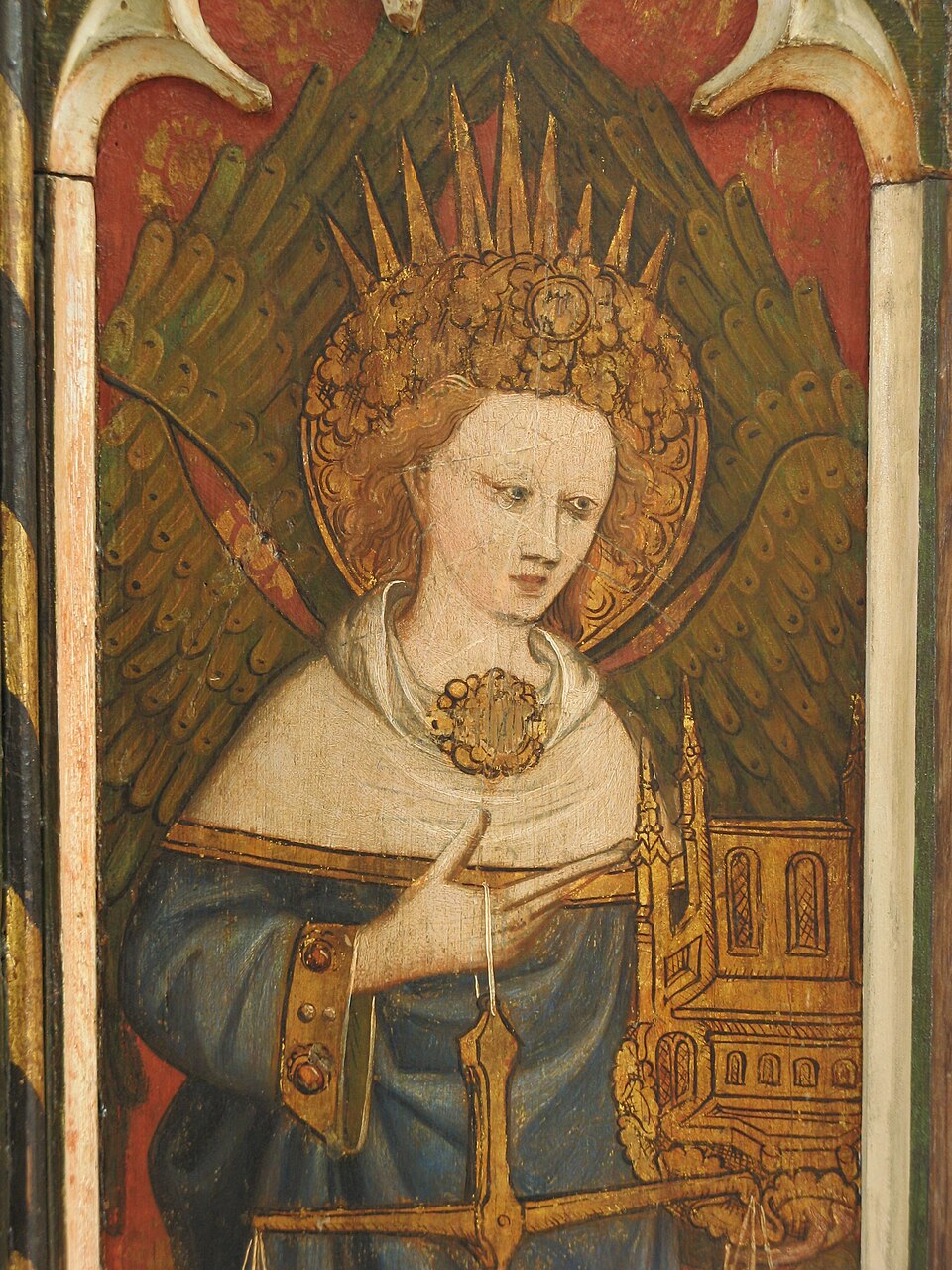
Thrones
Third Choir · First Sphere
The wheels of the chariot — rings of fire studded with eyes, on which divine justice is said to be seated.
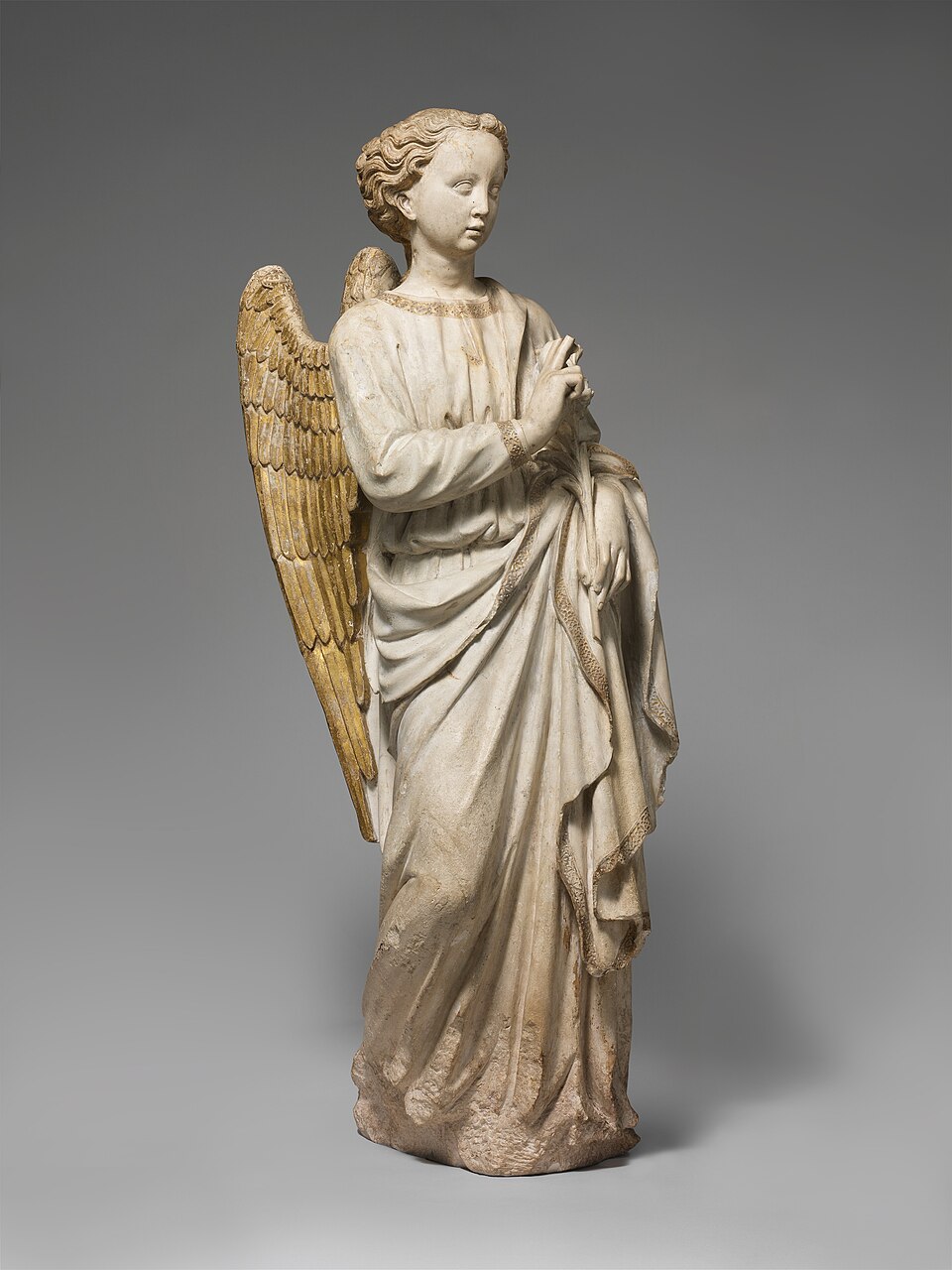
Angels
Ninth Choir · Third Sphere
The ninth and closest of the angelic choirs: the ordinary messengers who deal with individual people, and the only rank most human accounts ever describe meeting.
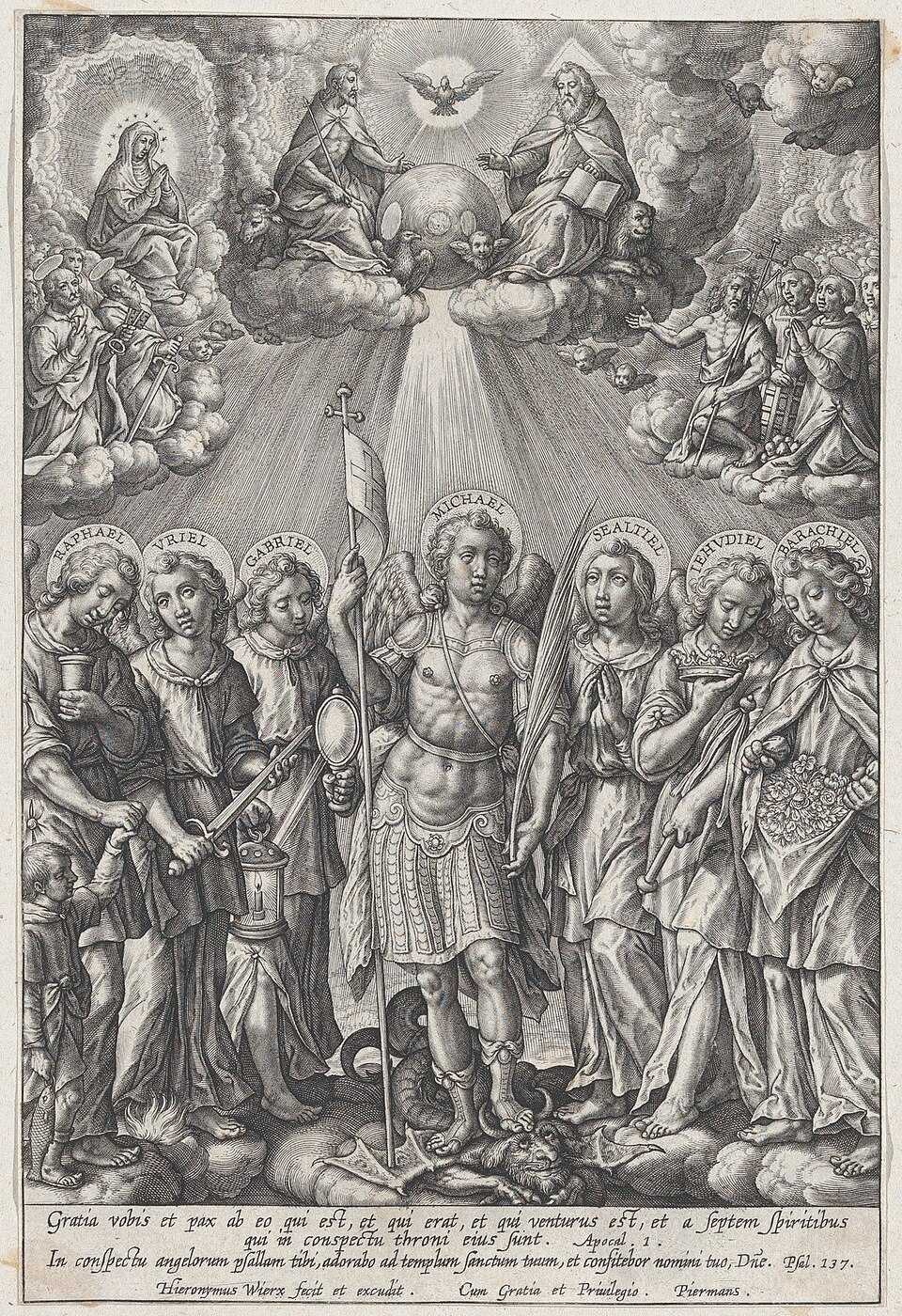
Principalities
Seventh Choir · Third Sphere
Guardians of nations, cities and institutions — an angelic choir that operates at the scale of peoples rather than persons.
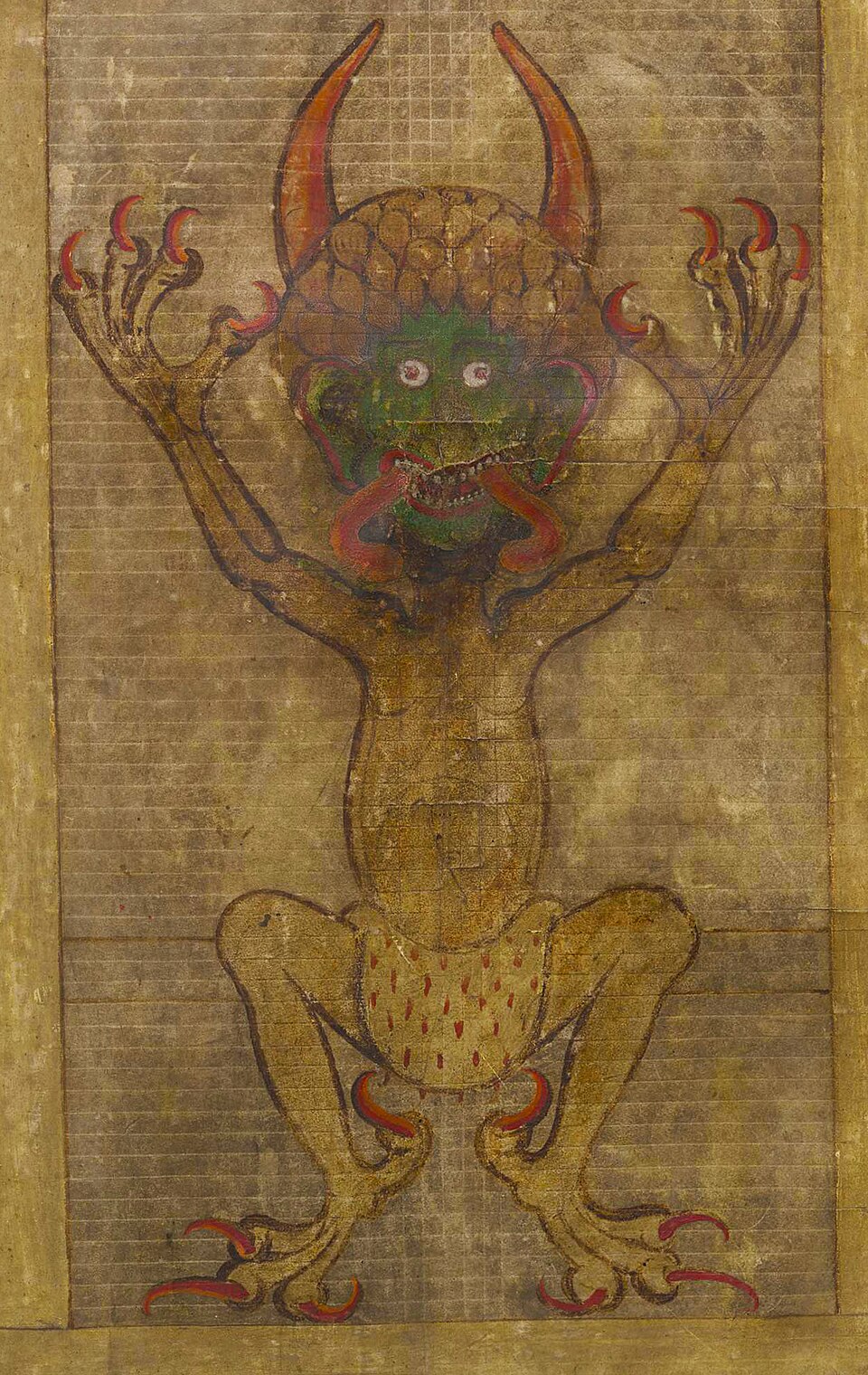
Satan
Adversary · Infernal Court
Not originally a name but an office — 'the accuser'. In Job he is a member of the divine court doing his job; only later does he become the enemy.
Powers
Sixth Choir · Second Sphere
The border guard: the choir charged with restraining demonic incursion and keeping the boundary between the spheres.
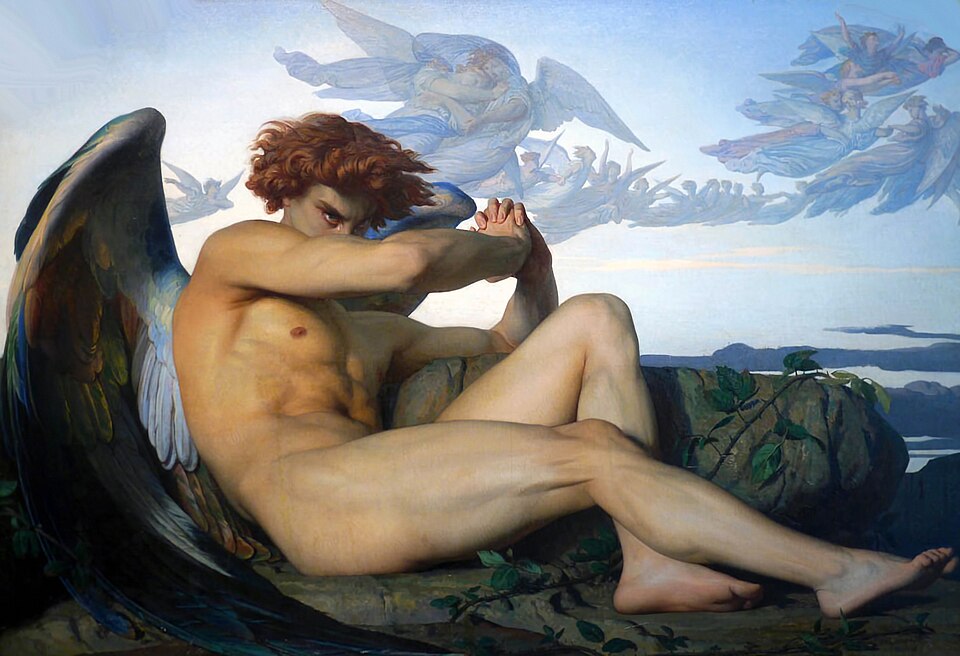
Lucifer
Emperor · Infernal Court
The morning star of Isaiah 14. Christian tradition reads the phrase as the devil's own name; the passage itself makes no such claim.
The Nephilim
Offspring of the Sons of God
The offspring of the sons of God and the daughters of men, given two verses in Genesis and a full history in 1 Enoch — the corpus's clearest case of a silence in scripture being filled in elsewhere.
Asherah
Mother of the Gods · Deliverance tradition
Consort of El at Ugarit and mother of the gods, whose cult objects stood in the Jerusalem temple itself for long stretches — and who disappears from English Bibles behind the word 'grove'.
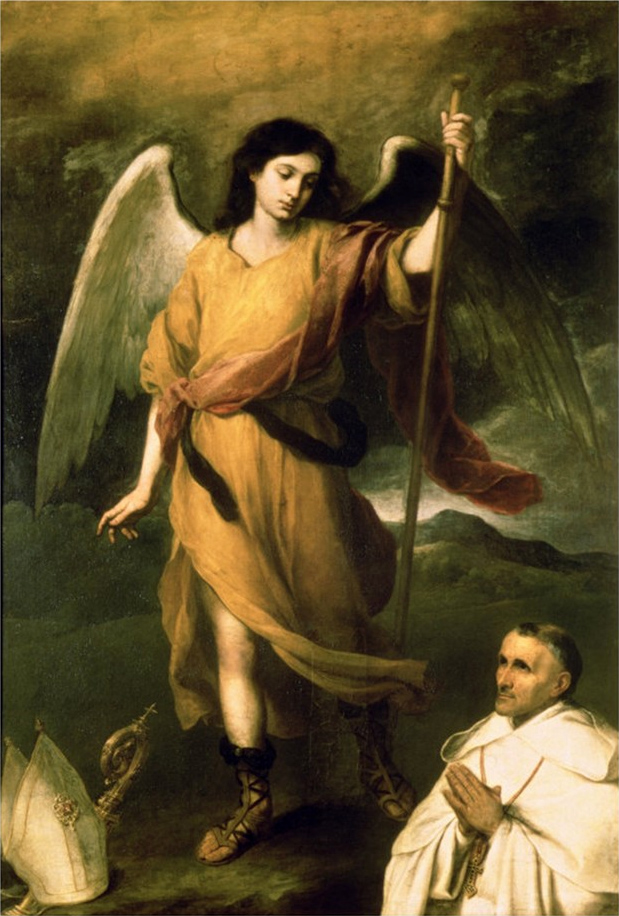
Raphael
Archangel · Archangels / Chief Princes
The healer, whose name means 'God heals'. He spends the Book of Tobit disguised as a human travelling companion, which makes it the longest sustained portrait of an angel anywhere in the biblical corpus.
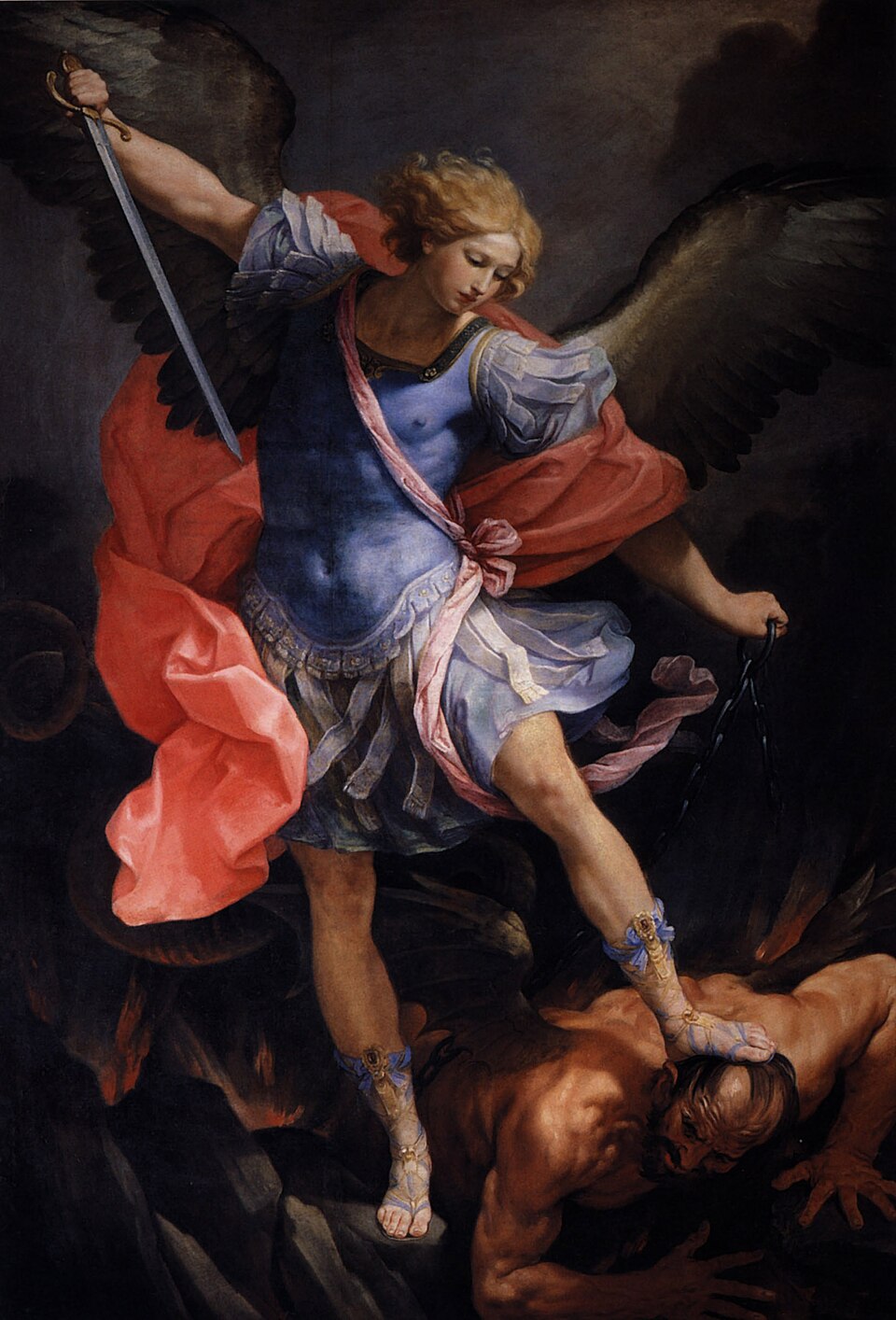
Archangels
Eighth Choir · Third Sphere
The eighth choir — which produces the tradition's sharpest inconsistency, since Michael is called an archangel yet commands the entire host.
Virtues
Fifth Choir · Second Sphere
The choir of miracles and of the movement of the heavens; traditionally the angels present at the Ascension.
The Spirits of Affliction
Group of Named Spirits · Deliverance tradition
The remaining 'spirit of X' phrases, grouped because the tradition's whole method stands or falls on how they are read.
Moloch
Prince · Infernal Court
The deity of the Tophet child sacrifices in Kings and Jeremiah — or, on a long-running scholarly reading, the name of the sacrifice itself rather than a god.
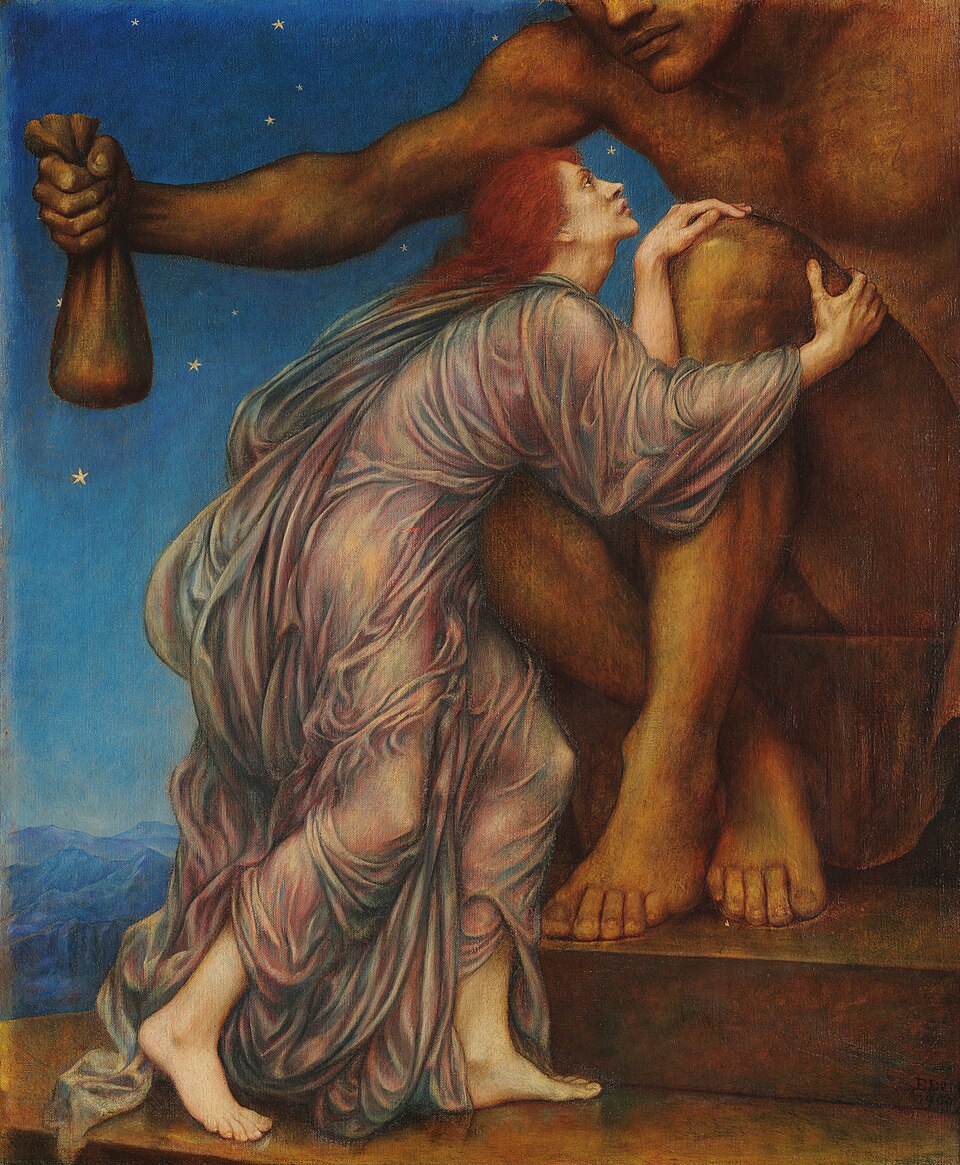
Mammon
Prince · Infernal Court
Wealth personified. The gospels use the word for money itself; demonology turned the metaphor into an officer of hell.
Tammuz
Dying God · Deliverance tradition
Ezekiel is shown women weeping for Tammuz at the north gate of the temple — a Sumerian god still being mourned in Jerusalem two thousand years after his cult began.
The Sons of God
The Assembly · The Divine Council
The plural divine beings who make up God's council in the Hebrew Bible — present at creation, attending audiences, allotted the nations, and in one psalm sentenced to death for judging unjustly.
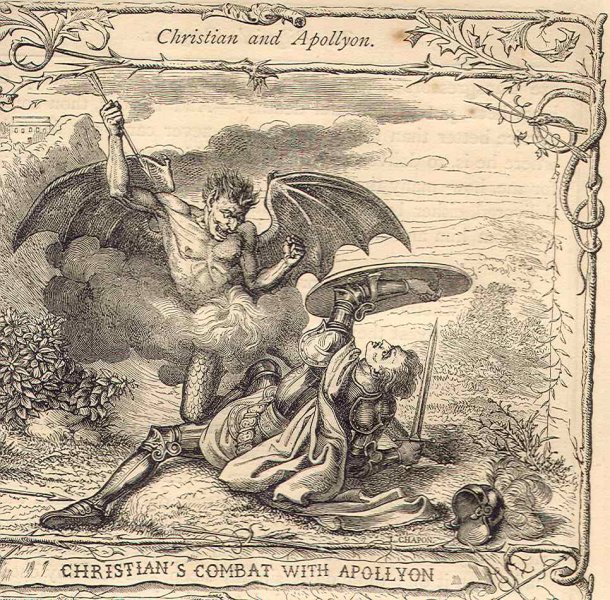
Abaddon
Angel of the Abyss · Infernal Court
A place-name in the Hebrew Bible — 'destruction', a synonym for the grave — that Revelation personifies as the king of the locusts of the pit.
Gehenna
The Valley Outside the Walls · Hebrew and Christian cosmology
A real valley outside Jerusalem, remembered as the site of child sacrifice and deliberately defiled, whose name became the New Testament's word for final ruin.
Goliath
Champion of Gath
The Philistine champion of 1 Samuel 17, and the best-known giant in any of these texts — whose height the manuscripts do not agree on, and whose death the Hebrew Bible reports twice with two different killers.
Jezebel
Queen of Israel · Canaanite
A Phoenician princess married to Ahab, who backed Baal and Asherah against the prophets of Israel. Revelation later borrows her name for a rival teacher, and it has been a label rather than a person ever since.
Nimrod
The First Mighty One
The first man the Bible calls mighty on the earth, founder of Babel, Erech and Akkad — a king in Genesis and nothing worse, who becomes a tyrant everywhere afterwards.
Tartarus
The Deep Below the Dead · Greek cosmology
The Greek pit below Hades, built to hold defeated gods rather than dead people, and borrowed once by the New Testament to say where the sinning angels went.
The Korah Spirit
Named Spirit · Deliverance tradition
Deliverance teaching names this spirit for the Levite who told Moses the whole congregation was holy, so why did he exalt himself — and was swallowed by the ground.
The Seven Who Stand
The Seven · Archangels / Chief Princes
The seven who present the prayers of the saints — a group named as a body in Tobit and Revelation before any list of individual names settled.
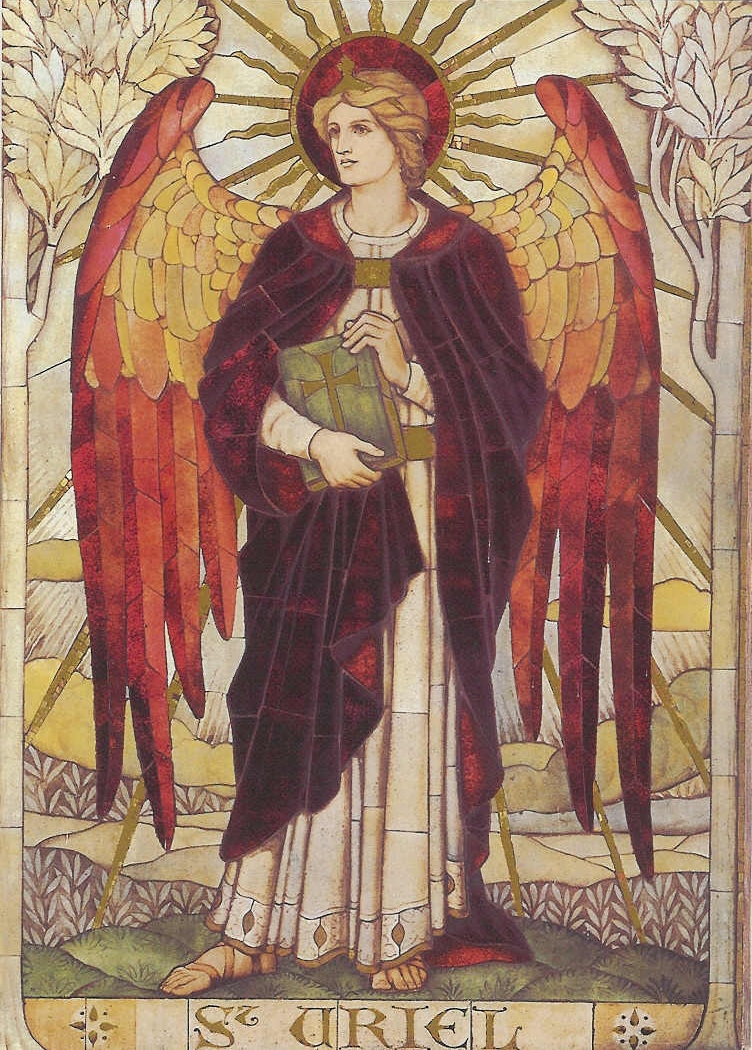
Uriel
Archangel · Archangels / Chief Princes
'Fire of God' — the archangel of the fourth seat, never named in the canonical Bible, and formally struck from the approved list by a Roman synod in 745.
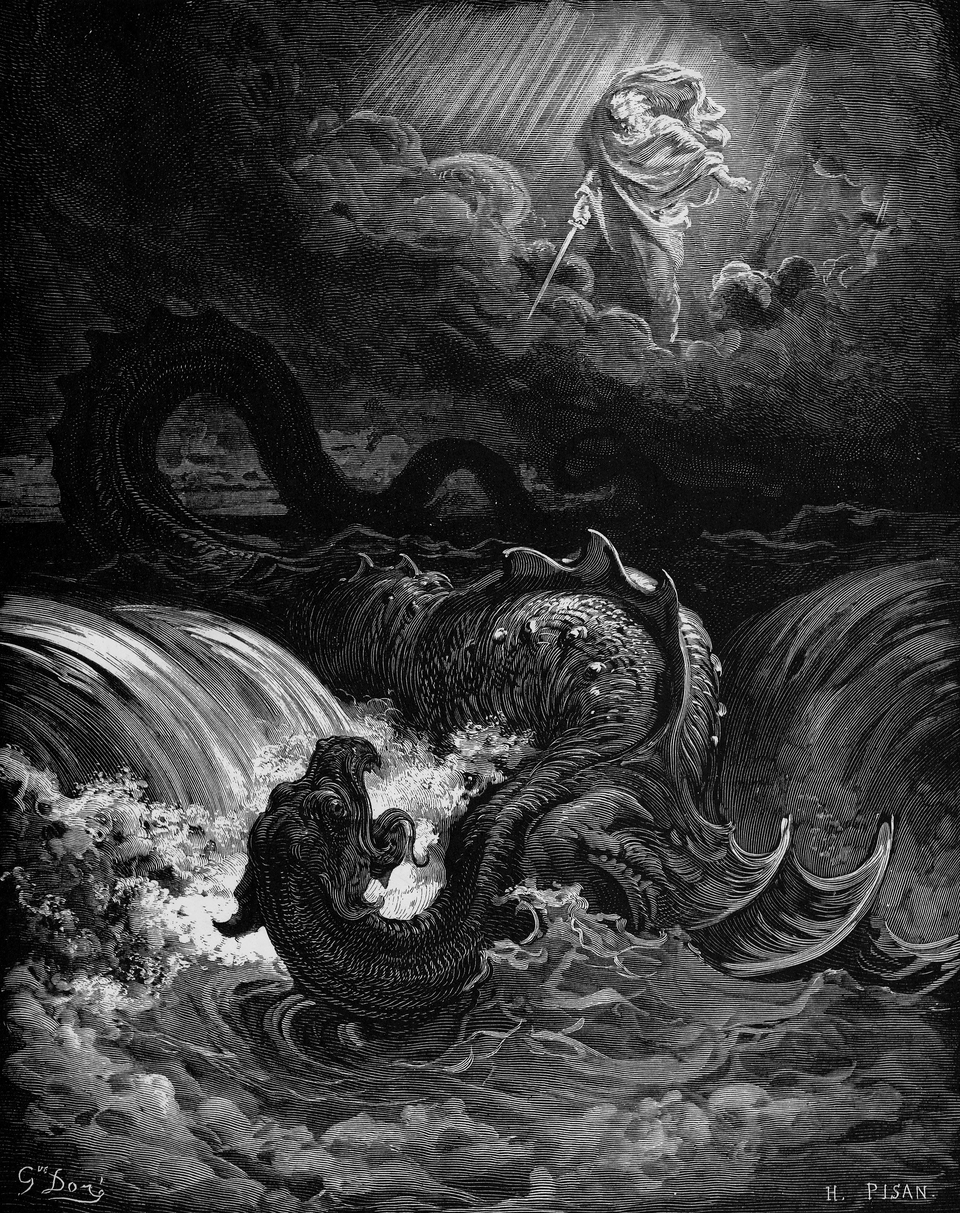
Leviathan
Grand Admiral · Infernal Court
The sea-dragon of Job and Isaiah, drawn from Canaanite chaos myth, and later assigned the sin of envy and the office of admiral of hell.
The Jezebel Spirit
Named Spirit · Deliverance tradition
The most discussed figure in modern deliverance teaching, and a category rather than a being — built from a queen in Kings and a rival teacher in Revelation.
The Incubus
Class of Spirits · Night-oppression
The Latin class term for a spirit that lies on a sleeper, mentioned in passing by Augustine as a common report and turned by the Malleus Maleficarum, a thousand years later, into a doctrine with a procedure attached.
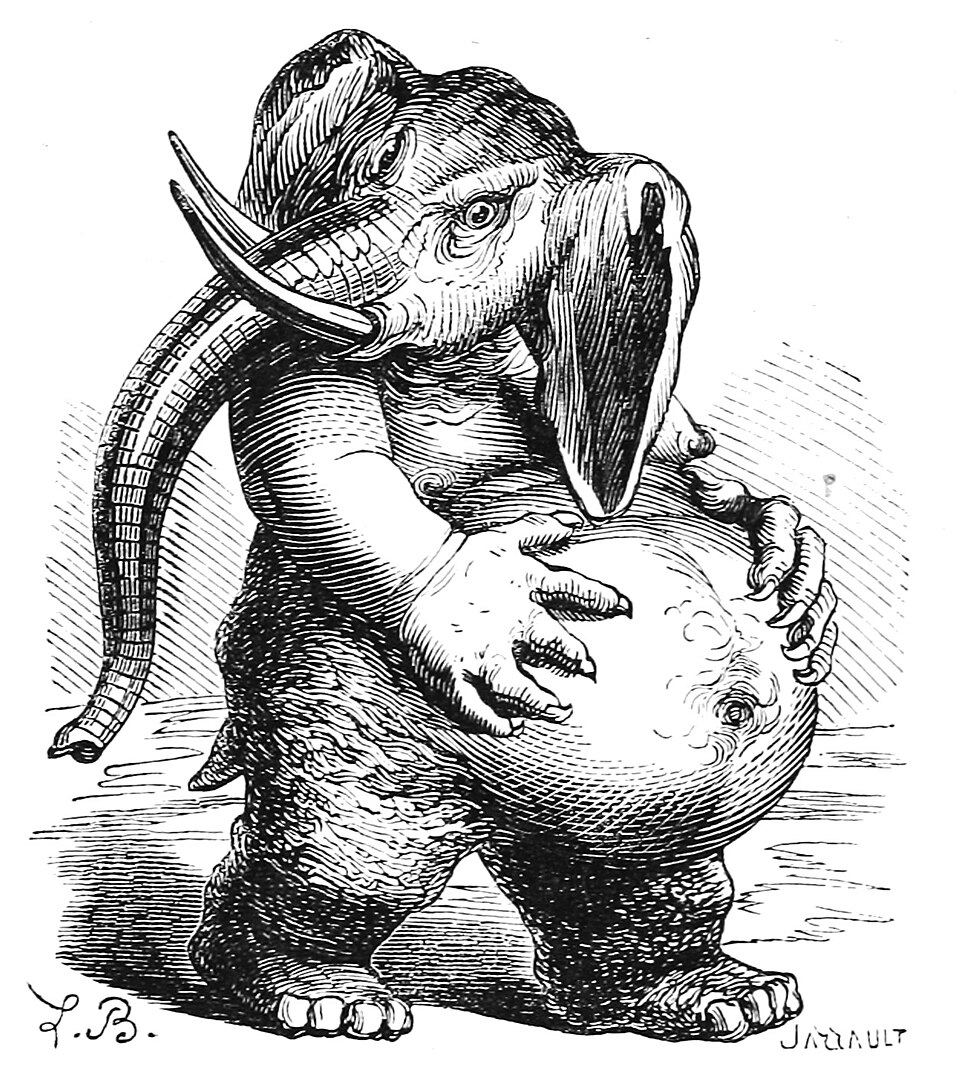
Behemoth
Beast of the Land · Infernal Court
Job's land-beast, paired with Leviathan — presented there as a creature of God, not an enemy of him.
The Absalom Spirit
Named Spirit · Deliverance tradition
Named in deliverance teaching for the son who stood at the gate, listened sympathetically to everyone with a grievance, and stole the hearts of Israel.
The Ahab Spirit
Named Spirit · Deliverance tradition
The passive half of the pair — named for the king who let his queen act and then took the vineyard she obtained for him.
The Familiar Spirit
Named Spirit · Deliverance tradition
The biblical term for a medium's attending spirit — and at Endor, the one occasion where the practice is depicted as working.
The Leviathan Spirit
Named Spirit · Deliverance tradition
Job's sea-beast read as a spirit of pride, and specifically of the twisting of words between people who are trying to understand each other.
The Lying Spirit
Named Spirit · Deliverance tradition
A spirit that volunteers to deceive, is asked how, explains, and is authorised — by God, in open council.
The Queen of Heaven
Named Spirit · Deliverance tradition
A goddess the people of Judah tell Jeremiah, to his face, that they will keep worshipping — because things went better when they did.
Legion
Named Spirit · Deliverance tradition
The only spirit in the gospels that answers when asked its name — and answers with a military unit.
The Prince of the Power of the Air
Named Spirit · Deliverance tradition
A single phrase in Ephesians that supplies the whole idea of spirits holding territory in the air above a place.
The Python Spirit
Named Spirit · Deliverance tradition
The one figure in this tradition whose name is genuinely in the Greek text — and invisible in English, where the KJV renders it 'a spirit of divination'.
The Spirit of Infirmity
Named Spirit · Deliverance tradition
A woman bent double for eighteen years, described by Luke as having a spirit of infirmity and by Jesus as bound by Satan.
Nehushtan
Cult Object · Deliverance tradition
The bronze serpent of the Hebrew Bible: Moses was told to make it, Israel kept it for centuries and burned incense to it, and Hezekiah finally broke it up with the dismissive name 'bronze thing'.
Sheol
The Grave · Hebrew cosmology
The Hebrew underworld: a silent, dusty place where everybody goes, righteous and wicked alike, and where nobody praises God. Not hell, and not a punishment.
The Spirit of Antichrist
Named Spirit · Deliverance tradition
Defined in the epistle by one specific test — denying that Christ came in the flesh — and stretched considerably since by deliverance teaching.
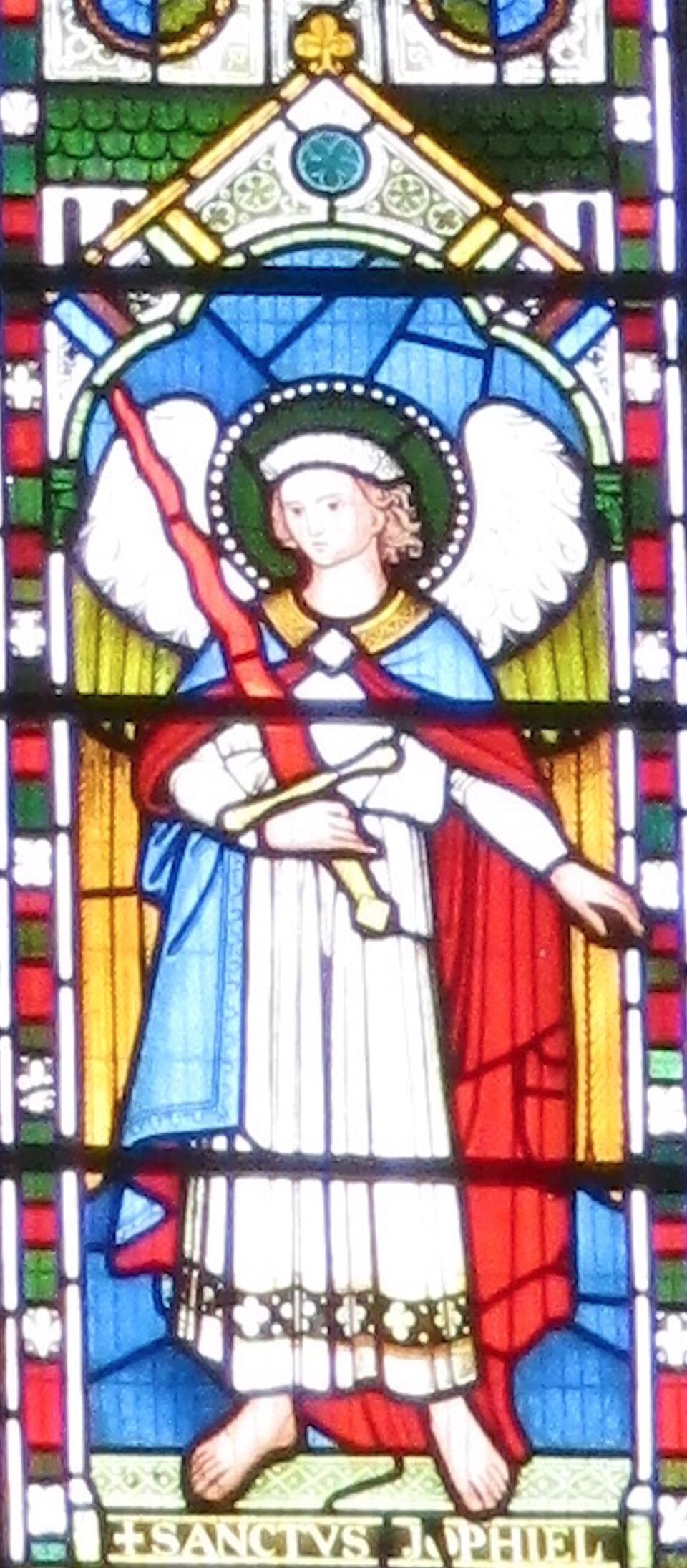
Jophiel
Archangel · Later Christian tradition
Named in later Christian devotion rather than in scripture — traditionally the angel with the flaming sword at the gate of Eden.
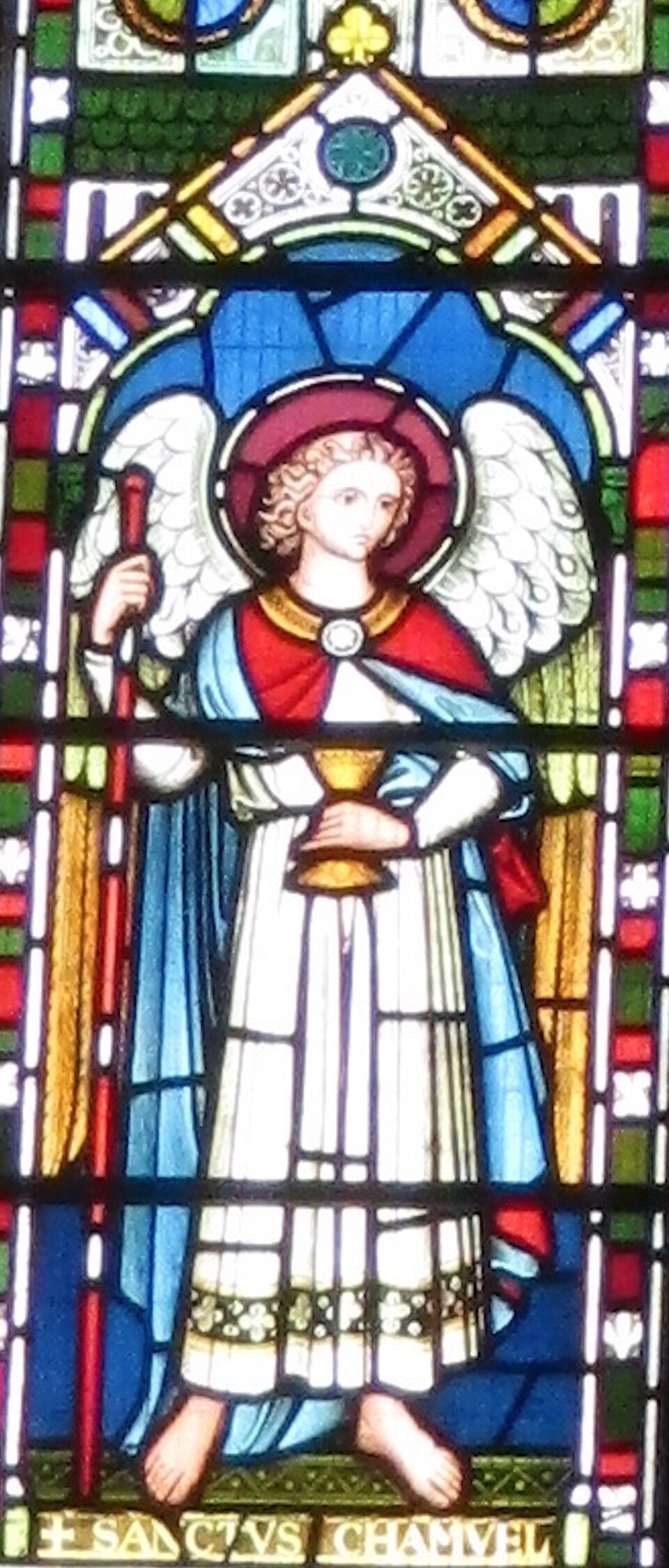
Camael
Archangel · Kabbalistic orders
Angel of the sefirah of severity, whose name is close enough to Samael's that the two are repeatedly confused in the sources.
The Religious Spirit
Named Spirit · Deliverance tradition
A deliverance category with no proof text at all — assembled from the gospel confrontations and directed, pointedly, at religious people rather than at outsiders.