What the sources claim for it
Healing granted through obedient looking. What the reform says went wrong is that the looking became worship.
What is it made of?
Two elements the Hebrew Bible describes precisely, and a third that the text supplies only in retrospect.
The bronze serpent
The pole
The later reading
Bronze Serpent
- 01
The bronze serpent — Made by Moses in Numbers 21. Looking at it heals the bite — the cause is the cure, cast in metal.
- 02
The pole — Raised so the whole camp can see it. Visibility is the mechanism; nothing is applied, drunk or said.
- 03
The later reading — John 3:14 makes the raised serpent a type of the crucifixion, which is how an object destroyed as idolatry re-enters Christian art.
History
Where does the Bronze Serpent come from?
In Numbers 21 the people are bitten by serpents in the wilderness and Moses is told to make a bronze serpent and set it on a pole; anyone bitten who looks at it lives. The object survives. In 2 Kings 18:4 Hezekiah breaks it in pieces because Israel had been burning incense to it, and the text records the nickname it had acquired: Nehushtan, a piece of bronze.
Almost nothing else in the corpus documents its own symbol's failure this explicitly. The mark is divinely commanded, it works, it stays in use for centuries, and it is destroyed by a reformer for the exact reason it was effective — people started addressing the object.
2 figures
Who is it attached to?
Figures who carry it
An attribute rather than a signature — held, worn or associated in the texts and the images.
Figures it is used against
The mark is aimed at them. A ward names its target, which makes these the sharpest attributions on the page.
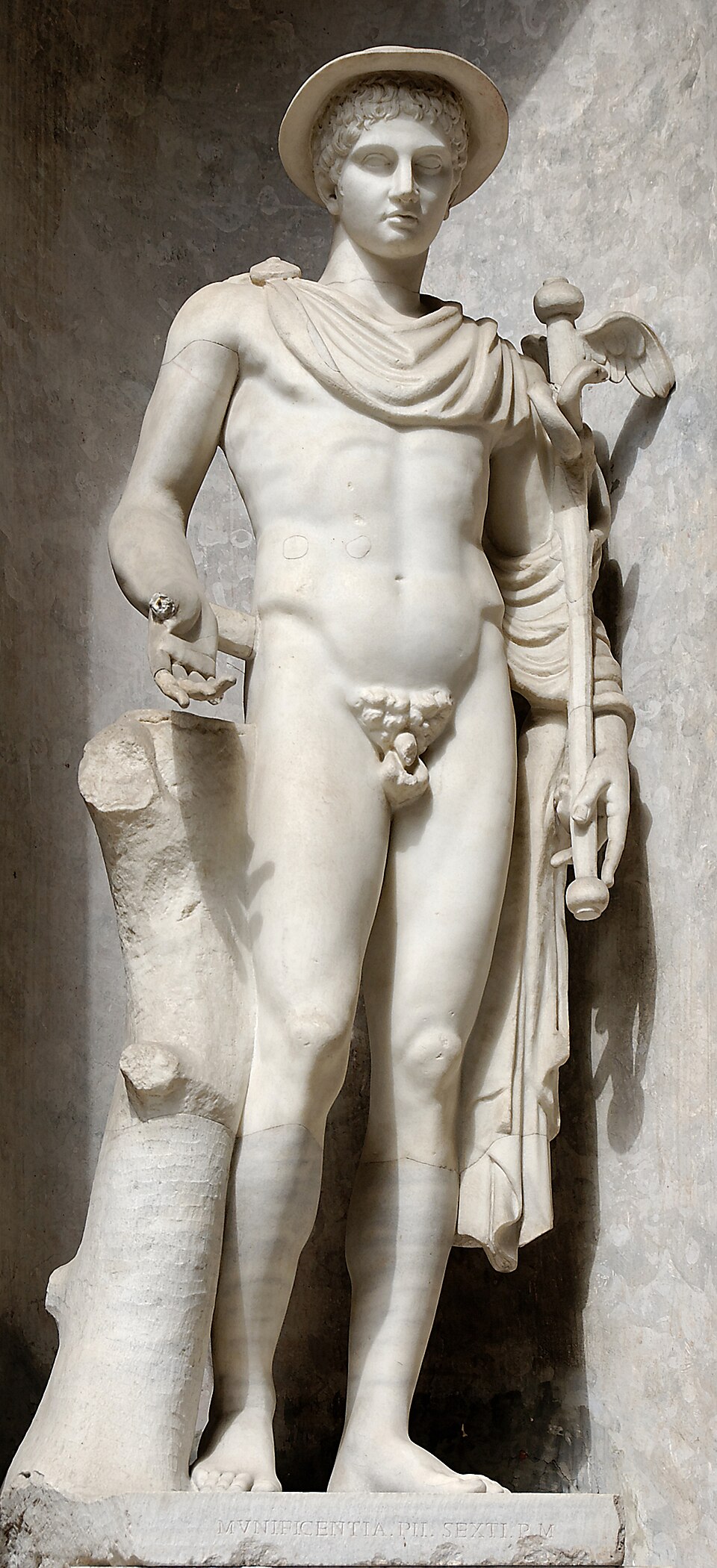
The larger argument
Why is it in a corpus about spirits?
The one case in the corpus where scripture performs the reception critique itself. 2 Kings 18 records Hezekiah destroying this same object because Israel had begun burning incense to it — a divinely commanded ward that becomes an idol without changing shape. Every claim on this site about symbols outliving their arguments has its precedent here.
Afterwards
What did it turn into?
John 3:14 makes the raised serpent a figure of the crucifixion, which secured it in Christian art; separately, the pole-and-serpent shape is persistently confused with the Rod of Asclepius and with the two-snake caduceus in medical branding.
Which texts describe it?
Oldest first, with what each one does with the mark. A mark described in a Bronze Age incantation and a mark first drawn in a seventeenth-century manuscript are different kinds of claim, whatever the shape has in common.
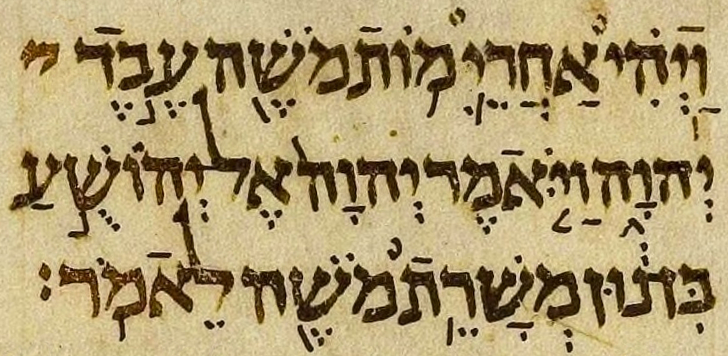
Hebrew Bible & Deuterocanon
Various · c. 900–100 BCE · Hebrew, Aramaic, Greek
Commanded in Numbers 21, destroyed by Hezekiah in 2 Kings 18.
Read Hebrew Bible & Deuterocanon in full ↗Cover: Public domain · see en:Aleppo Codex; scanned by · Wikimedia file page
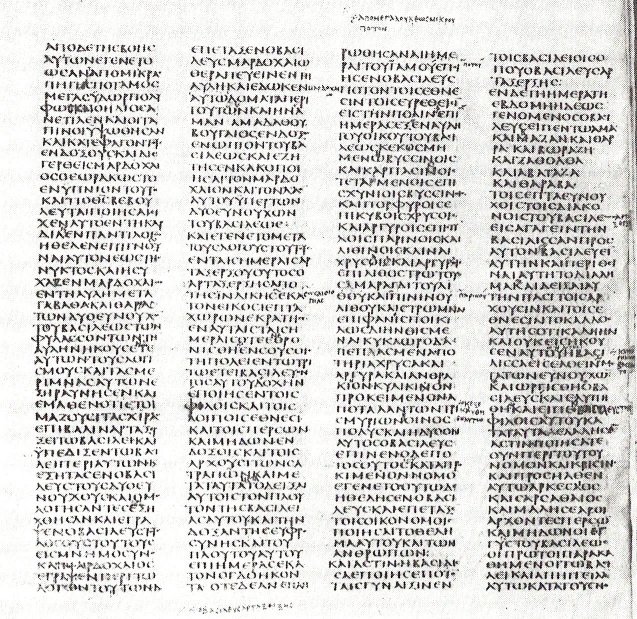
New Testament
Various · c. 50–110 CE · Koine Greek
John 3:14 reads the raised serpent typologically.
Read New Testament in full ↗Cover: Public domain · Wikimedia file page
Nearby
Related marks
The Tetragrammaton
Four letters that stopped being pronounced and became, in consequence, the most powerful thing you could write on a piece of equipment.
The Number of the Beast
A number given in Revelation as a puzzle with a stated solution method — 'let him that hath understanding count' — and now the single most recognisable mark in the whole subject.
The Brass Vessel
The container the legend says Solomon sealed the spirits into, thrown into a lake and opened by Babylonians who expected treasure. It is where the Ars Goetia says its seventy-two came from.
AGLA
An acronym, not a word: Atah Gibor Le-olam Adonai, 'Thou art mighty forever, Lord', compressed to four letters and written on almost everything.
The Lamen
The one piece of Solomonic equipment worn rather than drawn: a disc at the breast carrying the divine names, and the operator's own credential rather than the spirit's.
The Celestial Alphabets
Three alphabets Agrippa prints for writing the names of angels — Hebrew letters redrawn with rings at the joints, so that a script becomes a set of sigils.