Angelic · Later Christian tradition · c. 1270 CE
Jophiel
Also called Iophiel, Zophiel · also recorded as Yofiel, Zuriel, beauty of God (per Wikidata)
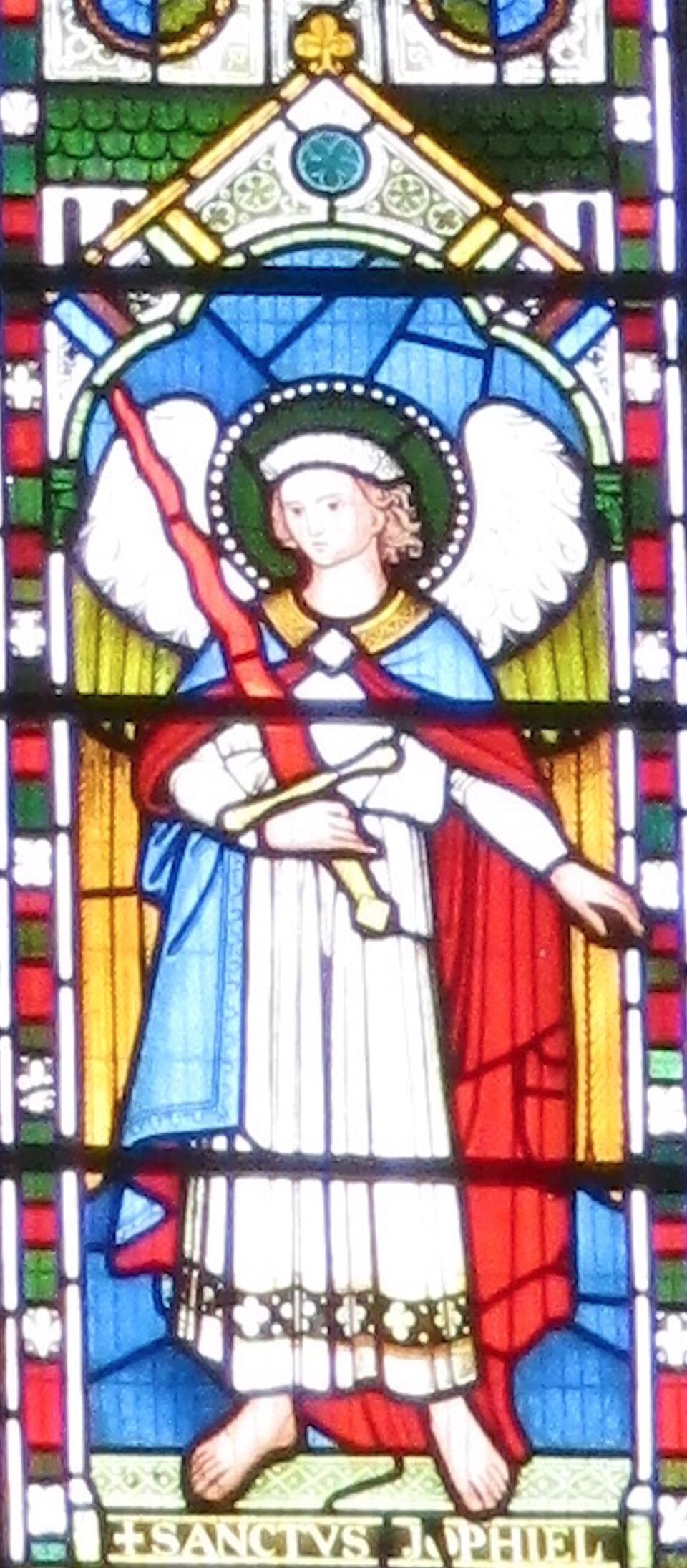
Named in later Christian devotion rather than in scripture — traditionally the angel with the flaming sword at the gate of Eden.
Single lineage
Not in scripture, not in 1 Enoch, and not among the three names Rome left standing in 745 — he arrives through medieval and later devotion, where he is given the flaming sword at the gate of Eden and, in some traditions, the office of teacher. The corpus keeps him because the pattern is the point: an angel with no textual foundation acquires a face, a colour, a virtue and a feast through use, and by the nineteenth century appears in lists beside Michael as though the two had the same standing. Which of these names are ancient and which are recent is exactly what a compendium is for.
Identity
Where does the name come from?
Where it was actually worshipped
None. Named in later angelologies and given no feast, no dedication and no site.
A figure with temples and a figure that only ever existed on a page are different kinds of thing, and the difference is easy to lose once both are entries in a list.
At a glance
Vitals
Vitals
Also known as
- First attested
- Patristic & Medieval Angelology · 6th-13th c.
- Rank
- Archangel
- Order
- Later Christian tradition
- Base of operations
- None. Named in later angelologies and given no feast, no dedication and no site.
- Era
- c. 1270 CE
- Traditions
- Christian
Traits
- Domain
- Wisdom, beauty, the expulsion from Eden
Stats
3 attributed
What is it said to do?
Where these powers cluster
The 3 offices attributed to Jophiel, grouped by kind. Segment width is the share of powers falling in each category.
A bar dominated by one colour means a specialist; an even spread means a figure the sources credit with almost anything.
- knowledge1
- martial2
1 texts
Which texts say so?
Appears in medieval and later devotional lists; not among the three names Rome approved in 745.
Connections
What is it connected to?
No relationship to another figure in this corpus is recorded in the texts cited above. Where an edge exists here it is because a source states it, so an empty section means the sources are silent rather than that the connection is unknown.
Answered from the sources
Common questions
Which texts mention Jophiel?
What rank is Jophiel?
How else is Jophiel spelled?
What is Jophiel said to do?
How old is Jophiel?
Nearest in the corpus
If Jophiel is what you came for, these are next
Chosen by proximity rather than by popularity: the same pantheon first, then the same rank, then the same kind of figure.
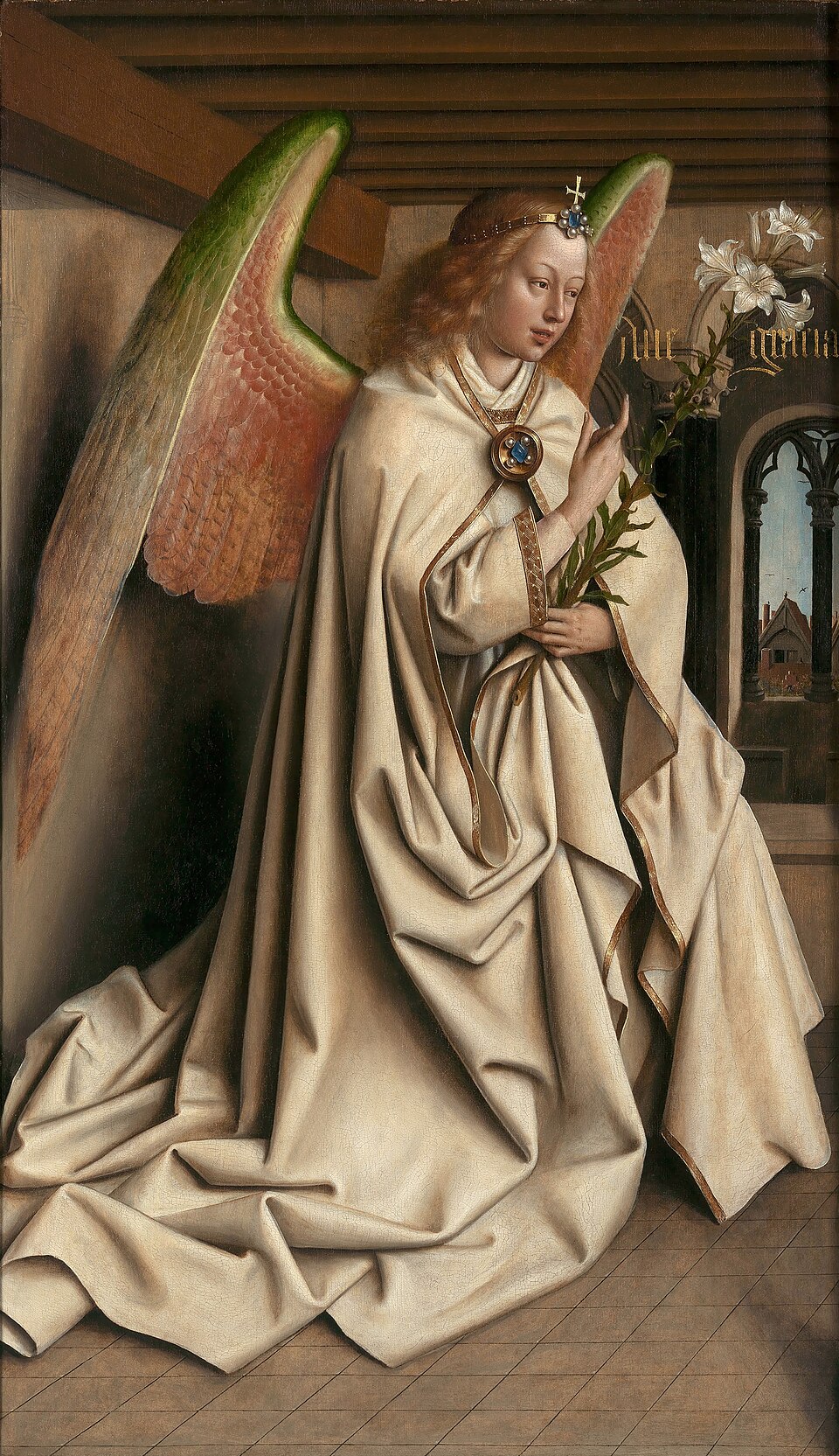
Gabriel
Archangel · Archangels / Chief Princes
The messenger. The angel who explains Daniel's visions, announces two births in Luke, and in Islam delivers the entire Qur'an.
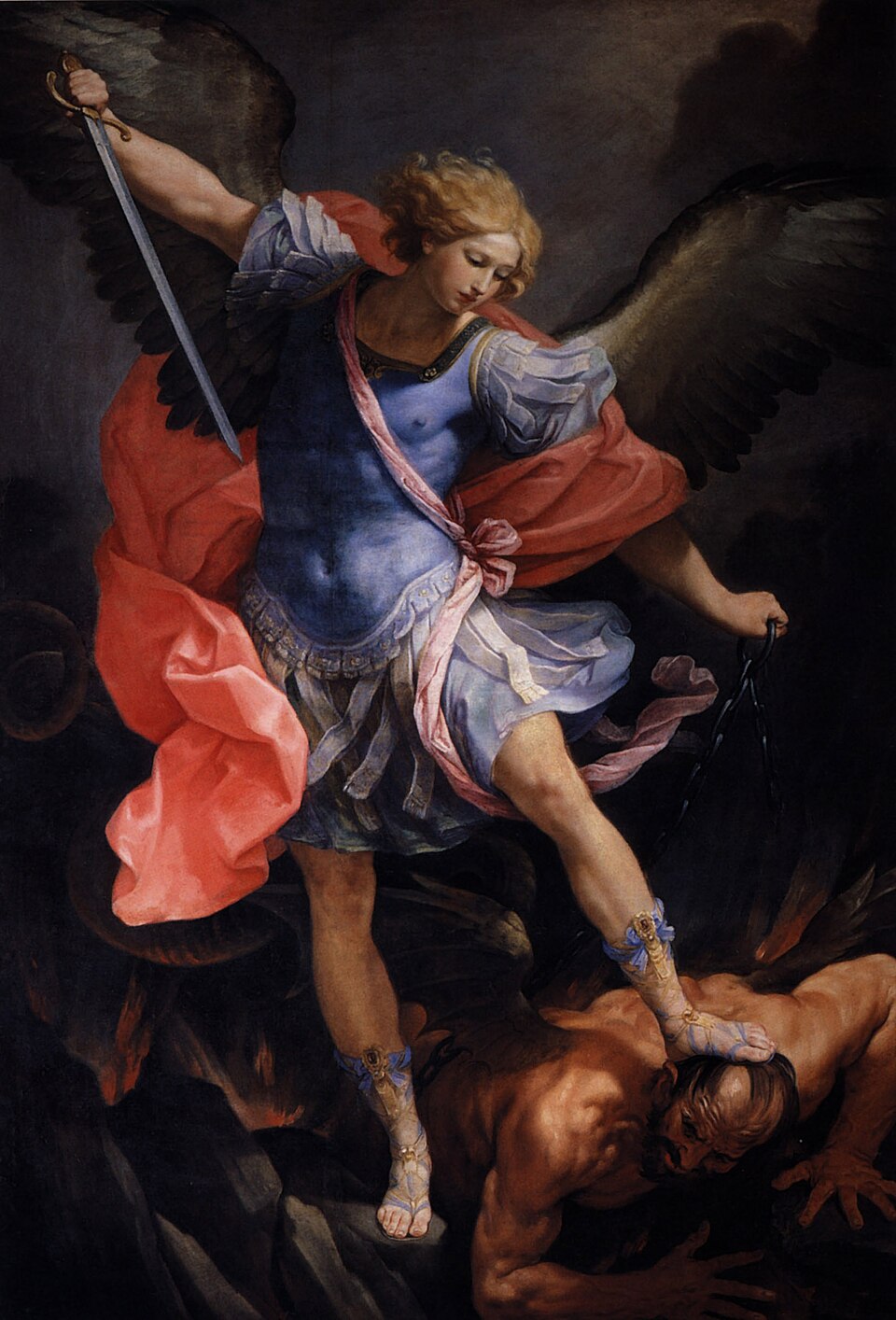
Michael
Archangel · Archangels / Chief Princes
The warring archangel: prince of Israel in Daniel, captain of the host in Revelation, and the only angel the New Testament calls an archangel outright.
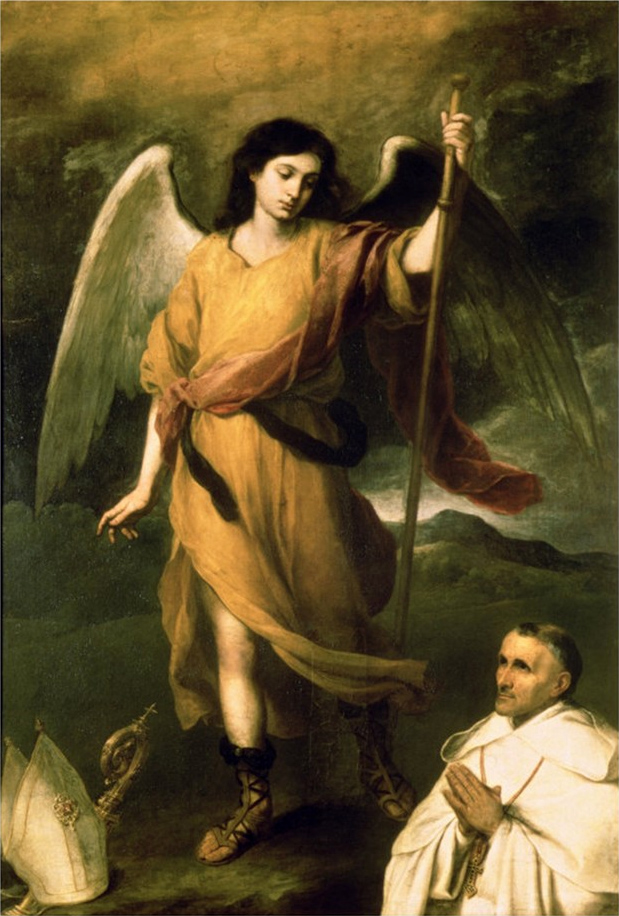
Raphael
Archangel · Archangels / Chief Princes
The healer, whose name means 'God heals'. He spends the Book of Tobit disguised as a human travelling companion, which makes it the longest sustained portrait of an angel anywhere in the biblical corpus.
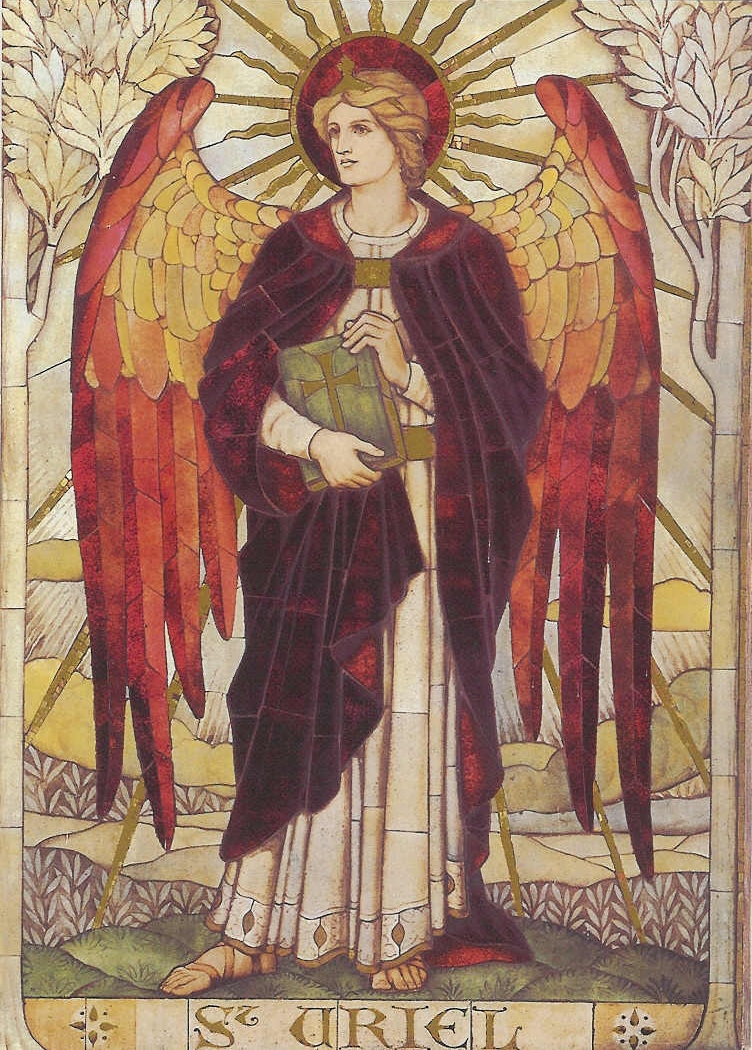
Uriel
Archangel · Archangels / Chief Princes
'Fire of God' — the archangel of the fourth seat, never named in the canonical Bible, and formally struck from the approved list by a Roman synod in 745.
Raguel
Archangel · Archangels / Chief Princes
The archangel who takes vengeance on the world of the lights — and one of those condemned by name at the Roman synod of 745.
Remiel
Archangel · Archangels / Chief Princes
Set over those who rise — the archangel of the resurrection and of true visions.
The book behind Jophiel
Every claim on this profile is attributed to one of these. It is public domain, listed oldest first, and each links to a full text where one is freely available.
Patristic & Medieval Angelology
Gregory the Great, Aquinas, and others · 6th-13th c. · Latin
Read Patristic & Medieval Angelology in full ↗
Corpus last revised 29 August 2026. A reference site’s credibility rests on being maintained, so this is the date the sourced records last changed — not the date the page was rebuilt.