Demonic · Deliverance tradition · c. 80 CE
The Spirit of Antichrist
Defined in the epistle by one specific test — denying that Christ came in the flesh — and stretched considerably since by deliverance teaching.
Narrow source base
1 John gives the term a precise content: every spirit that does not confess that Jesus Christ has come in the flesh is not of God, 'and this is that spirit of antichrist, whereof ye have heard that it should come; and even now already is it in the world'. The test is doctrinal and specific, aimed at a docetic teaching circulating in the writer's own community.
In later usage the term travelled a long way from that, attaching to political figures, institutions and whole cultural movements. What the epistle describes is a teaching about the incarnation, present already, inside the community — not a future world ruler, which is a separate strand assembled from Daniel, 2 Thessalonians and Revelation.
Identity
Where does the name come from?
Where it was actually worshipped
None. A category in modern deliverance teaching rather than a figure anyone has ever worshipped — these are diagnoses of a condition, and a diagnosis has no address.
A figure with temples and a figure that only ever existed on a page are different kinds of thing, and the difference is easy to lose once both are entries in a list.
At a glance
Vitals
Vitals
- First attested
- New Testament · c. 50–110 CE
- Named there as
- The spirit of antichrist
- Rank
- Named Spirit
- Order
- Deliverance tradition
- Base of operations
- None. A category in modern deliverance teaching rather than a figure anyone has ever worshipped — these are diagnoses of a condition, and a diagnosis has no address.
- Era
- c. 80 CE
- Traditions
- Christian, Deliverance & Spiritual Warfare
Traits
- Domain
- Denial of the incarnation, counterfeit within the church
- How firm the basis is
- Strong as a phrase, and narrower than its popular use
- Textual basis
- 1 John 4:3
Stats
2 attributed
What is it said to do?
Where these powers cluster
The 2 offices attributed to The Spirit of Antichrist, grouped by kind. Segment width is the share of powers falling in each category.
A bar dominated by one colour means a specialist; an even spread means a figure the sources credit with almost anything.
- social1
- malefic1
2 claims
What is it blamed for?
Harms attributed to this figure by a named text. An attribution is not a diagnosis, and where a claim carries a grading it is about how well it rests on the passage it cites.
Counterfeit Teaching
c. 50–110 CENamed by a single test — the denial that Christ has come in the flesh — and said to be already in the world.
Counterfeit Teaching
1989-1996Extended to cultural and political opposition to the church, well beyond the christological test the letter gives.
Grading · Strong as a phrase, and considerably narrower in the text than in its popular use.
1 texts
Which texts say so?
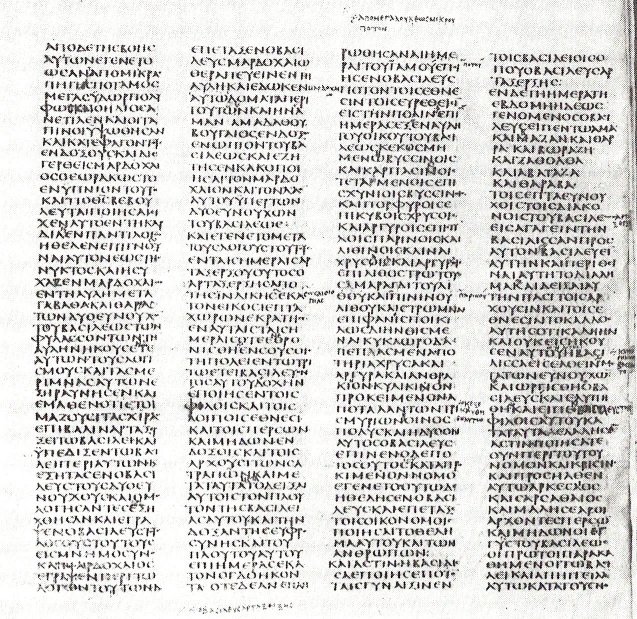
Identified by refusal to confess that Jesus Christ is come in the flesh; described as already in the world at the time of writing.
“Every spirit that confesseth not that Jesus Christ is come in the flesh is not of God.”
Connections
What is it connected to?
No relationship to another figure in this corpus is recorded in the texts cited above. Where an edge exists here it is because a source states it, so an empty section means the sources are silent rather than that the connection is unknown.
Answered from the sources
Common questions
Which texts mention The Spirit of Antichrist?
What rank is The Spirit of Antichrist?
What is The Spirit of Antichrist said to do?
How old is The Spirit of Antichrist?
Nearest in the corpus
If The Spirit of Antichrist is what you came for, these are next
Chosen by proximity rather than by popularity: the same pantheon first, then the same rank, then the same kind of figure.
The Korah Spirit
Named Spirit · Deliverance tradition
Deliverance teaching names this spirit for the Levite who told Moses the whole congregation was holy, so why did he exalt himself — and was swallowed by the ground.
The Jezebel Spirit
Named Spirit · Deliverance tradition
The most discussed figure in modern deliverance teaching, and a category rather than a being — built from a queen in Kings and a rival teacher in Revelation.
The Absalom Spirit
Named Spirit · Deliverance tradition
Named in deliverance teaching for the son who stood at the gate, listened sympathetically to everyone with a grievance, and stole the hearts of Israel.
The Ahab Spirit
Named Spirit · Deliverance tradition
The passive half of the pair — named for the king who let his queen act and then took the vineyard she obtained for him.
The Familiar Spirit
Named Spirit · Deliverance tradition
The biblical term for a medium's attending spirit — and at Endor, the one occasion where the practice is depicted as working.
The Leviathan Spirit
Named Spirit · Deliverance tradition
Job's sea-beast read as a spirit of pride, and specifically of the twisting of words between people who are trying to understand each other.
The book behind The Spirit of Antichrist
Every claim on this profile is attributed to one of these. It is public domain, listed oldest first, and each links to a full text where one is freely available.
New Testament
Various · c. 50–110 CE · Koine Greek
Read New Testament in full ↗Cover: Public domain · Wikimedia file page
Corpus last revised 29 August 2026. A reference site’s credibility rests on being maintained, so this is the date the sourced records last changed — not the date the page was rebuilt.