speech · 2 claims
Counterfeit Teaching
Defined in the epistle by one narrow test, and applied since to almost anything.
1 John gives a specific and testable definition: every spirit that confesses that Jesus Christ has come in the flesh is of God, and every spirit that does not is the spirit of antichrist. The test is about the incarnation and nothing else, and the letter says the thing is already in the world rather than expected later.
Modern usage has widened it considerably, to cover political figures, cultural movements and opponents in doctrinal disputes. The corpus records the widening as a fact about the tradition, and records the original test as what the text actually says.
Oldest first
Who was blamed, and by which text?
Each card is one text making one attribution, in its own framing. Reading down the column is a transmission history rather than a set of independent witnesses — and where a claim carries a grading, that grading is about how well it is grounded in the passage it cites, nothing more.
Named by a single test — the denial that Christ has come in the flesh — and said to be already in the world.
Extended to cultural and political opposition to the church, well beyond the christological test the letter gives.
Grading · Strong as a phrase, and considerably narrower in the text than in its popular use.
Which texts make these claims?
Oldest first. The distance between the earliest and the latest is the thing worth looking at: a claim made in an incantation four thousand years ago and one made in a paperback in 1973 are different kinds of evidence about the same symptom.
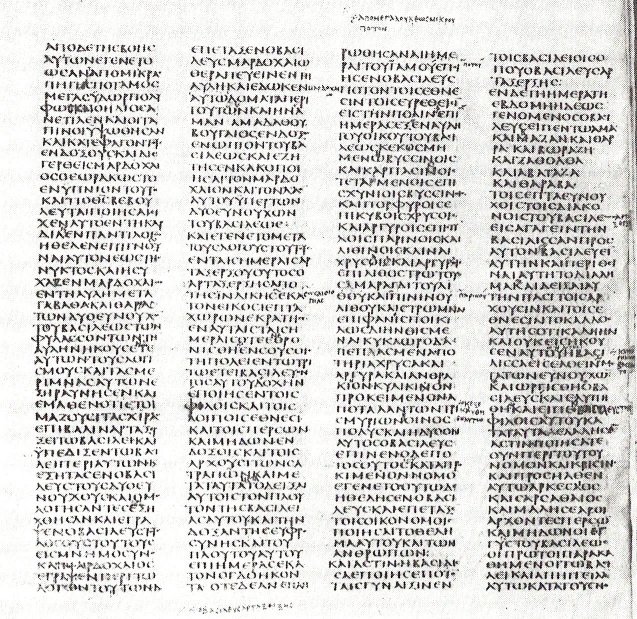
New Testament
Various · c. 50–110 CE · Koine Greek
Named by a single test — the denial that Christ has come in the flesh — and said to be already in the world.
Read New Testament in full ↗Cover: Public domain · Wikimedia file page
Territorial Spirits & Strategic-Level Spiritual Warfare
C. Peter Wagner and the Third Wave writers · 1989-1996 · English
Extended to cultural and political opposition to the church, well beyond the christological test the letter gives.
Read Territorial Spirits & Strategic-Level Spiritual Warfare in full ↗