Mortal · Canaanite · c. 850 BCE
Jezebel
Also called Izevel, Jezabel
A Phoenician princess married to Ahab, who backed Baal and Asherah against the prophets of Israel. Revelation later borrows her name for a rival teacher, and it has been a label rather than a person ever since.
Well sourced
The Jezebel of Kings is a political figure. She is a Sidonian princess married to Ahab as a treaty, she imports her own state cult and endows it heavily, she has Naboth killed on false testimony so the king can take a vineyard he had been refused, and she is thrown from a window at Jehu's order. What the text objects to is specific: foreign worship, judicial murder, and a queen exercising royal power the narrative does not think is hers to exercise.
The long afterlife starts with Revelation 2:20, which rebukes the church at Thyatira for tolerating "that woman Jezebel, which calleth herself a prophetess." That is not the queen — she had been dead for eight centuries. It is her name used as a type, applied to a contemporary the writer disapproves of. Once a name works that way it can be attached to anyone, and it duly was: to Athaliah, to medieval queens their chroniclers disliked, and from the twentieth century onward to a supposed spirit of the same name in devotional writing that has no basis in either text.
She is recorded here as the compendium records Lilith and the Watchers: what the sources actually say, and then, separately and with dates, what later readers made of it.
Identity
Where does the name come from?
What the name means
Hebrew *Izevel*. Probably Phoenician for 'where is the prince?' — a ritual cry in the Baal cycle — with the Hebrew form possibly reshaped to suggest *zevel*, 'dung', matching how her death is described.
Where it was actually worshipped
Samaria and Jezreel, where she maintained the prophets of Baal and Asherah.
A figure with temples and a figure that only ever existed on a page are different kinds of thing, and the difference is easy to lose once both are entries in a list.
At a glance
Vitals
Vitals
Also known as
- First attested
- Hebrew Bible & Deuterocanon · c. 900–100 BCE
- Rank
- Queen of Israel
- Pantheon
- Canaanite
- Order
- Historical figures
- Base of operations
- Samaria and Jezreel, where she maintained the prophets of Baal and Asherah.
- Era
- c. 850 BCE
- Traditions
- Christian, Jewish, Canaanite & Ugaritic
- Placed in
- The Deliverance Taxonomy
Traits
- Category
- A human being, not a spirit, in every text that names her
- Married to
- Ahab, king of Israel
- Domain
- Royal power, foreign cult, patronage of the prophets of Baal
- Traditional form
- A queen at a window, painted and adorned
- Origin
- Sidon — daughter of Ethbaal, king of the Sidonians
Stats
Known connections
Chain of command
Identified with
1 site
Where was it worshipped?
Attested cult sites, located against the Pleiades gazetteer of the ancient world where it reaches and against Wikidata everywhere else. An absence here is not evidence that no cult existed: a good number of figures never had one, and the entry above says so where that is the case.
now Sebastiya
Where Jezebel maintained the prophets of Baal and Asherah.
32.276, 35.190 · Pleiades 678370
4 attributed
What is it said to do?
Where these powers cluster
The 4 offices attributed to Jezebel, grouped by kind. Segment width is the share of powers falling in each category.
A bar dominated by one colour means a specialist; an even spread means a figure the sources credit with almost anything.
- social2
- martial1
- malefic1
social
- Sows DiscordNew Testament
- Grants Favour & DignityHebrew Bible & Deuterocanon
Endows the prophets of Baal and Asherah at the royal table.
martial
- Executes JudgmentHebrew Bible & Deuterocanon
Orders the killing of the prophets of the LORD.
malefic
- Deceives & TemptsHebrew Bible & Deuterocanon
Procures Naboth's death by suborning false witnesses.
2 texts
Which texts say so, and where do they disagree?
When these texts were written
Each dot is one of the 2 texts that names Jezebel, placed at that text's approximate date.
A wide spread means the figure was carried across many centuries and traditions; a tight cluster means a single period produced the whole record.
2 texts spanning roughly 480 years
Where the texts differ
- Rank: given as Daughter of Ethbaal, wife of Ahab; A name used as a type
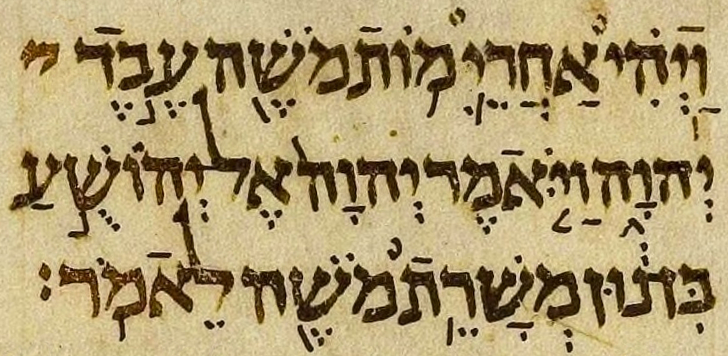
Brings the cult of Baal and Asherah into Israel and maintains its prophets; kills the prophets of the LORD; has Naboth stoned on false testimony to obtain his vineyard; threatens Elijah; is thrown from a window and killed at Jehu's command.
“And he took to wife Jezebel the daughter of Ethbaal king of the Zidonians.”
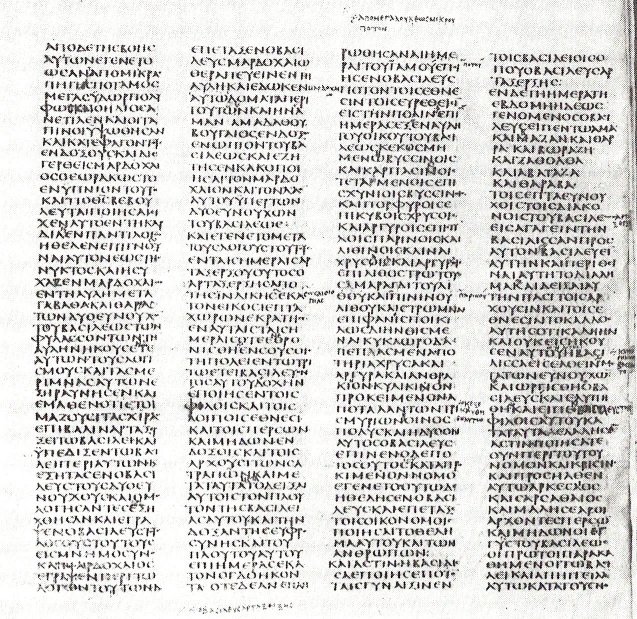
Revelation rebukes the church at Thyatira for tolerating a teacher it calls Jezebel. The queen had been dead some eight centuries; the name is being used as a label for a contemporary, which is the point at which it stops being a person.
“Thou sufferest that woman Jezebel, which calleth herself a prophetess.”
Connections
What is it connected to?

Identified with Lilith
Both are women whose names became categories applied to other women.
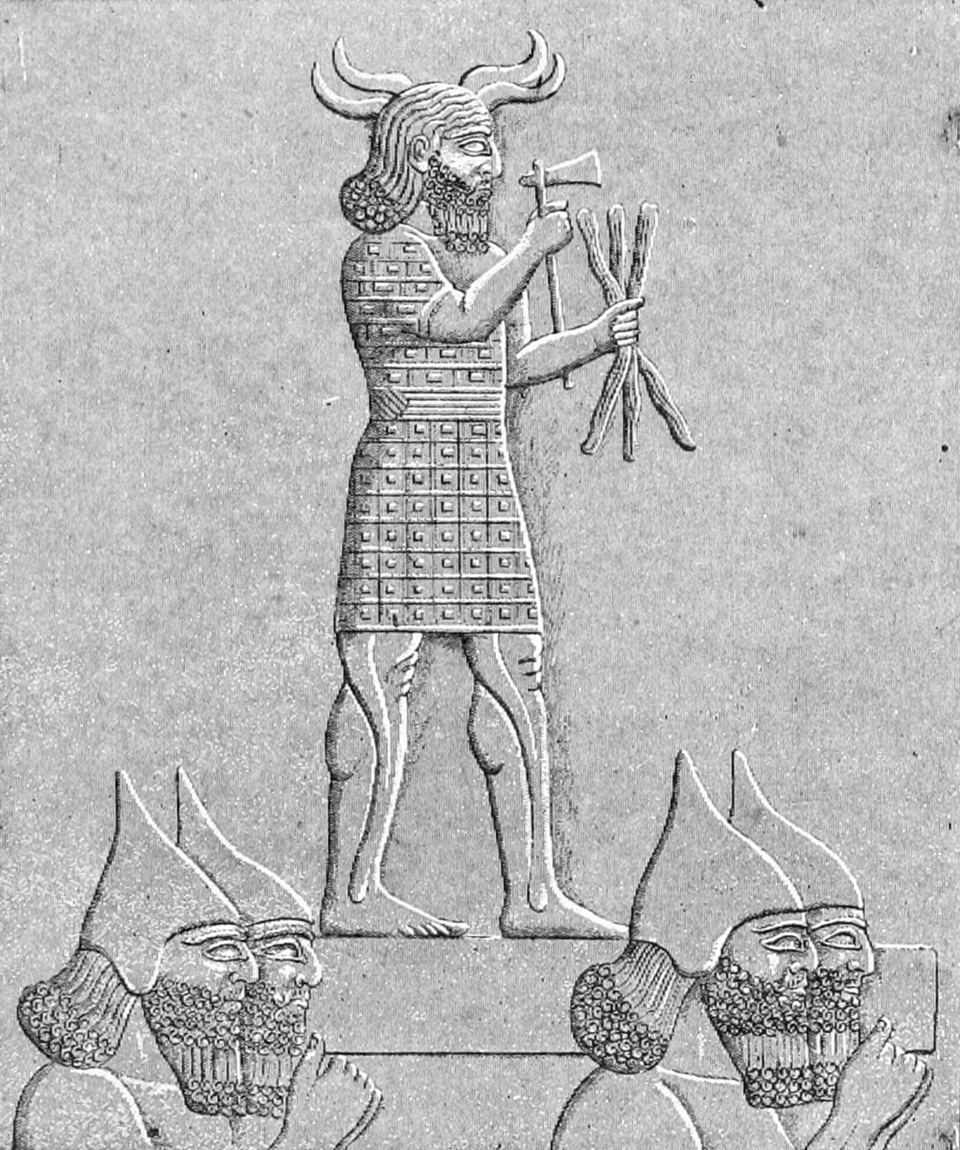
Serves Baal Hadad
Maintains the prophets of Baal at the royal table.
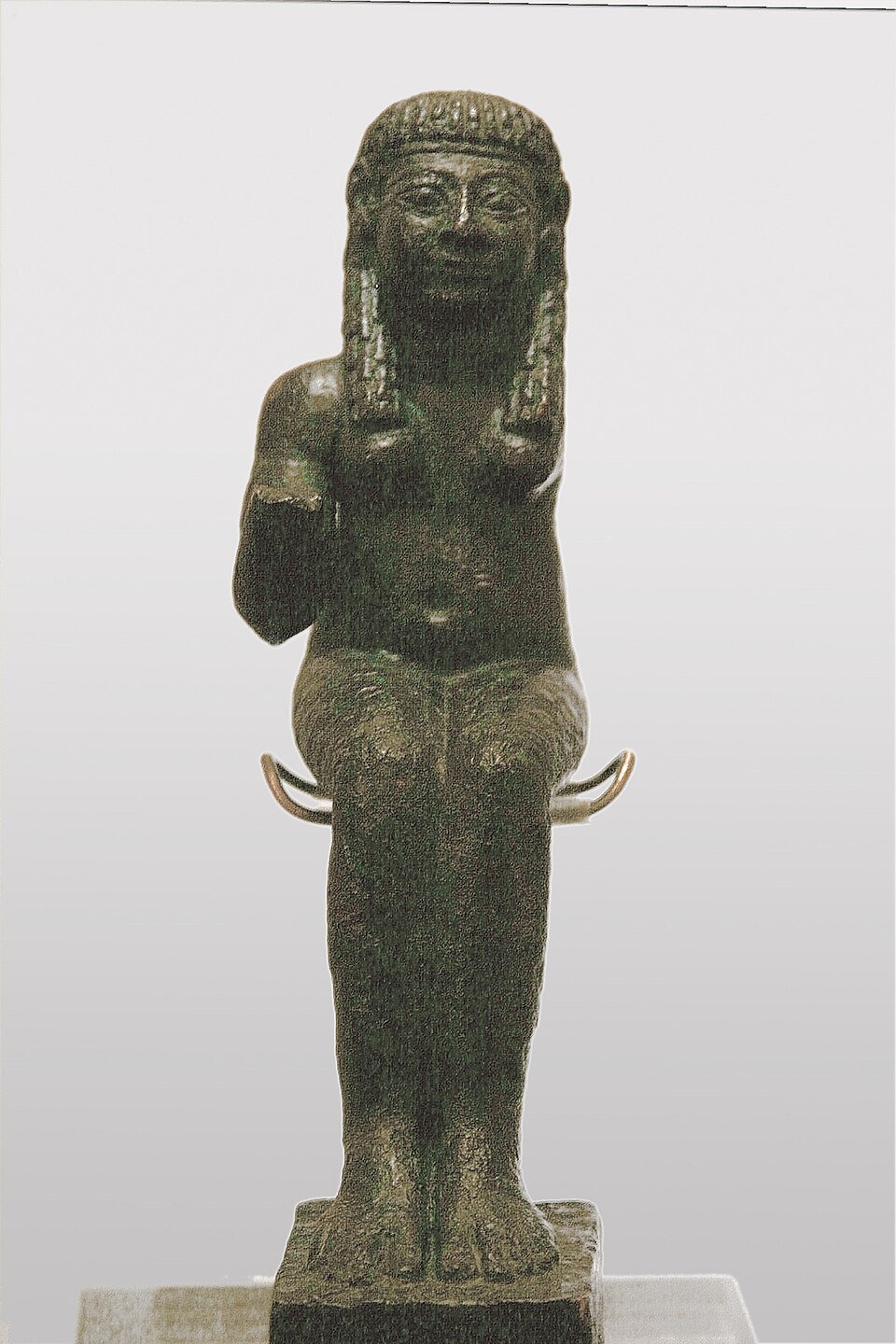
Serves Astarte
The Asherah her prophets serve is of the same West Semitic goddess complex.
Ancestor of The Jezebel Spirit
The category is built from the queen of 1 Kings by way of the label in Revelation 2:20.
Placement
Where does it sit in the hierarchies?
Afterwards
What did later readers make of it?
Her name became a common noun for a painted or scheming woman, largely through the detail that she put on eye paint before meeting Jehu — a queen dressing for a confrontation, read by later moralists as vanity. From the twentieth century some devotional writing has spoken of a 'Jezebel spirit'; that usage is modern and has no basis in Kings or in Revelation, both of which describe a woman and a rival teacher respectively rather than a spirit.
Kept in its own section on purpose. Everything above is what the cited texts say; this is what was built on top of them afterwards, and blending the two is how most popular demonology goes wrong.
Answered from the sources
Common questions
Which texts mention Jezebel?
Is Jezebel the same as Lilith?
What rank is Jezebel?
How else is Jezebel spelled?
What is Jezebel said to do?
How old is Jezebel?
Nearest in the corpus
If Jezebel is what you came for, these are next
Chosen by proximity rather than by popularity: the same pantheon first, then the same rank, then the same kind of figure.
Anat
Warrior Goddess · Canaanite
Baal's sister and avenger. She grinds Death himself to pieces and sows him in a field, which makes her the most violent figure in the Ugaritic corpus.
Astarte
Goddess of Love and War · Canaanite
The West Semitic goddess of love and war, cognate with Ishtar — and the direct ancestor of the Goetic duke Astaroth, who kept the name and lost the gender.
Baal Hadad
Storm God · Canaanite
The Canaanite storm and fertility god who defeats Sea and Death — and whose title, *baal* ('lord'), the Hebrew Bible turns into a generic term for false gods.
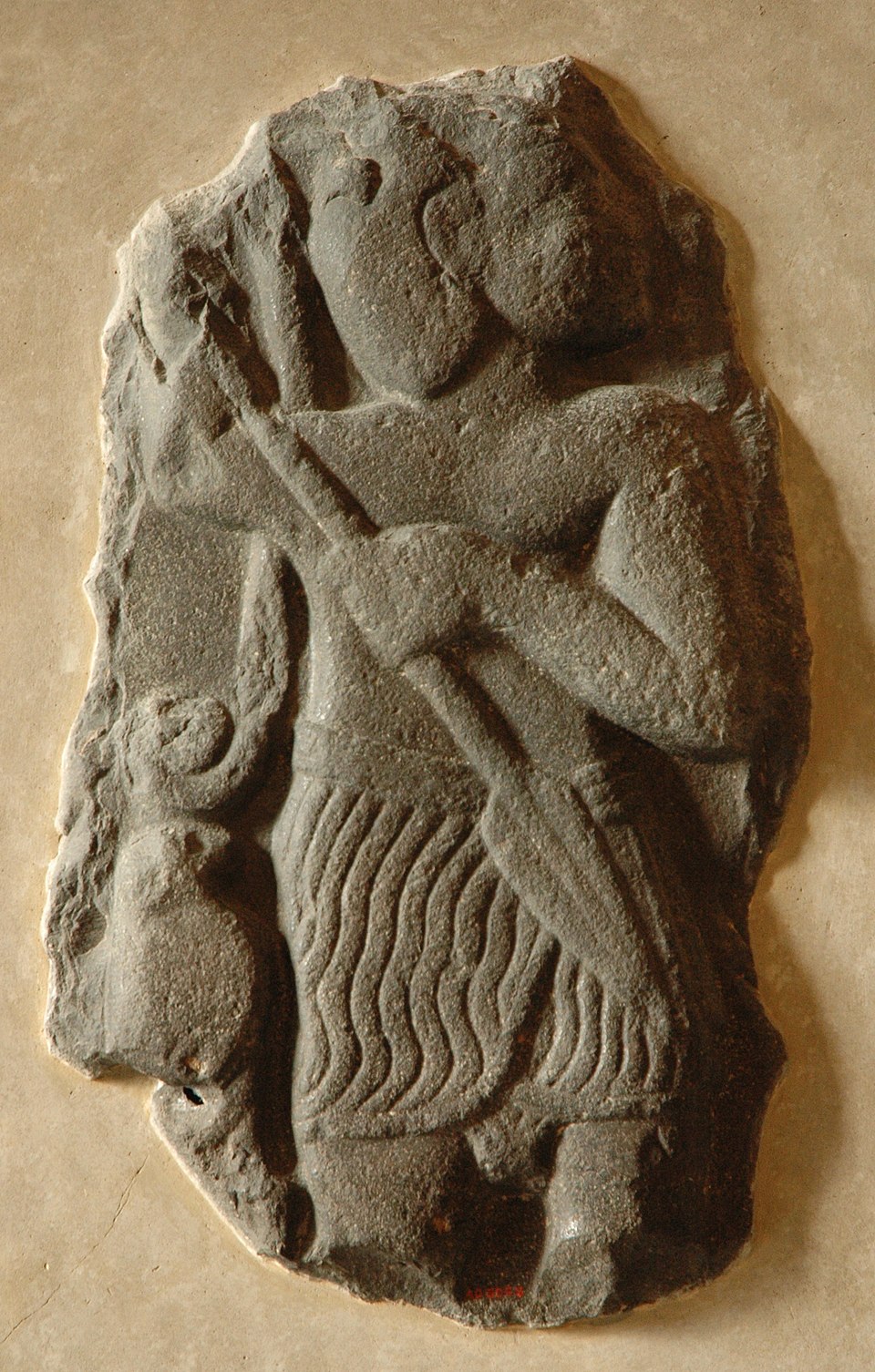
Chemosh
God of Moab · Canaanite
National god of Moab, known from the Bible and from the Mesha Stele — where a Moabite king describes his own history in language almost identical to Israel's.
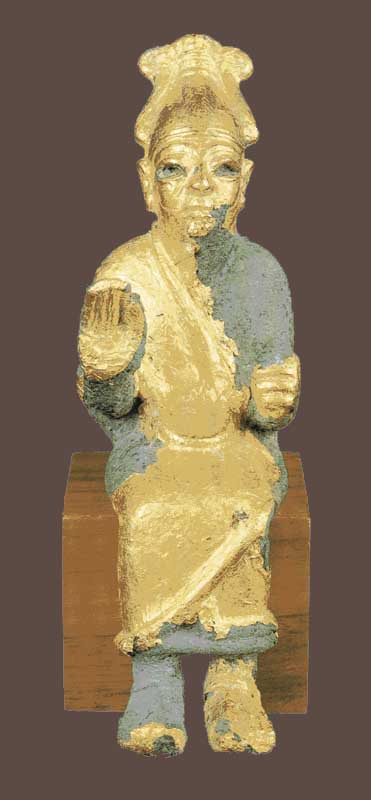
El
Father of the Gods · Canaanite
The aged high god who presides over the assembly at Ugarit — and whose name is one of the Hebrew Bible's own words for God.
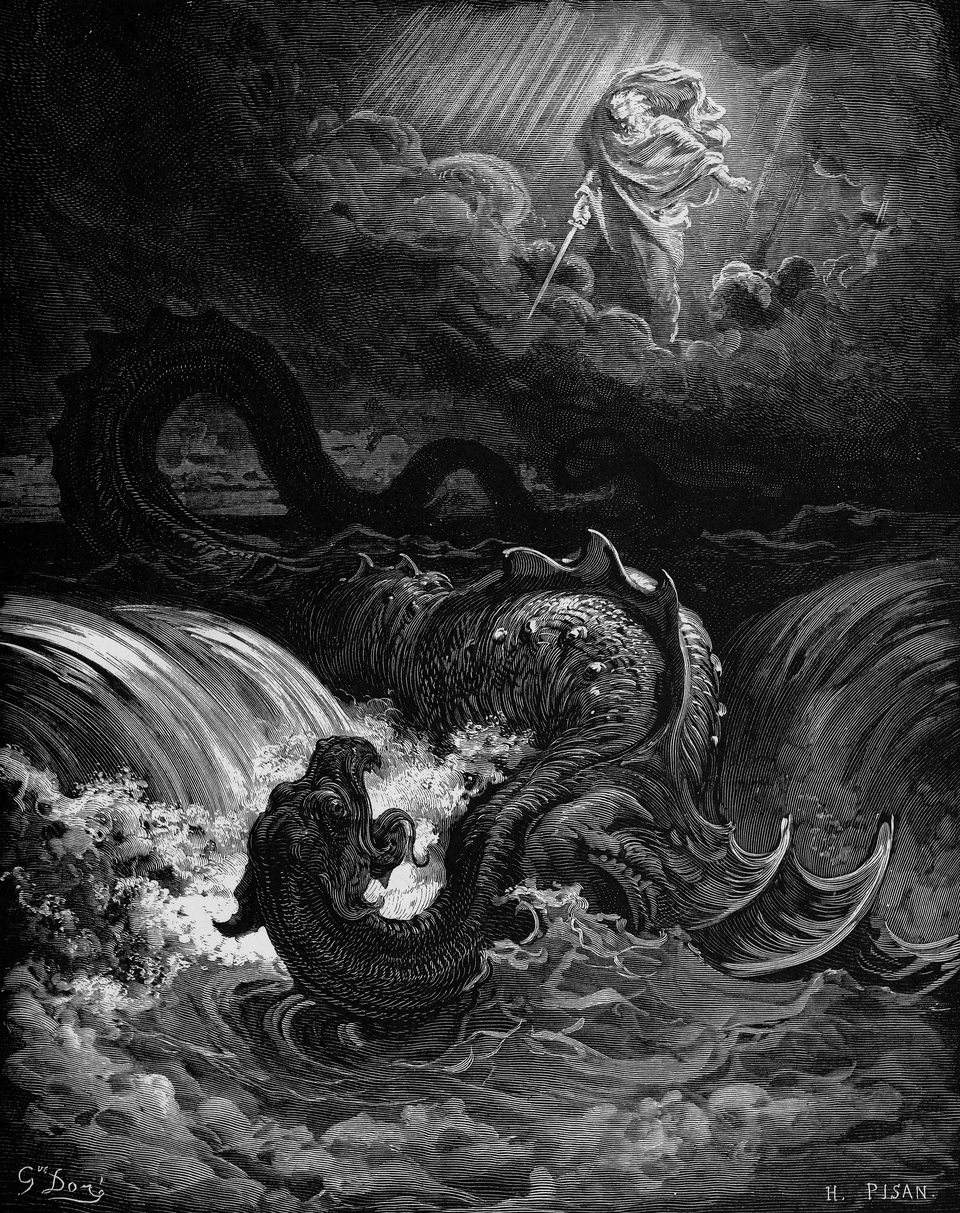
Lotan
Chaos Serpent · Canaanite
The seven-headed sea-serpent slain in the Baal Cycle, described in language Isaiah reuses almost verbatim for Leviathan.
The books behind Jezebel
Every claim on this profile is attributed to one of these. They are public domain, listed oldest first, and each links to a full text where one is freely available.
Hebrew Bible & Deuterocanon
Various · c. 900–100 BCE · Hebrew, Aramaic, Greek
Read Hebrew Bible & Deuterocanon in full ↗Cover: Public domain · see en:Aleppo Codex; scanned by · Wikimedia file page
New Testament
Various · c. 50–110 CE · Koine Greek
Read New Testament in full ↗Cover: Public domain · Wikimedia file page
Corpus last revised 29 August 2026. A reference site’s credibility rests on being maintained, so this is the date the sourced records last changed — not the date the page was rebuilt.