Christian · English · 1913

The Catholic Encyclopedia (1913)
Various; ed. Charles Herbermann
The scholastic consensus set down just before the modern period, and candid about what is doctrine, what is pious opinion and what the Church has never defined.
Read The Catholic Encyclopedia (1913) in full at the linked edition →What this text attests · 11



What does it actually say?
The passages themselves, as this text gives them. Read them against what the other texts here say about the same figures — that comparison is the point.
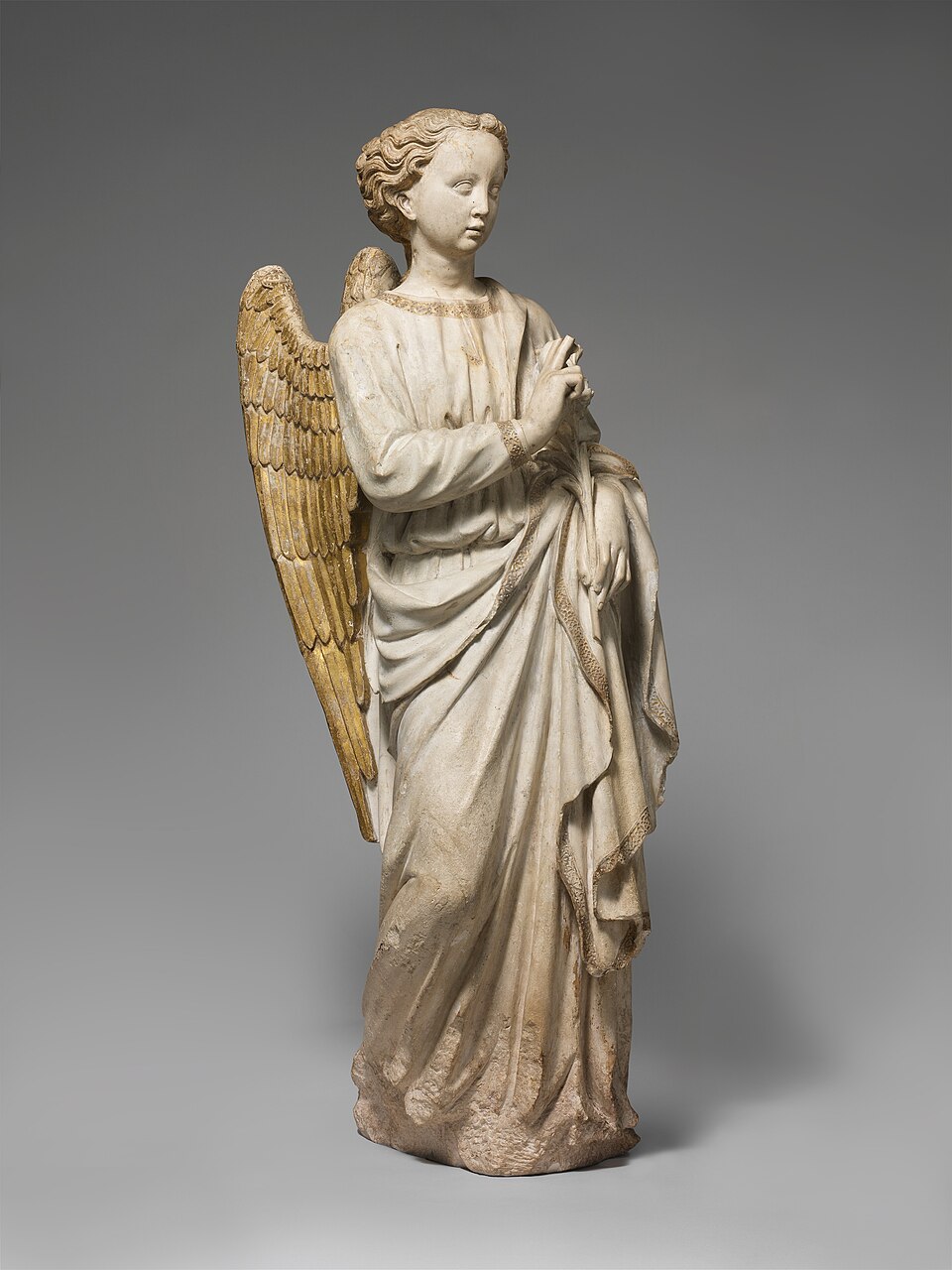
“Angel (Latin angelus; Greek ἀγγελος, Hebrew, םלאך, from the root: לאך, means "one going" or "one sent": messenger).”
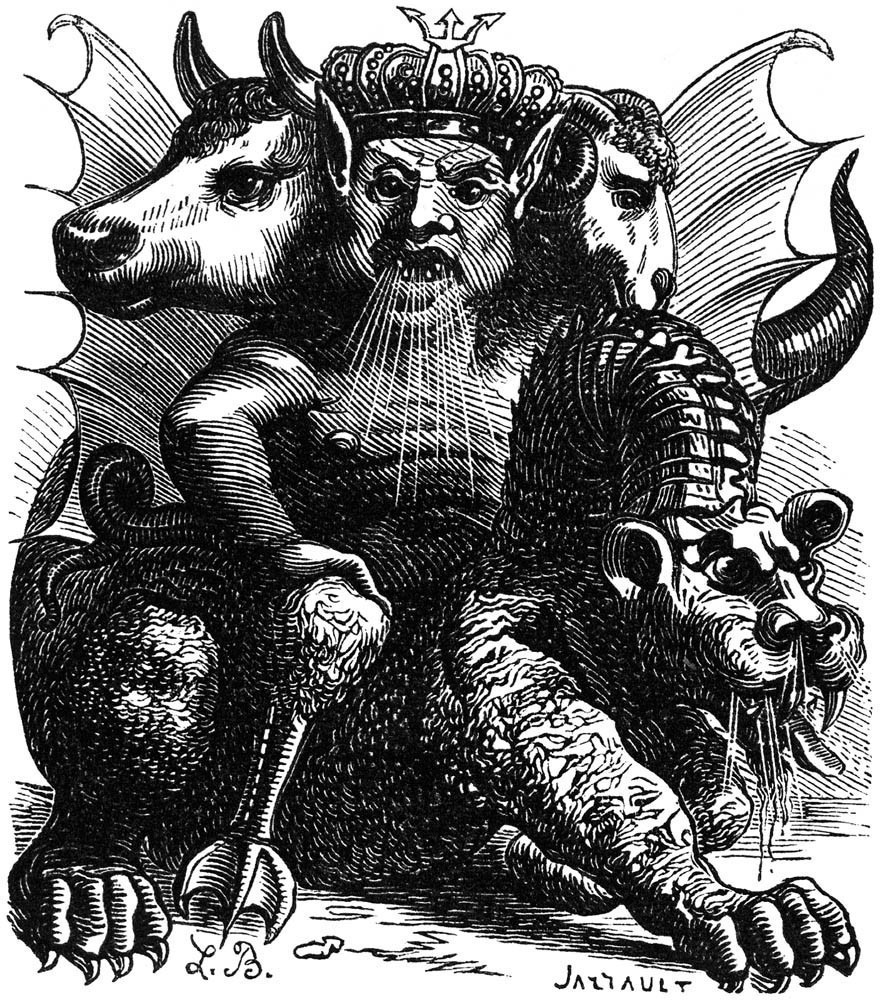
“The name of the demon mentioned in the Book of Tobias (iii, 8).”
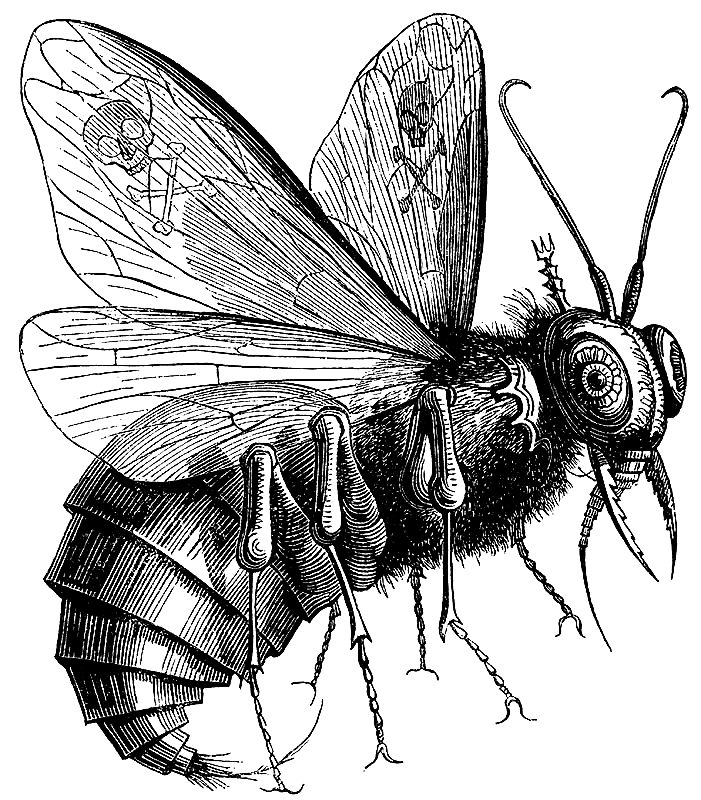
“Beelzebub, or Baalzebûb, the Philistine god of Accaron (Ekron), scarcely 25 miles west of Jerusalem, whose oracle King Ochozias (Ahaziah) attempted to consult in his last illness, IV (II) Kings, i, 2.”
“Found frequently as a personal name in the Vulgate and various English translations of the Bible, is commonly used as a synonym of Satan, or the personification of evil.”
“A Philistine deity. It is commonly admitted that the name Dagon is a diminutive form, hence a term of endearment, derived from the Semitic root dag, and means, accordingly, "little fish".”
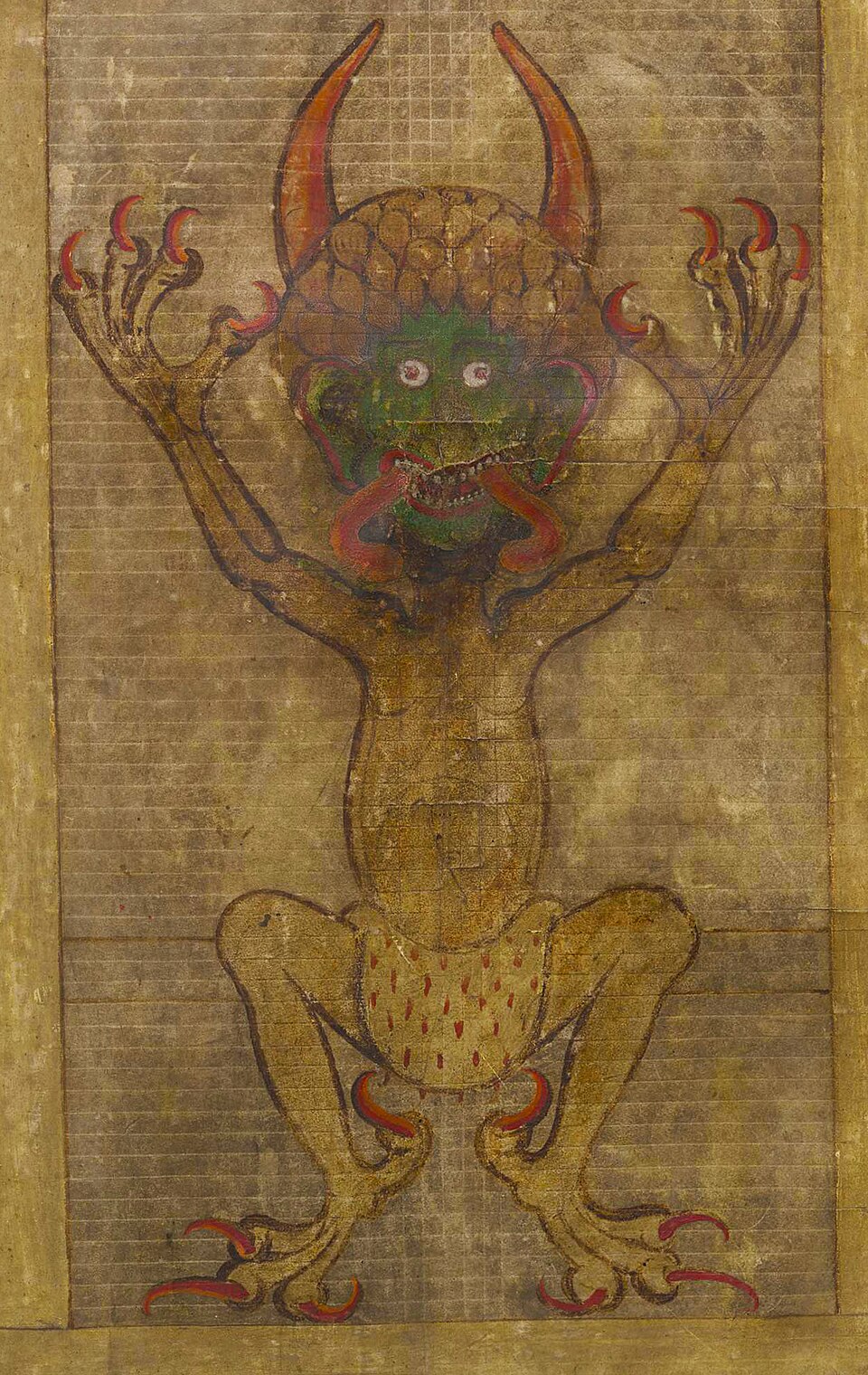
“The name commonly given to the fallen angels, who are also known as demons (see DEMONOLOGY).”
“Gabriel, "Fortitudo Dei", one of the three archangels mentioned in the Bible. Only four appearances of Gabriel are recorded: (a) In Dan.”
“The name Lucifer originally denotes the planet Venus, emphasizing its brilliance. The Vulgate employs the word also for "the light of the morning" (Job 11:17), "the signs of the zodiac" (Job 38:32), and "the aurora" (Psalm 109:3).”
“A divinity worshipped by the idolatrous Israelites. The Hebrew pointing Molech does not represent the original pronunciation of the name, any more than the Greek vocalization Moloch found in the LXX and in the Acts (vii, 43).”
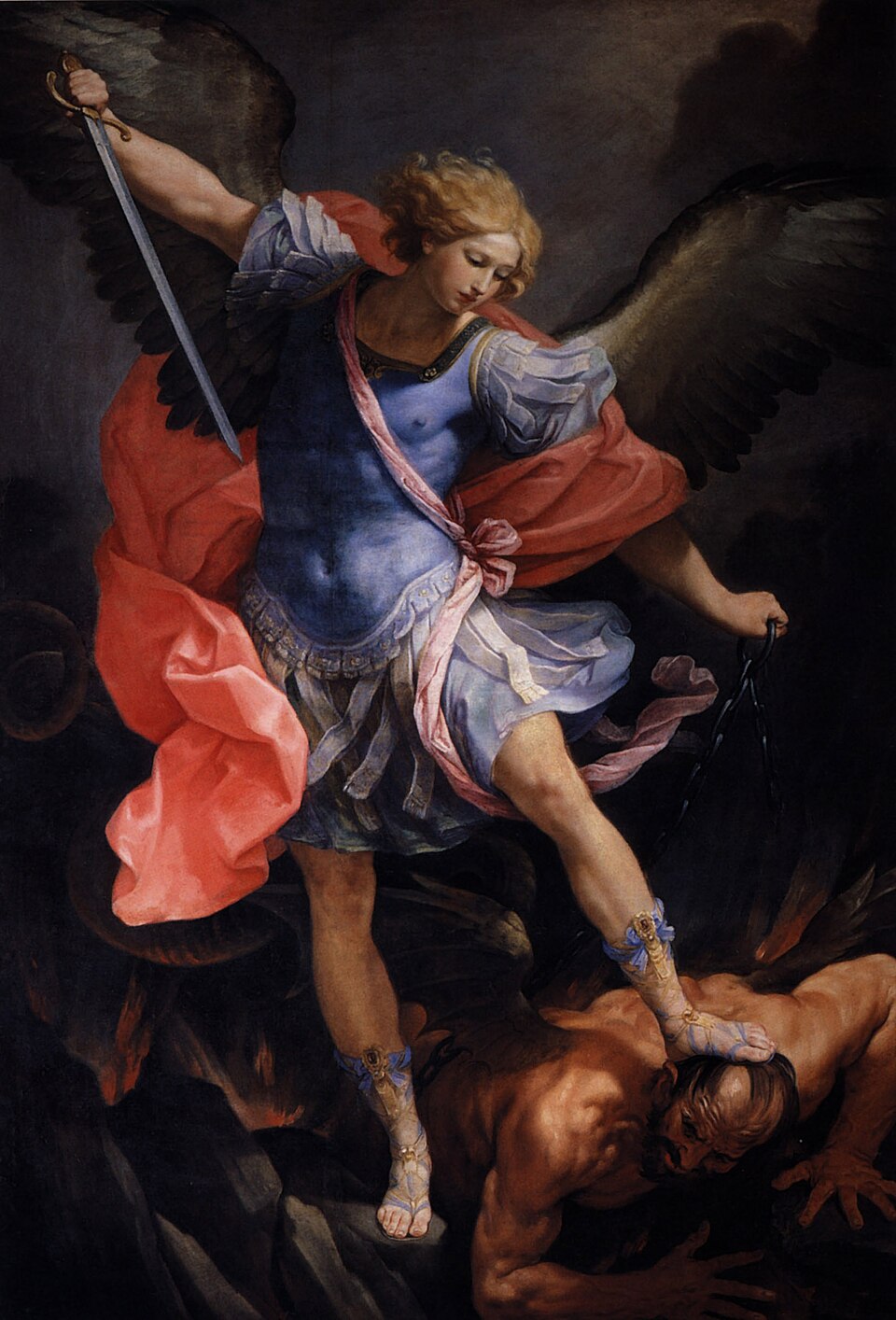
“St. Michael is one of the principal angels; his name was the war-cry of the good angels in the battle fought in heaven against the enemy and his followers.”
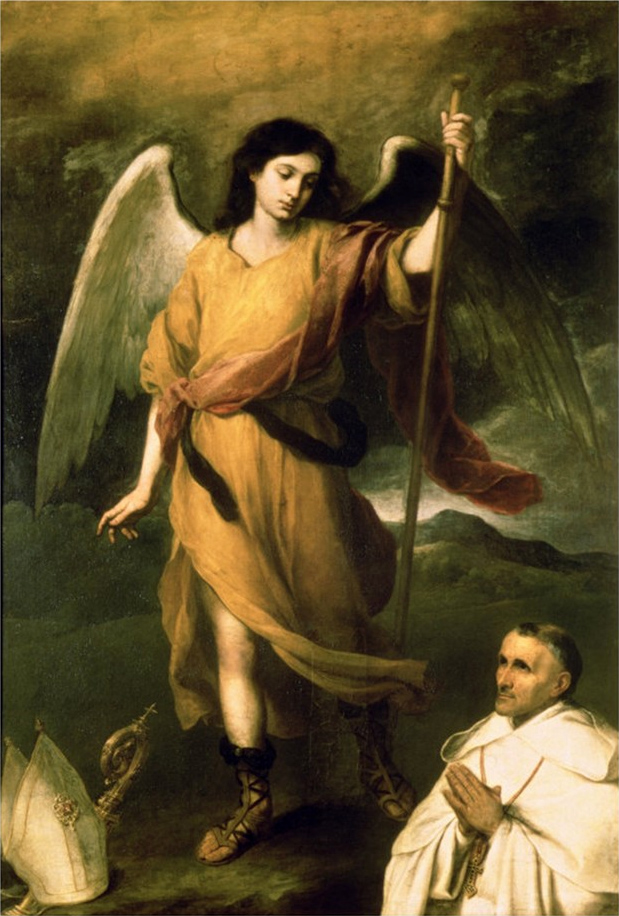
“The name of this archangel (Raphael = "God has healed") does not appear in the Hebrew Scriptures, and in the Septuagint only in the Book of Tobias.”