Hybrid · c. 600 BCE
The Nephilim
Also called The fallen ones
The offspring of the sons of God and the daughters of men, given two verses in Genesis and a full history in 1 Enoch — the corpus's clearest case of a silence in scripture being filled in elsewhere.
Deep source base
Genesis 6:4 is four clauses long and is the entire canonical account: the Nephilim were on the earth in those days, and also afterward, when the sons of God came in to the daughters of men and they bore children to them; these were the mighty men of old, men of renown. It does not say they were giants, does not say they caused the flood, and leaves the word itself unexplained.
1 Enoch supplies everything the reader wants and Genesis withholds. There the Watchers descend, take wives, teach metalwork and cosmetics and sorcery, and father giants who consume the produce of men and then men themselves. The Watchers are named and bound; the giants are destroyed. That is the account most people have in mind when they read Genesis 6, and it is not in Genesis.
They are filed as hybrid because parentage is what the text is actually about. Their size, which is what the name now conjures, appears only in a second passage and only inside somebody else's report.
Identity
Where does the name come from?
What the name means
Hebrew *nephilim*, and the popular gloss claims more than the lexicons will support. Klein's etymological dictionary (1987) files the singular *naphil* as of uncertain origin and offers two possibilities without choosing between them: a derivative of *naphal*, to fall, or a relation of *nephel*, a miscarriage. The fallen ones is therefore one of two hedged guesses rather than the meaning of the word, and the second points somewhere quite different — not angels who fell, but births that did not hold.
At a glance
Vitals
Vitals
Also known as
- First attested
- Hebrew Bible & Deuterocanon · c. 900–100 BCE
- Named there as
- Nephilim
- Rank
- Offspring of the Sons of God
- Era
- c. 600 BCE
- Traditions
- Christian, Jewish, Enochian
Stats
Known connections
Identified with
2 attributed
What is it said to do?
Where these powers cluster
The 2 offices attributed to The Nephilim, grouped by kind. Segment width is the share of powers falling in each category.
A bar dominated by one colour means a specialist; an even spread means a figure the sources credit with almost anything.
- martial1
- malefic1
martial
- Grants Victory in WarHebrew Bible & Deuterocanon
Named as the mighty men of old, men of renown.
malefic
- Burns & Slays1 Enoch (The Book of Enoch)
The giants turn on the men whose labour they had consumed.
3 texts
Which texts say so, and where do they disagree?
When these texts were written
Each dot is one of the 3 texts that names The Nephilim, placed at that text's approximate date.
A wide spread means the figure was carried across many centuries and traditions; a tight cluster means a single period produced the whole record.
3 texts spanning roughly 820 years
Where the texts differ
- Name: given as Nephilim, The giants, the giants
- Rank: given as Mighty men of old, men of renown; Offspring of the Watchers
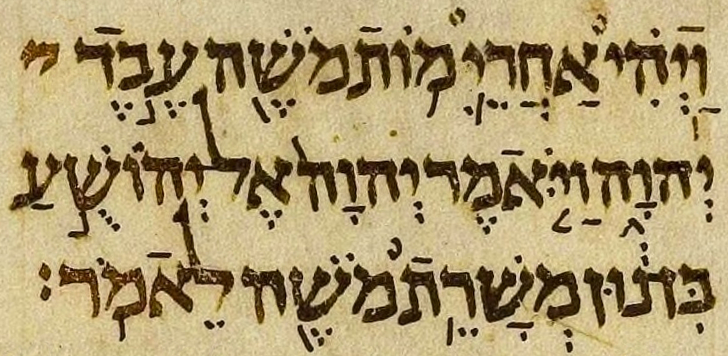
Genesis 6:4 places them on the earth when the sons of God took wives of the daughters of men. Numbers 13:33 has the scouts report seeing them in Canaan and comparing themselves to grasshoppers.
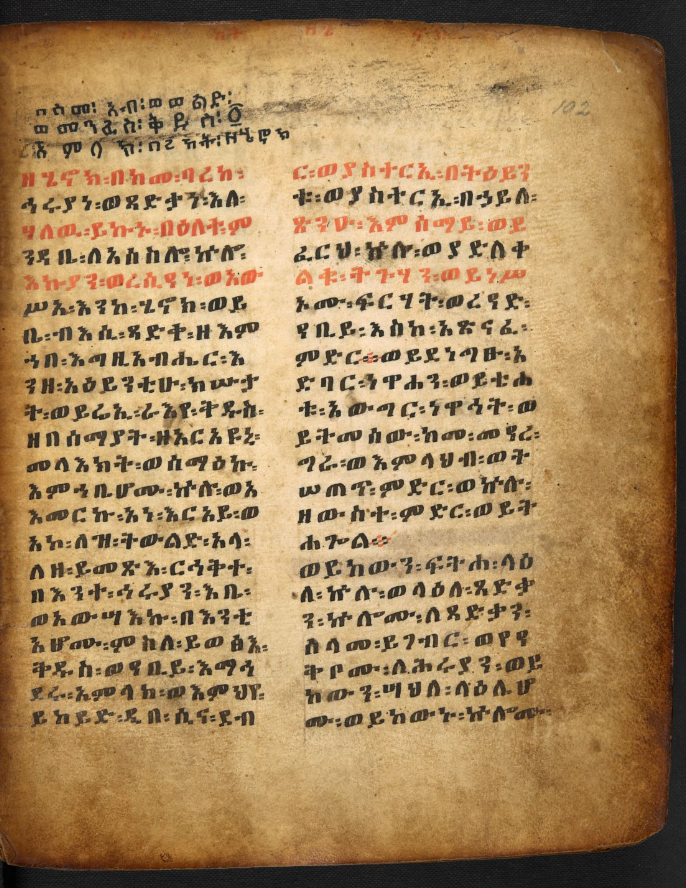
Fathered by the Watchers on human women, they consume the labour of men and then turn on them, and their destruction is part of the judgement pronounced on their fathers.
Book XV takes the sons of God and the daughters of men as a problem to be solved rather than a story to be retold: Augustine reads the sons of God as the line of Seth rather than as angels, which disposes of the Enochic reading for Latin Christianity for a thousand years. He accepts that there were giants, on the text's authority and on reported bones, and denies that they were fathered by spirits.
Connections
What is it connected to?
Identified with The Anakim
Numbers 13:33 has the scouts say the Anakim are of the Nephilim. It is the only verse connecting them, and it sits inside the report the text calls evil and punishes the nation for believing.
Identified with The Gigantes
The Septuagint renders Nephilim as gigantes, which is how the earth-born rebels of Hesiod lend their name to the giants of the English Bible. The identification is a translator's choice, not a claim either text makes.
Answered from the sources
Common questions
Which texts mention The Nephilim?
Is The Nephilim the same as The Anakim?
What rank is The Nephilim?
How else is The Nephilim spelled?
What is The Nephilim said to do?
How old is The Nephilim?
Nearest in the corpus
If The Nephilim is what you came for, these are next
Chosen by proximity rather than by popularity: the same pantheon first, then the same rank, then the same kind of figure.
The Gigantes
Earth-born Adversaries of the Olympians · Greek
Born from the earth and the blood of a castrated sky, they fight the Olympians and lose — and the English word giant descends from them rather than from anything in Genesis.
Gilgamesh
King of Uruk · Mesopotamian
Two-thirds god and one-third man, king of Uruk in the Sumerian King List and the subject of the longest narrative surviving from the ancient Near East — a story about failing to escape death.
The books behind The Nephilim
Every claim on this profile is attributed to one of these. They are public domain, listed oldest first, and each links to a full text where one is freely available.
Hebrew Bible & Deuterocanon
Various · c. 900–100 BCE · Hebrew, Aramaic, Greek
Read Hebrew Bible & Deuterocanon in full ↗Cover: Public domain · see en:Aleppo Codex; scanned by · Wikimedia file page
1 Enoch (The Book of Enoch)
Anonymous; tr. R. H. Charles · c. 300–100 BCE · Ge'ez (from Aramaic)
Read 1 Enoch (The Book of Enoch) in full ↗Cover: Public domain · Wikimedia file page
The City of God
Augustine of Hippo; tr. Marcus Dods · 413–426 CE · Latin
Read The City of God in full ↗
Corpus last revised 29 August 2026. A reference site’s credibility rests on being maintained, so this is the date the sourced records last changed — not the date the page was rebuilt.