Tradition
Solomonic
The grimoire tradition attributed to Solomon: catalogues of spirits, seals and conjurations.
What is the Solomonic tradition?
The Solomonic grimoires are the single most influential body of demonology in the Western tradition and among the least reliable. They are pseudepigraphic by construction: Solomon's name is doing work the texts' actual dates cannot, and the dates are late — the Ars Goetia in the form most people know it is a seventeenth-century compilation first published in 1904.
What they contain is a catalogue: seventy-two spirits, each with a rank, a number of legions, a described form, a list of offices, and a seal. The regularity is the point and the problem. The entries are formulaic enough that the same sentence recurs with the nouns swapped, which is a strong sign of a copied and extended list rather than independent testimony about seventy-two separate figures.
Their historical value is real but sits elsewhere. Read against the earlier material, the Goetic list is a record of what several centuries of European occultism had absorbed and from where — Canaanite deities, Mesopotamian demons, Egyptian decan spirits, and a good deal of invention, all flattened into one bureaucracy of hell with a uniform format.
Which texts does this tradition rest on?
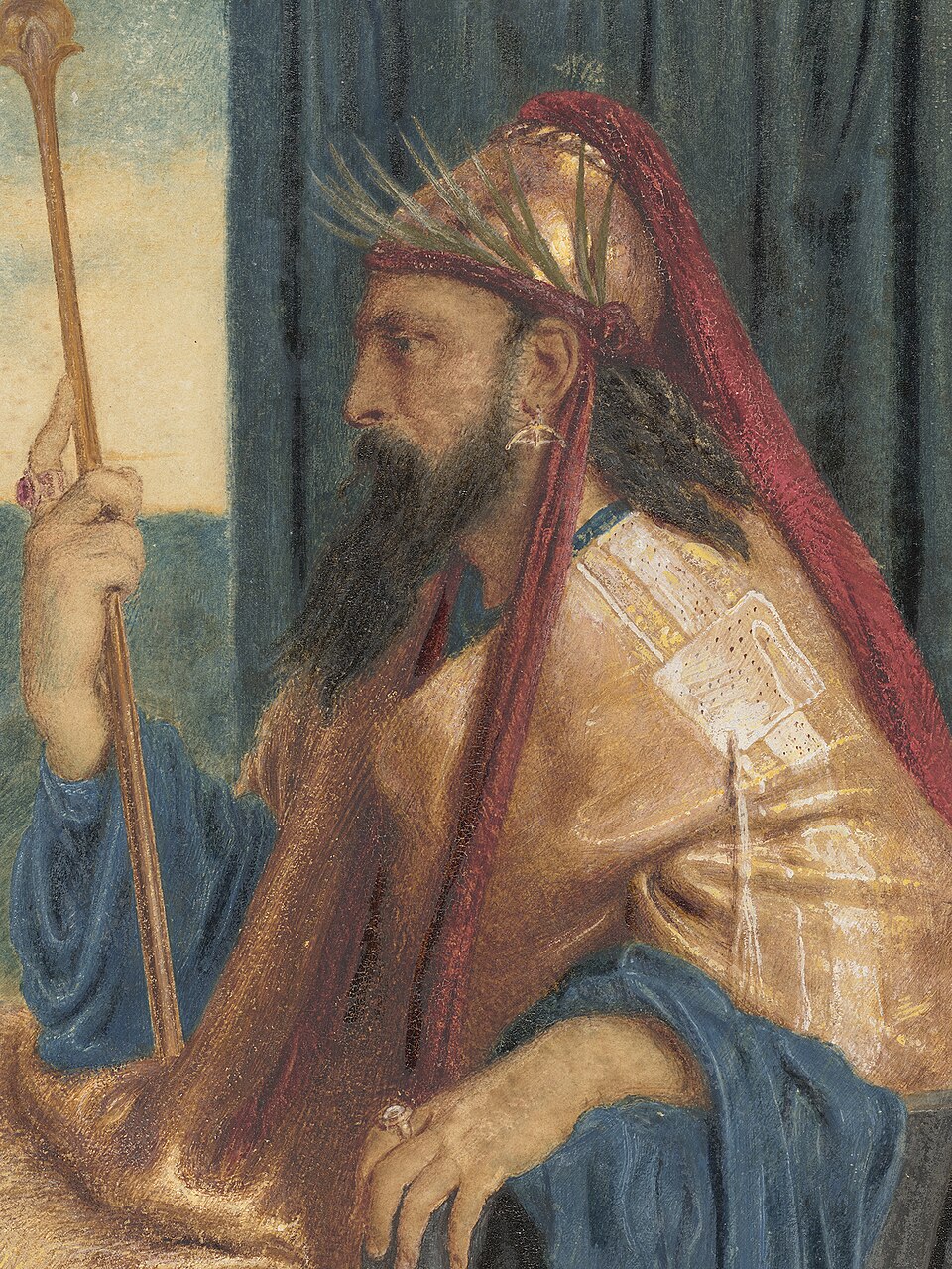
The Testament of Solomon
Anonymous; tr. F. C. Conybeare · c. 100–400 CE
The earliest text in which Solomon binds demons with a ring and interrogates each on its powers and the angel that thwarts it. The ancestor of the whole Solomonic catalogue form.
2 entries contributed
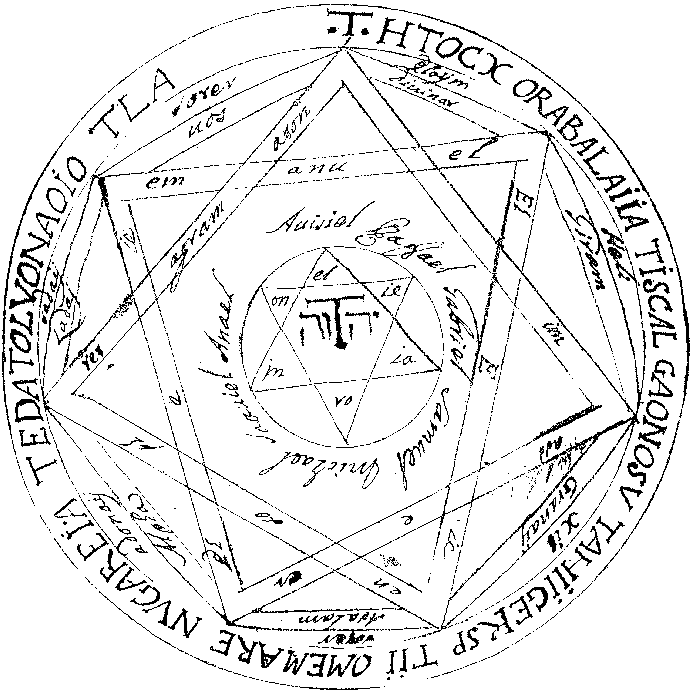
The Key of Solomon (Clavicula Salomonis)
Anonymous; ed. S. L. MacGregor Mathers · 15th-16th c.
The older and more respectable Solomonic grimoire, concerned with pentacles, purifications and planetary hours rather than with a catalogue of demons. The Lemegeton borrows from it heavily.
0 entries contributed
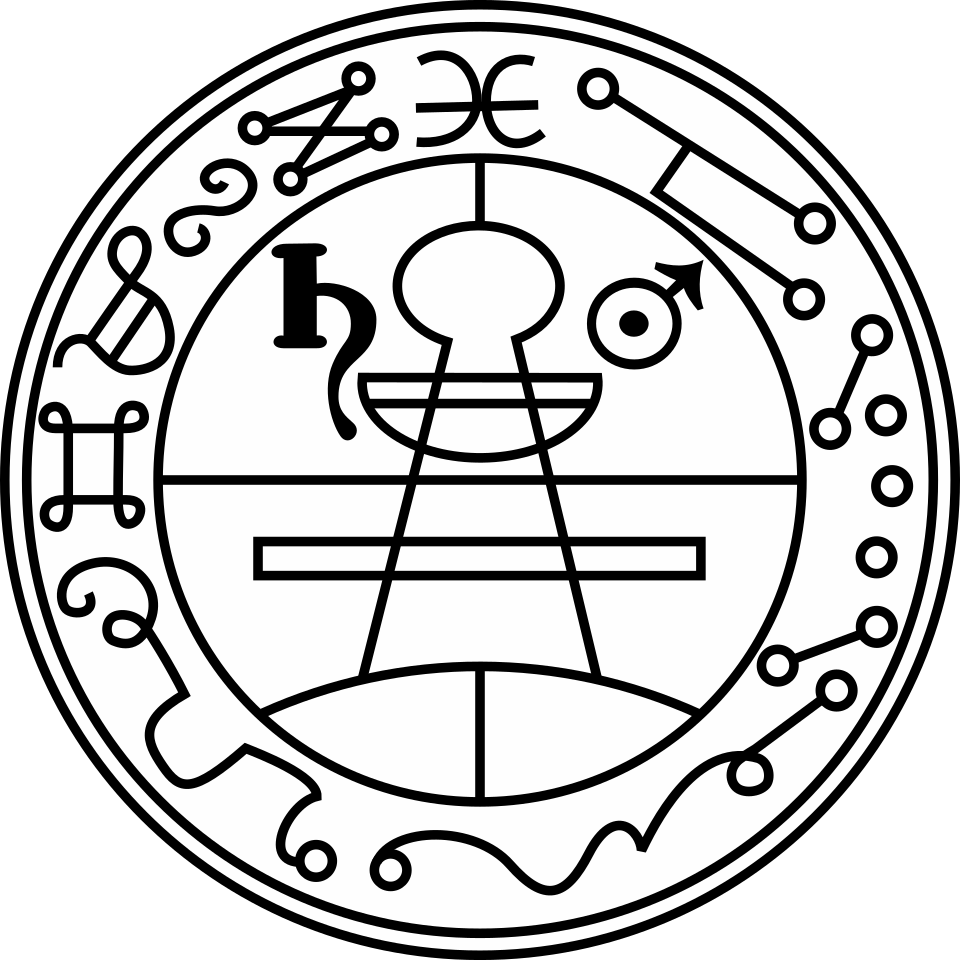
The Lesser Key of Solomon, Book II: Ars Theurgia Goetia
Anonymous; ed. Joseph H. Peterson · 17th c.
Thirty-one chief spirits of the air under four emperors of the cardinal points, with counts of dukes running into the billions. Drawn largely from Trithemius' Steganographia, and a reminder that the Goetia is one book of five, not the whole Lesser Key.
0 entries contributed
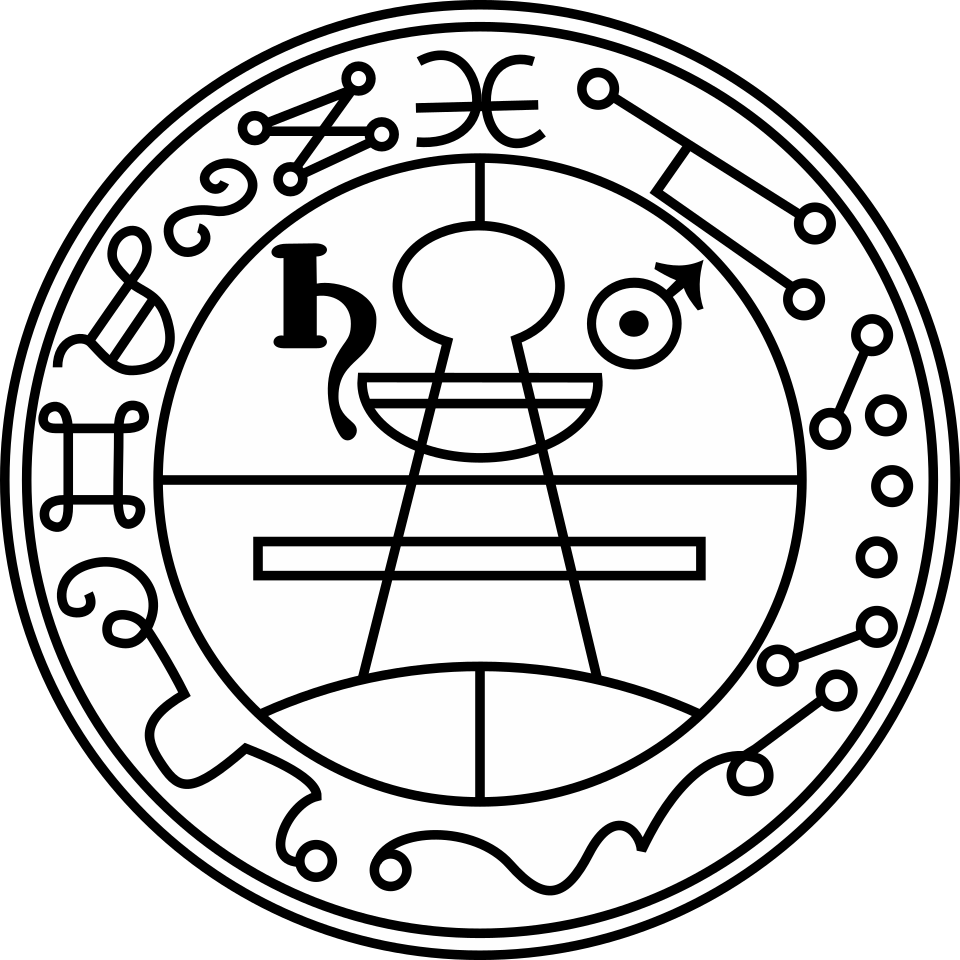
The Lesser Key of Solomon, Book III: Ars Paulina
Anonymous; ed. Joseph H. Peterson · 17th c.
Angels of the twenty-four hours and of the 360 degrees of the zodiac. Where the Goetia binds spirits, the Paulina schedules them: the operator needs a clock and an ephemeris rather than a triangle.
0 entries contributed
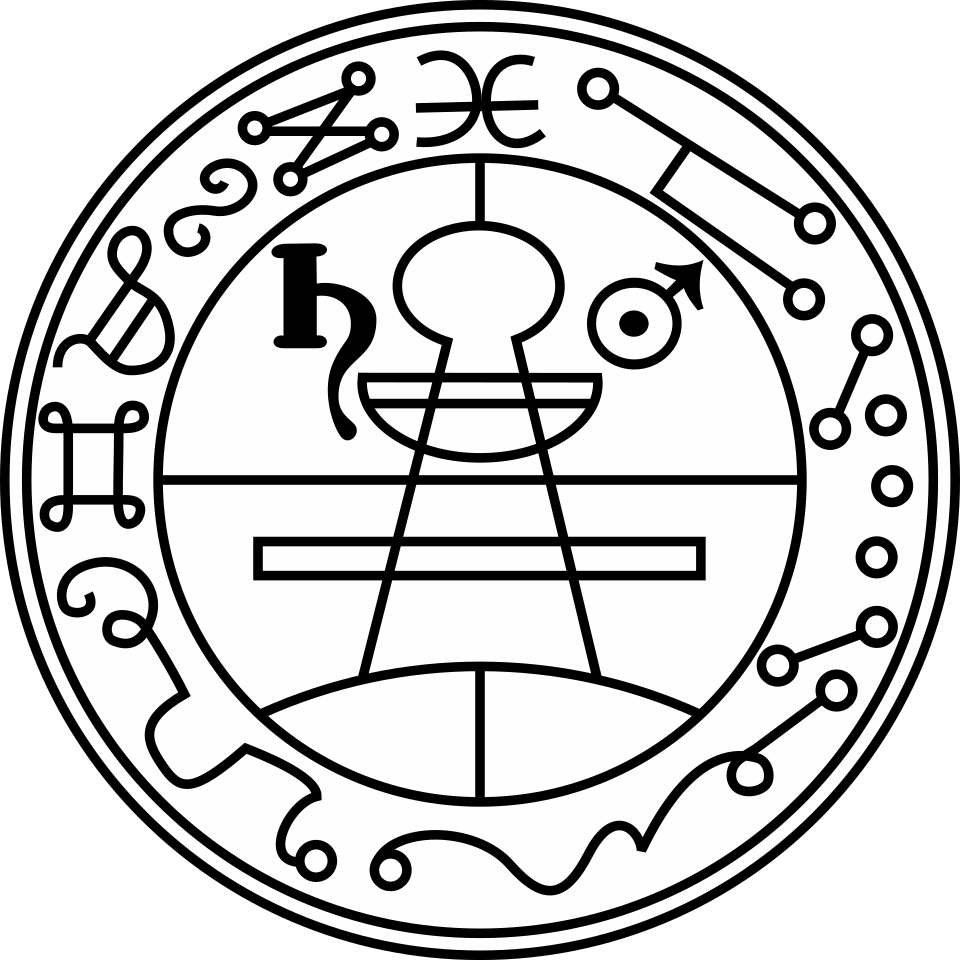
The Lesser Key of Solomon, Book IV: Ars Almadel
Anonymous; ed. Joseph H. Peterson · 17th c.
Four choras or altitudes, each with its own angels, approached through a wax tablet rather than a circle. The gentlest of the five books: its spirits are addressed as angels and asked rather than constrained.
0 entries contributed
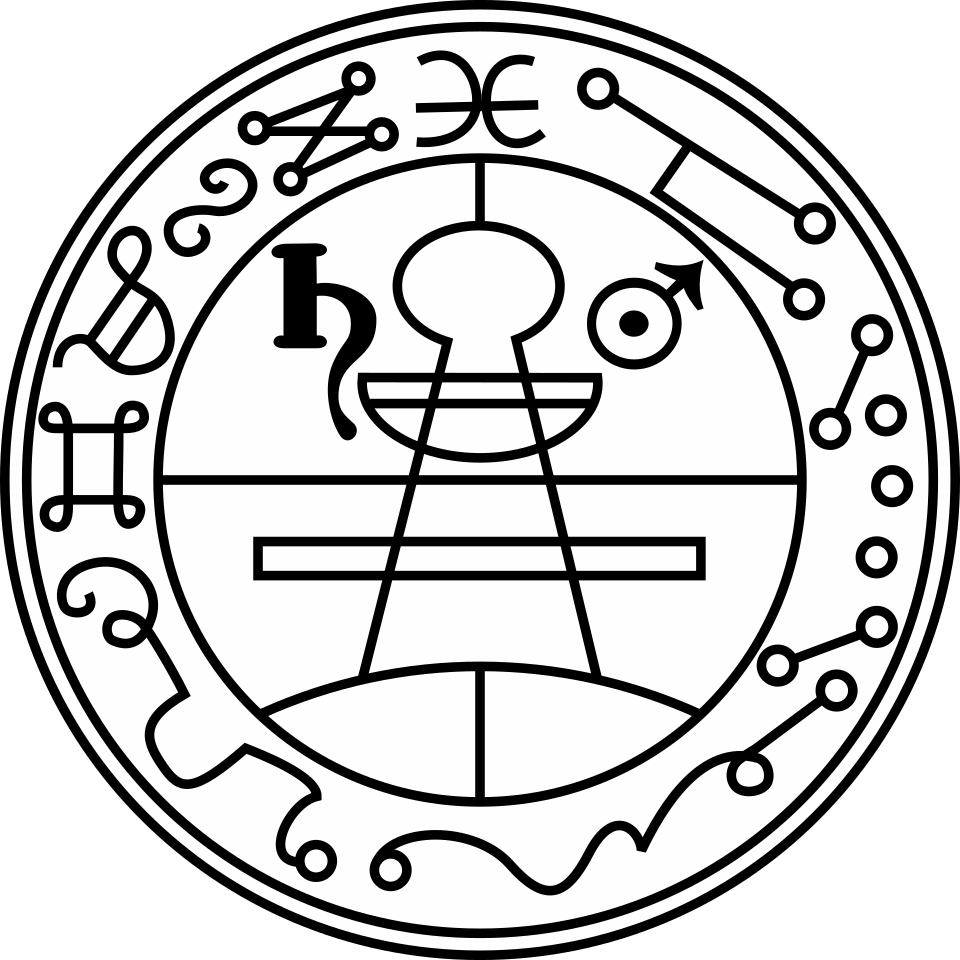
The Lesser Key of Solomon, Book I: Ars Goetia
Anonymous; ed. S. L. MacGregor Mathers & A. E. Waite · 17th c.; ed. 1904
The catalogue of seventy-two spirits, each with a rank, a count of legions, a seal and a list of offices. The single most influential demonological list in the Western tradition.
72 entries contributed
Which marks belong to it?
Oldest first. A mark used by several traditions appears on each of their pages — which is the point: the shapes crossed these boundaries far more easily than the names did.
The Pentagram
from c. 3000 BCE
A five-pointed star drawn in one unbroken line — an accounting mark, a Pythagorean password, a Christian emblem of the five wounds, and only recently a sign of evil.
The Tetragrammaton
attested from c. 840 BCE
Four letters that stopped being pronounced and became, in consequence, the most powerful thing you could write on a piece of equipment.
The Seal of Solomon
c. 100–300 CE
A signet ring, not a shape. The Testament of Solomon makes it the instrument by which every demon in the book is compelled to give its name.
The Abraxas Gem
2nd–4th century CE
A rooster-headed figure with snakes for legs, cut into jasper by the thousand, and the numerological reason a magic word means 365.
The Circle
attested from late antiquity
A drawn boundary with names written into it — the oldest continuously used device in the Western operative tradition, and the one that defines everything else on the floor.
The Brass Vessel
story attested from c. 300 CE
The container the legend says Solomon sealed the spirits into, thrown into a lake and opened by Babylonians who expected treasure. It is where the Ars Goetia says its seventy-two came from.
Saturn
current forms c. 6th–11th century CE
The scythe. Slowest planet, heaviest metal, and the authority a grimoire invokes for work involving binding, decay and the dead.
Jupiter
current forms c. 6th–11th century CE
A stylised Greek zeta for Zeus. The sign of increase, favour and judgment in one's favour — the grimoires' preferred authority for asking.
Mars
current forms c. 6th–11th century CE
Shield and spear, iron, Tuesday — and, since Linnaeus, the biological sign for male, which is a much later and quite separate job.
The Sun
current forms c. 6th–11th century CE
A circle with a point at its centre — the oldest form in the set, and the one the alchemists used for gold without further explanation.
Venus
current forms c. 6th–11th century CE
Copper, Friday, and every operation to do with love and favour — the counterpart to Mars in the grimoires long before it was in biology.
Mercury
current forms c. 6th–11th century CE
A caduceus drawn as a glyph — the one sign in the set that names a metal, a planet and a god that all behave the same way.
The Moon
current forms c. 6th–11th century CE
A crescent, silver, Monday — the planetary authority for anything involving dreams, water, change and things done at night.
The Seventy-Two-Letter Name
developed c. 200–1300 CE
Seventy-two three-letter names extracted from three verses of Exodus — and the reason the number seventy-two keeps appearing on both sides of this corpus.
AGLA
from c. 1200
An acronym, not a word: Atah Gibor Le-olam Adonai, 'Thou art mighty forever, Lord', compressed to four letters and written on almost everything.
The Hexagram
protective use from c. 1200 CE
Two interlocked triangles that were ornament almost everywhere before they were a Jewish emblem anywhere — and a spirit-binding seal in between.
The Lamen
from c. 1400
The one piece of Solomonic equipment worn rather than drawn: a disc at the breast carrying the divine names, and the operator's own credential rather than the spirit's.
The Tree of Life
diagram form from c. 1500
Ten spheres on twenty-two paths. The doctrine is medieval; the diagram everyone draws is early modern and printed.
The Celestial Alphabets
printed 1531
Three alphabets Agrippa prints for writing the names of angels — Hebrew letters redrawn with rings at the joints, so that a script becomes a set of sigils.
Characters Derived from Names
1533
A rule rather than a picture: plot the spirit's name on a numbered grid, and the line you trace is its sigil.
The Planetary Pentacles
c. 1500–1600
Forty-four engraved discs, seven planets, one purpose each — the Key of Solomon's answer to what the Testament left undrawn.
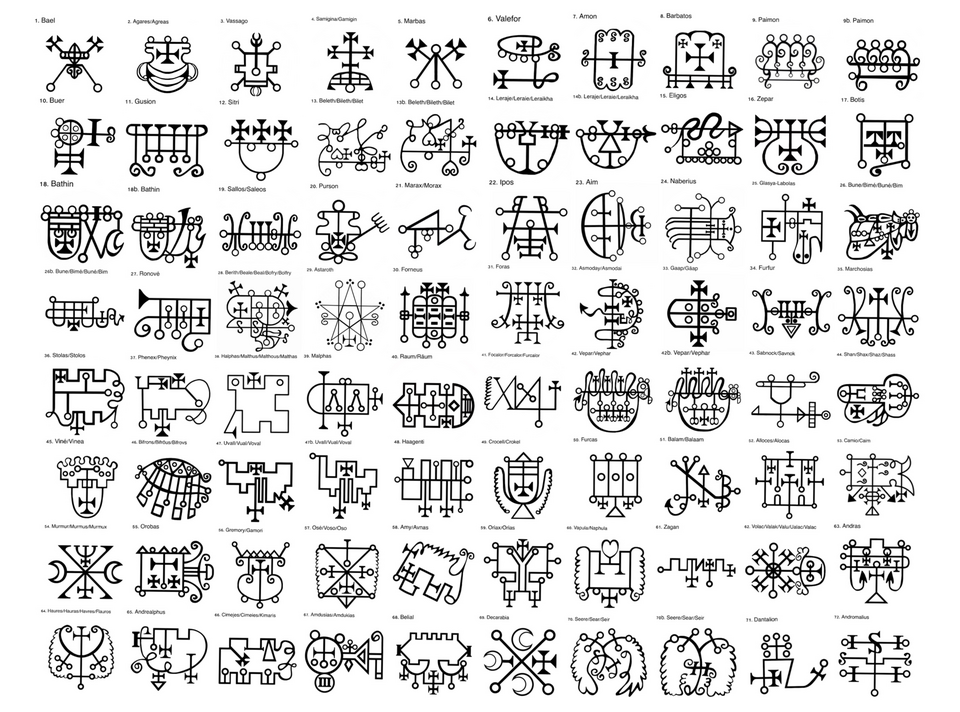
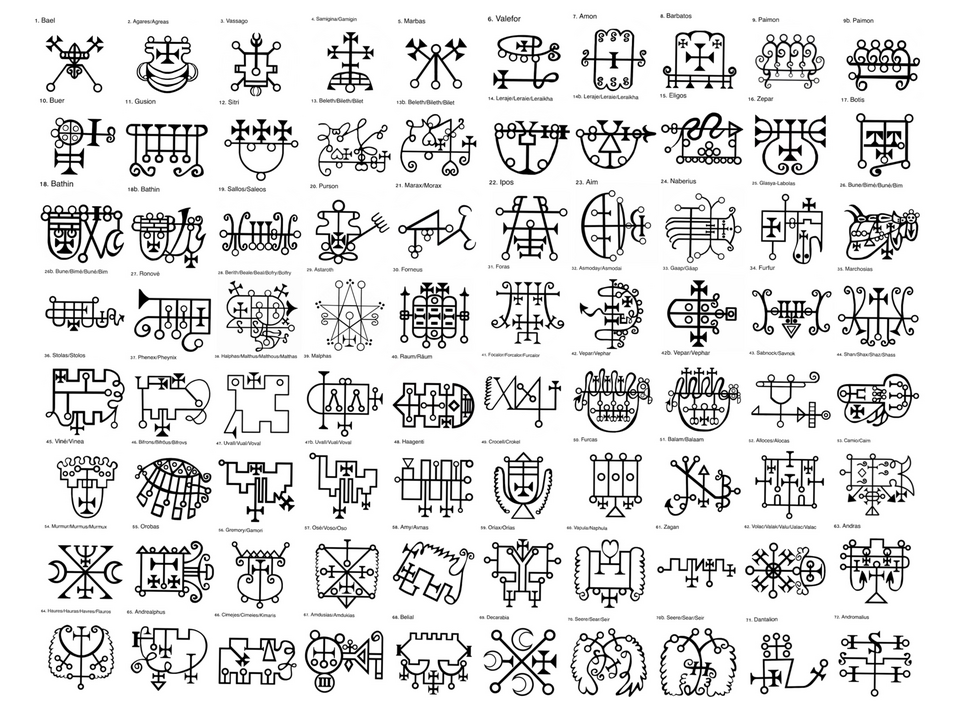
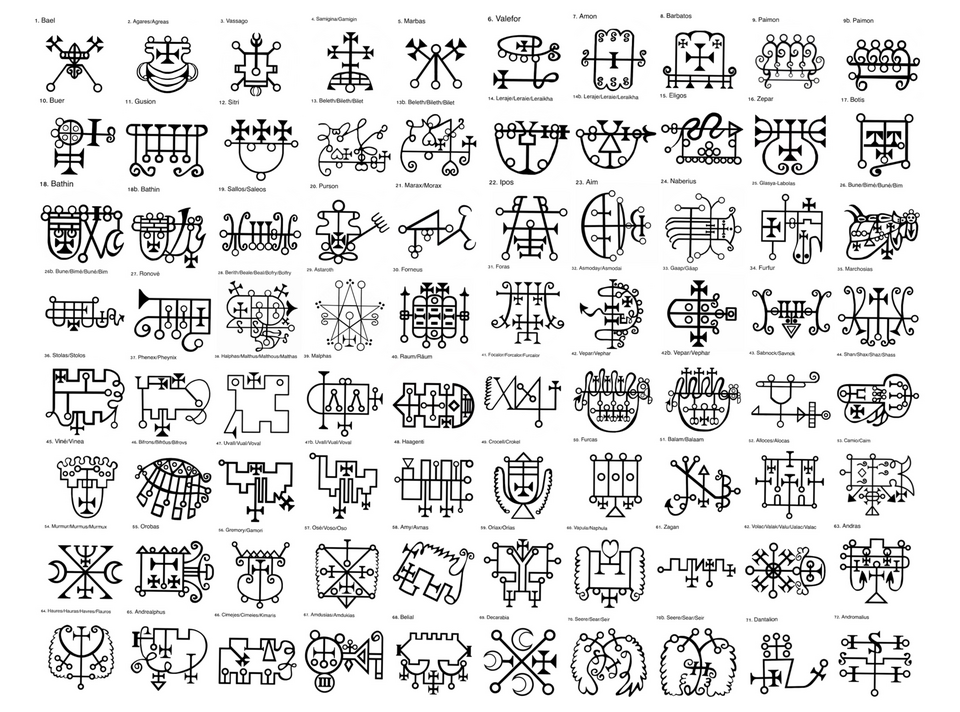
The Seals of the Seventy-Two
17th century
One drawn seal per spirit, and the strongest single piece of evidence that the Goetia's seventy-two are a compiled list rather than an inherited one.
The Triangle of Art
17th century
Drawn two feet outside the circle, and the reason the Goetia's spirits are visible at all: the triangle is where they are required to appear.
The Elemental Triangles
standard from the 17th century
Four triangles, two pointing up and two down, two barred and two not — the whole classical element scheme in a single notation.
The Sigil of Lucifer
c. 1750
A chalice-and-cross figure from the Grimorium Verum, drawn no differently from the dozens of spirit seals beside it, and now reproduced more than any of them.
Who is filed under Solomonic?
Ordered by attestation score — how early and how independent the texts that name each figure are, rather than how famous the figure has since become.
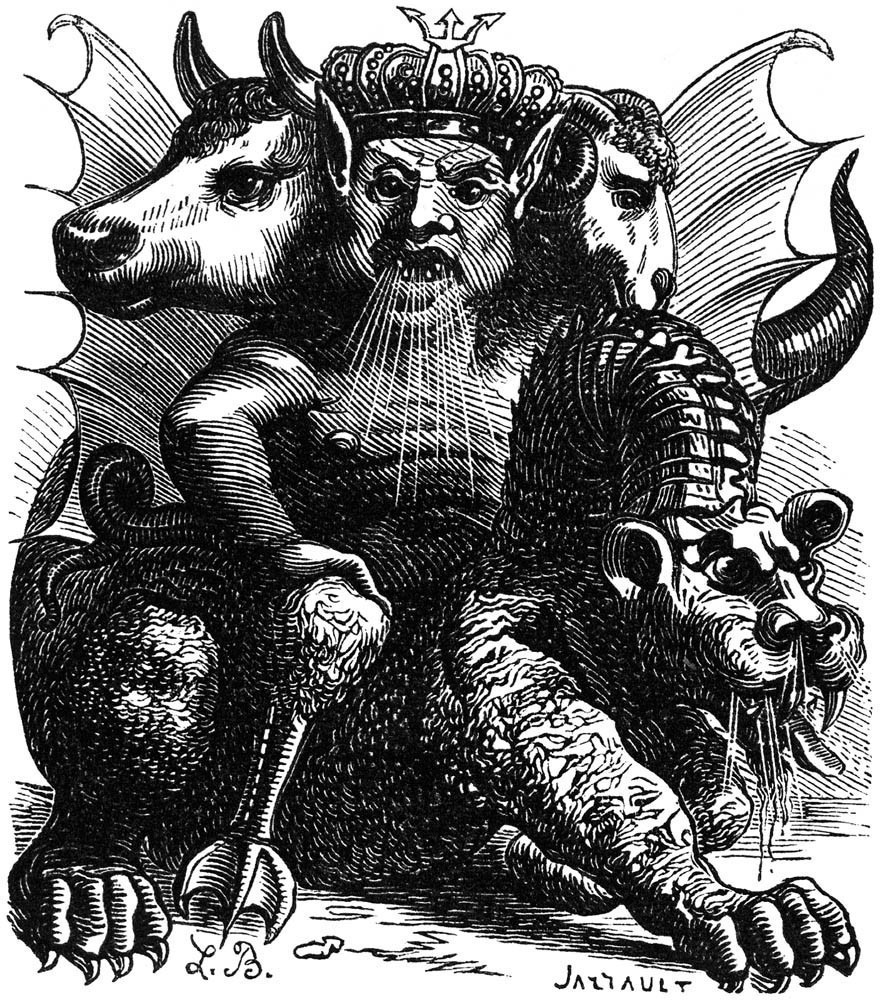
Asmoday
King · Goetic Spirit
Commands seventy-two legions, one for every spirit in the book. He is the Asmodeus of Tobit, who killed Sarah's seven husbands and was driven into Upper Egypt by Raphael, and behind that the Avestan Aeshma-daeva, the demon of wrath — one of very few Goetic spirits with an ancestry that can be traced.
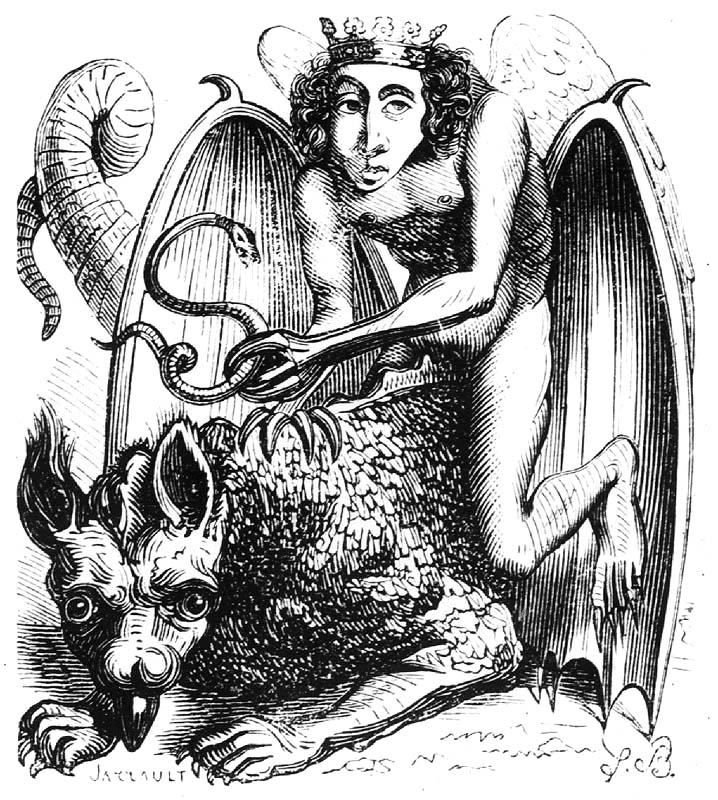
Astaroth
Duke · Goetic Spirit
The Canaanite goddess Astarte, three thousand years on, made a male duke of hell with her name intact. The Goetia has him discourse willingly on the fall of the spirits, and warns the operator to hold a ring to his face against the stench of his breath.
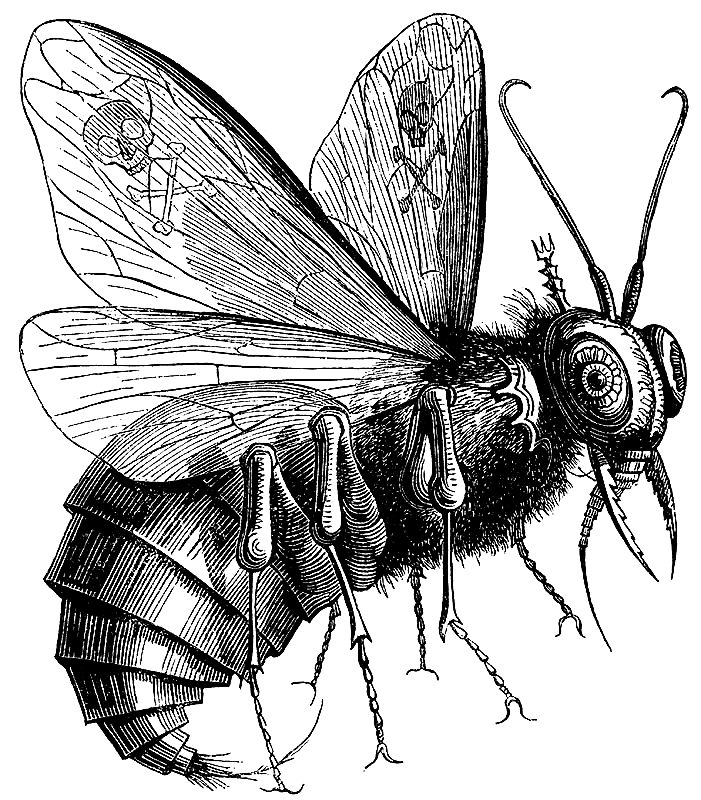
Beelzebub
Prince · Infernal Court
'Lord of the Flies' — a Philistine god of Ekron whose name was almost certainly deformed as a Hebrew insult, then inherited by Christian demonology as the second power of hell.

Belial
King · Goetic Spirit
In the Hebrew Bible beliya'al is not a name but a word meaning worthlessness; by 2 Corinthians it is a person, and by the Goetia a king in a chariot of fire handing out senatorships. The text says he was created next after Lucifer and fell among the first, and will not answer truly without gifts.

Bael
King · Goetic Spirit
First of the seventy-two and, by the Goetia's own account, chief among them — a three-headed thing on spider's legs, ruling in the east and granting invisibility. The name is the Canaanite storm god Baal, three thousand years and one demotion later.

Agares
Duke · Goetic Spirit
An old man riding a crocodile with a goshawk on his fist, credited with teaching every language and with hauling back anyone who has fled. The same entry has him causing earthquakes and stripping men of office, temporal and spiritual alike.
Aim
Duke · Goetic Spirit
The book's arsonist: cities, castles and great houses set alight, by a three-headed spirit carrying a firebrand and riding a viper. The same entry has him making men clever and answering truly on private matters.

Allocer
Duke · Goetic Spirit
Speaks loudly and hoarsely from a great horse, red-faced and flaming-eyed like a lion — an alarming delivery for a spirit whose subjects are astronomy and the liberal sciences.
Amdusias
Duke · Goetic Spirit
Preceded by trumpets and every kind of instrument playing with nobody visible to play them — one of the more theatrical entrances in the Ars Goetia. He makes music heard where he goes, bends trees to the operator's will, and gives excellent familiars.
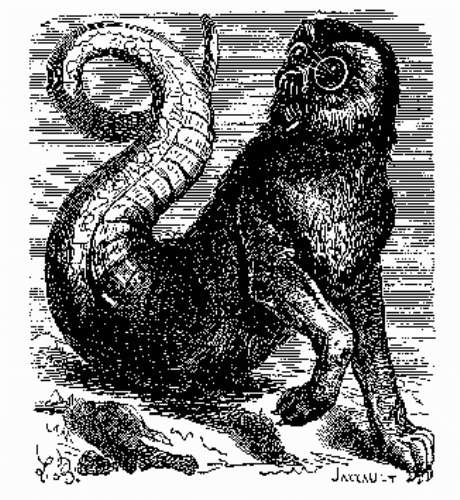
Amon
Marquis · Goetic Spirit
This marquis of the Ars Goetia procures feuds between friends and then reconciles the quarrels he started, which is the whole of his office and runs in both directions at once. He comes as a flame-vomiting wolf with a serpent's tail, or else as a man with a raven's head.
Amy
President · Goetic Spirit
Recovers the particular class of treasure that other spirits are guarding, which is a narrower promise than the plain treasure-finding around it. He arrives as a flaming fire before taking human shape.
Andras
Marquis · Goetic Spirit
Marked in the Goetia as dangerous to the operator himself, which almost nothing else in the book is: handle him carelessly, the text says, and he will kill the man who called him along with his assistants. He arrives raven-headed on a black wolf with a drawn sword.
Andrealphus
Marquis · Goetic Spirit
Teaches geometry and every kind of measurement exactly, makes men subtle in astronomy, and turns them into birds. He announces himself as a peacock making a great deal of noise, and is ranked marquis in the Ars Goetia.
Balam
King · Goetic Spirit
For all the apparatus — three heads, flaming eyes, a bear to ride and a goshawk on the fist — his offices are modest: true answers on past and future, invisibility, and quickness of wit.
Barbatos
Duke · Goetic Spirit
Comes only while the Sun stands in Sagittarius, and comes with four kings and their companies behind him. What he gives is comprehension: the song of birds, the voices of other creatures, and treasure hidden by enchantment rather than by hand.
Bathin
Duke · Goetic Spirit
Moves people bodily from one country to another without warning, and knows the virtues of herbs and precious stones. He rides a pale horse in the shape of a strong man with a serpent's tail.

Beleth
King · Goetic Spirit
The Goetia's instructions here are unusually anxious: hold a hazel wand, and be courteous. He arrives in a fury on a pale horse with every kind of music sounding ahead of him, and he causes all the love that may be until the operator's desire is met.
Berith
Duke · Goetic Spirit
Turns any metal into gold, and is in the same breath called a great liar unless the operator compels him with the ring. He rides a red horse as a soldier in red crowned in gold, and is ranked duke in the Ars Goetia.
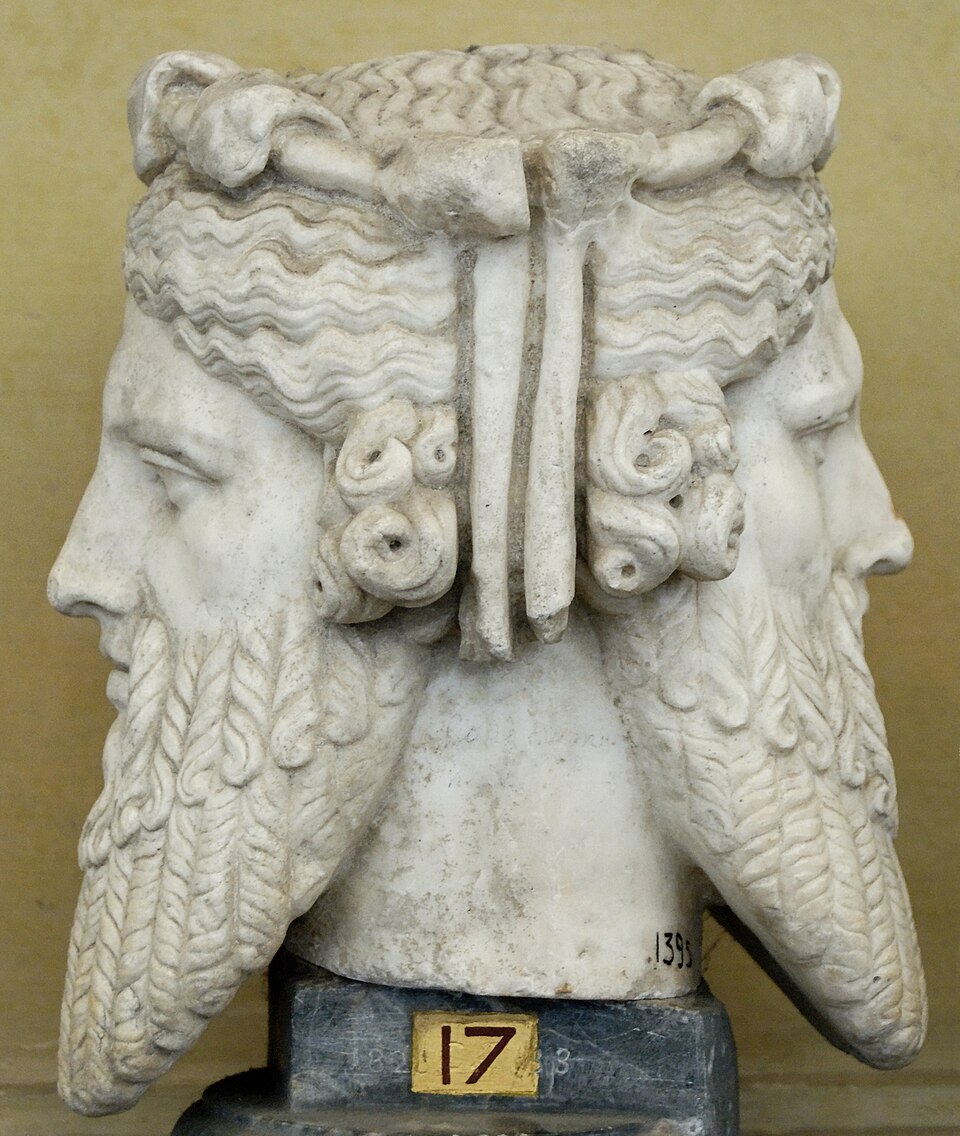
Bifrons
Earl · Goetic Spirit
Commands six legions, fewer than any other spirit in the seventy-two. What the entry is remembered for is not the astrology or the geometry but the graveyard work: he shifts corpses between plots and sets what look like candles burning on the graves.

Botis
President and Earl · Goetic Spirit
The arrival is fearsome — an ugly viper, then a horned man with great teeth and a drawn sword — for a spirit whose actual work is telling the past and the future and making peace between enemies.
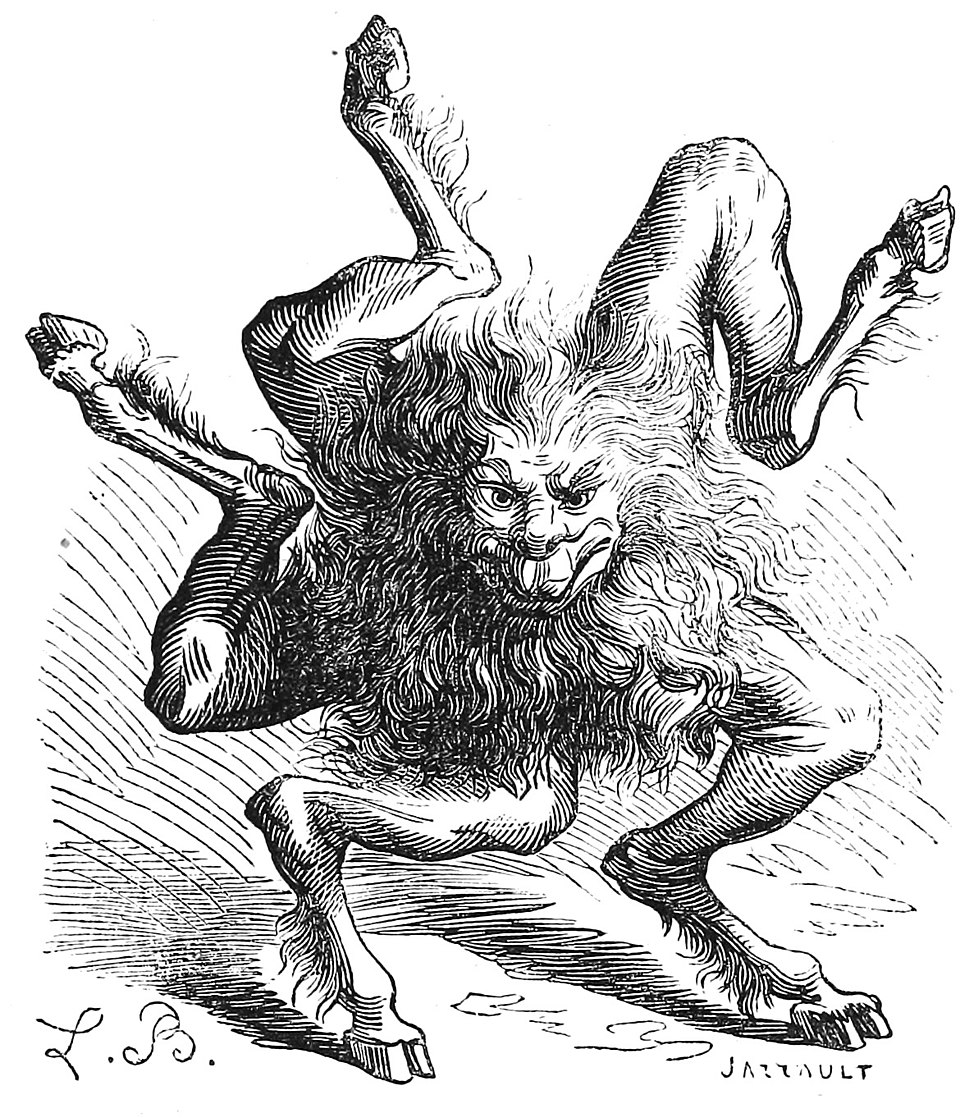
Buer
President · Goetic Spirit
Appears under Sagittarius as a lion's head with five legs radiating from it like the spokes of a wheel. His teaching is medical: moral and natural philosophy, the virtues of every herb and plant, and the cure of all distempers.
Bune
Duke · Goetic Spirit
A spirit of the graveyard: he moves the dead from where they lie and gathers other spirits onto their tombs. He speaks with a high and comely voice from three heads — dog, griffin and man — on a dragon's body, and gives riches and eloquence.
Camio
President · Goetic Spirit
Answers out of burning ashes or coals rather than speaking directly, which is unusual even among the seventy-two demons of the Ars Goetia. What he gives is comprehension of things that do not speak: the voices of birds, oxen and dogs, and the sound of running water.

Cimejes
Marquis · Goetic Spirit
Given a territory rather than a subject: the Goetia has him ruling every spirit in Africa. He also teaches grammar, logic and rhetoric, finds lost and hidden treasure, and makes men valiant in war.
Crocell
Duke · Goetic Spirit
Makes a great noise like the rushing of many waters, and speaks darkly of hidden things in the shape of an angel. His oddest credited power is domestic: he warms water, and finds baths.
Decarabia
Marquis · Goetic Spirit
Appears first as a star inside a pentacle. His office is birds — their virtues and those of precious stones, and the trick of making them fly before the operator and stay, singing and drinking exactly as real ones do.
Eligos
Duke · Goetic Spirit
Consulted chiefly about war — the Goetia credits him with knowing how a conflict will end before it does. He appears as a goodly knight with lance, ensign and serpent, and secures the goodwill of lords and knights.
Focalor
Duke · Goetic Spirit
Has power over the winds and the sea, drowns men and overturns ships of war — and will harm nobody at all, the Goetia adds, if he is commanded otherwise. He appears as a man with a griffin's wings.
Foras
President · Goetic Spirit
One of the most broadly credited entries in the book — herbs and stones, logic and ethics, invisibility, lost property, hidden treasure, and, alone among the seventy-two, long life. He arrives in plain human shape, which is itself unusual here.

Forneus
Marquis · Goetic Spirit
His gifts are entirely social: languages, rhetoric, a good reputation, and the affection of enemies as readily as friends. The Ars Goetia makes this marquis a great sea-monster, which fits none of it.

Furcas
Knight · Goetic Spirit
The only spirit in the seventy-two ranked as a Knight. He appears as a cruel old man with a long beard and hoary hair, armed on a pale horse, and teaches philosophy, astrology, rhetoric and logic alongside palmistry and divination by fire.

Furfur
Earl · Goetic Spirit
Lies unless he is confined to the triangle. Held there, he raises thunder, lightning and great tempestuous winds, settles love between husband and wife, and answers on divine and secret things; he appears as a hart with a burning tail.

Gaap
President and Prince · Goetic Spirit
His powers run in opposed pairs: love and hatred, philosophy and induced ignorance. He comes with four great kings before him while the Sun stands in the southern signs, and carries men between kingdoms.
Glasya-Labolas
President and Earl · Goetic Spirit
Teaches every art and science in an instant, and is named in the same entry as the author of bloodshed and manslaughter. The Goetia sets that beside causing love and conferring invisibility without appearing to notice the company it keeps.
Gremory
Duke · Goetic Spirit
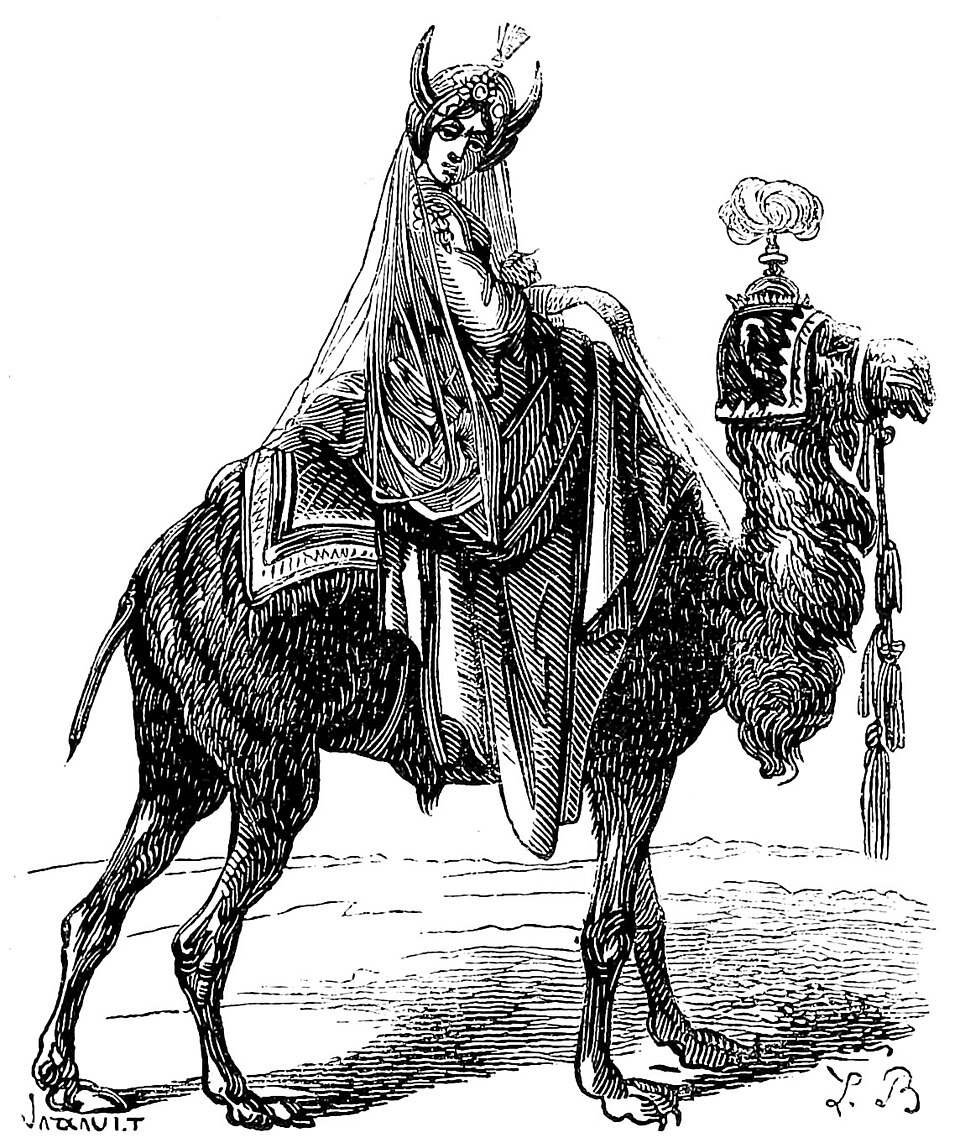
A beautiful woman in a duchess's crown riding a great camel, and among the very few female forms in the seventy-two. She tells past and future, finds hidden treasure, and procures the love of women young and old.
Gusion
Duke · Goetic Spirit
Asked a question, he explains what the question means — the Goetia credits him with showing the sense of whatever is put to him, which is a stranger gift than mere foreknowledge. He takes the shape the text calls a xenopilus, a creature of strange face.
Haagenti
President · Goetic Spirit
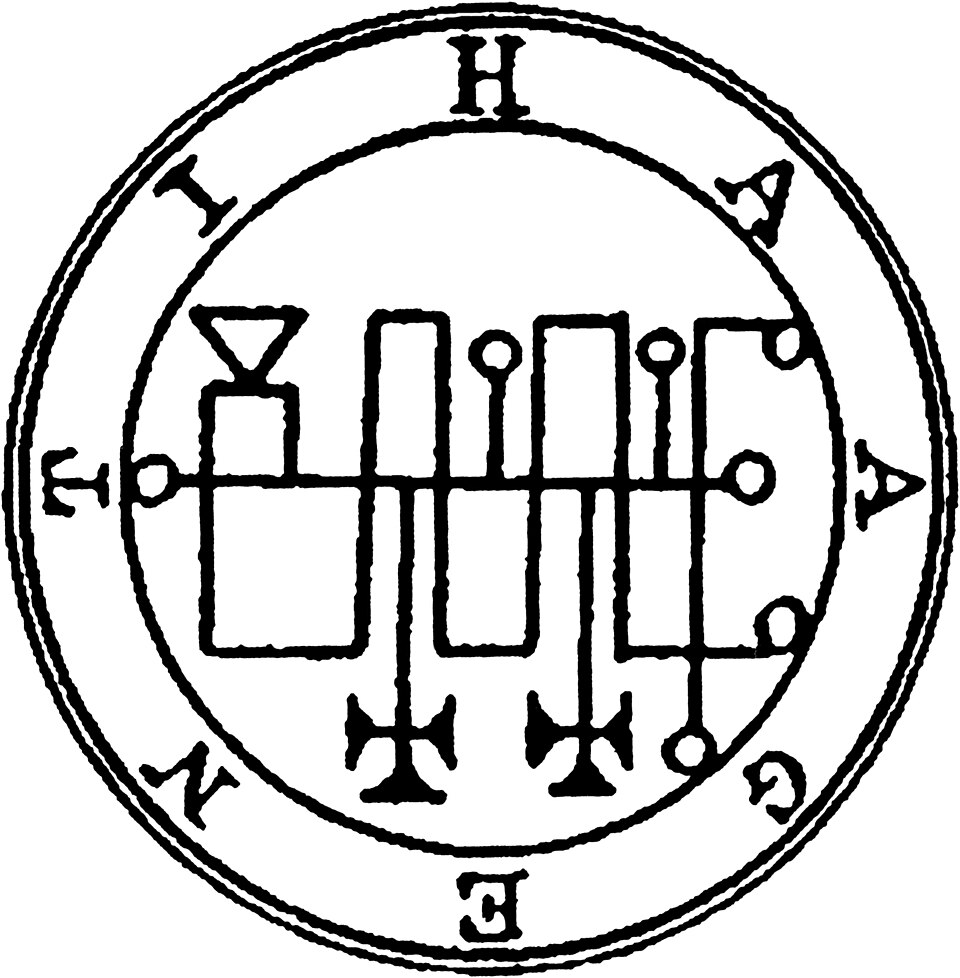
Turns every metal into gold and water into wine, and the wine back into water. The Goetia adds, without elaborating, that he also makes men wise; he appears as a winged bull, then as a man.
Halphas
Earl · Goetic Spirit
Entirely military logistics: he raises towers, stocks them with ammunition and weapons, and sends men of war where they are ordered. The Ars Goetia has this earl deliver all of it as a hoarse-voiced stock-dove.
Haures
Duke · Goetic Spirit
Lies about everything until he is commanded into the triangle, which is the Ars Goetia's standard remedy for a demon that will not answer. Compelled, he gives true answers on past and future, burns and destroys the operator's enemies, and discusses the creation of the world and his own fall.
Ipos
Earl and Prince · Goetic Spirit
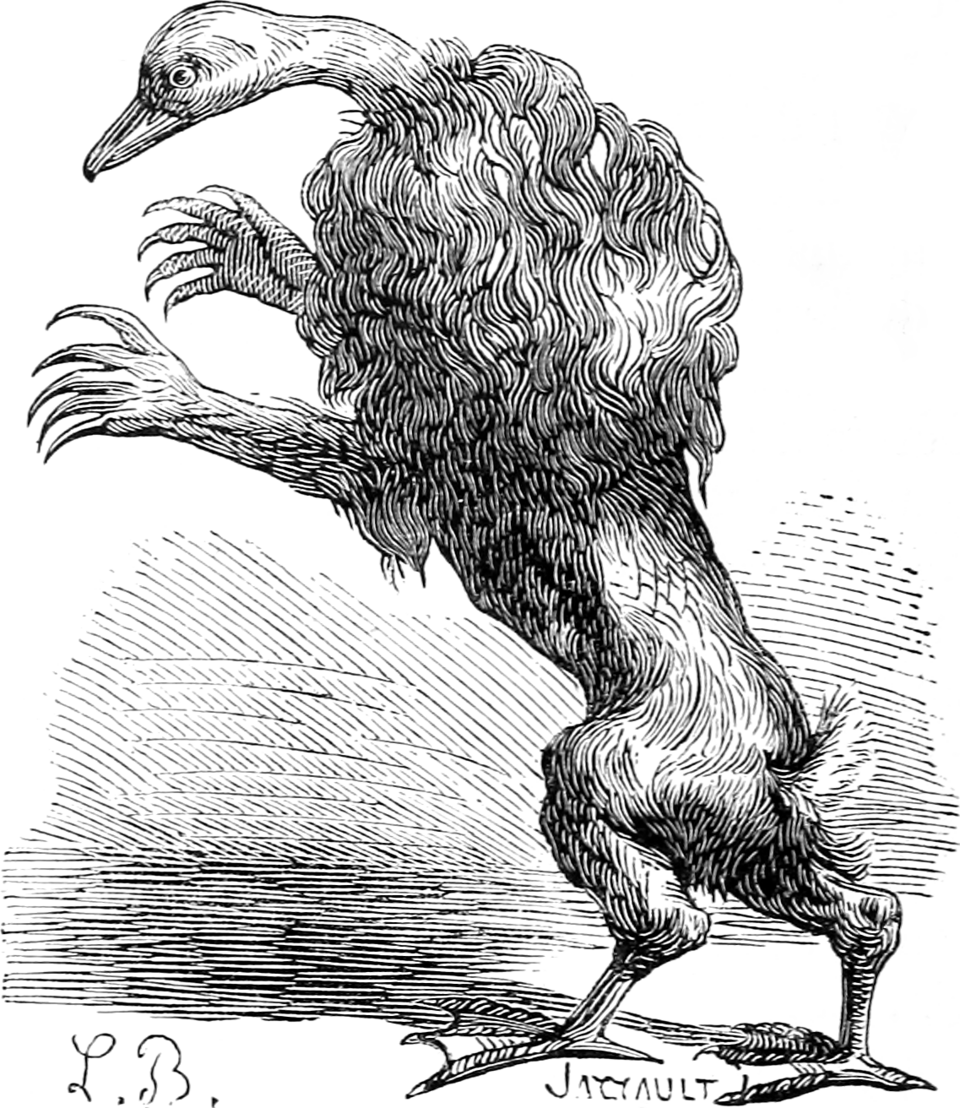
What he confers is nerve. The Goetia says he makes men witty and bold, and gives them knowledge of what has been and will be; he appears as an angel assembled from a lion's head, a goose's foot and a hare's tail.
Leraje
Marquis · Goetic Spirit
An archer dressed in green with bow and quiver, ranked marquis among the demons of the Ars Goetia, who starts battles and contests. He is also given one precise and nasty speciality: making wounds from arrows go septic.
Malphas
President · Goetic Spirit
Builds houses and high towers and gathers the craftsmen to do it, then dismantles an enemy's desires and thoughts before they can be acted on. A president among the seventy-two demons of the Ars Goetia, he is a crow until he becomes a man, and speaks hoarsely either way.
Marax
Earl and President · Goetic Spirit
A great bull with a human face, and among the book's better-equipped teachers: astronomy, the liberal sciences, and the virtues of herbs and precious stones, with a good familiar supplied alongside.
Marbas
President · Goetic Spirit
Inflicts disease and cures it — a pairing almost nothing else in the seventy-two is given, and one that makes his entry read less like a demonology than a physician's. A lion until he chooses to be a man, he also teaches the mechanical arts and changes men's shapes.

Marchosias
Marquis · Goetic Spirit
The Goetia records something of him that it records of nobody else: he told Solomon he hoped to return to the seventh throne after twelve hundred years. Otherwise he is a fire-breathing wolf turned man, a strong fighter, and a truthful answerer.
Murmur
Duke and Earl · Goetic Spirit
Compels the souls of the dead to appear and answer, which few demons in the Ars Goetia are given outright, and teaches philosophy perfectly besides. He rides a griffin in a ducal crown behind trumpeters.

Naberius
Marquis · Goetic Spirit
His work is the restoration of standing — he makes men eloquent and gives back the honours and offices a man has lost. Among the demons of the Ars Goetia he is one of the least alarming to look at: a black crane fluttering about the circle, speaking hoarsely.

Oriax
Marquis · Goetic Spirit
Teaches the virtues of the stars and the mansions of the planets — the most explicitly astrological brief in the seventy-two. He rides with a great hissing serpent in each hand, lion-shaped with a serpent's tail.
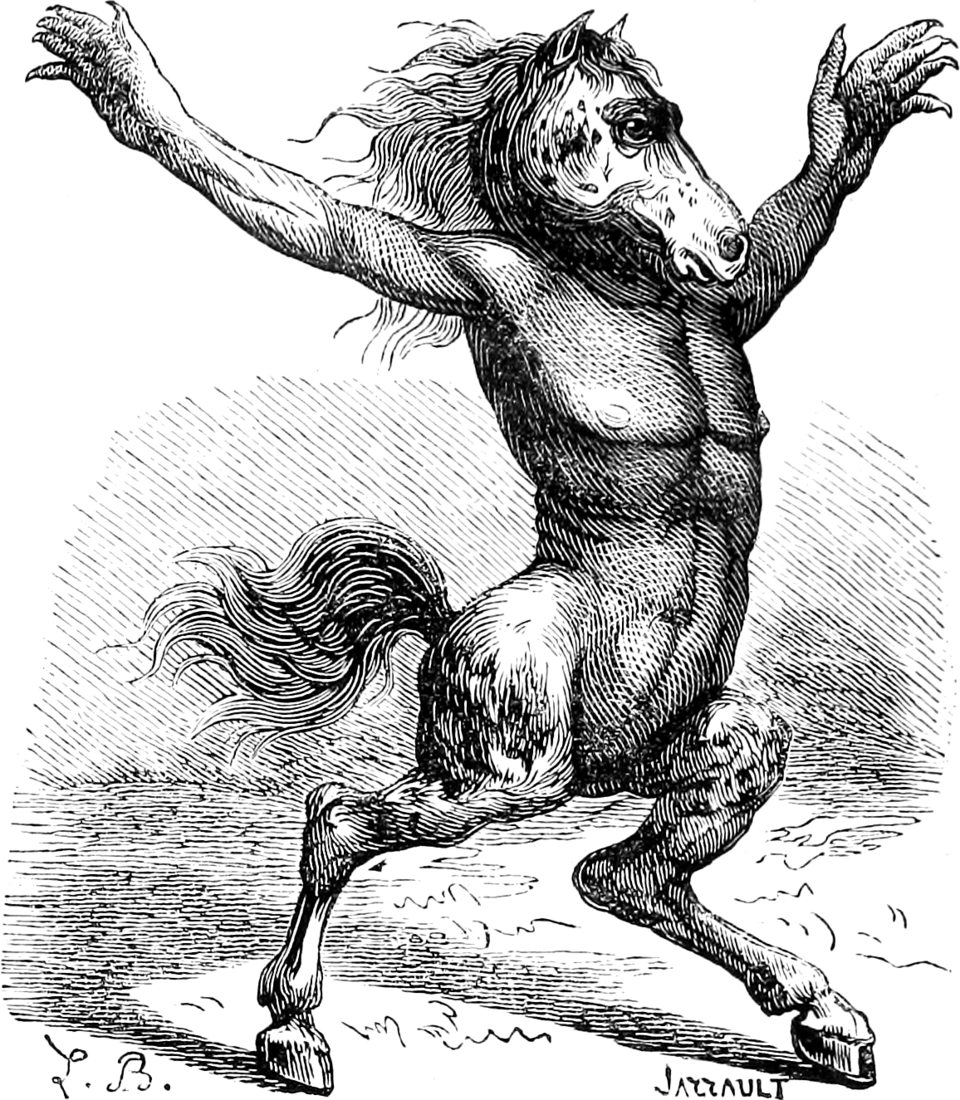
Orobas
Prince · Goetic Spirit
Singled out in the Goetia as faithful and honest — he does not tempt or deceive, and he defends the operator against the other spirits, which no other entry promises. He discourses on divinity and the creation of the world.
Ose
President · Goetic Spirit
He changes a man into any shape, and the man believes he is that thing — the most unsettling transformation in the Ars Goetia, and the only one that alters the subject's mind along with his body. He arrives as a leopard, then takes human form.
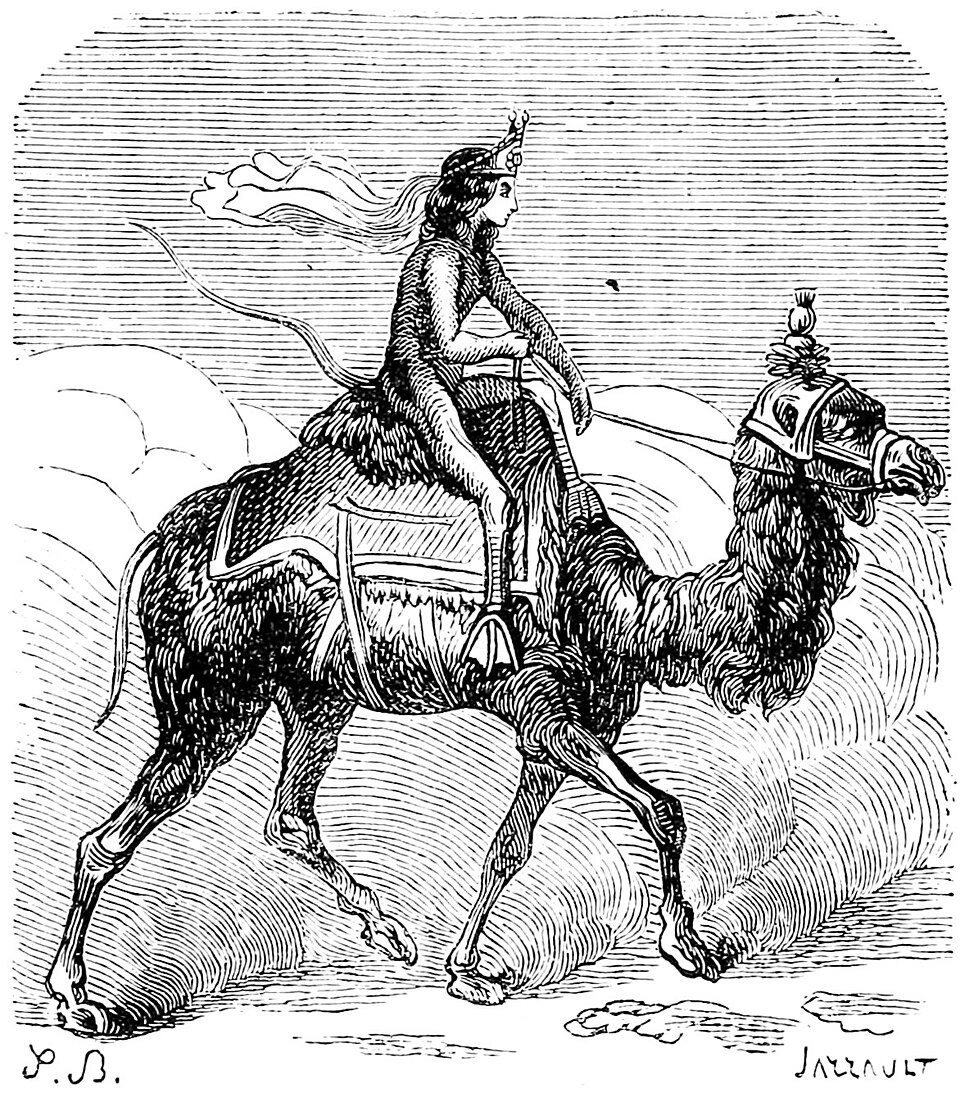
Paimon
King · Goetic Spirit
Commands two hundred legions, more than any other spirit in the book, and arrives crowned on a dromedary ahead of a host with trumpets and cymbals. The Goetia names him one of the four kings of the cardinal points, and the most obedient of them to Lucifer.
Phenex
Marquis · Goetic Spirit
Arrives as a phoenix singing sweetly in a child's voice, which the Ars Goetia expressly warns the operator not to heed. Past the singing he is a marvellous poet, willing in obedience, and sound on every science.
Purson
King · Goetic Spirit
A finder — of hidden things, of buried treasure, and of what has happened and what is coming. A king of the Ars Goetia, he arrives lion-faced on a bear with a viper in his hand and trumpets sounding before him.
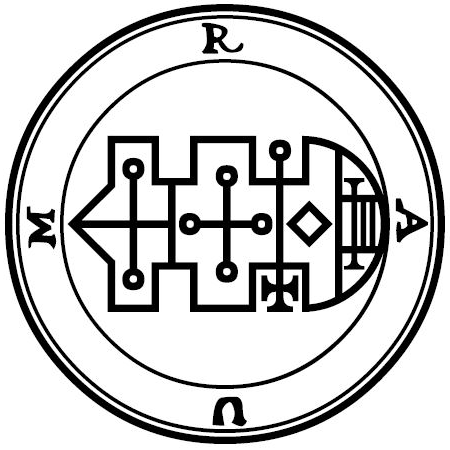
Raum
Earl · Goetic Spirit
Robs royal houses and carries what he takes wherever he is told, levels cities, and strips men of rank — and then, in the same entry, causes love between friends and foes. He appears as a crow, then as a man.

Ronove
Marquis and Earl · Goetic Spirit
Teaches rhetoric well, in the Goetia's phrase — faint praise beside the extravagant claims made either side of him. He appears simply as a monster holding a staff, and supplies servants and the knowledge of tongues.
Sabnock
Marquis · Goetic Spirit
Fortifies what Vepar sinks — high towers, castles and cities, furnished with armour — and inflicts the same worm-filled sores, over days rather than in three. He rides a pale horse as an armed soldier with a lion's head.
Sallos
Duke · Goetic Spirit
His brief is the shortest of the seventy-two: he causes love between men and women, and the entry stops there. He is a crowned soldier riding a crocodile, and the Goetia describes him as peaceable.
Samigina
Marquis · Goetic Spirit
Asked about the souls of those who died in sin, he gives an account of them — an office no other spirit in the seventy-two is given. He arrives as a small horse or donkey, and becomes a man if the operator asks.
Shax
Marquis · Goetic Spirit
Strips sight, hearing and understanding from whoever he is set upon. The Goetia calls him a great deceiver who lies outside the triangle, and gives him one of its strangest promises: money taken from a king's house comes back after twelve hundred years.
Sitri
Prince · Goetic Spirit
A griffin-winged leopard's head that resolves into a very beautiful man. His single office is compulsion in desire, running in both directions, and the Goetia is explicit that it extends to making its objects strip.
Stolas
Prince · Goetic Spirit
His teaching is narrow and exact — astronomy, and the properties of herbs and precious stones — with none of the wars, treasures or transformations that crowd the entries around him. He comes as a mighty raven, then a man.
Uvall
Duke · Goetic Spirit
Speaks Egyptian, and speaks it imperfectly — a detail the Goetia thought worth recording about a spirit whose offices are otherwise love, foreknowledge and reconciliation. He is a mighty dromedary before he is a man.
Valefor
Duke · Goetic Spirit
Offered as a good familiar with an unusual condition attached: he keeps company with the operator until he has tempted him into theft, and then until the theft is discovered. The Ars Goetia gives this duke the form of a lion with a braying ass's head.
Vapula
Duke · Goetic Spirit
His whole office is competence: every handicraft, every profession, and philosophy and the sciences besides, with nothing of war, love or treasure attached — unusual among the Goetic demons. He appears as a lion with griffin's wings.
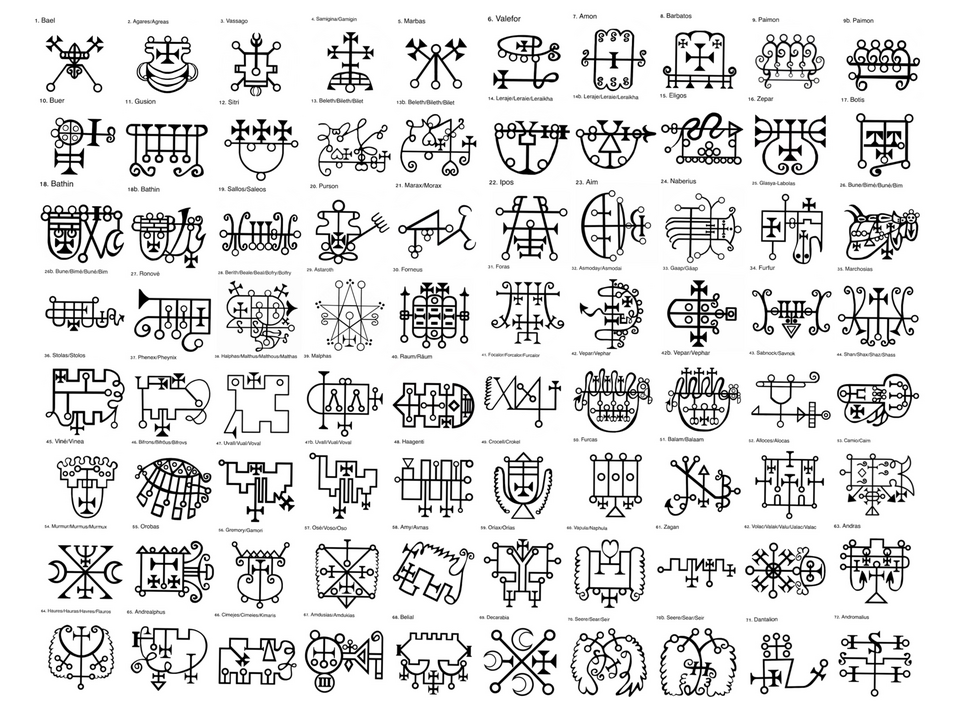
Vepar
Duke · Goetic Spirit
Guides armed ships, or roughens the sea until they founder. Her other office is precise and grim: wounds that putrefy with worms and kill within three days. She appears as a mermaid.
Vine
King and Earl · Goetic Spirit
Holds two ranks at once, and builds and demolishes with equal ease — towers raised, stone walls thrown down, the sea roughened at will. He is also the spirit the Goetia sets to finding witches and wizards.

Volac
President · Goetic Spirit
Knows where serpents are, and delivers them to the operator without strength or force being needed — a gift no other entry offers. He appears as a child with angel's wings riding a two-headed dragon.
Zagan
King and President · Goetic Spirit
Runs liquids through every transformation the text can think of — wine to water, water to wine, blood to wine — and turns metal into coin. He also, the Goetia says flatly, makes fools wise.
Zepar
Duke · Goetic Spirit
His two offices sit badly together: he brings women to love men and brings the two together, and he also makes them barren. A duke of the Ars Goetia in the form of a soldier in red apparel and armour, and the text offers no reconciliation of the pair.
Andromalius
Earl · Goetic Spirit
Last of the seventy-two demons of the Ars Goetia, and the one set against dishonesty: he returns the thief along with what was taken, exposes underhand dealing, and punishes it. He appears as a man holding a great serpent.
Dantalion
Duke · Goetic Spirit
Wears the faces of every man and woman at once and carries a book. The Goetia gives him the broadest claim of the seventy-two — he knows the thoughts of everyone alive, and can change them.
Seere
Prince · Goetic Spirit
Among the most obliging spirits in the book: he comes and goes in the twinkling of an eye, brings abundance of all things, carries goods wherever he is sent, and is described as willing to do what he is asked. A beautiful man on a winged horse, and absent from Weyer.
Vassago
Prince · Goetic Spirit
One of four spirits the Ars Goetia adds to Weyer's older list, and among the handful it calls good-natured. His work is retrieval: what has already happened, what is coming, and whatever has been hidden or lost.