Demonic · Goetic Spirit · c. 1577 CE
Vassago
One of four spirits the Ars Goetia adds to Weyer's older list, and among the handful it calls good-natured. His work is retrieval: what has already happened, what is coming, and whatever has been hidden or lost.
Single lineage
Form. Of a good nature, sharing the nature of Agares.
Offices. Declares things past and to come, and discovers what is hidden or lost.
Identity
Where does the name come from?
Where it was actually worshipped
None. The Ars Goetia is a conjuring manual and not a liturgy: its spirits are constrained, put to work and dismissed, never housed or offered to. Not one of the seventy-two has a temple, a shrine, a festival or a place-name anywhere.
A figure with temples and a figure that only ever existed on a page are different kinds of thing, and the difference is easy to lose once both are entries in a list.
At a glance
Vitals
Vitals
- Rank
- Prince
- Order
- Goetic Spirit
- Base of operations
- None. The Ars Goetia is a conjuring manual and not a liturgy: its spirits are constrained, put to work and dismissed, never housed or offered to. Not one of the seventy-two has a temple, a shrine, a festival or a place-name anywhere.
- Era
- c. 1577 CE
- Traditions
- Solomonic, Folk & Demonological
- Placed in
- Ranks of the Seventy-Two
Traits
- Traditional form
- Of a good nature, sharing the nature of Agares.
- Goetic rank
- Prince
Stats
4 attributed
What is it said to do?
Where these powers cluster
The 4 offices attributed to Vassago, grouped by kind. Segment width is the share of powers falling in each category.
A bar dominated by one colour means a specialist; an even spread means a figure the sources credit with almost anything.
- divination3
- martial1
One plate
Does it have a seal?
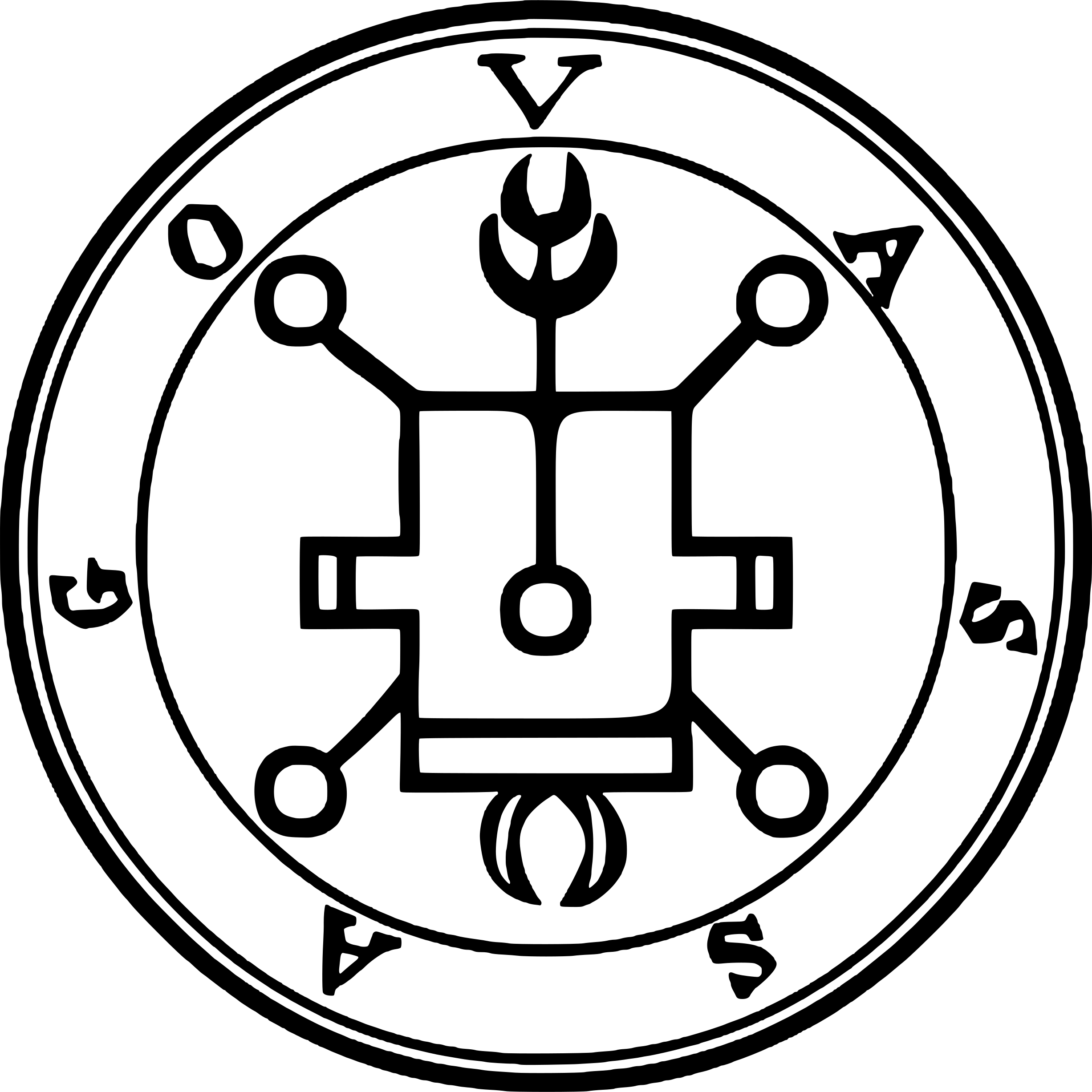
This is the engraved shape from the 1904 Mathers and Crowley printing of the Ars Goetia, which is long out of copyright. It is not a manuscript drawing: the Lemegeton witnesses — Sloane 2731, Sloane 3648, Harley 6483 — carry hand-drawn seals that differ in line and sometimes in detail, and none of those are held here. The seals also arrive some seventy years after the list of spirits itself, so a seal is evidence about the printed tradition rather than about the figure.
It is reproduced as an object of study. What the text says such a seal was for is described in the sources below; this site does not carry the procedure for using one.
S. L. MacGregor Mathers & Aleister Crowley (1904 edition) · Public domain · 03-vassago-sigilo-ars-goetia.svg
1 mark
Which marks is it attached to?
A mark a figure carries and a mark used against a figure are opposite claims, so each link says which it is.
1 texts
Which texts say so?
Absent from Weyer. One of four spirits the Ars Goetia adds — the others are Vassago, Seere, Dantalion and Andromalius — against the one Weyer carries that the Goetia drops, Pruflas.

Declares things past and to come, and discovers what is hidden or lost.
“The Third Spirit is a Mighty Prince, being of the same nature as Agares. He is called Vassago.”
Connections
What is it connected to?
Nothing, and that is what the source says. The Ars Goetia gives Vassago a rank, a number of legions, a list of offices and a seal, and no relationship to any other spirit in the book — no lineage, no faction, no quarrel. Sixty-seven of the seventy-two are in the same position. A catalogue of self-contained entries is what that text is, and the emptiness here is the shape of it rather than work outstanding.
Placement
Where does it sit in the hierarchies?

Answered from the sources
Common questions
Which texts mention Vassago?
What rank is Vassago?
What is Vassago said to do?
How old is Vassago?
Nearest in the corpus
If Vassago is what you came for, these are next
Chosen by proximity rather than by popularity: the same pantheon first, then the same rank, then the same kind of figure.
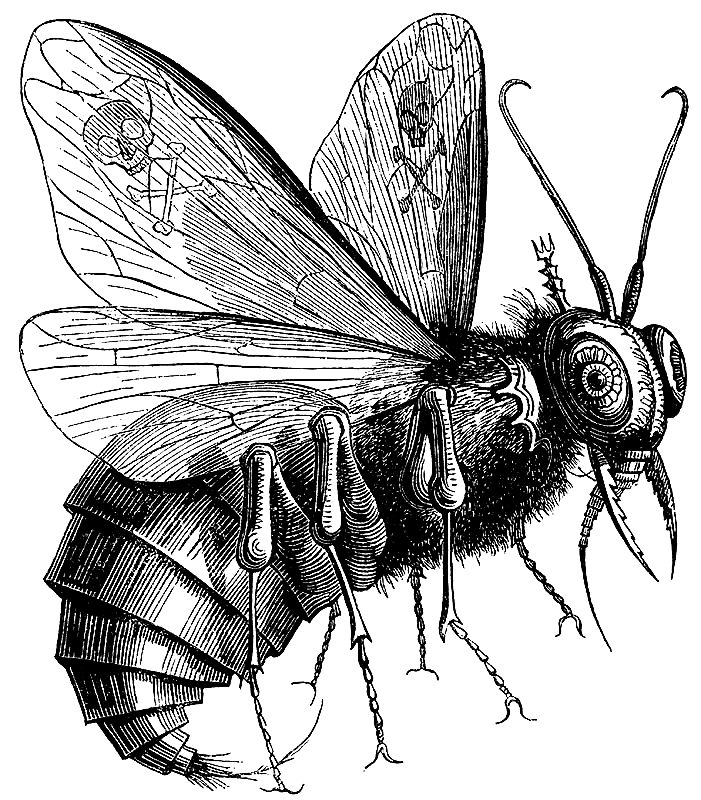
Beelzebub
Prince · Infernal Court
'Lord of the Flies' — a Philistine god of Ekron whose name was almost certainly deformed as a Hebrew insult, then inherited by Christian demonology as the second power of hell.
Moloch
Prince · Infernal Court
The deity of the Tophet child sacrifices in Kings and Jeremiah — or, on a long-running scholarly reading, the name of the sacrifice itself rather than a god.
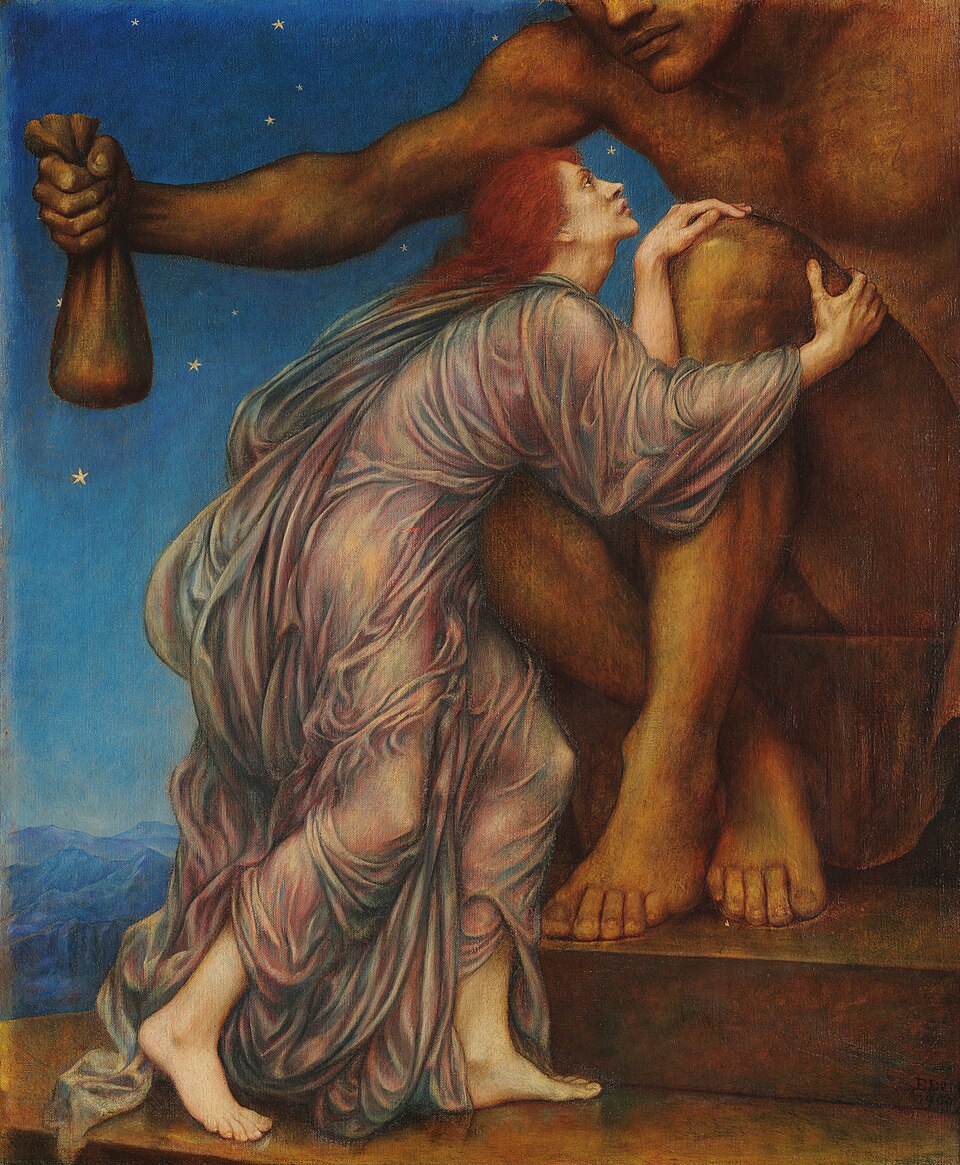
Mammon
Prince · Infernal Court
Wealth personified. The gospels use the word for money itself; demonology turned the metaphor into an officer of hell.
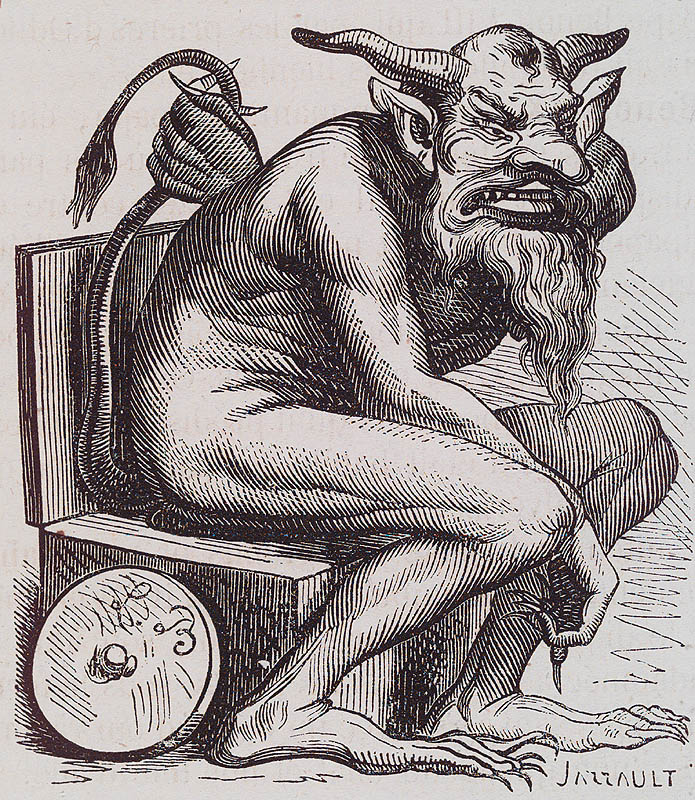
Belphegor
Prince · Infernal Court
The Moabite Baal of Peor, reassigned by demonology as the demon of sloth and of ingenious inventions. A god turned into a joke about laziness.
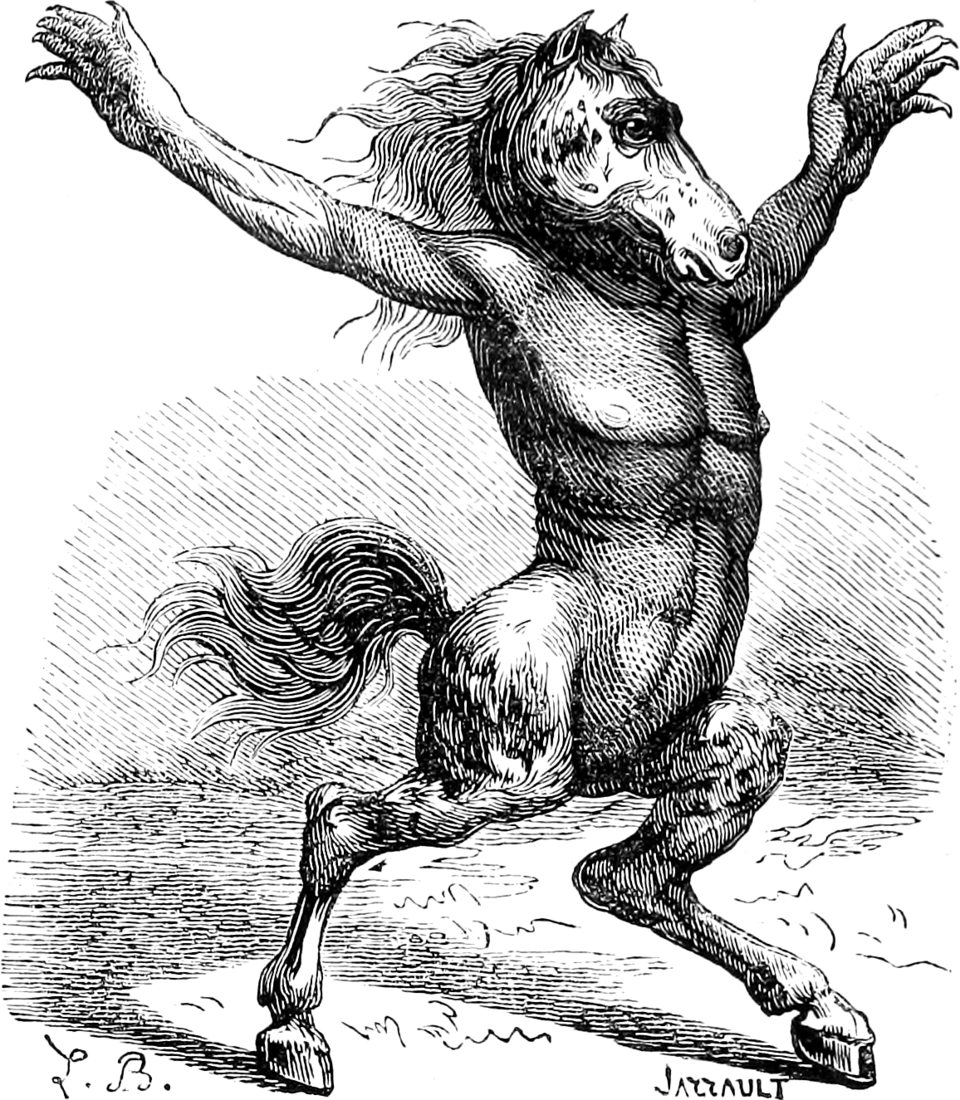
Orobas
Prince · Goetic Spirit
Singled out in the Goetia as faithful and honest — he does not tempt or deceive, and he defends the operator against the other spirits, which no other entry promises. He discourses on divinity and the creation of the world.
Sitri
Prince · Goetic Spirit
A griffin-winged leopard's head that resolves into a very beautiful man. His single office is compulsion in desire, running in both directions, and the Goetia is explicit that it extends to making its objects strip.
The books behind Vassago
Every claim on this profile is attributed to one of these. They are public domain, listed oldest first, and each links to a full text where one is freely available.
Pseudomonarchia Daemonum
Johann Weyer · 1577 · Latin
Read Pseudomonarchia Daemonum in full ↗Cover: Public domain · Pieter Holsteyn II · Wikimedia file page
The Lesser Key of Solomon, Book I: Ars Goetia
Anonymous; ed. S. L. MacGregor Mathers & A. E. Waite · 17th c.; ed. 1904 · English (from Latin)
Read The Lesser Key of Solomon, Book I: Ars Goetia in full ↗Cover: Public domain · anonymous design, redrawn by User:Fuzzypeg · Wikimedia file page
Corpus last revised 29 August 2026. A reference site’s credibility rests on being maintained, so this is the date the sourced records last changed — not the date the page was rebuilt.