A study from the corpus
The seals are younger than the list
The seals are the most reproduced images in Western occultism — seventy-two angular figures, one per spirit, copied onto everything since 1904. They are also the newest part of the catalogue they belong to. The spirits were listed with names, ranks, offices and legion counts some seventy years before anybody drew a sigil for any of them.
Nobody claims otherwise; the tradition is simply quiet about it. This is the dating, and what the seals turn out to be for once you have it.
Dated from the corpus at build time. Corpus last revised 29 August 2026.
Published · Updated
The count
72
Spirits with a seal
One each, no exceptions
0
Seals in Weyer, 1577
The list exists; the images do not
~70
Years between them
List first, seals after
4
Spirits Weyer lacks
All of them sealed anyway
Three moments
The catalogue, the seals and the printed plates are three separate events, and the gaps between them are the study.
Weyer's Pseudomonarchia Daemonum has the spirits, their ranks, their offices and their legions — the whole apparatus that makes the catalogue recognisable — and not one sigil. Everything a reader thinks of as Goetic is already present here except the images.
The seals, in manuscript
17th centuryThe Lemegeton manuscripts carry a drawn seal for every spirit, with a blunt instruction attached: make it in metal, wear it, and the spirit will do you obedience. The images and the instruction arrive together, roughly seventy years after the list they belong to.
The plates
1904Mathers and Crowley print the seals, and those engraved shapes become the ones the modern world knows — reproduced continuously since, tattooed, printed on record sleeves, used as band logos. Every seal on this page is one of those plates rather than a manuscript drawing.
What each text does with the seals
Pseudomonarchia Daemonum · 1577
The same spirits and offices seventy years earlier, with no seals at all.
The Lesser Key of Solomon, Book I: Ars Goetia · 17th c.; ed. 1904
Prints a seal for each of the seventy-two, with the instruction to wear it in metal.
What a seal is for
Knowing when they arrive makes the instruction attached to them legible. The seal is not a portrait of the spirit and not a decoration on the page — it is a thing you are told to manufacture and carry.
In the text’s own terms
Proof of contract. The seal is the token the operator holds, and the spirit's obedience is owed to the seal rather than to the operator personally.
That is a specific and slightly unusual claim. Obedience is owed to the object rather than to the person holding it, which makes the seal closer to a warrant or a badge of office than to a picture — the operator is being issued a credential. It also explains the instruction to make it in metal: a drawing on paper is a copy of a credential, and metal is what a real one is made of.
None of that machinery is in the 1577 list, which is the point of the dating. Weyer’s spirits have ranks and offices and legions but nothing you are told to carry, so the entire apparatus of the seal — object, instruction, transferable authority — enters with the manuscripts rather than with the catalogue.
The spirits Weyer does not have
4 of the seventy-two appear in the Goetia and not in the earlier list. Every one of them has a seal, which says something about how the set was produced: the seals were made for the final catalogue of seventy-two rather than inherited piecemeal alongside the names. Whoever drew them was working from a list that already had its full complement.
The plates themselves
11 of 72 seals are held locally so far, from the 1904 printing and long out of copyright. They are the engraved shapes, not the manuscript drawings — the Lemegeton witnesses carry hand-drawn versions that differ in line and sometimes in detail, and none of those are represented here or anywhere else on this site.
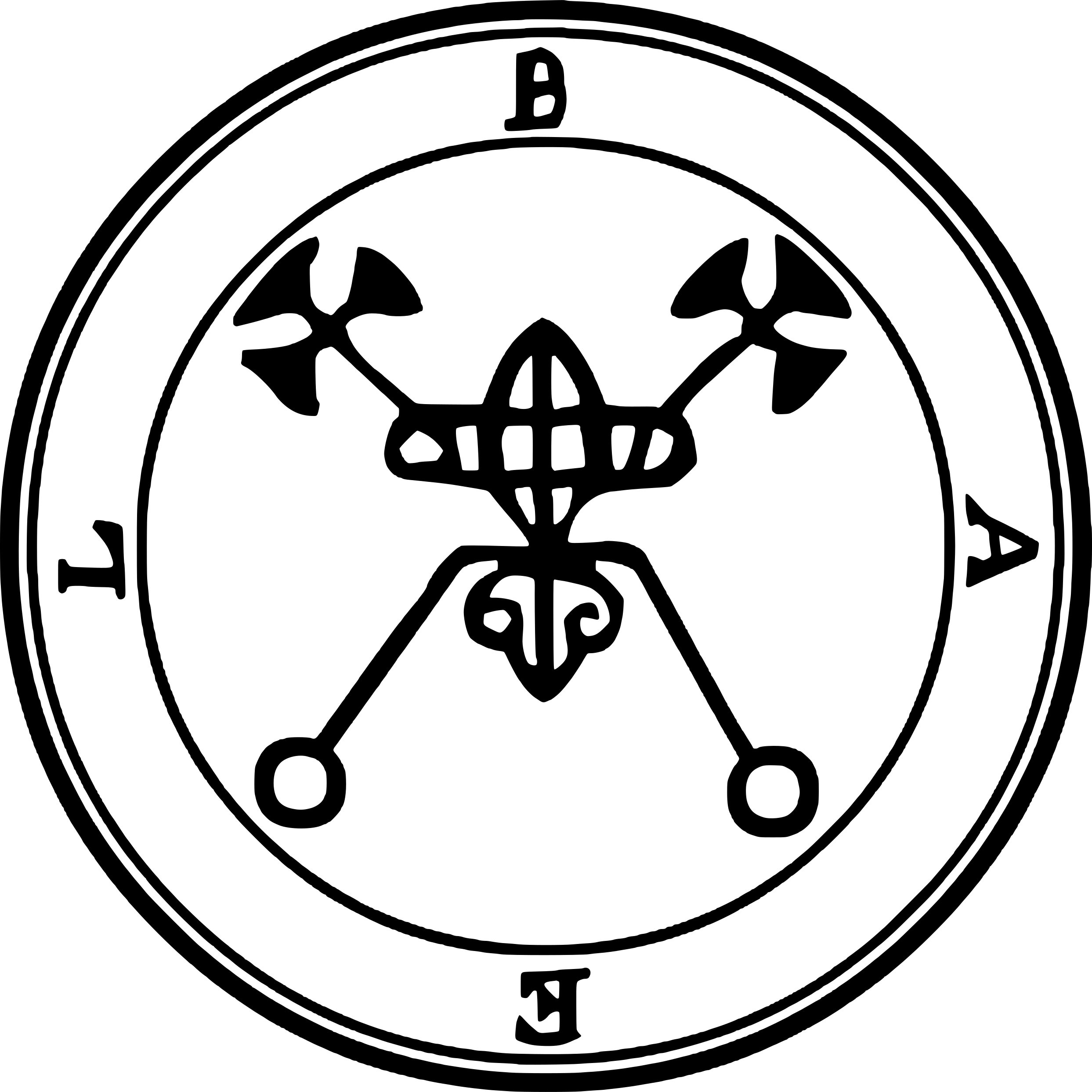
1. Bael
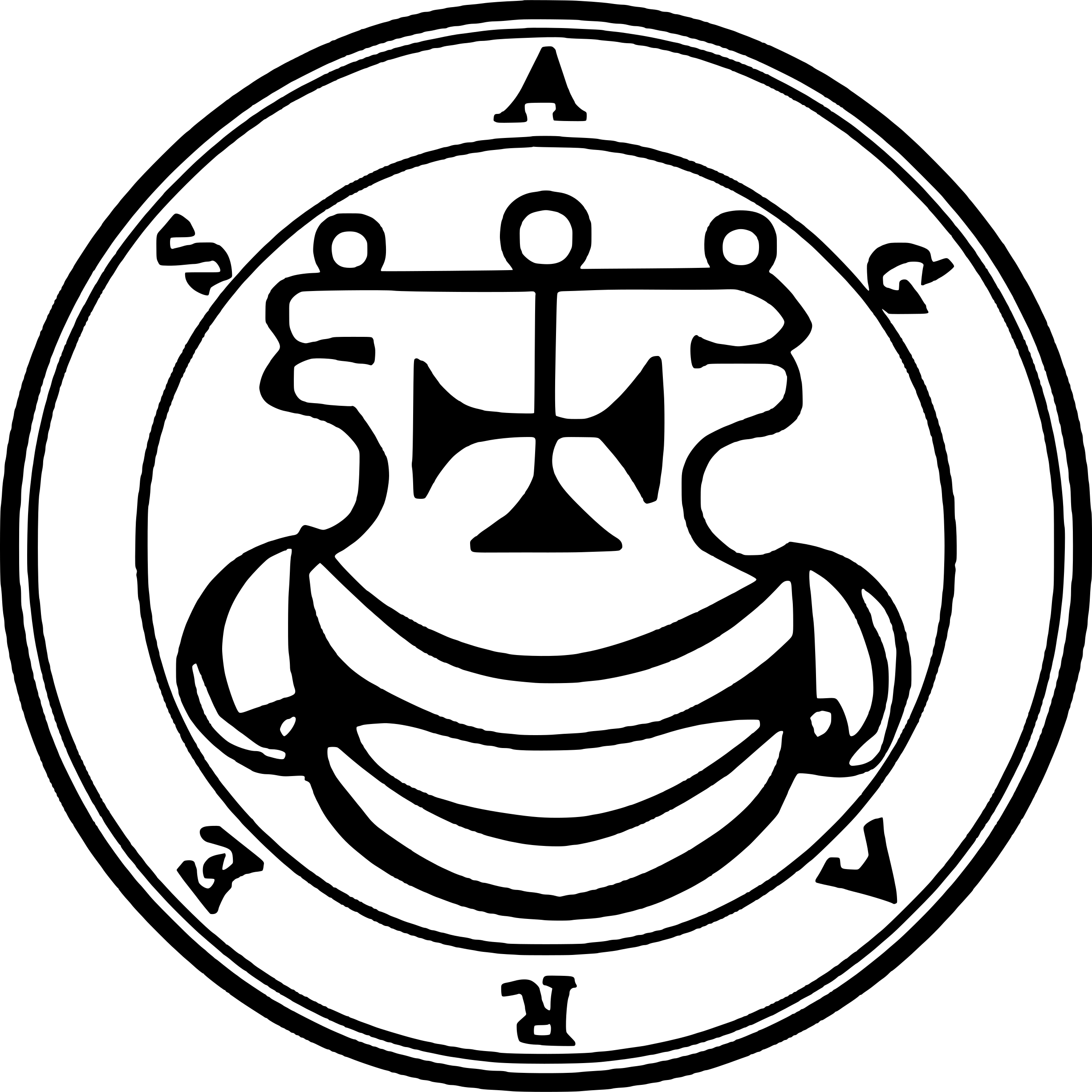
2. Agares
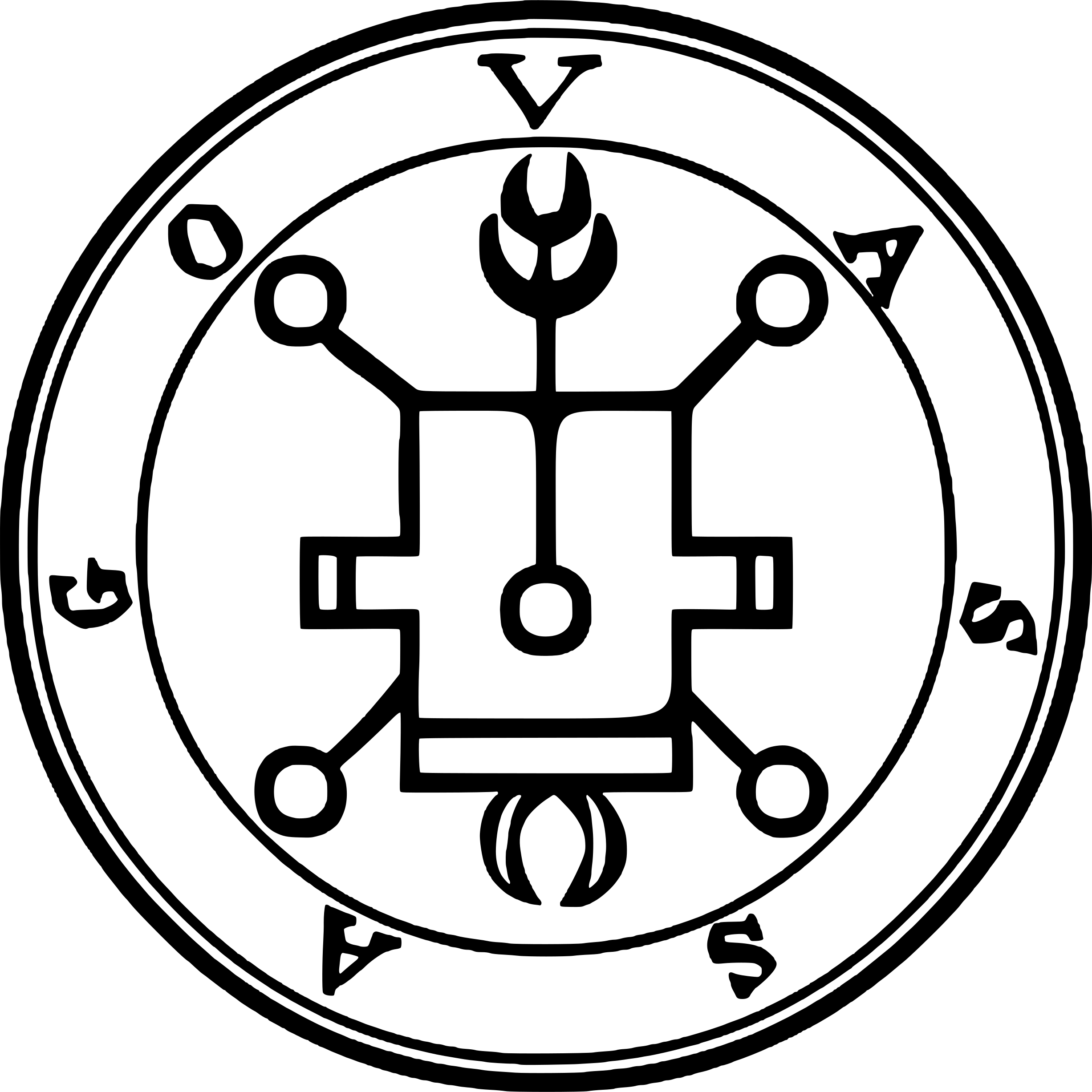
3. Vassago
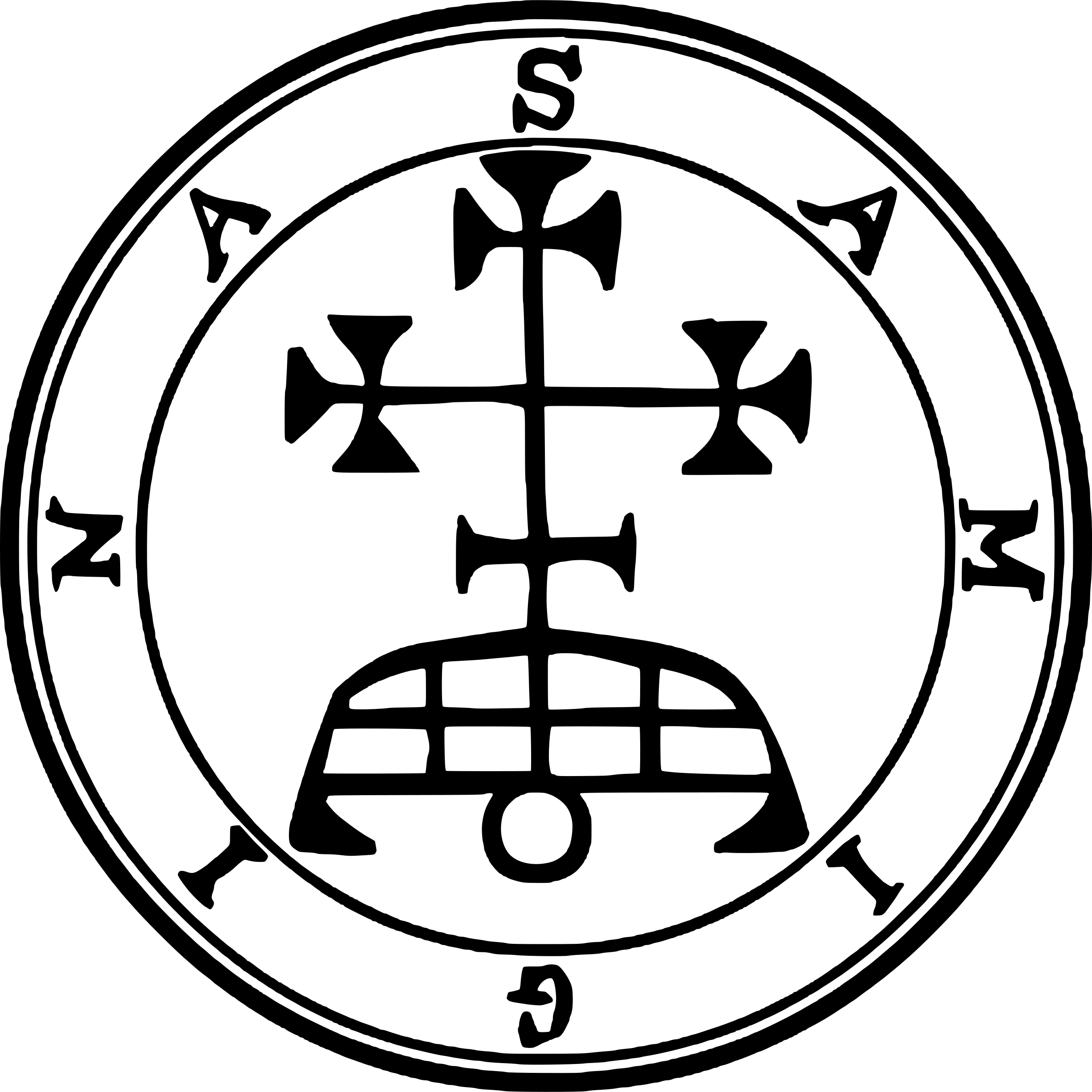
4. Samigina
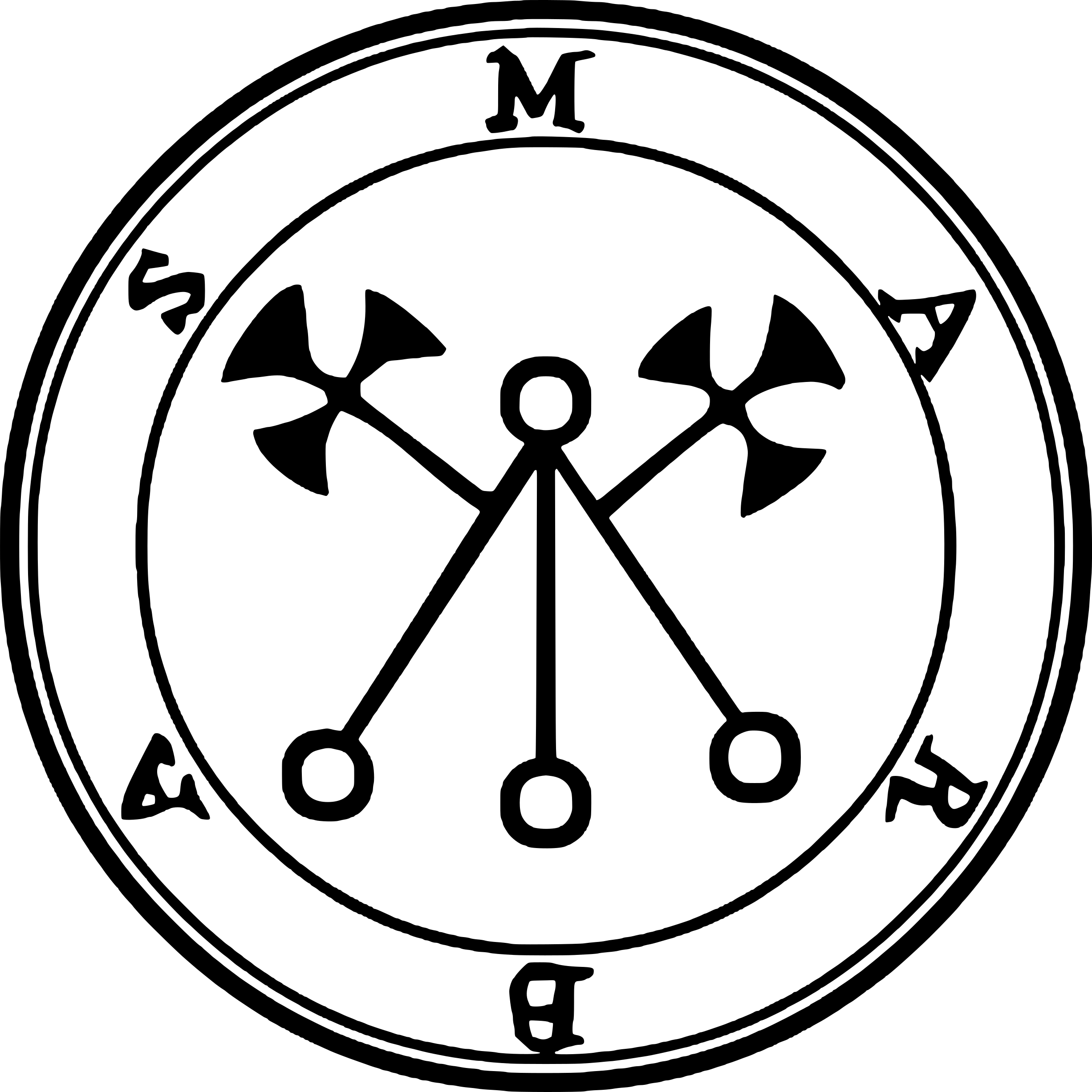
5. Marbas
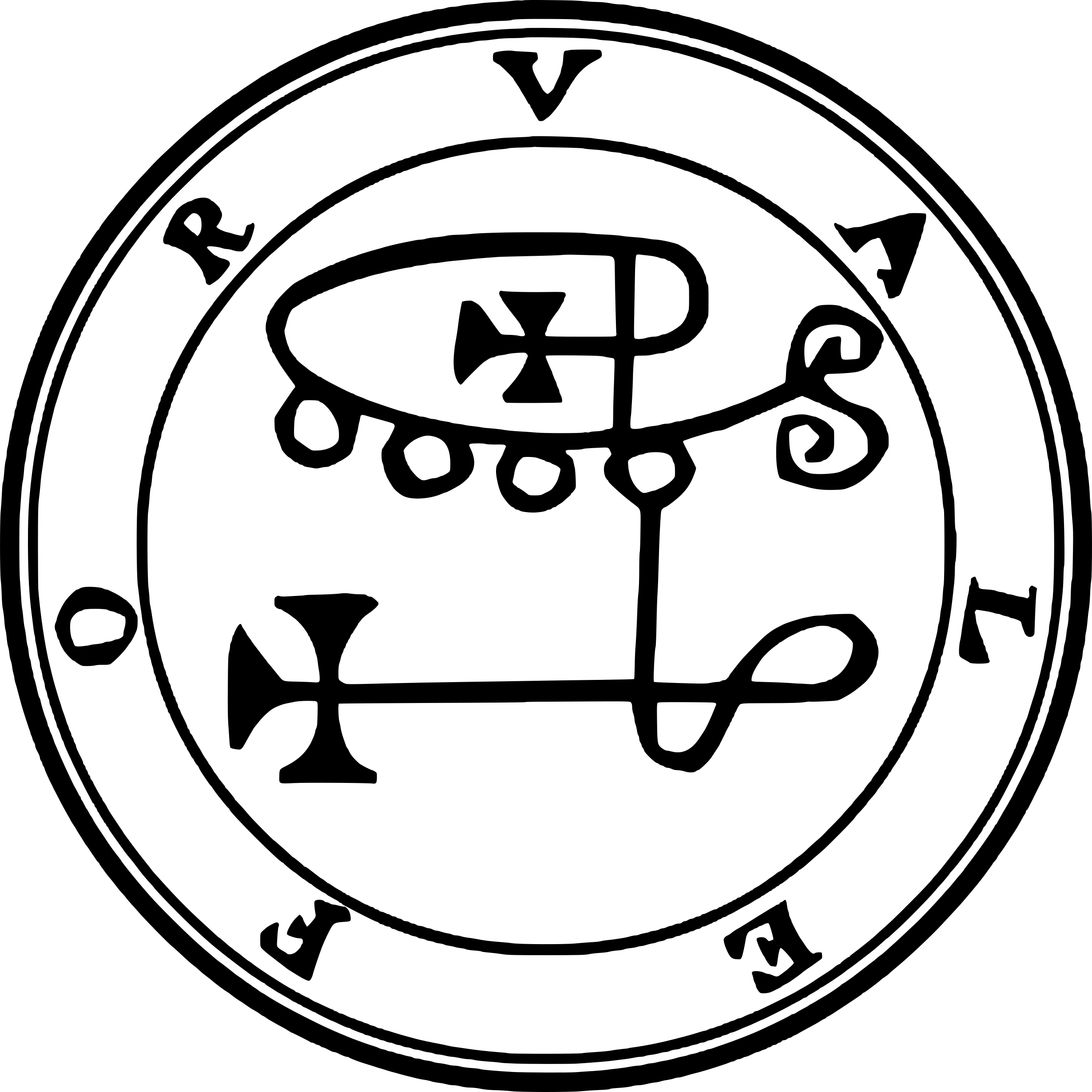
6. Valefor
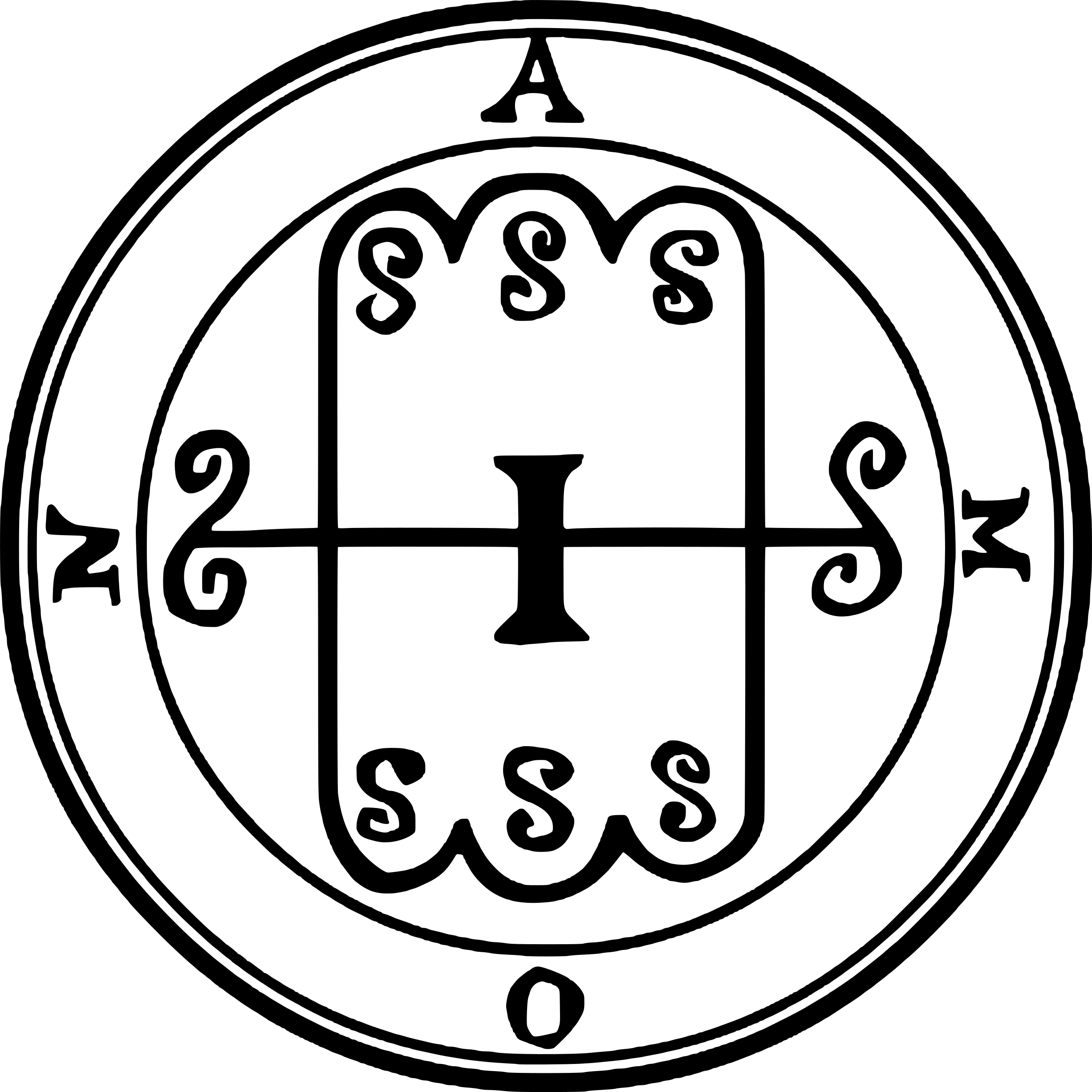
7. Amon
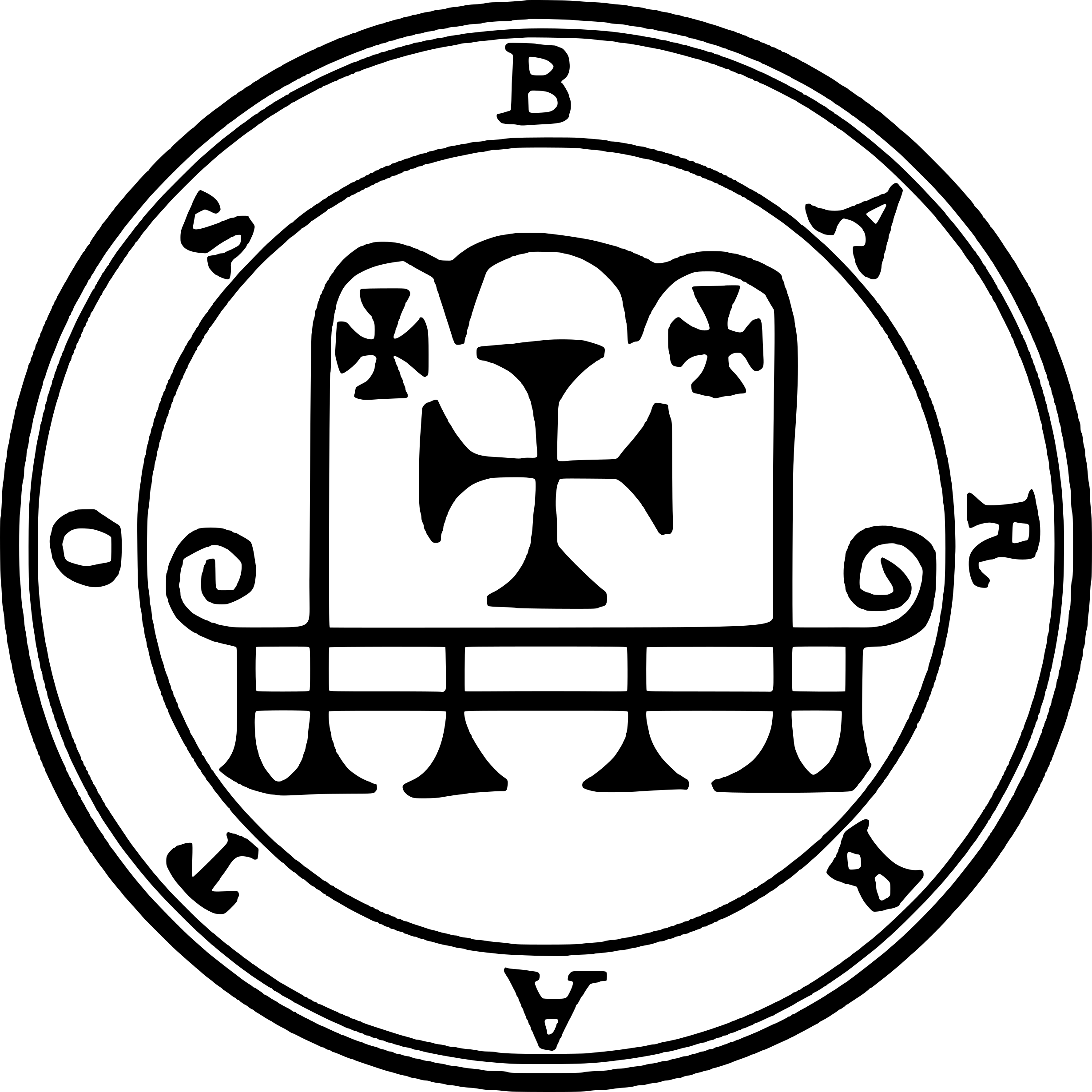
8. Barbatos
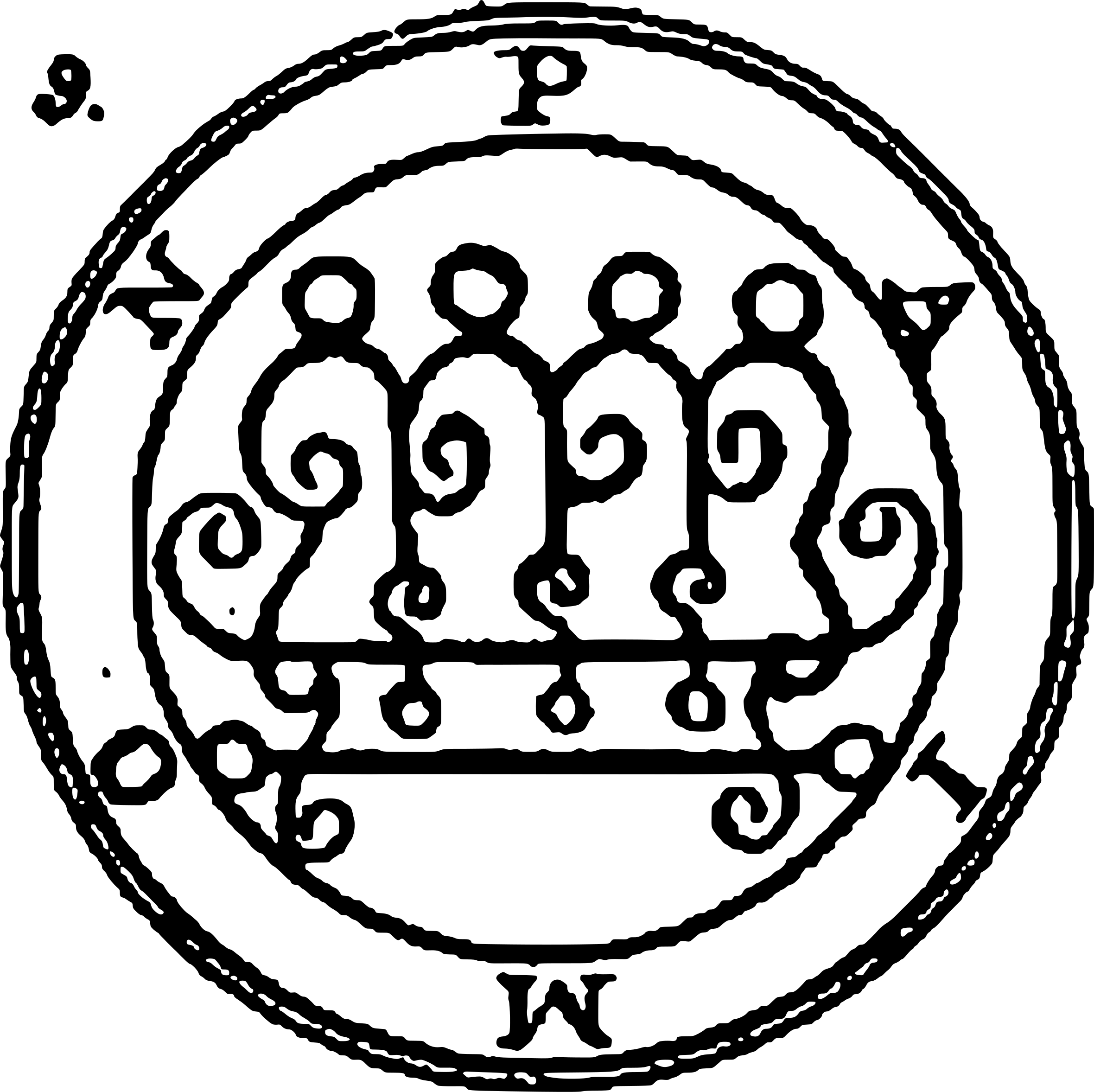
9. Paimon
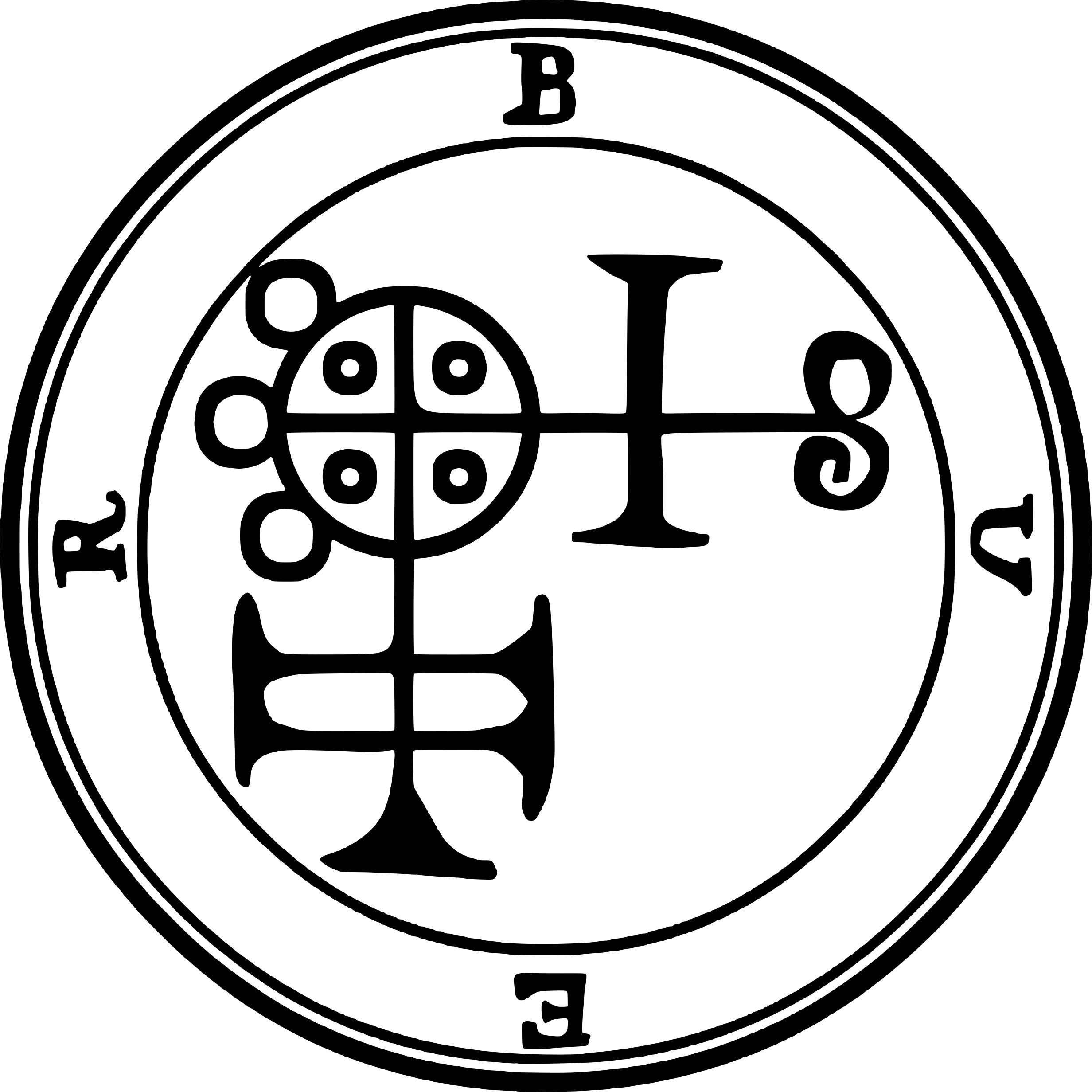
10. Buer
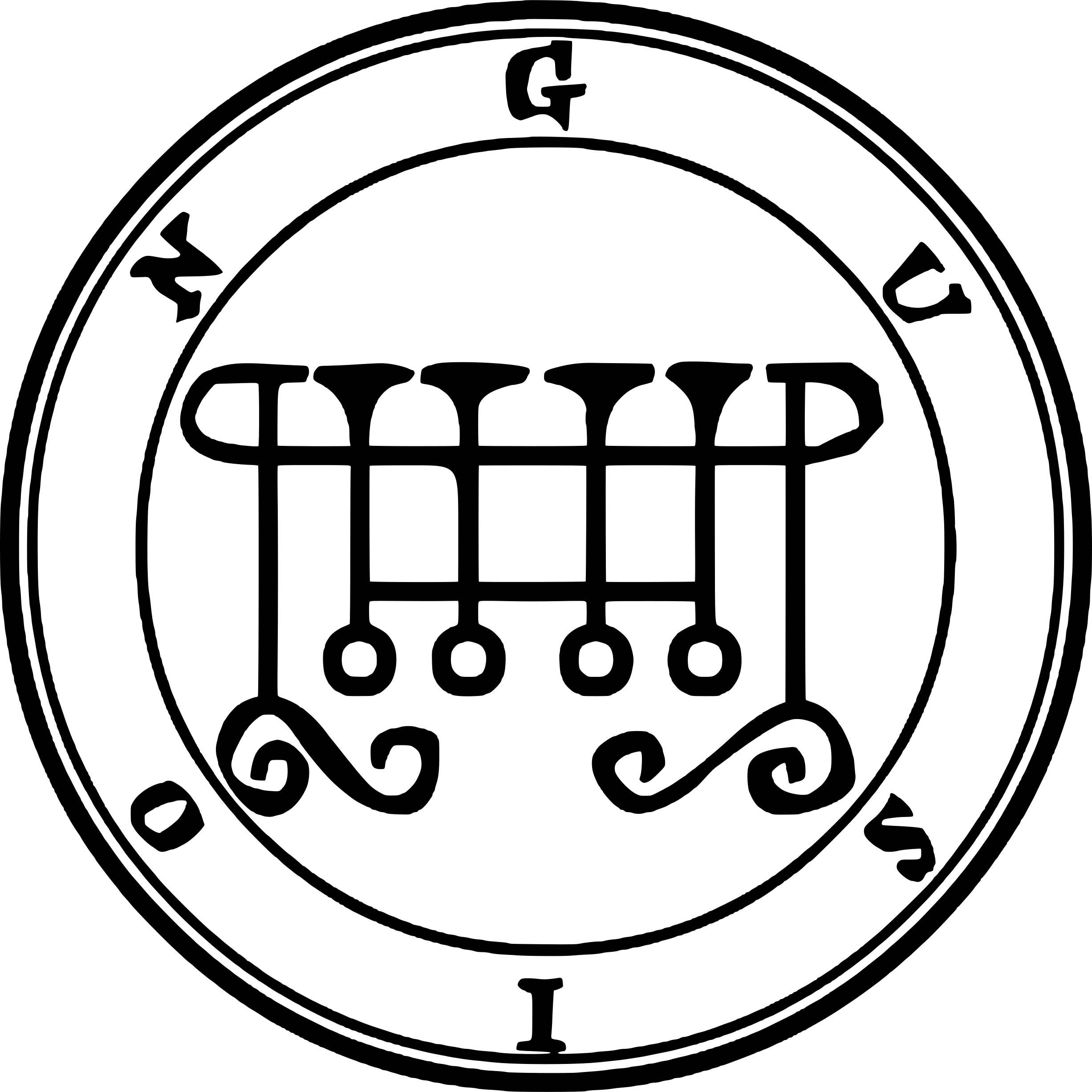
11. Gusion
Public domain · S. L. MacGregor Mathers and Aleister Crowley, 1904 edition · sourced from Wikimedia Commons
What the dating shows
The catalogue and its images are separable, and they separate cleanly. In 1577 the seventy-two exist as text: names, ranks, offices, legion counts, everything a reader needs to recognise the tradition. Some seventy years later they acquire bodies — a drawn seal each, and an instruction to make it in metal and wear it. The sequence runs list first, images after, and that is the opposite of how the material is usually encountered, since almost everyone meets the seals before they read a single office.
The completeness is the second result. All 72 carry a seal, including the 4 that Weyer’s list does not contain at all, so the set was produced against the final roster rather than accumulating name by name. That is what a compiled artefact looks like — one hand, one sitting, one finished list in front of them.
And the seals turn out to be doing something the list never asked for. A rank tells you what a spirit is; a seal is a thing you are told to hold, and obedience attaches to the object rather than to you. That is a change in what the catalogue is for — from a reference work about spirits to a set of instructions for dealing with them — and it happens in the same seventy-year gap.
What is still open
Where the shapes come from
Genuinely unknown, and not for want of trying. The seals follow no stated derivation rule — unlike Agrippa’s characters, which are generated from a name letter by letter — and no two commentators have agreed on where the forms originate. This is an open question in the scholarship rather than a gap in this corpus.
Which seals vary between manuscripts
Answerable, but not from here. It needs a collation of the Lemegeton witnesses — Sloane 2731, Sloane 3648, Harley 6483 and their relatives — against the 1904 plates, seal by seal. The manuscripts are held in known collections and much of the work exists in published editions; the corpus simply does not carry it yet.
Method
The dating comes from the corpus’s own records: 74 seal links across the seventy-two, the Pseudomonarchia rows that carry no seal, and the date each source text is assigned. What would change the conclusion: a sixteenth-century witness carrying sigils for these spirits, or evidence that Weyer knew of seals and omitted them.