Demonic · Goetic Spirit · c. 1577 CE
Andromalius
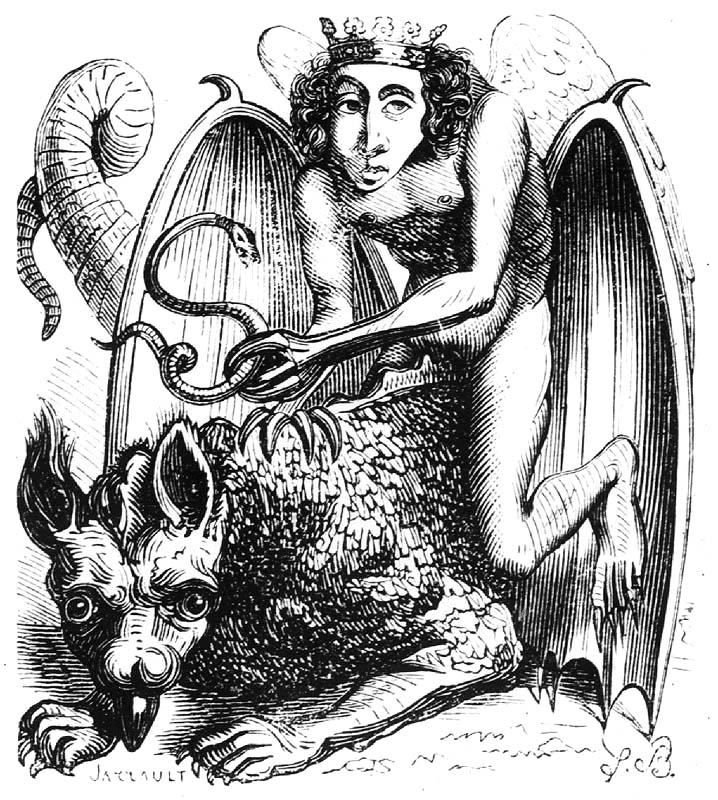
Last of the seventy-two demons of the Ars Goetia, and the one set against dishonesty: he returns the thief along with what was taken, exposes underhand dealing, and punishes it. He appears as a man holding a great serpent.
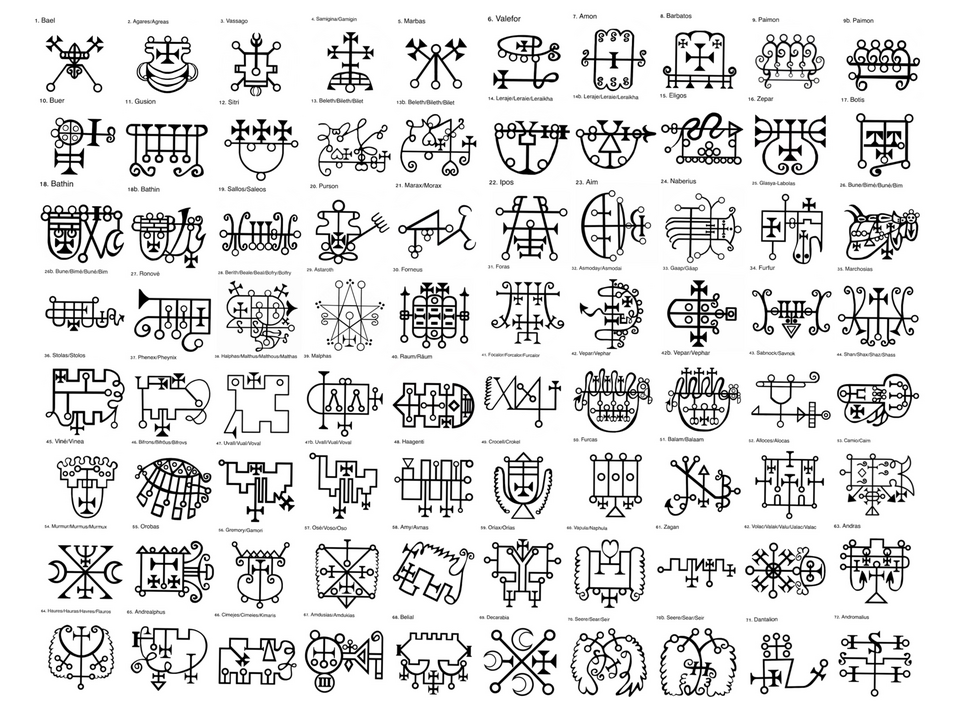
Single lineage
Form. A man holding a great serpent in his hand.
Offices. Brings back a thief and the stolen goods, discovers wickedness and underhand dealing, punishes thieves and all wicked persons, and discovers hidden treasures.
Identity
Where does the name come from?
Where it was actually worshipped
None. The Ars Goetia is a conjuring manual and not a liturgy: its spirits are constrained, put to work and dismissed, never housed or offered to. Not one of the seventy-two has a temple, a shrine, a festival or a place-name anywhere.
A figure with temples and a figure that only ever existed on a page are different kinds of thing, and the difference is easy to lose once both are entries in a list.
At a glance
Vitals
Vitals
- Rank
- Earl
- Order
- Goetic Spirit
- Base of operations
- None. The Ars Goetia is a conjuring manual and not a liturgy: its spirits are constrained, put to work and dismissed, never housed or offered to. Not one of the seventy-two has a temple, a shrine, a festival or a place-name anywhere.
- Era
- c. 1577 CE
- Traditions
- Solomonic, Folk & Demonological
- Placed in
- Ranks of the Seventy-Two
Traits
- Traditional form
- A man holding a great serpent in his hand.
- Goetic rank
- Earl
Stats
5 attributed
What is it said to do?
Where these powers cluster
The 5 offices attributed to Andromalius, grouped by kind. Segment width is the share of powers falling in each category.
A bar dominated by one colour means a specialist; an even spread means a figure the sources credit with almost anything.
- divination3
- martial2
divination
martial
1 mark
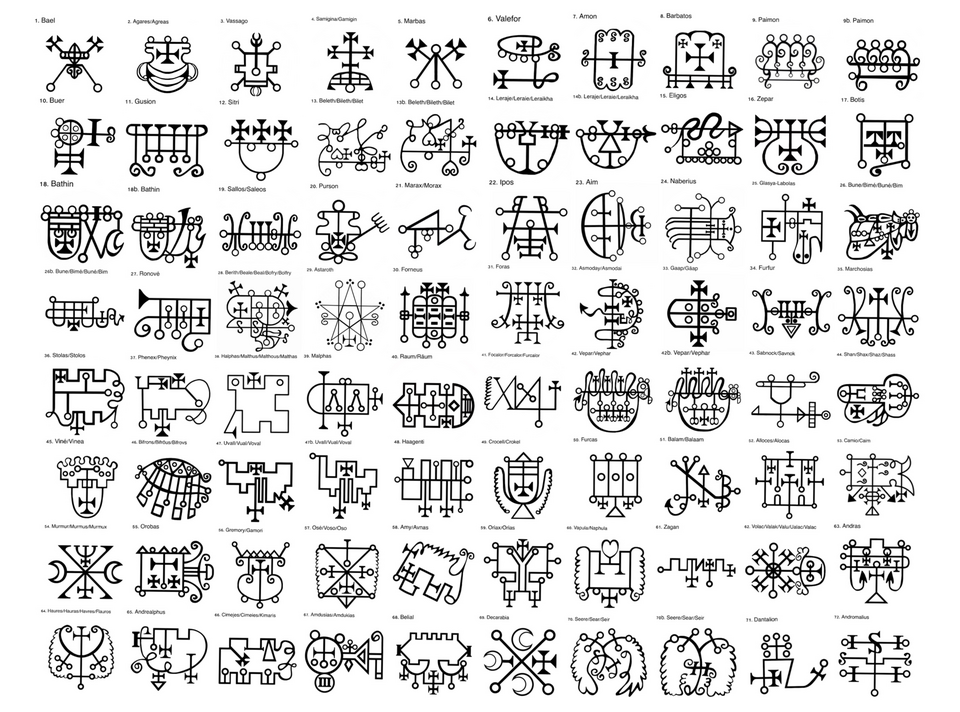
Which marks is it attached to?
A mark a figure carries and a mark used against a figure are opposite claims, so each link says which it is.
1 texts
Which texts say so?
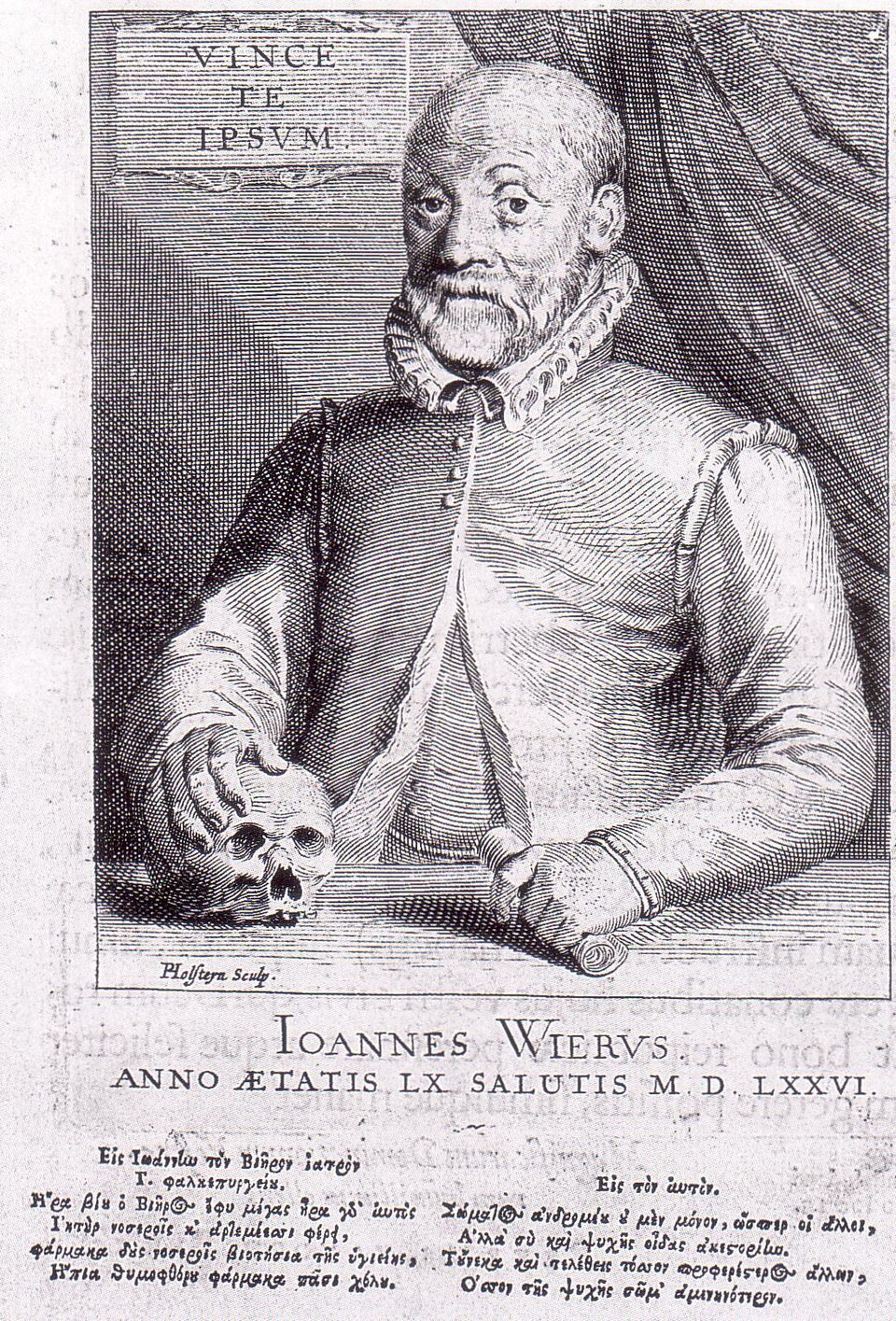
Absent from Weyer. One of four spirits the Ars Goetia adds — the others are Vassago, Seere, Dantalion and Andromalius — against the one Weyer carries that the Goetia drops, Pruflas.
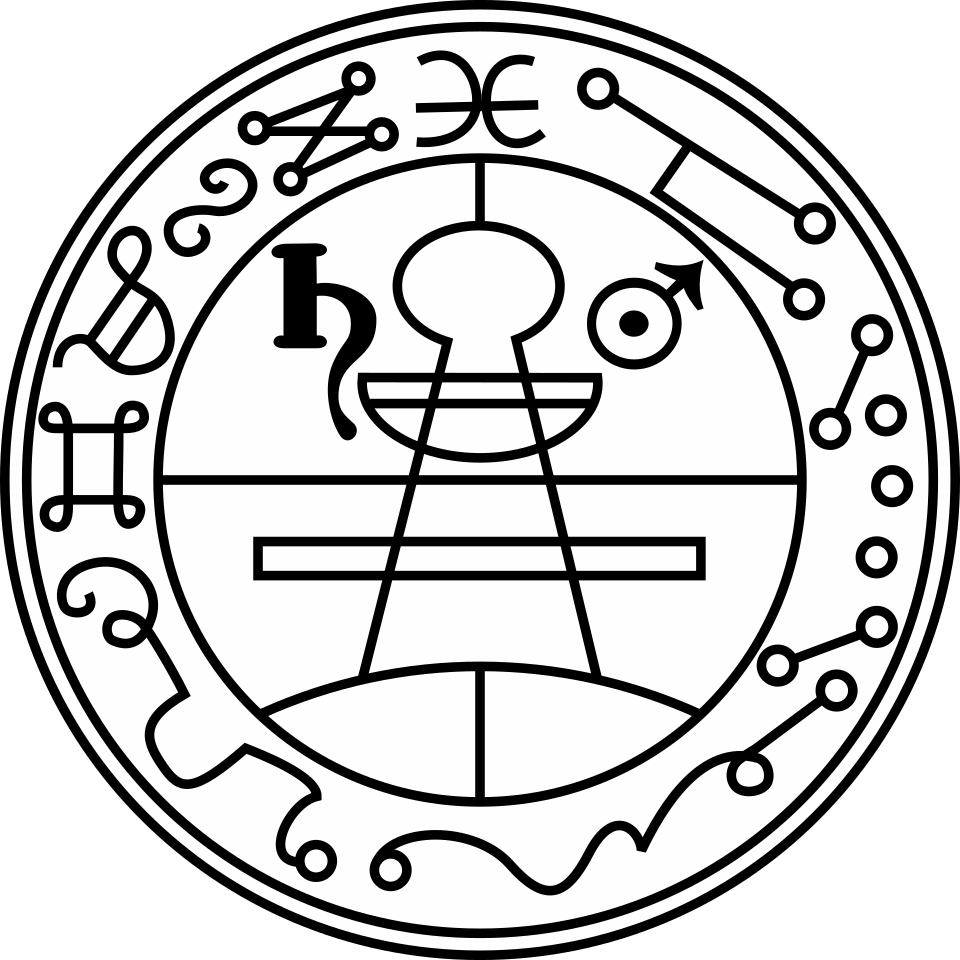
Brings back a thief and the stolen goods, discovers wickedness and underhand dealing, punishes thieves and all wicked persons, and discovers hidden treasures.
“The Seventy-second Spirit in Order is named Andromalius. He is an Earl, Great and Mighty, appearing in the Form of a Man holding a Great Serpent in his Hand.”
Connections
What is it connected to?
Nothing, and that is what the source says. The Ars Goetia gives Andromalius a rank, a number of legions, a list of offices and a seal, and no relationship to any other spirit in the book — no lineage, no faction, no quarrel. Sixty-seven of the seventy-two are in the same position. A catalogue of self-contained entries is what that text is, and the emptiness here is the shape of it rather than work outstanding.
Placement
Where does it sit in the hierarchies?

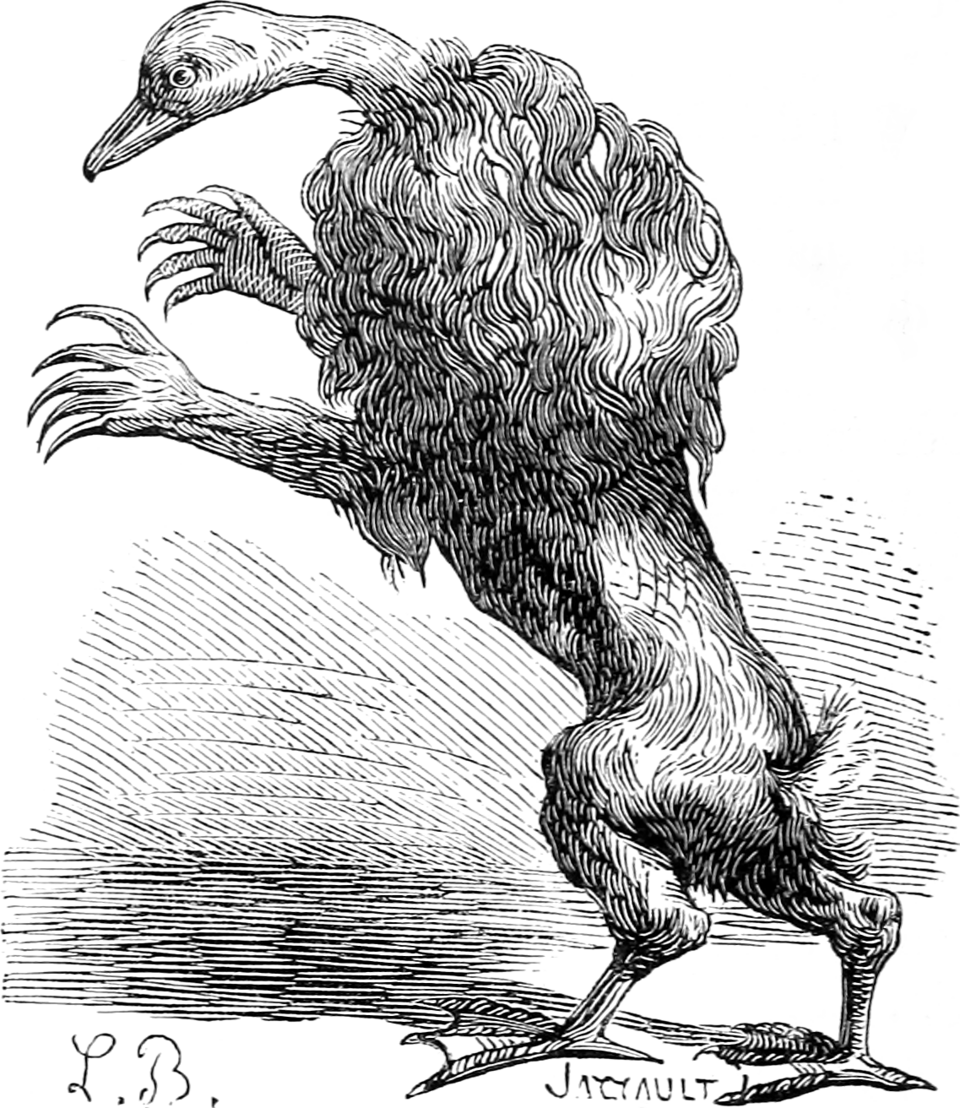

Answered from the sources
Common questions
Which texts mention Andromalius?
What rank is Andromalius?
What is Andromalius said to do?
How old is Andromalius?
Nearest in the corpus
If Andromalius is what you came for, these are next
Chosen by proximity rather than by popularity: the same pantheon first, then the same rank, then the same kind of figure.
Bifrons
Earl · Goetic Spirit
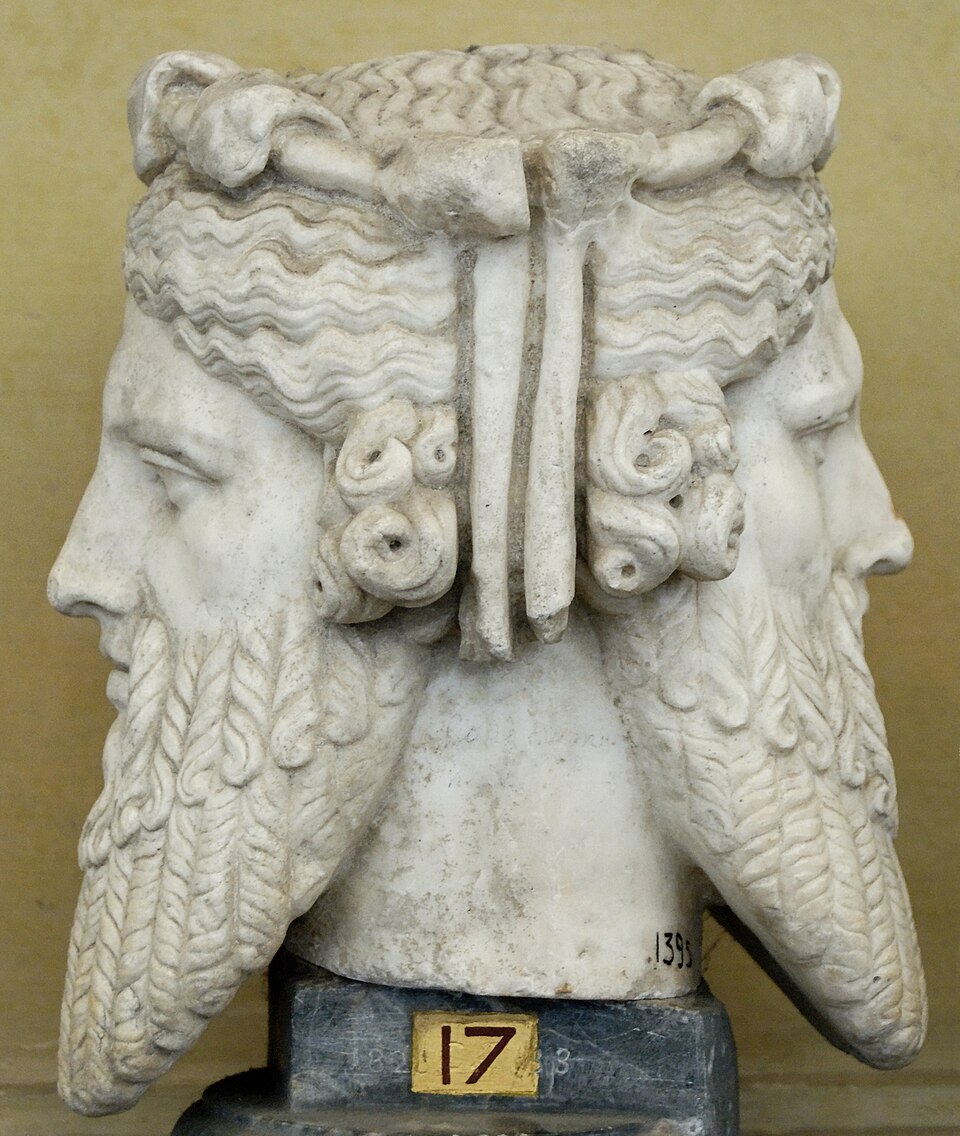
Commands six legions, fewer than any other spirit in the seventy-two. What the entry is remembered for is not the astrology or the geometry but the graveyard work: he shifts corpses between plots and sets what look like candles burning on the graves.

Furfur
Earl · Goetic Spirit
Lies unless he is confined to the triangle. Held there, he raises thunder, lightning and great tempestuous winds, settles love between husband and wife, and answers on divine and secret things; he appears as a hart with a burning tail.
Halphas
Earl · Goetic Spirit
Entirely military logistics: he raises towers, stocks them with ammunition and weapons, and sends men of war where they are ordered. The Ars Goetia has this earl deliver all of it as a hoarse-voiced stock-dove.
Raum
Earl · Goetic Spirit
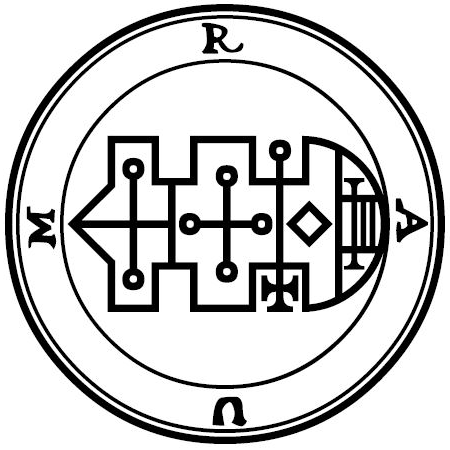
Robs royal houses and carries what he takes wherever he is told, levels cities, and strips men of rank — and then, in the same entry, causes love between friends and foes. He appears as a crow, then as a man.
Asmoday
King · Goetic Spirit
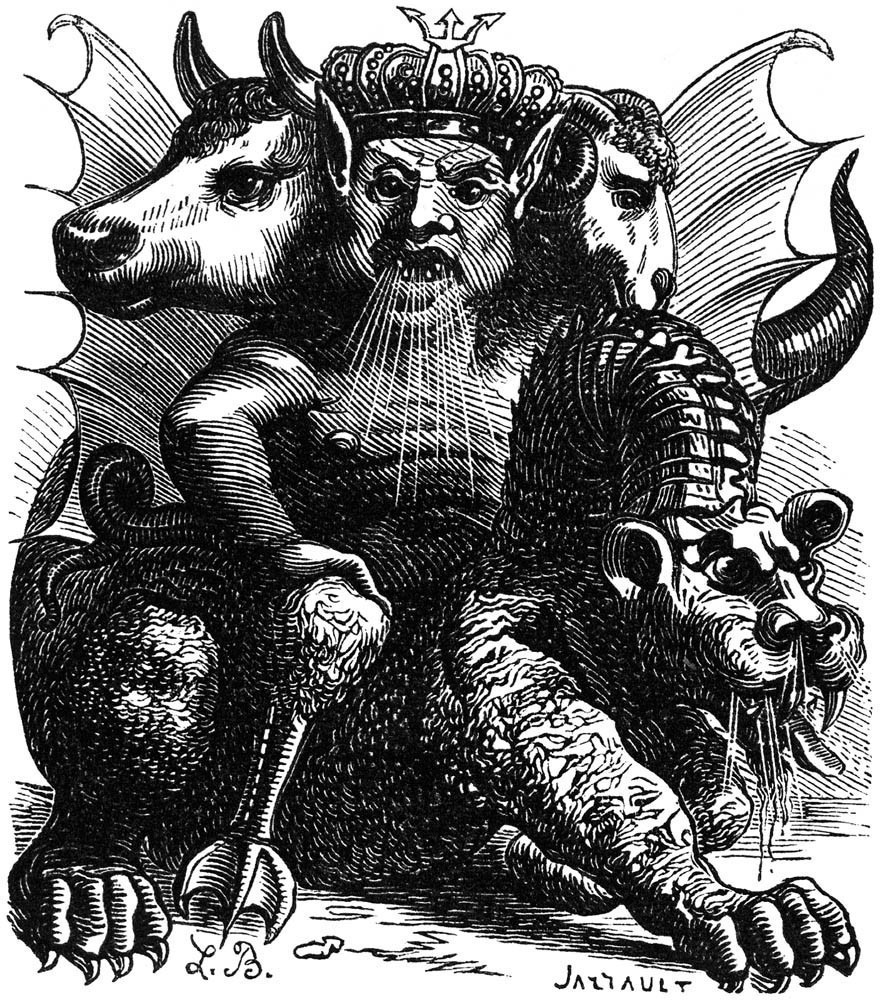
Commands seventy-two legions, one for every spirit in the book. He is the Asmodeus of Tobit, who killed Sarah's seven husbands and was driven into Upper Egypt by Raphael, and behind that the Avestan Aeshma-daeva, the demon of wrath — one of very few Goetic spirits with an ancestry that can be traced.
Astaroth
Duke · Goetic Spirit
The Canaanite goddess Astarte, three thousand years on, made a male duke of hell with her name intact. The Goetia has him discourse willingly on the fall of the spirits, and warns the operator to hold a ring to his face against the stench of his breath.
The books behind Andromalius
Every claim on this profile is attributed to one of these. They are public domain, listed oldest first, and each links to a full text where one is freely available.
Pseudomonarchia Daemonum
Johann Weyer · 1577 · Latin
Read Pseudomonarchia Daemonum in full ↗Cover: Public domain · Pieter Holsteyn II · Wikimedia file page
The Lesser Key of Solomon, Book I: Ars Goetia
Anonymous; ed. S. L. MacGregor Mathers & A. E. Waite · 17th c.; ed. 1904 · English (from Latin)
Read The Lesser Key of Solomon, Book I: Ars Goetia in full ↗Cover: Public domain · anonymous design, redrawn by User:Fuzzypeg · Wikimedia file page
Corpus last revised 29 August 2026. A reference site’s credibility rests on being maintained, so this is the date the sourced records last changed — not the date the page was rebuilt.