seal · 17th century
The Seals of the Seventy-Two
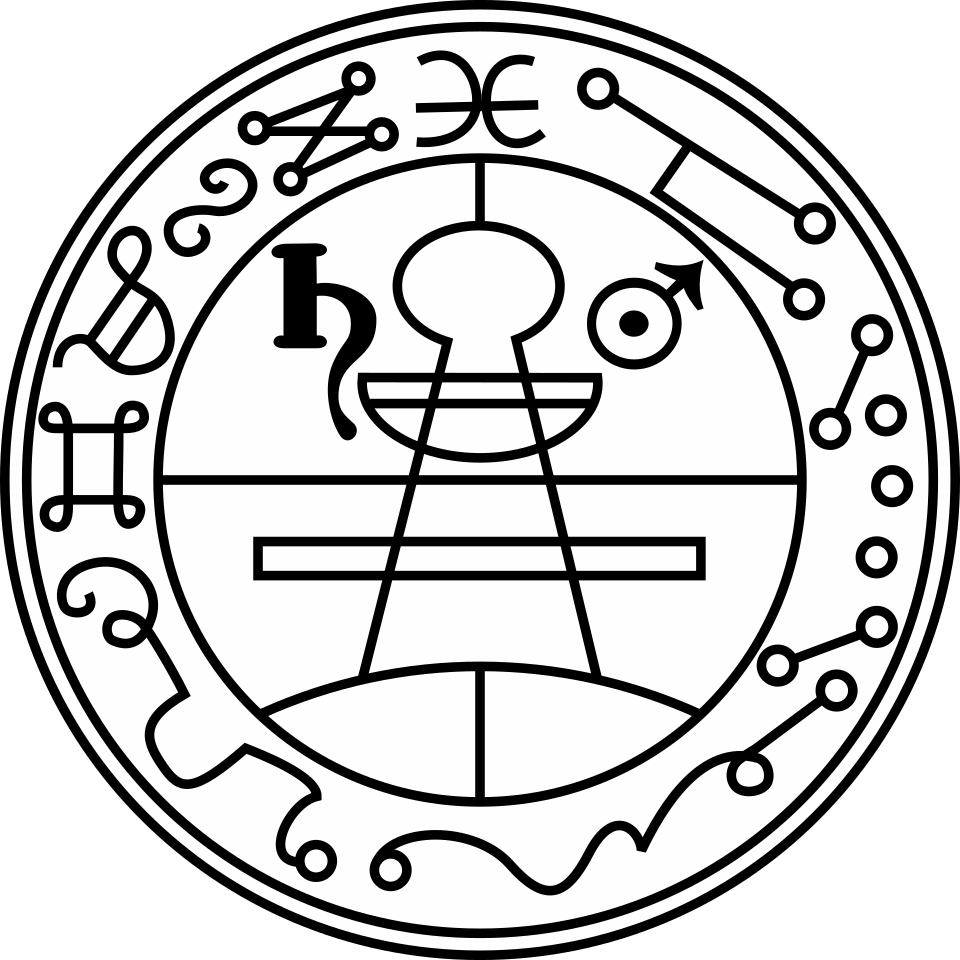
One drawn seal per spirit, and the strongest single piece of evidence that the Goetia's seventy-two are a compiled list rather than an inherited one.
What the sources claim for it
Proof of contract. The seal is the token the operator holds, and the spirit's obedience is owed to the seal rather than to the operator personally.
What is it made of?
Seventy-two figures with no common construction rule — which is itself the finding: they are not generated from anything, they are drawn and copied.
The line figure
The set
The metal
Seals of the Seventy-Two
- 01
The line figure — Loops, crosses, hooks and terminal circles. Nothing in a seal encodes its spirit's rank, legion count or office.
- 02
The set — One per spirit, printed in order. The count mirrors the seventy-two-letter Name rather than arising from the seals.
- 03
The metal — The Ars Goetia specifies what each seal is to be made in — usually a metal matched to the spirit's planet — and worn at the breast.
History
Where does the Seals of the Seventy-Two come from?
Every spirit in the Ars Goetia carries a seal, and the instruction is blunt: make it in metal, wear it, and the spirit will do you obedience. The seals are not derived from the names by any stated rule — unlike Agrippa's characters, which are generated from a name letter by letter — and no two commentators have agreed on where the shapes come from.
Their absence elsewhere is the interesting part. Johann Weyer's Pseudomonarchia Daemonum of 1577 gives the same spirits, in largely the same order, with the same offices, and prints no seals at all. Whatever the seals are, they entered the tradition after Weyer saw it, in the century between his list and the English manuscripts that became the Lemegeton.
72 figures
Who is it attached to?
Figures whose own seal this is
The mark belongs to the spirit: it is drawn, worn or engraved as that spirit's own token.

Agares
sealAim
seal
Allocer
sealAmdusias
seal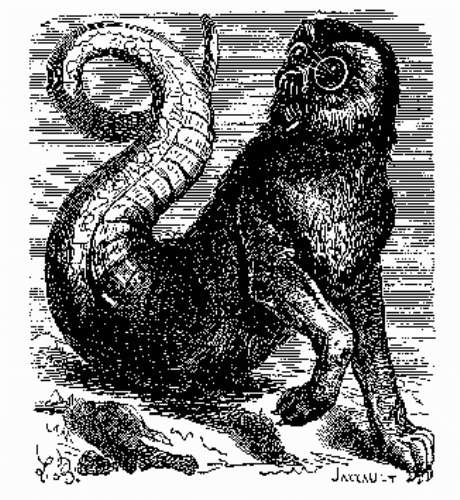
Amon
sealAmy
sealAndras
sealAndrealphus
seal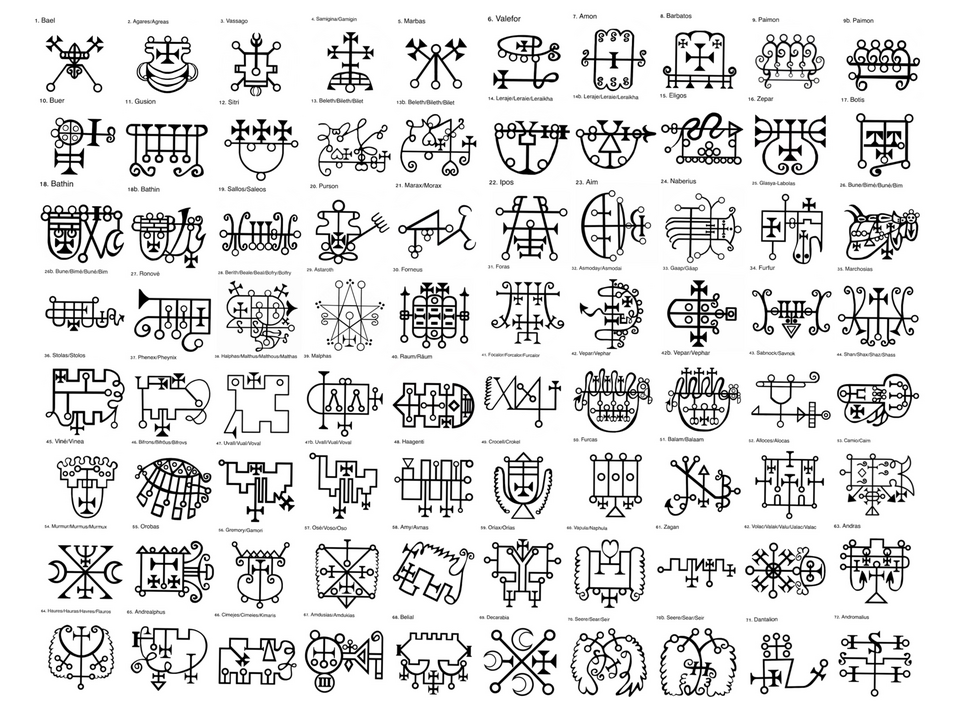
Andromalius
sealSeventy-second and last; the seal closes the series.
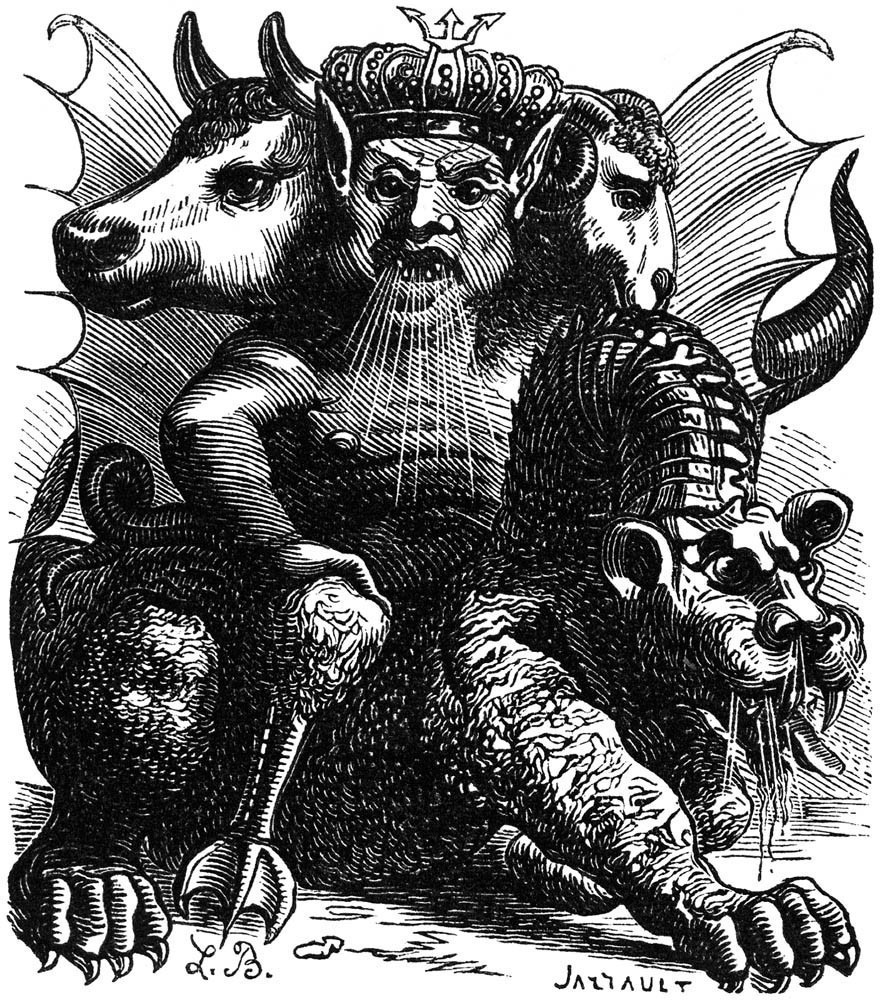
Asmoday
sealThe Goetia warns the operator to stand bare-headed before him, seal in hand.
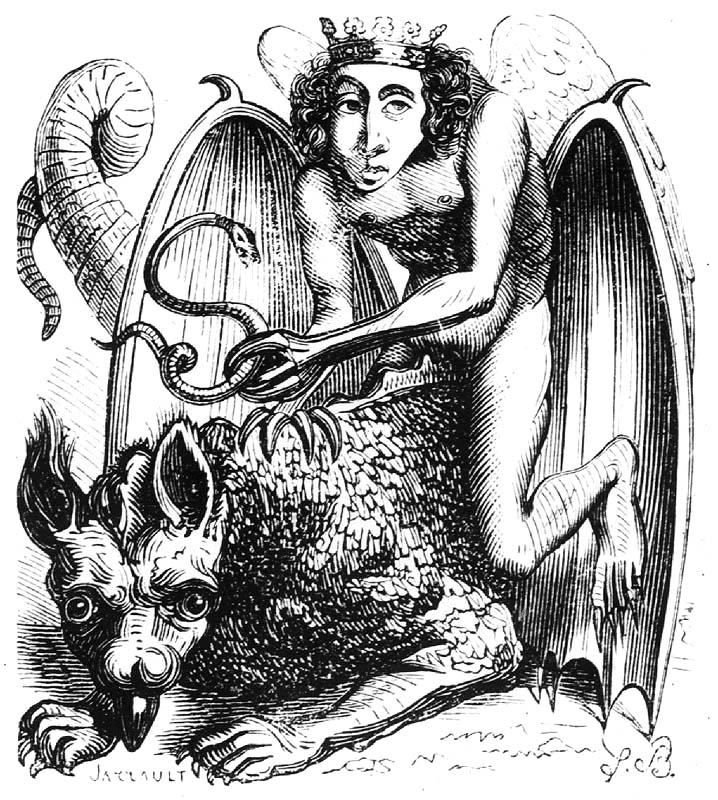
Astaroth
seal
Bael
sealFirst spirit; his seal is worn as a lamen before the operator's breast.
Balam
sealBarbatos
sealBathin
seal
Beleth
seal
Belial
sealBerith
seal
Bifrons
seal
Botis
seal
Buer
sealBune
sealCamio
seal
Cimejes
sealCrocell
seal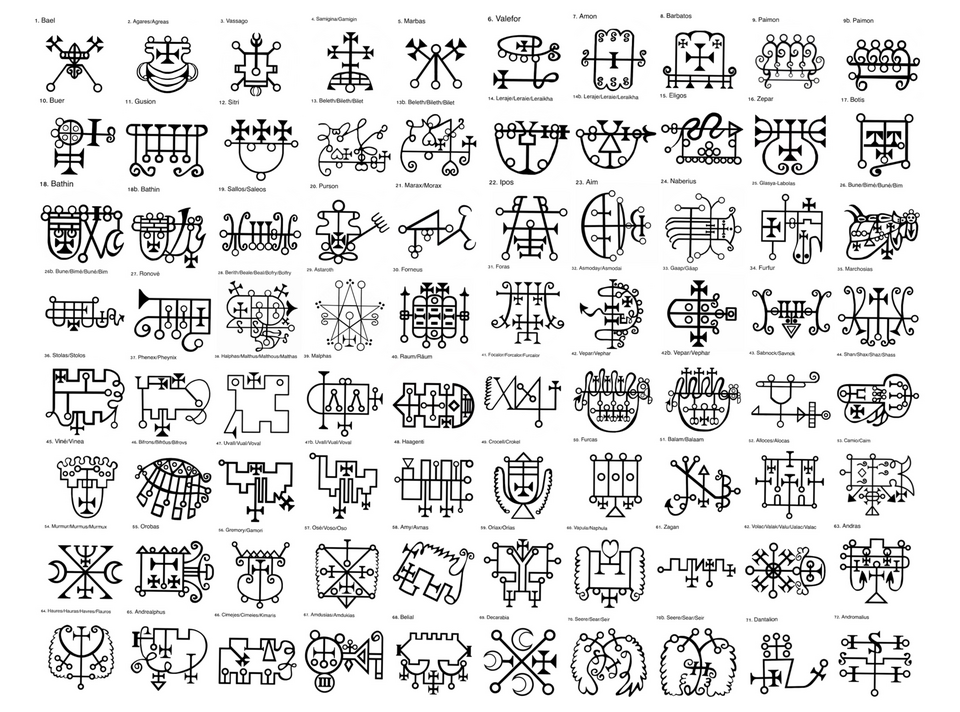
Dantalion
sealDecarabia
sealEligos
sealFocalor
sealForas
seal
Forneus
seal
Furcas
seal
Furfur
seal
Gaap
seal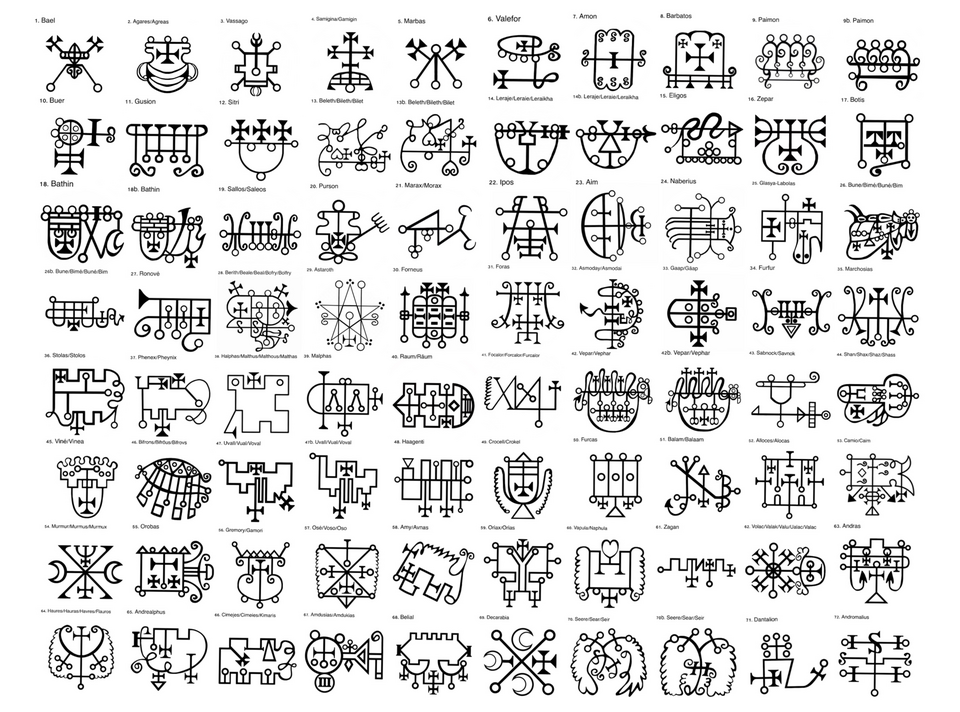
Glasya-Labolas
seal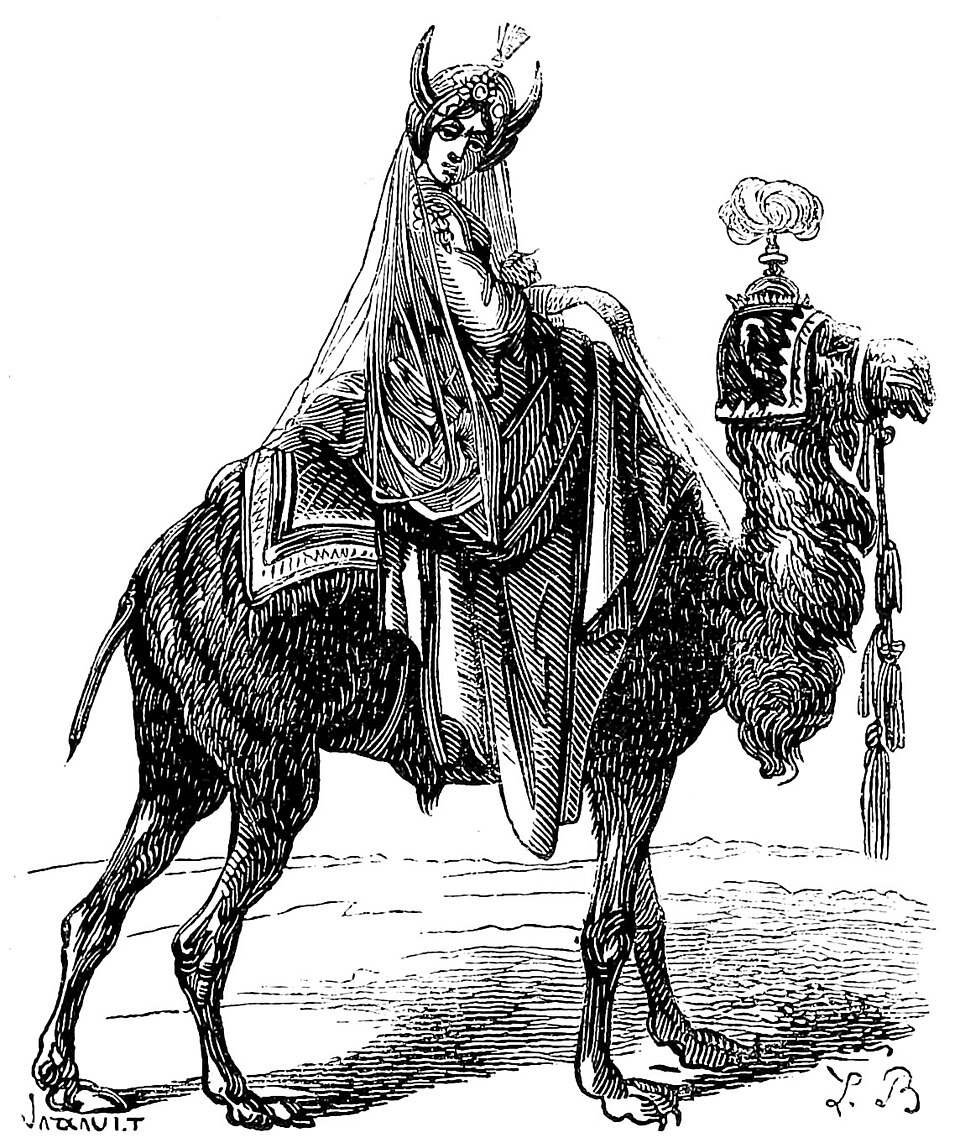
Gremory
sealGusion
seal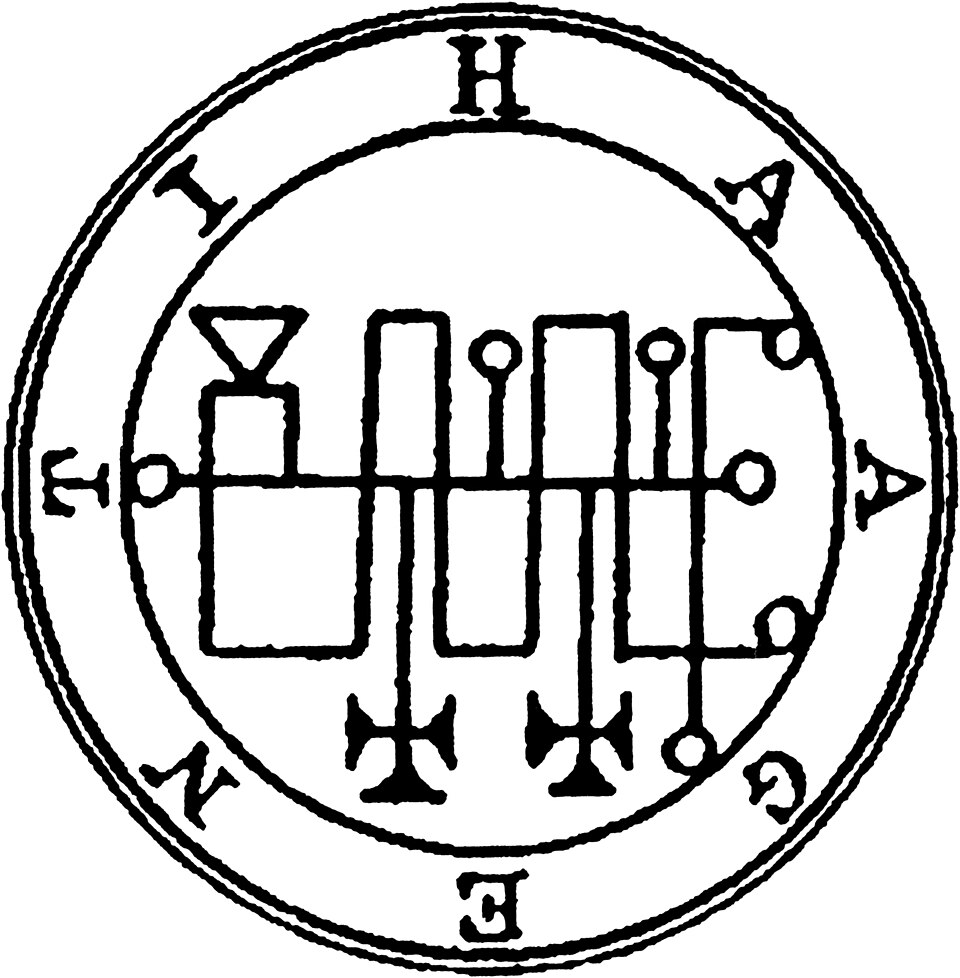
Haagenti
sealHalphas
sealHaures
seal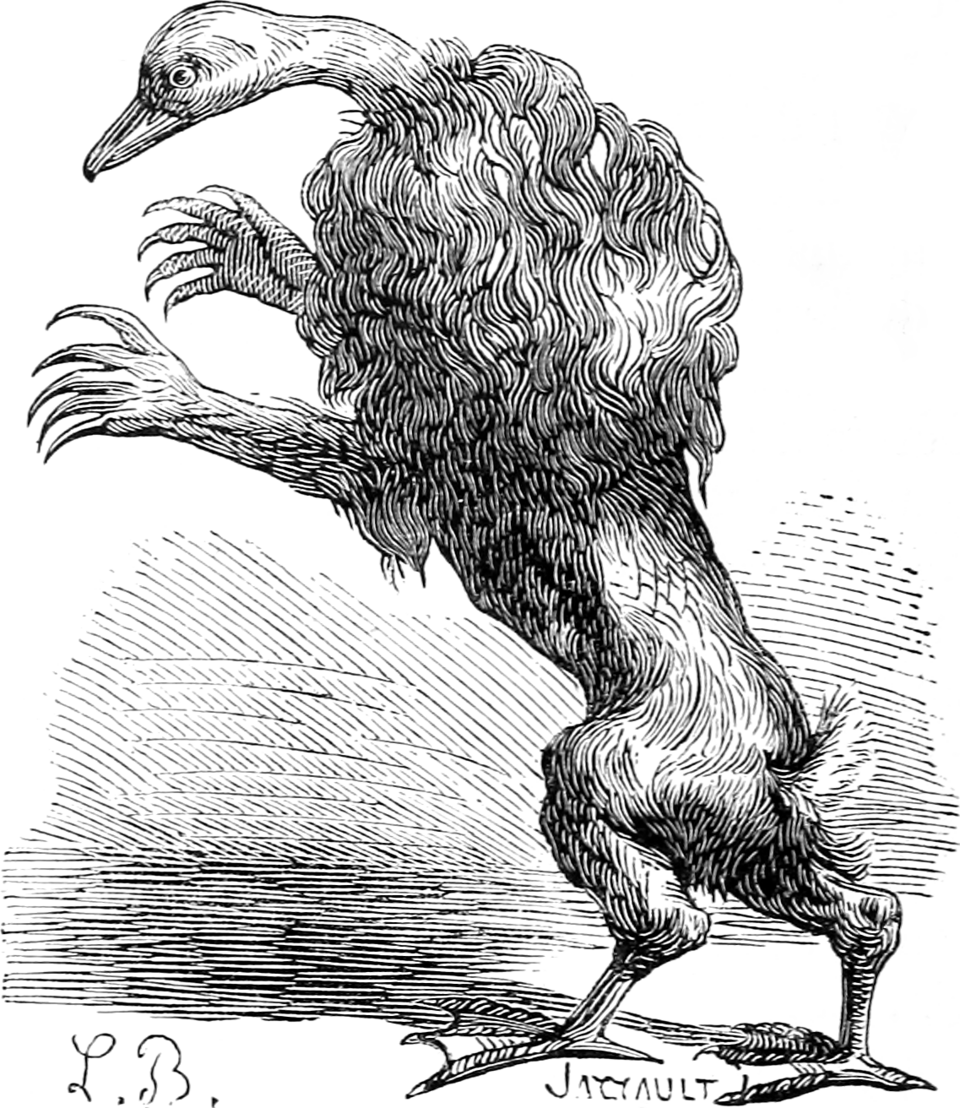
Ipos
sealLeraje
sealMalphas
sealMarax
sealMarbas
seal
Marchosias
sealMurmur
seal
Naberius
seal
Oriax
seal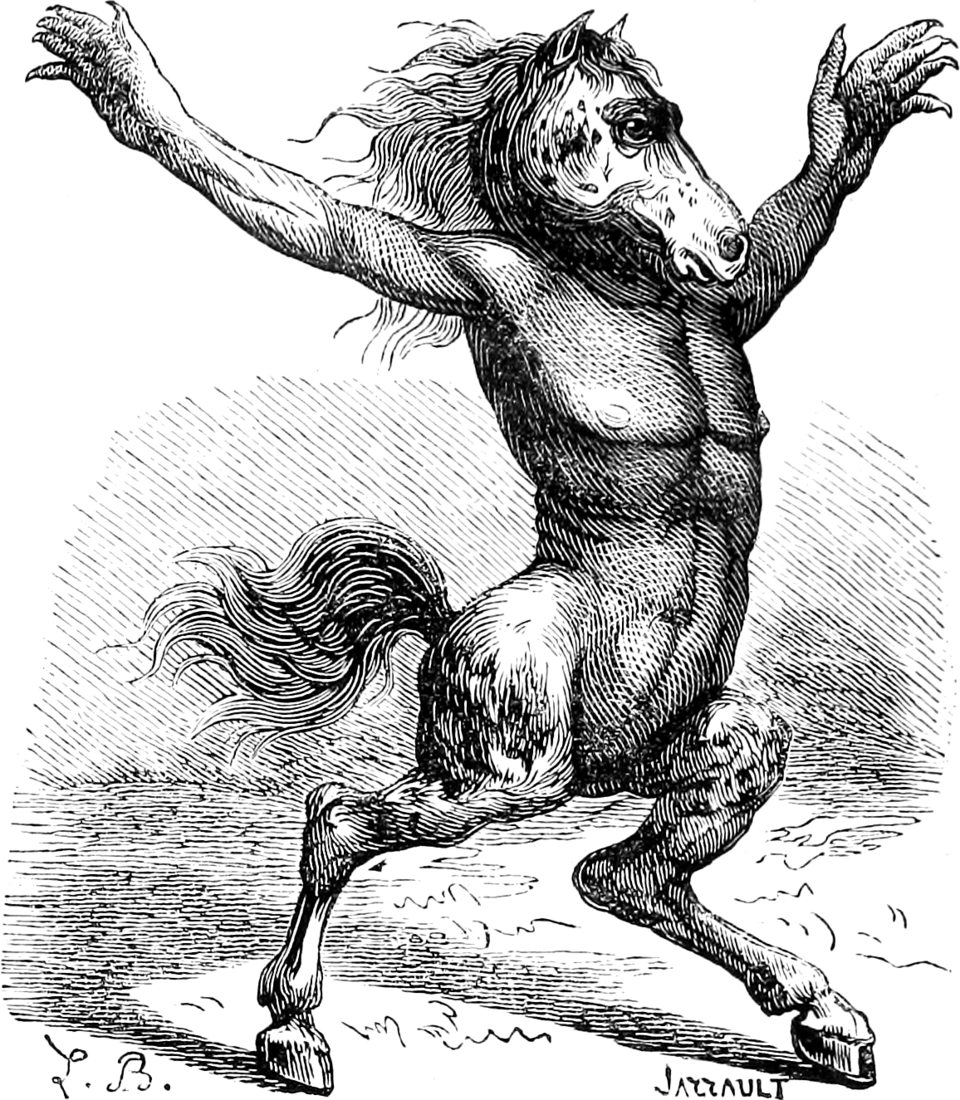
Orobas
sealOse
seal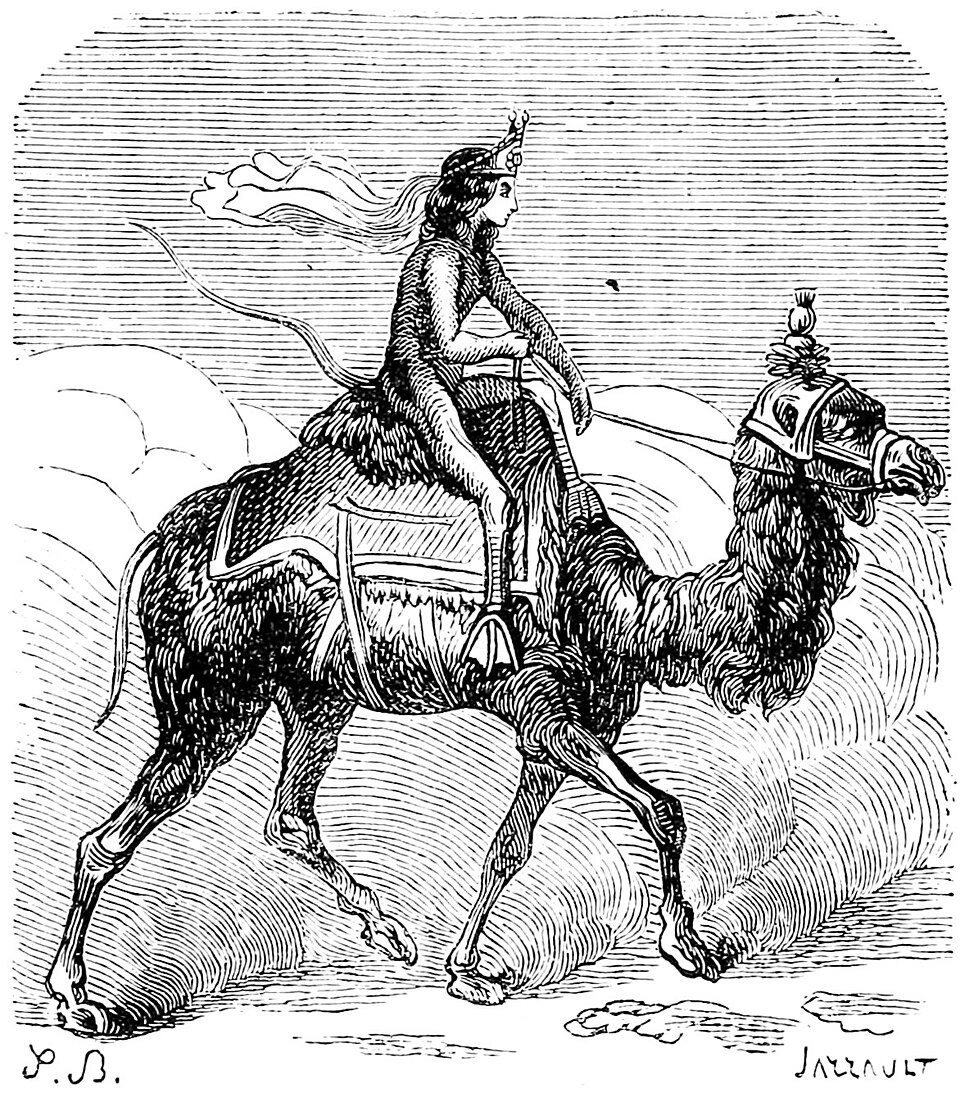
Paimon
sealPhenex
sealPurson
seal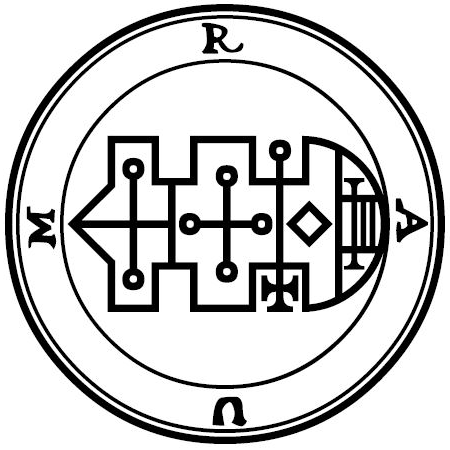
Raum
seal
Ronove
sealSabnock
sealSallos
sealSamigina
sealSeere
sealShax
sealSitri
sealStolas
sealUvall
sealValefor
sealVapula
sealVassago
seal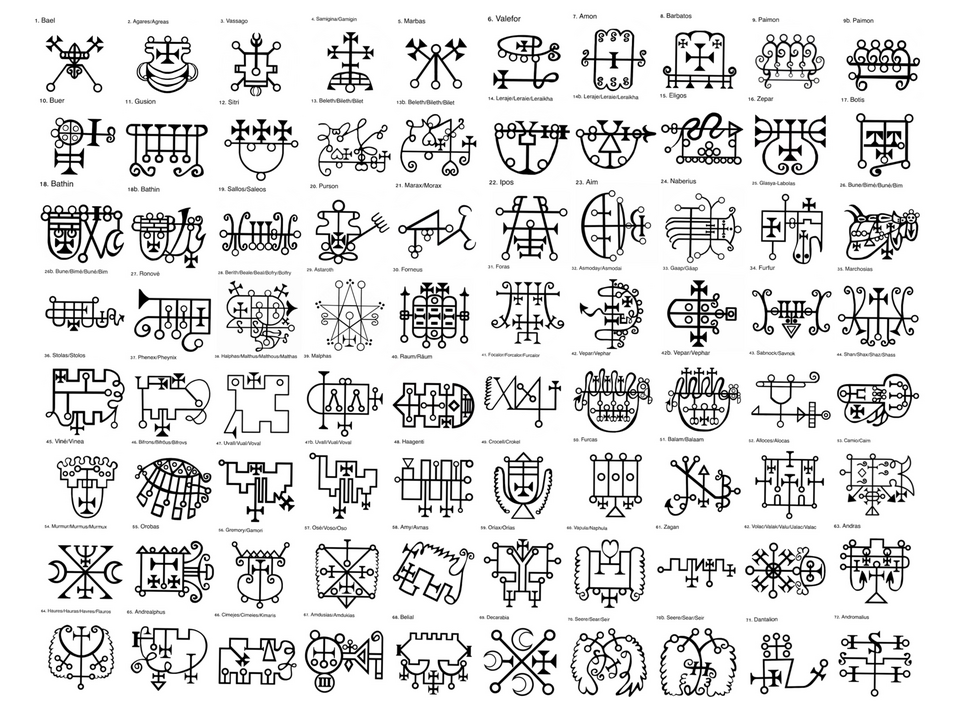
Vepar
sealVine
seal
Volac
sealZagan
sealZepar
sealThe larger argument
Why is it in a corpus about spirits?
The seals are the newest thing most people associate with this material and the part they assume is oldest. The 1904 Mathers and Crowley plates are the shapes almost every modern reproduction descends from, and they are printed engravings of manuscript drawings rather than artefacts. That gap — between the seal on a T-shirt and the seal in the Lemegeton — is what this whole section exists to make visible.
Afterwards
What did it turn into?
Reproduced continuously since the 1904 edition, and now the most-copied set of images in Western occultism — tattooed, printed on record sleeves, used as band logos, mostly detached from any claim about what they were for.
Which texts describe it?
Oldest first, with what each one does with the mark. A mark described in a Bronze Age incantation and a mark first drawn in a seventeenth-century manuscript are different kinds of claim, whatever the shape has in common.
Pseudomonarchia Daemonum
Johann Weyer · 1577 · Latin
The same spirits and offices seventy years earlier, with no seals at all.
Read Pseudomonarchia Daemonum in full ↗Cover: Public domain · Pieter Holsteyn II · Wikimedia file page
The Lesser Key of Solomon, Book I: Ars Goetia
Anonymous; ed. S. L. MacGregor Mathers & A. E. Waite · 17th c.; ed. 1904 · English (from Latin)
Prints a seal for each of the seventy-two, with the instruction to wear it in metal.
Read The Lesser Key of Solomon, Book I: Ars Goetia in full ↗Cover: Public domain · anonymous design, redrawn by User:Fuzzypeg · Wikimedia file page
Nearby
Related marks
The Pentagram
A five-pointed star drawn in one unbroken line — an accounting mark, a Pythagorean password, a Christian emblem of the five wounds, and only recently a sign of evil.
The Tetragrammaton
Four letters that stopped being pronounced and became, in consequence, the most powerful thing you could write on a piece of equipment.
The Seal of Solomon
A signet ring, not a shape. The Testament of Solomon makes it the instrument by which every demon in the book is compelled to give its name.
The Abraxas Gem
A rooster-headed figure with snakes for legs, cut into jasper by the thousand, and the numerological reason a magic word means 365.
The Circle
A drawn boundary with names written into it — the oldest continuously used device in the Western operative tradition, and the one that defines everything else on the floor.
The Brass Vessel
The container the legend says Solomon sealed the spirits into, thrown into a lake and opened by Babylonians who expected treasure. It is where the Ars Goetia says its seventy-two came from.