What the sources claim for it
Authority over spirits delegated from God through an angel: the operator is not commanding on his own account but presenting a warrant.
What is it made of?
The Testament of Solomon describes an object rather than a design, and the object has parts the text is explicit about.
The ring
The engraved seal
The name
Seal of Solomon
- 01
The ring — Given by the archangel Michael. It is delegated, which is the point: the operator holds a warrant, not a power of his own.
- 02
The engraved seal — A seal cut into the ring. The text never draws it; the five- and six-pointed forms are all medieval.
- 03
The name — Later tradition supplies what the Testament leaves out — the divine name as the thing engraved.
History
Where does the Seal of Solomon come from?
The seal enters the record as an object rather than a design. In the Testament of Solomon the archangel Michael delivers a ring with a seal engraved on it, and Solomon uses it to compel spirits one after another to name themselves, name the angel that thwarts them, and go to work on the Temple. The text never draws the seal. What it describes is a mechanism: the ring is pressed to the spirit, and the spirit answers.
By the medieval period the ring has acquired a shape, and the shape is unstable. Arabic sources give it as five-pointed, later Hebrew and Latin magical texts as six-pointed, and the Clavicula Salomonis works with a whole set of engraved pentacles rather than one seal. The continuity across all of it is the claim about what the mark does — it constrains a spirit that would otherwise not answer — which is why the compulsion formula survives into the Ars Goetia thirteen centuries later almost unchanged.
3 figures
Who is it attached to?
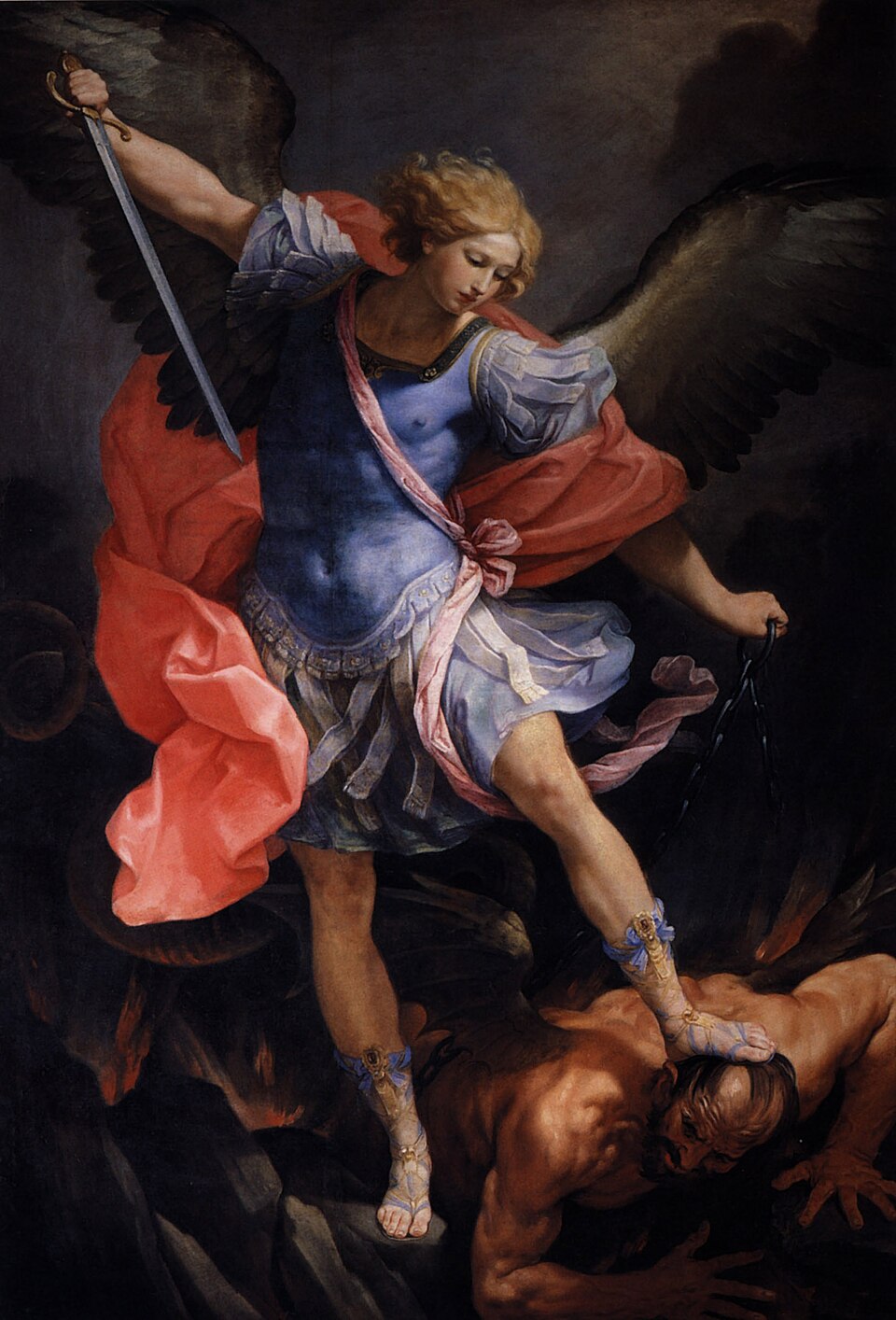
Figures who carry it
An attribute rather than a signature — held, worn or associated in the texts and the images.
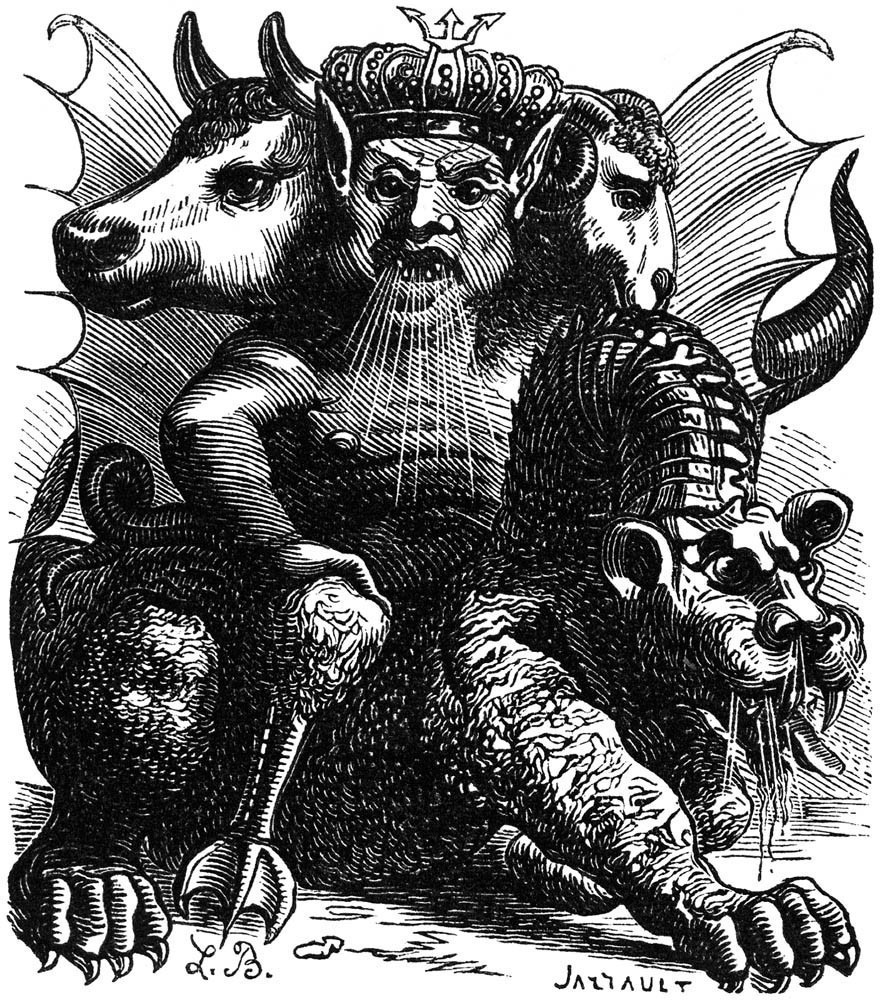
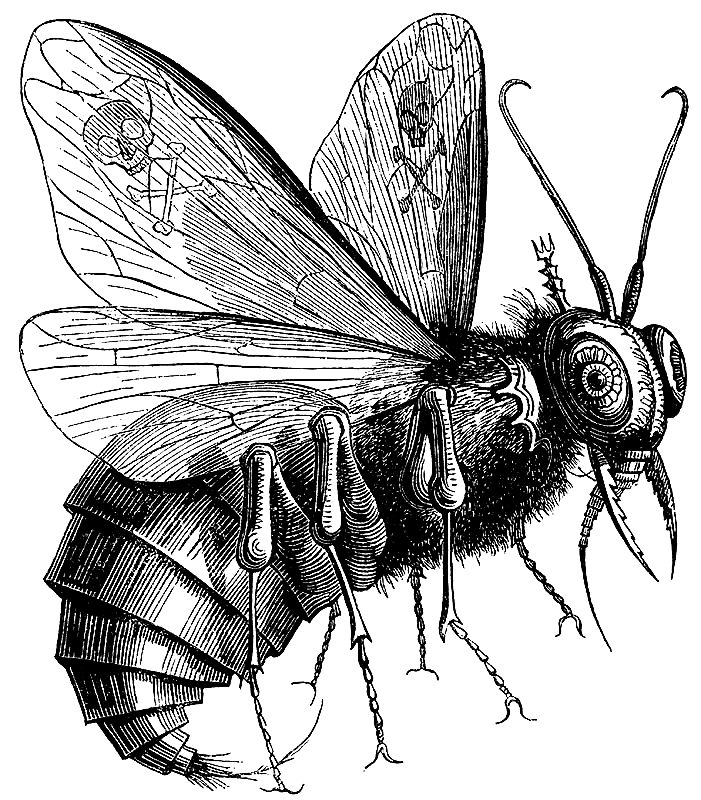
Figures it is used against
The mark is aimed at them. A ward names its target, which makes these the sharpest attributions on the page.
The larger argument
Why is it in a corpus about spirits?
This is where compulsion enters the corpus as a repeatable procedure. Before the Testament, spirits are bargained with, exorcised or driven off; here a spirit is pressed with a ring and made to state its name, its function and the angel that thwarts it. That interrogation format is still running, almost unchanged, in the Ars Goetia thirteen centuries later.
Afterwards
What did it turn into?
The six-pointed reading fed into the medieval Magen David and, by a separate route, into Ottoman and Mughal use of the khatam as a state emblem. Modern sources that call the hexagram 'the Seal of Solomon' are reporting a medieval convention, not a first-millennium one.
Which texts describe it?
Oldest first, with what each one does with the mark. A mark described in a Bronze Age incantation and a mark first drawn in a seventeenth-century manuscript are different kinds of claim, whatever the shape has in common.
The Testament of Solomon
Anonymous; tr. F. C. Conybeare · c. 100–400 CE · Greek
The ring is given by Michael and used on every spirit the text names.
Read The Testament of Solomon in full ↗Cover: CC0 · Simeon Solomon · Wikimedia file page
Qur'an & Hadith
Various · 7th c. CE onward · Arabic
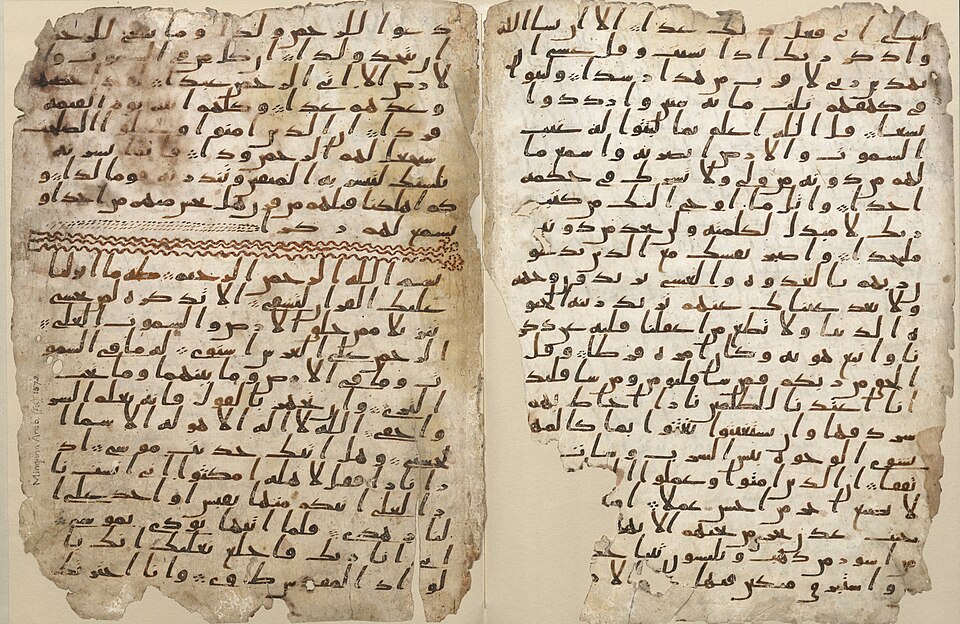
Solomon's authority over the jinn is scriptural; the ring itself is later tradition.
Read Qur'an & Hadith in full ↗Cover: Public domain · AnonymousUnknown author · Wikimedia file page
The Key of Solomon (Clavicula Salomonis)
Anonymous; ed. S. L. MacGregor Mathers · 15th-16th c. · Latin and Italian
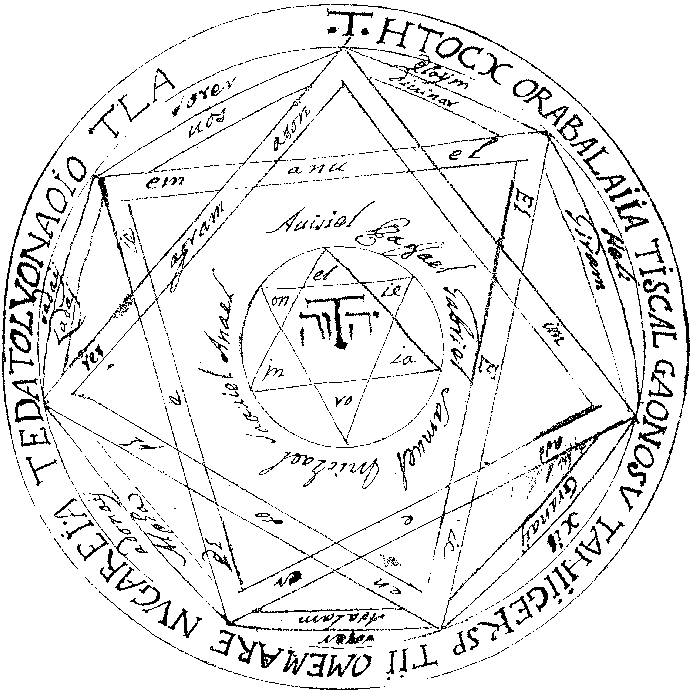
The single seal has become a set of engraved pentacles, one per planet.
Read The Key of Solomon (Clavicula Salomonis) in full ↗Cover: Public domain · Unknown author · Wikimedia file page
Nearby
Related marks
The Brass Vessel
The container the legend says Solomon sealed the spirits into, thrown into a lake and opened by Babylonians who expected treasure. It is where the Ars Goetia says its seventy-two came from.
The Hexagram
Two interlocked triangles that were ornament almost everywhere before they were a Jewish emblem anywhere — and a spirit-binding seal in between.
The Tetragrammaton
Four letters that stopped being pronounced and became, in consequence, the most powerful thing you could write on a piece of equipment.
The Hamsa
An open hand against the evil eye, claimed in nearly identical form by Jewish, Muslim and Christian communities across the same geography.
The Seventy-Two-Letter Name
Seventy-two three-letter names extracted from three verses of Exodus — and the reason the number seventy-two keeps appearing on both sides of this corpus.
AGLA
An acronym, not a word: Atah Gibor Le-olam Adonai, 'Thou art mighty forever, Lord', compressed to four letters and written on almost everything.