Islamic · Arabic · 7th c. CE onward
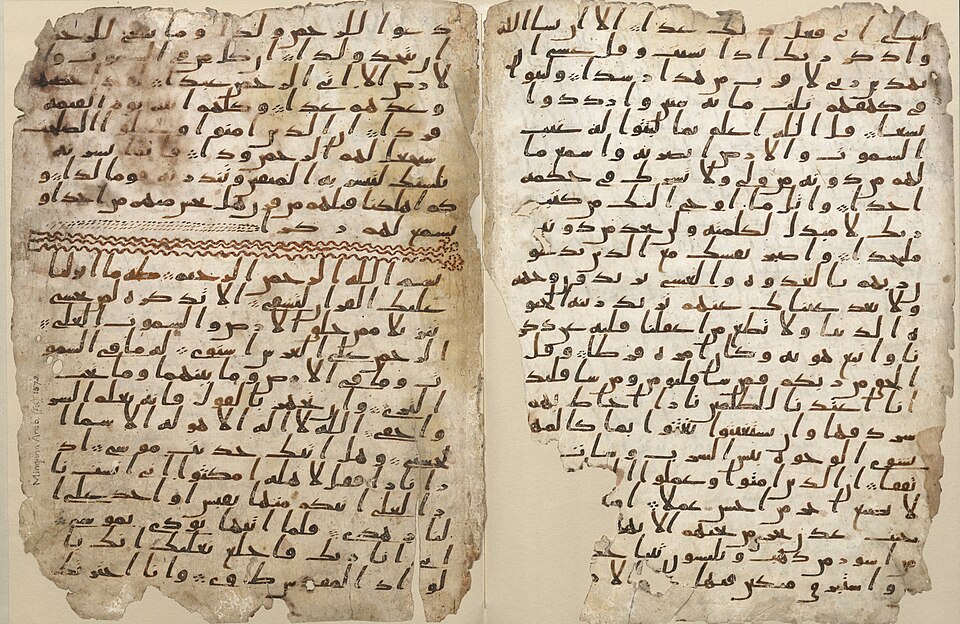
Qur'an & Hadith
Various
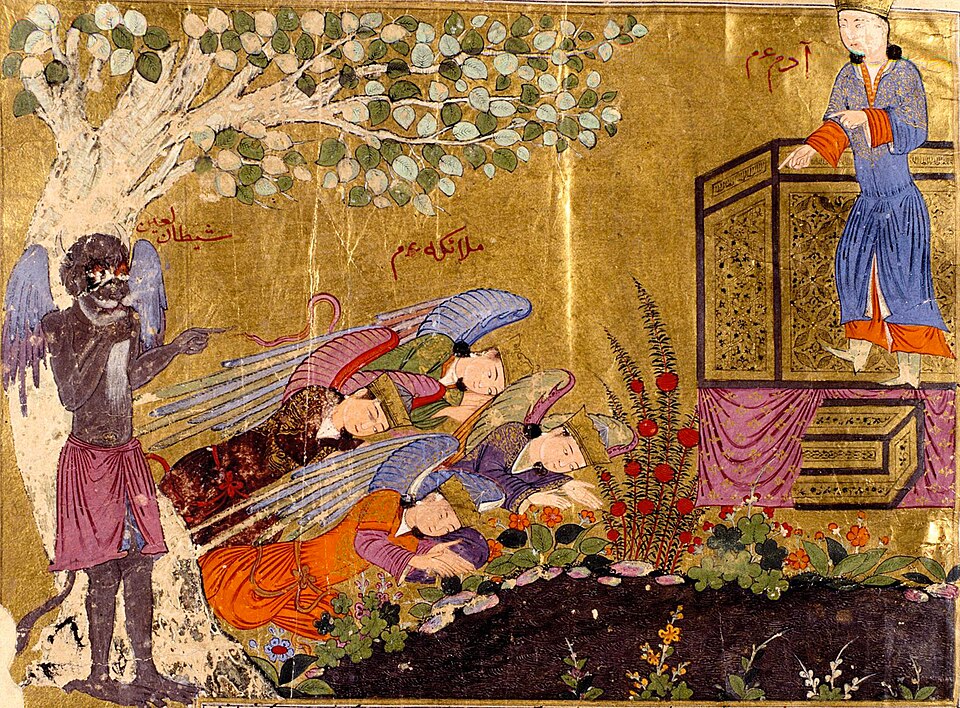
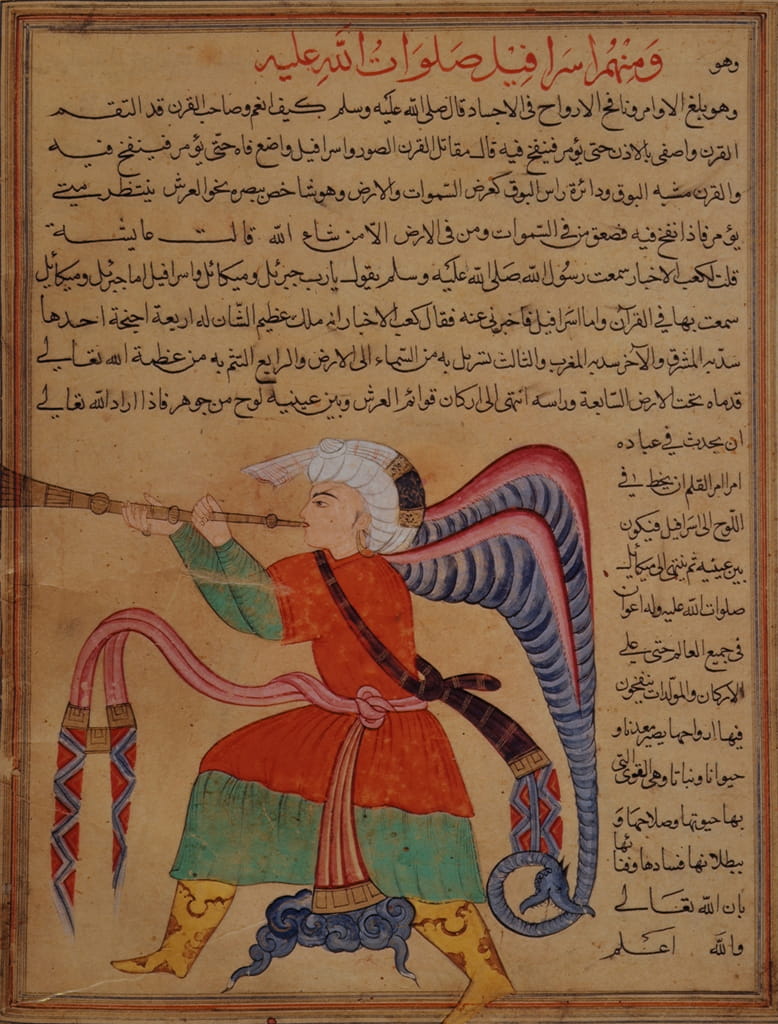
The mala'ika: Jibril the messenger, Mika'il, Israfil of the trumpet, Azra'il of death, and Iblis, who is jinn rather than angel.
Read Qur'an & Hadith in full at the linked edition →Hierarchies from this text
What this text attests · 12
| Name here | Rank given | # | Powers described |
|---|---|---|---|
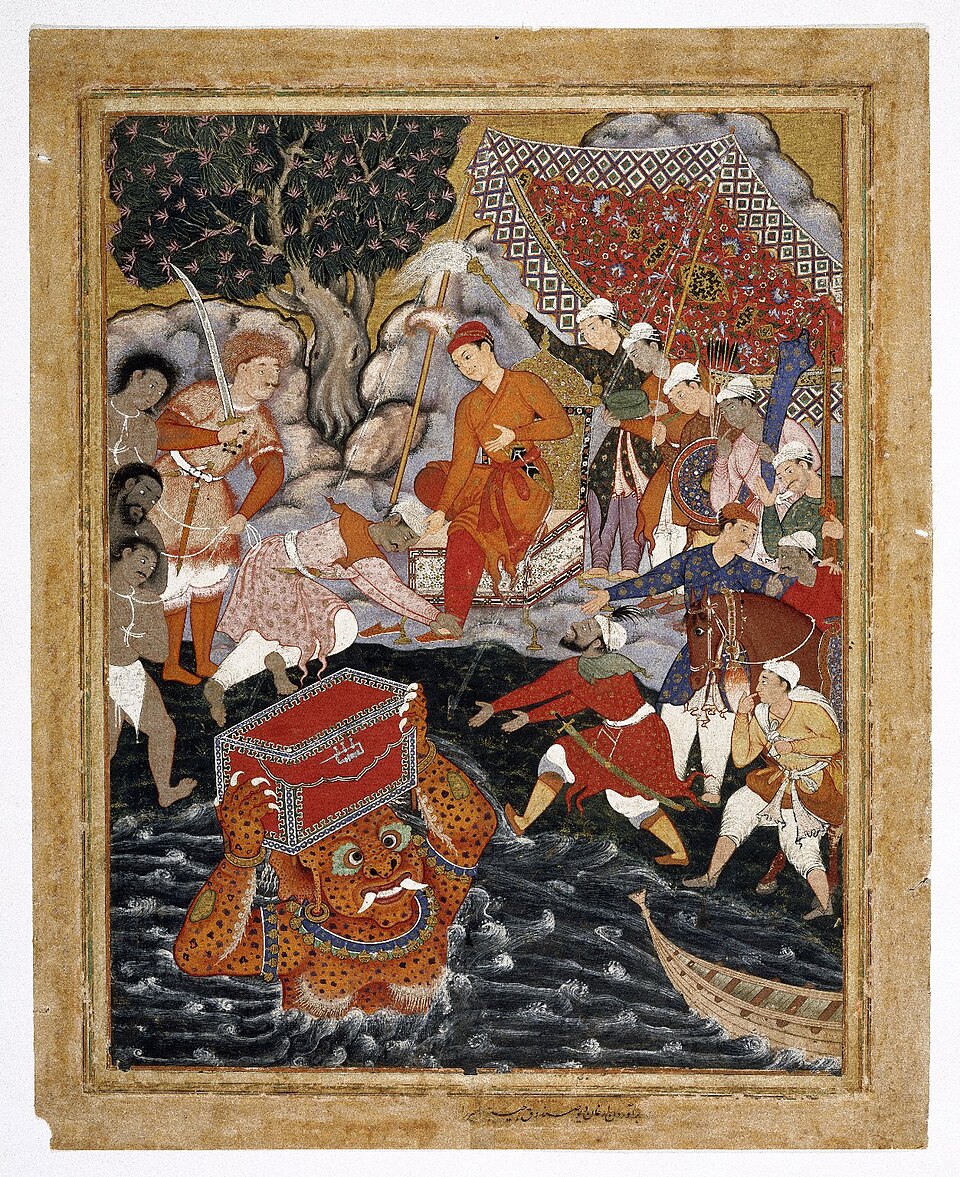 'Ifrīt = The Ifrit | Of the jinn | — | An ifrit of the jinn offers Sulayman the throne of Sheba before he can rise from his place. |
Ghūl = The Ghul | Of the jinn | — | Attested chiefly in hadith and pre-Islamic Arabic poetry; changes shape to mislead travellers in waste places. |
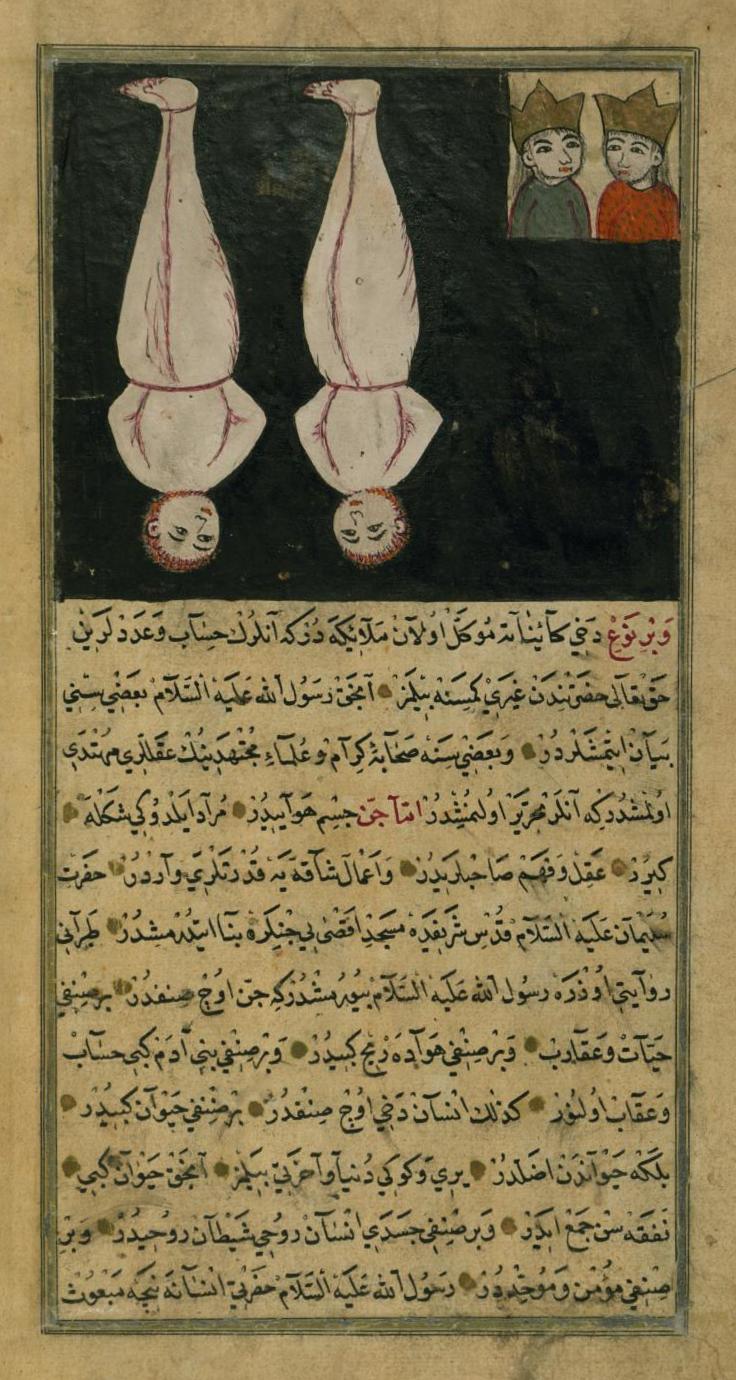 Hārūt and Mārūt = Harut and Marut | Two angels | — | Teach at Babylon what separates a man from his wife, but only after declaring themselves a trial. |
| Of the jinn | — | Refuses the prostration, is granted respite until the Day, and is permitted to tempt the descendants of Adam. | |
| Archangel | — | Holds the trumpet and awaits the command to sound it; named in hadith among the greatest angels. | |
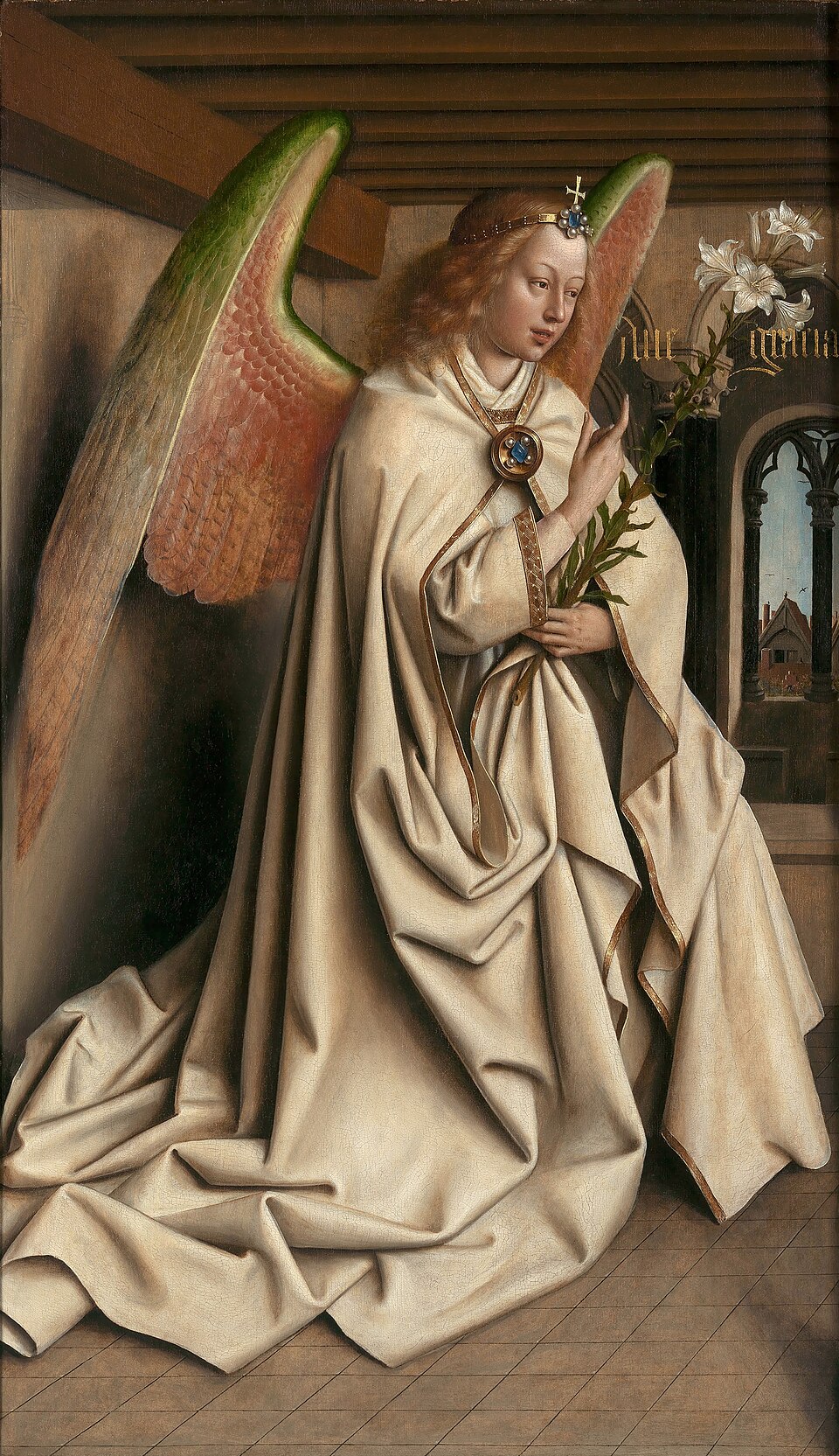 Jibril = Gabriel | The Trustworthy Spirit | — | Brings down the revelation upon the Prophet's heart; described with six hundred wings. |
Kirāman Kātibīn = Kiraman Katibin | Noble recorders | — | Write down what each person does; nothing is uttered but there is a watcher ready. |
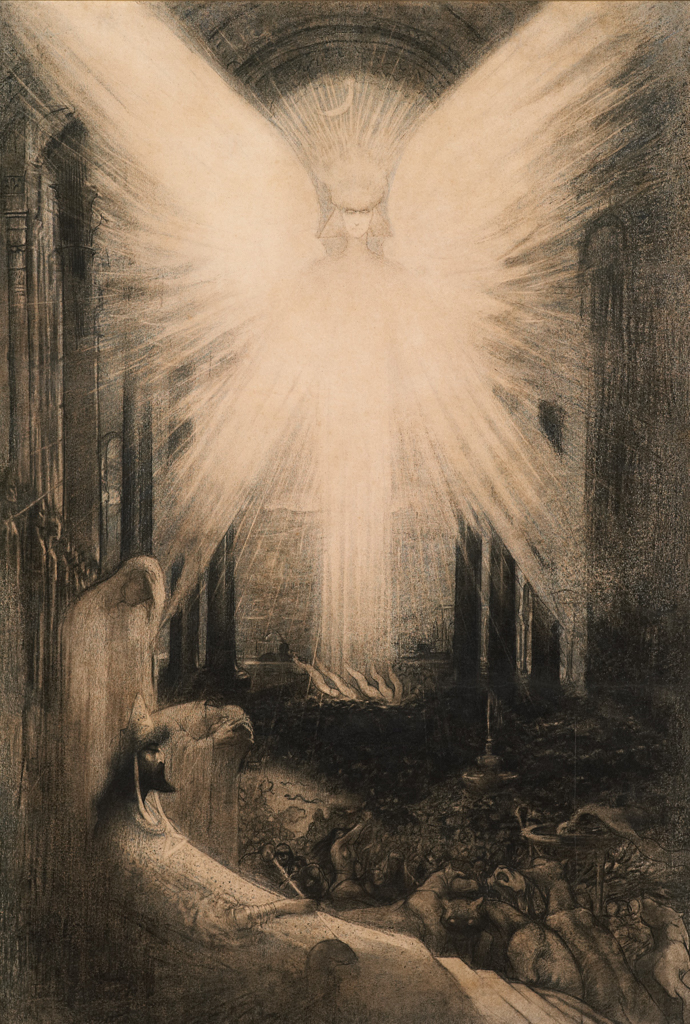 Malak al-Mawt = Azrael | Angel of death | — | Charged with taking souls at the appointed term; the personal name Azra'il belongs to later tradition, not the Qur'an. |
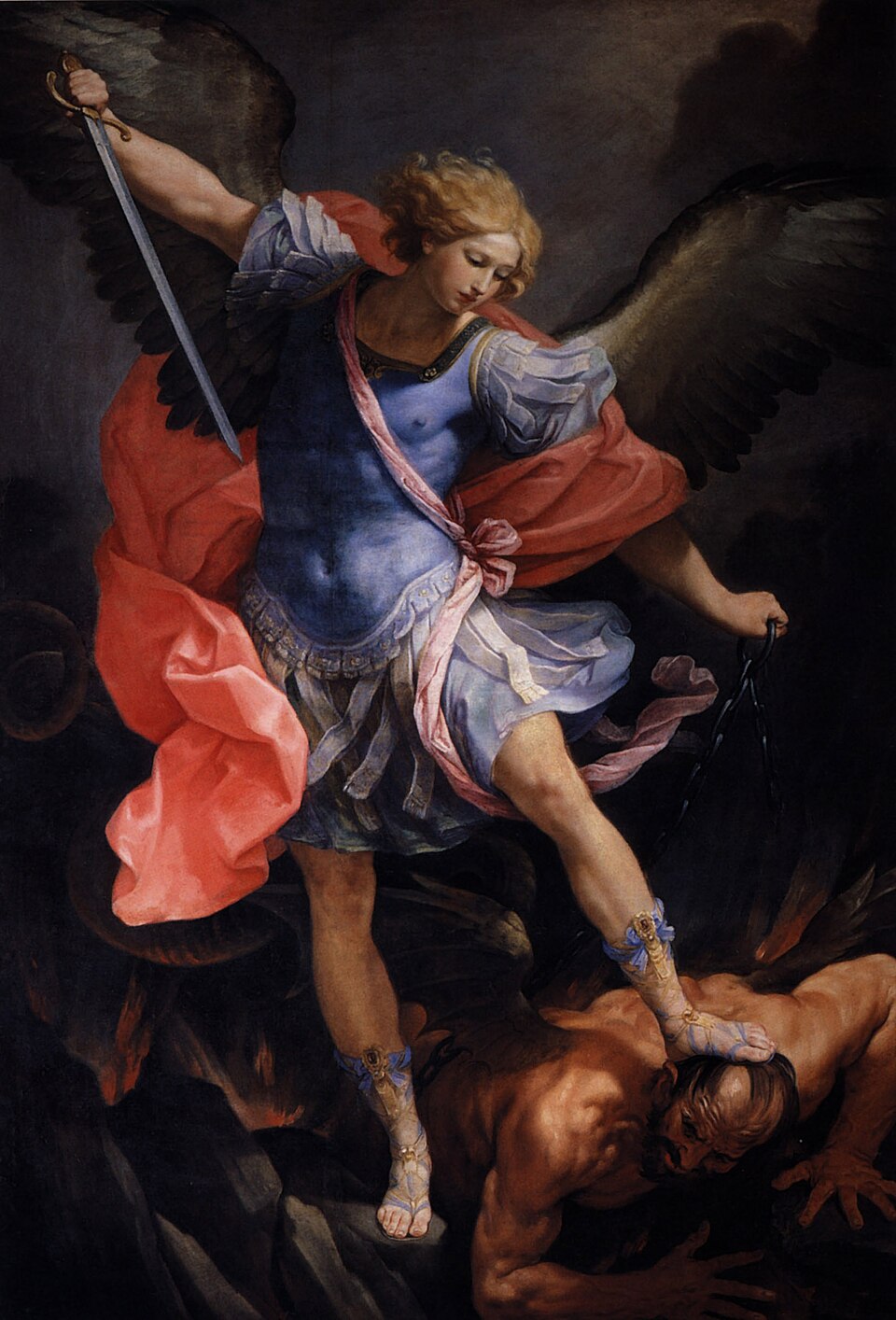 Mika'il = Michael | Angel | — | Named alongside Jibril as an angel whose enemies are God's enemies; associated with provision and rain. |
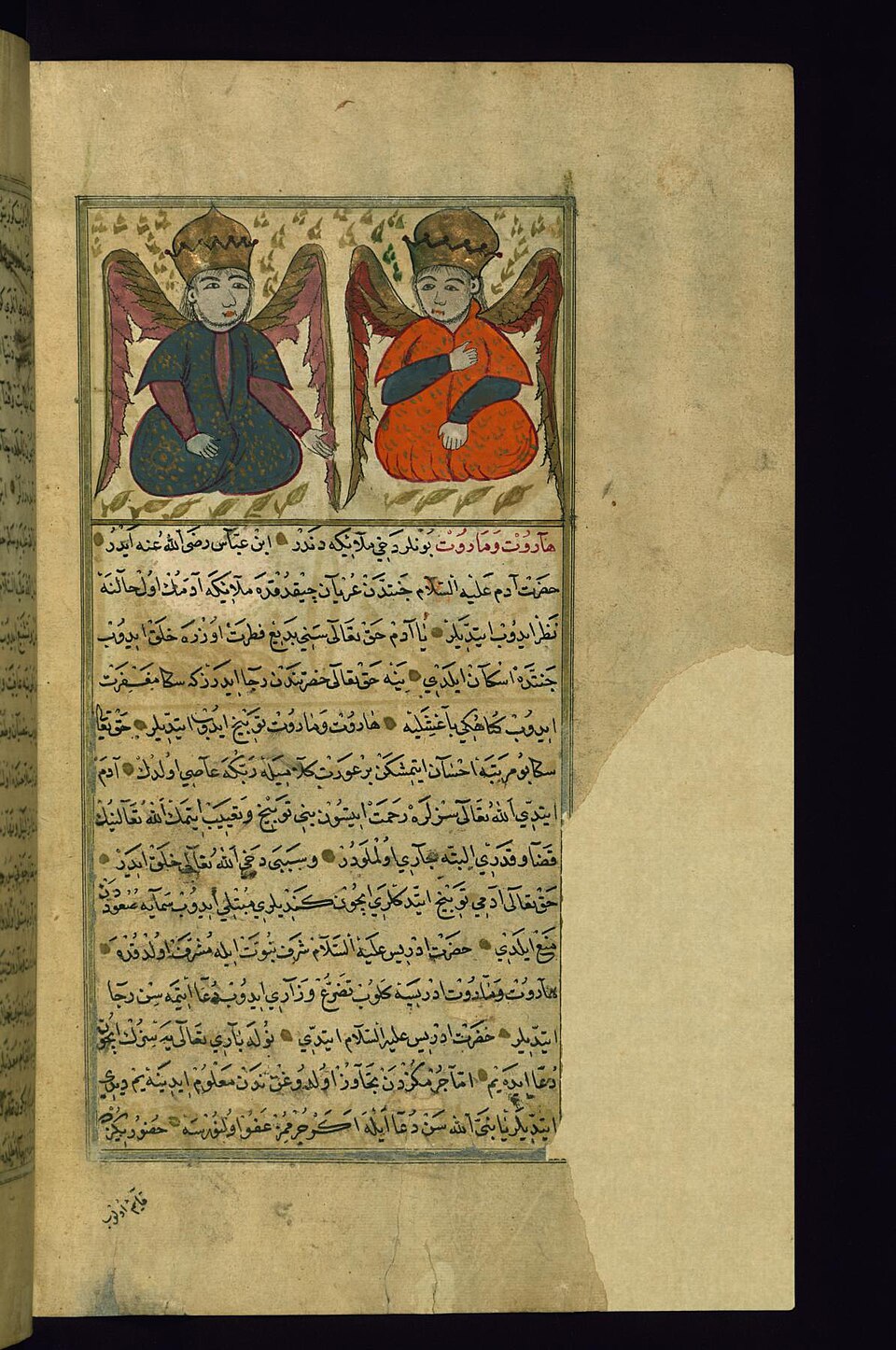 Munkar and Nakīr = Munkar and Nakir | Angels of the grave | — | Question the dead on their Lord, their religion and their prophet; the answers determine the state of the grave until resurrection. |
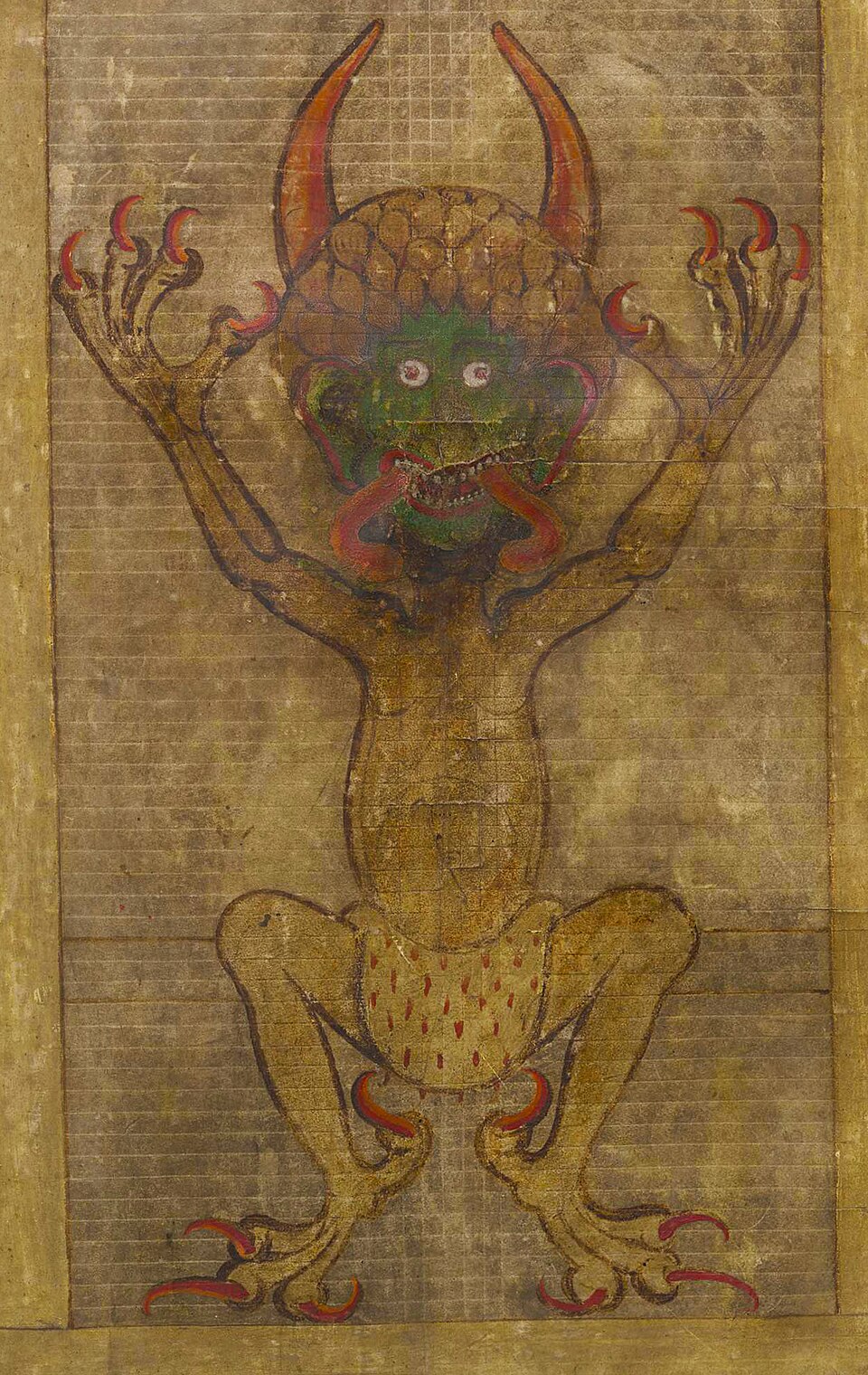 Shaitan = Satan | The whisperer | — | A category as much as an individual; whispers in the breasts of humankind. |
qarin = The Qarin | The companion | — | The associate assigned to a person, who prompts and who at the judgment says it did not compel; in the hadith material the Prophet's own is said to have submitted. The corpus holds the Qur'an and the hadith collections as one source row, so this figure reads as resting on a single text when it rests on two bodies of material — a limitation of the seeding rather than of the evidence. |
What does it actually say?
The passages themselves, as this text gives them. Read them against what the other texts here say about the same figures — that comparison is the point.
“We are only a trial, so do not disbelieve.”
“He was of the jinn and departed from the command of his Lord.”