Demonic · Goetic Spirit · c. 1577 CE
Botis
Also called Otis
The arrival is fearsome — an ugly viper, then a horned man with great teeth and a drawn sword — for a spirit whose actual work is telling the past and the future and making peace between enemies.

Single lineage
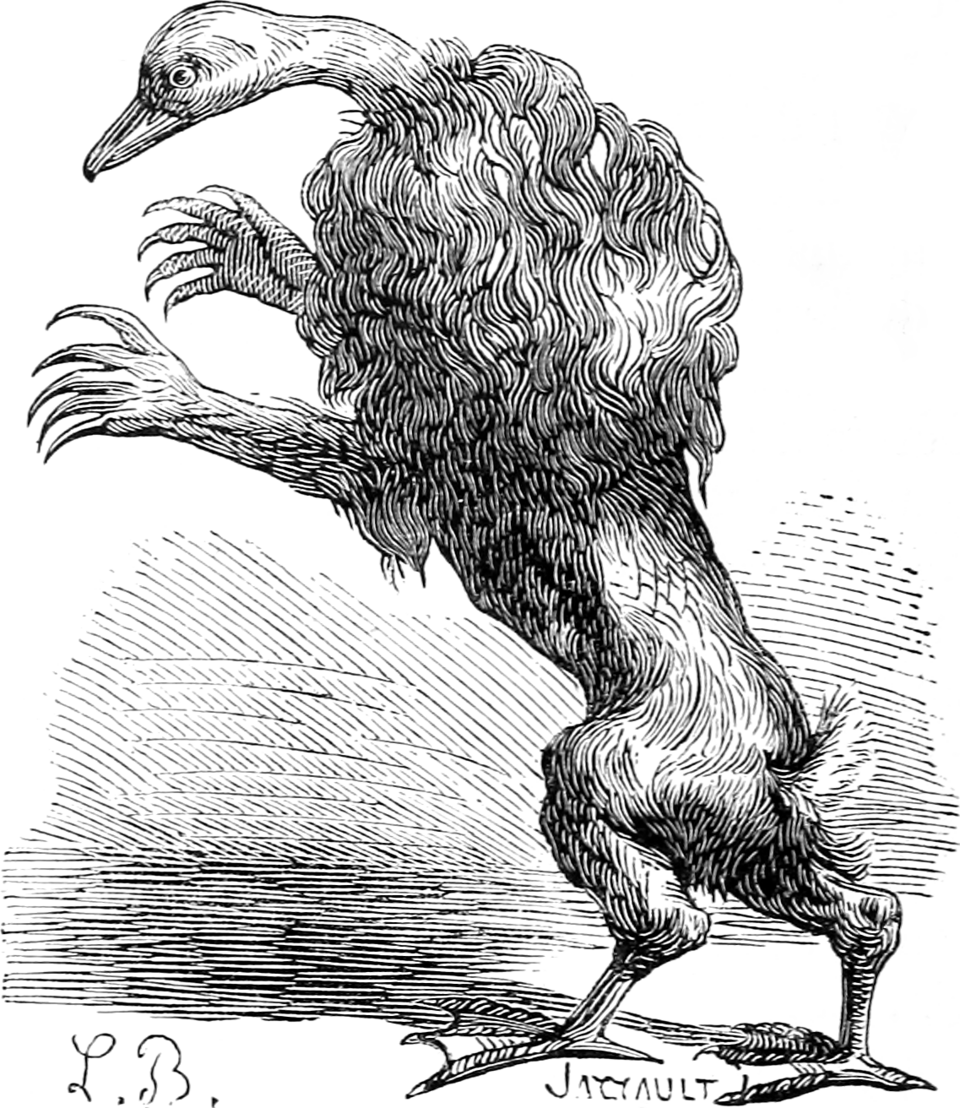
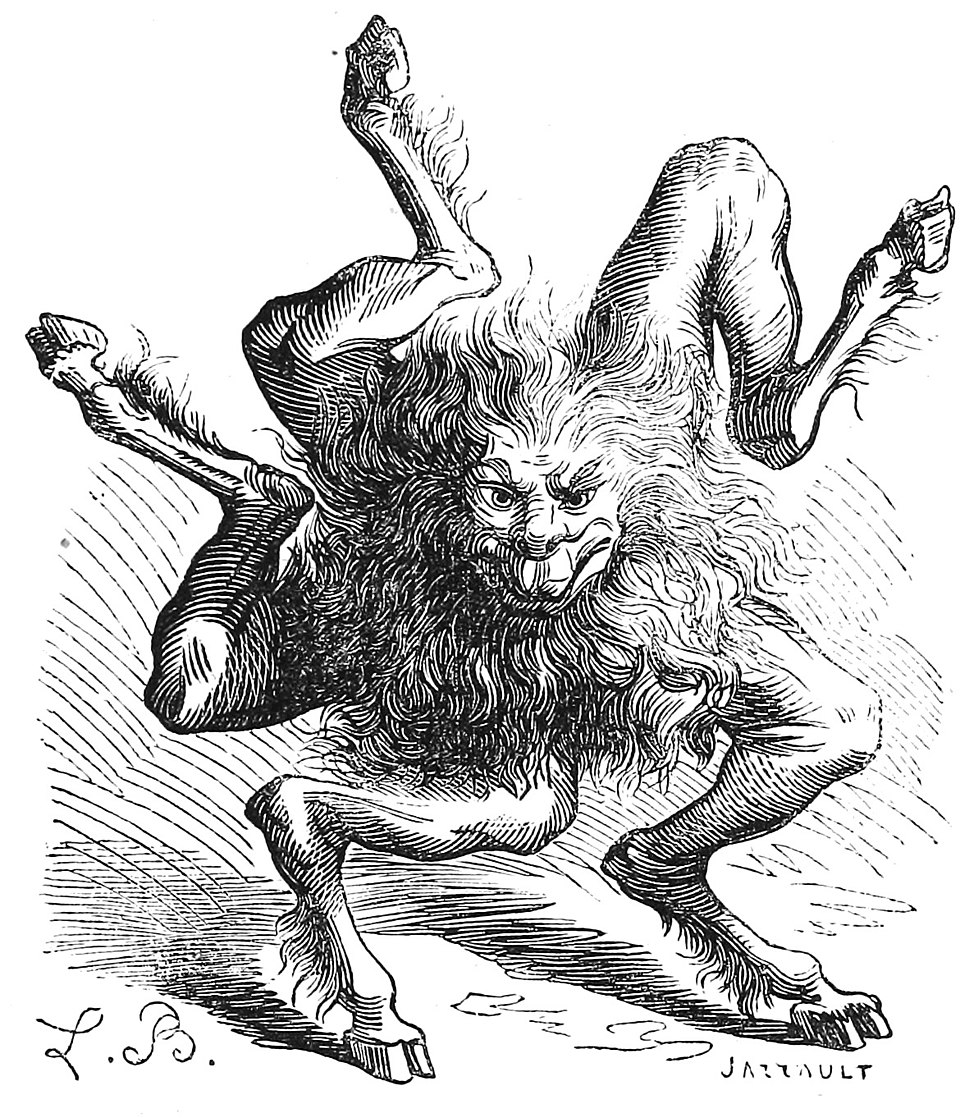
Form. An ugly viper, then a man with great teeth and two horns, bearing a sharp sword.
Offices. Tells all things past and to come, and reconciles friends and foes.
Identity
Where does the name come from?
Where it was actually worshipped
None. The Ars Goetia is a conjuring manual and not a liturgy: its spirits are constrained, put to work and dismissed, never housed or offered to. Not one of the seventy-two has a temple, a shrine, a festival or a place-name anywhere.
A figure with temples and a figure that only ever existed on a page are different kinds of thing, and the difference is easy to lose once both are entries in a list.
At a glance
Vitals
Vitals
Also known as
- First attested
- Pseudomonarchia Daemonum · 1577
- Rank
- President and Earl
- Order
- Goetic Spirit
- Base of operations
- None. The Ars Goetia is a conjuring manual and not a liturgy: its spirits are constrained, put to work and dismissed, never housed or offered to. Not one of the seventy-two has a temple, a shrine, a festival or a place-name anywhere.
- Era
- c. 1577 CE
- Traditions
- Solomonic, Folk & Demonological
Traits
- Traditional form
- An ugly viper, then a man with great teeth and two horns, bearing a sharp sword.
- Goetic rank
- President and Earl
Stats
3 attributed
What is it said to do?
Where these powers cluster
The 3 offices attributed to Botis, grouped by kind. Segment width is the share of powers falling in each category.
A bar dominated by one colour means a specialist; an even spread means a figure the sources credit with almost anything.
- divination1
- social1
- martial1
1 mark
Which marks is it attached to?
A mark a figure carries and a mark used against a figure are opposite claims, so each link says which it is.
2 texts
Which texts say so, and where do they disagree?
When these texts were written
Each dot is one of the 2 texts that names Botis, placed at that text's approximate date.
A wide spread means the figure was carried across many centuries and traditions; a tight cluster means a single period produced the whole record.
2 texts spanning roughly 327 years
Where the texts differ
- Rank: given as President and Earl; The President and Earl
- Position in list: 9, 17 depending on the text
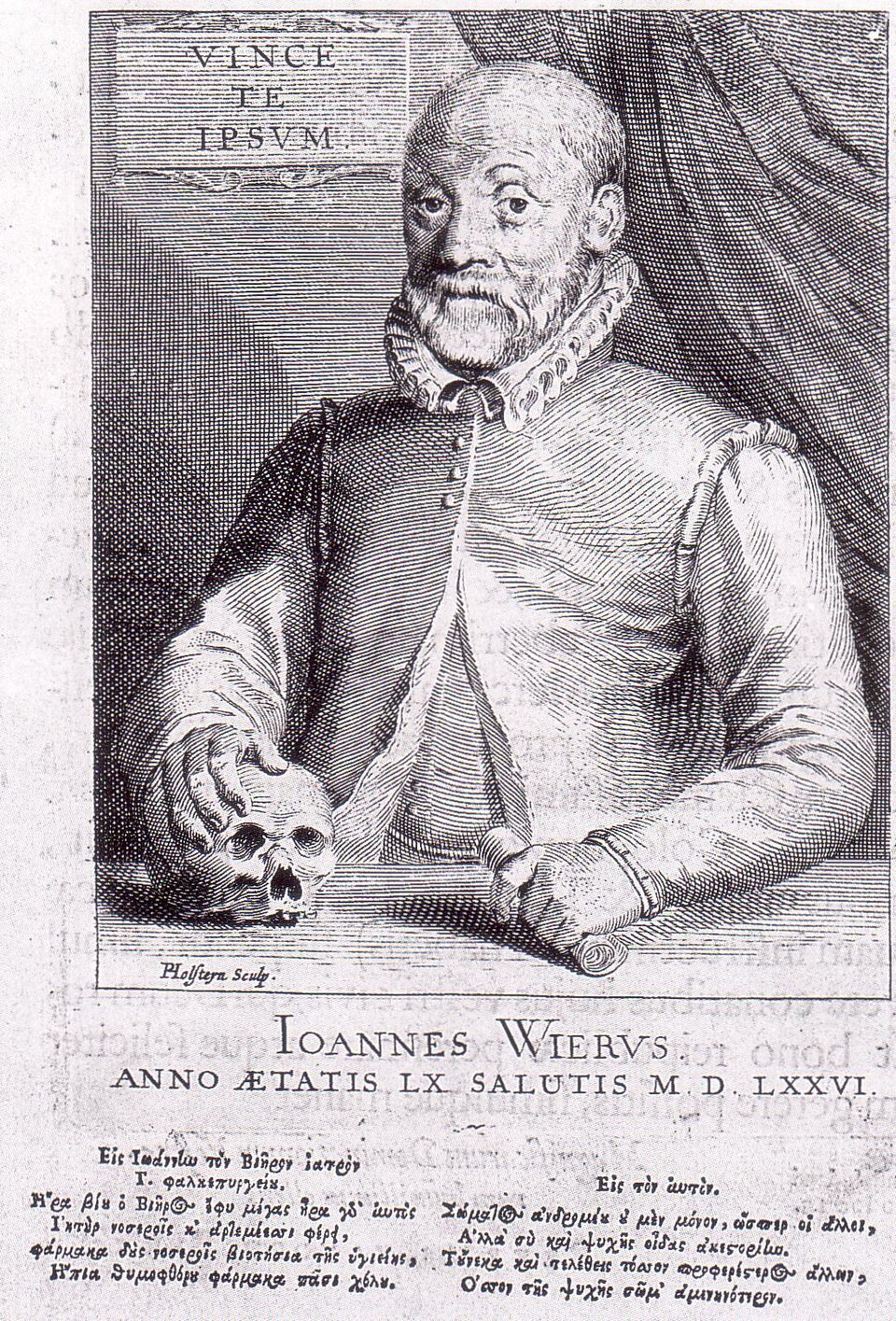
Weyer lists this spirit 9th of his sixty-nine, with substantially the same offices. His order is not the Goetia's — the two texts arrange the same spirits quite differently.
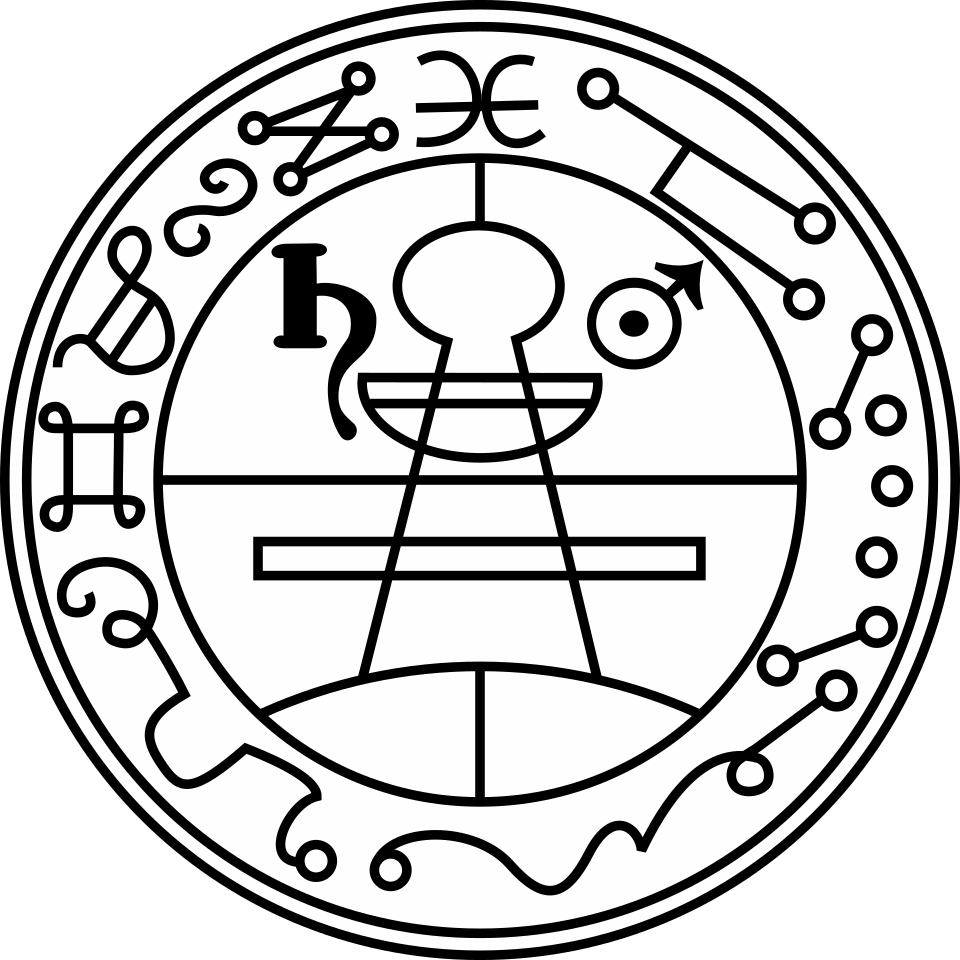
Tells all things past and to come, and reconciles friends and foes.
“The Seventeenth Spirit is Botis, a Great President, and an Earl.”
Connections
What is it connected to?
Nothing, and that is what the source says. The Ars Goetia gives Botis a rank, a number of legions, a list of offices and a seal, and no relationship to any other spirit in the book — no lineage, no faction, no quarrel. Sixty-seven of the seventy-two are in the same position. A catalogue of self-contained entries is what that text is, and the emptiness here is the shape of it rather than work outstanding.
Placement
Where does it sit in the hierarchies?



Answered from the sources
Common questions
Which texts mention Botis?
What rank is Botis?
How else is Botis spelled?
What is Botis said to do?
How old is Botis?
Nearest in the corpus
If Botis is what you came for, these are next
Chosen by proximity rather than by popularity: the same pantheon first, then the same rank, then the same kind of figure.
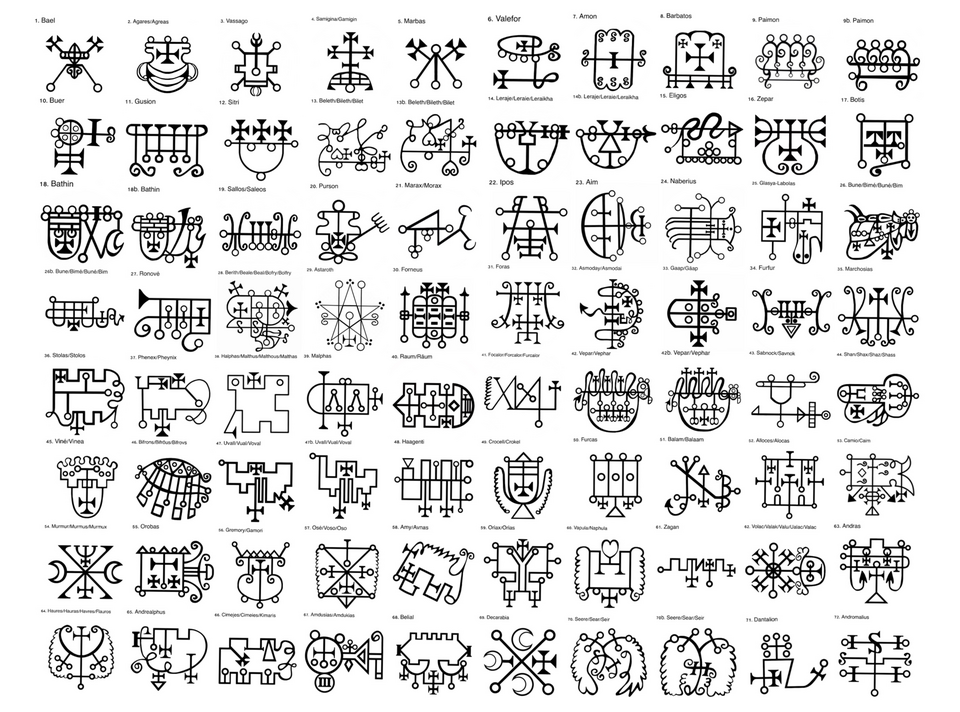
Glasya-Labolas
President and Earl · Goetic Spirit
Teaches every art and science in an instant, and is named in the same entry as the author of bloodshed and manslaughter. The Goetia sets that beside causing love and conferring invisibility without appearing to notice the company it keeps.
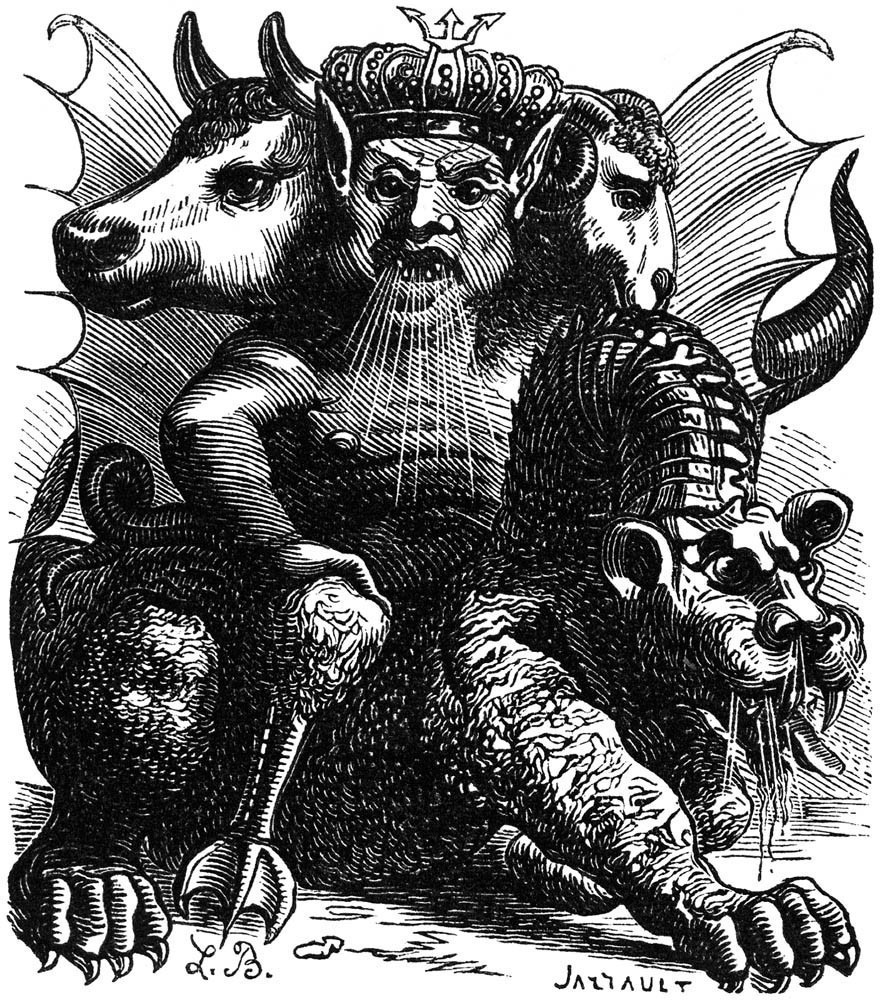
Asmoday
King · Goetic Spirit
Commands seventy-two legions, one for every spirit in the book. He is the Asmodeus of Tobit, who killed Sarah's seven husbands and was driven into Upper Egypt by Raphael, and behind that the Avestan Aeshma-daeva, the demon of wrath — one of very few Goetic spirits with an ancestry that can be traced.
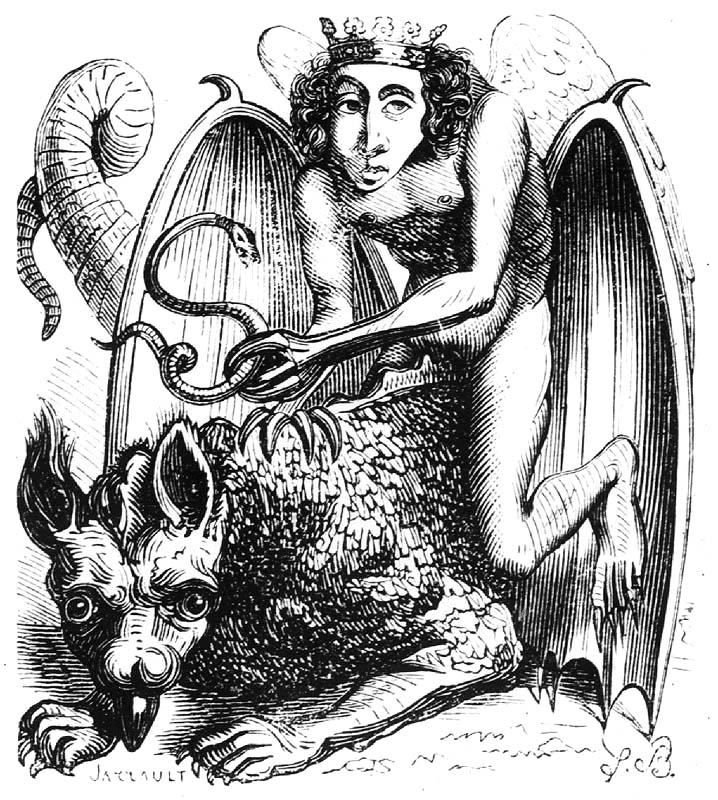
Astaroth
Duke · Goetic Spirit
The Canaanite goddess Astarte, three thousand years on, made a male duke of hell with her name intact. The Goetia has him discourse willingly on the fall of the spirits, and warns the operator to hold a ring to his face against the stench of his breath.
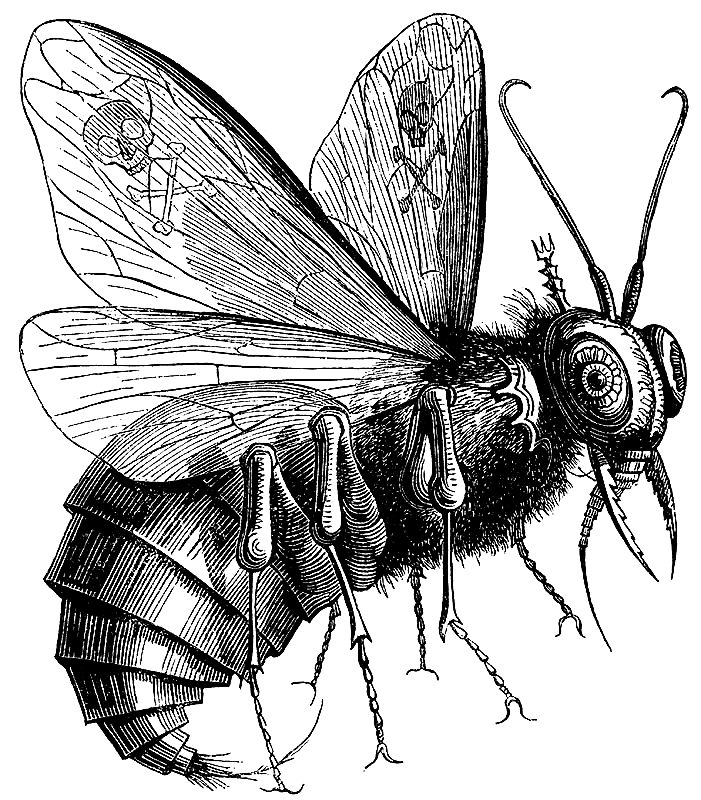
Beelzebub
Prince · Infernal Court
'Lord of the Flies' — a Philistine god of Ekron whose name was almost certainly deformed as a Hebrew insult, then inherited by Christian demonology as the second power of hell.

Belial
King · Goetic Spirit
In the Hebrew Bible beliya'al is not a name but a word meaning worthlessness; by 2 Corinthians it is a person, and by the Goetia a king in a chariot of fire handing out senatorships. The text says he was created next after Lucifer and fell among the first, and will not answer truly without gifts.
The Spirits of Affliction
Group of Named Spirits · Deliverance tradition
The remaining 'spirit of X' phrases, grouped because the tradition's whole method stands or falls on how they are read.
The books behind Botis
Every claim on this profile is attributed to one of these. They are public domain, listed oldest first, and each links to a full text where one is freely available.
Pseudomonarchia Daemonum
Johann Weyer · 1577 · Latin
Read Pseudomonarchia Daemonum in full ↗Cover: Public domain · Pieter Holsteyn II · Wikimedia file page
The Lesser Key of Solomon, Book I: Ars Goetia
Anonymous; ed. S. L. MacGregor Mathers & A. E. Waite · 17th c.; ed. 1904 · English (from Latin)
Read The Lesser Key of Solomon, Book I: Ars Goetia in full ↗Cover: Public domain · anonymous design, redrawn by User:Fuzzypeg · Wikimedia file page
Corpus last revised 29 August 2026. A reference site’s credibility rests on being maintained, so this is the date the sourced records last changed — not the date the page was rebuilt.