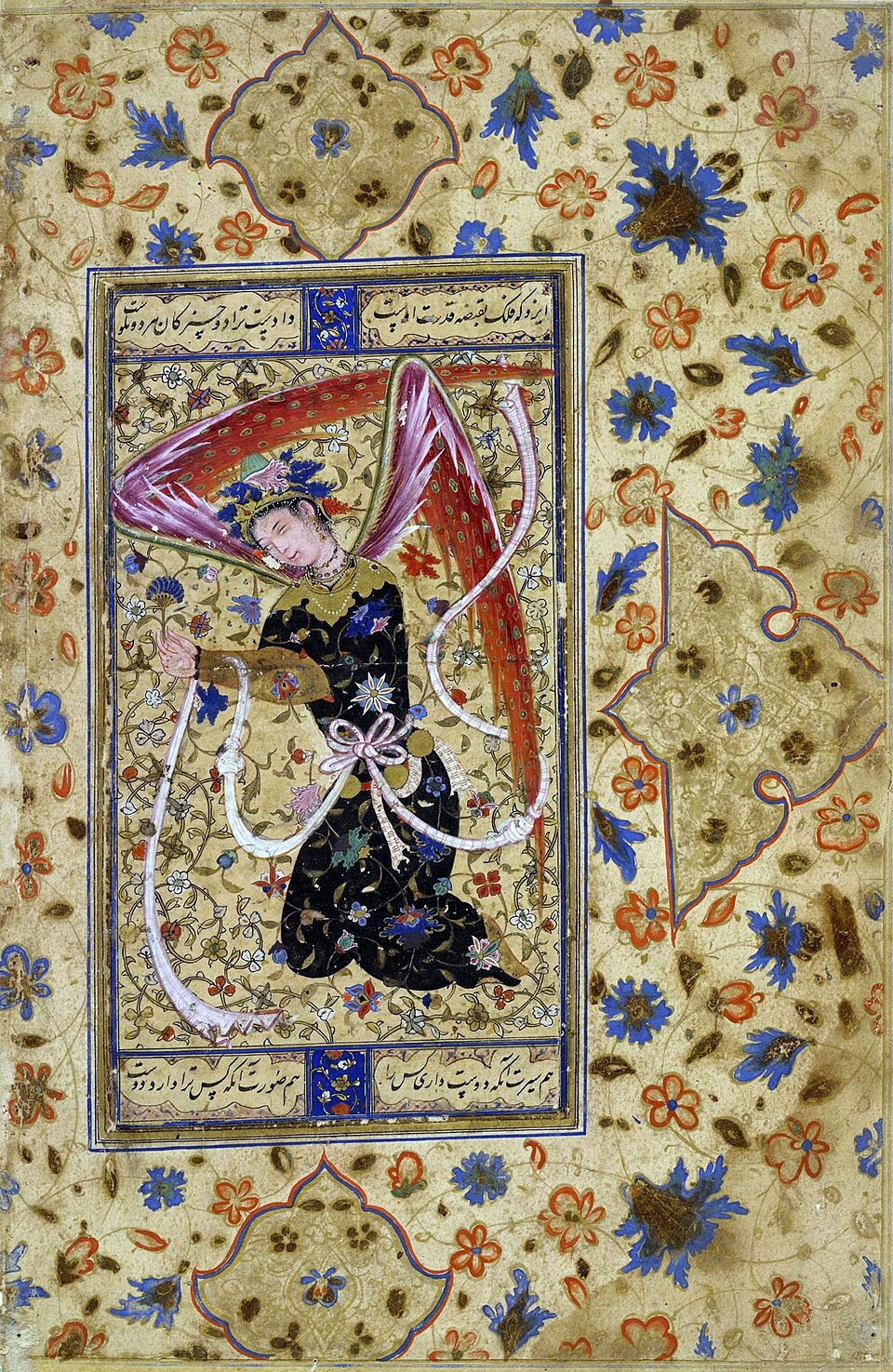
Zoroastrian · Avestan · c. 1000-400 BCE
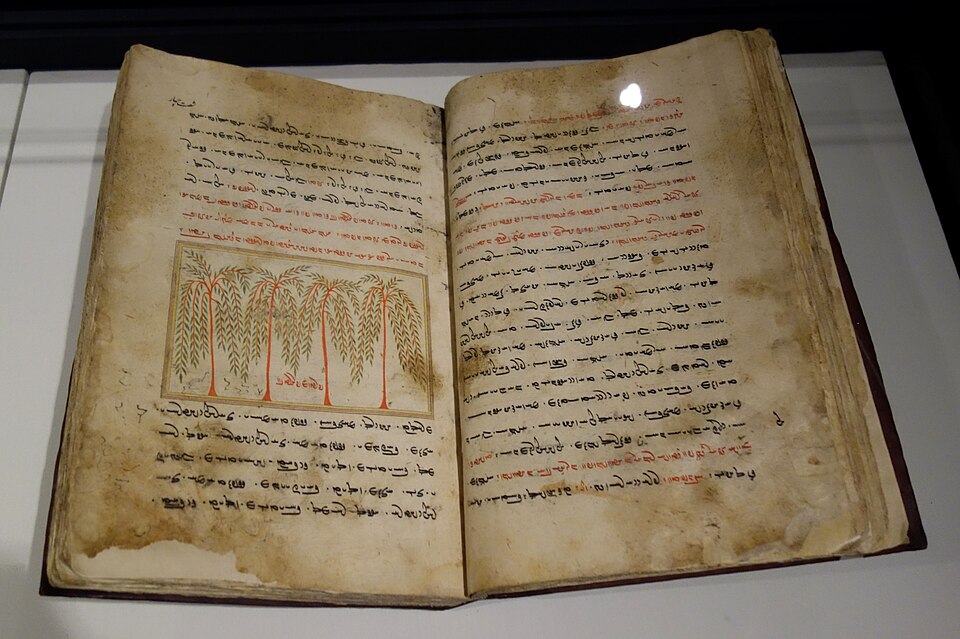
The Avesta
Attributed to Zarathustra and later priests
The Zoroastrian scriptures. Their two-principle cosmology — Ahura Mazda against Angra Mainyu, each with an army — is the most likely source of the dualist structure Judaism and Christianity later adopt.
Read The Avesta in full at the linked edition →Hierarchies from this text
What this text attests · 9
| Name here | Rank given | # | Powers described |
|---|---|---|---|
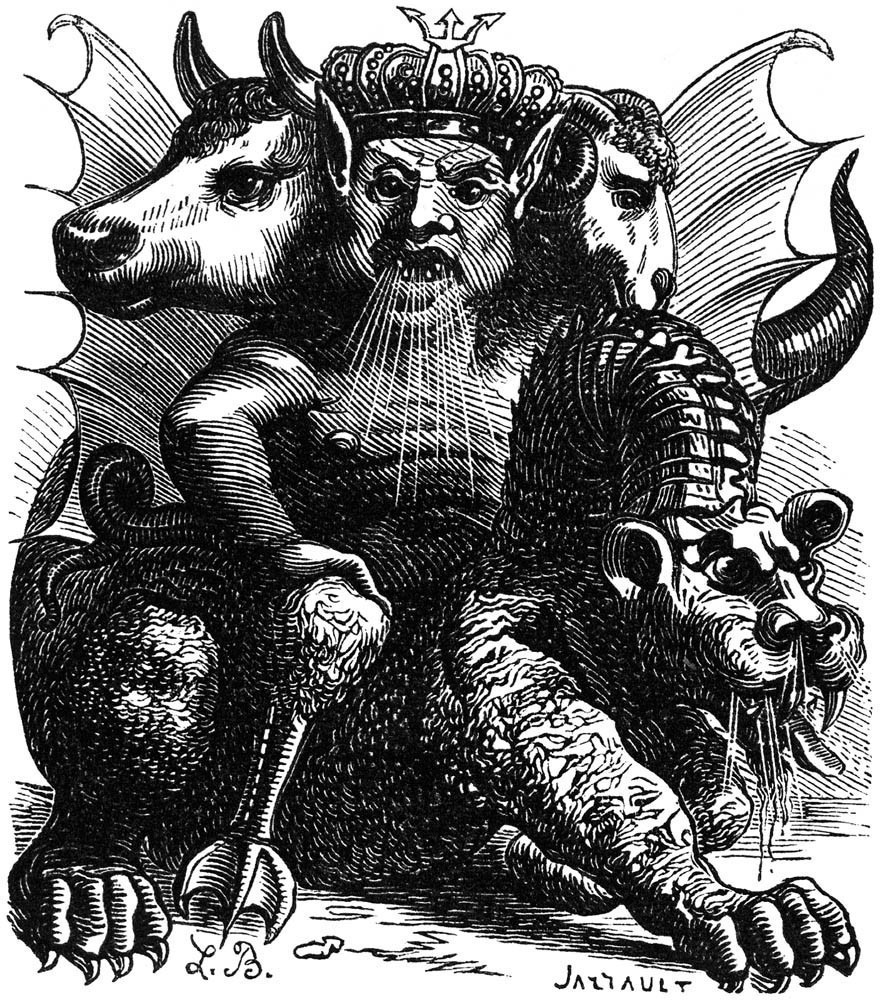 Aeshma = Asmoday | Daeva of wrath | — | The probable Iranian origin of the name: Aeshma-daeva to Ashmedai to Asmodeus. |
| Daeva | — | The demon of wrath, opposed by Sraosha, obedience. | |
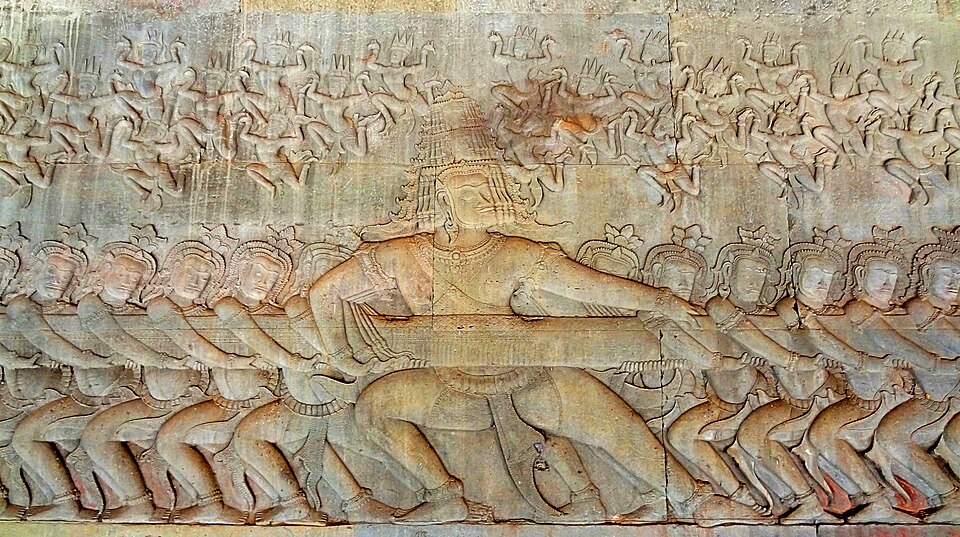 Ahura = The Asuras | Lord | — | In Iran the cognate keeps its divine sense while daeva takes on the demonic one — an exact mirror image. |
| The Wise Lord | — | Creates through Spenta Mainyu; opposed at every point by Angra Mainyu. | |
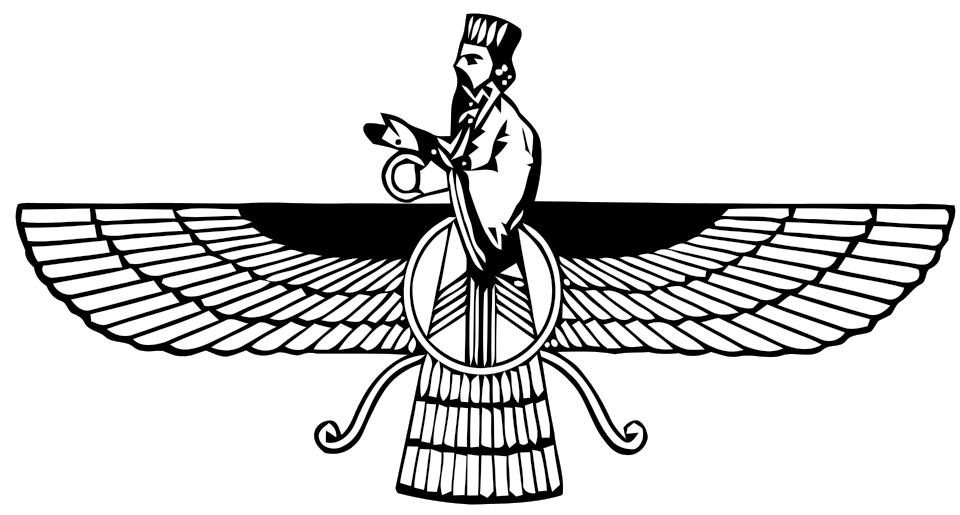 Amesha Spentas = The Amesha Spentas | Bounteous Immortals | — | Six emanations surrounding Ahura Mazda, each with a named demonic counterpart. |
| The Destructive Spirit | — | Counter-creates against each good creation; commands the daevas; is defeated at the final renovation. | |
Azi Dahaka = Zahhak | Three-headed dragon | — | The most destructive of the druj; bound rather than killed, to break loose at the end of time. |
| Yazata of covenant | — | Watches over contracts with a thousand ears and ten thousand eyes; punishes the oath-breaker. | |
| Yazata | — | Protects the soul for three nights after death; the specific opponent of Aeshma, the demon of wrath. |