Deity · Persian · c. 1000 BCE
Angra Mainyu
Also called Ahriman, The Destructive Spirit · also recorded as Arimanius, 𐬀𐬢𐬭𐬀⸱𐬨𐬀𐬌𐬥𐬌𐬌𐬎 (per Wikidata)
The hostile principle, with his own army of daevas — the first fully developed adversary in the record, and the likely structural template for Satan.
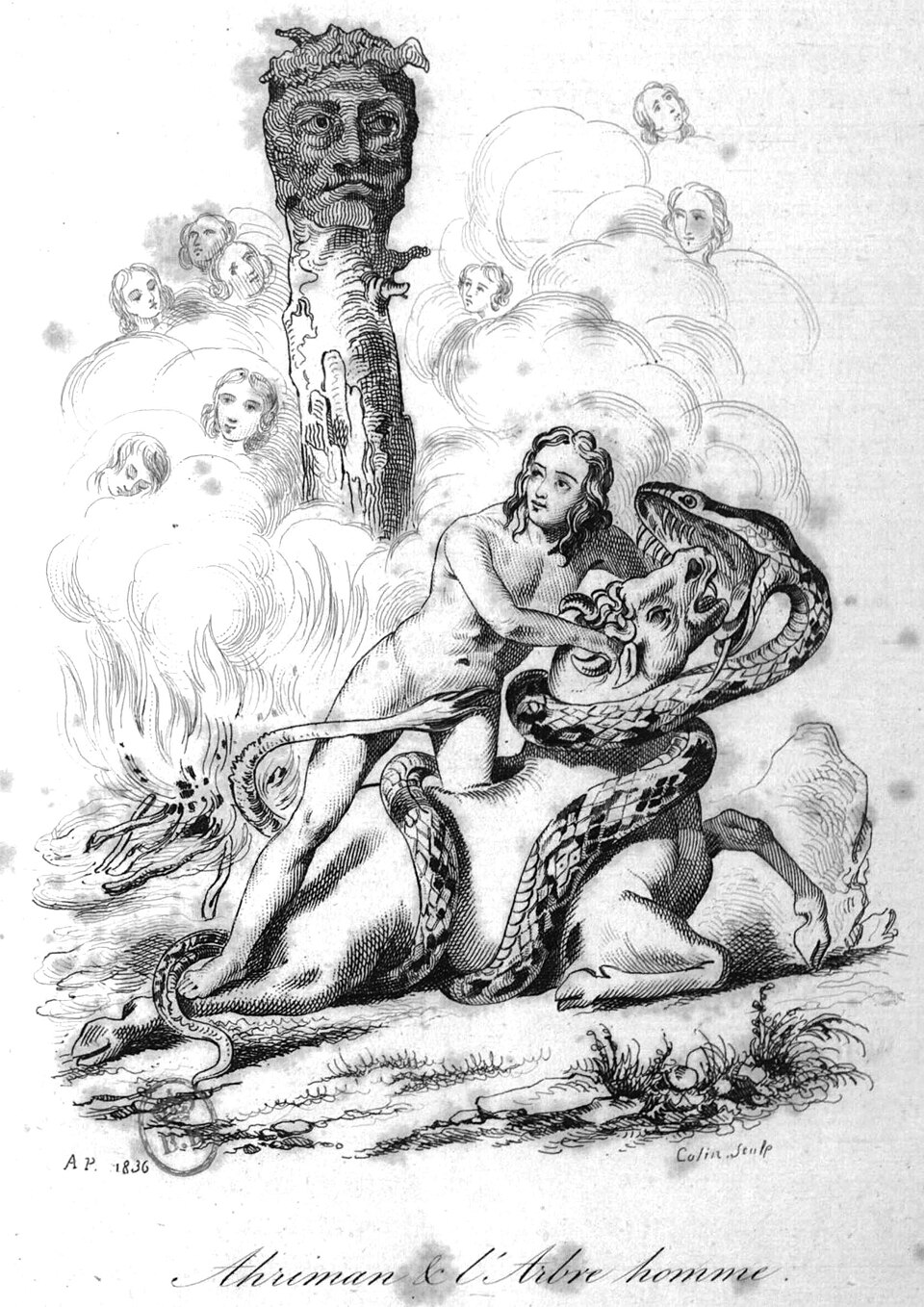
Narrow source base
Angra Mainyu has something the biblical *ha-satan* does not: a kingdom. He commands ranked daevas, each opposed to a specific Amesha Spenta, he counter-creates against every good creation, and the conflict resolves at a final renovation of the world. Every one of those features appears in Jewish and Christian material only after the Persian period. Aeshma, his demon of wrath, is very probably the origin of Asmodeus, giving a traceable name-level link alongside the structural one.
Identity
Where does the name come from?
Where it was actually worshipped
None, by definition. Worshipping him is what the tradition means by the enemy; there is no Zoroastrian building where that could happen.
A figure with temples and a figure that only ever existed on a page are different kinds of thing, and the difference is easy to lose once both are entries in a list.
At a glance
Vitals
Vitals
Also known as
- First attested
- The Avesta · c. 1000-400 BCE
- Rank
- The Destructive Spirit
- Pantheon
- Persian
- Order
- Zoroastrian
- Base of operations
- None, by definition. Worshipping him is what the tradition means by the enemy; there is no Zoroastrian building where that could happen.
- Era
- c. 1000 BCE
- Traditions
- Zoroastrian
- Placed in
- The Paired Orders
Traits
- Domain
- The lie (druj), destruction, counter-creation
Stats
Known connections
Identified with
4 attributed
What is it said to do?
Where these powers cluster
The 4 offices attributed to Angra Mainyu, grouped by kind. Segment width is the share of powers falling in each category.
A bar dominated by one colour means a specialist; an even spread means a figure the sources credit with almost anything.
- martial1
- malefic3
martial
malefic
1 mark
Which marks is it attached to?
A mark a figure carries and a mark used against a figure are opposite claims, so each link says which it is.
2 texts
Which texts say so, and where do they disagree?
When these texts were written
Each dot is one of the 2 texts that names Angra Mainyu, placed at that text's approximate date.
A wide spread means the figure was carried across many centuries and traditions; a tight cluster means a single period produced the whole record.
2 texts spanning roughly 1,550 years
Where the texts differ
- Name: given as Angra Mainyu, Ahriman
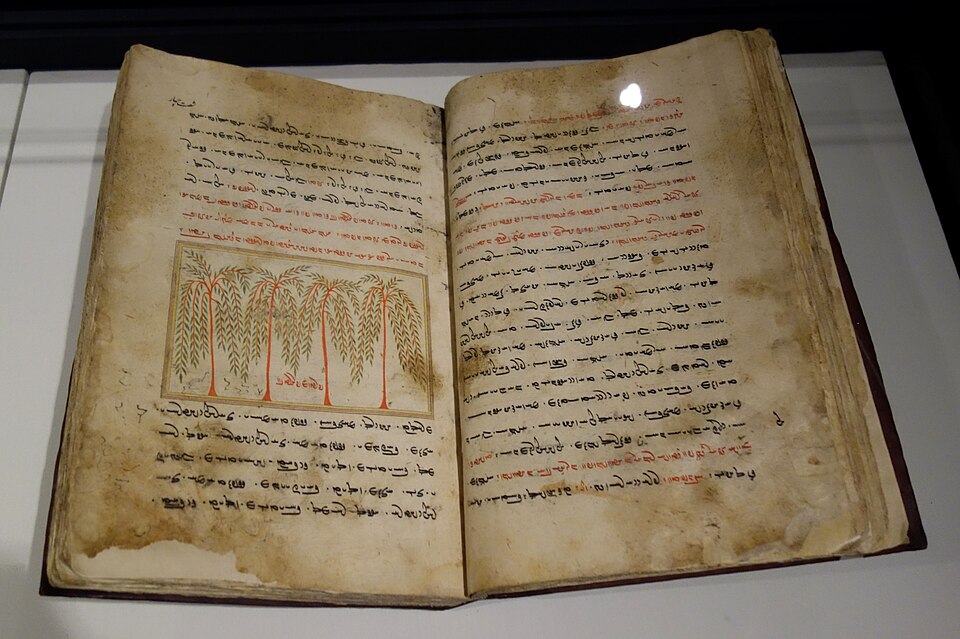
Counter-creates against each good creation; commands the daevas; is defeated at the final renovation.
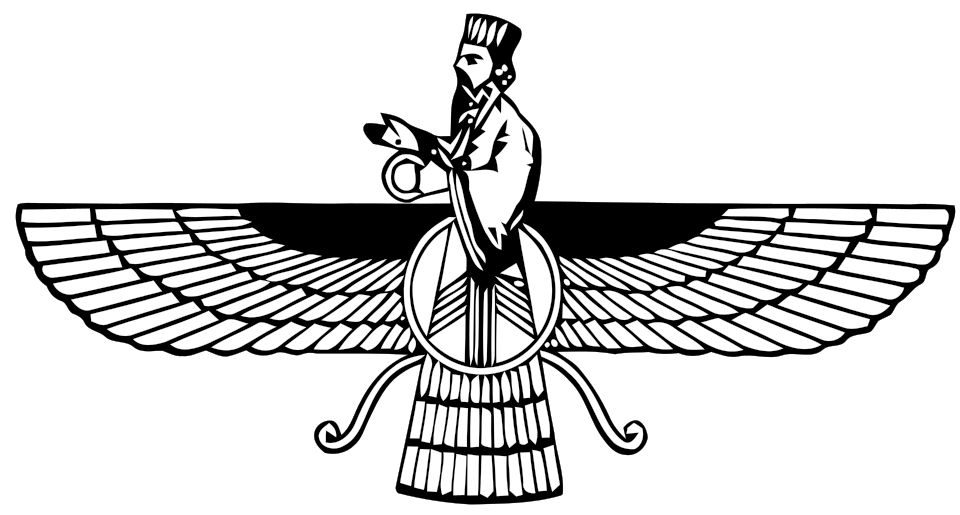
The assault, in detail: he counters each good creation with a bad one, brings the noxious creatures, and is trapped inside the sky when he tries to withdraw. Nothing he makes is original — every item is a spoiling of something already there, which is a theory of evil as parasite rather than as rival, and one Christian theology later arrives at by a different road.
Connections
What is it connected to?
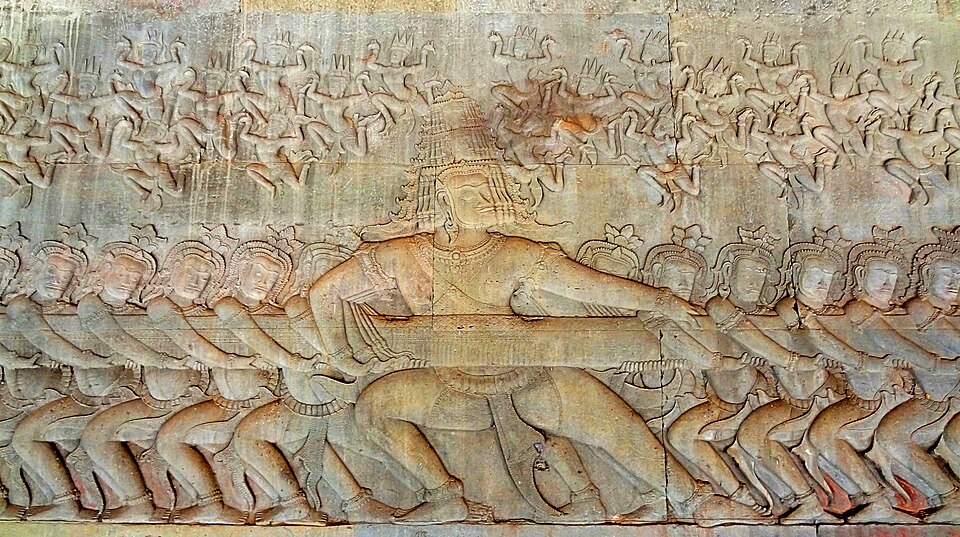
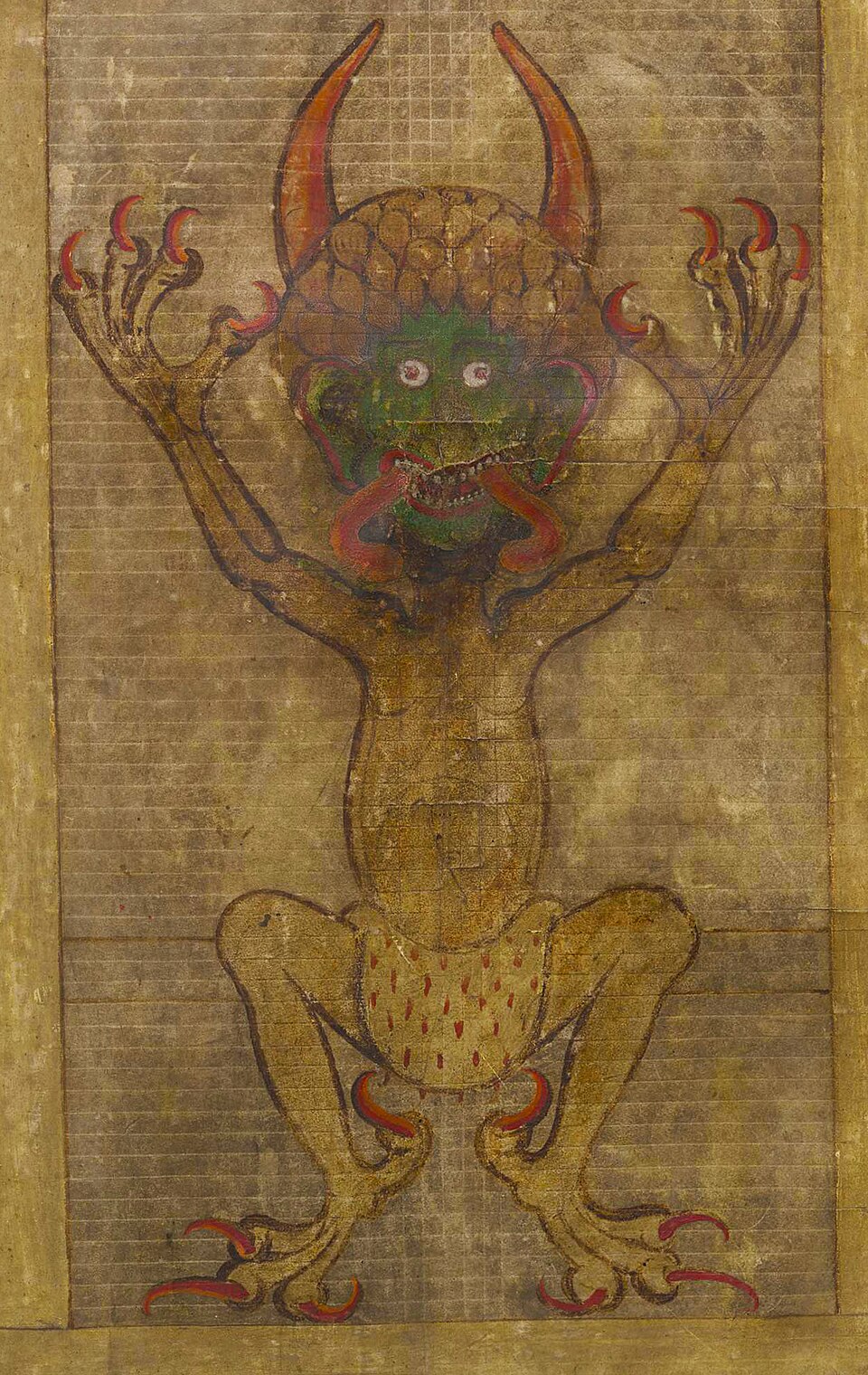
Placement
Where does it sit in the hierarchies?
Answered from the sources
Common questions
Which texts mention Angra Mainyu?
Is Angra Mainyu the same as The Asuras?
What rank is Angra Mainyu?
How else is Angra Mainyu spelled?
What is Angra Mainyu said to do?
How old is Angra Mainyu?
Nearest in the corpus
If Angra Mainyu is what you came for, these are next
Chosen by proximity rather than by popularity: the same pantheon first, then the same rank, then the same kind of figure.
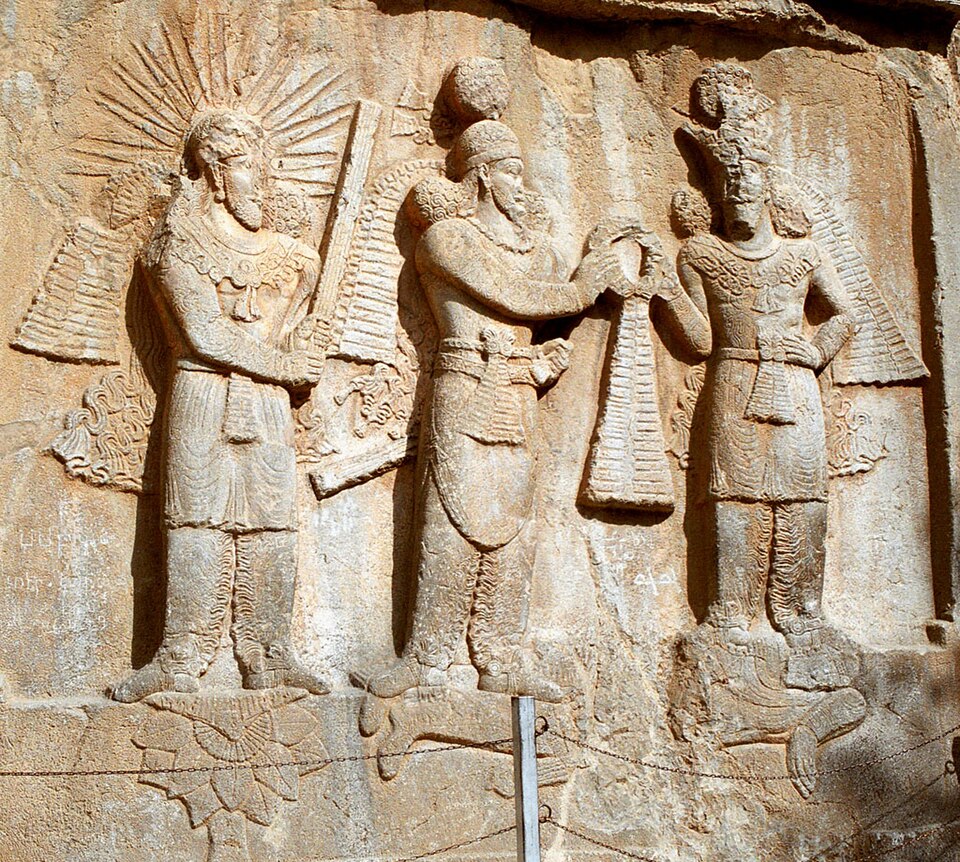
Mithra
Lord of Covenant · Persian
God of the binding contract, worshipped from India to Roman Britain. No other deity in this compendium can be traced across three civilisations so cleanly.
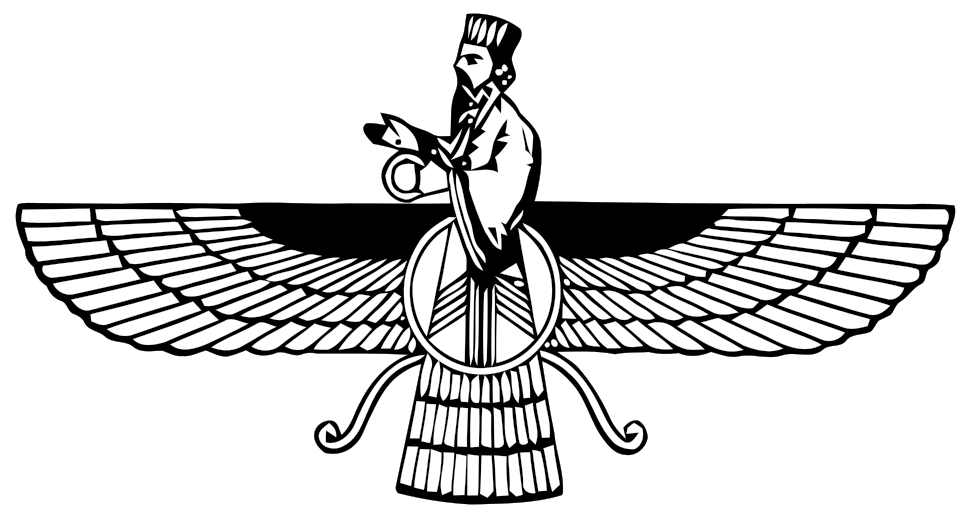
Aeshma
Daeva of Wrath · Persian
The demon of wrath and of the bloody club. He also supplies the most defensible etymology for Asmodeus: *Aeshma-daeva* to *Ashmedai* to *Asmodeus*.
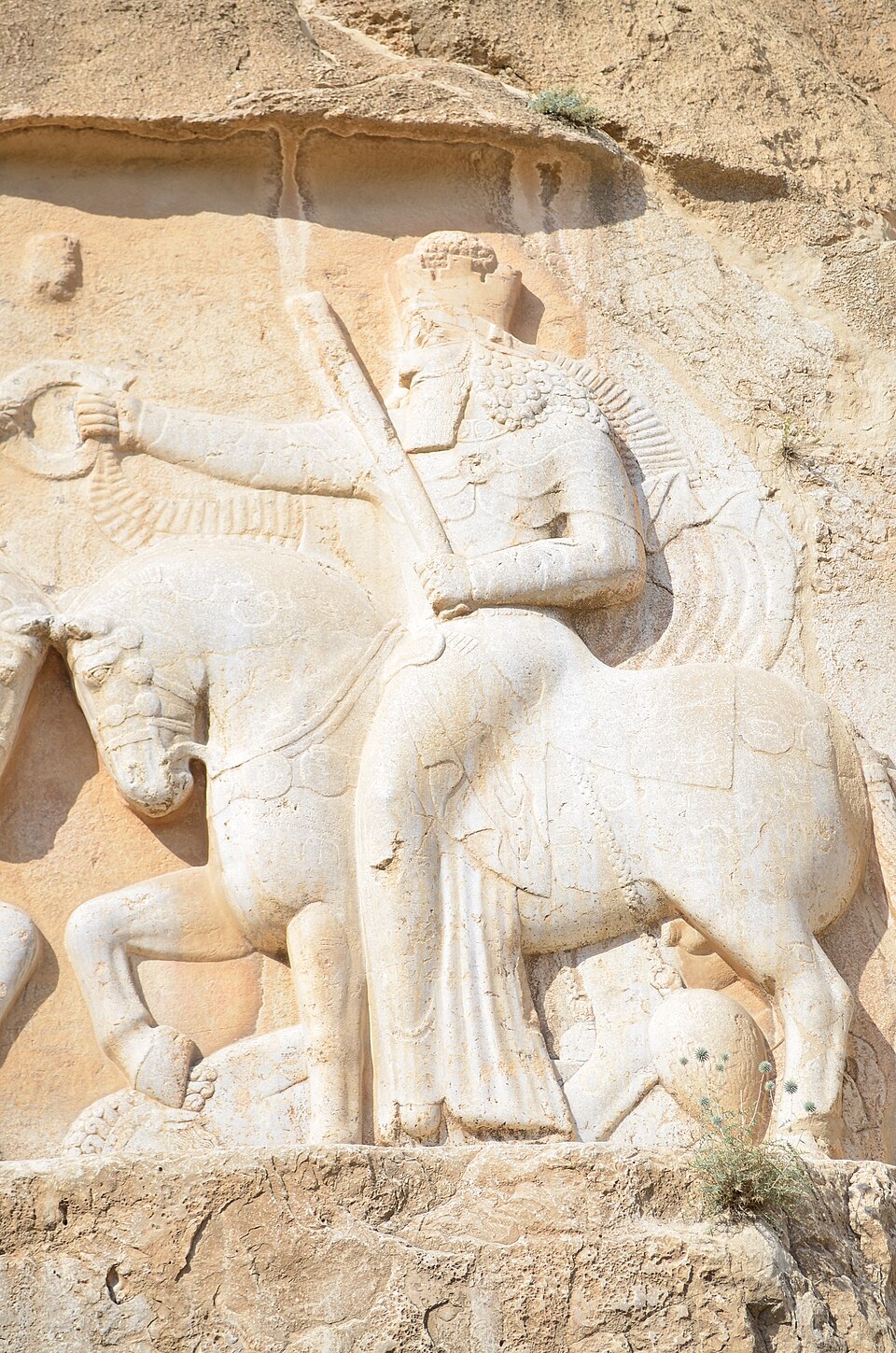
Ahura Mazda
The Wise Lord · Persian
The uncreated god of Zoroastrianism, opposed by Angra Mainyu — the pairing that probably gave Judaism and Christianity their two-sided cosmos.
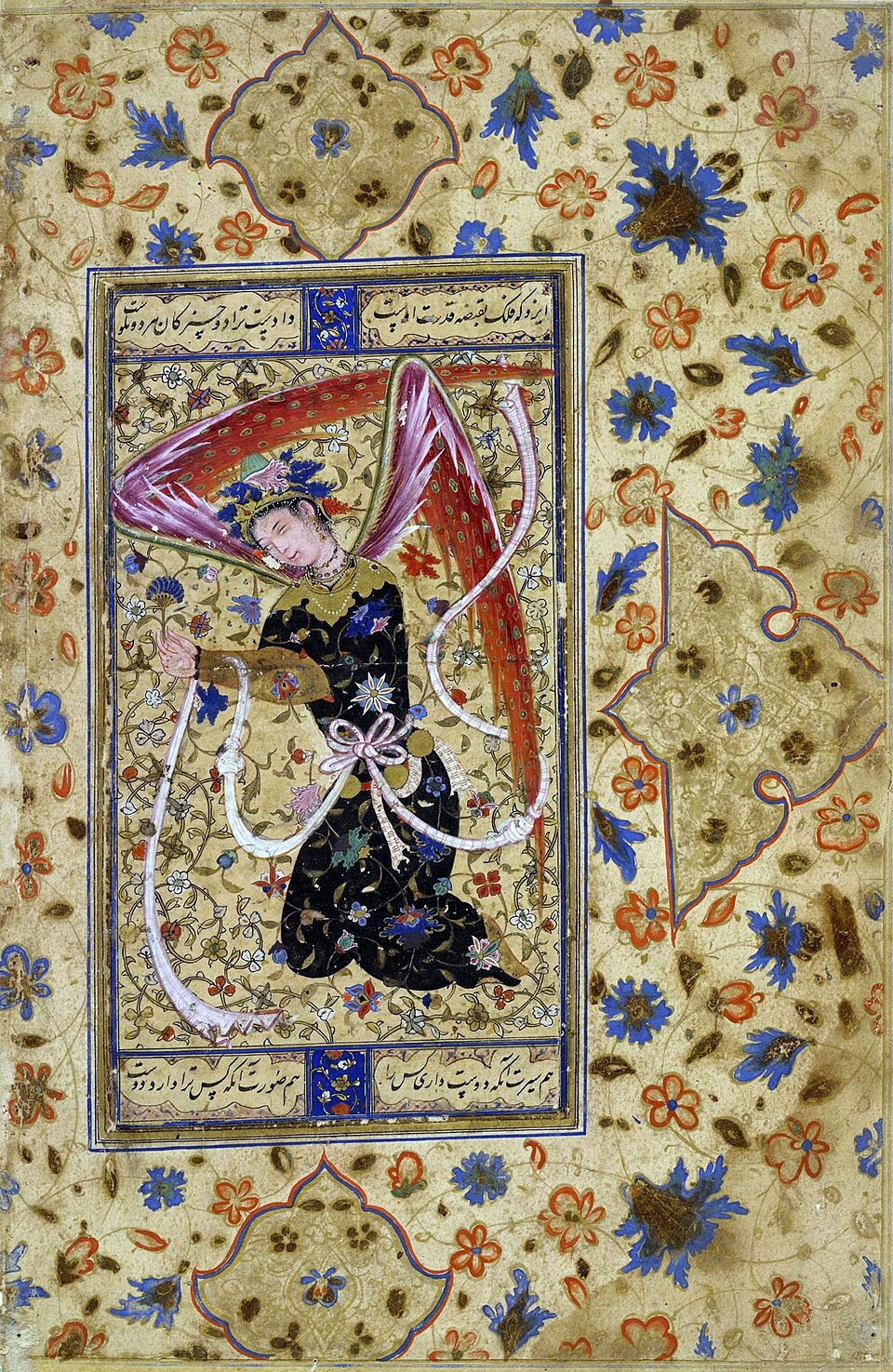
Sraosha
Yazata of Obedience · Persian
He guards the soul for three nights after death and stands directly opposed to Aeshma. It is an angel's job description, written before there were angels.
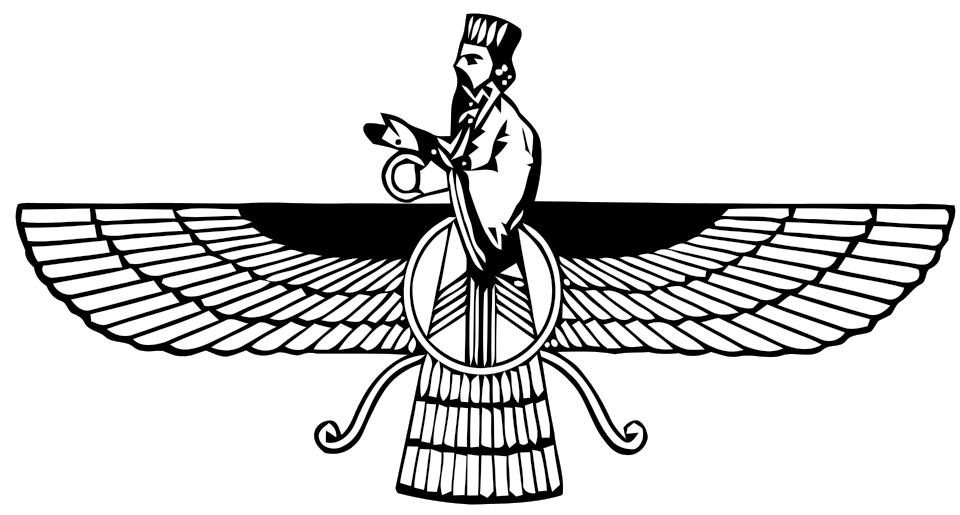
The Amesha Spentas
Six Great Emanations · Persian
Six emanations of Ahura Mazda, each paired against a specific demon — the earliest ranked, functionally-paired hierarchy of spirits anywhere.
Zahhak
The Serpent King · Persian
The three-headed serpent of the Avesta, who becomes in the Shahnameh a tyrant with snakes on his shoulders fed on human brains, chained beneath a mountain until the end.
The books behind Angra Mainyu
Every claim on this profile is attributed to one of these. They are public domain, listed oldest first, and each links to a full text where one is freely available.
The Avesta
Attributed to Zarathustra and later priests · c. 1000-400 BCE · Avestan
Read The Avesta in full ↗Cover: CC0 · Daderot · Wikimedia file page
Bundahishn
Anonymous Zoroastrian; tr. E. W. West · 9th c. CE, from older material · Middle Persian
Read Bundahishn in full ↗Cover: CC BY-SA 3.0 · The original uploader was Ploxhoi at English Wikipedia · Wikimedia file page
Corpus last revised 29 August 2026. A reference site’s credibility rests on being maintained, so this is the date the sourced records last changed — not the date the page was rebuilt.