protective · from c. 1000 BCE
The Fire Altar
A stepped stone plinth with fire on top — the only image on Sasanian coinage for four centuries, and not an object of worship in Zoroastrian terms.
What the sources claim for it
Purity and truth made visible, and a direction to face. Not a recipient.
History
Where does the Fire Altar come from?
Zoroastrian practice keeps a fire burning in a purpose-built stand, tended by priests who cover the mouth so as not to breathe on it. The altar with its flame is carved on Achaemenid tombs, stamped on the reverse of nearly every Sasanian coin, and remains the central furniture of the fire temple.
The point on which Zoroastrians have had to correct outsiders for two and a half millennia is that the fire is not the god. It is the purest visible thing, and therefore what one faces while praying — a direction, in the sense that a qibla is a direction. Herodotus already misreports Persian practice on related grounds.
2 figures
Who is it attached to?
Figures who carry it
An attribute rather than a signature — held, worn or associated in the texts and the images.
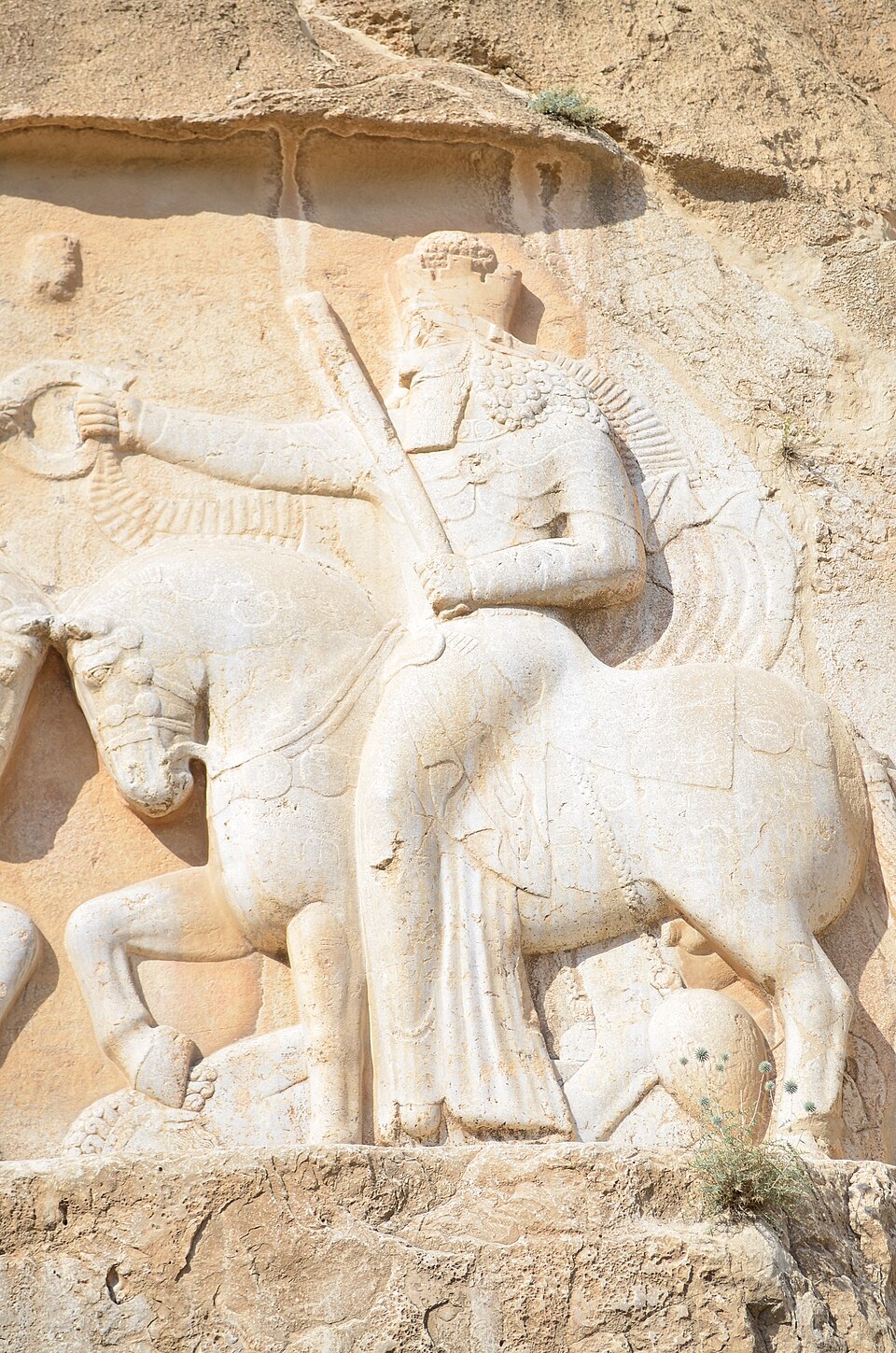
Figures it is used against
The mark is aimed at them. A ward names its target, which makes these the sharpest attributions on the page.
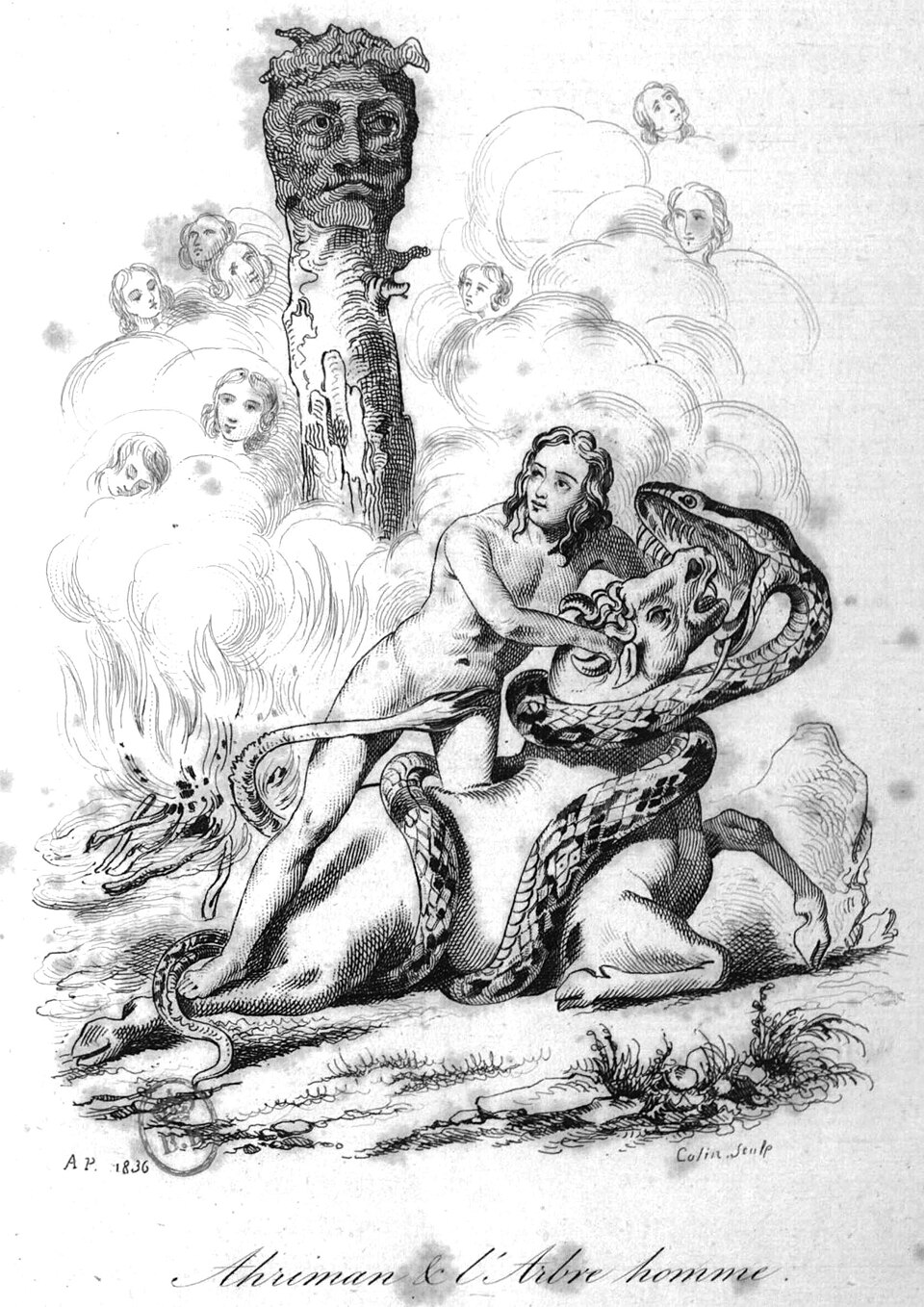
Afterwards
What did it turn into?
The label 'fire-worshippers' has followed Zoroastrians since antiquity, and is the single most persistent misdescription of a living religion in this corpus.
Which texts describe it?
Oldest first, with what each one does with the mark. A mark described in a Bronze Age incantation and a mark first drawn in a seventeenth-century manuscript are different kinds of claim, whatever the shape has in common.
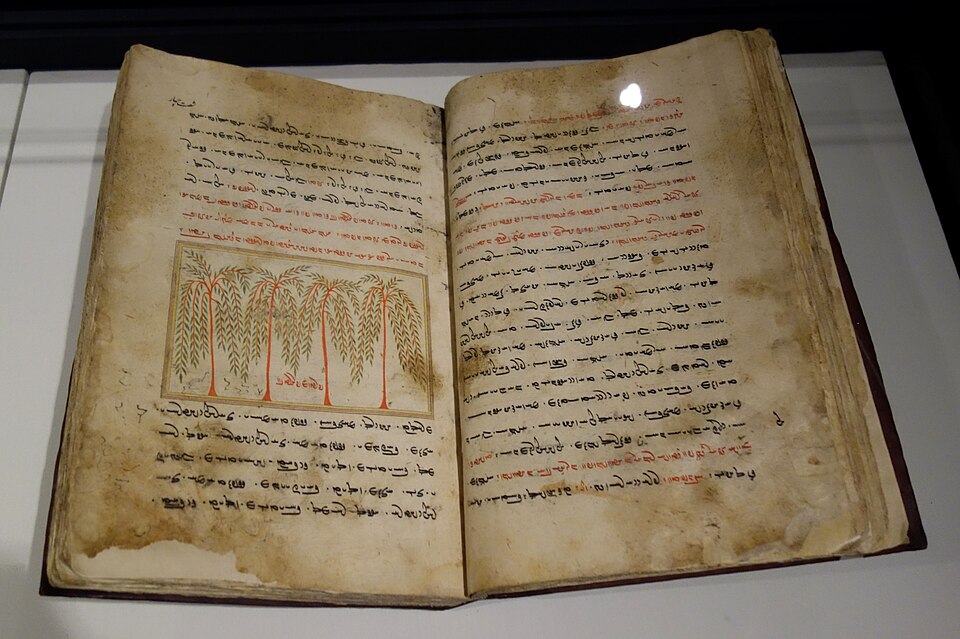
The Avesta
Attributed to Zarathustra and later priests · c. 1000-400 BCE · Avestan
Atar, the fire, addressed in the liturgy as a son of Ahura Mazda.
Read The Avesta in full ↗Cover: CC0 · Daderot · Wikimedia file page
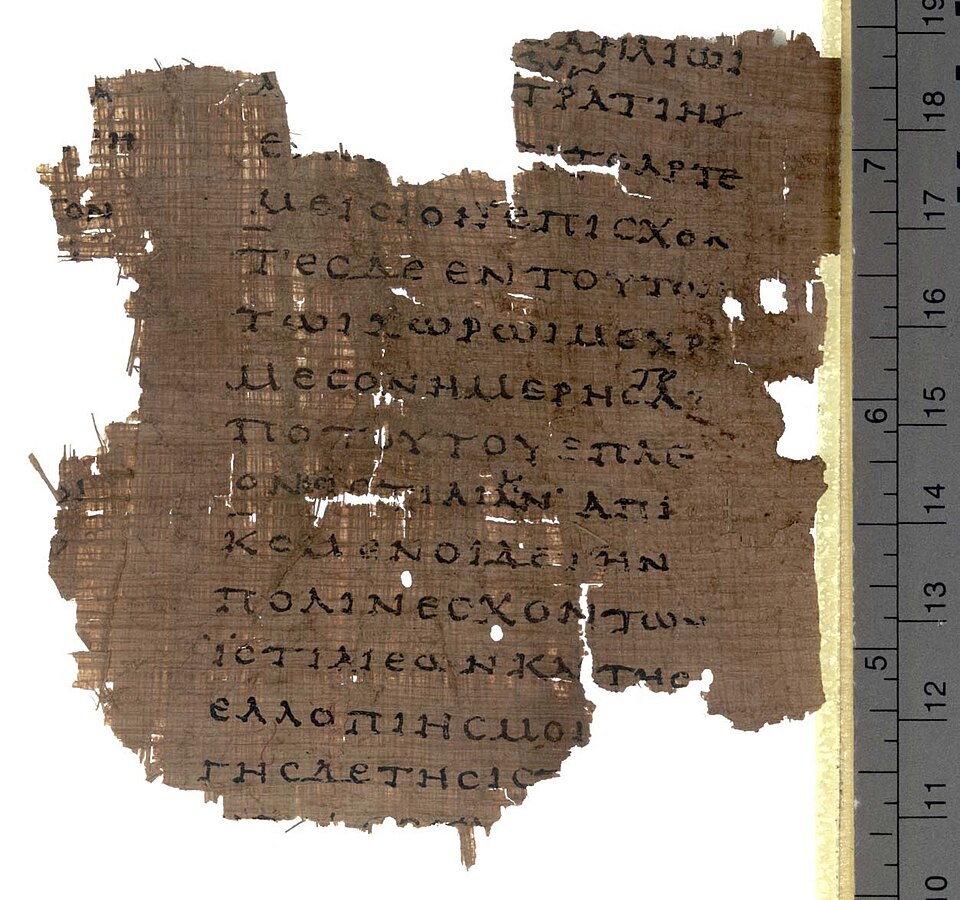
The Histories, Book II
Herodotus; tr. G. C. Macaulay · c. 430 BCE · Ancient Greek
An early outside report of Persian practice, and an early source of the misreading.
Read The Histories, Book II in full ↗Cover: Public domain · Unknown · Wikimedia file page
Bundahishn
Anonymous Zoroastrian; tr. E. W. West · 9th c. CE, from older material · Middle Persian
The cosmological account the fire's place is fixed in.
Read Bundahishn in full ↗Cover: CC BY-SA 3.0 · The original uploader was Ploxhoi at English Wikipedia · Wikimedia file page
Nearby
Related marks
The Winged Disc
A sun with wings, borrowed by every empire in the region in turn — and the direct ancestor of the Persian faravahar.
The Faravahar
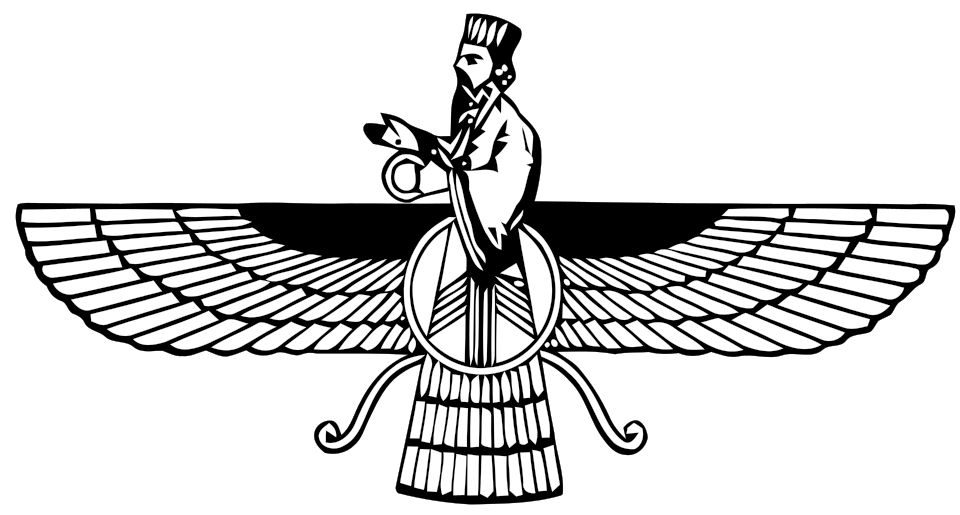
A man in a winged disc, carved above Persian kings and identified as Ahura Mazda by nearly everyone except the inscriptions.
The Incantation Bowl
A plain clay bowl with writing spiralling inward across the inside, buried upside down under the floor of a house. Around two thousand survive, and they name demons by name.
The Ankh
The sign for 'life', held to the nose of a king by a god. Not an amulet first — a hieroglyph that got carried into three dimensions.
The Djed Pillar
A four-tiered column meaning stability, later read as the backbone of Osiris and raised upright at festival as a resurrection.
The Star of Ishtar
Eight points for the planet Venus, and the standard way of writing a goddess into a scene without drawing her.