Greek · Ancient Greek · c. 430 BCE
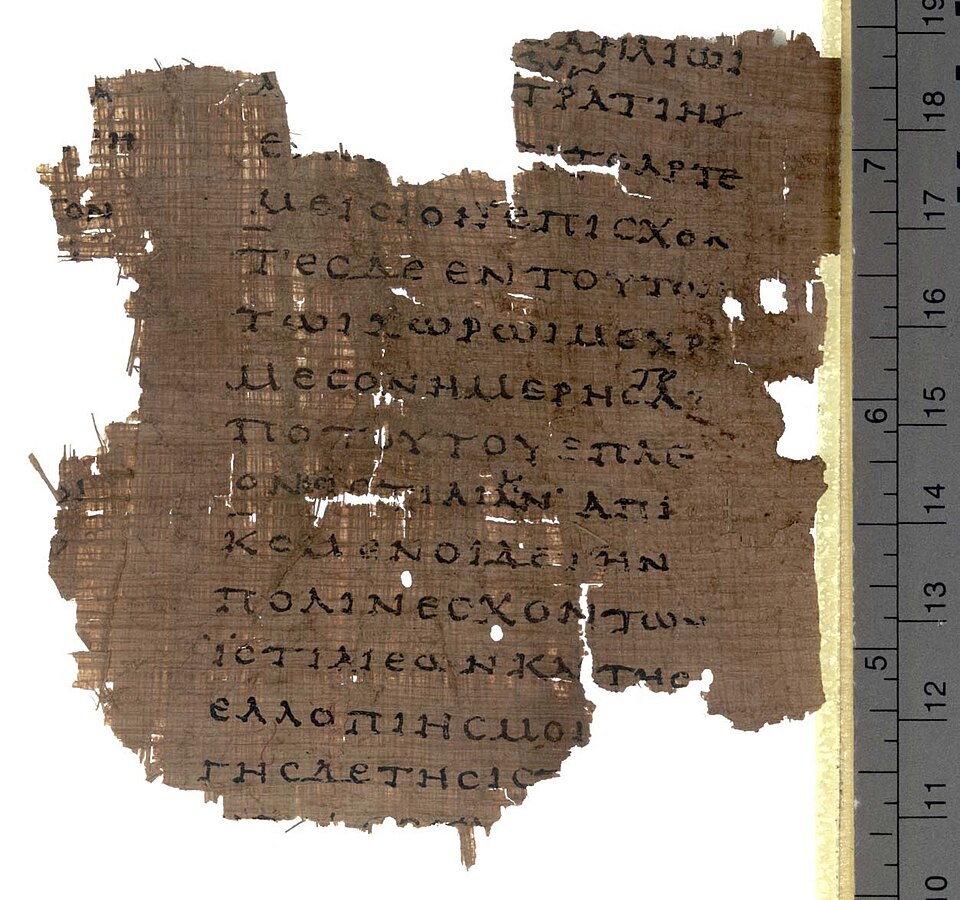
The Histories, Book II
Herodotus; tr. G. C. Macaulay
A Greek tourist's account of Egyptian religion, written when the temples were still working. Credulous in places and invaluable in others; his description of the festival at Bubastis is the only surviving eyewitness report of it.
Read The Histories, Book II in full at the linked edition →What this text attests · 5
| Name here | Rank given | # | Powers described |
|---|---|---|---|
| The god of the Egyptians | — | Described as a calf identifiable by fixed markings, honoured as a god at Memphis, mourned nationally at its death — and stabbed by Cambyses, an act Herodotus treats as proof of the king's madness and Egypt as sacrilege. | |
Athena = Neith | — | — | The goddess of Sais, whose festival of lamps Herodotus describes as one of the great gatherings of Egypt. Her other attestation here is the Contendings, where the tribunal writes to her for a ruling; a goddess deferred to by a court of gods and honoured with a national festival is not the marginal figure her single citation implied. |
Bast / Bubastis = Bastet | Lady of Bubastis | — | Herodotus describes the festival at her city as the largest in Egypt and by some distance the least sober, with more wine drunk there than in the whole of the rest of the year. |
Hephaestus = Ptah | — | — | The god of Memphis, under the Greek name, with the temple treated as the city's fixed point — Herodotus dates kings by what each of them built onto it. The corpus's other witness for Ptah is the Shabaka Stone's theology of creation by speech; this one is the building it was carved to be displayed in. |
Zeus (Ammon) = Amun | — | — | Book II gives the Theban god under the Greek name and reports the ram: the story that the god showed himself to Heracles covered in a ram's fleece, and that rams are therefore not sacrificed at Thebes except once a year. An outsider recording a taboo he does not share is a different class of evidence from a hymn. |