malefic · 31 entities
Torments
Afflicts the mind or body without killing.
Held by
- Infernal17
- Disputed12
- Celestial1
- Fallen1
Attributed across 9 cultures
Which spirits are credited with it?
Each card names the texts that make the attribution. Where several texts credit the same figure with the same office, that is worth more than any one of them saying so alone.
Abaddon
Aeshma
Persian
Alastor
Ammit
Egyptian
Apep
Egyptian
Ereshkigal
Mesopotamian
Lamashtu
Mesopotamian
Legion
Lilith
Mara
Buddhist
Moloch
Munkar and Nakir
Samael
Satan
The Ardat Lili
Mesopotamian
The Erinyes
Greek
The Etemmu
Mesopotamian
The Gallu
Mesopotamian
The Incubus
The Leviathan Spirit
The Lords of Xibalba
Mesoamerican
The Preta
Buddhist
The Python Spirit
The Qliphoth
The Spirit of Infirmity
The Spirits of Affliction
The Ten Kings
Chinese
The Utukku
Mesopotamian
The Yakkha
Buddhist
Yamata-no-Orochi
Japanese
Zahhak
Persian
The texts that attribute this power
Oldest first. An office claimed by one late grimoire and an office claimed across two thousand years are different kinds of claim.
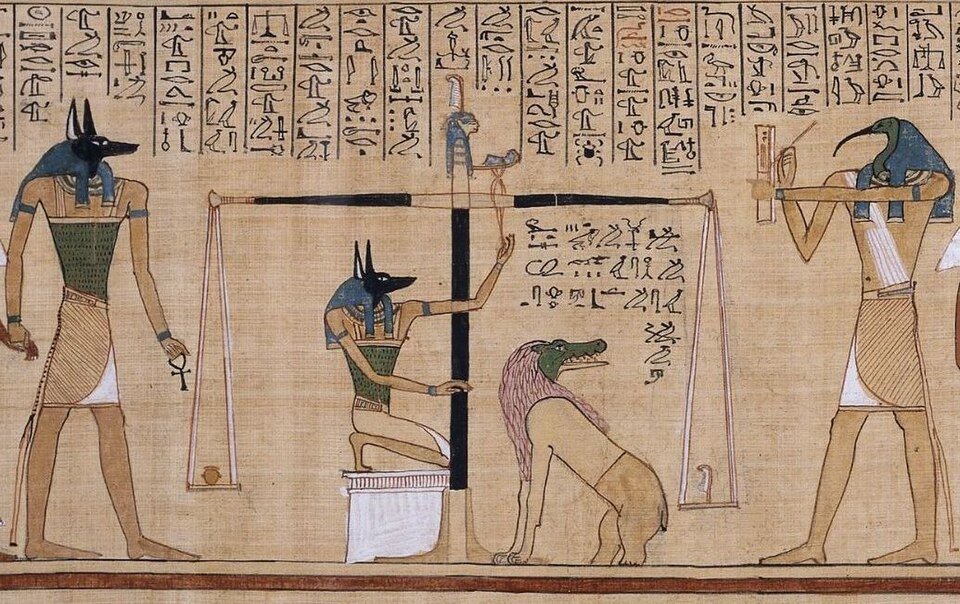
The Egyptian Book of the Dead
Anonymous; tr. E. A. Wallis Budge · c. 1550 BCE onward · Egyptian
Read The Egyptian Book of the Dead in full ↗Cover: Public domain · Hunefer · Wikimedia file page
Udug-hul (Evil Utukku)
Anonymous; canonical series of sixteen tablets · c. 1800–600 BCE · Sumerian and Akkadian
Read Udug-hul (Evil Utukku) in full ↗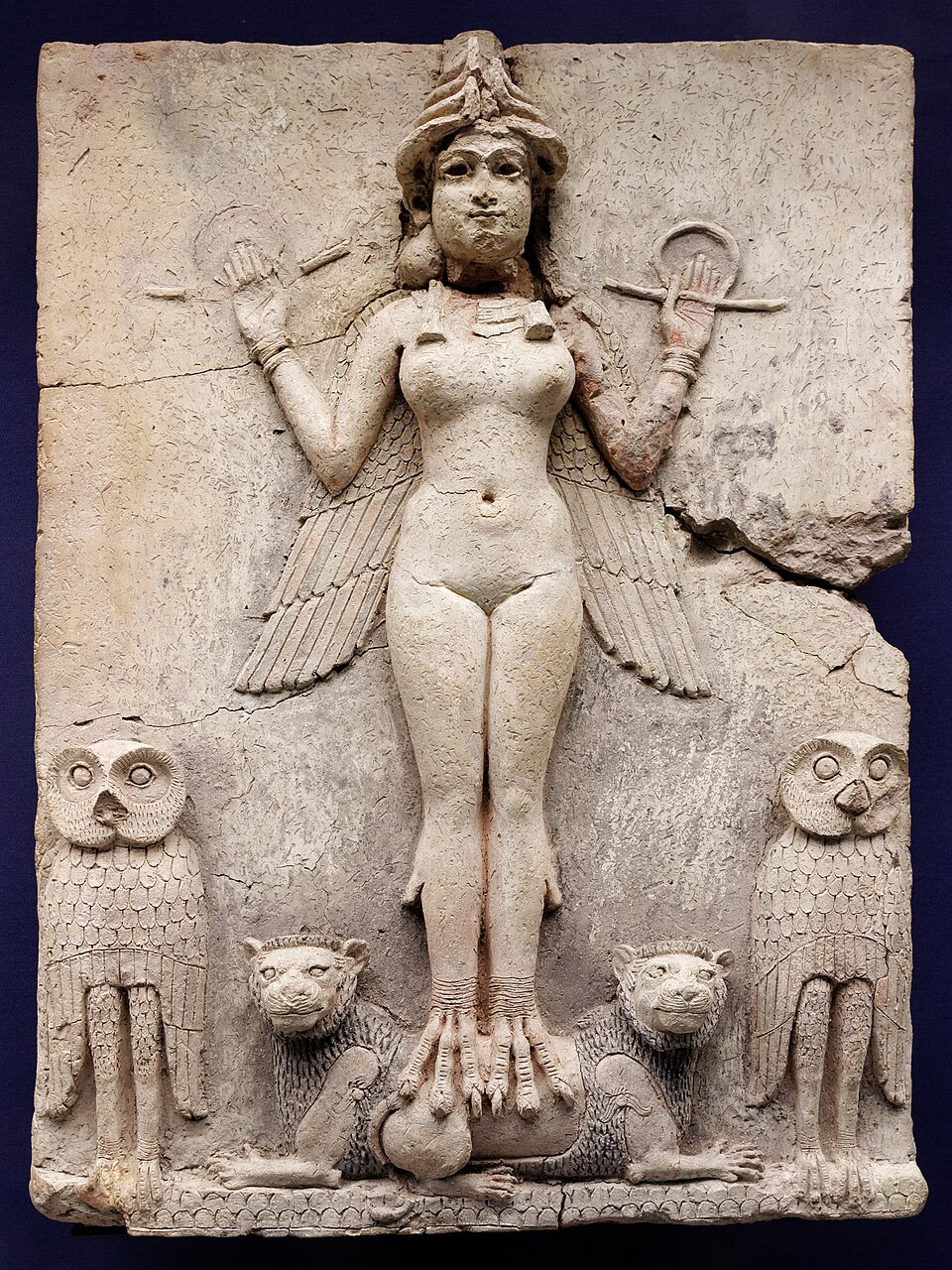
The Descent of Ishtar to the Netherworld
Anonymous Akkadian; earlier Sumerian recension of Inanna · c. 1000 BCE, from older Sumerian material · Akkadian
Read The Descent of Ishtar to the Netherworld in full ↗Cover: CC BY-SA 4.0 · Gennadii Saus i Segura · Wikimedia file page
The Avesta
Attributed to Zarathustra and later priests · c. 1000-400 BCE · Avestan
Read The Avesta in full ↗Cover: CC0 · Daderot · Wikimedia file page
Theogony & Works and Days
Hesiod · c. 700 BCE · Ancient Greek
Read Theogony & Works and Days in full ↗Cover: Public domain · Hesiod · Wikimedia file page
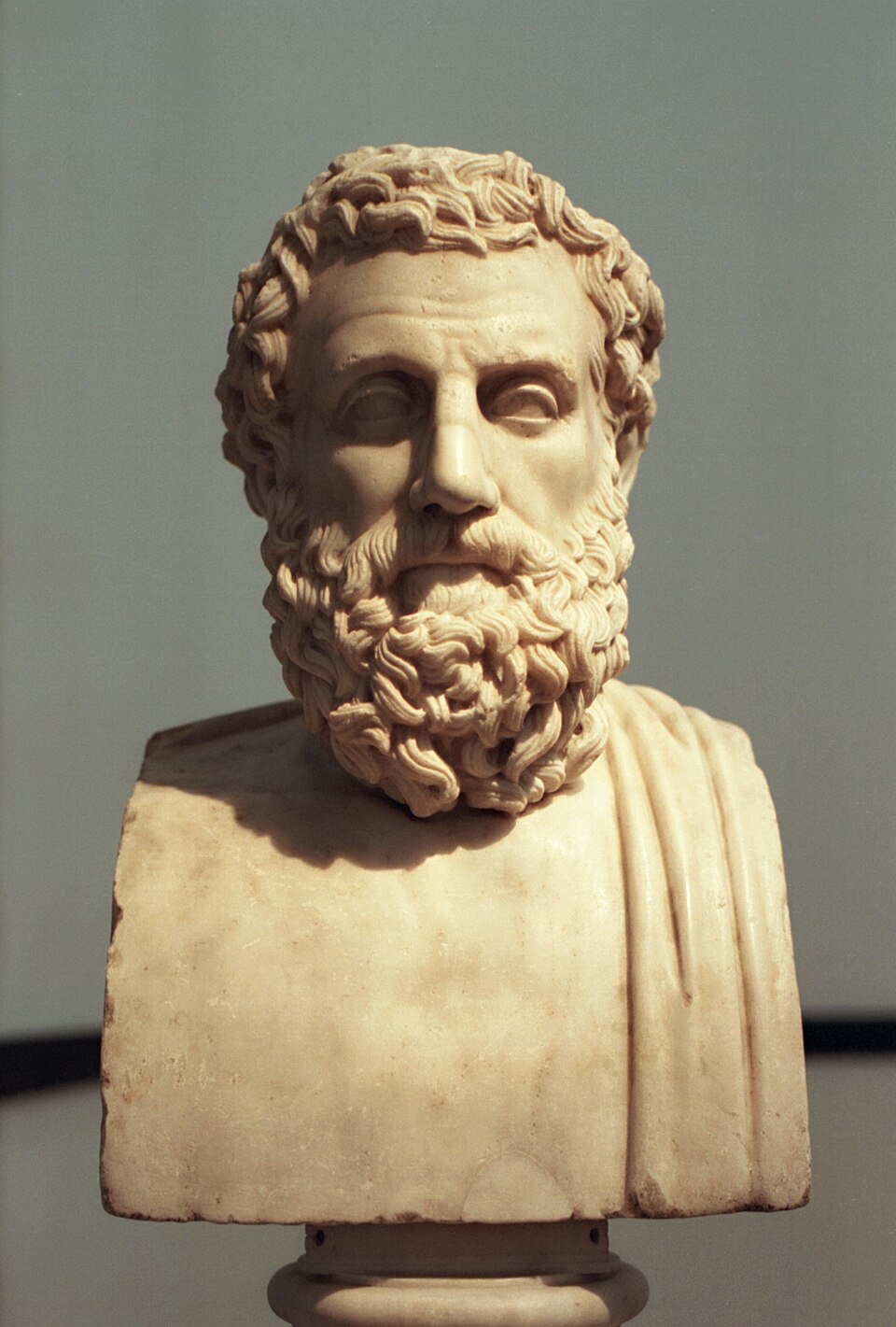
The Oresteia
Aeschylus; tr. E. D. A. Morshead · 458 BCE · Ancient Greek
Read The Oresteia in full ↗Cover: CC BY-SA 4.0 · Zde · Wikimedia file page
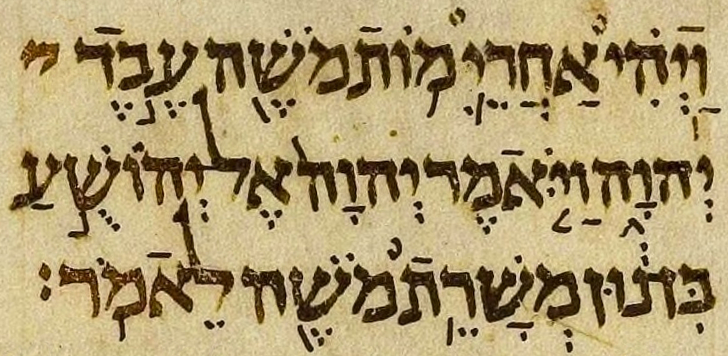
Hebrew Bible & Deuterocanon
Various · c. 900–100 BCE · Hebrew, Aramaic, Greek
Read Hebrew Bible & Deuterocanon in full ↗Cover: Public domain · see en:Aleppo Codex; scanned by · Wikimedia file page
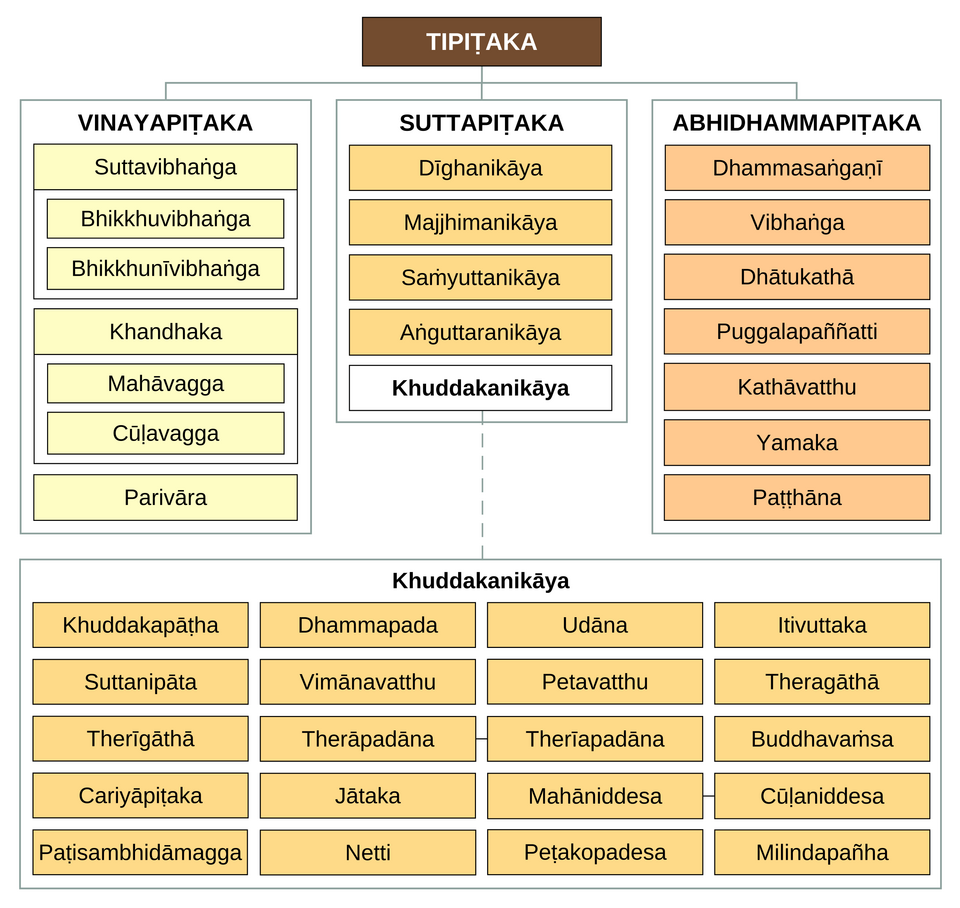
The Pali Canon
Anonymous; attributed to the Buddha and his disciples · c. 100 BCE, from oral tradition · Pali
Read The Pali Canon in full ↗Cover: CC0 · Faredoka · Wikimedia file page
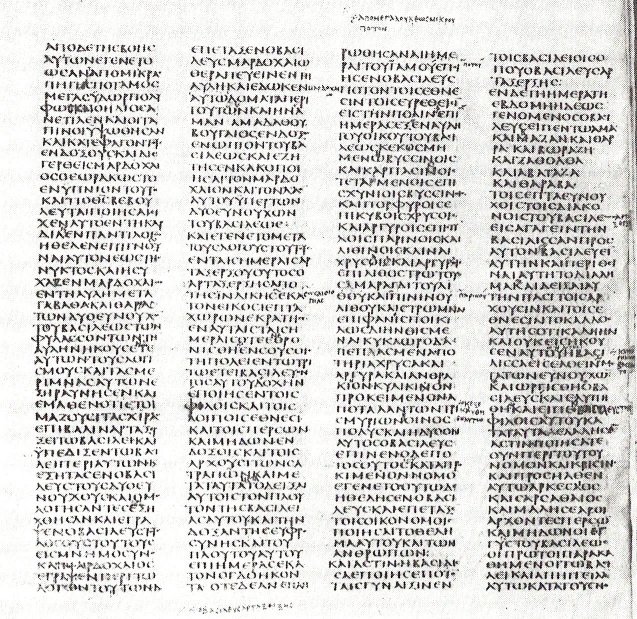
New Testament
Various · c. 50–110 CE · Koine Greek
Read New Testament in full ↗Cover: Public domain · Wikimedia file page
The City of God
Augustine of Hippo; tr. Marcus Dods · 413–426 CE · Latin
Read The City of God in full ↗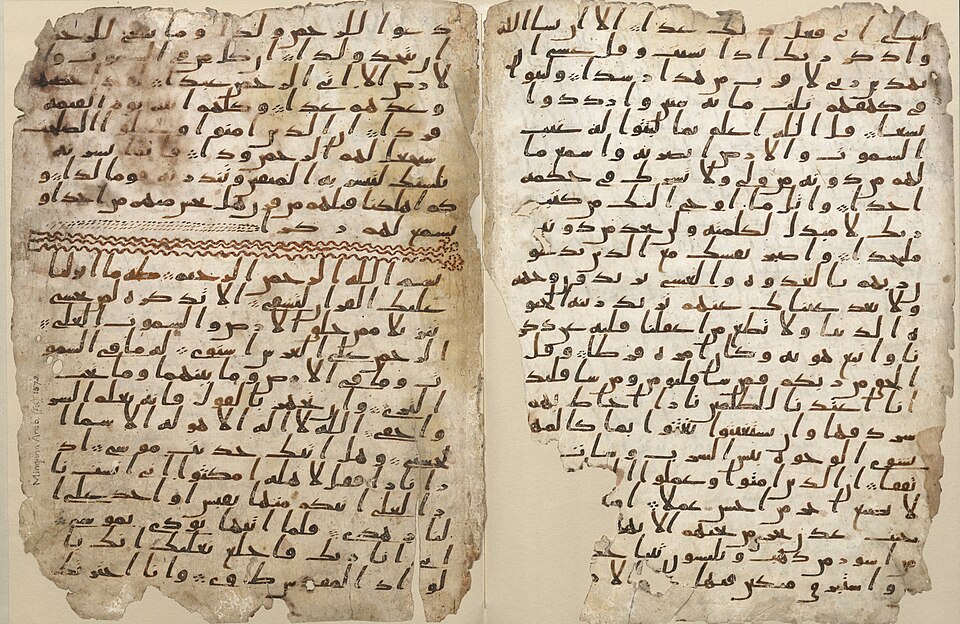
Qur'an & Hadith
Various · 7th c. CE onward · Arabic
Read Qur'an & Hadith in full ↗Cover: Public domain · AnonymousUnknown author · Wikimedia file page
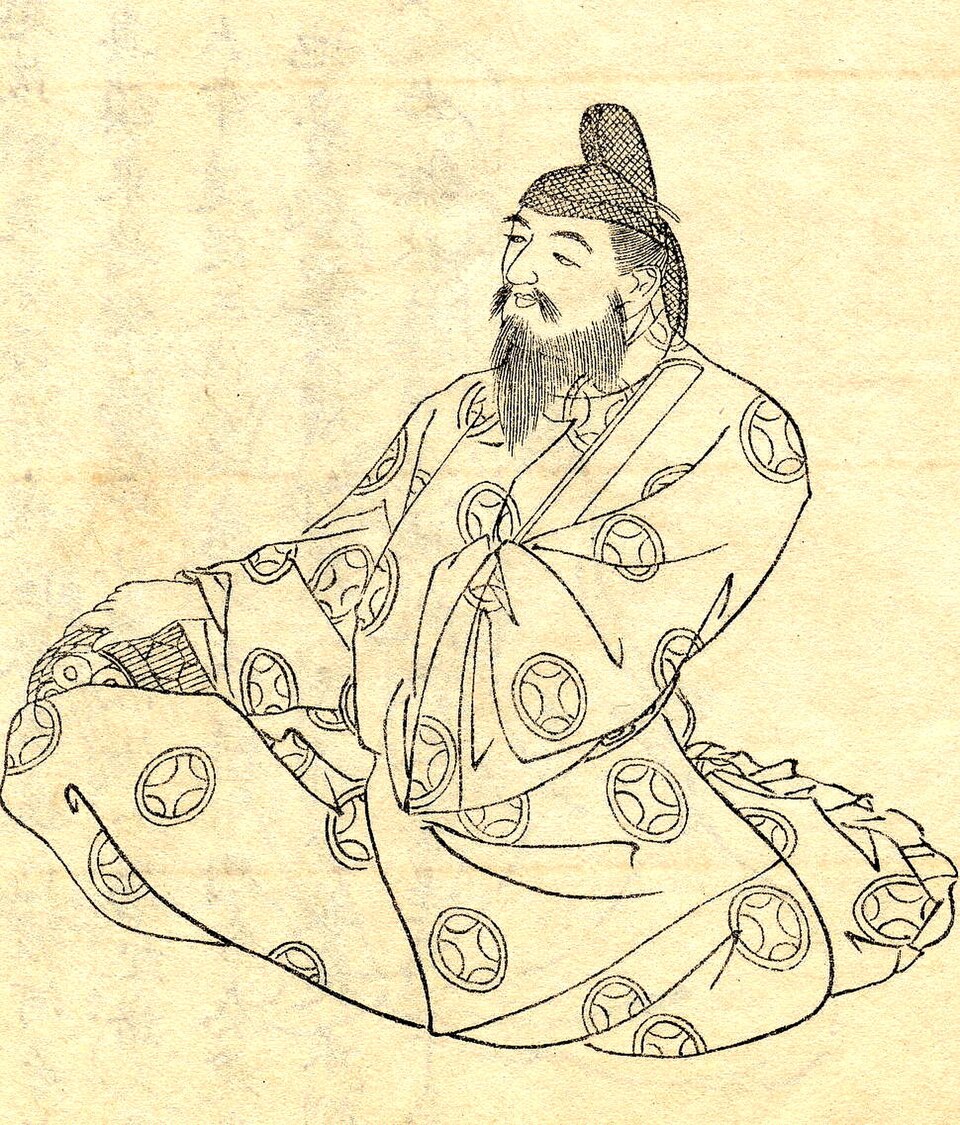
Kojiki (Records of Ancient Matters)
Ō no Yasumaro · 712 CE · Old Japanese
Read Kojiki (Records of Ancient Matters) in full ↗Cover: Public domain · Wikimedia file page
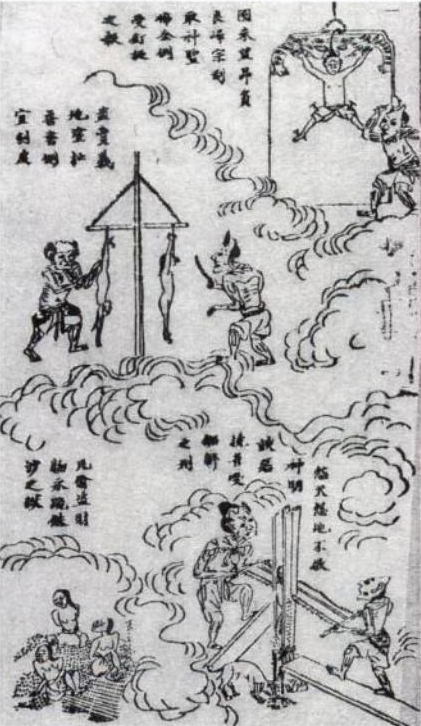
The Scripture of the Ten Kings
Anonymous Chinese Buddhist · 9th-10th c. CE · Classical Chinese
Read The Scripture of the Ten Kings in full ↗Cover: Public domain · Jonathan D. Spence. God's Chinese Son. New York 1996. Page 40. Copied without permission from · Wikimedia file page
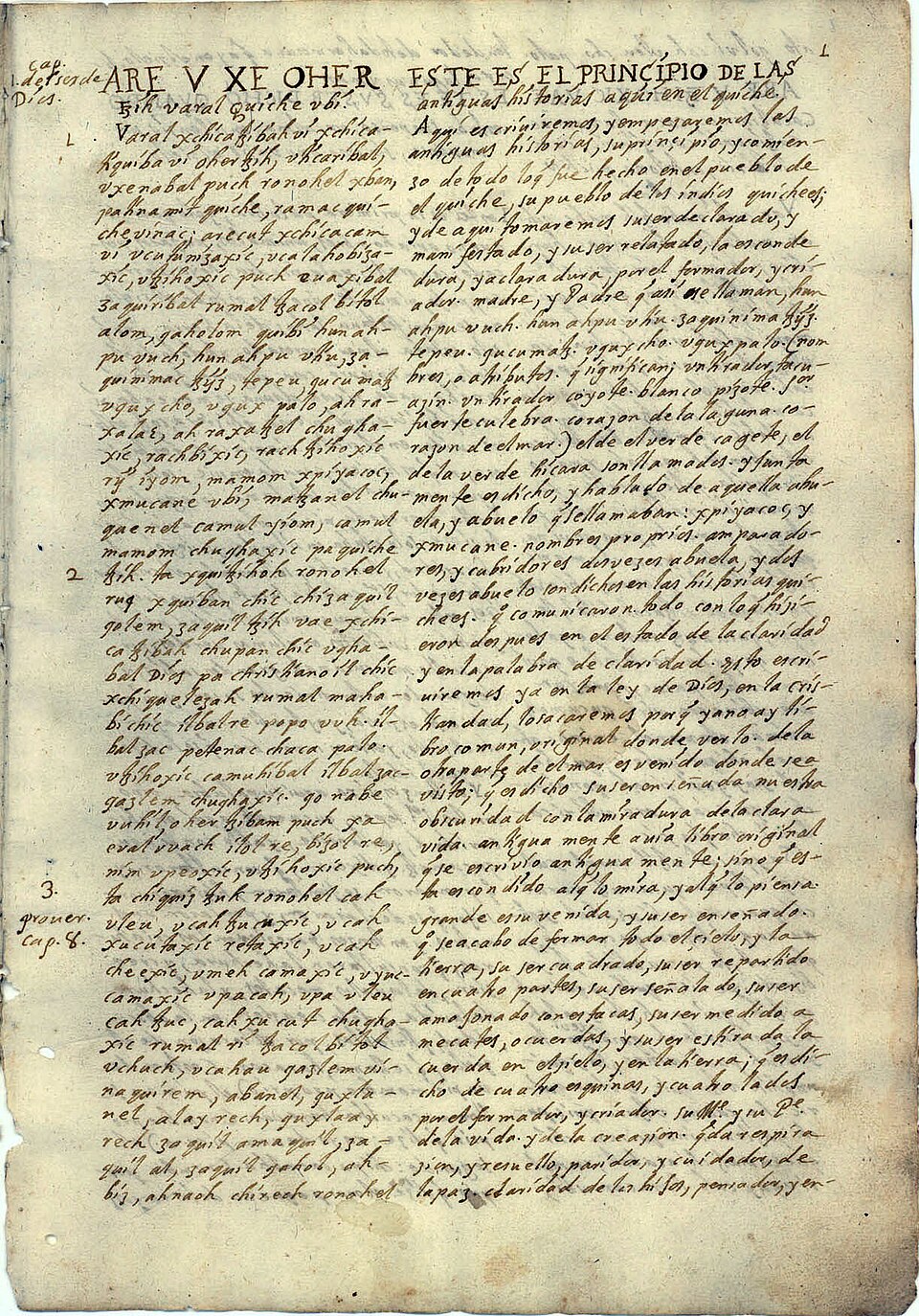
Popol Vuh
Anonymous K'iche' Maya · 16th c., from older material · K'iche'
Read Popol Vuh in full ↗Cover: Public domain · Francisco Ximénez · Wikimedia file page
Etz Chaim & Lurianic Kabbalah
Isaac Luria, recorded by Chaim Vital · 16th c. · Hebrew
Read Etz Chaim & Lurianic Kabbalah in full ↗Cover: CC BY-SA 3.0 · Louski1 · Wikimedia file page