Demonic · Mesopotamian · c. 1900 BCE
Harmful spirit — the sources' own term: Akkadian utukku, gallu, rābiṣu
The Gallu
Also called Galla, The seizers
Bailiffs of the Mesopotamian netherworld, who take a person below because the law of that place requires a substitute — the corpus's clearest case of harm done by officials rather than by monsters.
Well sourced
In the Sumerian Descent, Inanna is released from the netherworld only on condition that someone take her place, and the gallu go up with her to collect. What follows is a procedural horror rather than a monstrous one: they are offered candidates and refuse them one by one, on the grounds that these are people in mourning and properly dressed, until they find Dumuzi enthroned and unbothered, and take him.
The texts insist on what they are not. They accept no bribes, they eat and drink nothing, they take no gifts, and they are not moved by pleading. That is not cruelty; it is incorruptibility, which is a much stranger thing to be afraid of. They appear again in the incantation literature as a class among the harmful spirits, which is how a bailiff becomes a demon.
At a glance
Vitals
Vitals
Also known as
- Named there as
- galla
- Rank
- Enforcers of the Netherworld
- Pantheon
- Mesopotamian
- Era
- c. 1900 BCE
- Traditions
- Mesopotamian
Stats
Known connections
Chain of command
2 attributed
What is it said to do?
Where these powers cluster
The 2 offices attributed to The Gallu, grouped by kind. Segment width is the share of powers falling in each category.
A bar dominated by one colour means a specialist; an even spread means a figure the sources credit with almost anything.
- martial1
- malefic1
2 texts
Which texts say so, and where do they disagree?
When these texts were written
Each dot is one of the 2 texts that names The Gallu, placed at that text's approximate date.
A wide spread means the figure was carried across many centuries and traditions; a tight cluster means a single period produced the whole record.
2 texts spanning roughly 700 years
Where the texts differ
- Name: given as galla, gallu
- Rank: given as Those who accompany Inanna up; A class of harmful spirit
Go up with her to take the substitute the netherworld is owed, refuse every candidate who is in mourning, and seize Dumuzi because he is not.
Named among the classes the series addresses, alongside the utukku and the etemmu.
Connections
What is it connected to?
Answered from the sources
Common questions
Which texts mention The Gallu?
What rank is The Gallu?
How else is The Gallu spelled?
What is The Gallu said to do?
How old is The Gallu?
Nearest in the corpus
If The Gallu is what you came for, these are next
Chosen by proximity rather than by popularity: the same pantheon first, then the same rank, then the same kind of figure.
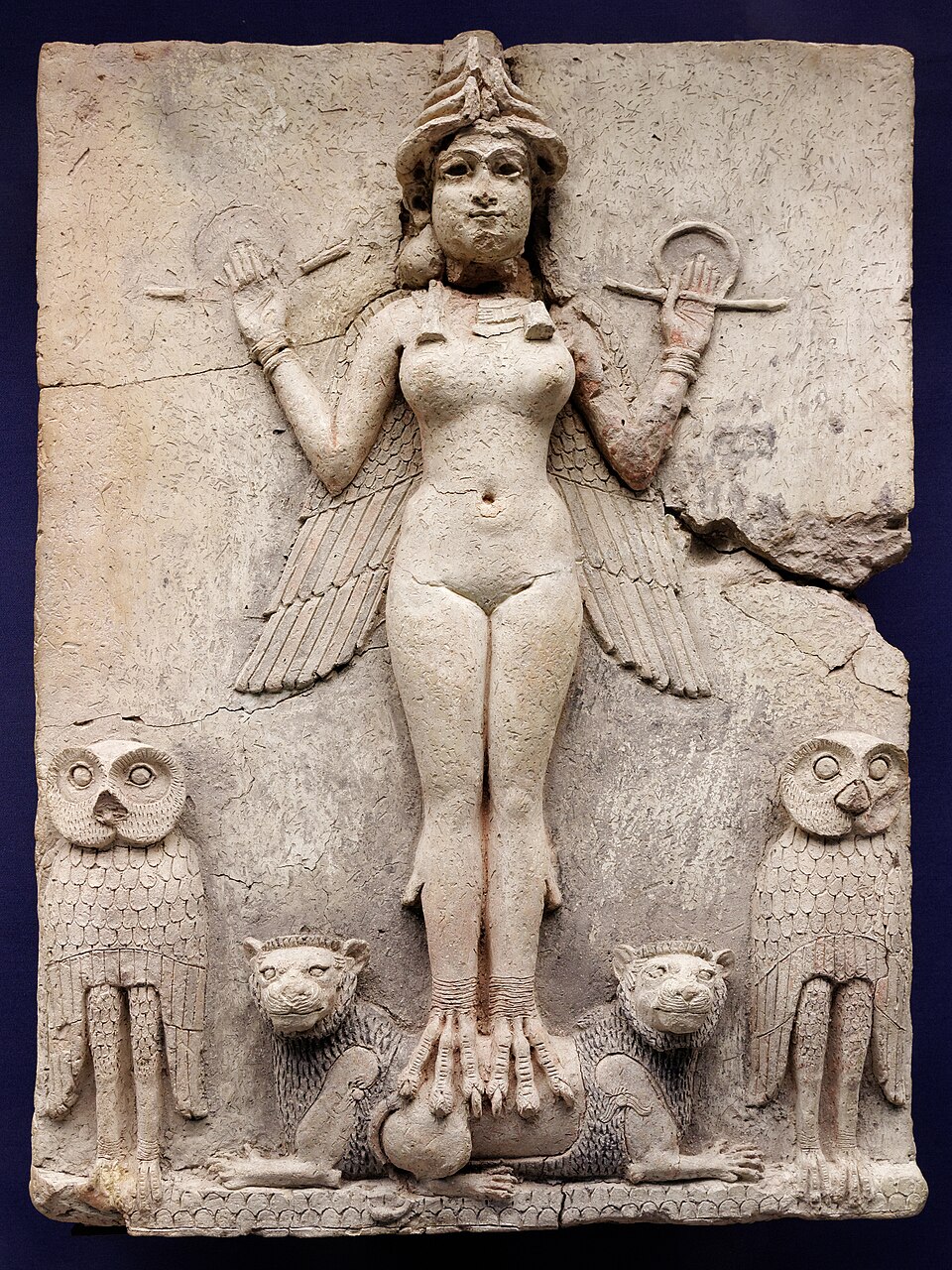
Ereshkigal
Queen of the Great Below · Mesopotamian
Sovereign of the underworld who strips Ishtar of a garment at each of the seven gates and hangs her on a hook.
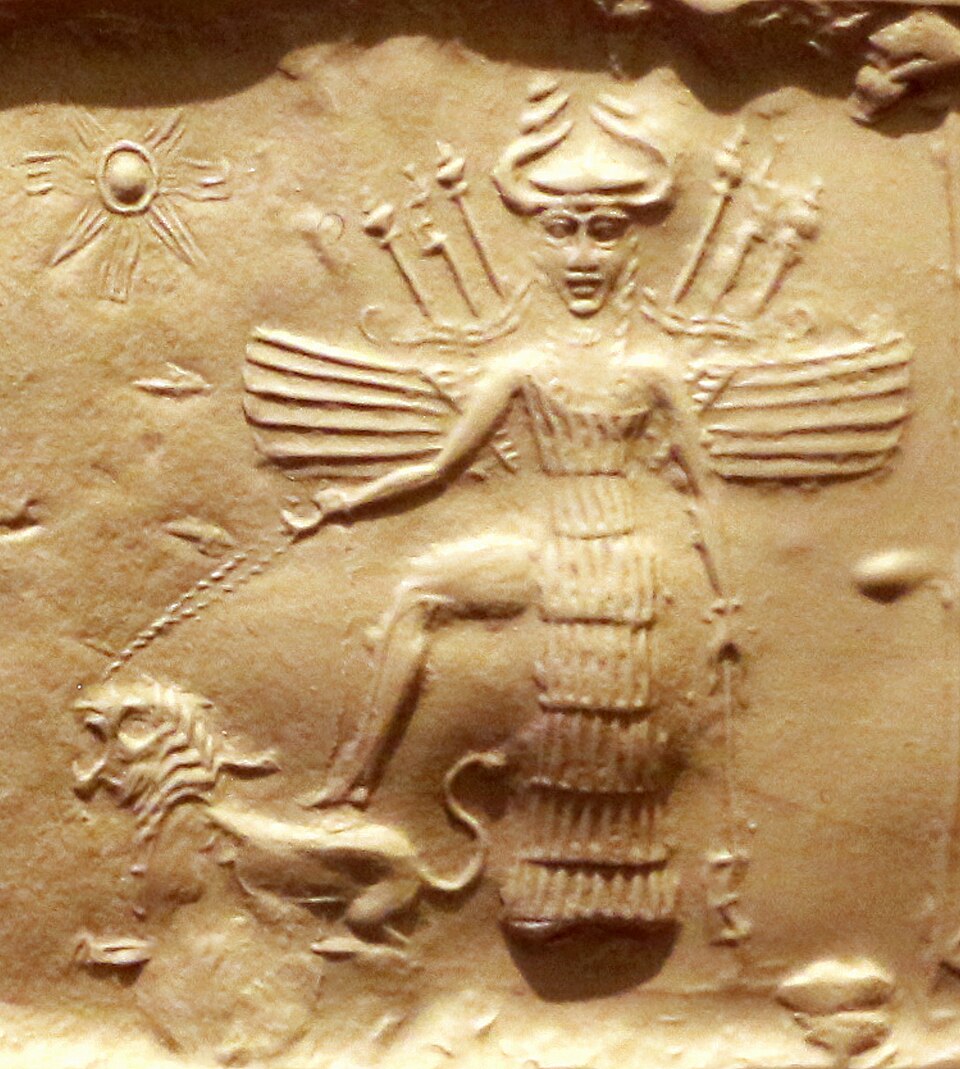
Ishtar
Queen of Heaven · Mesopotamian
Goddess of love, war and the planet Venus, whose descent into the underworld is among the oldest recorded narratives.
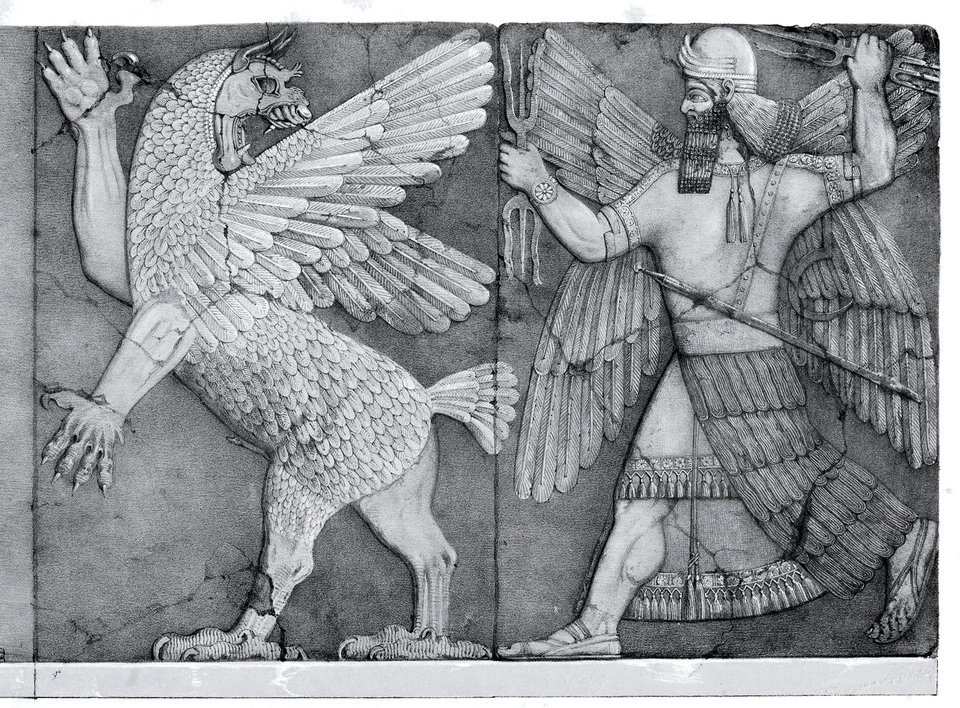
Marduk
King of the Gods · Mesopotamian
Splits Tiamat and builds the world from her body, and is voted fifty names and supreme authority for doing it.
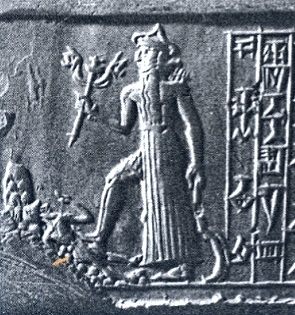
Nergal
God of the Underworld · Mesopotamian
God of plague, war and the underworld, consort of Ereshkigal — and one of the few Mesopotamian gods the Bible names directly.
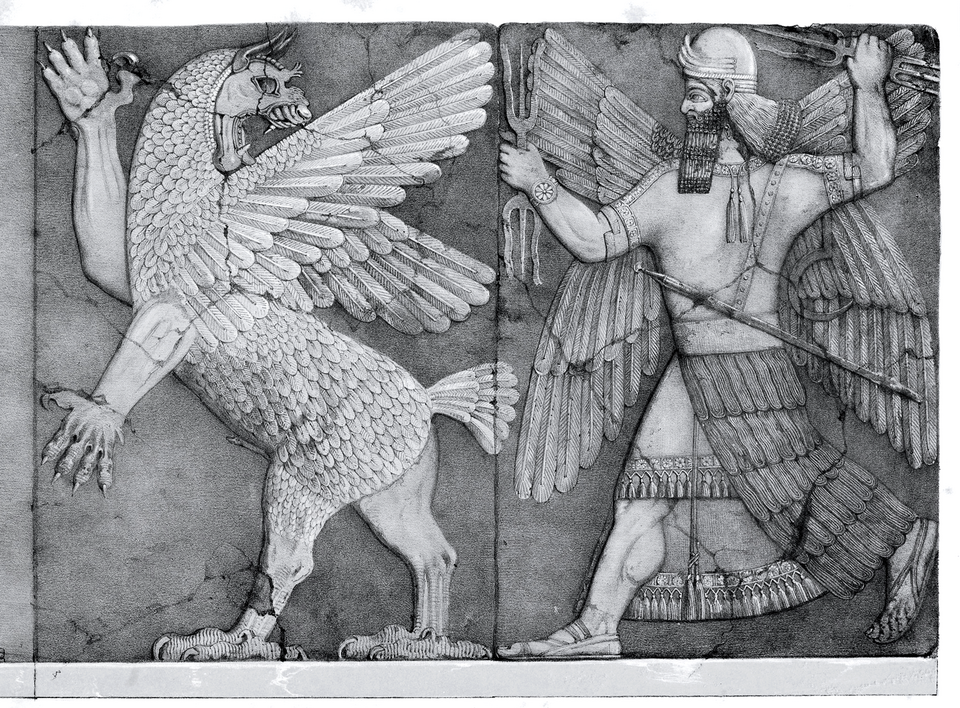
Anzu
Storm Bird · Mesopotamian
The lion-headed eagle who steals the Tablet of Destinies and is shot down for it — a rebellion against divine order predating any biblical account by a millennium.
Enki
Lord of the Sweet Waters · Mesopotamian
God of the abzu and of cunning, who repeatedly saves humanity by finding the loophole in another god's decree.
The books behind The Gallu
Every claim on this profile is attributed to one of these. They are public domain, listed oldest first, and each links to a full text where one is freely available.
The Descent of Inanna to the Netherworld
Anonymous; Sumerian composition · c. 1900 BCE, from older material · Sumerian
Read The Descent of Inanna to the Netherworld in full ↗Udug-hul (Evil Utukku)
Anonymous; canonical series of sixteen tablets · c. 1800–600 BCE · Sumerian and Akkadian
Read Udug-hul (Evil Utukku) in full ↗
Corpus last revised 29 August 2026. A reference site’s credibility rests on being maintained, so this is the date the sourced records last changed — not the date the page was rebuilt.