Deity · Mesoamerican · c. 1550 CE
The Lords of Xibalba
Also called One Death, Seven Death
Twelve Maya lords of the underworld, each named for the sickness he inflicts, who trap visitors in a sequence of houses of ordeal. The Hero Twins outwit them.
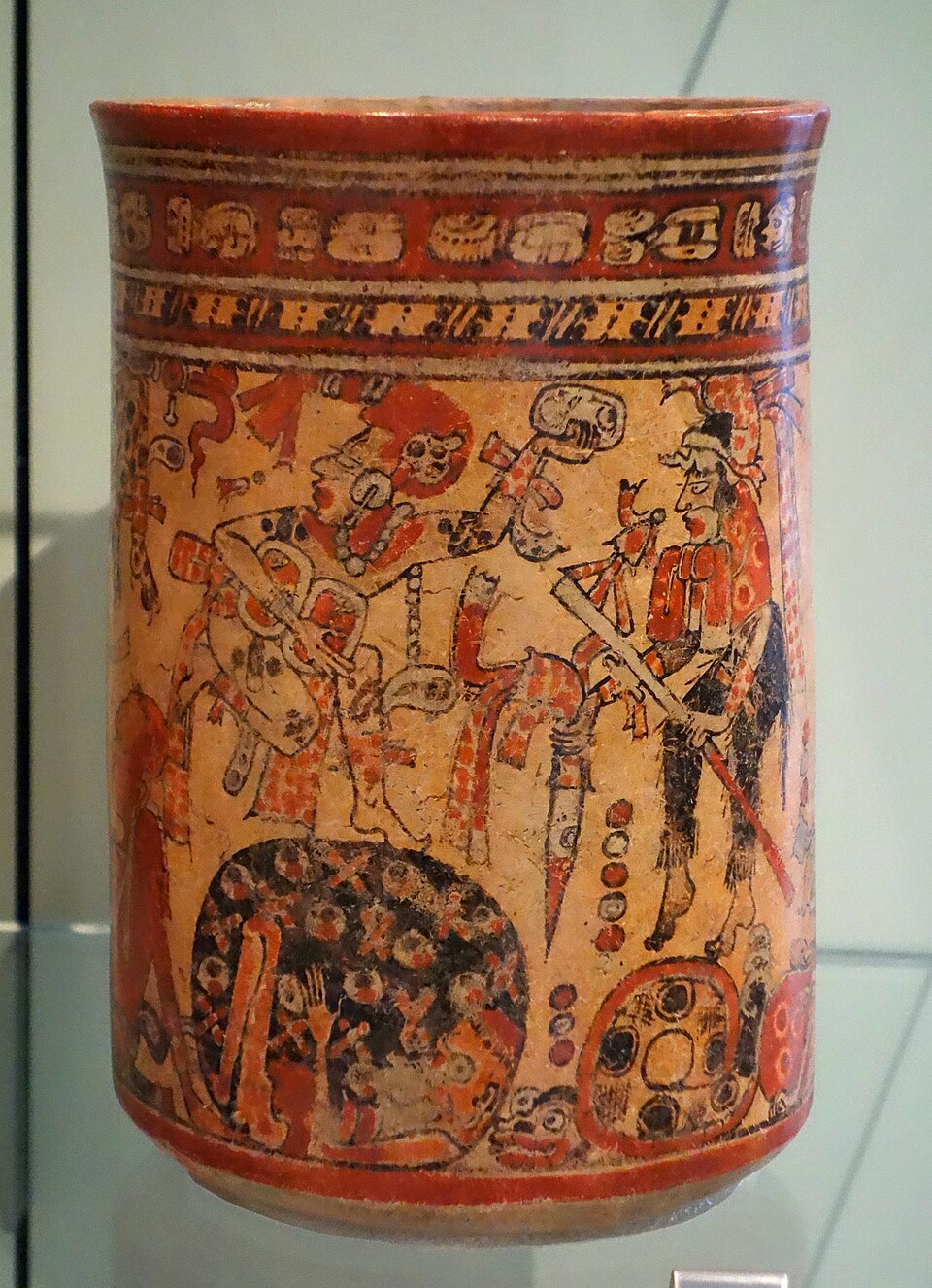
Single lineage
A court rather than a king: One Death and Seven Death preside, and the rest are named for the diseases and indignities they inflict — pus, jaundice, filth, the sudden collapse in the road. They defeat the first pair of brothers who come down by intimidation and by rigged tests, and are beaten by the second pair, who work out that the tests are rigged and cheat back. The Popol Vuh is their only witness in this corpus and there is not an honest second one to give them, which is worth stating plainly: what survives of Maya religion in text is a fraction of what the ceramics and the inscriptions show, and the gap is colonial rather than accidental.
Identity
Where does the name come from?
Where it was actually worshipped
None. Xibalba is beneath the world and reached through caves, and the K'iche' pointed to particular ones in Alta Verapaz — but a cave mouth is an entrance, not a shrine.
A figure with temples and a figure that only ever existed on a page are different kinds of thing, and the difference is easy to lose once both are entries in a list.
At a glance
Vitals
Vitals
Also known as
- First attested
- Popol Vuh · 16th c., from older material
- Named there as
- Hun-Came and Vukub-Came
- Rank
- Underworld Lords
- Pantheon
- Mesoamerican
- Order
- Mesoamerican pantheon
- Base of operations
- None. Xibalba is beneath the world and reached through caves, and the K'iche' pointed to particular ones in Alta Verapaz — but a cave mouth is an entrance, not a shrine.
- Era
- c. 1550 CE
- Traditions
- Mesoamerican
Traits
- Domain
- Disease, decay, deception, the houses of ordeal
- Traditional form
- Named for the afflictions they cause
Stats
Known connections
Identified with
4 attributed
What is it said to do?
Where these powers cluster
The 4 offices attributed to The Lords of Xibalba, grouped by kind. Segment width is the share of powers falling in each category.
A bar dominated by one colour means a specialist; an even spread means a figure the sources credit with almost anything.
- martial1
- malefic3
1 texts
Which texts say so?
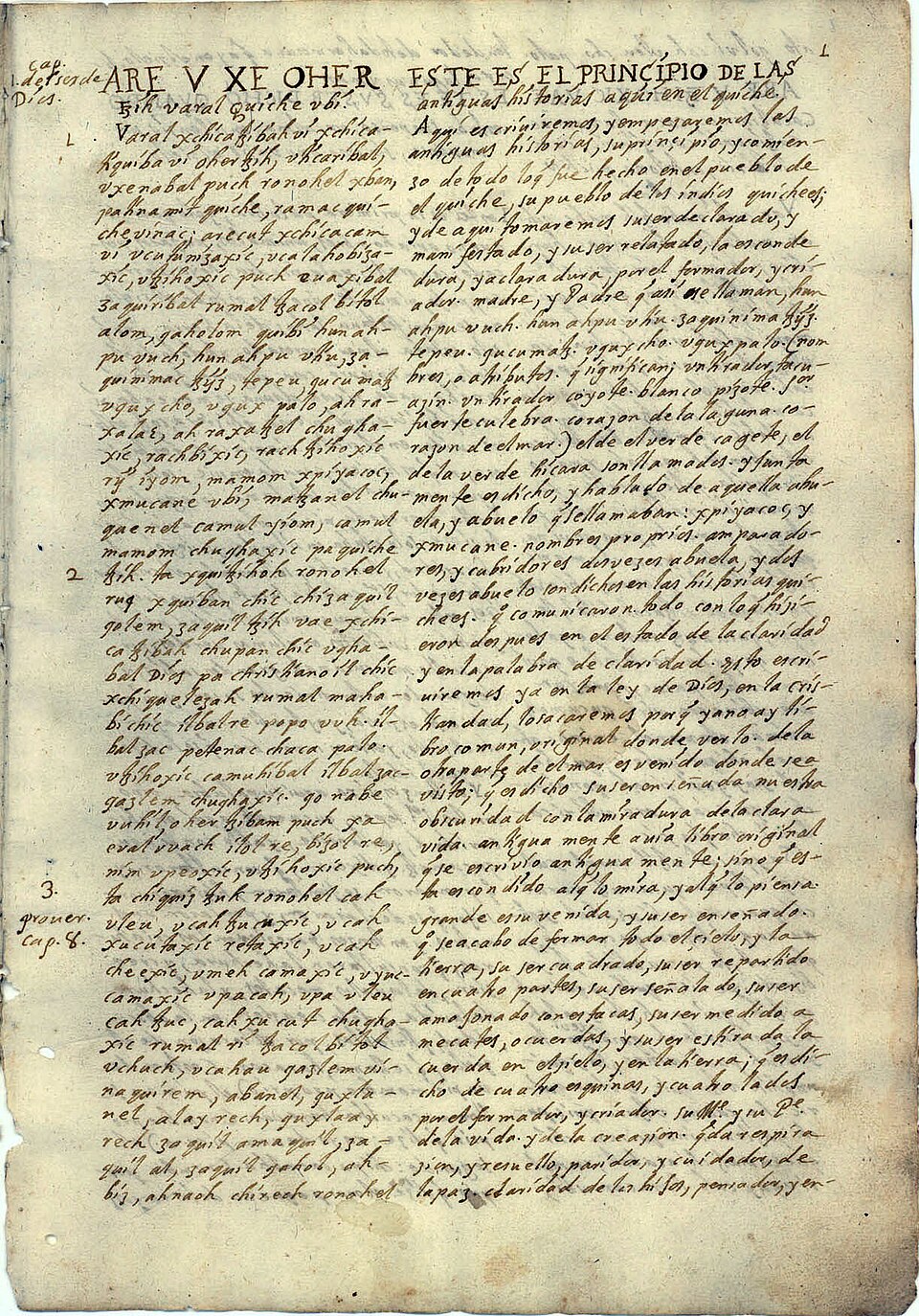
Their names mean One Death and Seven Death. They preside over the house of gloom, the house of cold and the rest, and are beaten by the Hero Twins at their own game.
Connections
What is it connected to?
Answered from the sources
Common questions
Which texts mention The Lords of Xibalba?
Is The Lords of Xibalba the same as Lamashtu?
What rank is The Lords of Xibalba?
How else is The Lords of Xibalba spelled?
What is The Lords of Xibalba said to do?
How old is The Lords of Xibalba?
Nearest in the corpus
If The Lords of Xibalba is what you came for, these are next
Chosen by proximity rather than by popularity: the same pantheon first, then the same rank, then the same kind of figure.
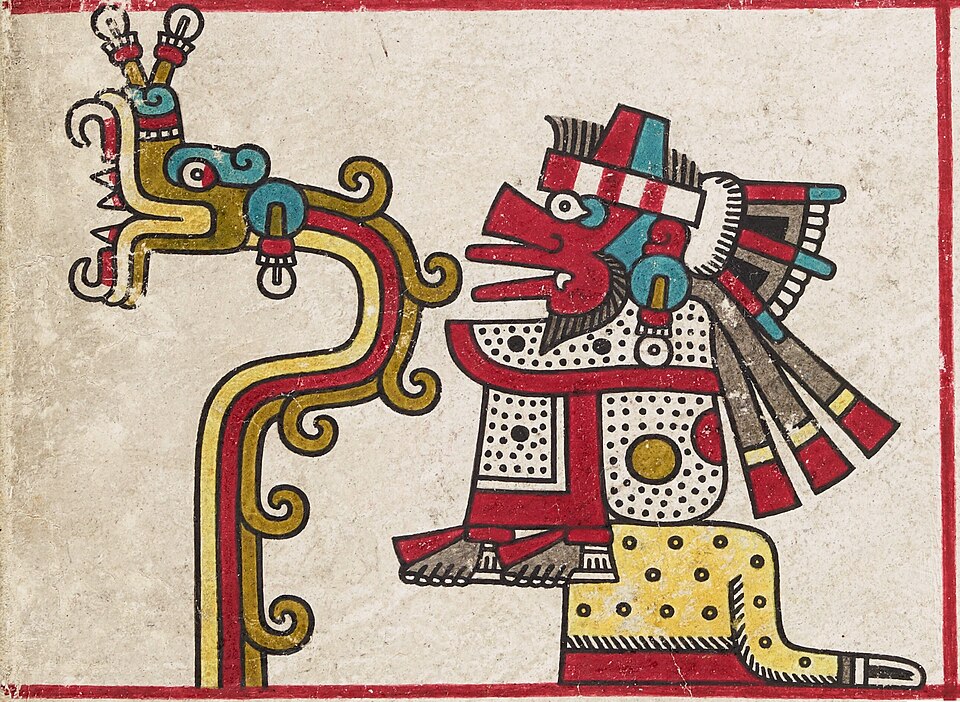
Quetzalcoatl
Feathered Serpent · Mesoamerican
The feathered serpent who goes down into the underworld to recover the bones of humanity. Here, for once, the serpent is not the monster.
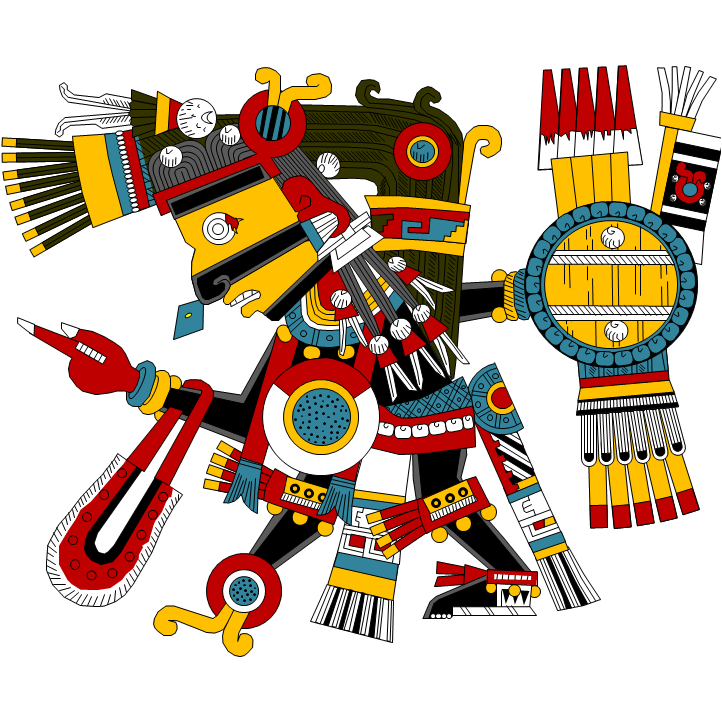
Tezcatlipoca
Lord of the Near and the Nigh · Mesoamerican
God of the night sky, sorcery and arbitrary fate — Quetzalcoatl's rival, and impossible to place on a good/evil axis.
Huitzilopochtli
The War God of the Mexica · Mesoamerican
The Mexica war god, born fully armed to defend his mother from his four hundred siblings — a tribal patron who became the state god of an empire and the sun that had to be fed.
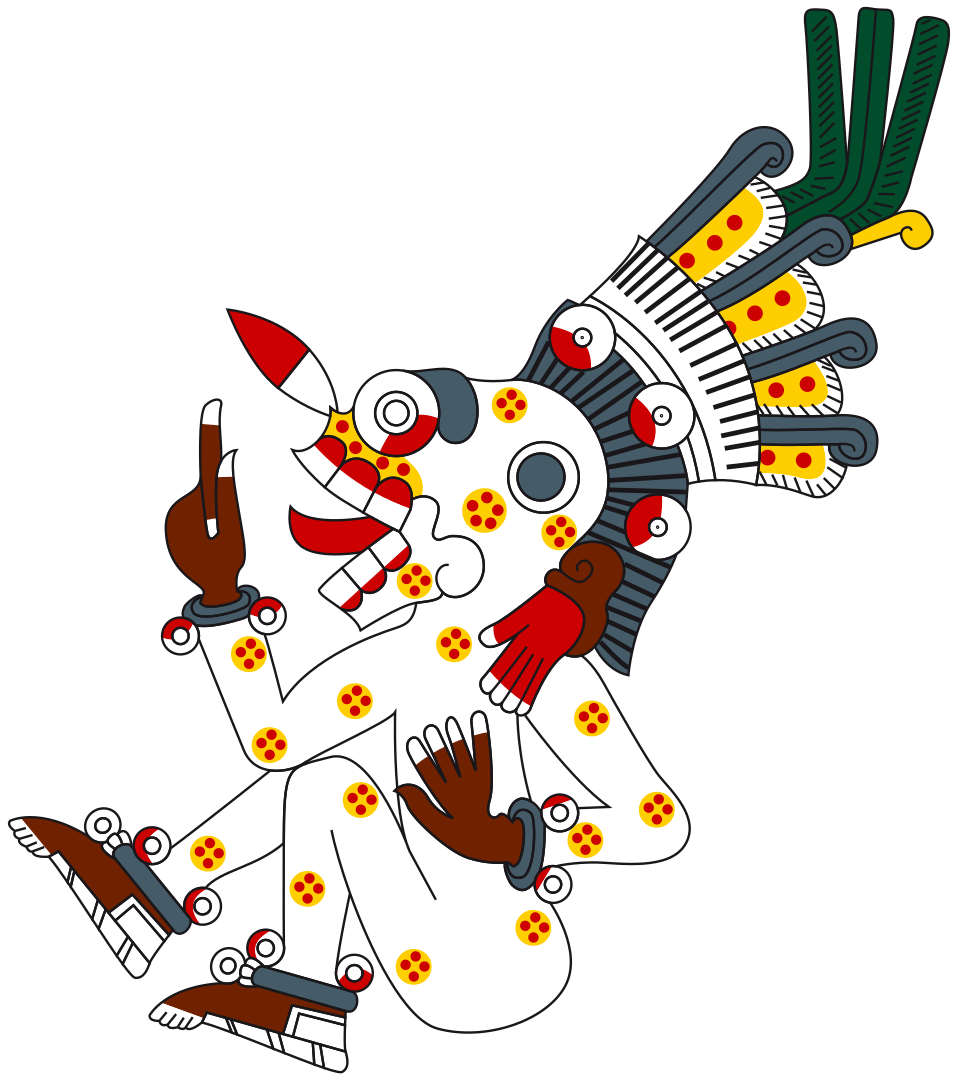
Mictlantecuhtli
Lord of Mictlan · Mesoamerican
The Aztec god who rules the ninth and lowest underworld, where the ordinary dead arrive after a four-year journey. Nothing is punished there.
Tlaloc
He Who Makes Things Sprout · Mesoamerican
The Nahua rain god, who takes the drowned and the lightning-struck into a paradise of his own — and whose rites, as the Spanish friars recorded with horror, were performed on children.
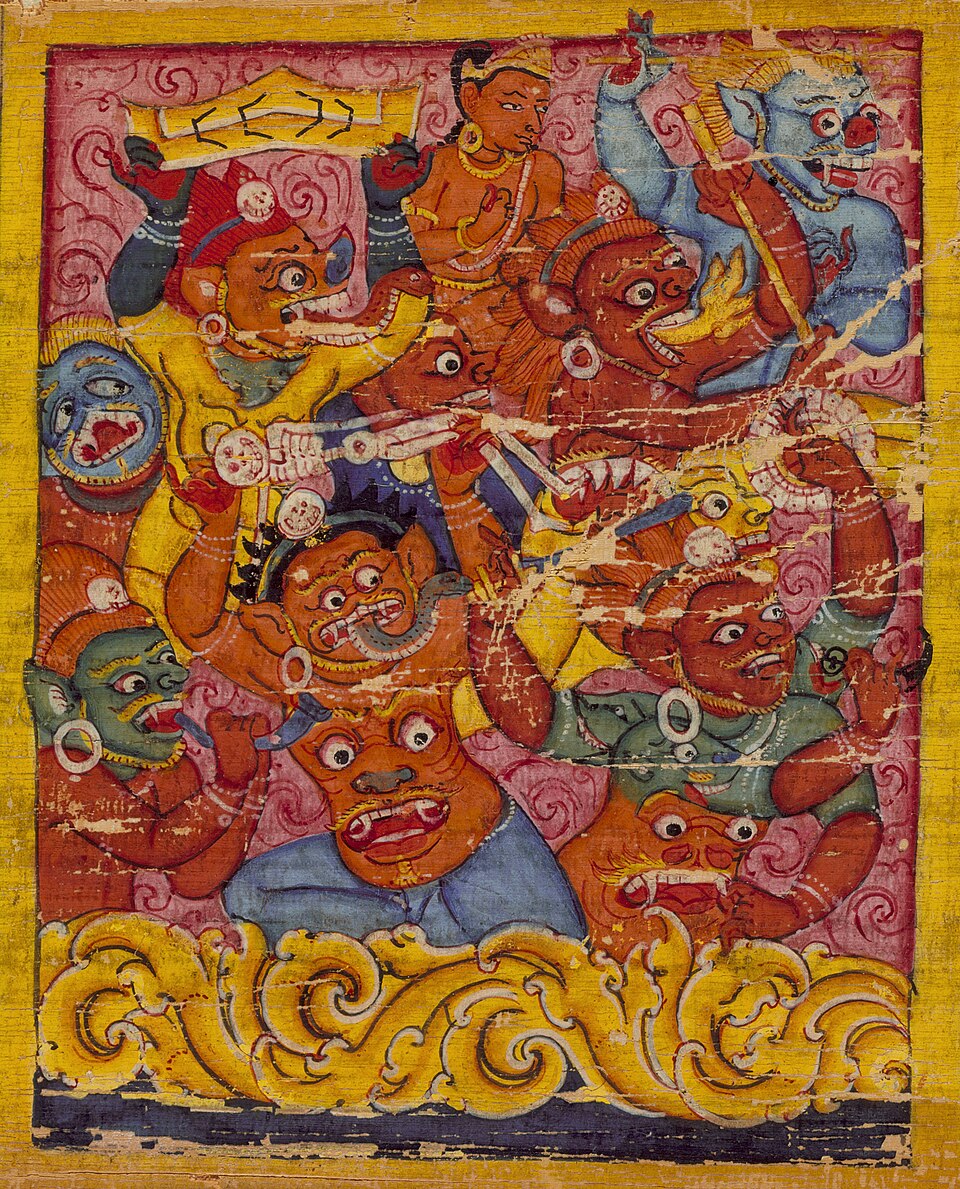
Mara
The Tempter · Buddhist
He assaults the Buddha under the Bodhi tree, first with armies and then with his daughters. The canon keeps glossing him as craving itself rather than as a being.
The book behind The Lords of Xibalba
Every claim on this profile is attributed to one of these. It is public domain, listed oldest first, and each links to a full text where one is freely available.
Popol Vuh
Anonymous K'iche' Maya · 16th c., from older material · K'iche'
Read Popol Vuh in full ↗Cover: Public domain · Francisco Ximénez · Wikimedia file page
Corpus last revised 29 August 2026. A reference site’s credibility rests on being maintained, so this is the date the sourced records last changed — not the date the page was rebuilt.