Demonic · Mesopotamian · c. 1800 BCE
Night spirit — the sources' own term: Akkadian lilû, lilītu, ardat lilî; Latin incubus; Arabic qarin
The Ardat Lili
Also called Ardat lilî, The restless maiden
A Mesopotamian night spirit: a young woman who died before marriage, returning to the sleeping — and the earliest end of a report that later runs under the names incubus, mara and Old Hag.
Well sourced
The ardat lili belongs to a small group of night spirits — the lilu, the lilitu and this one — whose common feature is an interrupted life rather than an evil nature. She is characteristically an unmarried woman who died young, and what she is said to want is the marriage and the children she did not have, which she pursues among the living at night.
The reason this corpus carries her is comparative. The nocturnal visitation of a sleeper who cannot move or speak is reported in Akkadian here, in Latin as the incubus, in Germanic as the mara that gives English its nightmare, in Arabic as the qarin, and in modern English as the Old Hag and the shadow figure. The phenomenon is continuously reported across four thousand years and the interpretation changes every few centuries, which is a finding about interpretation rather than about spirits, and it is one this corpus is unusually well placed to show once the other ends of the chain are seeded.
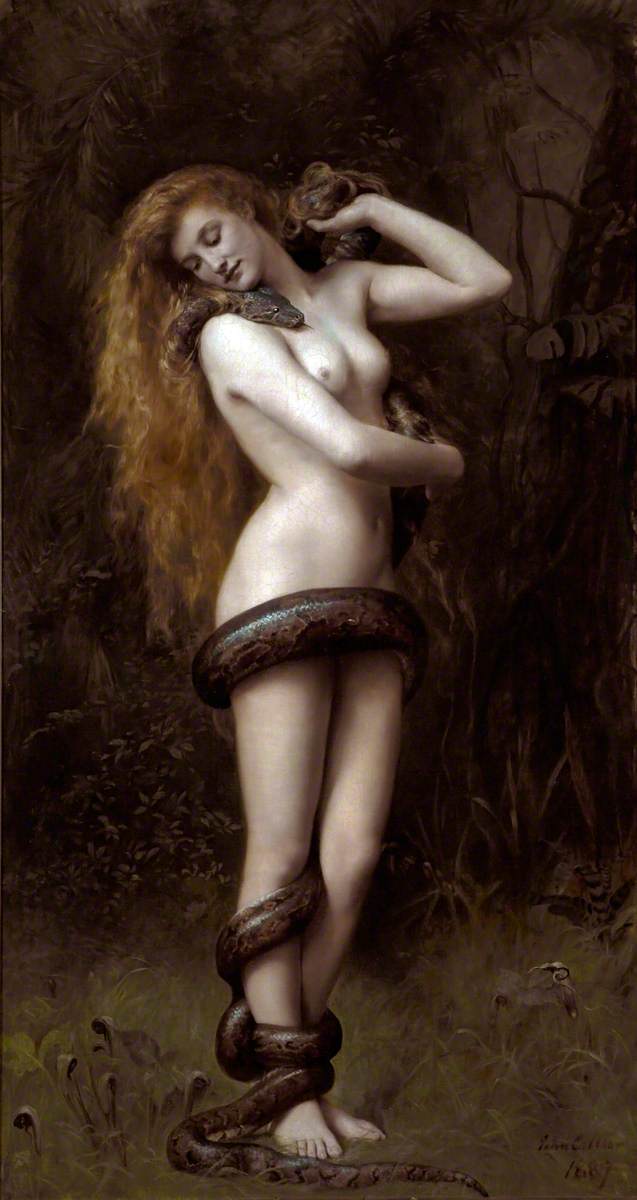
She is also the most plausible ancestor of Lilith by way of the shared lil- element, though the corpus states that as the standard proposal rather than as a derivation it can source — see the note on Lilith's own etymology.
At a glance
Vitals
Vitals
Also known as
- First attested
- Udug-hul (Evil Utukku) · c. 1800–600 BCE
- Named there as
- ardat lilî
- Rank
- Night Spirit
- Pantheon
- Mesopotamian
- Era
- c. 1800 BCE
- Traditions
- Mesopotamian
Stats
Known connections
Identified with
2 attributed
What is it said to do?
Where these powers cluster
The 2 offices attributed to The Ardat Lili, grouped by kind. Segment width is the share of powers falling in each category.
A bar dominated by one colour means a specialist; an even spread means a figure the sources credit with almost anything.
- social1
- malefic1
social
- Procures LoveUdug-hul (Evil Utukku)
The pursuit is of the marriage she did not have, which the texts treat as the harm rather than as a favour.
malefic
2 texts
Which texts say so?
When these texts were written
Each dot is one of the 2 texts that names The Ardat Lili, placed at that text's approximate date.
A wide spread means the figure was carried across many centuries and traditions; a tight cluster means a single period produced the whole record.
2 texts spanning roughly 300 years
Named among the night spirits the series addresses, characterised by coming upon the sleeping. Described here as the series characterises the class; nothing of its procedure is reproduced.

Present in the amulet and incantation material alongside Lamashtu and Pazuzu, in the same practical register: a hazard to be kept out of a specific house rather than a figure with a story. Her interest for this corpus is downstream, in the line of transmission that ends at Lilith.
Connections
What is it connected to?
Answered from the sources
Common questions
Which texts mention The Ardat Lili?
Is The Ardat Lili the same as Lilith?
What rank is The Ardat Lili?
How else is The Ardat Lili spelled?
What is The Ardat Lili said to do?
How old is The Ardat Lili?
Nearest in the corpus
If The Ardat Lili is what you came for, these are next
Chosen by proximity rather than by popularity: the same pantheon first, then the same rank, then the same kind of figure.
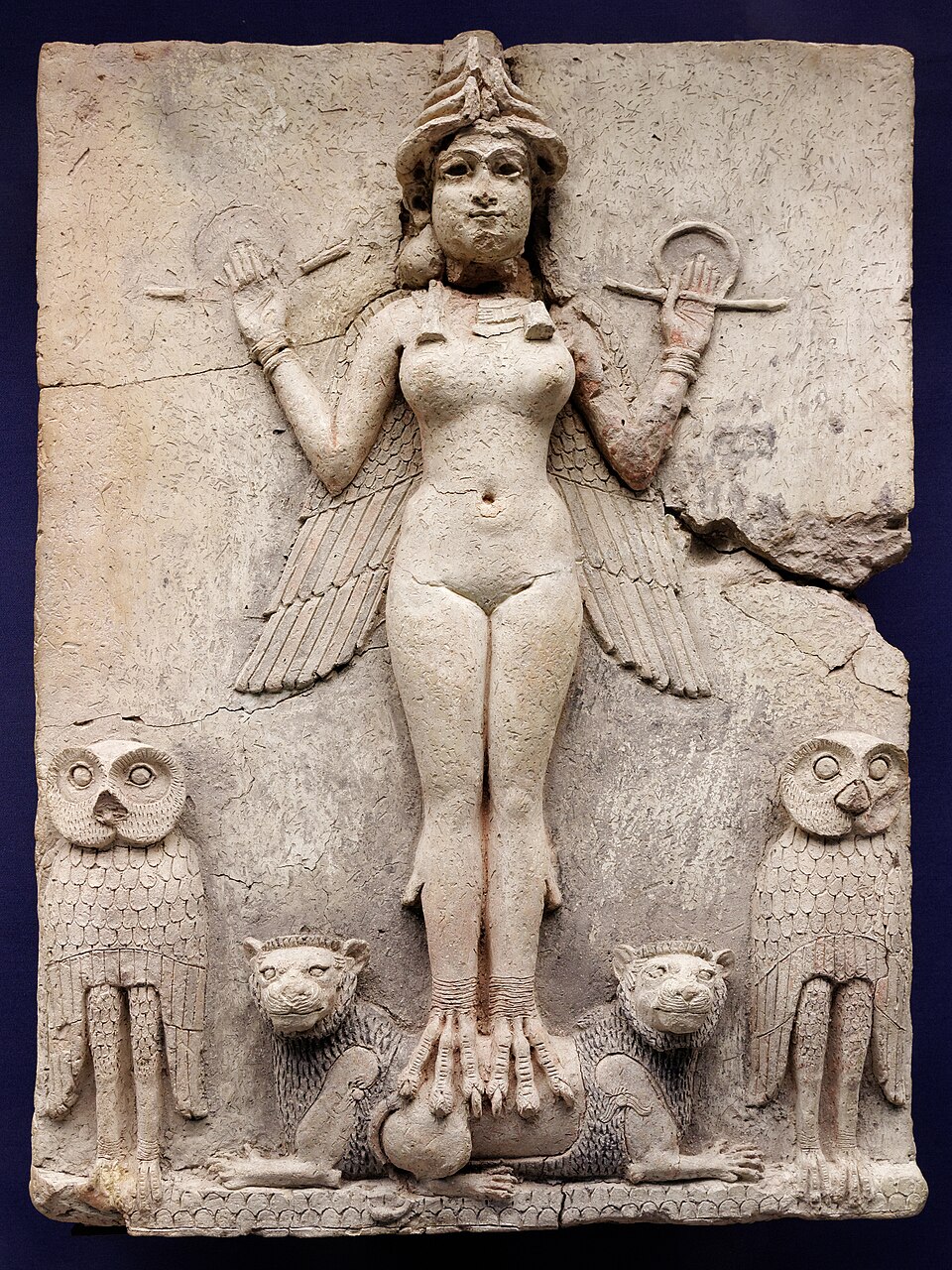
Ereshkigal
Queen of the Great Below · Mesopotamian
Sovereign of the underworld who strips Ishtar of a garment at each of the seven gates and hangs her on a hook.
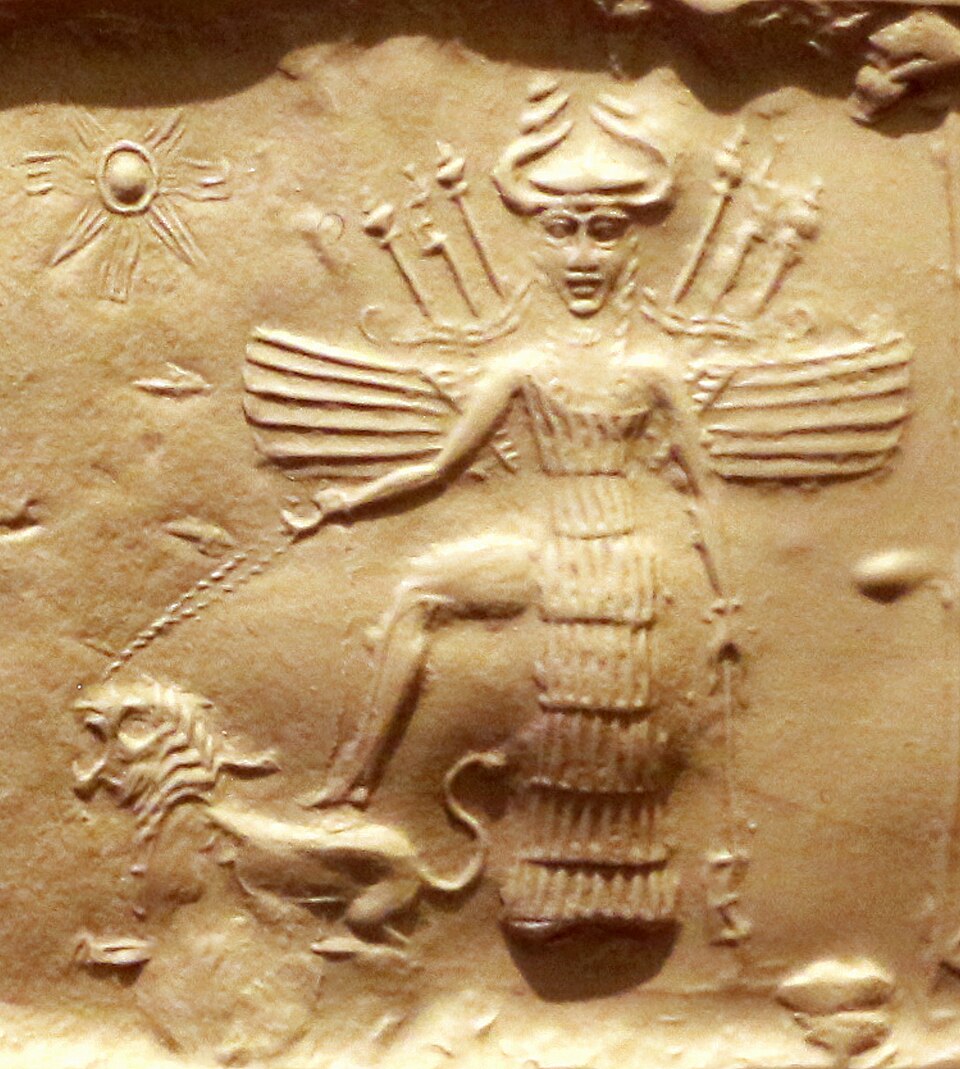
Ishtar
Queen of Heaven · Mesopotamian
Goddess of love, war and the planet Venus, whose descent into the underworld is among the oldest recorded narratives.
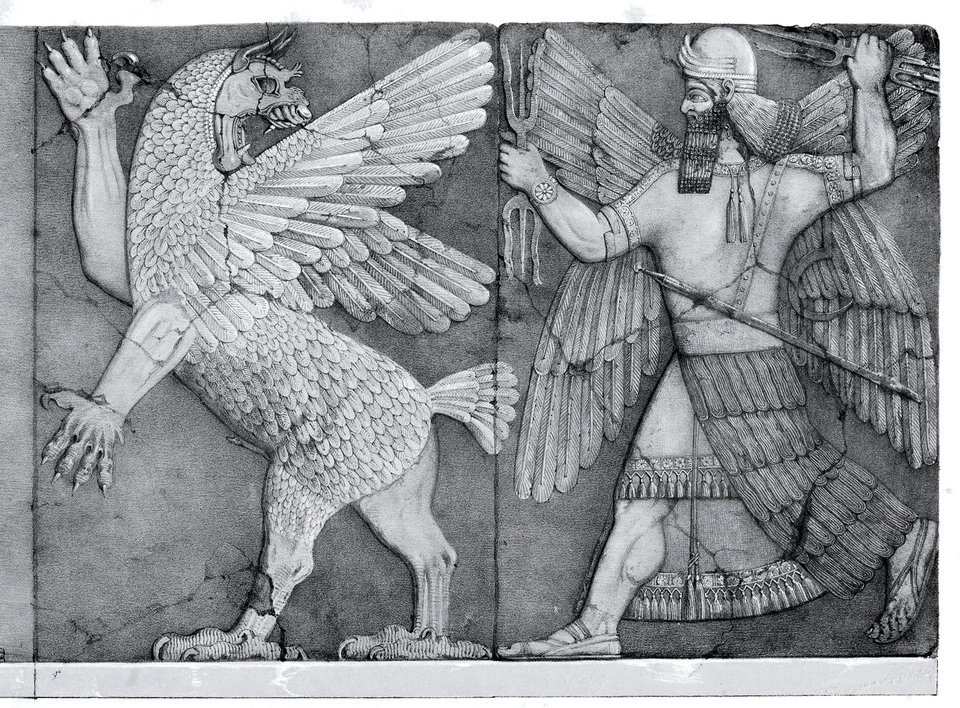
Marduk
King of the Gods · Mesopotamian
Splits Tiamat and builds the world from her body, and is voted fifty names and supreme authority for doing it.
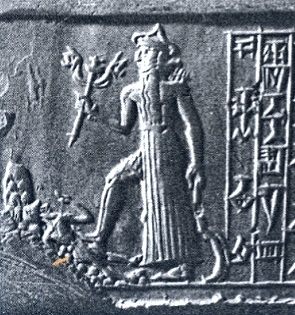
Nergal
God of the Underworld · Mesopotamian
God of plague, war and the underworld, consort of Ereshkigal — and one of the few Mesopotamian gods the Bible names directly.
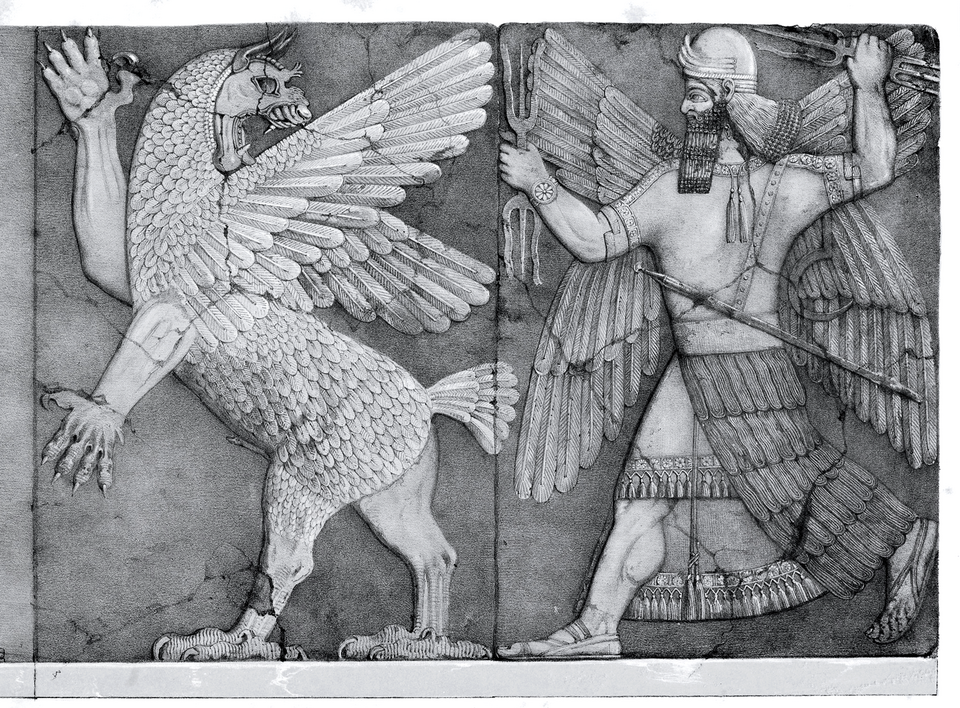
Anzu
Storm Bird · Mesopotamian
The lion-headed eagle who steals the Tablet of Destinies and is shot down for it — a rebellion against divine order predating any biblical account by a millennium.
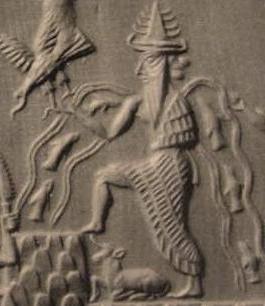
Enki
Lord of the Sweet Waters · Mesopotamian
God of the abzu and of cunning, who repeatedly saves humanity by finding the loophole in another god's decree.
The books behind The Ardat Lili
Every claim on this profile is attributed to one of these. They are public domain, listed oldest first, and each links to a full text where one is freely available.
Udug-hul (Evil Utukku)
Anonymous; canonical series of sixteen tablets · c. 1800–600 BCE · Sumerian and Akkadian
Read Udug-hul (Evil Utukku) in full ↗Akkadian Incantation Series & Amulet Inscriptions
Anonymous; recovered from Assyrian and Babylonian sites · c. 1800-600 BCE · Akkadian and Sumerian
Read Akkadian Incantation Series & Amulet Inscriptions in full ↗Cover: Public domain · Robert William Rogers (1864–1930) · Wikimedia file page
Corpus last revised 29 August 2026. A reference site’s credibility rests on being maintained, so this is the date the sourced records last changed — not the date the page was rebuilt.