Deity · Greek · c. 700 BCE
Persephone
Also called Kore, Proserpina (Roman)
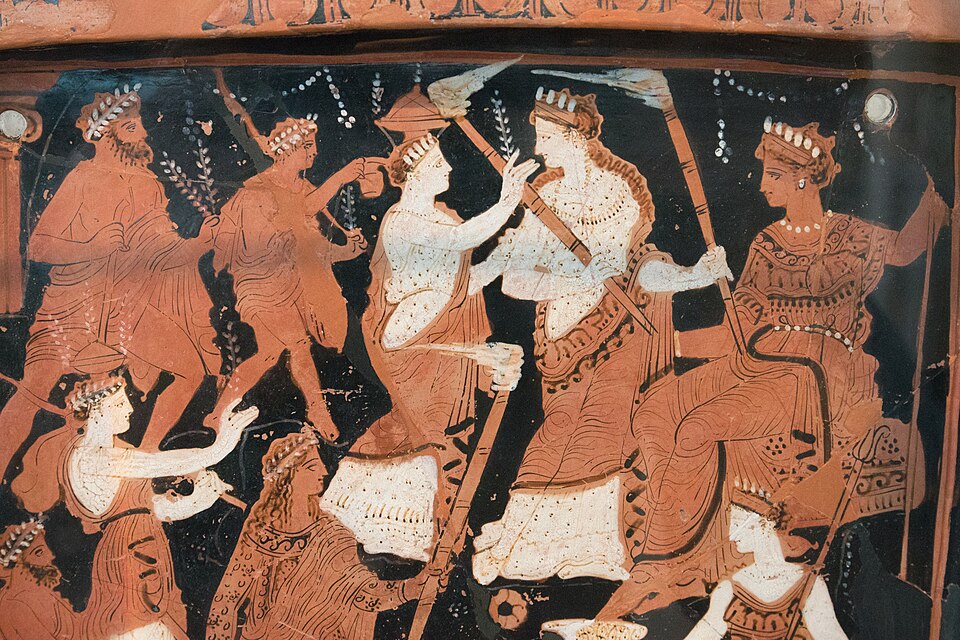
Carried below and bound to return each year by six pomegranate seeds. She is sovereign of the dead and the returning grain at once.
Deep source base
Persephone is two things at once and the tradition never resolves it: the girl carried below, and the sovereign who rules there. The pomegranate seeds are a binding rather than a punishment — having eaten in the underworld she belongs to it in part, which is a rule about jurisdiction rather than about appetite. Her relevance to this corpus is documentary. The Greek curse tablets, folded lead sheets buried in graves and wells, address her by name alongside Hades and Hermes to deliver an enemy into their keeping, which makes her one of the best-attested recipients of what the ancient world actually did when it wanted a spirit to act on someone.
Identity
Where does the name come from?
Where it was actually worshipped
Eleusis, in the Mysteries, where her return is the thing enacted; and Lokroi Epizephyrioi in southern Italy, whose sanctuary treated her as a goddess of marriage rather than of death.
A figure with temples and a figure that only ever existed on a page are different kinds of thing, and the difference is easy to lose once both are entries in a list.
At a glance
Vitals
Vitals
Also known as
- First attested
- Theogony & Works and Days · c. 700 BCE
- Rank
- Queen of the Underworld
- Pantheon
- Greek
- Order
- Greek pantheon
- Base of operations
- Eleusis, in the Mysteries, where her return is the thing enacted; and Lokroi Epizephyrioi in southern Italy, whose sanctuary treated her as a goddess of marriage rather than of death.
- Era
- c. 700 BCE
- Traditions
- Greek, Roman
- Placed in
- The Greek Succession
Traits
- Domain
- The dead, spring, the grain
- Traditional form
- Enthroned beside Hades, bearing a torch and pomegranate
2 sites
Where was it worshipped?
Attested cult sites, located against the Pleiades gazetteer of the ancient world where it reaches and against Wikidata everywhere else. An absence here is not evidence that no cult existed: a good number of figures never had one, and the entry above says so where that is the case.
now Eleusis
Where the Mysteries were performed and Persephone's return was enacted. Not the Eleusis on Thera.
The Mysteries, where her return is the thing enacted.
38.041, 23.538 · Pleiades 579910
now Locri
A Persephone sanctuary in southern Italy that treated her as a goddess of marriage rather than of death — the same figure read the other way up.
38.226, 16.244 · Pleiades 452369
3 attributed
What is it said to do?
Where these powers cluster
The 3 offices attributed to Persephone, grouped by kind. Segment width is the share of powers falling in each category.
A bar dominated by one colour means a specialist; an even spread means a figure the sources credit with almost anything.
- martial1
- material1
- transformation1
3 texts
Which texts say so, and where do they disagree?
When these texts were written
Each dot is one of the 3 texts that names Persephone, placed at that text's approximate date.
A wide spread means the figure was carried across many centuries and traditions; a tight cluster means a single period produced the whole record.
3 texts spanning roughly 708 years
Where the texts differ
- Name: given as Persephone, Proserpina
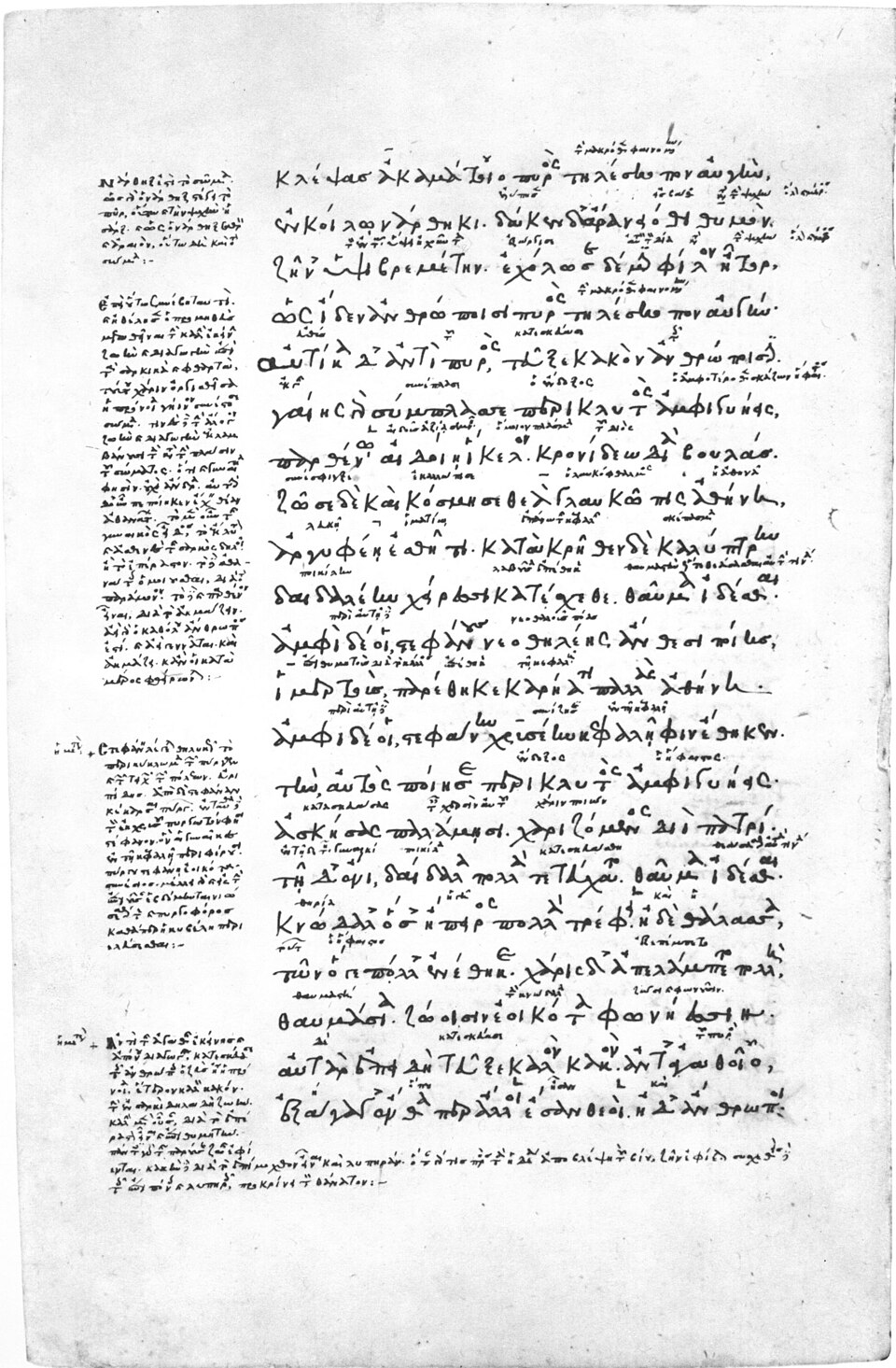
Taken by Hades with the consent of Zeus; rules the dead beside him.
The abduction, at length and from her mother's side: the narcissus planted as a snare, the ground opening, and the pomegranate seed that makes the return partial. The hymn ends by founding the rites at Eleusis, so the corpus holds a myth and the cult it authorises in one document — the clearest instance of that pairing on the site.
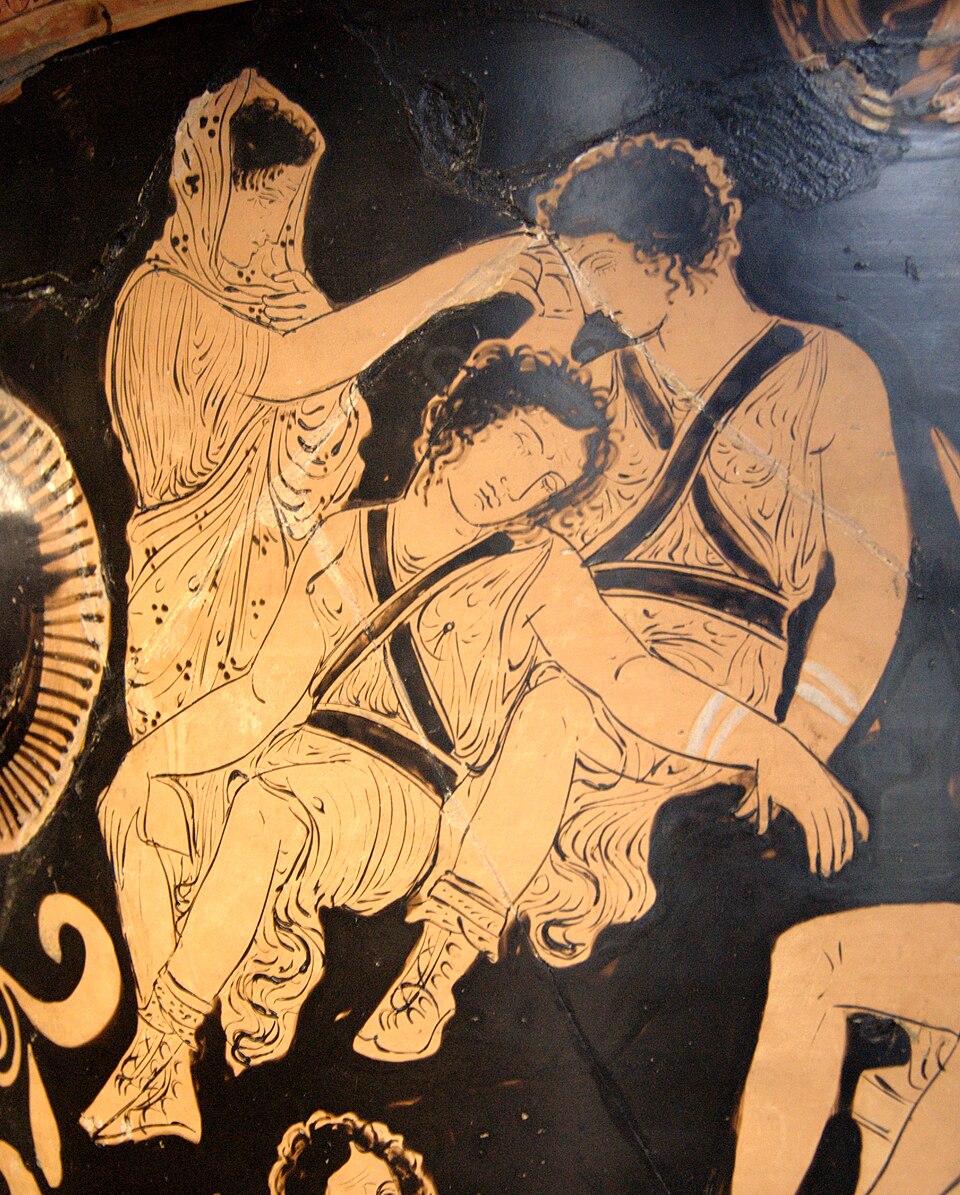
The girl gathering flowers whose lap spills when she is seized, and the queen who afterwards turns a boy into a lizard for laughing at her mother. Ovid gives her the double character — victim and sovereign — that the medieval mythographers then allegorise, and the allegory is why she survives the conversion of Europe intact.
Connections
What is it connected to?
Placement
Where does it sit in the hierarchies?
Answered from the sources
Common questions
Which texts mention Persephone?
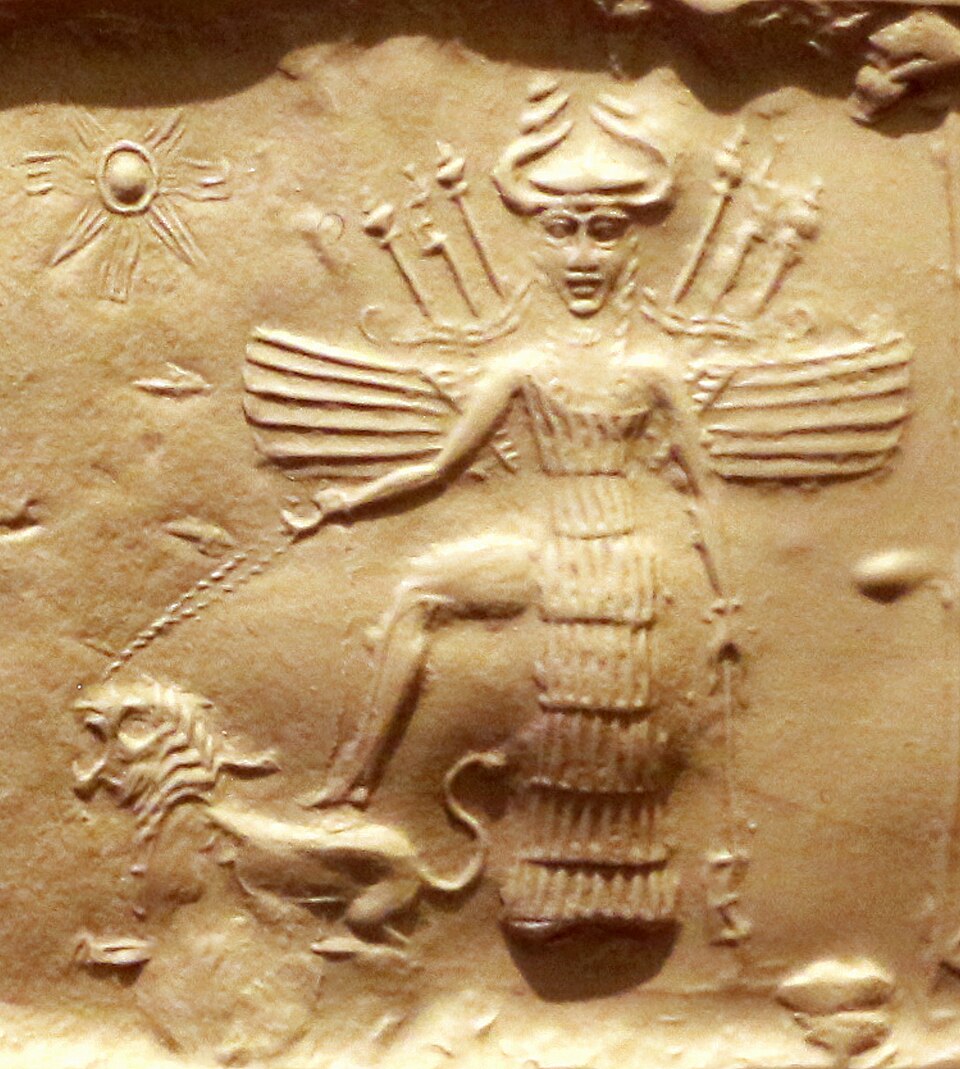
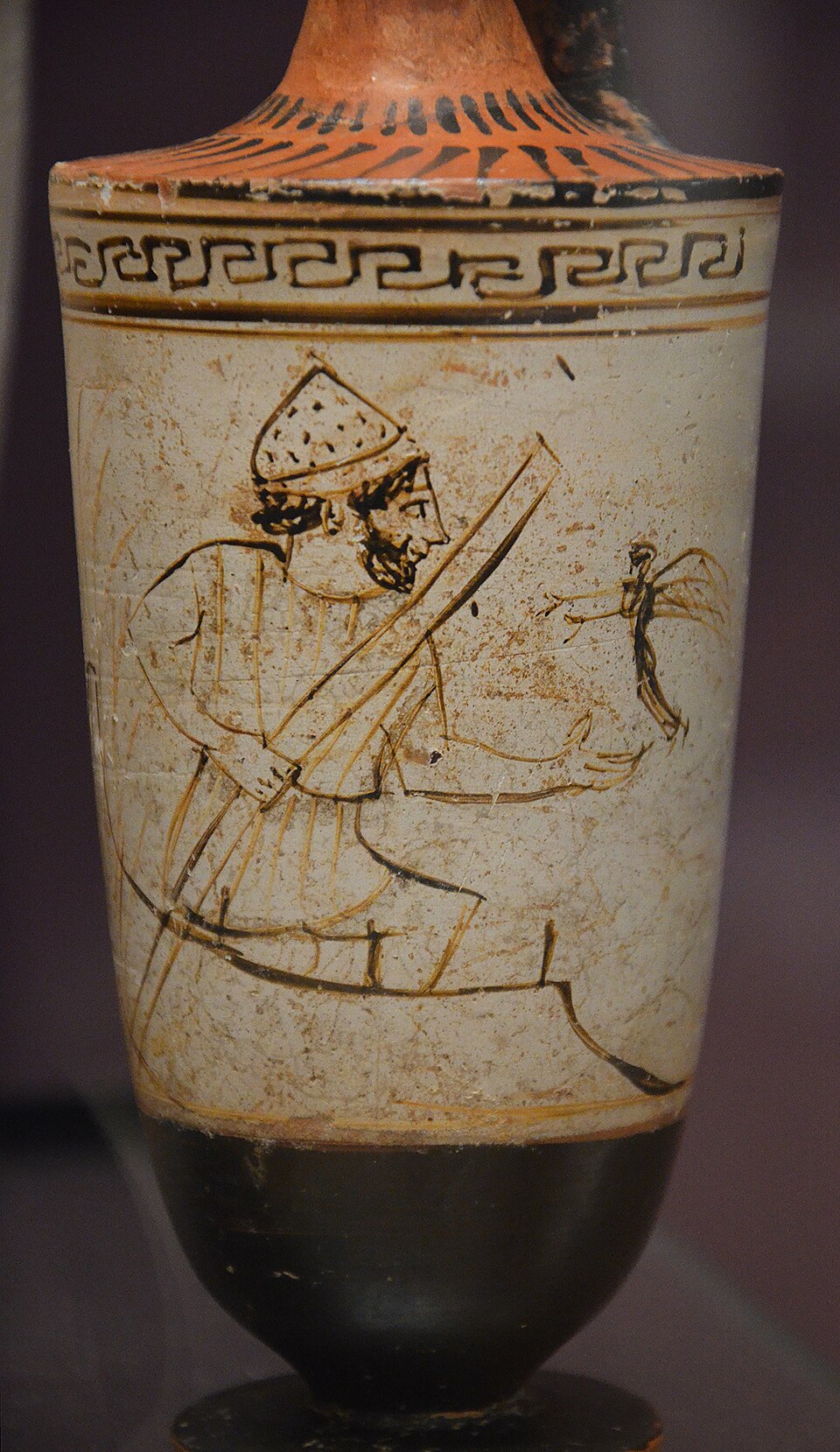
Is Persephone the same as Ishtar?
What rank is Persephone?
How else is Persephone spelled?
What is Persephone said to do?
How old is Persephone?
Nearest in the corpus
If Persephone is what you came for, these are next
Chosen by proximity rather than by popularity: the same pantheon first, then the same rank, then the same kind of figure.
Artemis
Mistress of Animals · Greek
Huntress and protector of the young, whose Ephesian cult statue looks nothing like her and whose temple gave the ancient world one of its most durable protective formulas.
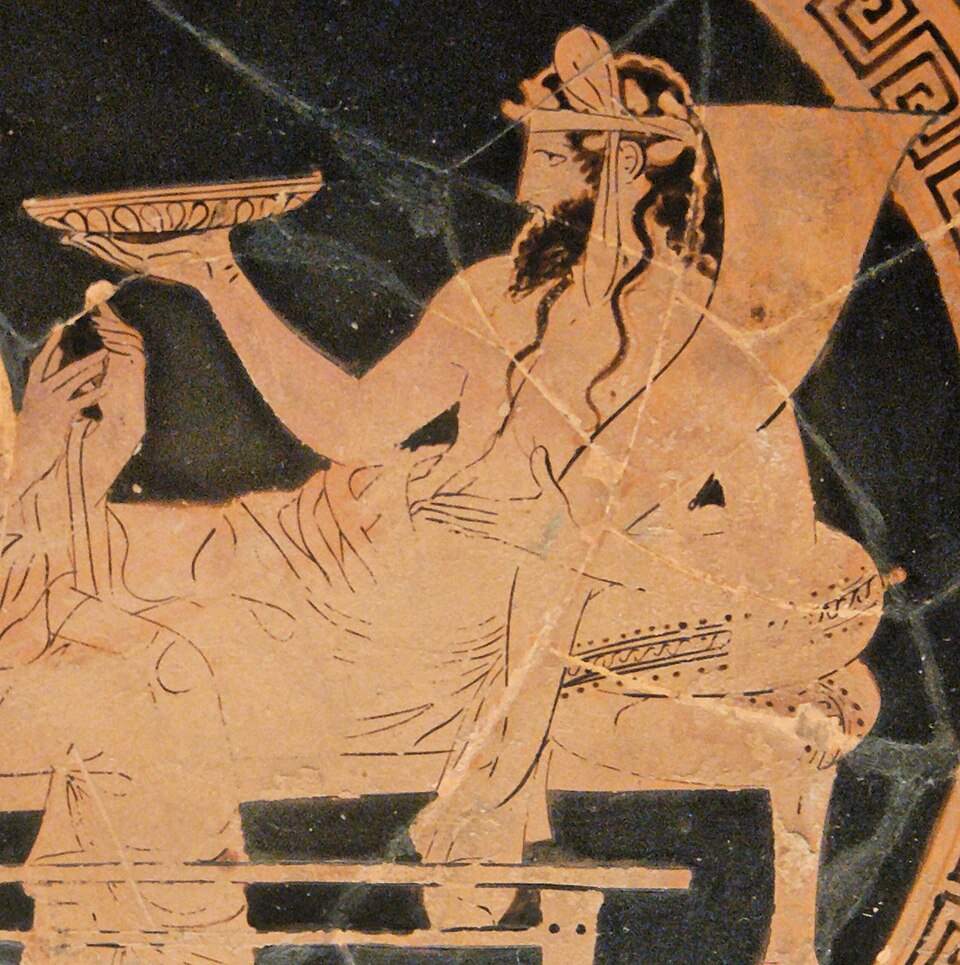
Hades
Lord of the Underworld · Greek
Ruler of the dead by lot rather than by punishment — a god of the underworld who is not evil, a distinction Christian cosmology cannot express.
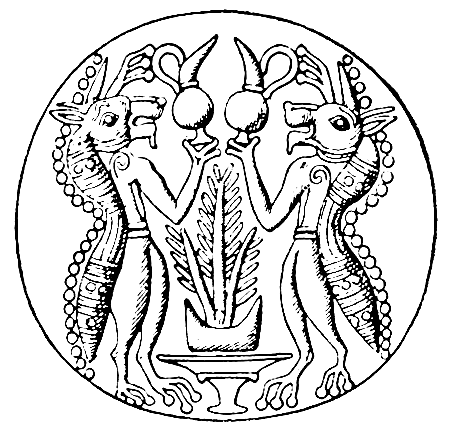
The Daimones
Class of Spirits · Greek
Guardian spirits — Socrates had one that advised him — whose name the Greek scriptures borrowed for evil spirits, permanently poisoning the word.
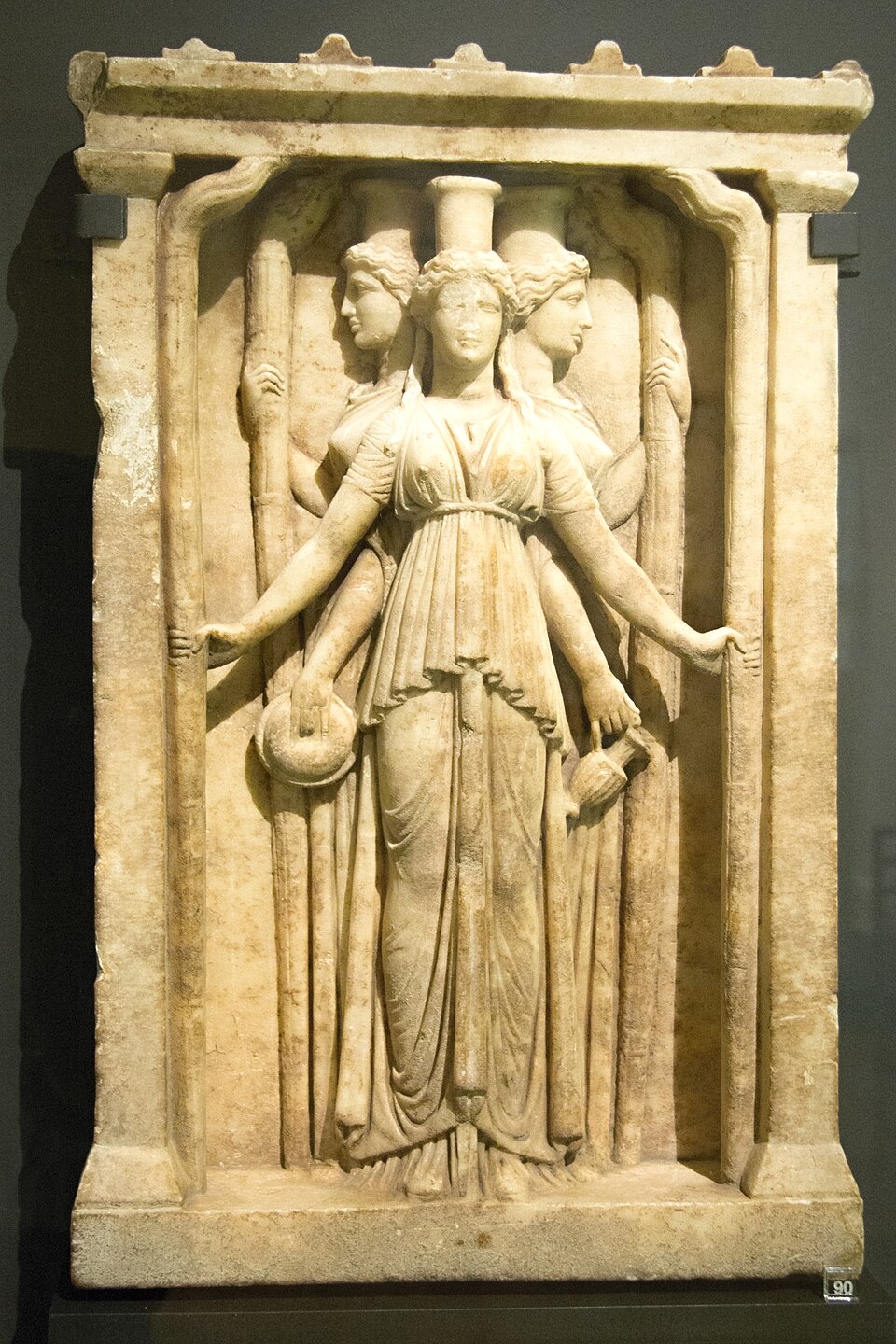
Hecate
Goddess of Crossroads · Greek
Hesiod has Zeus honour her above all others. By the medieval period she presides over witchcraft instead, a demotion with no wrongdoing attached to it anywhere.
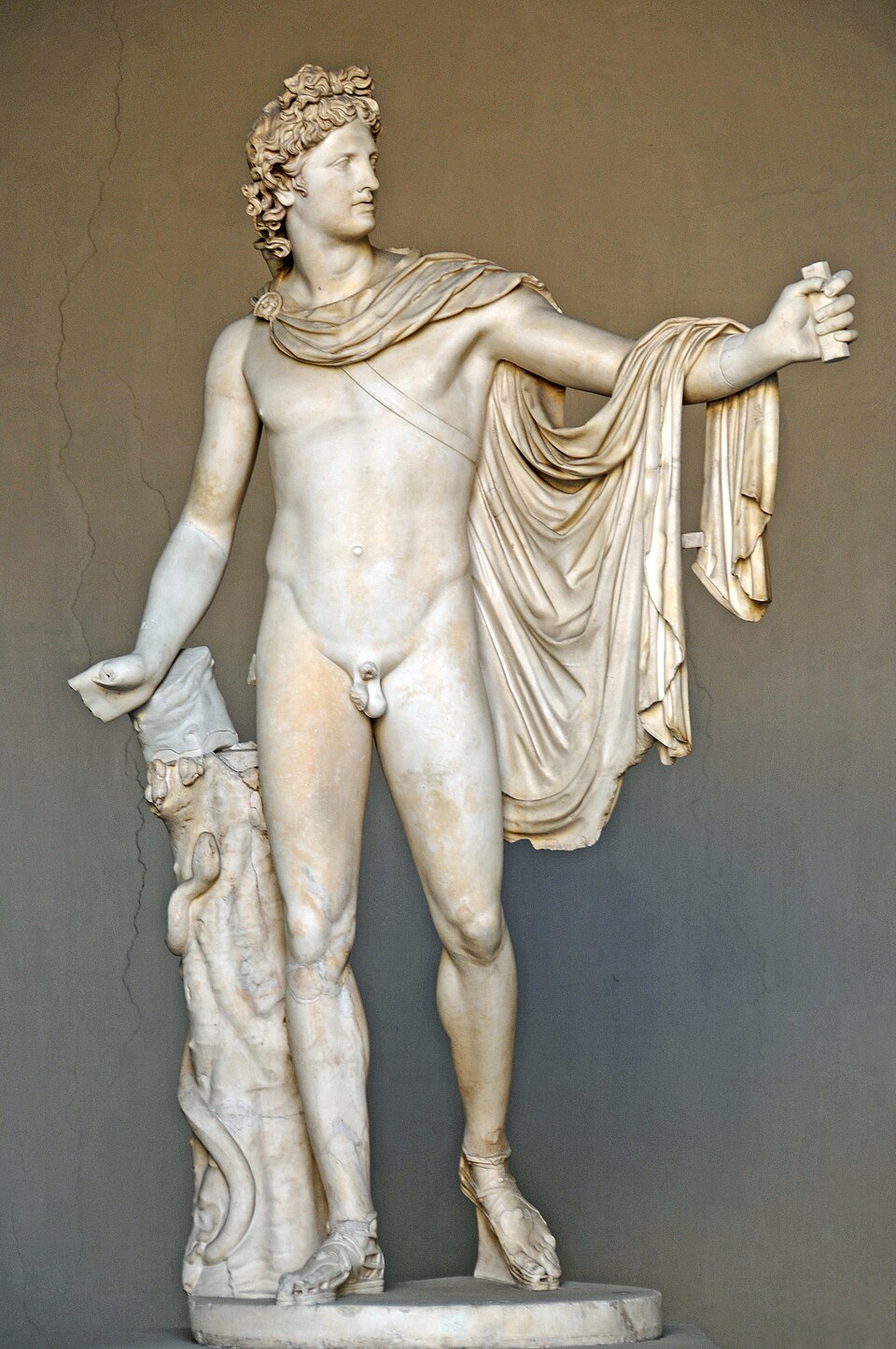
Apollo
God of Prophecy · Greek
Oracle-giver at Delphi, and the god who both sends plague and lifts it. Later traditions split that duality between an angel and a demon; Greece kept it in one figure.
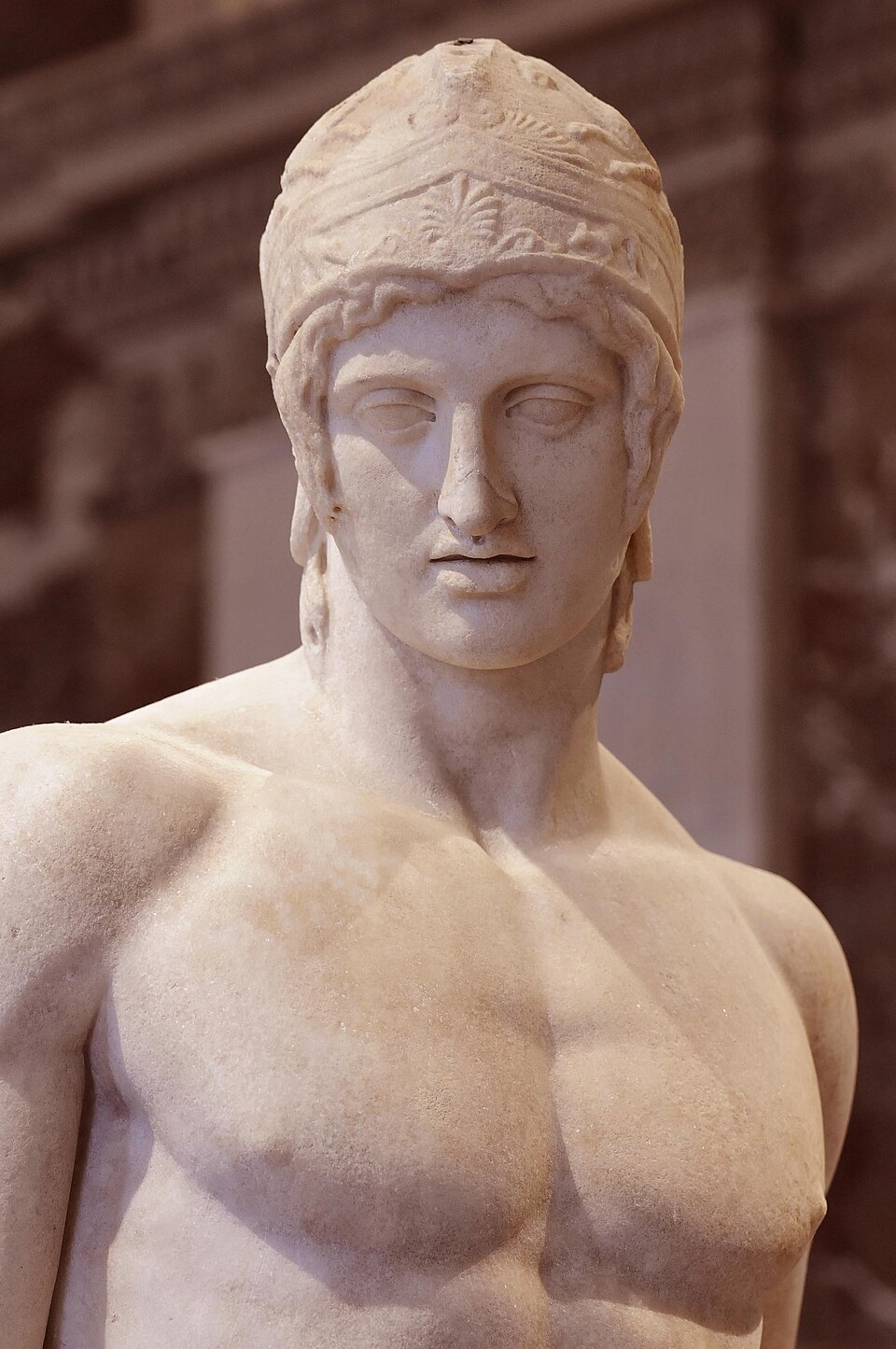
Ares
God of War · Greek
War as slaughter rather than strategy — disliked by the Greeks who worshipped him, and rehabilitated entirely by the Romans as Mars.
The books behind Persephone
Every claim on this profile is attributed to one of these. They are public domain, listed oldest first, and each links to a full text where one is freely available.
Theogony & Works and Days
Hesiod · c. 700 BCE · Ancient Greek
Read Theogony & Works and Days in full ↗Cover: Public domain · Hesiod · Wikimedia file page
The Homeric Hymns
Anonymous; attributed in antiquity to Homer; tr. Hugh G. Evelyn-White · c. 700–500 BCE · Ancient Greek
Read The Homeric Hymns in full ↗
Corpus last revised 29 August 2026. A reference site’s credibility rests on being maintained, so this is the date the sourced records last changed — not the date the page was rebuilt.