Deity · Canaanite · c. 1400 BCE
Resheph
Also called Reshef, Rashap
Plague-god of the Levant, whose name survives in the Hebrew Bible as a common noun for pestilence and burning fever.
Well sourced
Resheph is the clearest case in the corpus of a god demoted into a common noun. He was a substantial Levantine deity of plague and burning, worshipped at Ugarit, taken up in Egypt under the New Kingdom, and equated with Apollo the far-shooter in later Cyprus — the archer whose arrows are disease. In the Hebrew Bible the word is still there and the god is not: Deuteronomy and Habakkuk use resheph for pestilence and burning heat, and English translations render it as a symptom. The demotion is more thorough than Astarte's or Baal's, because it left nothing behind to argue about.
Identity
Where does the name come from?
Where it was actually worshipped
Ugarit, and then wherever the Levant carried him: Idalion on Cyprus, where a bilingual inscription equates him with Apollo, and Egypt, where the New Kingdom took him up as a war god.
A figure with temples and a figure that only ever existed on a page are different kinds of thing, and the difference is easy to lose once both are entries in a list.
At a glance
Vitals
Vitals
Also known as
- First attested
- The Baal Cycle (Ugaritic Tablets) · c. 1400-1200 BCE
- Rank
- God of Plague
- Pantheon
- Canaanite
- Order
- Canaanite pantheon
- Base of operations
- Ugarit, and then wherever the Levant carried him: Idalion on Cyprus, where a bilingual inscription equates him with Apollo, and Egypt, where the New Kingdom took him up as a war god.
- Era
- c. 1400 BCE
- Traditions
- Canaanite & Ugaritic
Traits
- Domain
- Plague, war, the underworld
- Traditional form
- Striding with a mace and a gazelle-horned helmet
1 site
Where was it worshipped?
Attested cult sites, located against the Pleiades gazetteer of the ancient world where it reaches and against Wikidata everywhere else. An absence here is not evidence that no cult existed: a good number of figures never had one, and the entry above says so where that is the case.
now Dali
Where a Phoenician and Greek bilingual equates Resheph with Apollo, which is how the identification is known at all.
35.016, 33.424 · Pleiades 707519
3 attributed
What is it said to do?
Where these powers cluster
The 3 offices attributed to Resheph, grouped by kind. Segment width is the share of powers falling in each category.
A bar dominated by one colour means a specialist; an even spread means a figure the sources credit with almost anything.
- martial1
- malefic2
1 claim
What is it blamed for?
Harms attributed to this figure by a named text. An attribution is not a diagnosis, and where a claim carries a grading it is about how well it rests on the passage it cites.
2 texts
Which texts say so, and where do they disagree?
When these texts were written
Each dot is one of the 2 texts that names Resheph, placed at that text's approximate date.
A wide spread means the figure was carried across many centuries and traditions; a tight cluster means a single period produced the whole record.
2 texts spanning roughly 900 years
Where the texts differ
- Name: given as Resheph, resheph
- Rank: given as God of pestilence; Reduced to a common noun
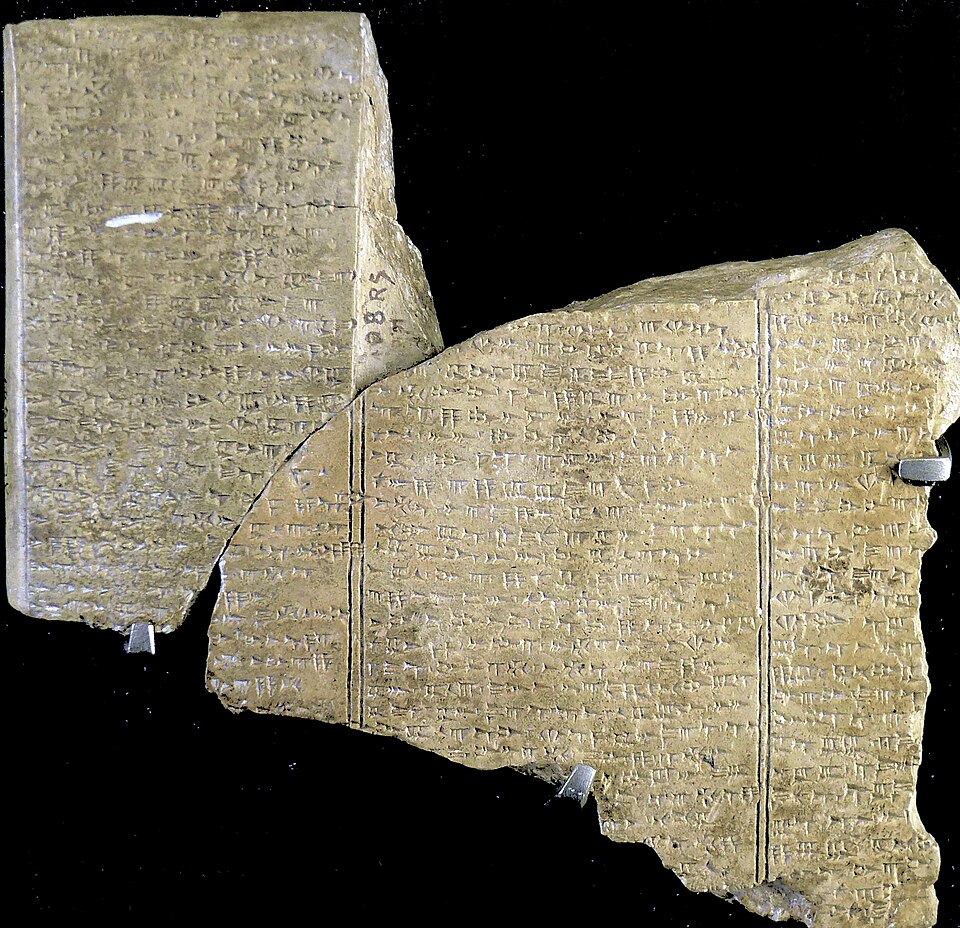
Attested in the Ugaritic texts and widely across the Levant and Egypt.
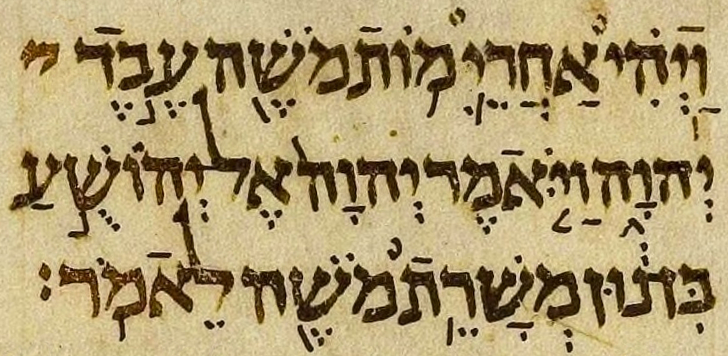
Appears in Habakkuk and Deuteronomy as 'plague' or 'burning heat' — a god demoted to a word.
Connections
What is it connected to?
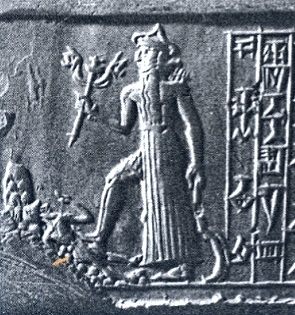
Identified with Nergal
Plague gods of the Levant and Mesopotamia, equated in antiquity.
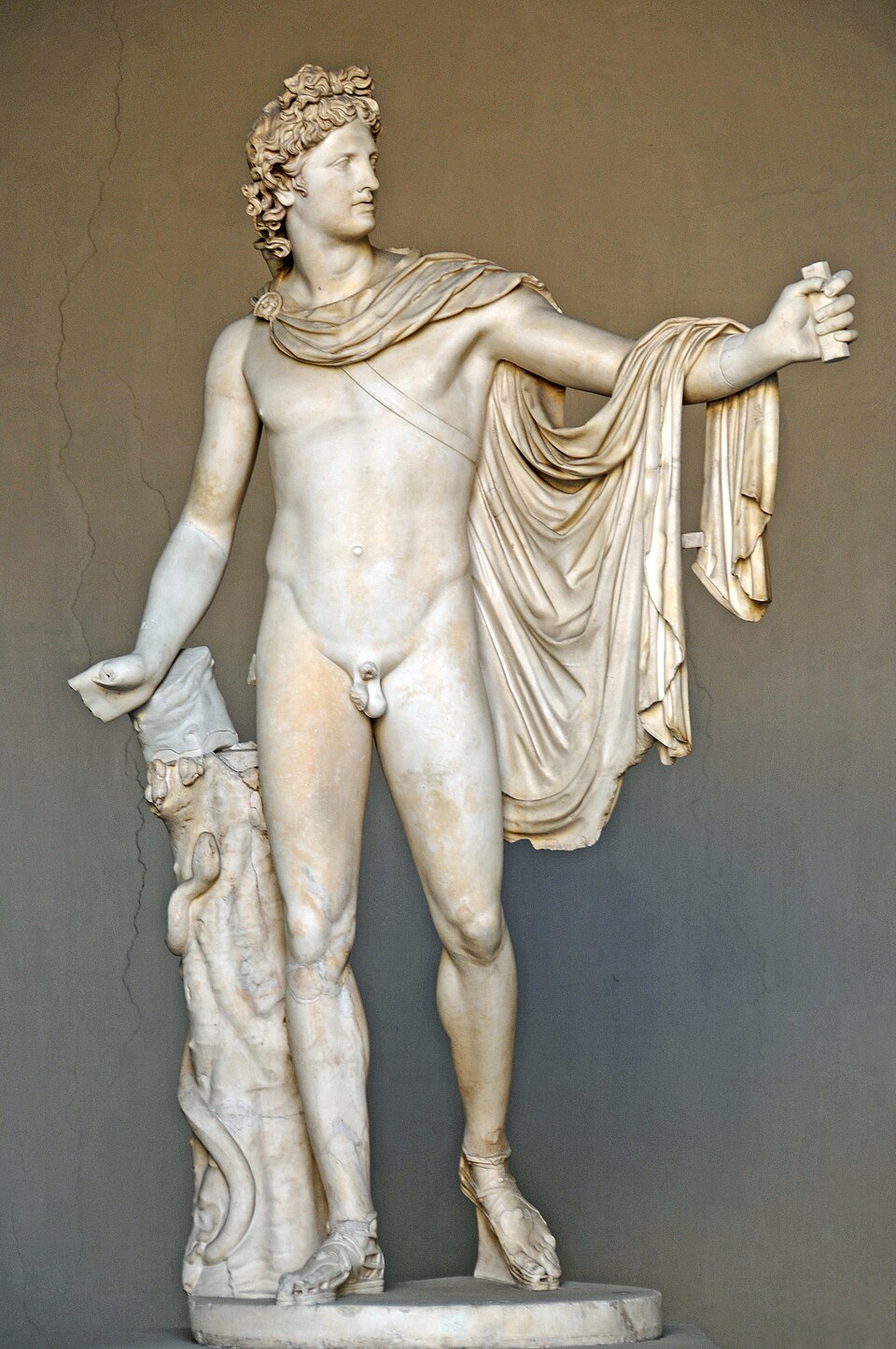
Identified with Apollo
Equated at Cyprus; both send plague with arrows and lift it.
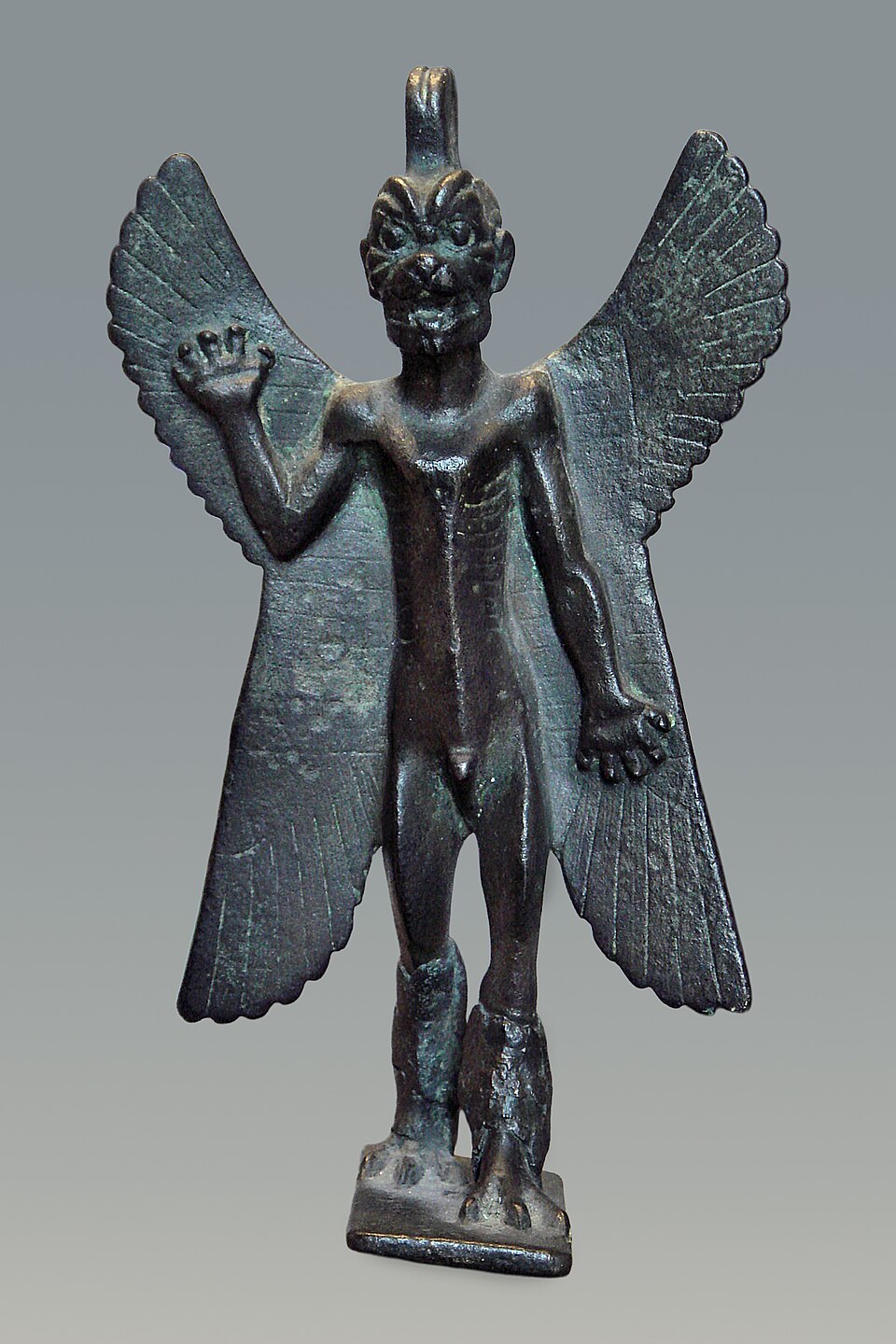
Identified with Pazuzu
Plague-bringers deliberately invoked as wards against worse powers.
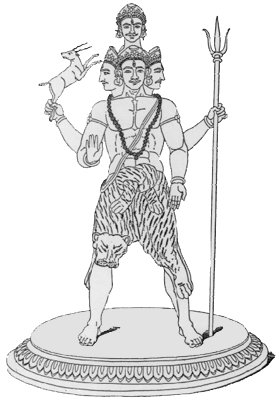
Identified with Rudra
Archer gods of plague.
Identified with Serqet
Venom and plague, sent and cured by the same hand.
Answered from the sources
Common questions
Which texts mention Resheph?
Is Resheph the same as Nergal?
What rank is Resheph?
How else is Resheph spelled?
What is Resheph said to do?
How old is Resheph?
Nearest in the corpus
If Resheph is what you came for, these are next
Chosen by proximity rather than by popularity: the same pantheon first, then the same rank, then the same kind of figure.
Anat
Warrior Goddess · Canaanite
Baal's sister and avenger. She grinds Death himself to pieces and sows him in a field, which makes her the most violent figure in the Ugaritic corpus.
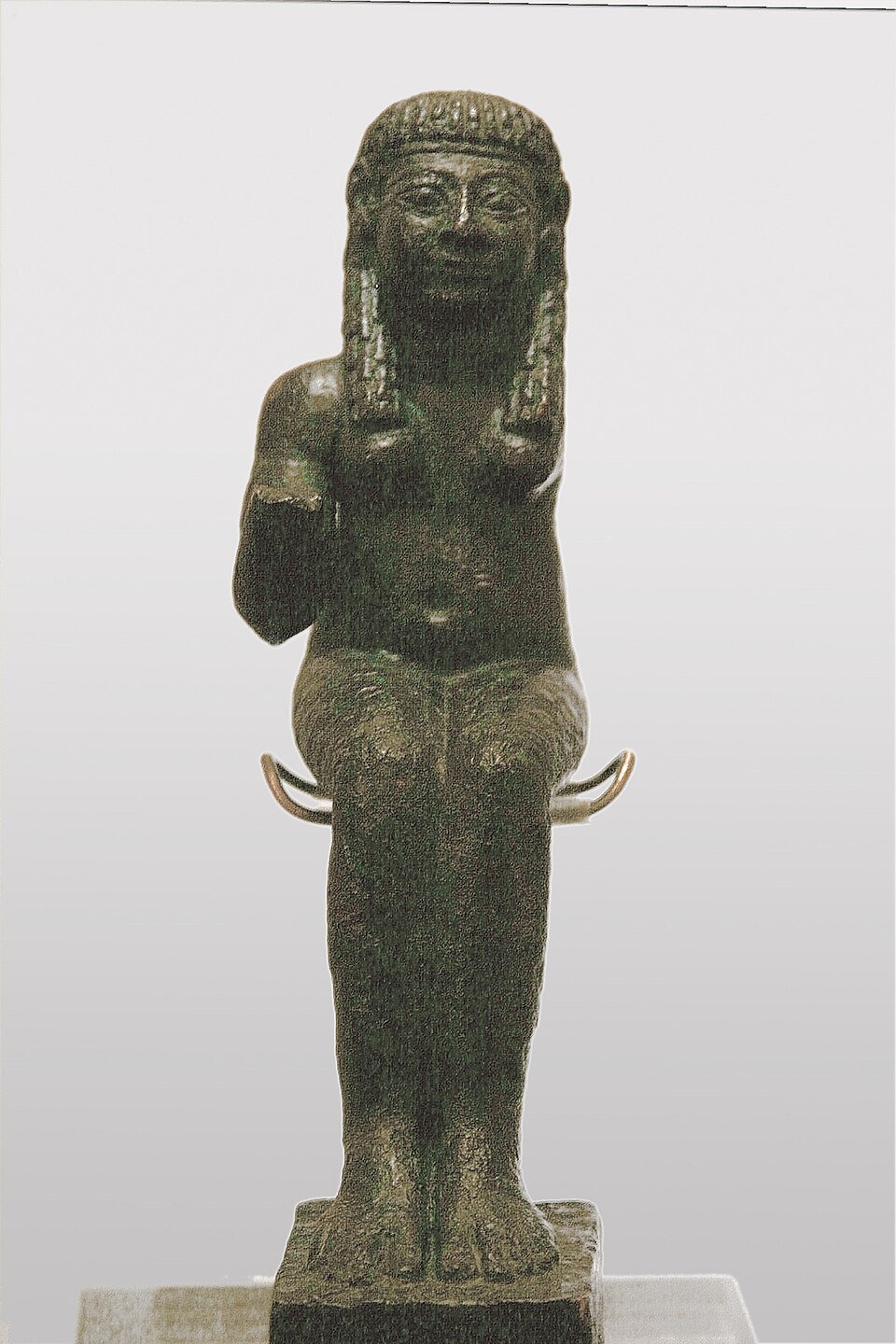
Astarte
Goddess of Love and War · Canaanite
The West Semitic goddess of love and war, cognate with Ishtar — and the direct ancestor of the Goetic duke Astaroth, who kept the name and lost the gender.
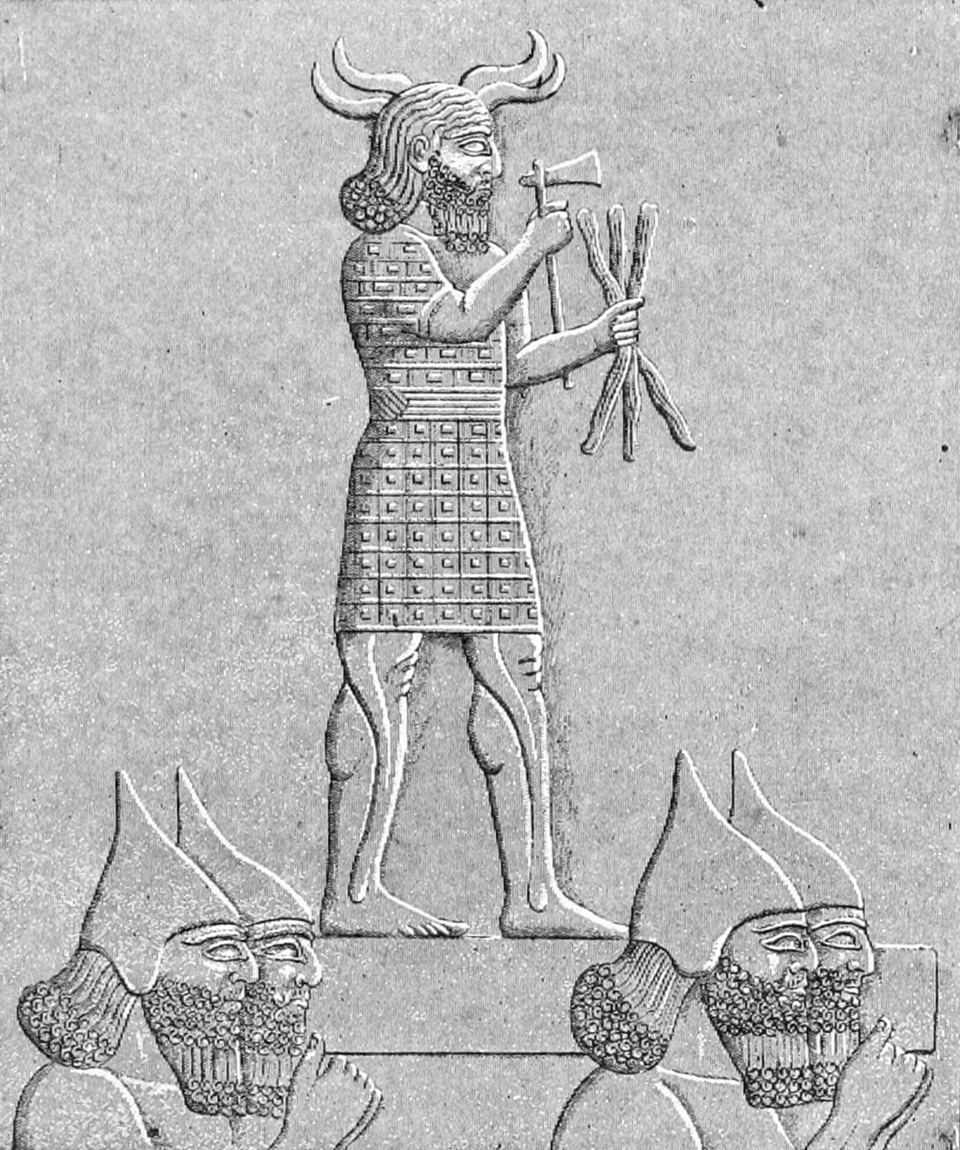
Baal Hadad
Storm God · Canaanite
The Canaanite storm and fertility god who defeats Sea and Death — and whose title, *baal* ('lord'), the Hebrew Bible turns into a generic term for false gods.
Chemosh
God of Moab · Canaanite
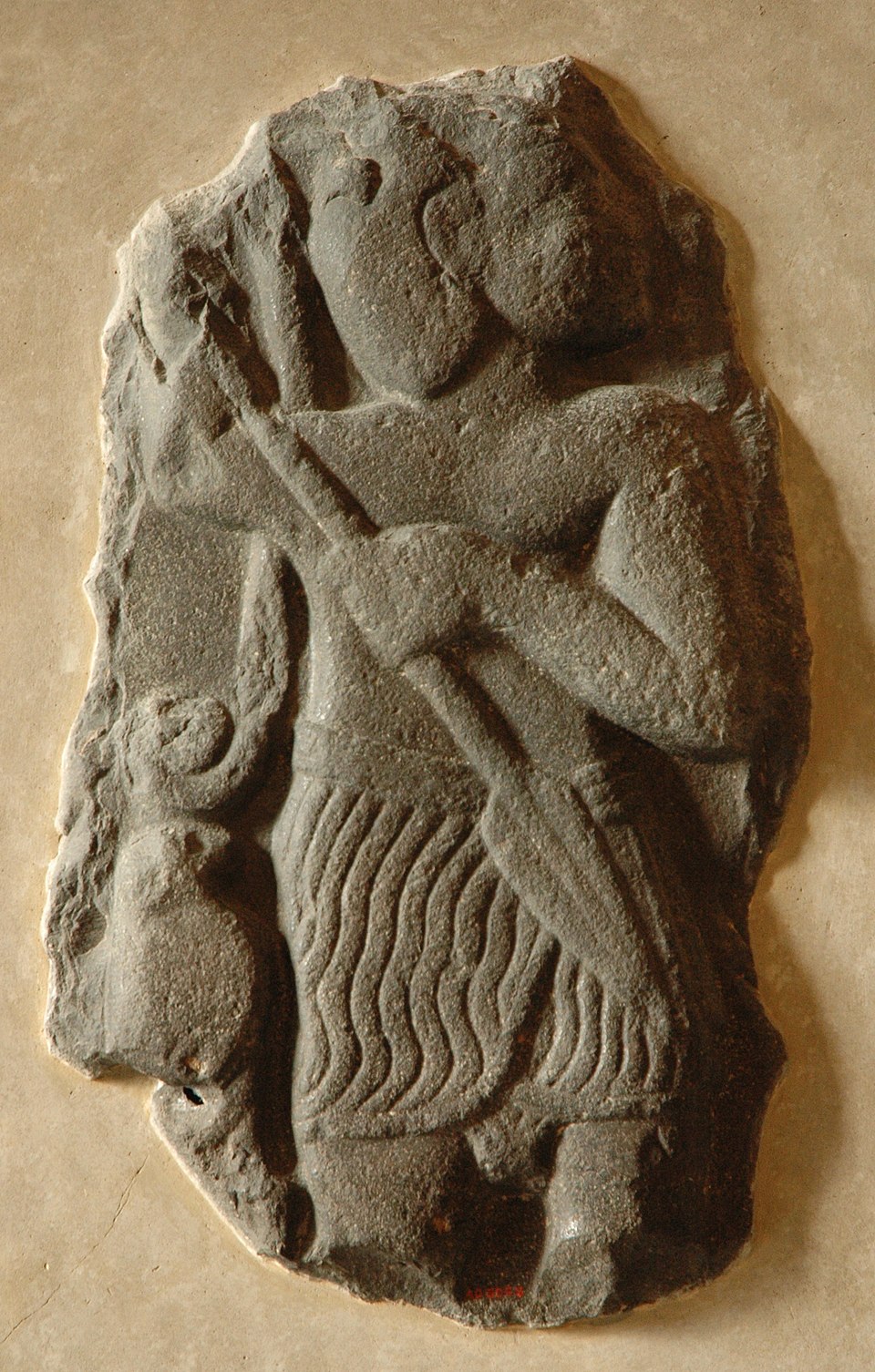
National god of Moab, known from the Bible and from the Mesha Stele — where a Moabite king describes his own history in language almost identical to Israel's.
El
Father of the Gods · Canaanite
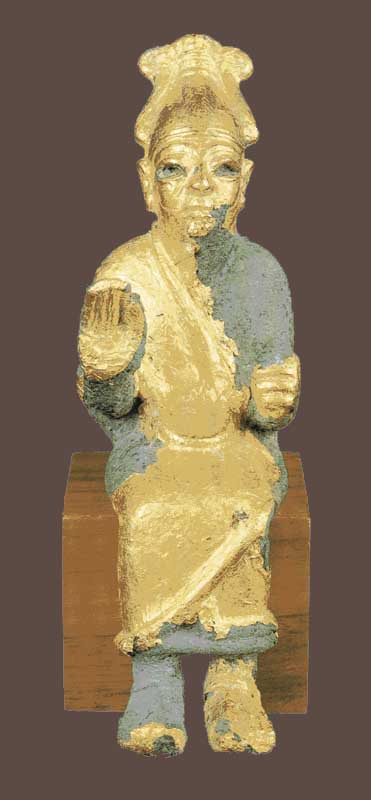
The aged high god who presides over the assembly at Ugarit — and whose name is one of the Hebrew Bible's own words for God.
Lotan
Chaos Serpent · Canaanite
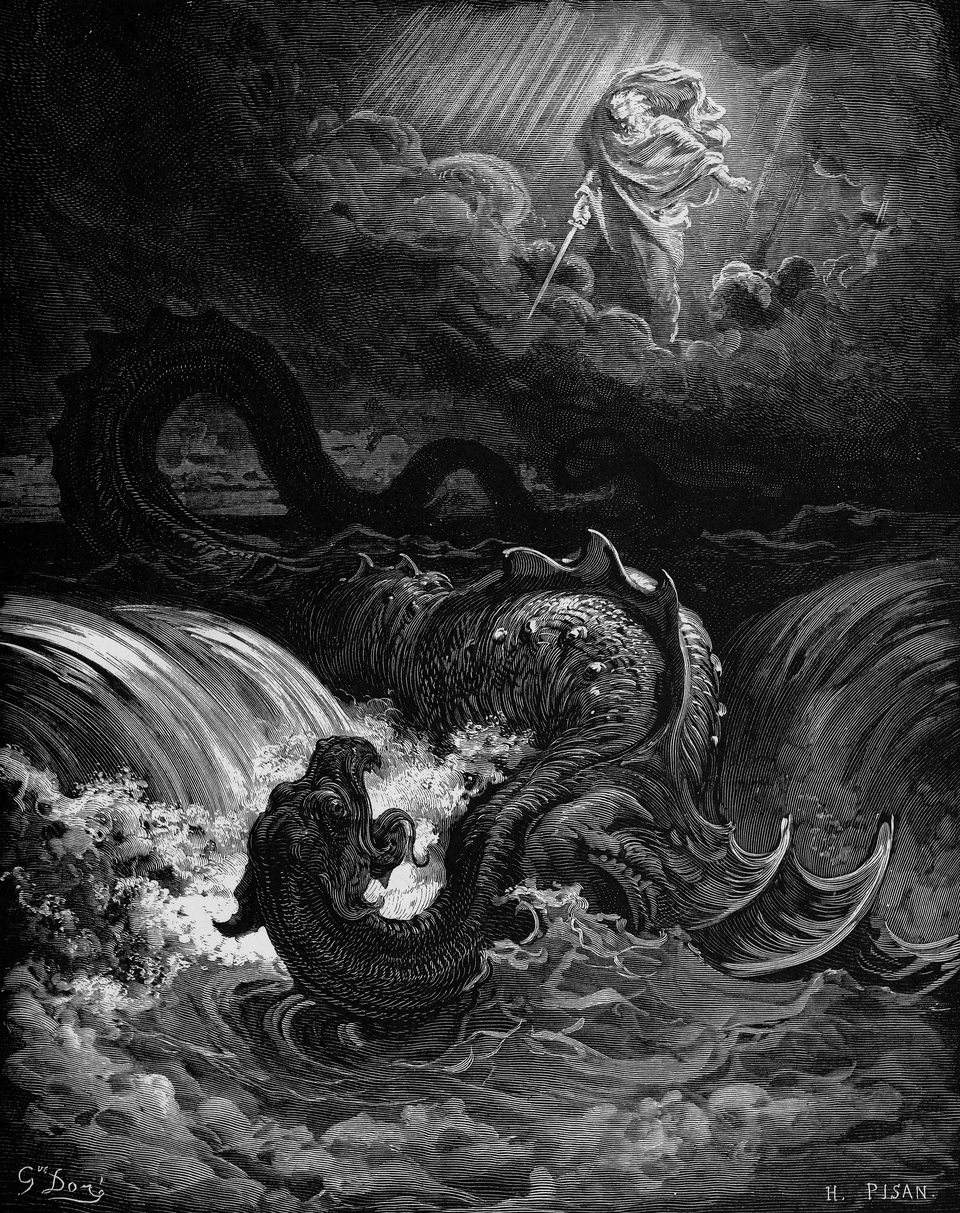
The seven-headed sea-serpent slain in the Baal Cycle, described in language Isaiah reuses almost verbatim for Leviathan.
The books behind Resheph
Every claim on this profile is attributed to one of these. They are public domain, listed oldest first, and each links to a full text where one is freely available.
The Baal Cycle (Ugaritic Tablets)
Anonymous; recovered at Ras Shamra · c. 1400-1200 BCE · Ugaritic
Read The Baal Cycle (Ugaritic Tablets) in full ↗Cover: CC BY-SA 3.0 · Unknown artist · Wikimedia file page
Hebrew Bible & Deuterocanon
Various · c. 900–100 BCE · Hebrew, Aramaic, Greek
Read Hebrew Bible & Deuterocanon in full ↗Cover: Public domain · see en:Aleppo Codex; scanned by · Wikimedia file page
Corpus last revised 29 August 2026. A reference site’s credibility rests on being maintained, so this is the date the sourced records last changed — not the date the page was rebuilt.