Greek · Ancient Greek · c. 750 BCE
The Iliad
Homer; tr. Samuel Butler
The oldest Greek poem of any length, and the one that decided what a god was allowed to be in this literature: partisan, woundable, capable of being deceived by another god and of sulking about it. Ares is stabbed by a mortal with Athena guiding the spear and goes home to complain to his father, who tells him he is the most hateful of the gods. Nothing in the corpus does more to explain why later moralists found this pantheon so easy to condemn.
Read The Iliad in full at the linked edition →What this text attests · 11
| Name here | Rank given | # | Powers described |
|---|---|---|---|
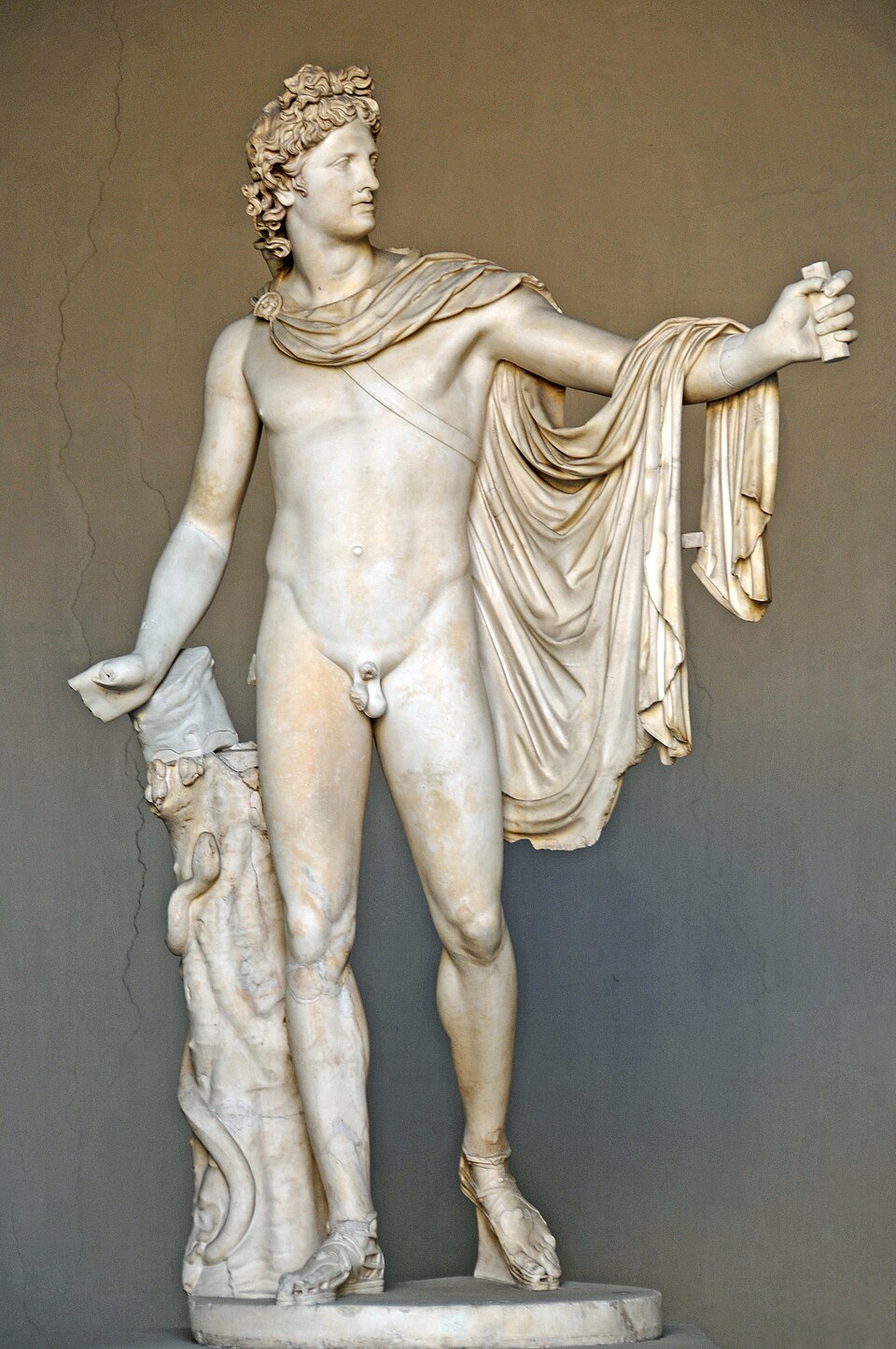
| — | — | The plague at the opening of the poem, sent because a priest of his was refused — nine days of arrows into the camp before anyone asks why. The corpus's other Apollo attestations are oracular; this is the god as an epidemic with a grievance, and it is the aspect the later demonologies remember. | |
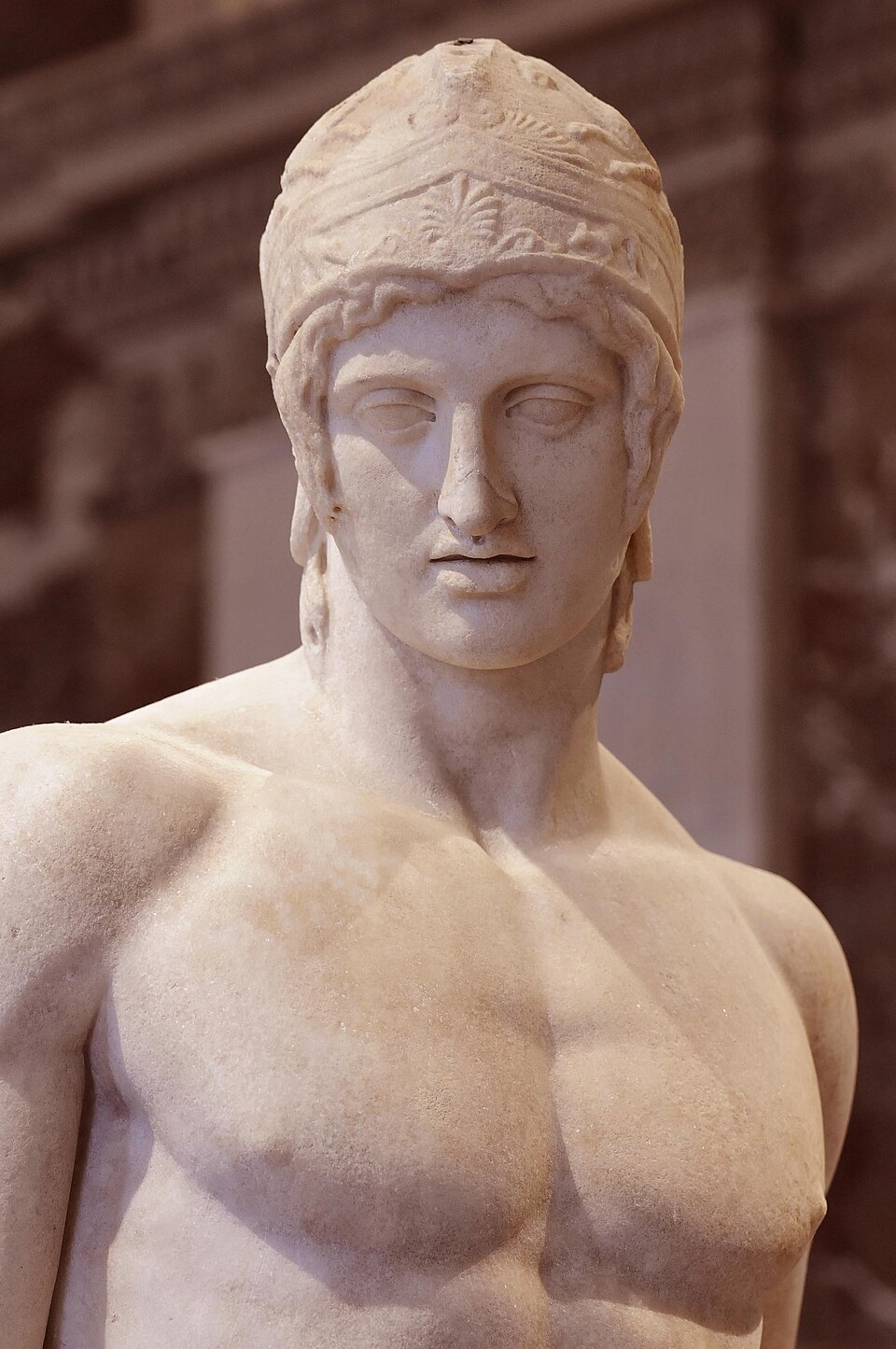
| — | — | Stabbed by a mortal with Athena guiding the spear, bellowing like ten thousand men and flying home to complain — where Zeus tells him he is the most hateful of all the gods. The Greeks wrote their war god as a lout and said so in the poem's own voice, which is the single most useful fact this corpus holds about him. | |
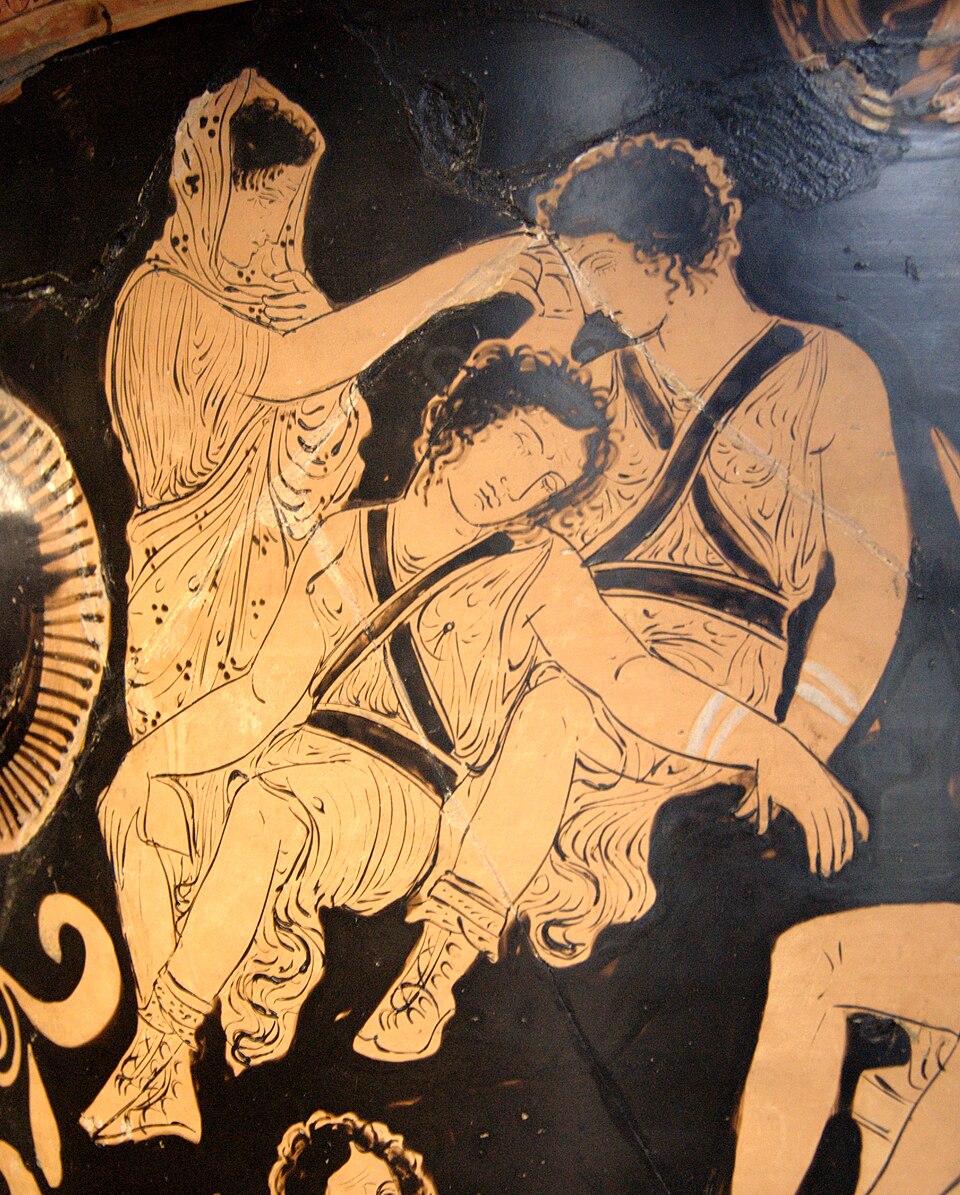
| — | — | Boxed on the ears by Hera, who takes her own bow off her and beats her with it until she flees crying to her father. The scene is worth citing for what it says about rank inside the pantheon rather than about her: these are gods who can be humiliated by other gods, in front of an audience. | |
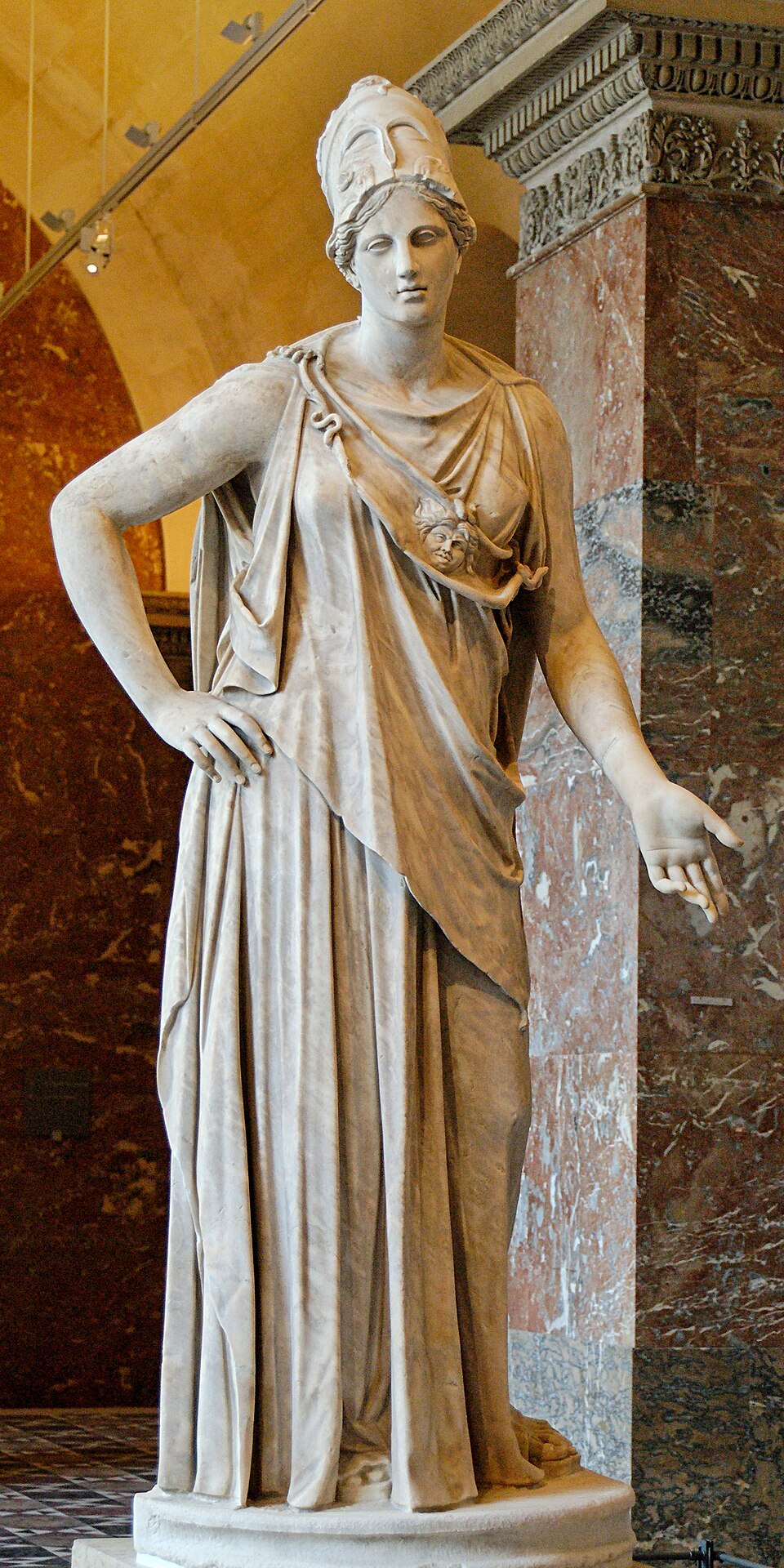
| — | — | The god who intervenes at the shoulder: she pulls Achilles back by the hair when he is drawing on Agamemnon, and later deceives Hector in the shape of his brother so that he stands and dies. Divine help and divine treachery are the same action here, done by the favourable god. | |
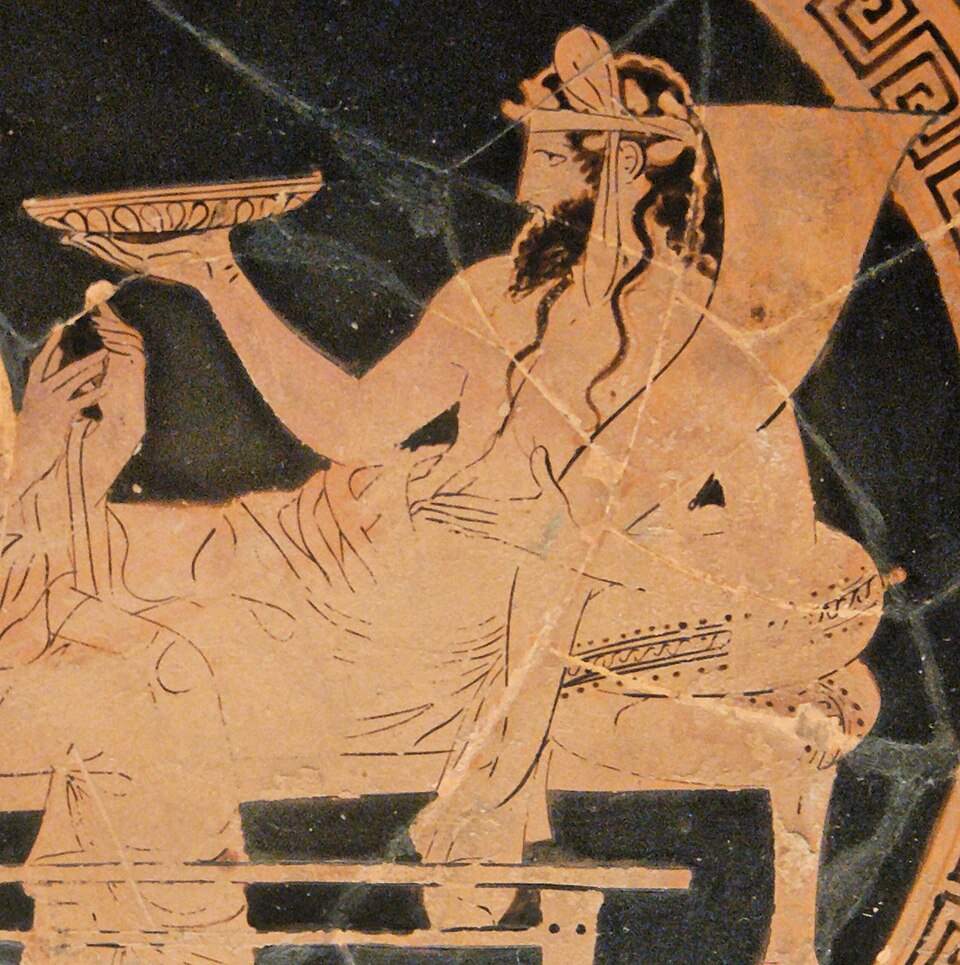 Aïdes = Hades | — | — | Named as the third brother holding the misty dark by lot, and reported as wounded by an arrow of Heracles and going up to Olympus in pain to be healed. A lord of the dead who can be shot is very far from the devil he is later merged with, and the poem records it without embarrassment. |
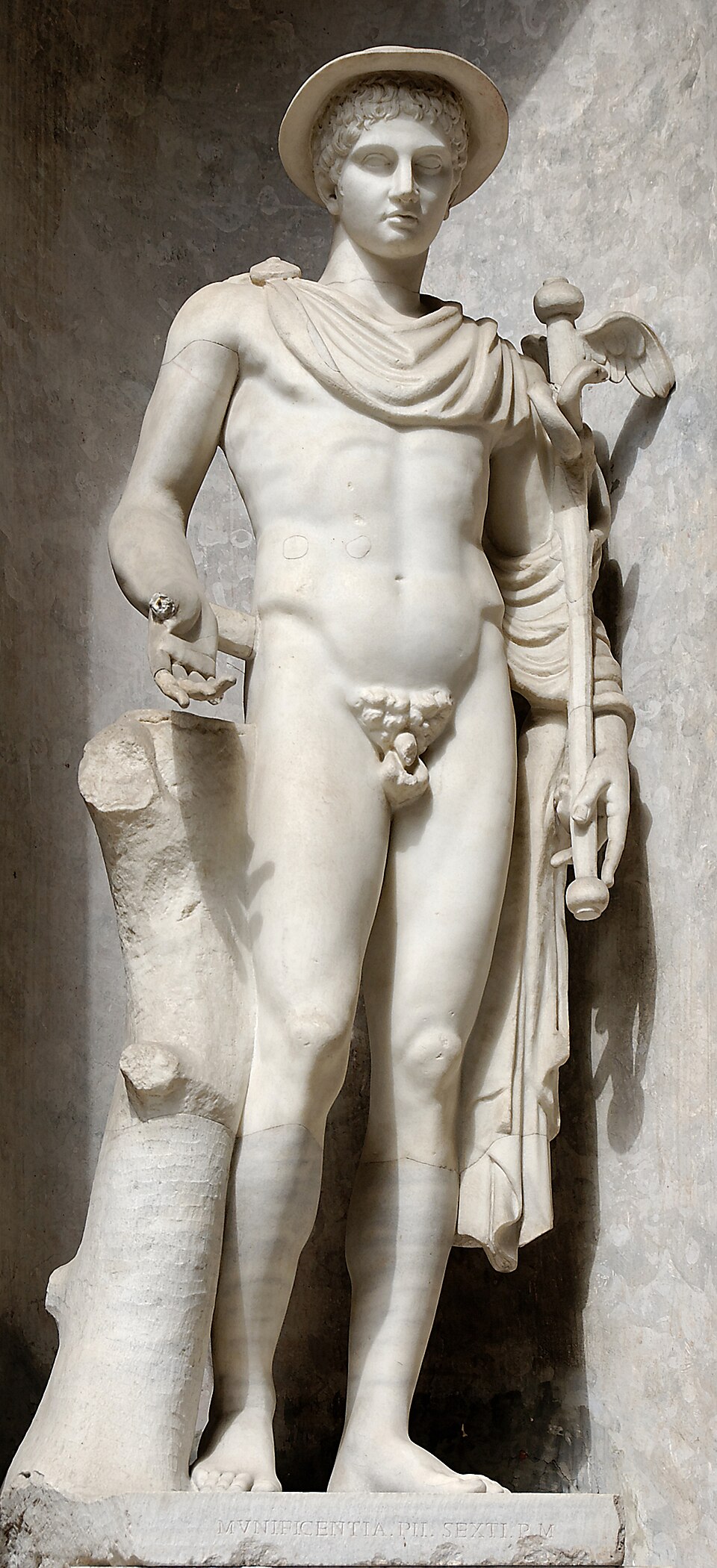
| — | — | The escort: he takes Priam through the Greek camp past the sentries to ransom his son's body and brings him out again before dawn. Conducting a living man safely through hostile ground at night is the same office he holds for the dead, and the poem treats the two as one job. | |
| — | — | Reminds Zeus to his face that the world was divided by lot between three brothers and that the earth and Olympus are common ground — the corpus's clearest statement anywhere that the Greek underworld and sea are jurisdictions held by right rather than delegated. | |
| — | — | Invoked in oaths as the powers that punish the forsworn beneath the earth, and named as taking a mother's curse against her son. Older than the Oresteia by centuries and already doing the same work, which shows the Aeschylean trial as a settlement of an existing institution rather than the invention of one. | |
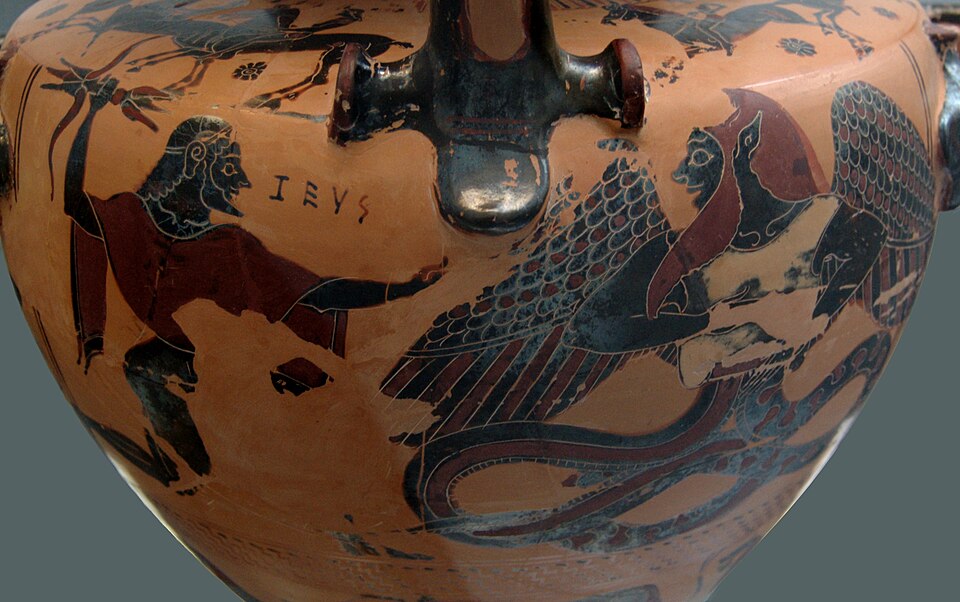 Typhoeus = Typhon | — | — | One line, and it is the useful one: the earth groans under Zeus's anger as it does about Typhoeus in the country of the Arimoi. The poem assumes the audience knows where the monster is buried, which puts the whole combat myth in circulation two centuries before the Theogony wrote it down as a narrative. |
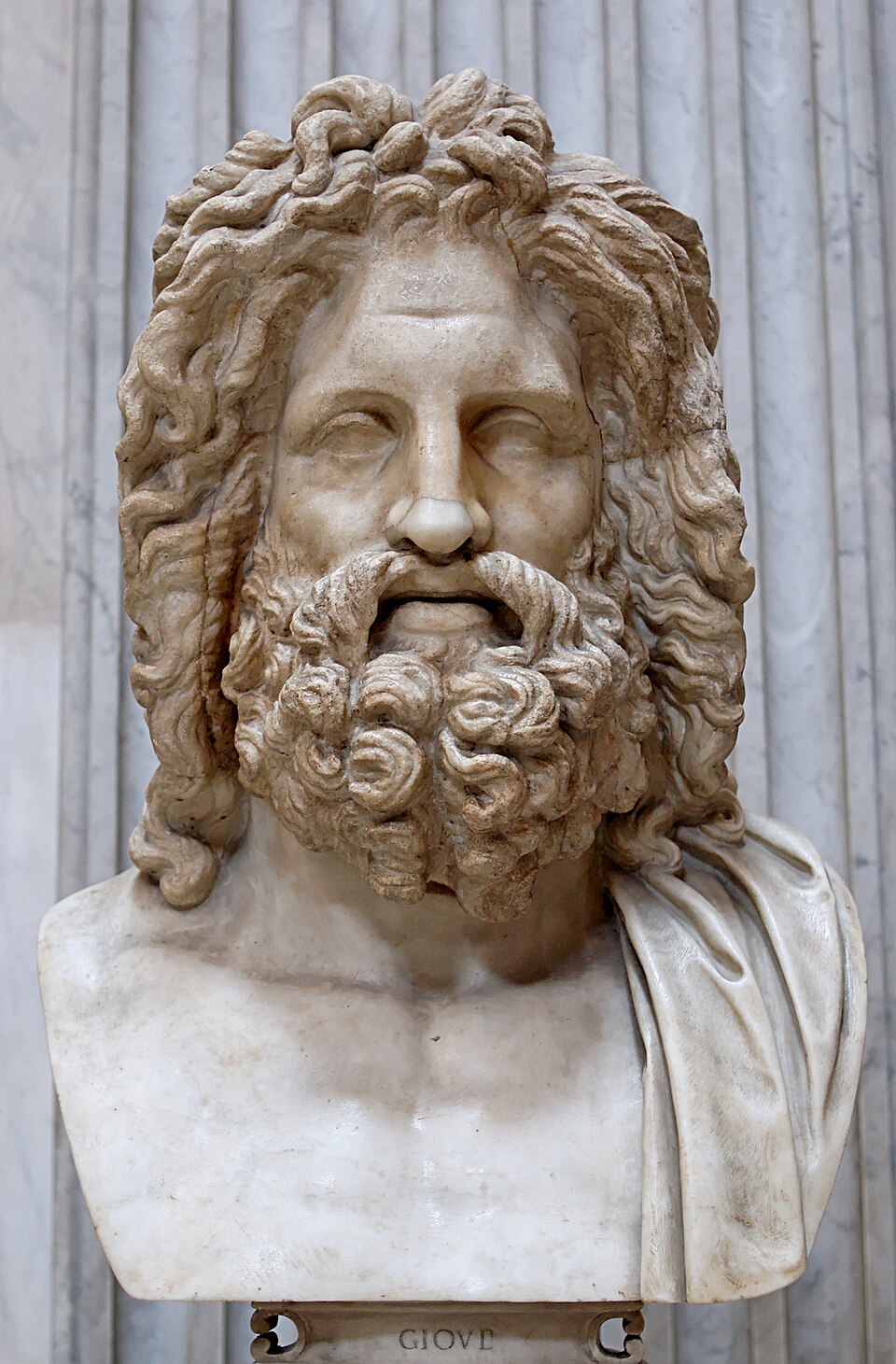
| — | — | Sovereign and constrained at once: he weighs fates in a balance and does not overturn what the scales say, and he is deceived and put to sleep by his own wife when she wants the battle to go the other way. A king of the gods who can be outmanoeuvred domestically is not a figure any monotheism could adopt unaltered. | |
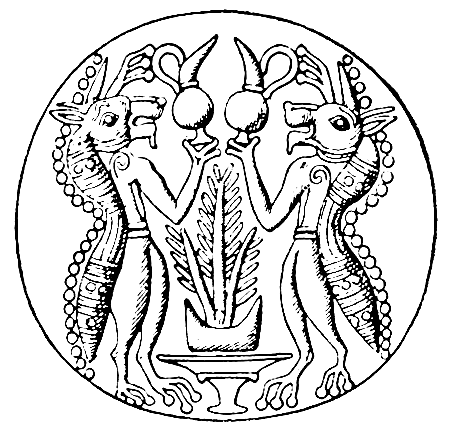 daimōn = The Daimones | — | — | The word doing its original work, and the reason this entry exists: in Homer a daimōn is a god, or the divine acting anonymously — the power that moves a man when no name is attached to it. There is nothing evil in it. Set against the New Testament attestation on the same entry, the corpus can show the whole semantic collapse in two citations. |