protective · c. 500–146 BCE
The Sign of Tanit
A triangle, a bar and a disc — a schematic figure with raised arms, cut into thousands of Punic stelae and mosaics across the western Mediterranean.
What the sources claim for it
A figure with arms raised, in the posture of blessing or of appeal — the same gesture Punic votive texts use in words.
History
Where does the Sign of Tanit come from?
The sign is reduced to three elements: a triangle for the body, a horizontal bar across its top for the arms, and a circle above for the head, often with a crescent over it. It appears overwhelmingly in the tophet precincts and on funerary and votive stelae, and is conventionally identified with Tanit, the chief goddess of Carthage, though the identification comes from the contexts rather than from any inscription that labels the sign.
It matters to this corpus because Carthage is Phoenician, and Phoenician religion is Canaanite religion carried west. The gods behind the sign — Tanit and Baal Hammon — are the same family of deities the Hebrew Bible polemicises against and the later demonologies convert into demons. This is what that religion's own material looks like when it is not being described by an enemy.
1 figure
Who is it attached to?
Figures who carry it
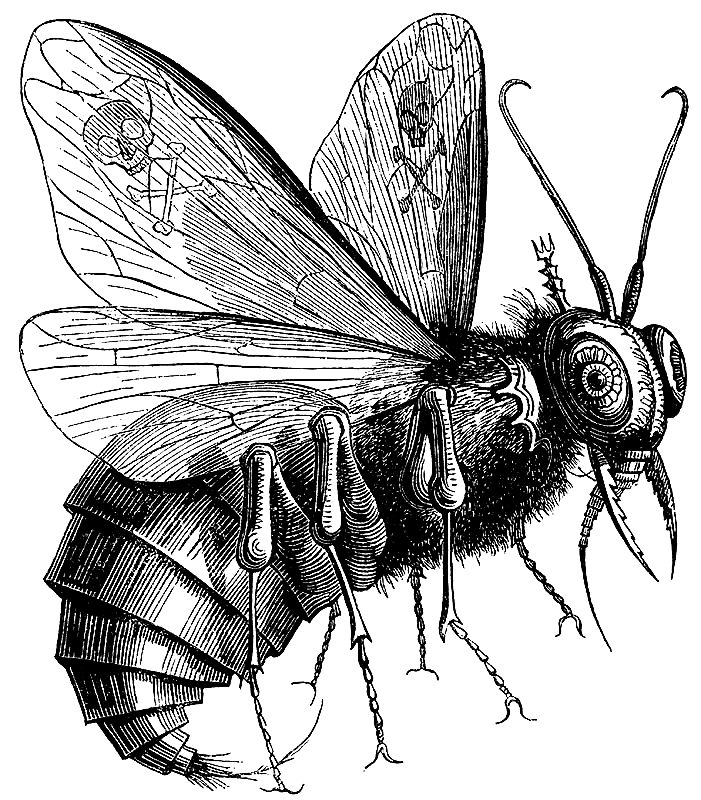
An attribute rather than a signature — held, worn or associated in the texts and the images.
Afterwards
What did it turn into?
Adopted as an emblem of Tunisian and Punic heritage in the modern period, and heavily implicated in the long argument about the tophet and child sacrifice, where the sign is the artefact most often used to illustrate a case the sign itself does not make.
Which texts describe it?
Oldest first, with what each one does with the mark. A mark described in a Bronze Age incantation and a mark first drawn in a seventeenth-century manuscript are different kinds of claim, whatever the shape has in common.
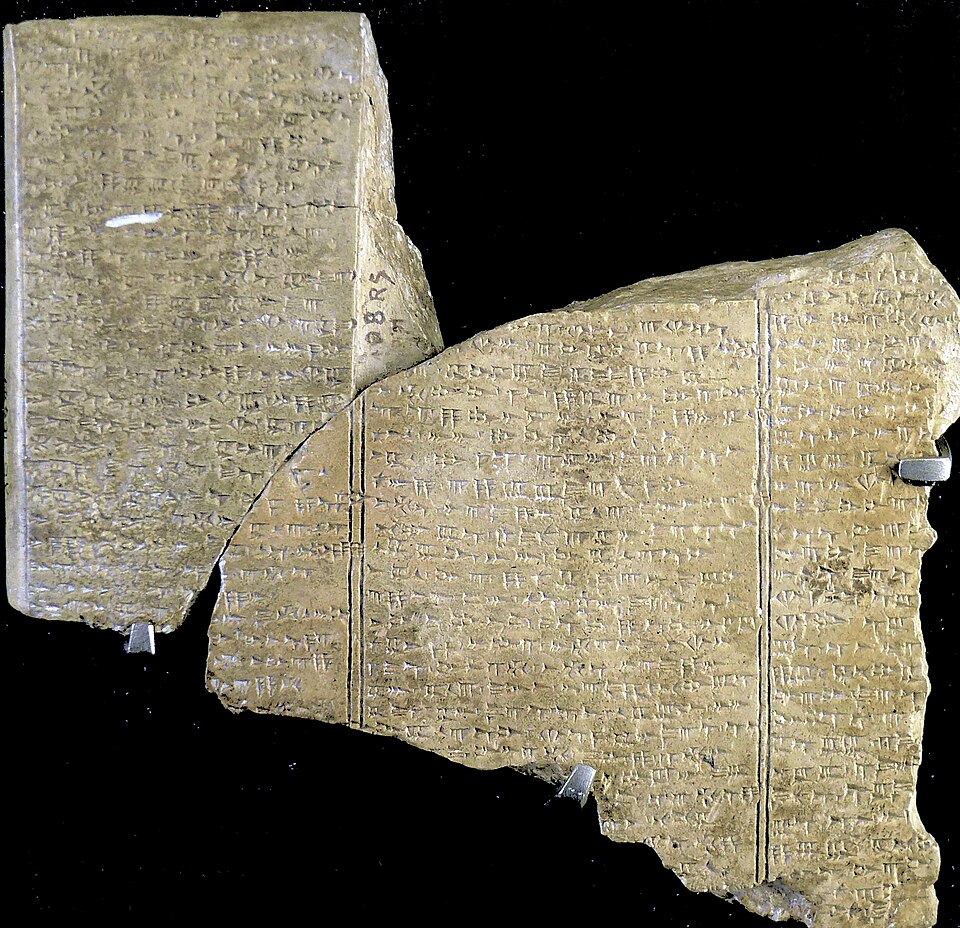
The Baal Cycle (Ugaritic Tablets)
Anonymous; recovered at Ras Shamra · c. 1400-1200 BCE · Ugaritic
The Canaanite pantheon Punic religion carries west, and the gods the sign attends.
Read The Baal Cycle (Ugaritic Tablets) in full ↗Cover: CC BY-SA 3.0 · Unknown artist · Wikimedia file page
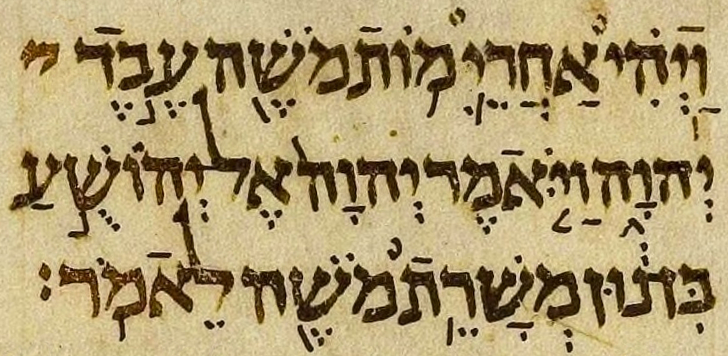
Hebrew Bible & Deuterocanon
Various · c. 900–100 BCE · Hebrew, Aramaic, Greek
The polemic against those same gods, and the route by which they enter demonology.
Read Hebrew Bible & Deuterocanon in full ↗Cover: Public domain · see en:Aleppo Codex; scanned by · Wikimedia file page
Nearby
Related marks
The Standing Stone
An upright unworked stone marking a place where something happened — the oldest kind of monument, and one the Bible both erects and forbids.
The Bull
The standard way of saying a god is strong — and, at Sinai and at Bethel, the standard way of getting it wrong.
The Asherah Pole
A wooden pole or stylised tree beside an altar, mentioned about forty times in the Hebrew Bible and almost always in the course of ordering its destruction.
The Ankh
The sign for 'life', held to the nose of a king by a god. Not an amulet first — a hieroglyph that got carried into three dimensions.
The Djed Pillar
A four-tiered column meaning stability, later read as the backbone of Osiris and raised upright at festival as a resurrection.
The Star of Ishtar
Eight points for the planet Venus, and the standard way of writing a goddess into a scene without drawing her.