Angelic · The Watchers · c. 200 BCE
Turel
Also called Tûrêl, Turael
No teaching, no punishment, no later appearance: of the Watchers named in 1 Enoch he is among the emptiest entries. He binds himself by the oath and leaves the narrative there — the fate of most of the twenty, and of none of the ones anybody remembers.
Narrow source base
Identity
Where does the name come from?
Where it was actually worshipped
None. The Watchers are names in a list in 1 Enoch, most of them appearing exactly once; nothing was ever built for any of them, and Mount Hermon is where they are said to have come down rather than anywhere they were served.
A figure with temples and a figure that only ever existed on a page are different kinds of thing, and the difference is easy to lose once both are entries in a list.
At a glance
Vitals
Vitals
Also known as
- First attested
- 1 Enoch (The Book of Enoch) · c. 300–100 BCE
- Named there as
- Tûrêl
- Rank
- Chief of Ten
- Order
- The Watchers
- Base of operations
- None. The Watchers are names in a list in 1 Enoch, most of them appearing exactly once; nothing was ever built for any of them, and Mount Hermon is where they are said to have come down rather than anywhere they were served.
- Era
- c. 200 BCE
- Traditions
- Jewish, Enochian
Traits
- Domain
- Command of ten of the two hundred
- Named at
- 1 Enoch 6:7
- What he taught
- Not specified in the surviving text
Stats
Known connections
Chain of command
1 attributed
What is it said to do?
Where these powers cluster
The 1 offices attributed to Turel, grouped by kind. Segment width is the share of powers falling in each category.
A bar dominated by one colour means a specialist; an even spread means a figure the sources credit with almost anything.
- martial1
1 texts
Which texts say so?
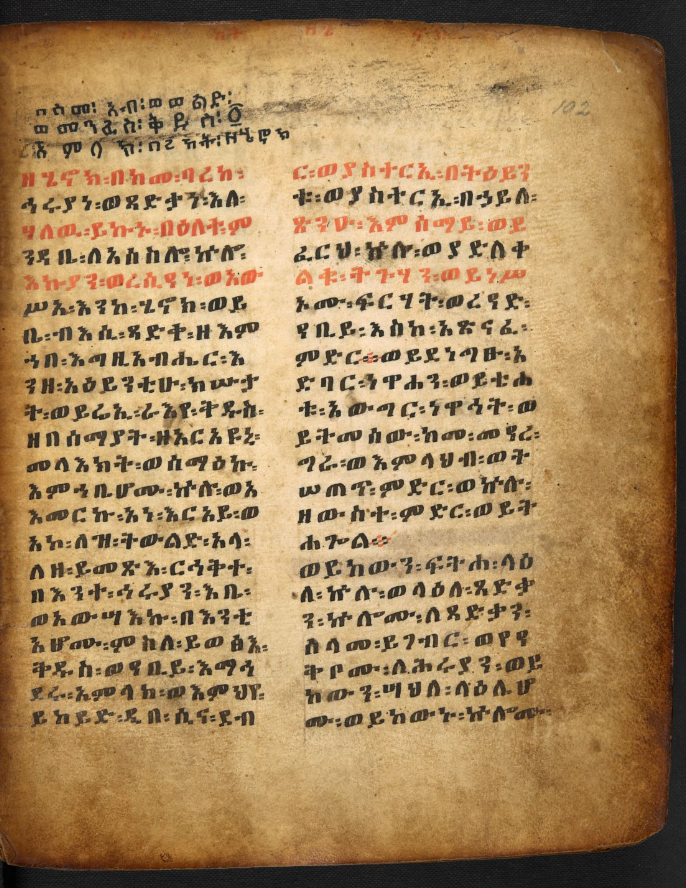
Named among the twenty leaders at 1 Enoch 6:7. The text gives him no teaching; later lists that supply one are inventing it.
“And behold the names of those angels [and these are their names: the first of them is Samjâzâ, the second Artâqîfâ, and the third Armên, the fourth Kôkabêl, the fifth †Tûrâêl†, the sixth Rûmjâl, the seventh Dânjâl, the eighth †Nêqâêl†, the ninth Barâqêl, the tenth Azâzêl, the eleventh Armârôs, the twelfth Batarjâl, the thirteenth †Busasêjal†, the fourteenth Hanânêl, the fifteenth †Tûrêl†, and the sixteenth Simâpêsîêl, the seventeenth Jetrêl, the eighteenth Tumâêl, the nineteenth Tûrêl, the twentieth †Rûmâêl†, the twenty-first †Azâzêl†.”
Connections
What is it connected to?
Answered from the sources
Common questions
Which texts mention Turel?
What rank is Turel?
How else is Turel spelled?
What is Turel said to do?
How old is Turel?
Nearest in the corpus
If Turel is what you came for, these are next
Chosen by proximity rather than by popularity: the same pantheon first, then the same rank, then the same kind of figure.
Ananel
Chief of Ten · The Watchers
Of the thirteen chiefs of tens, his is the only name that reaches English in a single form — the rest arrive with two spellings or three. What does not arrive at all is any account of what he did after the descent.
Arakiba
Chief of Ten · The Watchers
Stands second among the leaders, immediately after Semjaza, and the text never returns to him. His name travels worse than any other Watcher's: Arâkîba where Charles translates the Ethiopic, Urakabarameel in the witnesses behind the Greek — barely recognisable as the same word.
Armaros
Chief of Ten · The Watchers
Taught how to break enchantments — the counter-spell to Semjaza's spell, and the only Watcher whose art is purely defensive.
Batarel
Chief of Ten · The Watchers
Batârêl in Charles, Batraal in the lists that reached English through Greek. Under either spelling he swears the oath on Hermon and does nothing further that the text records.
Danel
Chief of Ten · The Watchers
Three unrelated figures carry this name — a Ugaritic king, the biblical prophet, and this Watcher — and only the coincidence connects them. 1 Enoch records his oath and nothing he taught.
Ezeqeel
Chief of Ten · The Watchers
Meteorology is on the charge sheet. He taught men to read the clouds, and 1 Enoch files that beside metalwork and astrology as one of the crimes that brought the flood.
The book behind Turel
Every claim on this profile is attributed to one of these. It is public domain, listed oldest first, and each links to a full text where one is freely available.
1 Enoch (The Book of Enoch)
Anonymous; tr. R. H. Charles · c. 300–100 BCE · Ge'ez (from Aramaic)
Read 1 Enoch (The Book of Enoch) in full ↗Cover: Public domain · Wikimedia file page
Corpus last revised 29 August 2026. A reference site’s credibility rests on being maintained, so this is the date the sourced records last changed — not the date the page was rebuilt.