material · 8 entities
Builds & Destroys
Raises towers and cities, or throws them down.
Held by
- Infernal5
- Disputed3
Attributed across 3 cultures
Which spirits are credited with it?
Each card names the texts that make the attribution. Where several texts credit the same figure with the same office, that is worth more than any one of them saying so alone.
Gilgamesh
Mesopotamian
The walls of Uruk are what he offers at the end in place of immortality.
Gonggong
Chinese
Halphas
Malphas
Raum
Sabnock
The Ifrit
Vine
The texts that attribute this power
Oldest first. An office claimed by one late grimoire and an office claimed across two thousand years are different kinds of claim.
The Epic of Gilgamesh
Standard Babylonian version, attributed to Sin-leqi-unninni · c. 1200 BCE, from older Sumerian material · Akkadian
Read The Epic of Gilgamesh in full ↗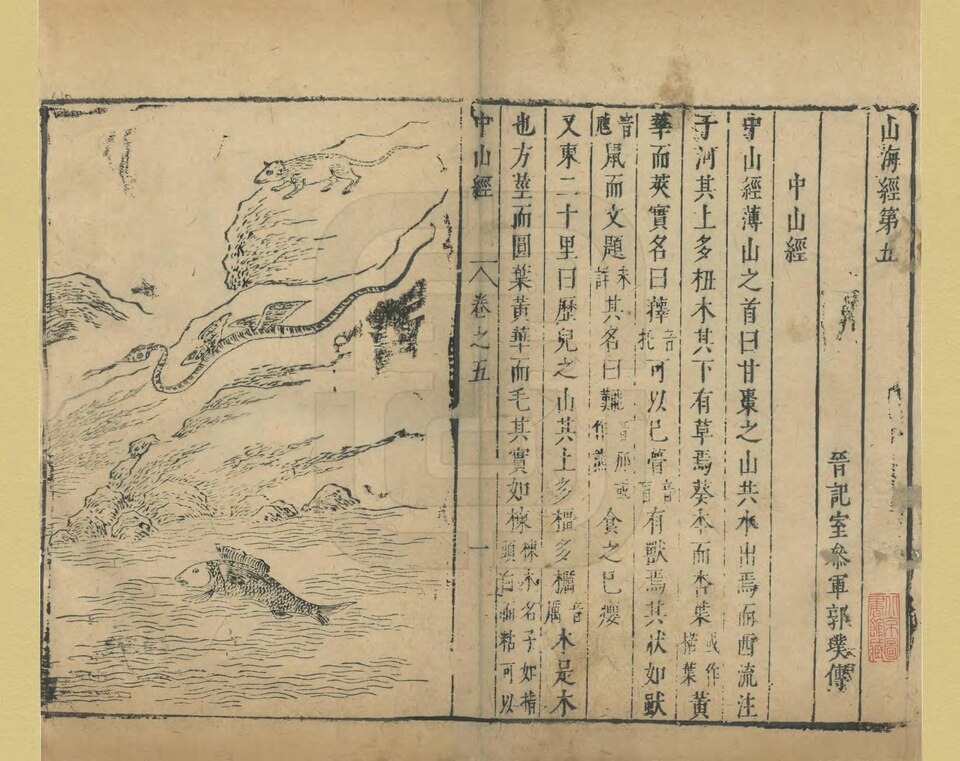
Shanhaijing (Classic of Mountains and Seas)
Anonymous · 4th c. BCE - 2nd c. CE · Classical Chinese
Read Shanhaijing (Classic of Mountains and Seas) in full ↗Cover: Public domain · National Library of China · Wikimedia file page
Qur'an & Hadith
Various · 7th c. CE onward · Arabic
Read Qur'an & Hadith in full ↗Cover: Public domain · AnonymousUnknown author · Wikimedia file page
The Lesser Key of Solomon, Book I: Ars Goetia
Anonymous; ed. S. L. MacGregor Mathers & A. E. Waite · 17th c.; ed. 1904 · English (from Latin)
Read The Lesser Key of Solomon, Book I: Ars Goetia in full ↗Cover: Public domain · anonymous design, redrawn by User:Fuzzypeg · Wikimedia file page