Mesopotamian · Akkadian · c. 1200 BCE, from older Sumerian material
The Epic of Gilgamesh
Standard Babylonian version, attributed to Sin-leqi-unninni
The longest and best preserved narrative from the ancient Near East, and the one that keeps turning up inside other traditions. Its flood account is close enough to the Genesis one that the relationship has been argued over since the tablets were read in 1872.
Read The Epic of Gilgamesh in full at the linked edition →What this text attests · 5
| Name here | Rank given | # | Powers described |
|---|---|---|---|
| Formed of clay by Aruru | — | Created as a counterweight to Gilgamesh and becomes his companion instead; kills Humbaba and the Bull of Heaven with him, and is condemned to die for it by the gods in council. | |
| King of Uruk, two-thirds god | — | Refuses Ishtar and is answered with the Bull of Heaven; loses Enkidu, crosses the waters of death to reach Utnapishtim, and is told that the life he seeks he will not find. | |
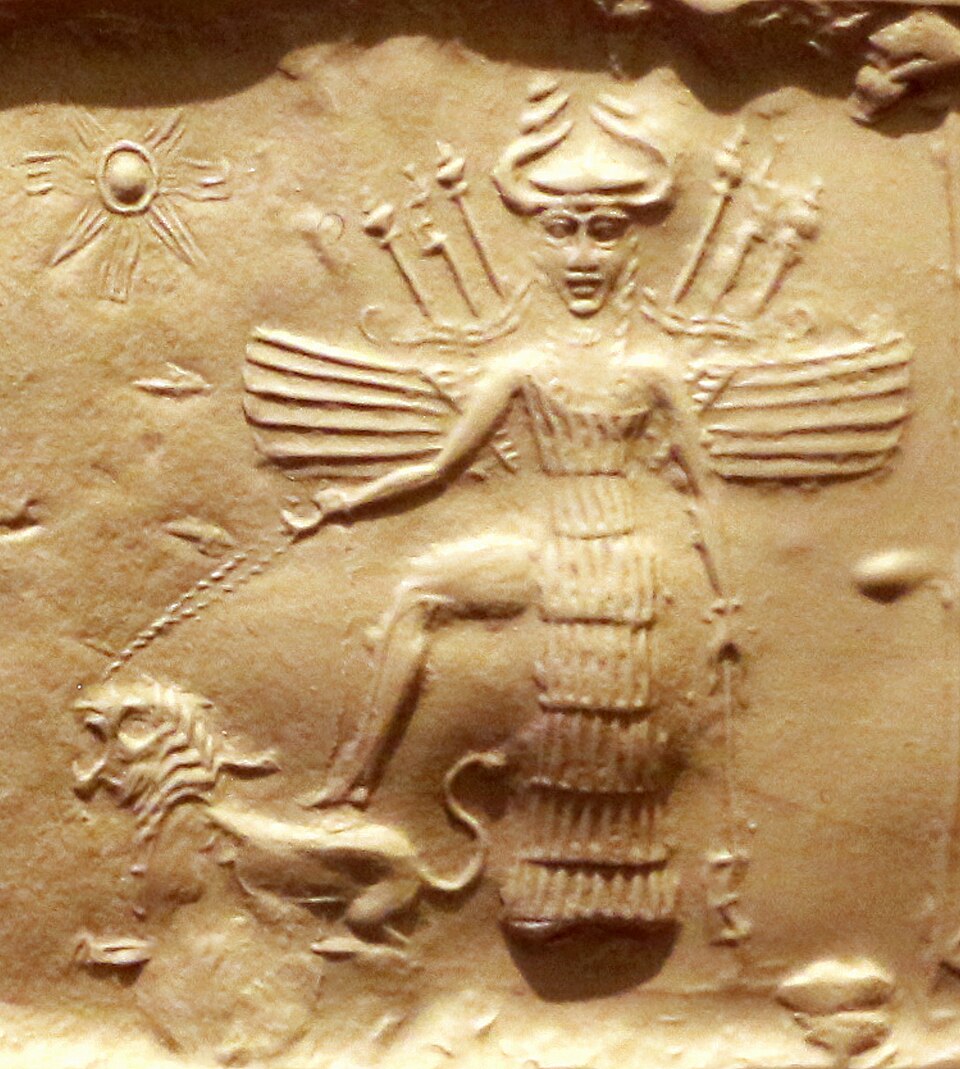
| — | — | Propositions Gilgamesh, is refused at length and with a list of what became of her previous lovers, and answers by demanding the Bull of Heaven from her father with a threat to break the doors of the netherworld and raise the dead. The threat is the same jurisdiction her descent runs into. | |
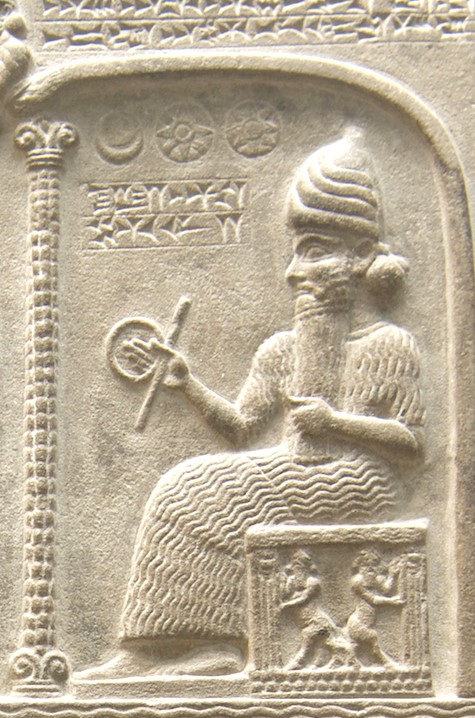
| — | — | The god who backs the expedition against Humbaba, sends the thirteen winds to pin the guardian down, and afterwards has to answer Enlil for it. A sun god who takes a side in a quarrel and is called to account for the judgment is a long way from the impartial witness of the law code, and the corpus now carries both. | |
etemmu = The Etemmu | — | — | The ghost as the epic has it: Enkidu's shade comes up and is questioned about the condition of the dead, and answers that the man with no one to care for him eats what is thrown away in the street. The class the incantation series treats as a hazard is here a person with a report to give. |