Mortal · Mesopotamian · c. 2100 BCE
Enkidu
Formed from clay to be Gilgamesh's match and made human by a week with a woman, he is the corpus's clearest statement that civilisation is a loss as well as a gain.
Narrow source base
Enkidu is made rather than born. The gods hear Uruk complaining about its king and Aruru pinches off clay to produce an equal for him — a man who lives with the gazelles, eats grass and fills in the hunters' pits. He is undone by being civilised: after Shamhat, the animals will not have him, and he finds he can no longer run as he did.
His death is the hinge of the epic and the thing that sends Gilgamesh looking for a way out of it. He is filed as mortal because nothing about him is a union of divine and human — he is shaped from earth, which is a different kind of origin and one the corpus should not blur into the other.
At a glance
Vitals
Vitals
- Rank
- The Wild Man
- Pantheon
- Mesopotamian
- Era
- c. 2100 BCE
- Traditions
- Mesopotamian
Stats
Known connections
Chain of command
2 attributed
What is it said to do?
Where these powers cluster
The 2 offices attributed to Enkidu, grouped by kind. Segment width is the share of powers falling in each category.
A bar dominated by one colour means a specialist; an even spread means a figure the sources credit with almost anything.
- martial1
- material1
martial
material
- Governs NatureThe Epic of Gilgamesh
He protects the animals from hunters before he is made human.
1 texts
Which texts say so?
Created as a counterweight to Gilgamesh and becomes his companion instead; kills Humbaba and the Bull of Heaven with him, and is condemned to die for it by the gods in council.
Connections
What is it connected to?
Answered from the sources
Common questions
Which texts mention Enkidu?
What rank is Enkidu?
What is Enkidu said to do?
How old is Enkidu?
Nearest in the corpus
If Enkidu is what you came for, these are next
Chosen by proximity rather than by popularity: the same pantheon first, then the same rank, then the same kind of figure.
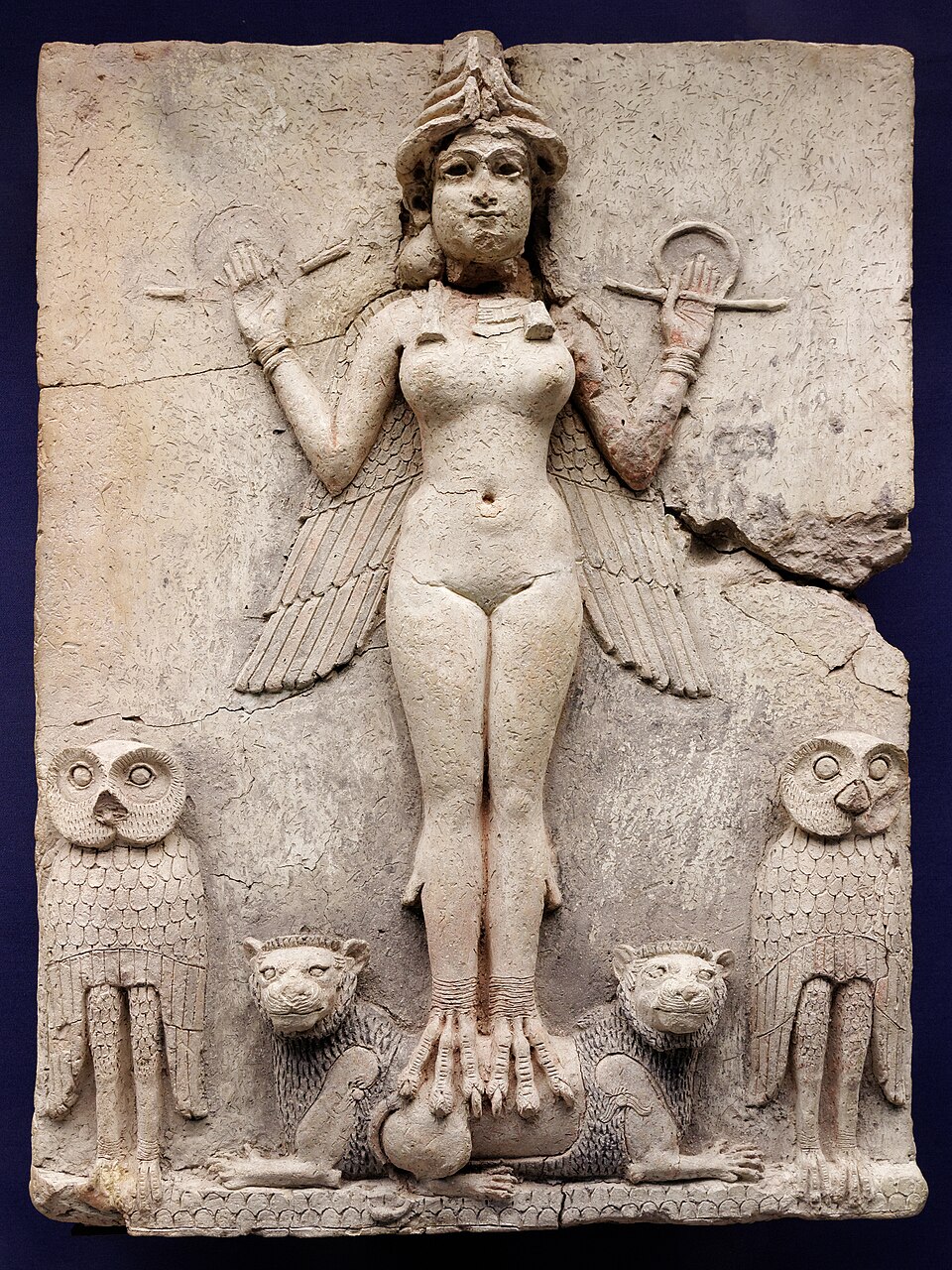
Ereshkigal
Queen of the Great Below · Mesopotamian
Sovereign of the underworld who strips Ishtar of a garment at each of the seven gates and hangs her on a hook.
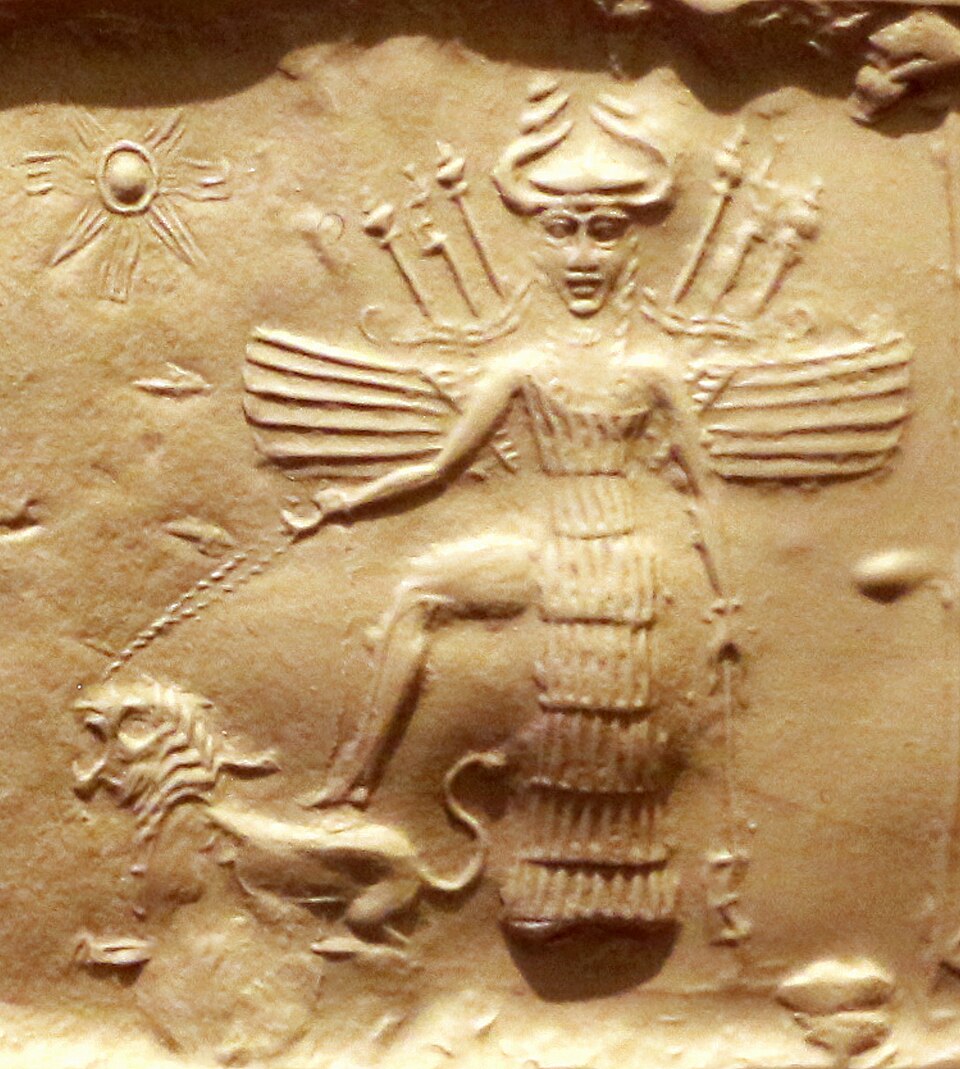
Ishtar
Queen of Heaven · Mesopotamian
Goddess of love, war and the planet Venus, whose descent into the underworld is among the oldest recorded narratives.
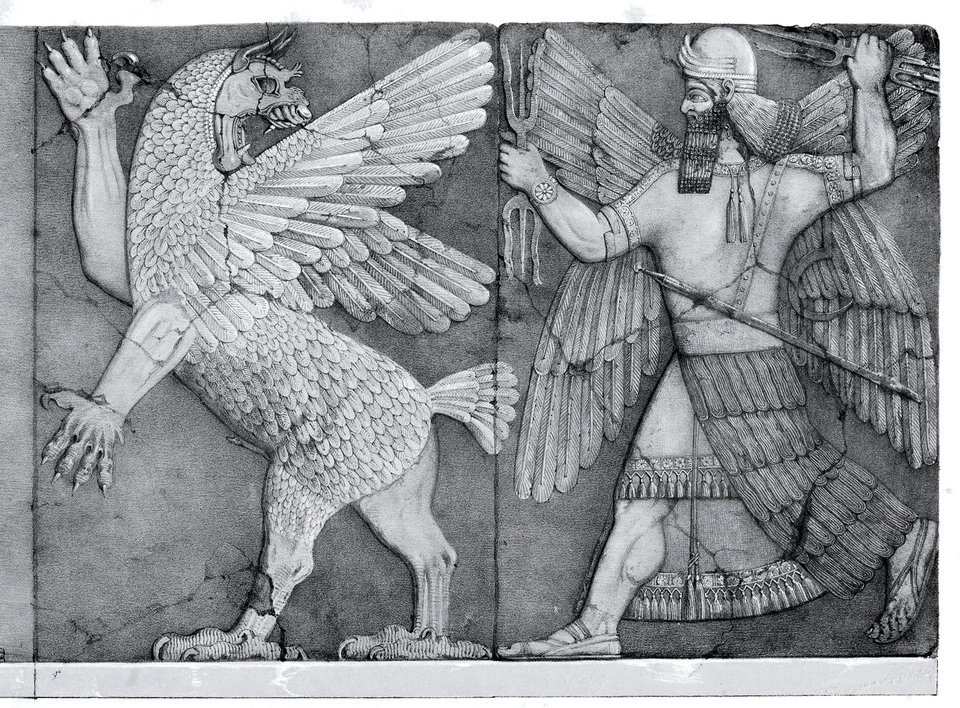
Marduk
King of the Gods · Mesopotamian
Splits Tiamat and builds the world from her body, and is voted fifty names and supreme authority for doing it.
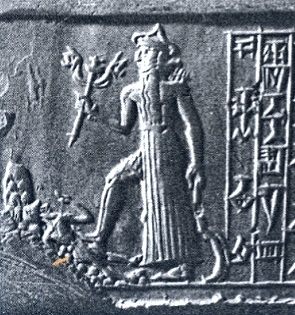
Nergal
God of the Underworld · Mesopotamian
God of plague, war and the underworld, consort of Ereshkigal — and one of the few Mesopotamian gods the Bible names directly.
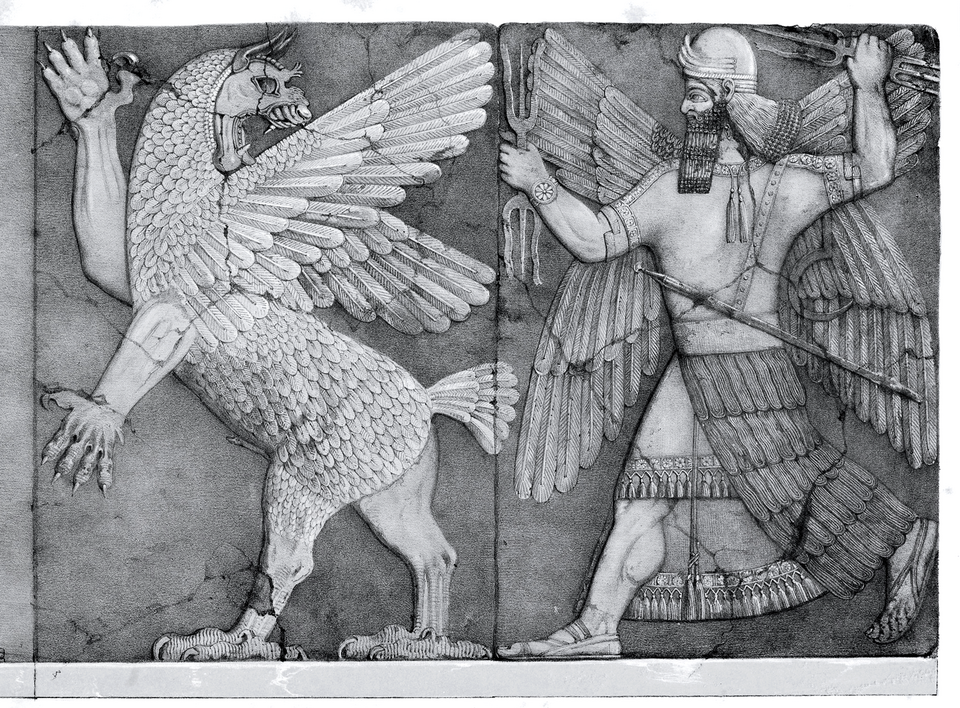
Anzu
Storm Bird · Mesopotamian
The lion-headed eagle who steals the Tablet of Destinies and is shot down for it — a rebellion against divine order predating any biblical account by a millennium.
Enki
Lord of the Sweet Waters · Mesopotamian
God of the abzu and of cunning, who repeatedly saves humanity by finding the loophole in another god's decree.
The book behind Enkidu
Every claim on this profile is attributed to one of these. It is public domain, listed oldest first, and each links to a full text where one is freely available.
The Epic of Gilgamesh
Standard Babylonian version, attributed to Sin-leqi-unninni · c. 1200 BCE, from older Sumerian material · Akkadian
Read The Epic of Gilgamesh in full ↗
Corpus last revised 29 August 2026. A reference site’s credibility rests on being maintained, so this is the date the sourced records last changed — not the date the page was rebuilt.