Deity · Egyptian · c. 2000 BCE
Mut
Also called Maut, Mout (per Wikidata)
Consort of Amun and mother of Khonsu, completing the triad that ruled Thebes at the height of Egyptian power.
Narrow source base
Amun's consort at Thebes and the state goddess of an empire, with a walled precinct of her own south of his and hundreds of Sekhmet statues set up inside it. She is also the corpus's clearest evidence that the Book of the Dead is not Egyptian religion: Budge, whose translation is cited across these pages, states plainly that Amun, Mut and Khonsu have nothing whatever to do with that book. The funerary literature and the New Kingdom state cult were different institutions with different personnel, and a compendium built out of the first would not know that one of the most powerful goddesses in Egypt existed.
Identity
Where does the name come from?
Where it was actually worshipped
Karnak, in her own walled precinct south of Amun's, with its crescent sacred lake.
A figure with temples and a figure that only ever existed on a page are different kinds of thing, and the difference is easy to lose once both are entries in a list.
At a glance
Vitals
Vitals
Also known as
- Rank
- Mother of Thebes
- Pantheon
- Egyptian
- Order
- Egyptian pantheon
- Base of operations
- Karnak, in her own walled precinct south of Amun's, with its crescent sacred lake.
- Era
- c. 2000 BCE
- Traditions
- Egyptian
- Placed in
- The Great Gods of Egypt
Traits
- Domain
- Motherhood, queenship, the Theban triad
- Traditional form
- A woman in the double crown with a vulture headdress
Stats
1 site
Where was it worshipped?
Attested cult sites, located against the Pleiades gazetteer of the ancient world where it reaches and against Wikidata everywhere else. An absence here is not evidence that no cult existed: a good number of figures never had one, and the entry above says so where that is the case.
The Theban complex: Amun's precinct, Mut's walled enclosure to the south, and Khonsu's temple within.
Her own walled precinct south of Amun's.
25.718, 32.658 · Pleiades 786050
3 attributed
What is it said to do?
Where these powers cluster
The 3 offices attributed to Mut, grouped by kind. Segment width is the share of powers falling in each category.
A bar dominated by one colour means a specialist; an even spread means a figure the sources credit with almost anything.
- social2
- martial1
1 texts
Which texts say so?
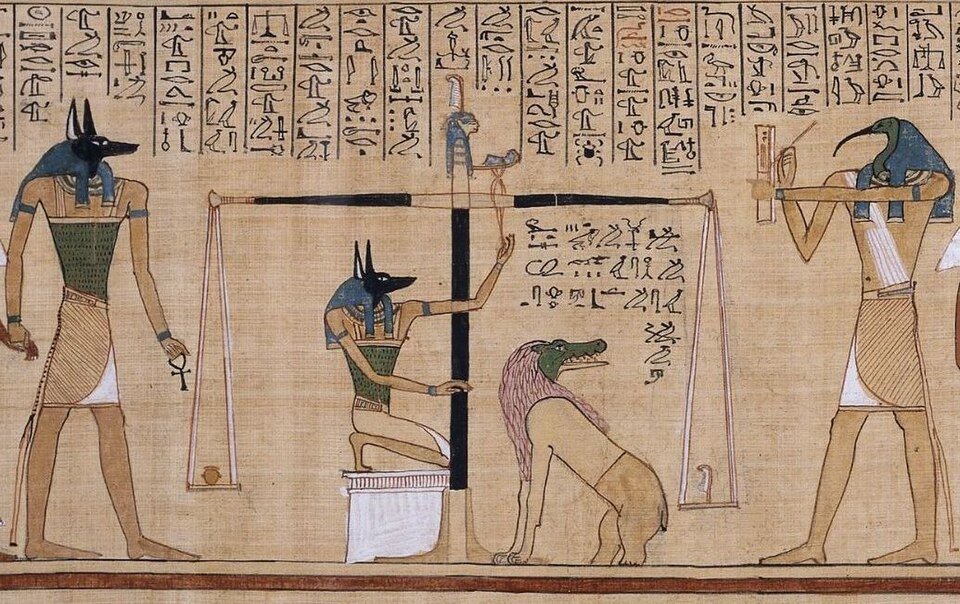
Recorded as an absence, on the authority of the corpus's own cited edition: Budge states that Amun, Mut and Khonsu have nothing whatever to do with the Book of the Dead. The Theban triad is a state cult of the New Kingdom and the funerary literature is a different institution — so the most famous Egyptian text says nothing about one of Egypt's most powerful goddesses, and that is worth a row rather than a silence.
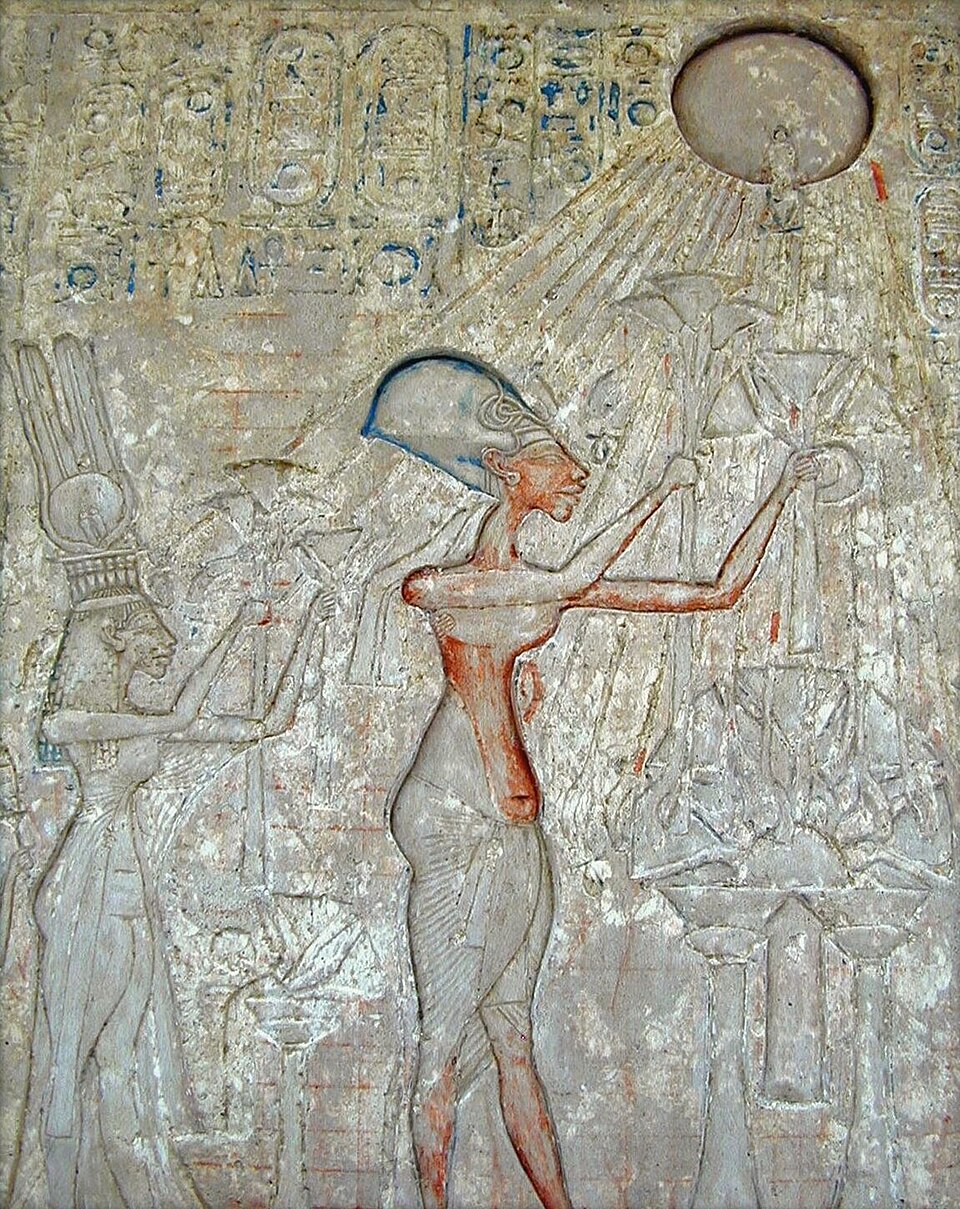
With Amen and Khonsu she forms the Theban triad, attested in temple inscriptions rather than in the funerary literature. Her name is written with the vulture sign that also writes 'mother'.
Connections
What is it connected to?
No relationship to another figure in this corpus is recorded in the texts cited above. Where an edge exists here it is because a source states it, so an empty section means the sources are silent rather than that the connection is unknown.
Placement
Where does it sit in the hierarchies?
Answered from the sources
Common questions
Which texts mention Mut?
What rank is Mut?
How else is Mut spelled?
What is Mut said to do?
How old is Mut?
Nearest in the corpus
If Mut is what you came for, these are next
Chosen by proximity rather than by popularity: the same pantheon first, then the same rank, then the same kind of figure.
Khepri
The Morning Sun · Egyptian
The sun at dawn, in the form of a scarab beetle rolling it up over the horizon — one of the three daily aspects of the sun, and a pun on the word for coming into being.
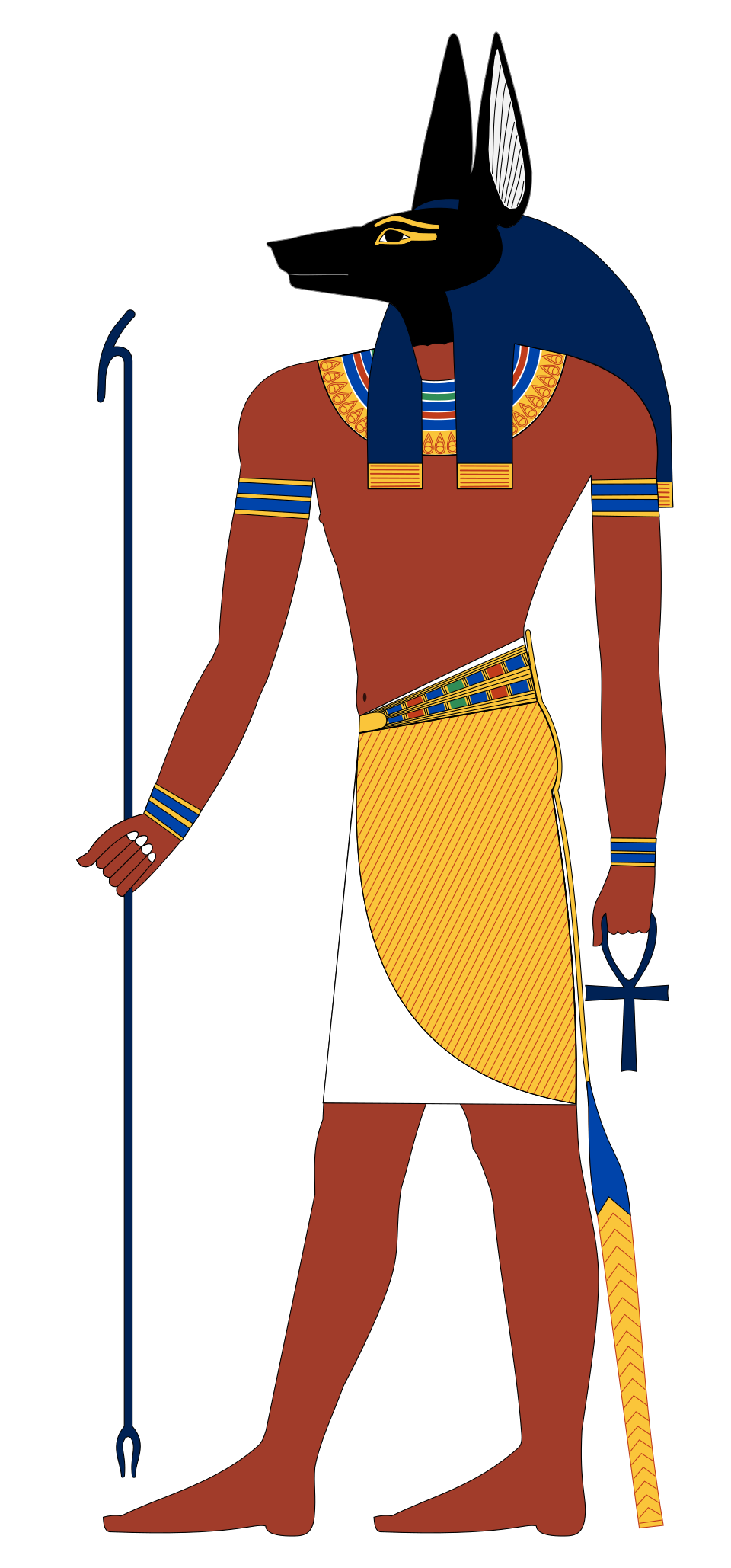
Anubis
Guide of the Dead · Egyptian
Embalmer and psychopomp, who leads the dead to the scales — the office Western tradition eventually gives to Michael and to Azrael.
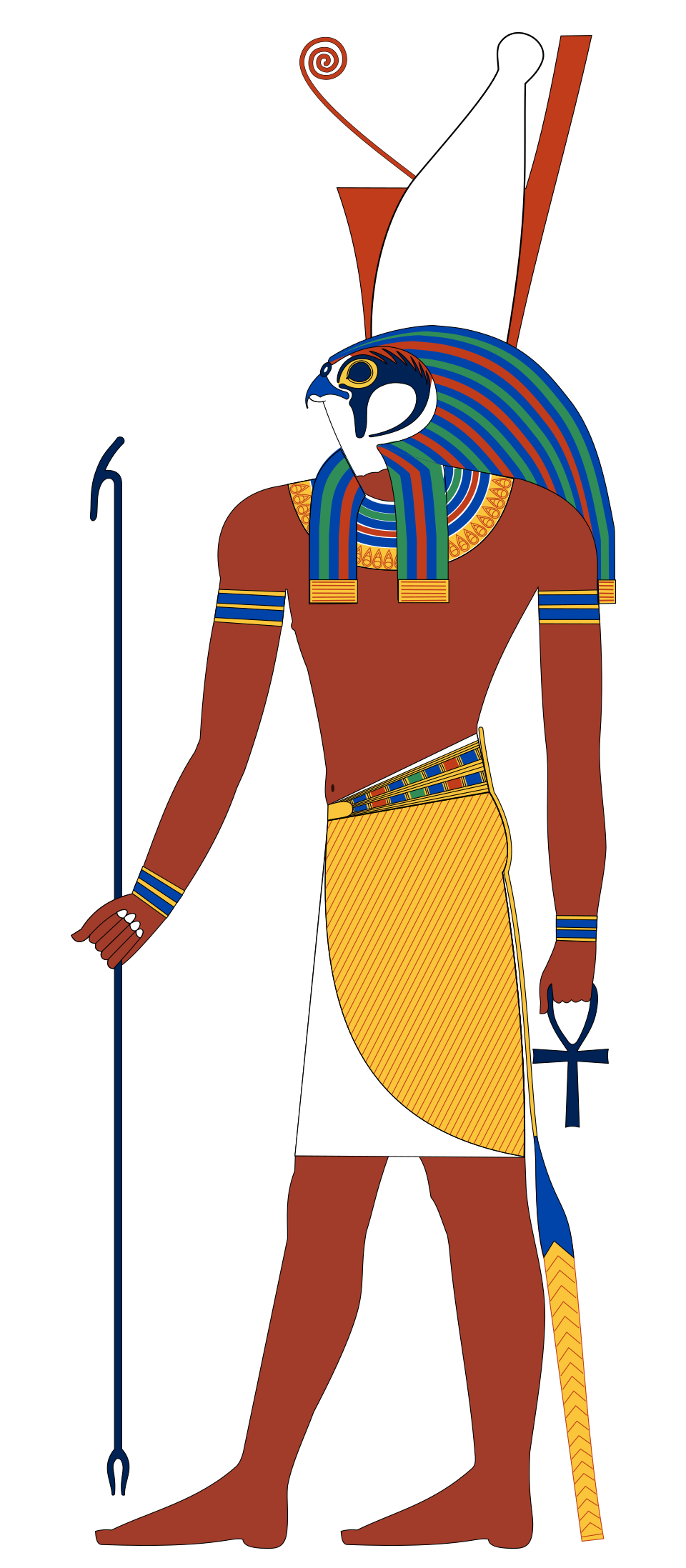
Horus
Falcon King · Egyptian
Son of Osiris, who contends eighty years with Set for the throne. Every living pharaoh was understood to be his incarnation.
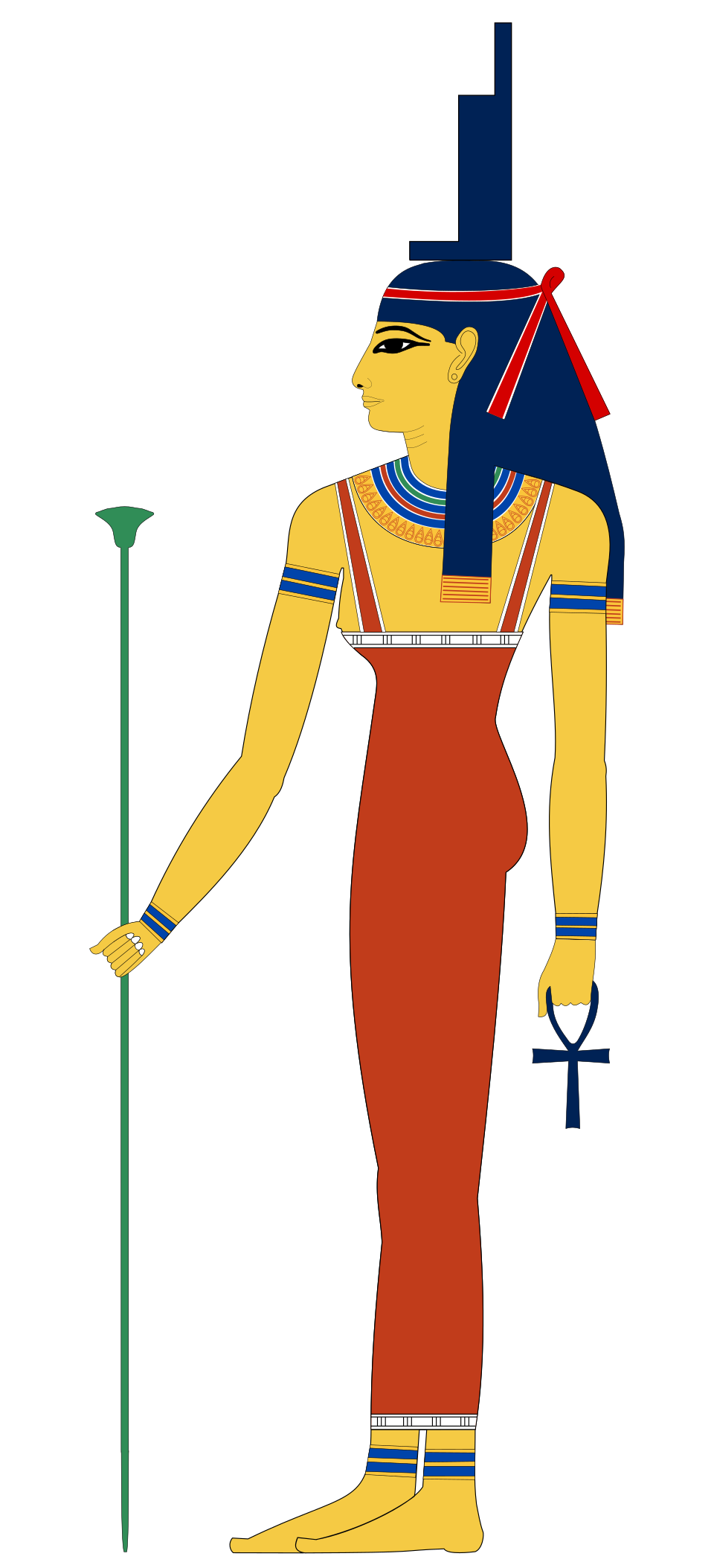
Isis
Great of Magic · Egyptian
The great magician who reassembles Osiris and tricks Ra into surrendering his secret name. Her cult eventually reached as far as Roman Britain.
Nephthys
Lady of the House · Egyptian
Set's wife who sides with her sister Isis against him, and mourns Osiris at the head of the bier.
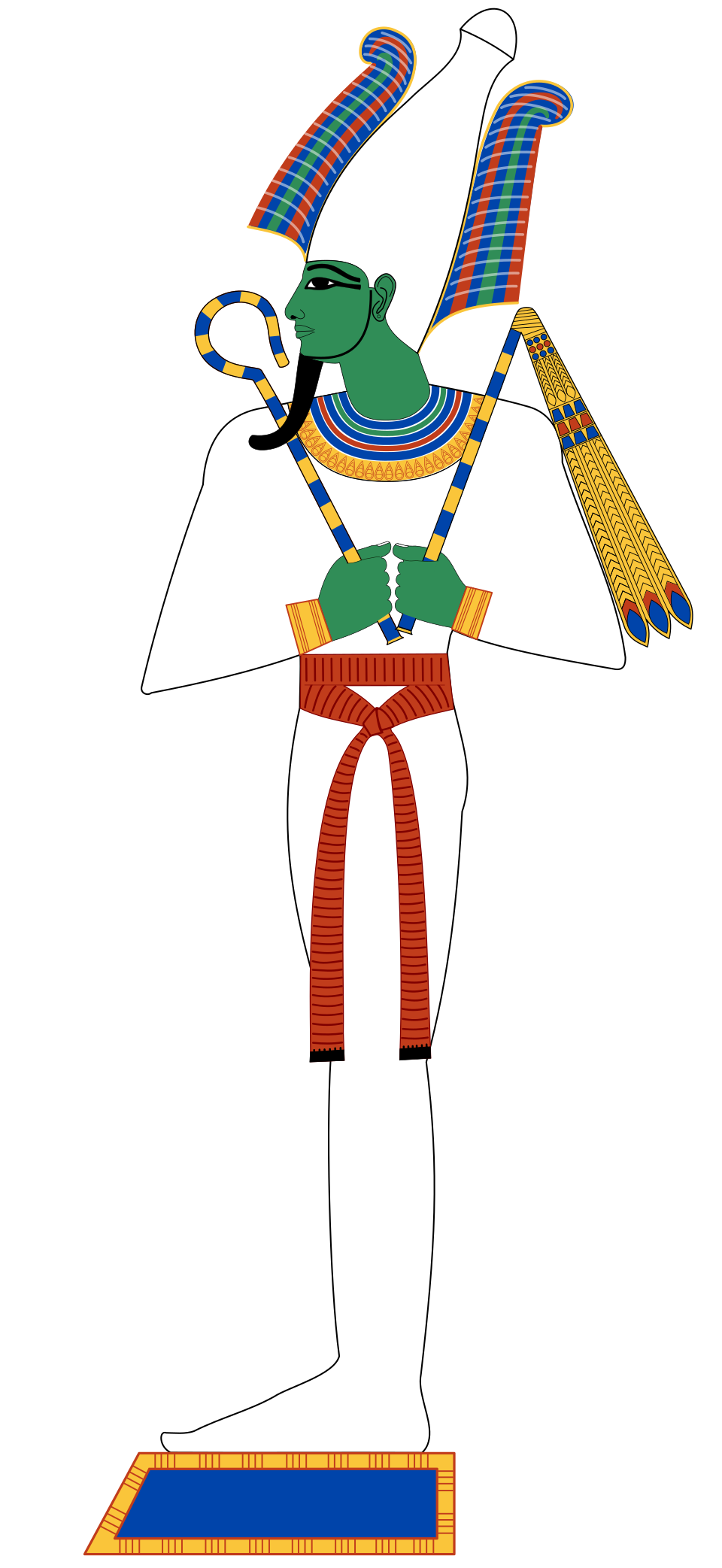
Osiris
Lord of the Dead · Egyptian
Murdered by Set, reassembled by Isis, and installed as judge of the dead. He is the earliest fully developed dying-and-rising sovereign we have.
The books behind Mut
Every claim on this profile is attributed to one of these. They are public domain, listed oldest first, and each links to a full text where one is freely available.
The Egyptian Book of the Dead
Anonymous; tr. E. A. Wallis Budge · c. 1550 BCE onward · Egyptian
Read The Egyptian Book of the Dead in full ↗Cover: Public domain · Hunefer · Wikimedia file page
Egyptian Hymns, Stelae & Temple Inscriptions
Various; tr. E. A. Wallis Budge and others · c. 2000 BCE - 300 BCE · Egyptian
Read Egyptian Hymns, Stelae & Temple Inscriptions in full ↗Cover: Public domain · Jean-Pierre Dalbéra from Paris, France · Wikimedia file page
Corpus last revised 29 August 2026. A reference site’s credibility rests on being maintained, so this is the date the sourced records last changed — not the date the page was rebuilt.