protective · from c. 100 CE
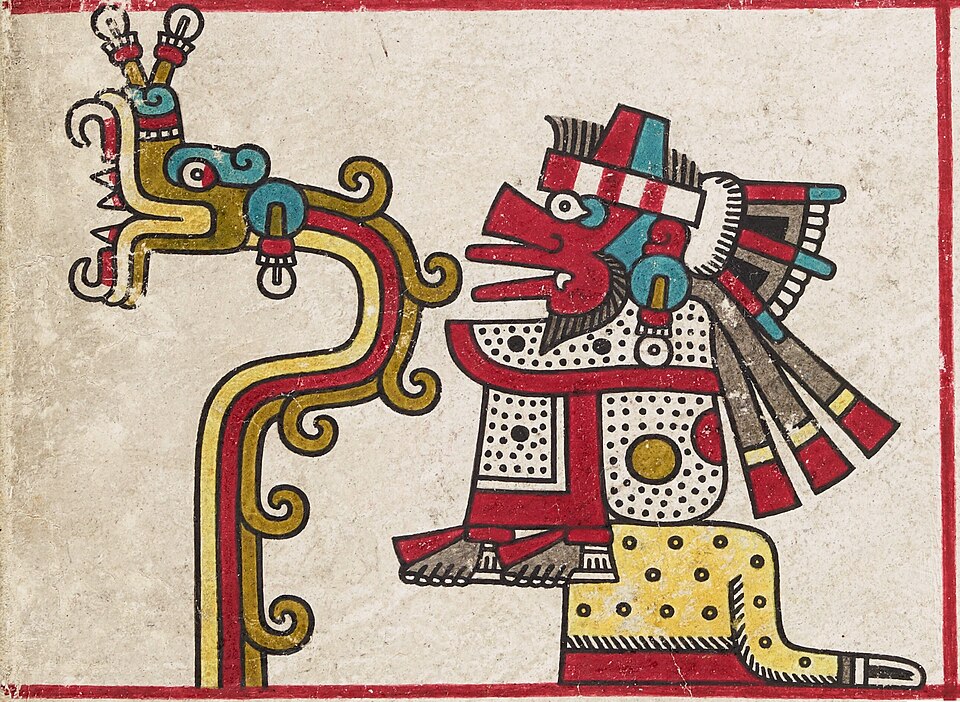
The Feathered Serpent
A snake with quetzal plumage, carved at Teotihuacan a thousand years before the Aztecs — a symbol that outlasted several of the states that used it.
What the sources claim for it
Sky joined to earth in one animal — and, for the states that used it, continuity with whoever built the ruins.
History
Where does the Feathered Serpent come from?
The feathered serpent appears monumentally at Teotihuacan in the second century, then in Maya form as Kukulkan at Chichén Itzá, then in Aztec Tenochtitlan as Quetzalcoatl. Three cultures, three languages, one composite creature — and each polity claims it in its own terms.
The composite reads as a joined pair of opposites: a ground-dwelling serpent wearing the feathers of a bird that lives in the canopy. Whether the deity behind it is continuous across all three periods, or whether later states adopted an old and prestigious image for a god of their own, is exactly the kind of question this corpus keeps flagging rather than resolving.
1 figure
Who is it attached to?
Figures who carry it
An attribute rather than a signature — held, worn or associated in the texts and the images.
Afterwards
What did it turn into?
The colonial-era claim that Moctezuma took Cortés for the returning Quetzalcoatl appears in Spanish and mission-influenced sources after the conquest, and is now widely doubted as a post-hoc justification.
Which texts describe it?
Oldest first, with what each one does with the mark. A mark described in a Bronze Age incantation and a mark first drawn in a seventeenth-century manuscript are different kinds of claim, whatever the shape has in common.
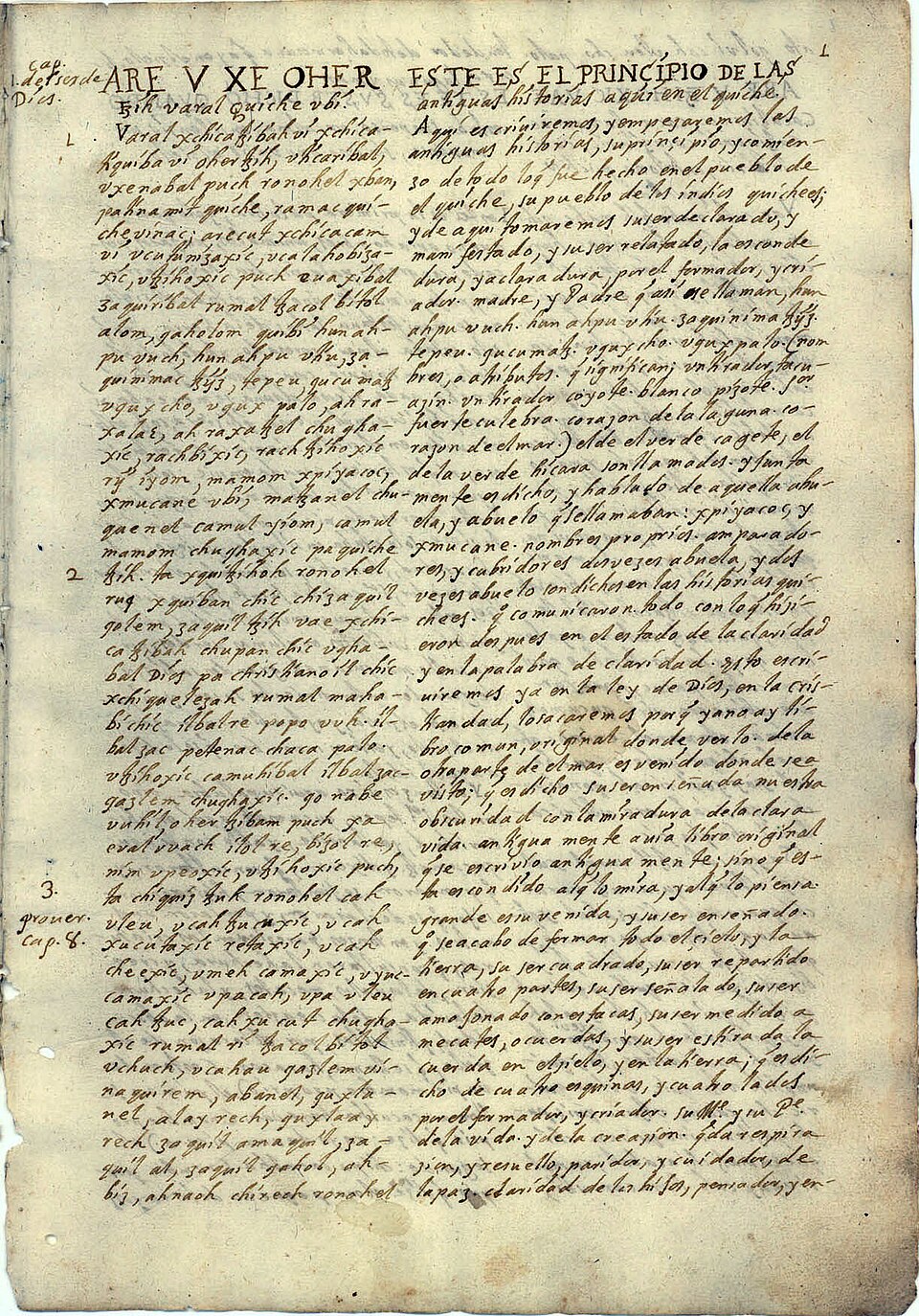
Popol Vuh
Anonymous K'iche' Maya · 16th c., from older material · K'iche'
The Maya K'iche' account, with the plumed serpent among the makers at the creation.
Read Popol Vuh in full ↗Cover: Public domain · Francisco Ximénez · Wikimedia file page
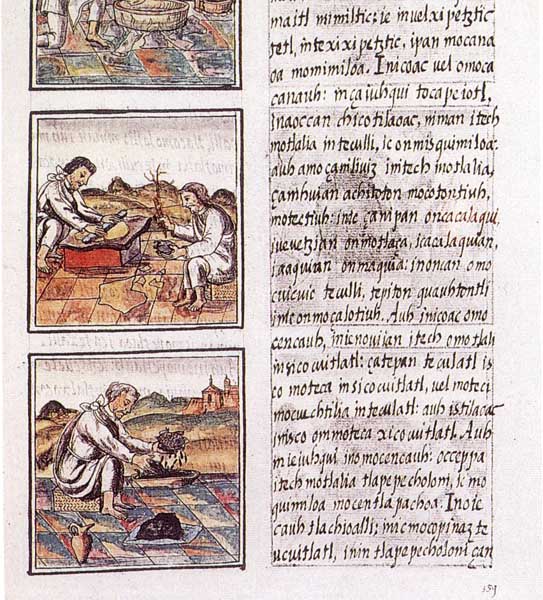
Florentine Codex
Bernardino de Sahagún with Nahua informants · 1545-1590 · Nahuatl and Spanish
Sahagún's Nahua informants on Quetzalcoatl, gathered a generation after the conquest.
Read Florentine Codex in full ↗Cover: Public domain · Bernardino de Sahagún · Wikimedia file page
Nearby
Related marks
The Smoking Mirror
A polished obsidian disc that shows smoke as well as a face — a god's name, his missing foot, and a working divination instrument at once.
The Ankh
The sign for 'life', held to the nose of a king by a god. Not an amulet first — a hieroglyph that got carried into three dimensions.
The Djed Pillar
A four-tiered column meaning stability, later read as the backbone of Osiris and raised upright at festival as a resurrection.
The Star of Ishtar
Eight points for the planet Venus, and the standard way of writing a goddess into a scene without drawing her.
The Uraeus
A cobra rearing at the front of a crown, understood as the eye of the sun placed where it can spit at whatever approaches the wearer's face.
The Wedjat Eye
The eye Set tore out and Thoth made whole. Wedjat means 'the sound one' — the amulet is named for the repair, not the injury.