body · 2 claims
The Bent Body
A woman bent double for eighteen years, described by a physician-evangelist as having a spirit and by Jesus as bound by Satan.
Luke 13 describes a woman who 'had a spirit of infirmity eighteen years, and was bowed together, and could in no wise lift up herself'. Jesus heals her on a sabbath and, answering the objection to the day, describes her as one 'whom Satan hath bound, lo, these eighteen years'.
It is the strongest single warrant in scripture for the modern deliverance treatment of chronic illness as potentially spiritual, and it is recorded by the evangelist Paul calls the beloved physician. The counter-argument, made inside the tradition as much as outside it, is that the gospels elsewhere separate healing from exorcism and refuse the inference from affliction to fault.
Oldest first
Who was blamed, and by which text?
Each card is one text making one attribution, in its own framing. Reading down the column is a transmission history rather than a set of independent witnesses — and where a claim carries a grading, that grading is about how well it is grounded in the passage it cites, nothing more.
Holds a woman bent double for eighteen years, unable to straighten herself. Jesus looses her and calls her a daughter of Abraham whom Satan had bound.
What stops it
Jesus lays hands on her and she is made straight immediately.
Taken as the model case for treating a long-standing physical condition as an affliction to be commanded rather than only treated.
Grading · Strong as a phrase. Luke uses it as a description, and how far it generalises to other illness is the live disagreement.
Countermeasures
What the texts say stops it
c. 50–110 CE
Jesus lays hands on her and she is made straight immediately.
Which texts make these claims?
Oldest first. The distance between the earliest and the latest is the thing worth looking at: a claim made in an incantation four thousand years ago and one made in a paperback in 1973 are different kinds of evidence about the same symptom.
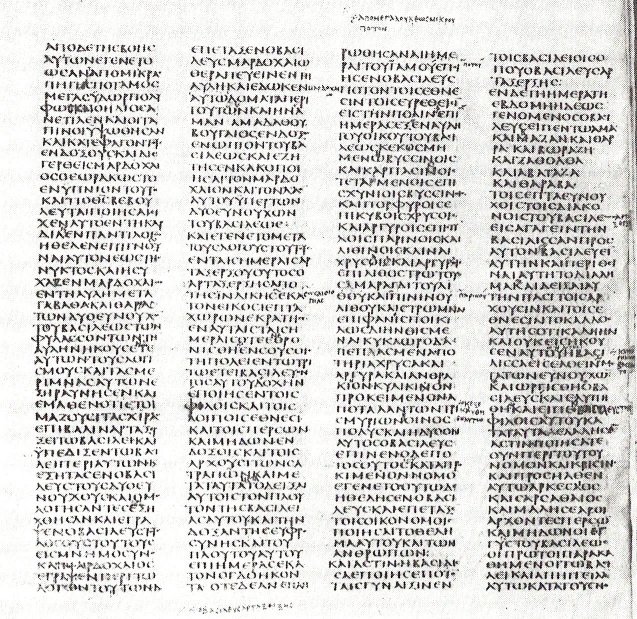
New Testament
Various · c. 50–110 CE · Koine Greek
Holds a woman bent double for eighteen years, unable to straighten herself. Jesus looses her and calls her a daughter of Abraham whom Satan had bound.
Read New Testament in full ↗Cover: Public domain · Wikimedia file page
They Shall Expel Demons
Derek Prince · 1998 · English
Taken as the model case for treating a long-standing physical condition as an affliction to be commanded rather than only treated.
Read They Shall Expel Demons in full ↗