speech · 2 claims
Lying Prophecy
A spirit volunteers, in open court in heaven, to become a lie in the mouths of four hundred prophets — and is authorised.
1 Kings 22 is one of the strangest passages in the Hebrew Bible. Micaiah describes seeing the LORD on his throne with the host of heaven around him, and a spirit coming forward to offer to entice Ahab to his death by becoming a lying spirit in the mouths of his prophets. The offer is accepted and the spirit is sent.
The theological problem is obvious and old: the deception is authorised. It is the same shape as the accuser in Job, who also acts by permission, and both are a long way from the later picture of demons as rebels operating in defiance of God.
Oldest first
Who was blamed, and by which text?
Each card is one text making one attribution, in its own framing. Reading down the column is a transmission history rather than a set of independent witnesses — and where a claim carries a grading, that grading is about how well it is grounded in the passage it cites, nothing more.
Volunteers before the throne to be a lying spirit in the mouths of Ahab's prophets, and is sent to do it.
Treated as the spirit behind habitual deceit, false teaching and self-deception.
Grading · Moderate. The phrase is scriptural and the entity is a real actor in the passage, but there it operates under authorisation rather than against it.
Which texts make these claims?
Oldest first. The distance between the earliest and the latest is the thing worth looking at: a claim made in an incantation four thousand years ago and one made in a paperback in 1973 are different kinds of evidence about the same symptom.
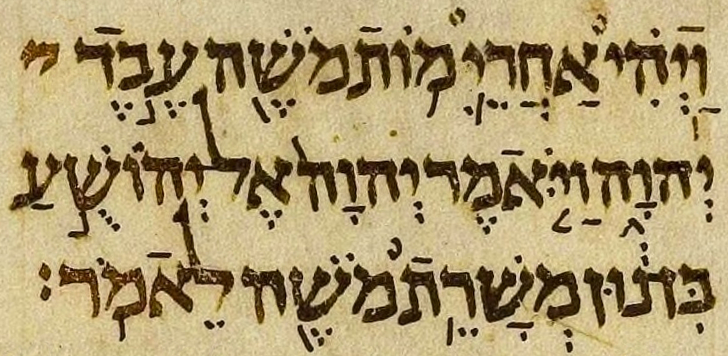
Hebrew Bible & Deuterocanon
Various · c. 900–100 BCE · Hebrew, Aramaic, Greek
Volunteers before the throne to be a lying spirit in the mouths of Ahab's prophets, and is sent to do it.
Read Hebrew Bible & Deuterocanon in full ↗Cover: Public domain · see en:Aleppo Codex; scanned by · Wikimedia file page
Pigs in the Parlor: A Practical Guide to Deliverance
Frank and Ida Mae Hammond · 1973 · English
Treated as the spirit behind habitual deceit, false teaching and self-deception.
Read Pigs in the Parlor: A Practical Guide to Deliverance in full ↗