speech · 1 claim
Muteness and Convulsions
The gospels' most detailed physical description: throwing down, foaming, grinding teeth, and a father who says it began in childhood.
Mark 9 records a father bringing his son to the disciples: the spirit takes him, throws him down, and he foams and gnashes his teeth and wastes away; it has often thrown him into fire and into water to destroy him, and has done so since childhood. The presentation is recognisable, and readers have identified it with epilepsy since antiquity — Matthew's parallel uses a word meaning moonstruck, the standard ancient term.
What the corpus records is the attribution, not a diagnosis. It is worth noting that the same gospels elsewhere list the sick and the possessed as separate groups brought for healing, which means the writers were not treating every illness as possession either.
Oldest first
Who was blamed, and by which text?
Each card is one text making one attribution, in its own framing. Reading down the column is a transmission history rather than a set of independent witnesses — and where a claim carries a grading, that grading is about how well it is grounded in the passage it cites, nothing more.
A dumb and deaf spirit
New Testament · c. 50–110 CESeizes a boy since childhood, throwing him down so that he foams, grinds his teeth and wastes away, and casting him into fire and water.
What stops it
Commanded out; the disciples' failure is attributed to this kind coming out only by prayer.
Countermeasures
What the texts say stops it
c. 50–110 CE
Commanded out; the disciples' failure is attributed to this kind coming out only by prayer.
Which texts make these claims?
Oldest first. The distance between the earliest and the latest is the thing worth looking at: a claim made in an incantation four thousand years ago and one made in a paperback in 1973 are different kinds of evidence about the same symptom.
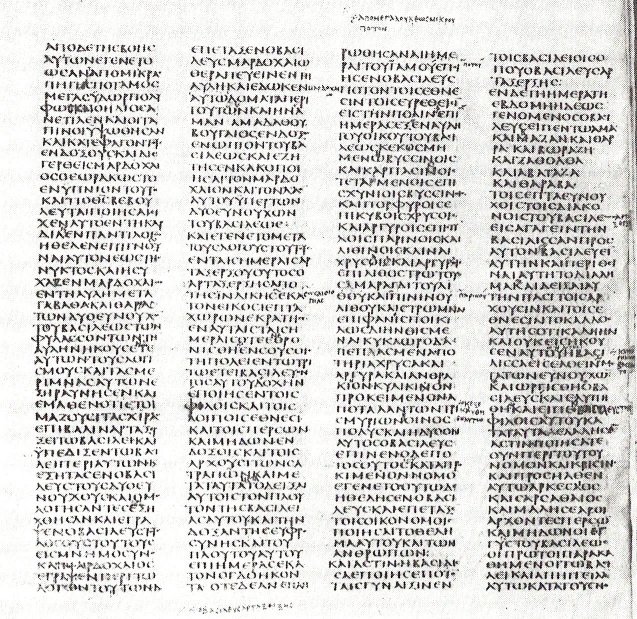
New Testament
Various · c. 50–110 CE · Koine Greek
Seizes a boy since childhood, throwing him down so that he foams, grinds his teeth and wastes away, and casting him into fire and water.
Read New Testament in full ↗Cover: Public domain · Wikimedia file page